This post contains affiliate links. If you book through them, we may earn a small commission at no extra cost to you. Learn more.
Pair this with our Florence luxury guide for where to stay, what to see and how to plan the rest of your visit.
Florentine cooking is not fussy. It is built on bread, beans, olive oil, grilled meat and a glass of Chianti, and its greatest dishes were often invented to use up yesterday’s loaf or the cheaper cuts of the animal. That simplicity is exactly why it is so easy to eat badly in Florence: the city centre is full of restaurants serving tired versions to tourists who will never come back. Eat well, and Florence is one of the great food cities of Italy.
This guide tells you what to order, where locals eat it, how to approach the markets, where to splurge, and which cooking classes and wine experiences are worth your time.
Quick answer
Eat bistecca alla fiorentina at least once, lampredotto from a street kiosk if you are brave, and ribollita in winter. Shop at Sant’Ambrogio market, not just the Mercato Centrale. Learn to make pasta with a pasta and gelato cooking class, and give a day to the vineyards on a Chianti wine tour.
The dishes that define Florence
Bistecca alla fiorentina
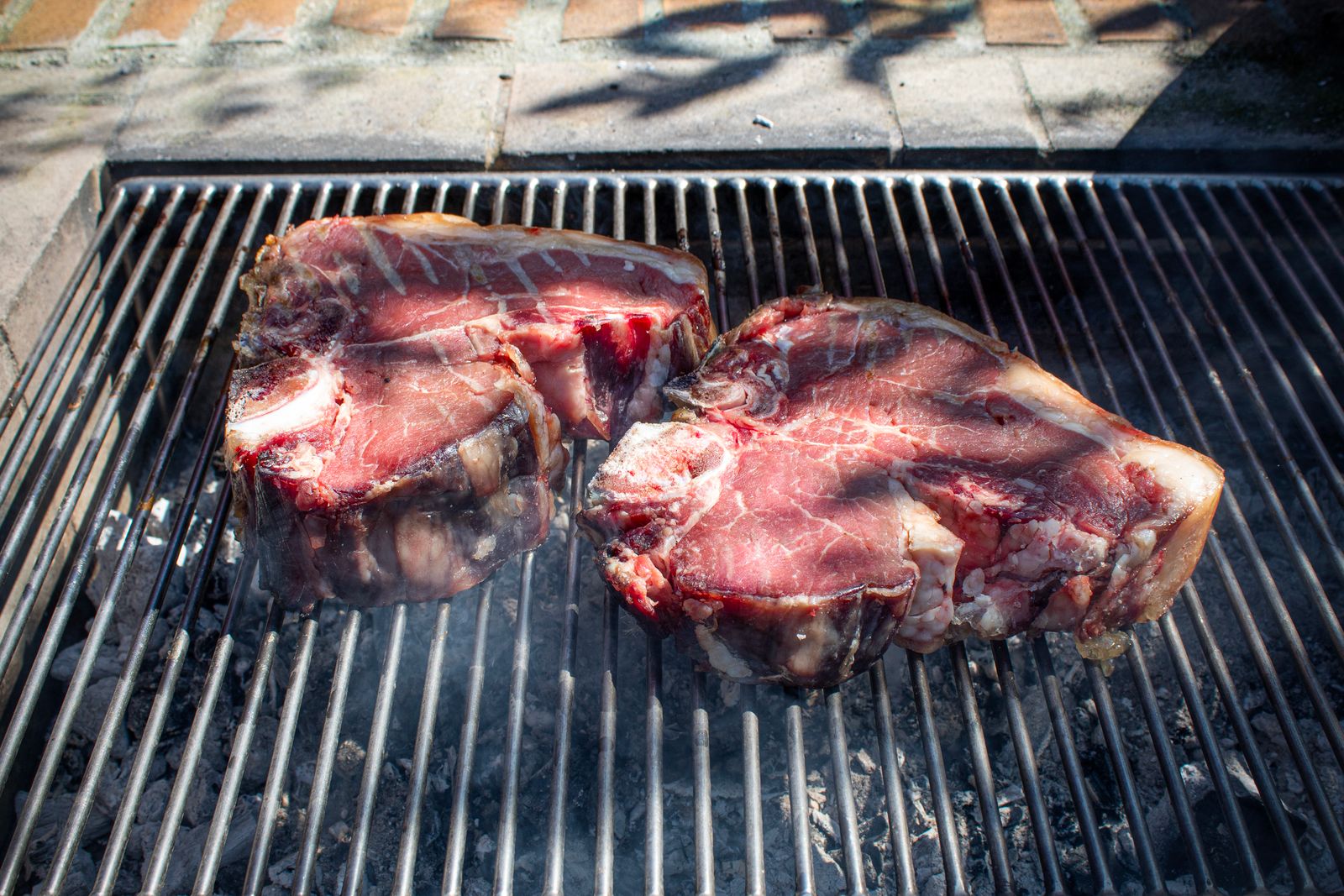
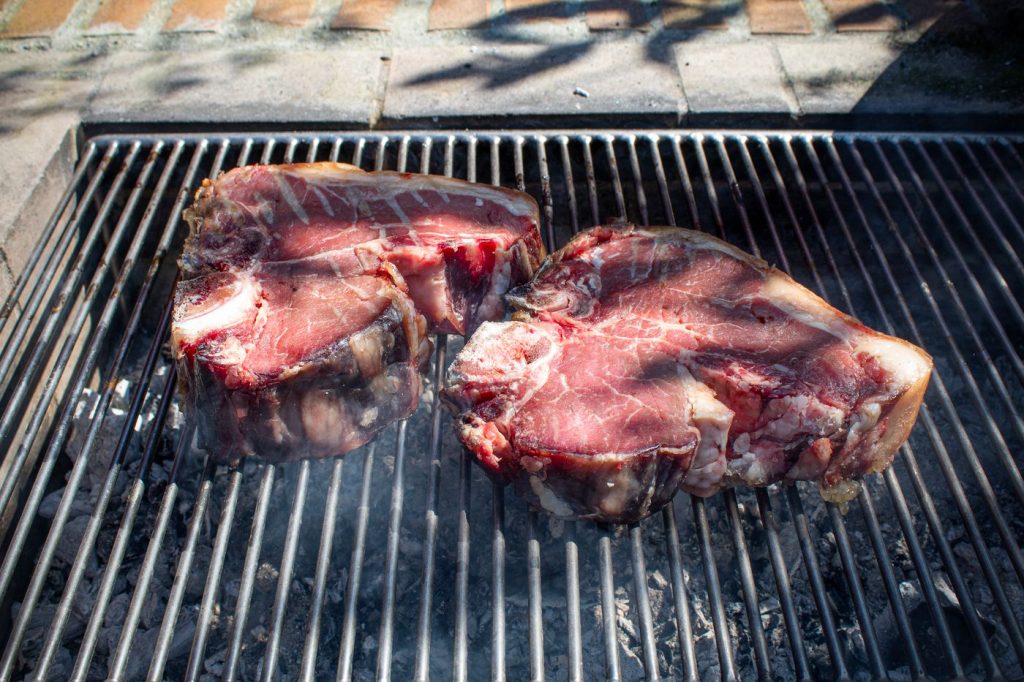
The city’s most famous dish is a thick T-bone steak, traditionally from Chianina cattle, the giant white breed of the Val di Chiana. It is cut three or four fingers thick, grilled over wood or charcoal, seasoned only with salt and a little olive oil, and served rare. It is sold by weight, usually well over a kilo, and meant for sharing. Asking for it well done will earn you a polite refusal in serious trattorias. Expect a premium price for real Chianina; ask where the meat comes from.
Lampredotto
The true food of Florentine working life is lampredotto, the fourth stomach of the cow, slow-cooked in a broth of tomato, celery and onion, sliced and served in a bread roll dipped in the cooking liquid, with salsa verde and chilli oil. It is sold from street carts known as trippai, several of which have been in the same families for generations. It is better than it sounds.
Bread soups and salads
Tuscan bread is made without salt, a tradition sometimes traced back to a medieval salt tax, and stale bread is never wasted. Ribollita is a thick winter soup of bread, beans, black cabbage and vegetables, “reboiled” on the second day. Pappa al pomodoro is a warm tomato and bread porridge with basil. In summer, panzanella mixes soaked bread with tomatoes, onion, cucumber and basil.
Crostini, pasta and more
Start a meal with crostini toscani, toasts topped with chicken liver pâté, and a plate of salumi including finocchiona, fennel-scented salami. Pappardelle with wild boar or hare sauce is the classic pasta. Tripe alla fiorentina, beans all’uccelletto with tomato and sage, and peposo, a peppery beef stew said to have been eaten by the builders of the Duomo, complete the traditional repertoire.

The markets
Mercato Centrale, the great iron-and-glass market hall of San Lorenzo built in the 1870s, sells meat, fish, cheese and produce on its ground floor, while the upper floor has been transformed into a busy food hall. It is lively and convenient, but heavily geared towards visitors. For a more local feel, go to the Sant’Ambrogio market near Santa Croce in the morning, where Florentines shop for vegetables and the small trattoria inside serves honest, cheap lunches. If you prefer to explore with background stories, an insider’s audio guide to Florence’s food and drink leads you to the best local addresses at your own pace.
Street food and sweets
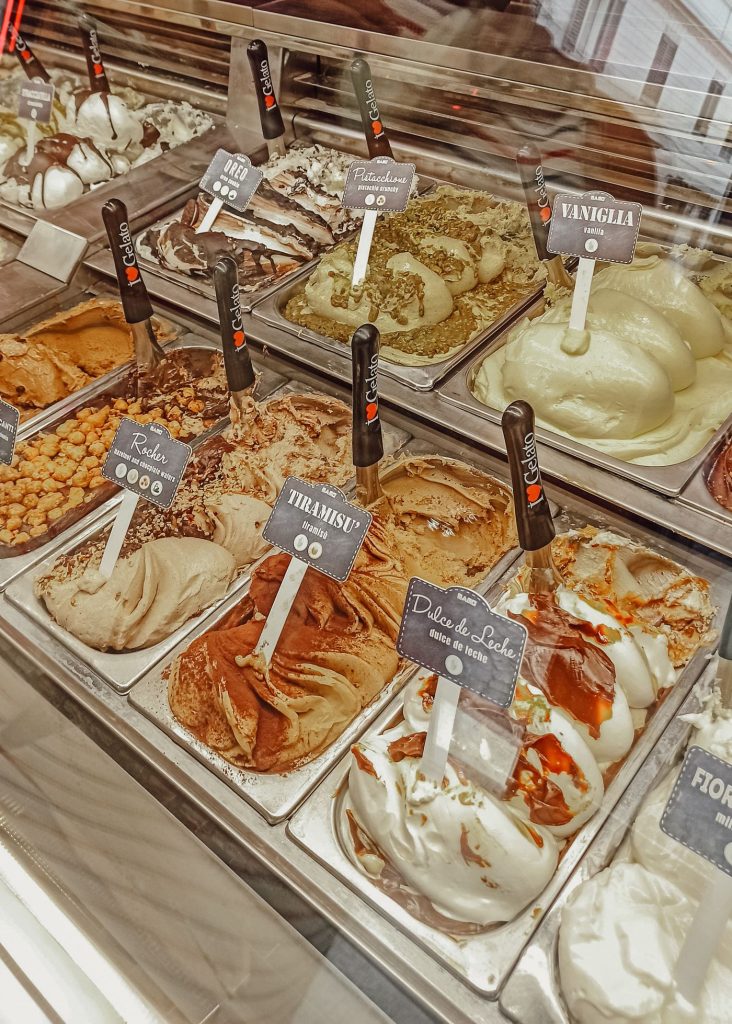
Florence’s most photographed sandwich is the schiacciata, a flat, salty focaccia split and stuffed with cured meats, cheese and spreads; the queues outside the most famous shops near the Uffizi can be long. Try also coccoli, fried dough balls served with prosciutto and stracchino cheese.
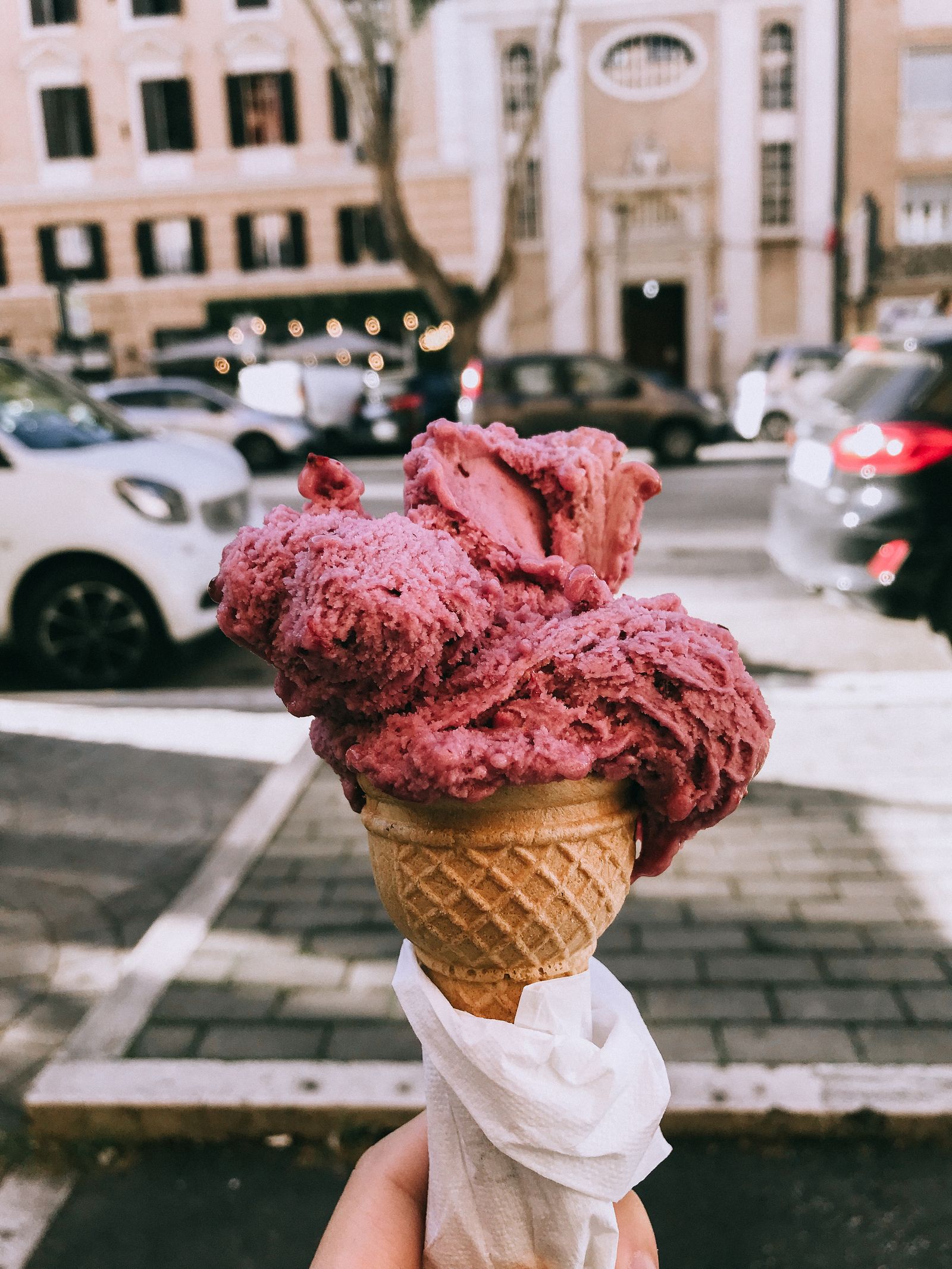
For dessert, Florence claims a role in the invention of gelato, credited by local legend to the Renaissance architect Bernardo Buontalenti, and several gelaterie still make a “crema Buontalenti”. Look for shops that store gelato in covered metal tubs rather than towering, brightly coloured mounds. Finish a meal the Tuscan way with cantucci, hard almond biscuits dipped into a glass of Vin Santo.
Wine in the city
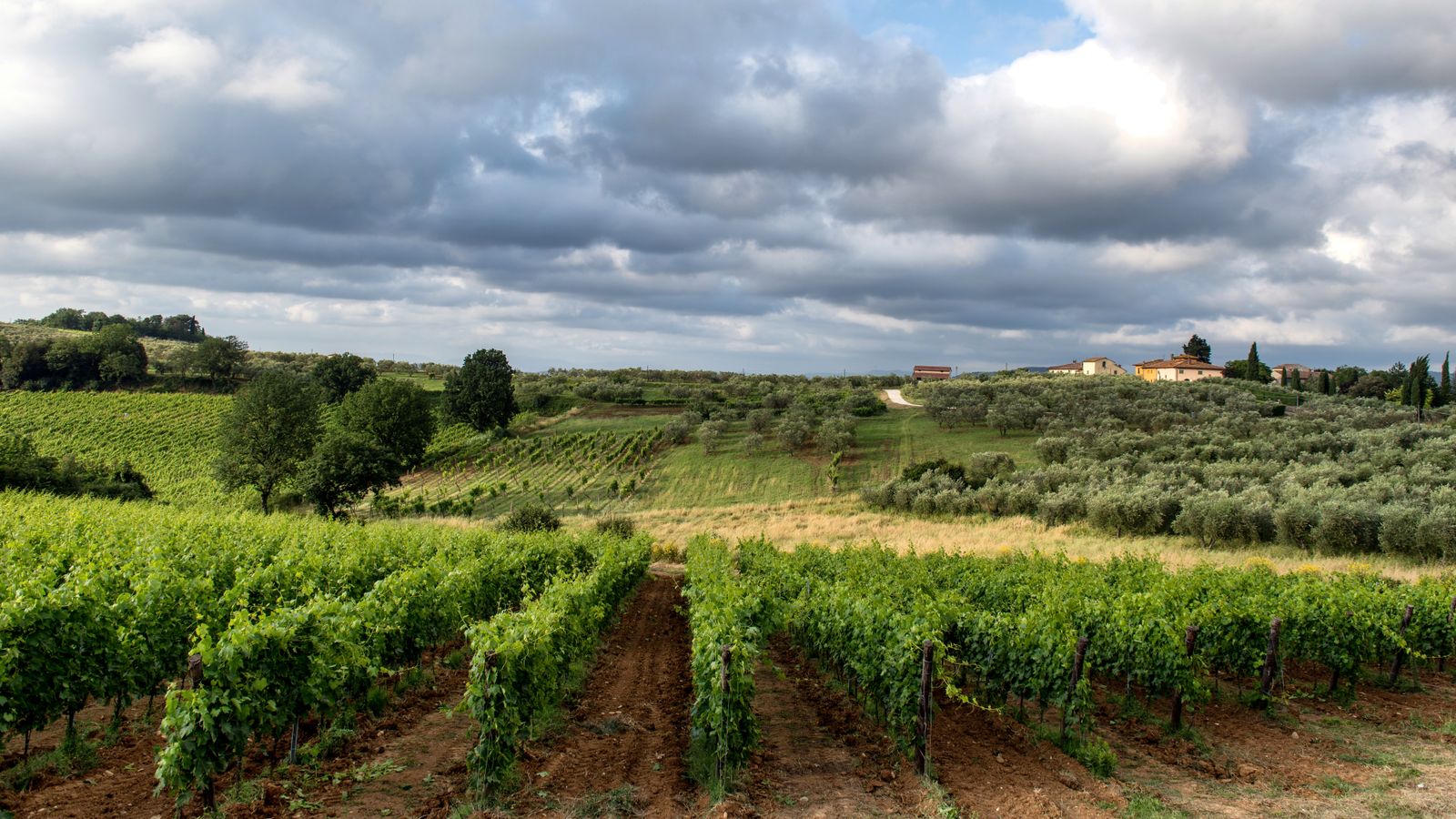
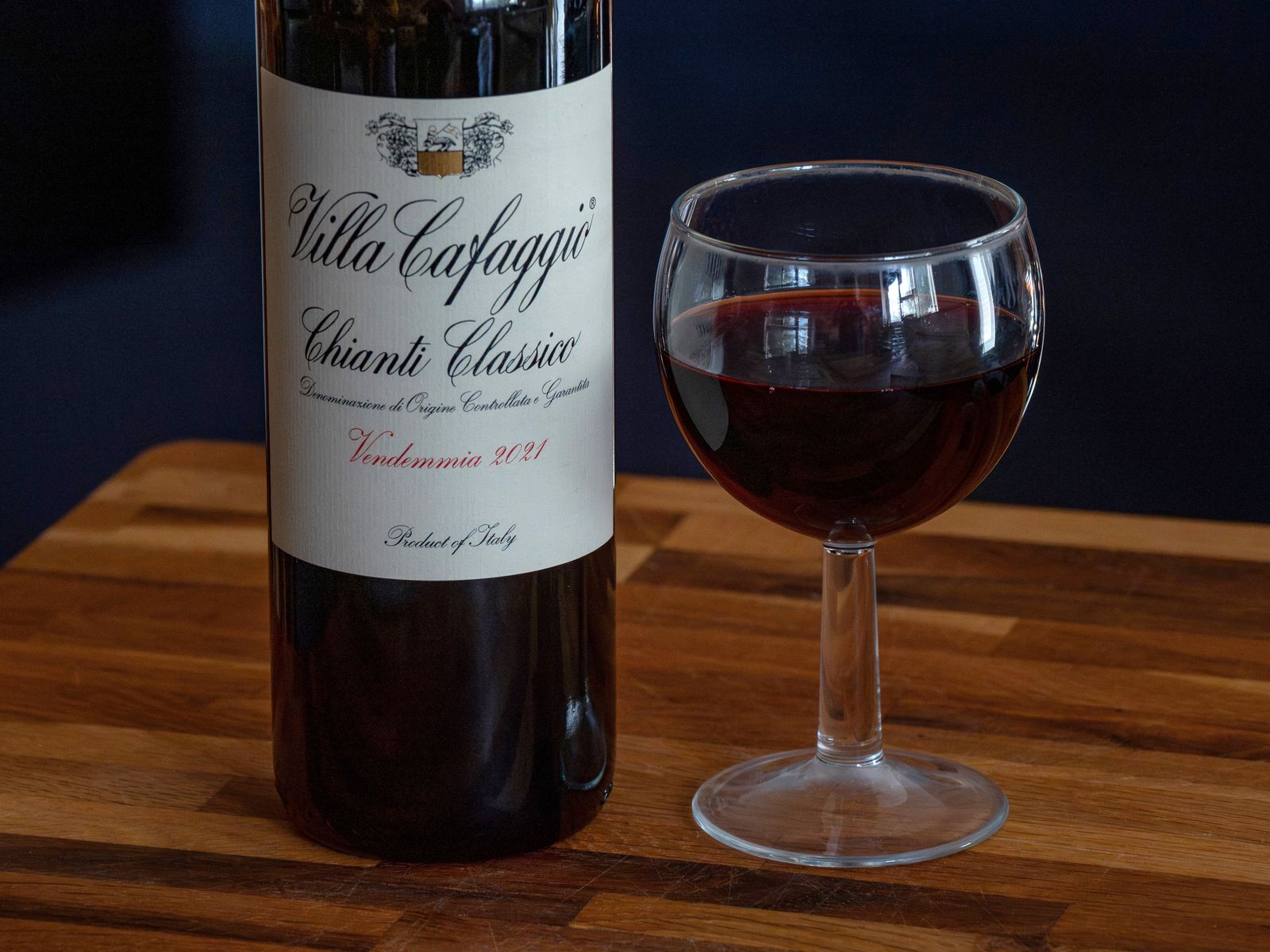
Florence sits between Chianti Classico to the south and Chianti Rùfina to the east, and wine bars across the city pour both, along with Brunello, Vino Nobile and the Super Tuscans. Look for the tiny buchette del vino, the wine windows in palazzo walls through which noble families once sold wine directly from their cellars; a few have been reopened. Our guide to wine in Florence covers the best enotecas, and Florence’s wine story explains the history.
A seasonal food calendar
Tuscan cooking follows the seasons closely, and timing your visit can shape what you eat. Spring brings broad beans eaten raw with young pecorino, artichokes and the first tender asparagus. Summer is the season of panzanella, ripe tomatoes, zucchini flowers and long dinners outdoors. Autumn is the high point: porcini mushrooms, white truffles from the hills around San Miniato, chestnuts, game and, in late October and November, the bright green, peppery new olive oil, best tasted on toasted bread as fettunta. The grape harvest in September and October fills the countryside with activity, and many estates hold harvest dinners. Winter means ribollita, black cabbage, bean soups and slow-cooked stews by the fire.
If you are in Florence in November, look for the San Miniato white truffle fair, held at weekends in the hill town halfway to Pisa. It is one of the best food events in Tuscany and makes an easy day trip by train or car. For more countryside eating, our guides to the Val d’Orcia and San Gimignano point you to some of the best tables outside the city.
Fine dining
Florence has a handful of exceptional restaurants for a special occasion. Enoteca Pinchiorri, in a palazzo near Santa Croce, has long been one of Italy’s most celebrated restaurants, famous for its vast cellar. Massimo Bottura’s Gucci Osteria on Piazza della Signoria offers playful, refined cooking in a tiny room. Many hotel restaurants also hold Michelin stars; our guide to the best luxury hotels in Florence mentions the best. Book well ahead and check dress codes.
Cooking classes and food experiences
| Experience | What you do | Duration | Book |
|---|---|---|---|
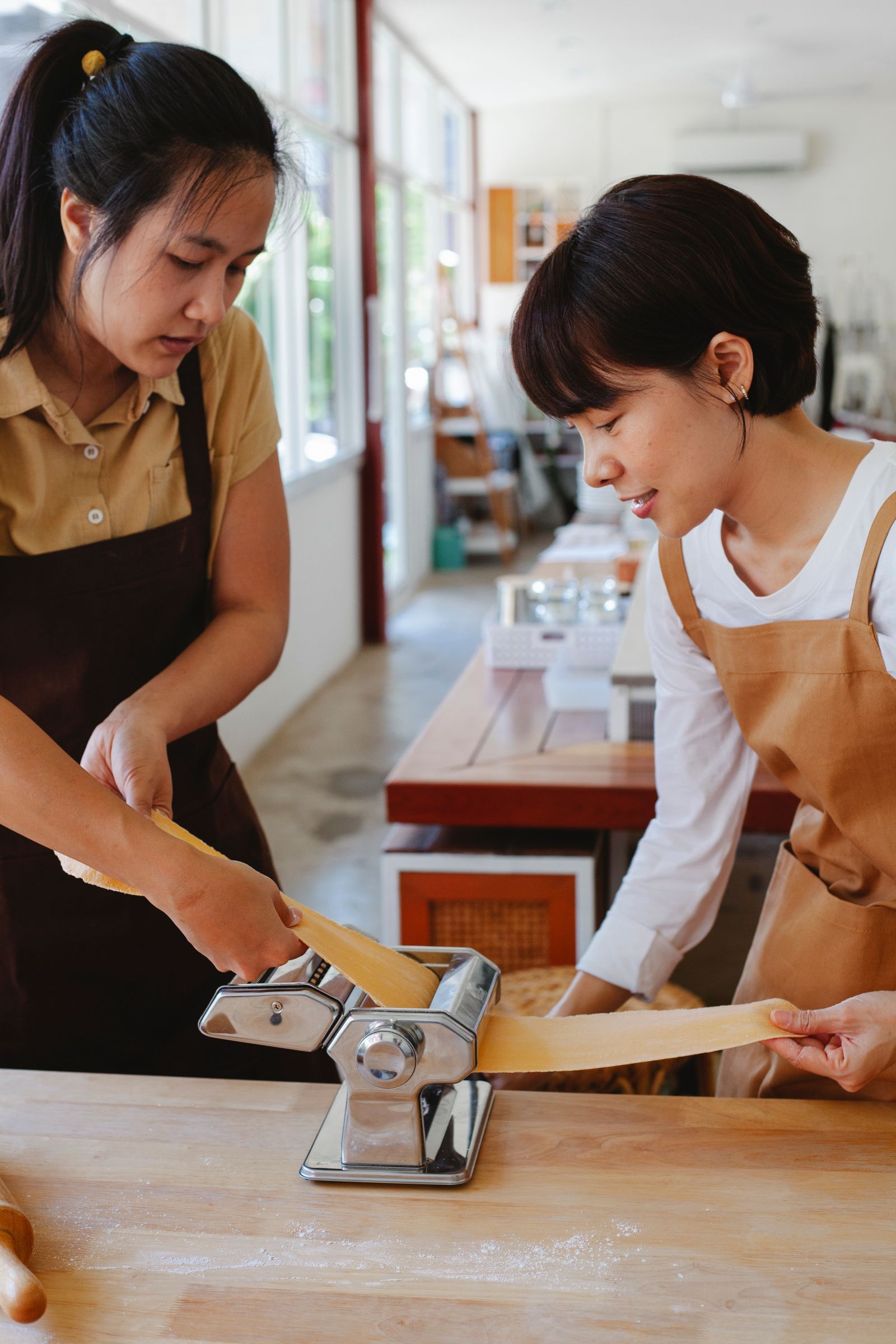
| Pasta and gelato class | Make fresh pasta and gelato, then eat it | About 3 hours | Book the class |
| Food audio guide | Self-guided tour of local food spots | Your own pace | WeGoTrip guide |
| Chianti day trip | Two wineries, tastings, countryside | Full day | Chianti wine tour |
| Chianti winery tour with dinner | Cellar visit and Tuscan dinner | Afternoon and evening | Winery tour with dinner |
| Val d’Orcia with tastings | Montalcino, Montepulciano, Pienza | Full day | Val d’Orcia tour |
For more wine options, our guide to wine tours from Florence compares the best Chianti, Montalcino and Montepulciano tours.
How to eat well in Florence
- Walk two streets away. Restaurants on the main squares rarely serve the best food. Cross into the Oltrarno or towards Sant’Ambrogio.
- Read the menu. A short menu that changes with the seasons is a good sign. Photos and menus in eight languages are not.
- Eat at Italian times. Lunch from 1pm, dinner from 8pm. Book dinner, especially at weekends.
- Coffee rules. Italians drink milky coffee only in the morning; an espresso ends the meal.
- Understand the bill. A coperto (cover charge) per person is normal. Tipping is appreciated but not expected; rounding up is fine.
Arriving and getting around
The historic centre is compact and best explored on foot. From the airport, a private transfer with Welcome Pickups takes you to your hotel without struggling with taxis in the restricted traffic zone. For eSIMs, travel insurance and luggage storage, see our Italy travel planner. When you have eaten enough, walk it off with our guides to Medici Florence, Palazzo Pitti and the Boboli Gardens and Florence for fashion lovers.
Charlotte’s pick
If I could recommend only one thing here, it would be the pasta and gelato cooking class. It is fun, hands-on and you leave with skills you will actually use at home, plus a long lunch of everything you made.
Where to Stay: compare hotels and current prices in Florence on Trip.com.
FAQ
How much does a bistecca alla fiorentina cost?
It is priced by weight, typically per kilo, and a steak for two easily exceeds a kilo. Check the price per kilo on the menu before ordering.
What is the best area for restaurants?
The Oltrarno, especially around Santo Spirito and San Frediano, and the streets around Sant’Ambrogio market.
Is lampredotto worth trying?
If you eat offal, yes. It is the most authentic street food in the city, cheap, filling and delicious.
Are cooking classes worth it?
They are a fun way to learn techniques you will use at home, and you eat everything you make. Choose small groups.
When is the best time for food lovers to visit?
Autumn, for truffles, porcini, new olive oil and the grape harvest in the surrounding hills.
Hungry in Naples? See our guide to Naples for food lovers.
Hungry in Rome? See our guide to what to eat in Rome.
Hungry in Venice? See our guide to what to eat in Venice.
For the region’s food, see our guide to Bologna and the Food Valley.