This post contains affiliate links. If you book through them, we may earn a small commission at no extra cost to you. Learn more.
Every people who ever ruled Sicily left something on its plate. The Greeks brought olives and vines, the Arabs sugar, citrus, almonds, saffron and rice, the Normans and Spaniards their own tastes, and the aristocracy employed French-trained chefs while the poor made miracles from bread, chickpeas and wild fennel. The result is the most varied cuisine in Italy: sweet and sour, spicy and fragrant, rich with pistachios and ricotta, and served with some of the most exciting wines in the Mediterranean.
This guide covers the street food of Palermo and Catania, the island’s great dishes and pastries, its markets and wines, and the best food experiences from east to west.
Quick answer
Eat arancine and panelle in a Palermo market, pasta alla Norma in Catania, granita with brioche for breakfast and a cannolo filled to order. Taste Etna wines and Marsala at the source (try the Alagna cellar tasting in Marsala), and browse food and wine experiences across Sicily on Klook.

Street food: Palermo and Catania
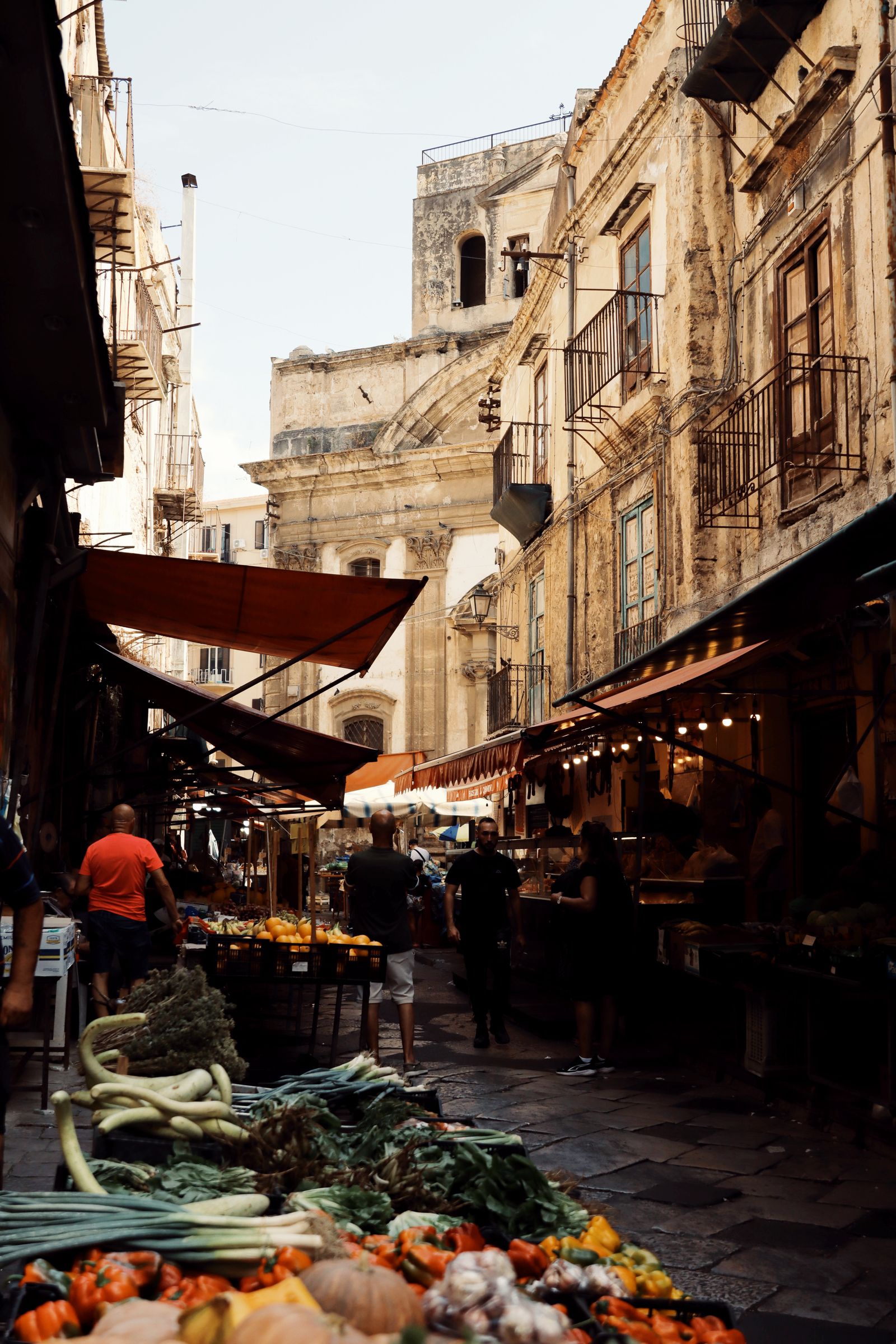
Palermo is regularly ranked among the world’s great street food cities. In its historic markets, Ballarò, the Capo and the Vucciria, stalls fry, grill and assemble snacks all day:
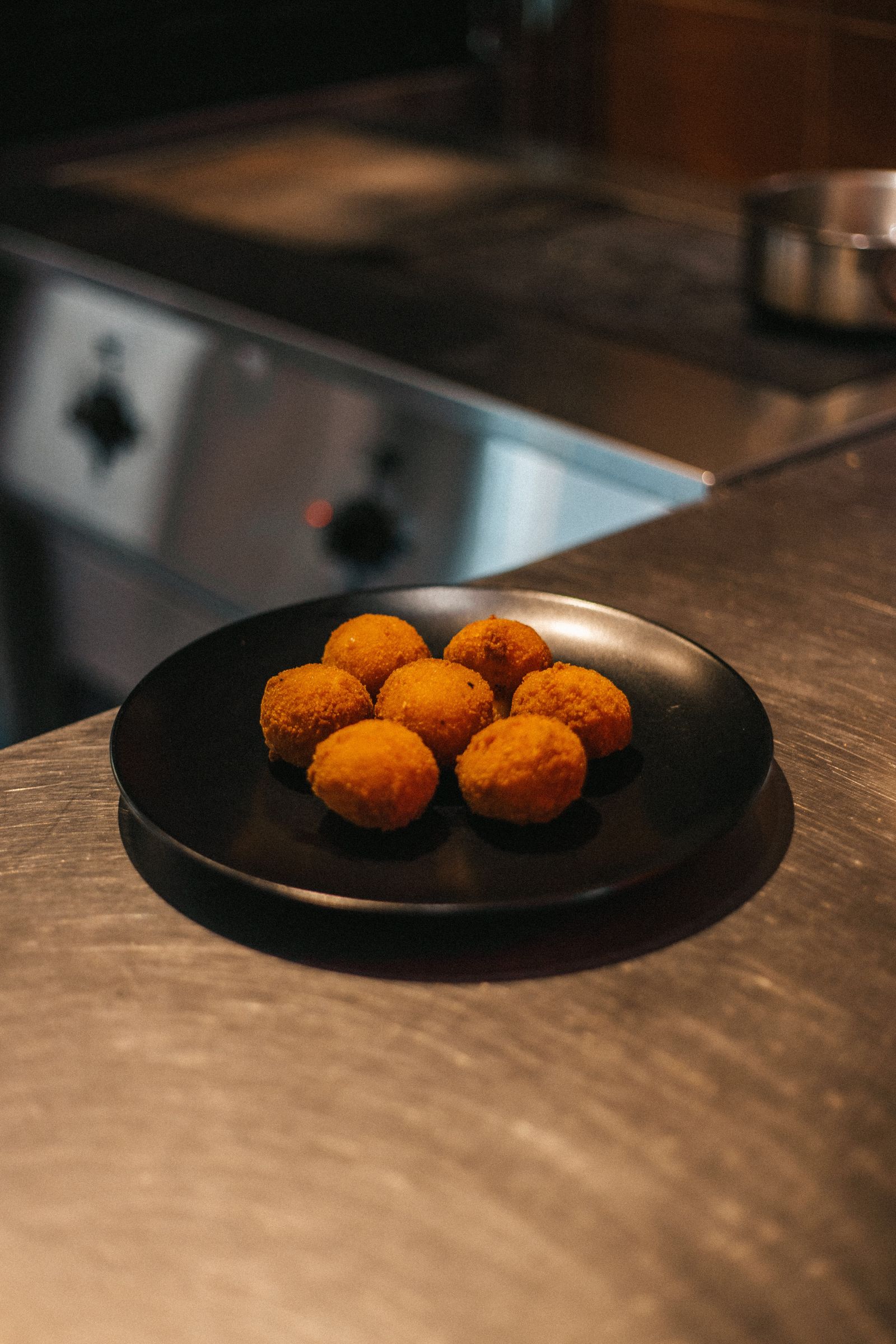
- Arancine: golden fried rice balls filled with ragù and peas or with ham and mozzarella. In Palermo they are round and feminine (arancina); in Catania they are conical and masculine (arancino), a rivalry taken very seriously.
- Pane e panelle: a soft sesame roll filled with chickpea fritters and often crocchè, potato croquettes.
- Sfincione: Palermo’s thick, spongy pizza topped with tomato, onions, anchovies and breadcrumbs.
- Pani ca’ meusa: a roll filled with spleen and lung fried in lard, for the brave.
- Stigghiola: grilled skewers of lamb intestines, sold from smoky street grills at night.
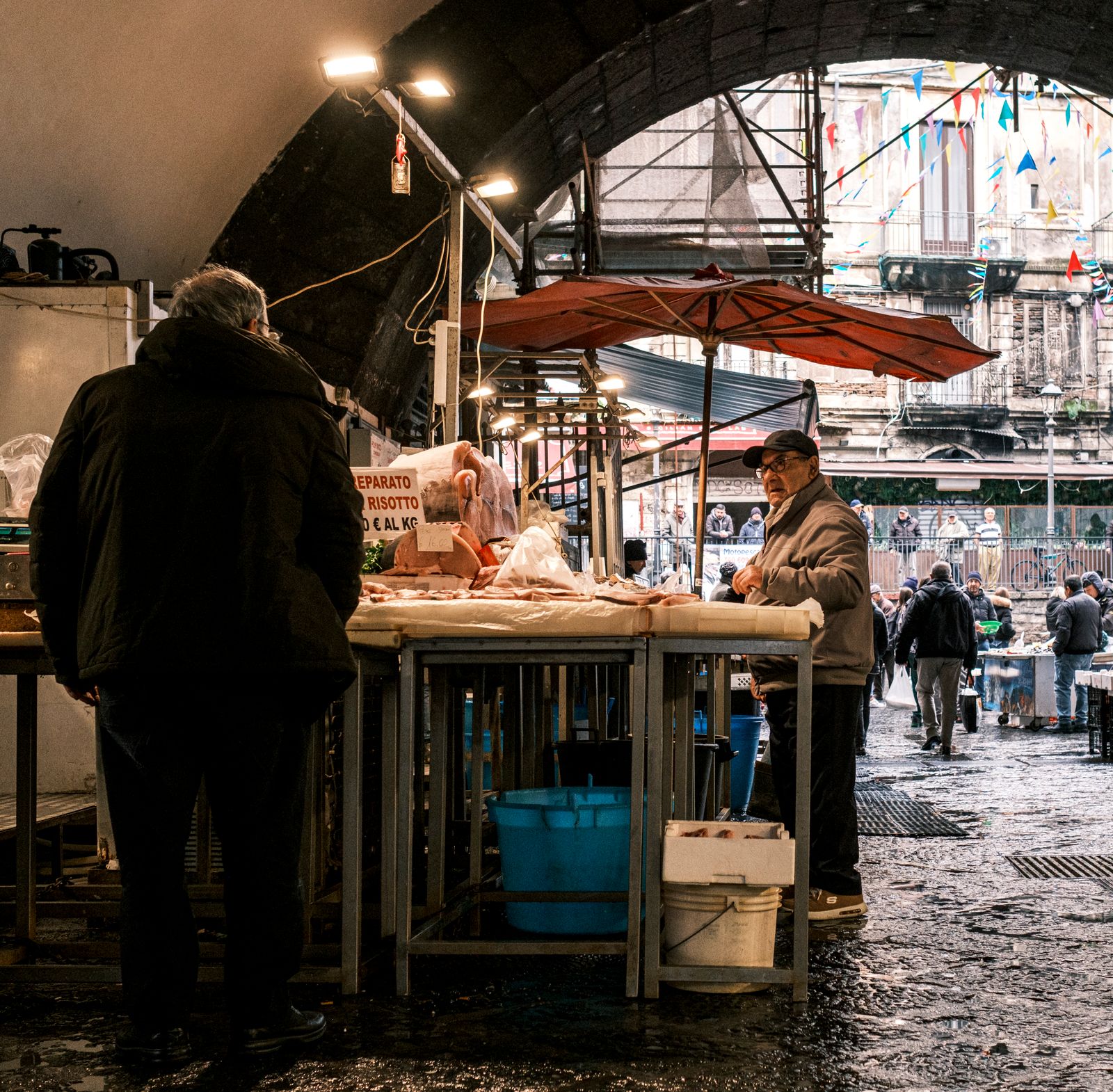
In Catania, the fish market behind the cathedral is one of the most theatrical in Italy, and the bars along Via Etnea serve excellent arancini and cartocciate. For self-guided exploration with history, the Palermo UNESCO sites audio tour passes several markets.
The great dishes
- Pasta alla Norma: Catania’s pride, with fried aubergine, tomato, basil and grated salted ricotta, named after the opera by the local composer Vincenzo Bellini.
- Pasta con le sarde: Palermo’s signature pasta with fresh sardines, wild fennel, raisins, pine nuts and saffron, a dish that tastes of the Arab past.
- Caponata: a sweet-and-sour stew of aubergine, celery, olives, capers and vinegar, eaten at room temperature.
- Involtini di pesce spada: rolls of swordfish stuffed with breadcrumbs, pine nuts and raisins, a speciality of the Messina strait.
- Cuscus di pesce: fish couscous from Trapani and the west, a reminder of North Africa’s proximity.
- Busiate al pesto trapanese: twisted pasta with raw tomato, almond and basil pesto.
Sweets: Sicily’s greatest gift
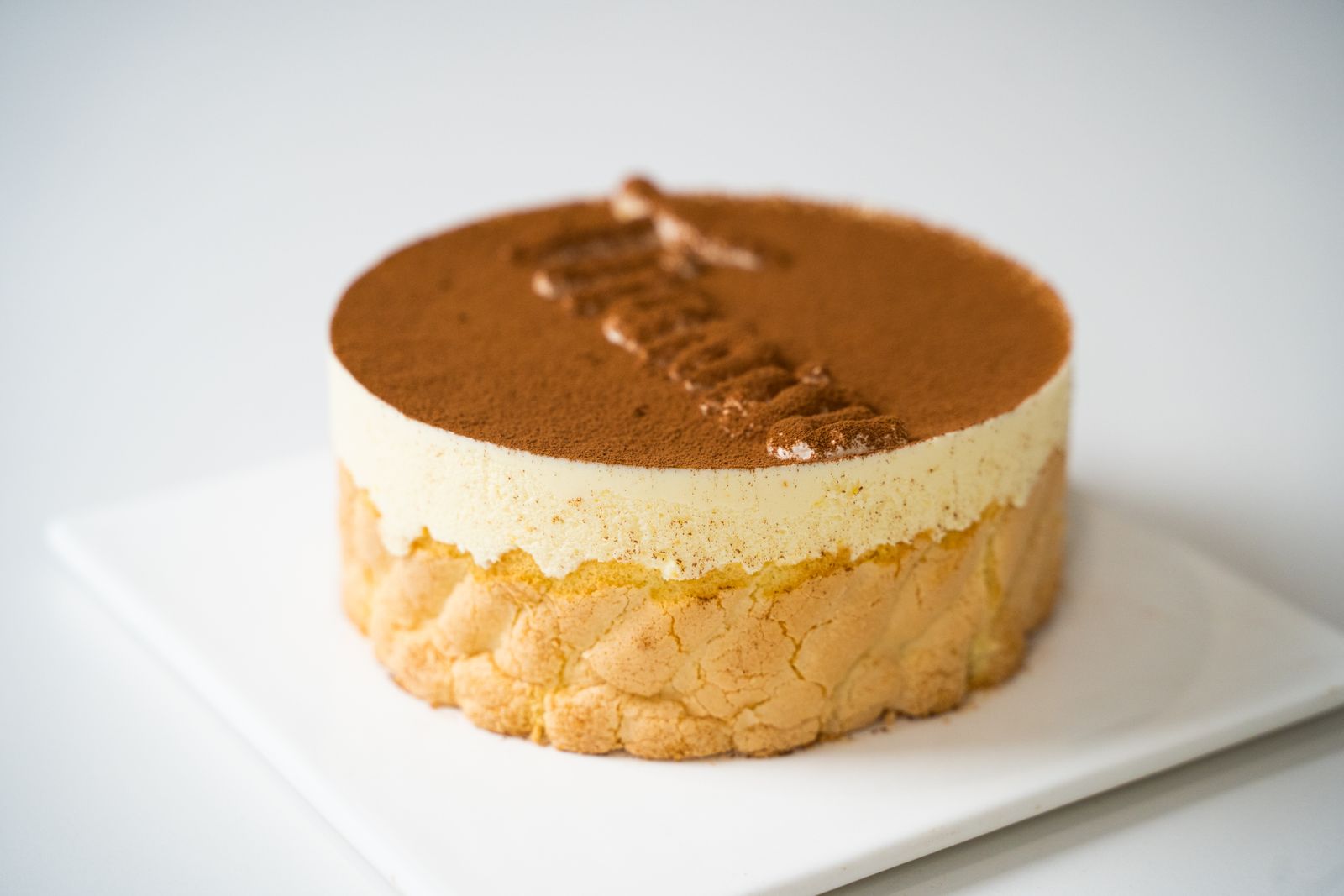
Sicilian pastry has its roots in Arab sugar-work and in the convents, where nuns made sweets to sell. The cannolo, a crisp fried shell filled with sweetened sheep’s ricotta, should always be filled to order so the shell stays crunchy. Cassata, a sponge cake layered with ricotta, covered in marzipan and decorated with candied fruit, is Palermo’s baroque masterpiece. Frutta martorana, marzipan shaped and painted to look like fruit, takes its name from a Palermo convent.
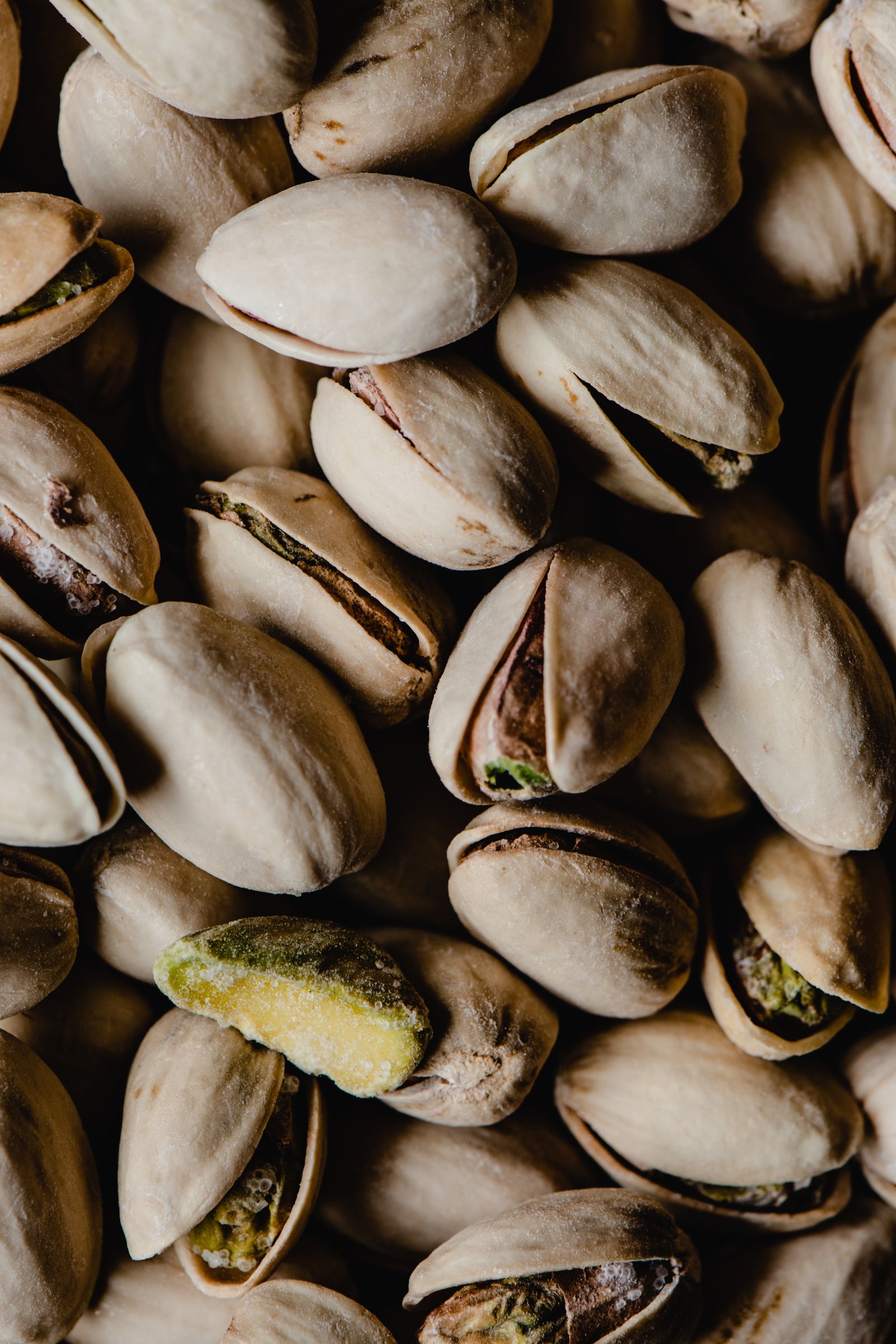
In summer, Sicilians breakfast on granita, a semi-frozen ice of almond, pistachio, lemon, coffee or black mulberry, served with a soft brioche to dunk. The pistachios of Bronte, grown on the slopes of Etna, are among the most prized in the world, and turn up in pastries, gelato and pesto. In the baroque town of Modica, chocolate is still worked cold according to an ancient method, giving it a unique grainy texture. Noto, nearby, is famous for its almond pastries and granite; the Noto sights and flavours audio tour points you to the best addresses.
The wines of Sicily
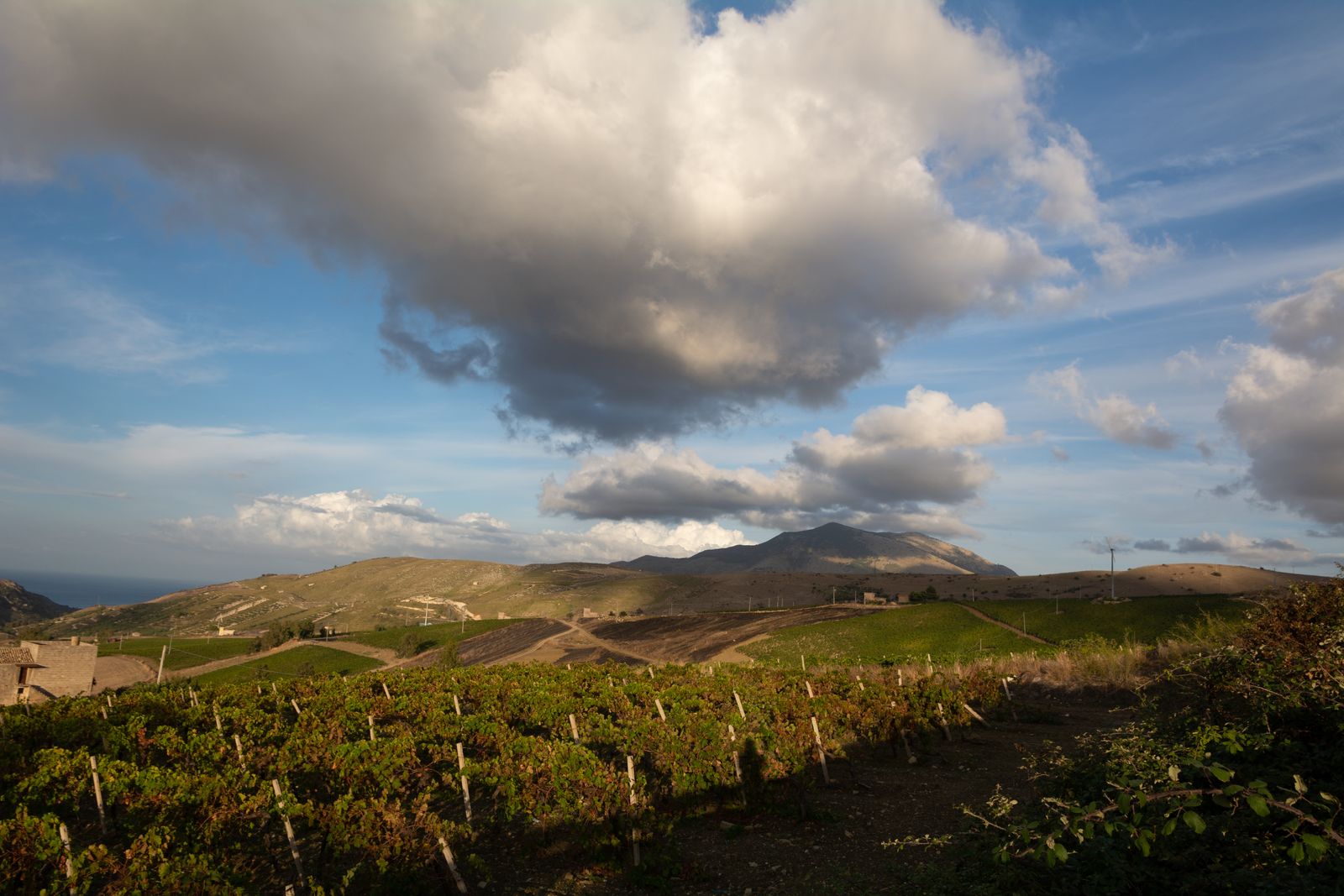
Sicily has become one of Italy’s most exciting wine regions. On the volcanic slopes of Etna, Nerello Mascalese makes elegant, mineral reds and Carricante makes taut whites; our guide to Mount Etna wine tours explains how to visit. In the south-east, Cerasuolo di Vittoria, Sicily’s only DOCG, blends Nero d’Avola and Frappato into a fresh, cherry-scented red. Nero d’Avola itself is the island’s most famous red grape. In the west, Marsala is one of the world’s great fortified wines (see Marsala, Mozia and the salt road), and from the island of Pantelleria, Passito made from sun-dried Zibibbo grapes is a dessert wine of rare intensity. Our Sicilian wine guide covers it all.
Markets worth visiting
| Market | City | Best for | Explore |
|---|---|---|---|
| Ballarò | Palermo | Street food, produce, atmosphere | Palermo audio tour |
| Mercato del Capo | Palermo | Fish, spices, arancine | Palermo audio tour |
| La Pescheria | Catania | The island’s most dramatic fish market | Catania airport transfer |
| Ortigia market | Syracuse | Fish, cheese, sandwiches made to order | Ortigia audio tour |
| Wine cellars | Marsala | Historic fortified wines | Alagna cellar tasting |
| Food and wine experiences | Island-wide | Cooking classes, tastings, tours | Klook Sicily |
Ortigia: a food lover’s base
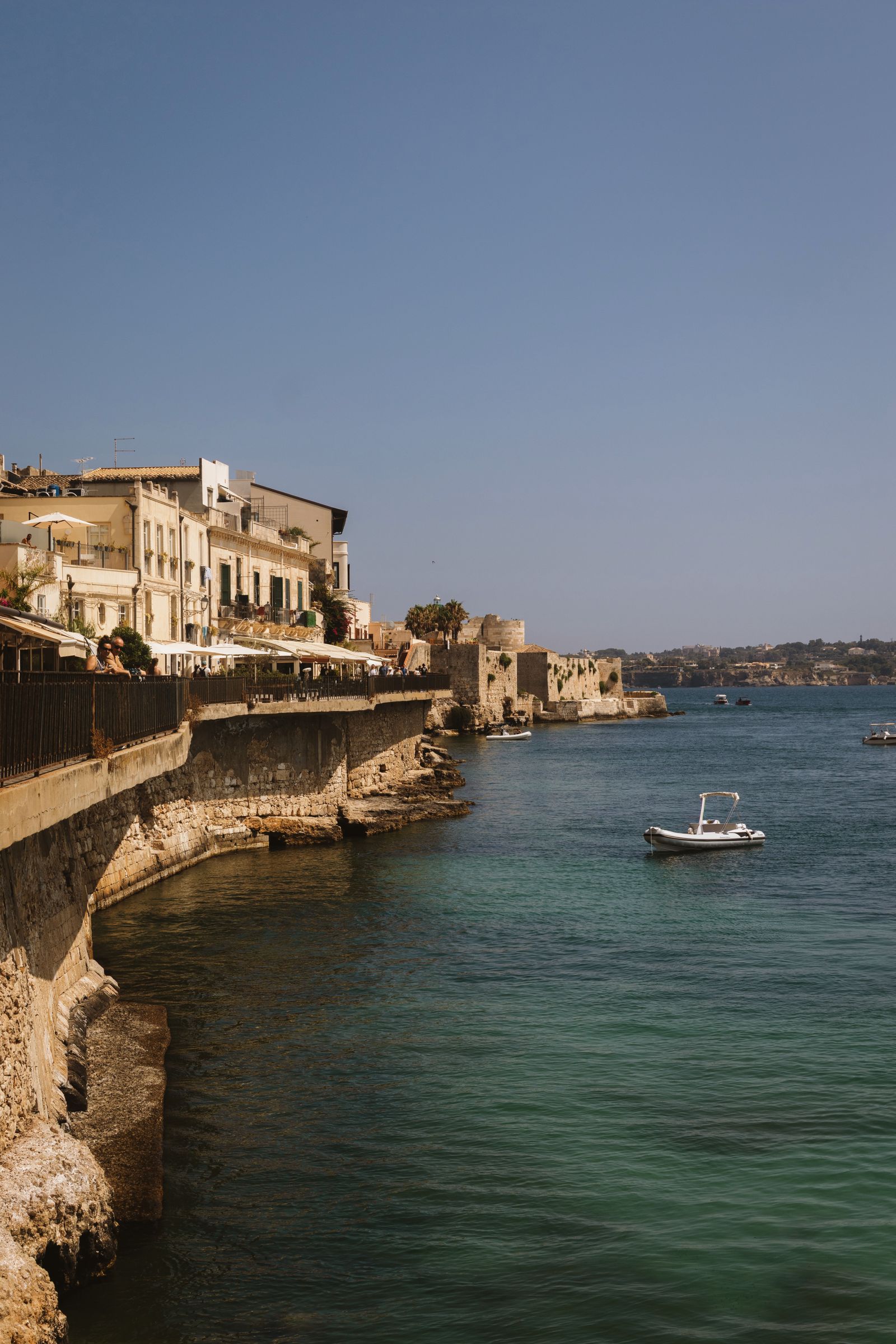
The island of Ortigia, the historic heart of Syracuse, is one of the most pleasant places in Sicily to eat. Its morning market offers some of the best sandwiches on the island, assembled to order with cured meats, cheeses, sun-dried tomatoes and pickled vegetables. In the evening, the lanes around the Piazza del Duomo and the waterfront fill with trattorias serving raw red prawns, sea urchin pasta and grilled fish. The Ortigia architecture audio tour is a lovely way to work up an appetite, and our guides to boat tours from Syracuse and Ortigia and Ortigia cover the rest.
Cheese, olive oil and salt
Sicily’s pastoral traditions are as rich as its pastry. Fresh sheep’s ricotta, still warm from the cauldron, is a revelation if you find a shepherd selling it in the morning. Pecorino siciliano, sometimes studded with black peppercorns, and the stretched-curd caciocavallo from the Ragusa area are the island’s great cheeses, while Piacentinu Ennese is coloured with saffron. Olive groves cover the hills, and the new oil of autumn, green and peppery, is poured over bread with a pinch of sea salt from the Trapani salt pans. Capers from Pantelleria and Salina and sun-dried tomatoes complete the pantry.
A Sicilian food road trip
For a perfect week, start in Palermo for markets and street food, drive west to Marsala and Trapani for wine, salt and couscous, then cross the interior to Agrigento. Continue to the baroque south-east for Modica chocolate, Ragusa cheese and Noto almond pastries, spend a night or two in Ortigia, and finish on Etna among volcanic vineyards and pistachio groves. Each stop has its own dishes, and together they show why Sicilians say their island is a continent.
When to go for food
Every season has its pleasures. Spring brings wild asparagus, artichokes and broad beans; summer means granita, swordfish, peaches and almond milk; autumn is the season of the grape harvest, new olive oil and, every two years, the pistachio harvest in Bronte, celebrated with a festival; and winter brings blood oranges from the plains around Catania and Christmas pastries. Easter is a feast of lamb, cassata and marzipan lambs.
Practical tips
- Breakfast like a Sicilian: granita and brioche in summer, a cannolo or an arancino at any hour.
- Eat late: dinner often starts after 8.30pm, later in summer.
- Drive to the wineries: Etna, Vittoria and Marsala are best explored with a rental car.
- Arriving in the east: a Welcome Pickups transfer from Catania airport takes you to Taormina, Catania or Syracuse; our guide to Catania airport transfers compares the options.
- Monreale: combine Palermo’s markets with the golden mosaics of Monreale (cloister ticket).
For itineraries, see Palermo tours and day trips, the baroque towns of Noto, Modica and Ragusa and the best luxury hotels in Sicily. For other Italian food guides, read Naples, Rome and Venice.
Charlotte’s pick
If I could recommend only one thing here, it would be the historic cellar tasting in Marsala. Real Marsala is one of the great surprises of Sicily. Ask to taste a dry Vergine and you will never think of it as a cooking wine again.
FAQ
What is the most famous food in Sicily?
Arancine, cannoli and pasta alla Norma are the best known, followed by granita, cassata and caponata.
Is it arancina or arancino?
Both. Palermo says arancina and makes them round; Catania says arancino and makes them conical.
What is the best Sicilian wine?
It depends on taste: Etna Rosso for elegance, Nero d’Avola for richness, Cerasuolo di Vittoria for freshness and Marsala or Passito di Pantelleria with dessert.
When should I eat granita?
For breakfast with brioche in summer, as Sicilians do, or as an afternoon refreshment.
Is Sicilian street food safe?
Yes. Busy stalls fry fresh all day. Follow the locals and you will eat well.
Where can I take a cooking class in Sicily?
Cooking classes are offered in Palermo, Taormina, Ortigia and in countryside farm stays. Look for classes that start with a market visit, so you shop for the ingredients with the cook before preparing lunch together.