This post contains affiliate links. If you book through them, we may earn a small commission at no extra cost to you. Learn more.
For a long time, Sicily was known for quantity rather than quality: bulk wine shipped north to strengthen weaker blends, and Marsala used mostly in the kitchen. That story has changed completely. Today, the island produces some of the most exciting wines in Italy, from elegant, mineral reds grown on the black volcanic soils of Etna to sweet, amber Passito from the wind-swept island of Pantelleria. With more vineyard land than almost any other Italian region, hundreds of native grapes and a climate that ranges from Mediterranean coast to mountain slopes, Sicily is a wine country in its own right.
This guide explains the main Sicilian wine regions, the grapes to know, and how to visit wineries and book tastings across the island.
Taste Sicily
- Mount Etna volcano and winery tour from Catania
- Wine tasting in a historic Marsala cellar: twelve wines and local appetisers
- Erice and Marsala day trip from Palermo: hilltop town, salt pans and wine
- Hire a car from a local Sicilian agency: the best way to visit several wineries
Sicily’s Wine Regions at a Glance
| Region | Key grapes | Style | Visit |
|---|---|---|---|
| Etna | Nerello Mascalese, Nerello Cappuccio, Carricante | Elegant reds, mineral whites, rosato and sparkling | Etna winery tour |
| Vittoria | Nero d’Avola, Frappato | Cerasuolo di Vittoria, Sicily’s only DOCG; bright, fruity reds | From Ragusa or the baroque towns |
| Noto and Pachino | Nero d’Avola, Moscato | Rich reds and sweet Moscato di Noto | From Syracuse or Noto |
| Marsala and the west | Grillo, Catarratto, Inzolia | Fortified Marsala and crisp whites | Marsala cellar tasting |
| Pantelleria | Zibibbo (Moscato di Alessandria) | Passito di Pantelleria, sweet and aromatic | By ferry or flight from Trapani |
| Aeolian Islands | Malvasia | Malvasia delle Lipari, sweet and dry | Salina by boat |
Etna: Wine on a Volcano
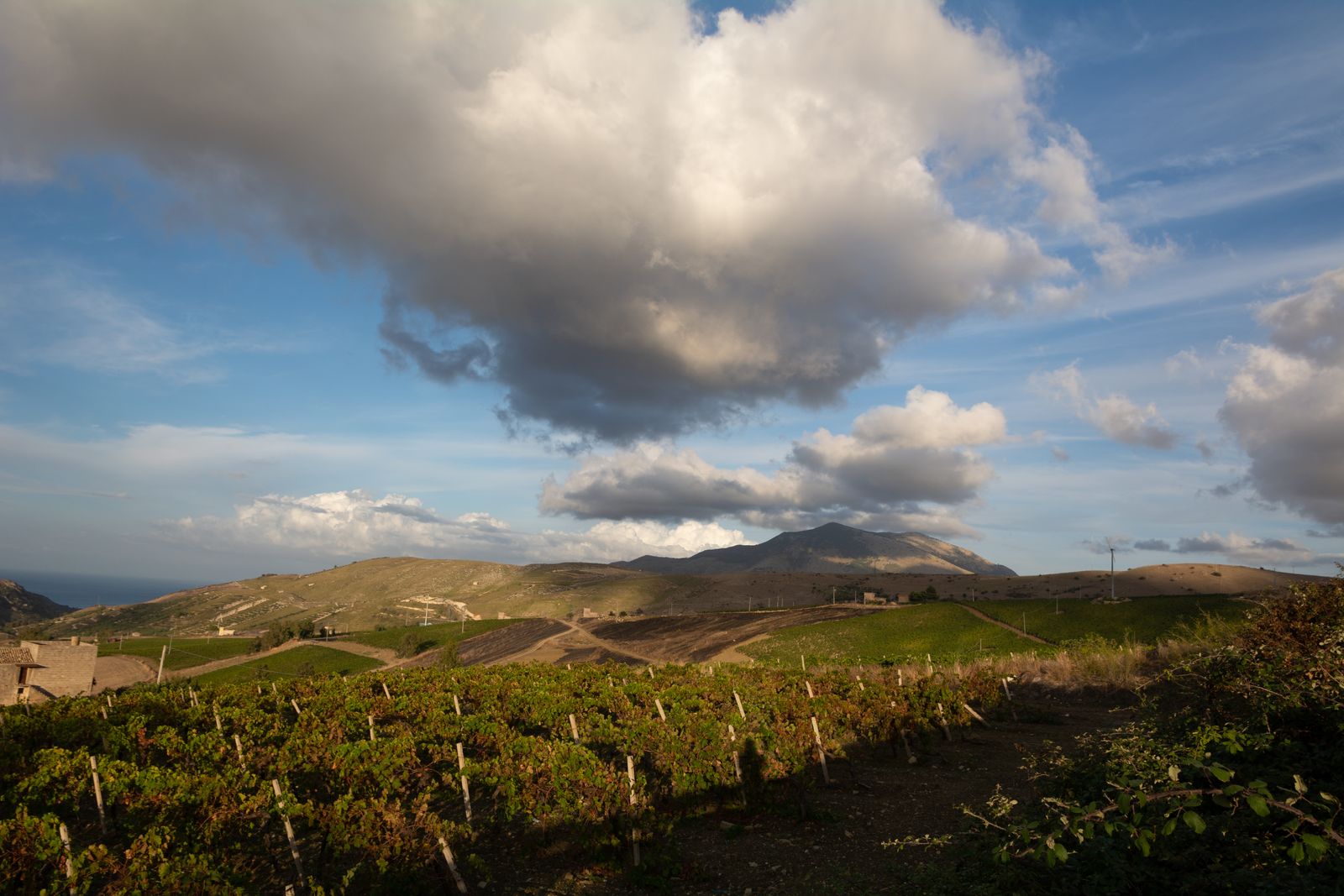
The wines of Mount Etna have become some of the most sought-after in Italy. Vineyards climb the northern, eastern and southern slopes of the volcano, often to around 1,000 metres, on terraces of black lava soil. The altitude brings cool nights and long, slow ripening; the volcanic soil brings freshness and a distinctive smoky minerality. Many vines are old, some ungrafted, trained as small bushes.
The main red grape, Nerello Mascalese, produces pale, perfumed wines that are often compared to Pinot Noir or Nebbiolo, with red fruit, herbs and firm tannins. Etna Bianco, made mainly from Carricante, is crisp and saline, with real ageing potential. Producers identify individual vineyard areas, called contrade, much as Burgundy does with its villages. Names to look for include Benanti, one of the pioneers of the Etna revival, and a growing group of small, quality-focused estates on the northern slopes around Passopisciaro and Randazzo.
The easiest way to visit is a combined volcano and winery tour from Catania; from Taormina, a half-day Etna tour with food tastings works well, and the guided jeep tour with lunch adds a long meal on the slopes.
Vittoria and the South-East: Nero d’Avola and Frappato
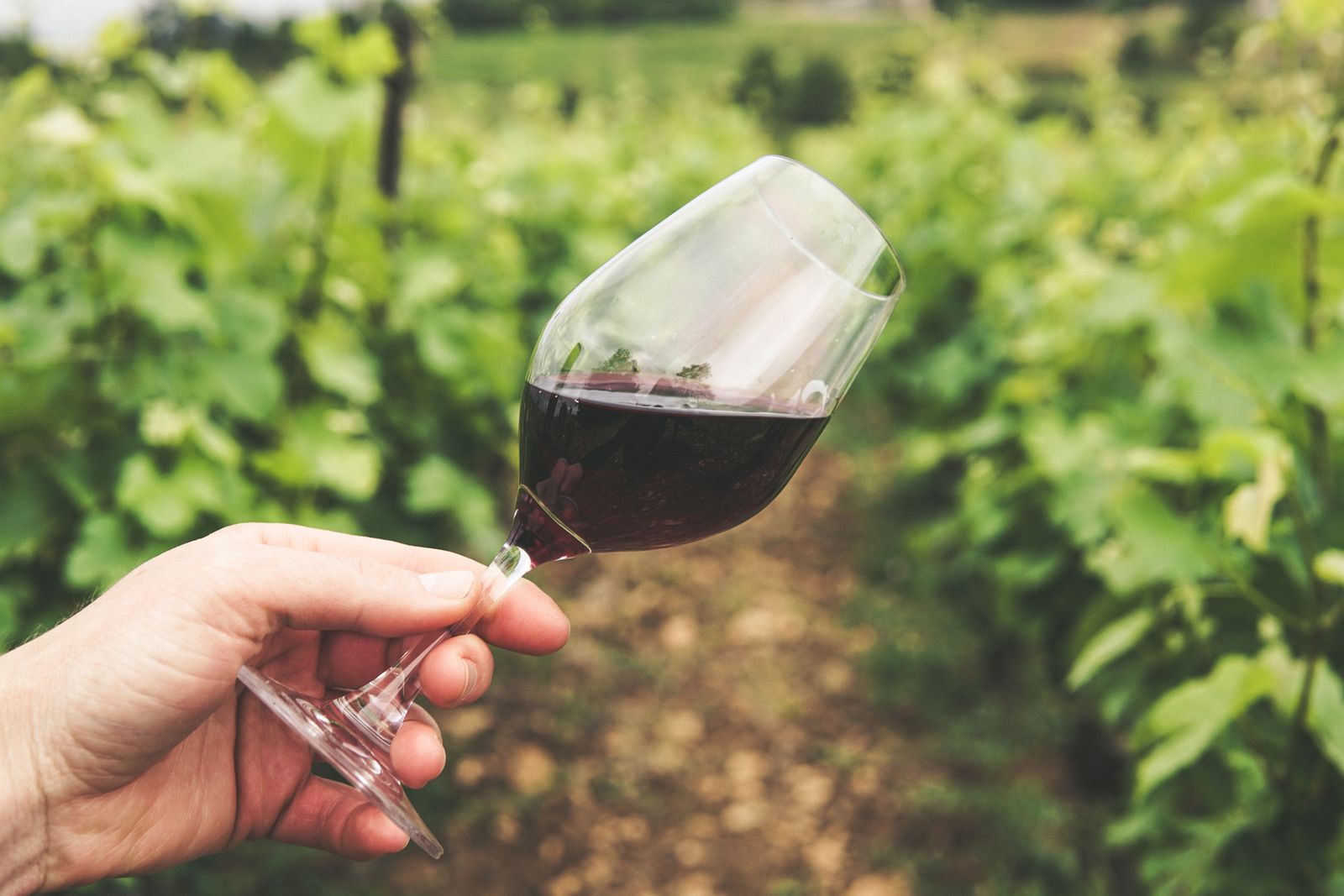
Nero d’Avola is Sicily’s signature red grape, named after the town of Avola near Syracuse. At its best, it gives deep, plummy wines with soft tannins and good acidity. In the south-east, around Vittoria, it is blended with the light, fragrant Frappato to make Cerasuolo di Vittoria, the island’s only DOCG wine, which is bright, cherry-scented and excellent slightly chilled. COS and Planeta are among the best-known names here.
Further east, the area around Noto and Pachino produces some of the most concentrated Nero d’Avola, as well as Moscato di Noto, a delicate sweet white. This is the perfect wine route to combine with the baroque towns of Noto, Modica and Ragusa, and with the yachting harbours of Marina di Ragusa and Ortigia.
Marsala and Western Sicily
Marsala is the wine that first made Sicily famous abroad. In the late eighteenth century, the English merchant John Woodhouse began shipping the local wine, fortified to survive the voyage, to Britain, and Marsala soon became a rival to Port and Sherry. Its reputation later suffered from cheap cooking versions, but fine Marsala, especially the dry, long-aged Vergine and Superiore Riserva styles, is a complex, nutty wine that deserves to be rediscovered.
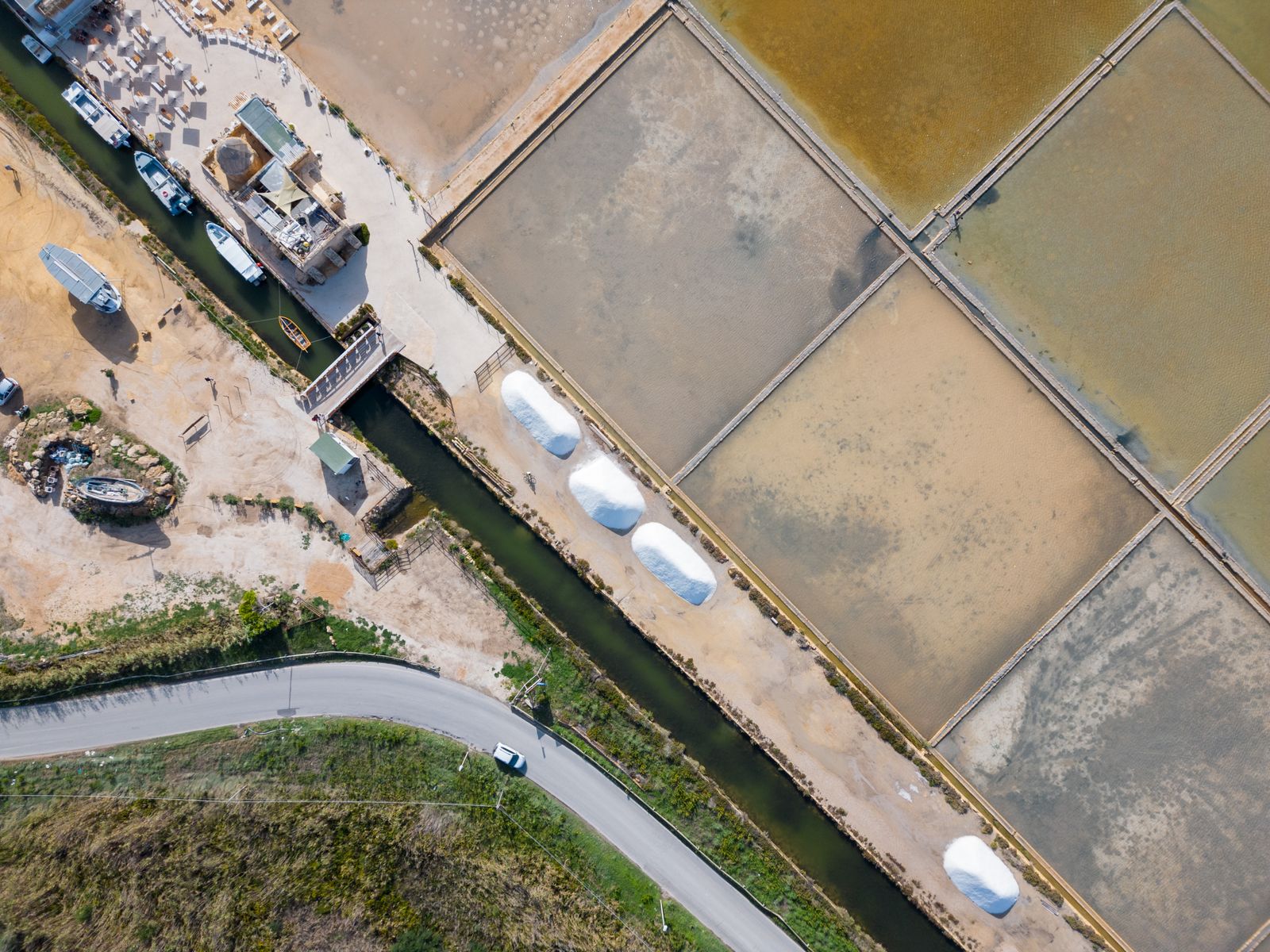
Book a tasting in a historic Marsala cellar, which includes a tour of the barrel cellar, twelve wines and local appetisers, or browse more things to do in Marsala. The Erice and Marsala day trip from Palermo combines the medieval hilltop town of Erice, the salt pans, with their windmills at sunset, and wine.
Western Sicily is also the island’s largest vineyard area for whites. Grillo, once used mainly for Marsala, now makes fresh, citrusy dry wines that are perfect with seafood. Large estates such as Donnafugata and Tasca d’Almerita, whose historic Regaleali estate lies in the hills of central Sicily, show how good modern Sicilian wine can be.
Pantelleria and the Islands: Sweet Wines
Pantelleria, a volcanic island closer to Tunisia than to Sicily, produces one of Italy’s great sweet wines. Zibibbo grapes are grown as low bushes in hollows in the ground to protect them from the constant wind; this traditional practice was recognised by UNESCO as Intangible Cultural Heritage in 2014. The grapes are partly dried in the sun to make Passito di Pantelleria, an amber wine with notes of apricot, honey and orange peel.
In the Aeolian Islands, Malvasia delle Lipari, made mainly on Salina, is another historic sweet wine, aromatic and delicate. Our guide to Sicily’s best bays and coves and to the best yacht spots in Sicily will help you plan a trip to the islands by sea.
Reading a Sicilian Wine Label
A few terms make Sicilian wine lists much easier to navigate:
- DOCG: the highest category of Italian wine. In Sicily, only Cerasuolo di Vittoria holds it.
- DOC: a protected designation with rules on area, grapes and production. Etna DOC, created in 1968, was one of the first on the island; Sicilia DOC covers wines from anywhere in Sicily.
- Terre Siciliane IGT: a broader category that gives winemakers more freedom, used for many excellent wines made from international grapes or unusual blends.
- Contrada: on Etna, the name of a specific vineyard area, often printed on the best single-vineyard wines.
- Passito: a sweet wine made from dried grapes, the speciality of Pantelleria.
When in doubt, ask for a local grape rather than a familiar international one: Nerello Mascalese, Frappato, Grillo or Carricante tell you far more about Sicily than another Chardonnay.
How to Visit Sicilian Wineries
- Book ahead: most estates receive visitors by appointment, and tastings often include lunch.
- Plan by region: distances in Sicily are long, and roads can be slow. Focus on one area per day: Etna from Taormina or Catania, the south-east from Ragusa or Noto, the west from Marsala or Palermo.
- Don’t drive after tasting: use a tour, a private driver, or share the driving and use the spittoon.
- Drive between regions: for a longer wine trip, a hire car from Localrent or GetRentacar gives you freedom to explore.
- Stay connected: wineries are often down unpaved country roads; an eSIM for Italy keeps your maps working.
Food and Wine Pairings
Sicilian cooking and wine grew up together. Try an Etna Bianco with raw red prawns or swordfish, a Grillo with pasta con le sarde, Cerasuolo di Vittoria with pasta alla Norma, a Nero d’Avola with grilled meat or caponata, and finish with Passito di Pantelleria alongside cannoli or almond pastries. To learn the dishes yourself, join a market tour and cooking class in Palermo.
When to Go
Spring and autumn are the best times for wine travel. The harvest runs from August on the coast and on Pantelleria to October and even later on the high slopes of Etna, and many estates celebrate with events. Summer is hot, but the higher Etna vineyards stay pleasantly cool. Winter is quiet and some wineries close, so check before visiting.
Frequently Asked Questions
What is the most famous Sicilian wine?
Historically, Marsala. Today, Nero d’Avola is the best-known grape, and Etna’s wines are the most prestigious.
What is the only DOCG wine in Sicily?
Cerasuolo di Vittoria, a blend of Nero d’Avola and Frappato from the south-east of the island.
Are Etna wines worth it?
Yes. They are among the most distinctive wines in Italy, with elegance and minerality that reflect the volcanic soils and high-altitude vineyards.
Can you visit Etna wineries from Taormina?
Yes. The northern slopes, where many of the best estates are located, are around 40 minutes to an hour from Taormina.
Is Marsala only for cooking?
No. Fine aged Marsala, especially Vergine and Superiore Riserva, is a serious wine for sipping, in the same family as Sherry and Madeira.
Plan Your Wine Trip
For the bigger picture, read our guide to Italian wine regions, and for Sicily itself, start with our introduction to the island, Taormina and the best luxury hotels in Sicily. Use our Italy travel planner for transfers, car hire and connectivity, and browse tours and experiences across Sicily.
Related guides: read our articles on Mount Etna wine tours, Mount Etna tours and the best tours and day trips in Palermo.
Heading to western Sicily? See our guide to the Egadi Islands: Favignana, Levanzo and Marettimo.
For western Sicily and its wines, see our guide to Marsala, Mozia and the salt road.
Hungry in Sicily? See our guide to Sicilian food.
Where to stay: our guide to wine hotels on Mount Etna covers estate hotels with their own cellars and tastings, and our Italy-wide list of vineyard hotels and wine resorts covers ten more regions.