
This post contains affiliate links. If you book through them, we may earn a small commission at no extra cost to you. Learn more.
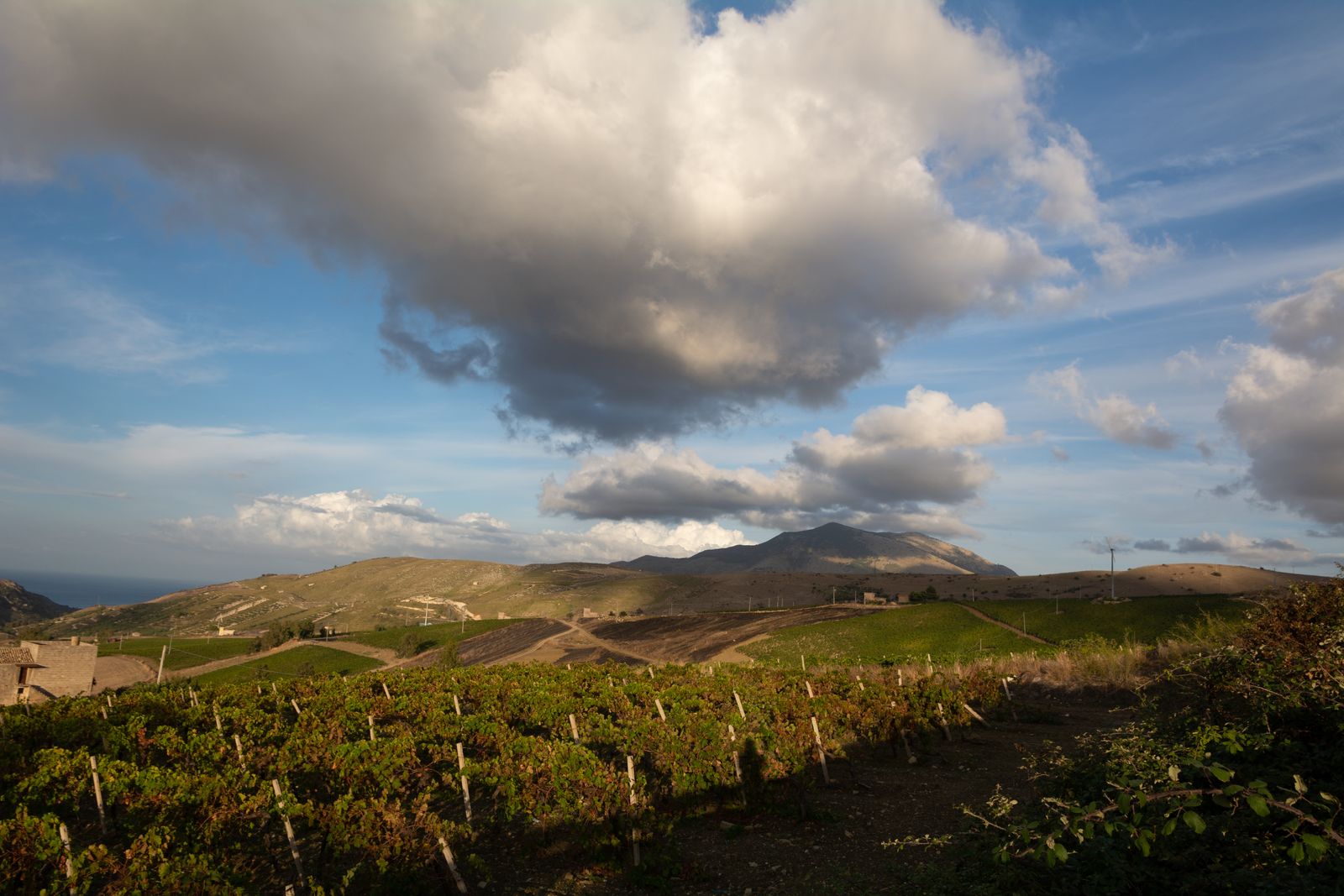
Mount Etna produces some of the most talked-about wines in Italy, and you can taste them on the slopes where they grow. The vineyards sit between roughly 400 and more than 1,000 metres above sea level, on black volcanic soil, often planted as old bush vines. A wine tour here usually means one of three things: a full day that combines the craters with a winery, a volcano tour with a separate tasting, or visiting wineries on your own with a driver.
This guide explains what makes Etna wine different, which slope to visit and how to choose the right tour.
Plan Your Trip
- Mount Etna volcano and winery day tour from Catania, with lunch and a tasting
- Mount Etna cable car ticket from Nicolosi, if you plan the volcano on your own
- Private transfer from Catania Airport, fixed price
- eSIM for Italy, set up before you fly
What Makes Etna Wine Different
Etna became a DOC in 1968. Its red, Etna Rosso, is based on Nerello Mascalese, usually with a smaller share of Nerello Cappuccio. The wines tend to be lighter in colour and more perfumed than most southern Italian reds, which is why they are often compared to Pinot Noir or Nebbiolo. The white, Etna Bianco, is based on Carricante, sometimes blended with Catarratto and Minnella. The highest white category, Etna Bianco Superiore, may only come from the municipality of Milo on the eastern slope.
Two things shape the style: altitude, which keeps the nights cool and the acidity high, and the volcanic soil, made of layers of lava and ash from different eruptions. Many vines are trained as alberello, the traditional bush vine, and many old parcels are ungrafted because phylloxera never fully took hold in the sandy volcanic soil. Producers increasingly put the name of the contrada, the historic vineyard district, on the label, much as Burgundy names its villages and crus.
The appellation is growing. Official bottling data for 2025 showed a rise of just over 6 percent on the previous year, and Etna sparkling wine alone passed 300,000 bottles. The producers’ consortium voted in 2023 to apply for the higher DOCG status; as of early 2026, Etna is still a DOC.
Beyond Rosso and Bianco: Rosato and Sparkling
Etna is not only about red and white. Etna Rosato, made mainly from Nerello Mascalese, is a fresh, often very pale rosé that suits the island’s seafood and summer evenings. Sparkling wine is the fastest-growing style on the mountain: the high altitude keeps acidity bright, which is exactly what traditional-method sparkling wine needs. In 2025, Etna sparkling wine alone passed 300,000 bottles, and many wineries now pour one at the start of a tasting.
What a Winery Visit Usually Includes
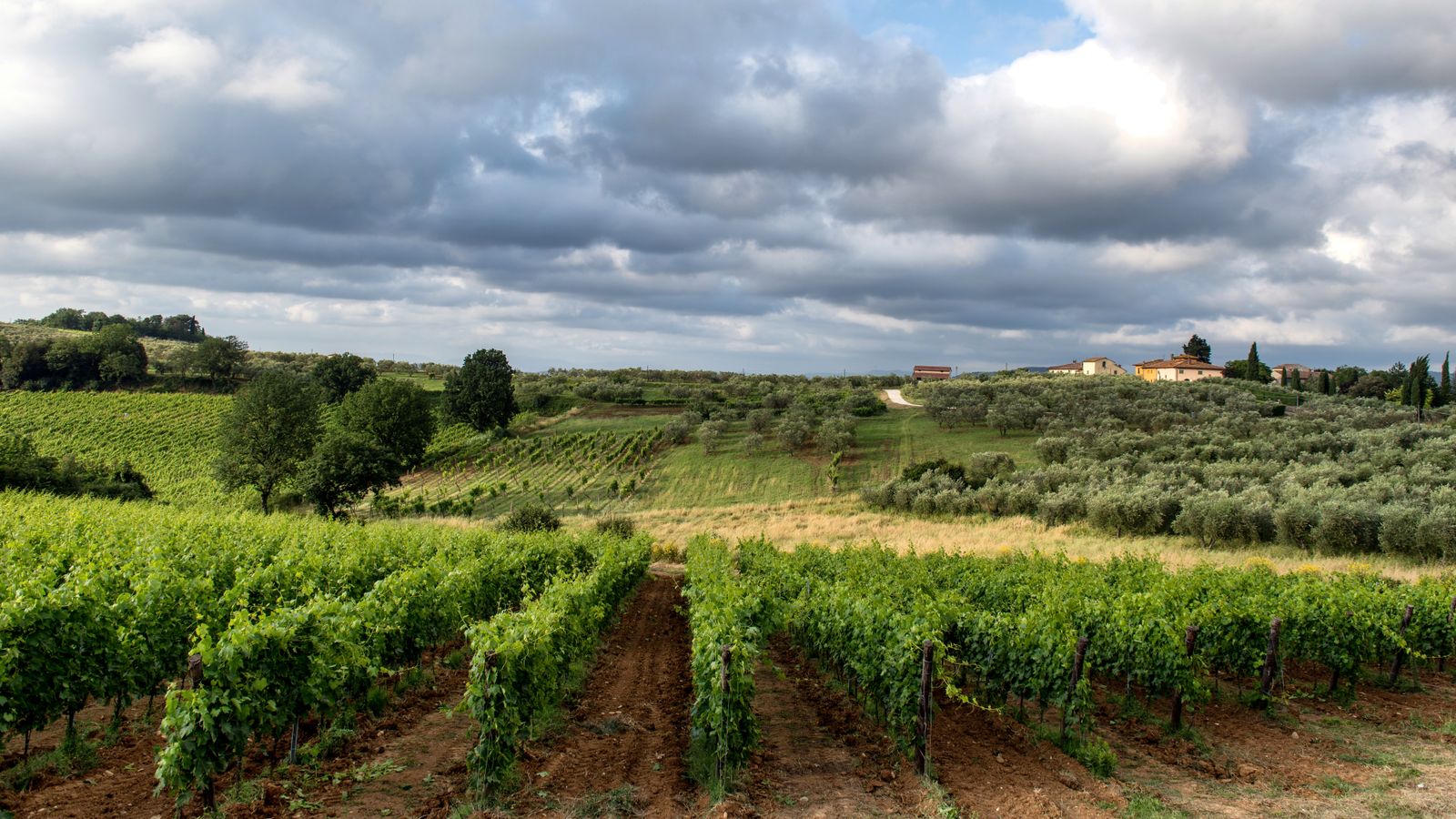
Most Etna tastings follow a similar pattern. You walk through the vineyard first, often among old bush vines on black volcanic sand, while the host explains the contrada and the soil. Then comes the cellar, sometimes a historic palmento, the traditional stone building where grapes were once trodden and fermented. The tasting itself usually covers three to six wines, from white and rosé to red, paired with local products such as olive oil, cheese, cured meats or pistachio. Some estates offer a full lunch with the wines, which turns a tasting into the best meal of the trip.
Ask about the vintages and the contrade on the labels: comparing two reds from different districts or altitudes is the quickest way to understand why Etna has become so talked about.
North, East or South: Where to Taste
| Slope | Towns | What to expect |
|---|---|---|
| North | Randazzo, Passopisciaro, Castiglione di Sicilia | The heart of Etna Rosso and the best-known contrade. The densest cluster of wineries. |
| Northeast | Linguaglossa | On the road from Taormina toward the northern wine villages, a convenient first stop. |
| East | Milo, Zafferana Etnea | White wine country. Milo is the only source of Etna Bianco Superiore. |
| South | Nicolosi, Trecastagni, Belpasso | Closest to Catania and to the main volcano access point at Rifugio Sapienza. Easy to combine with the craters. |
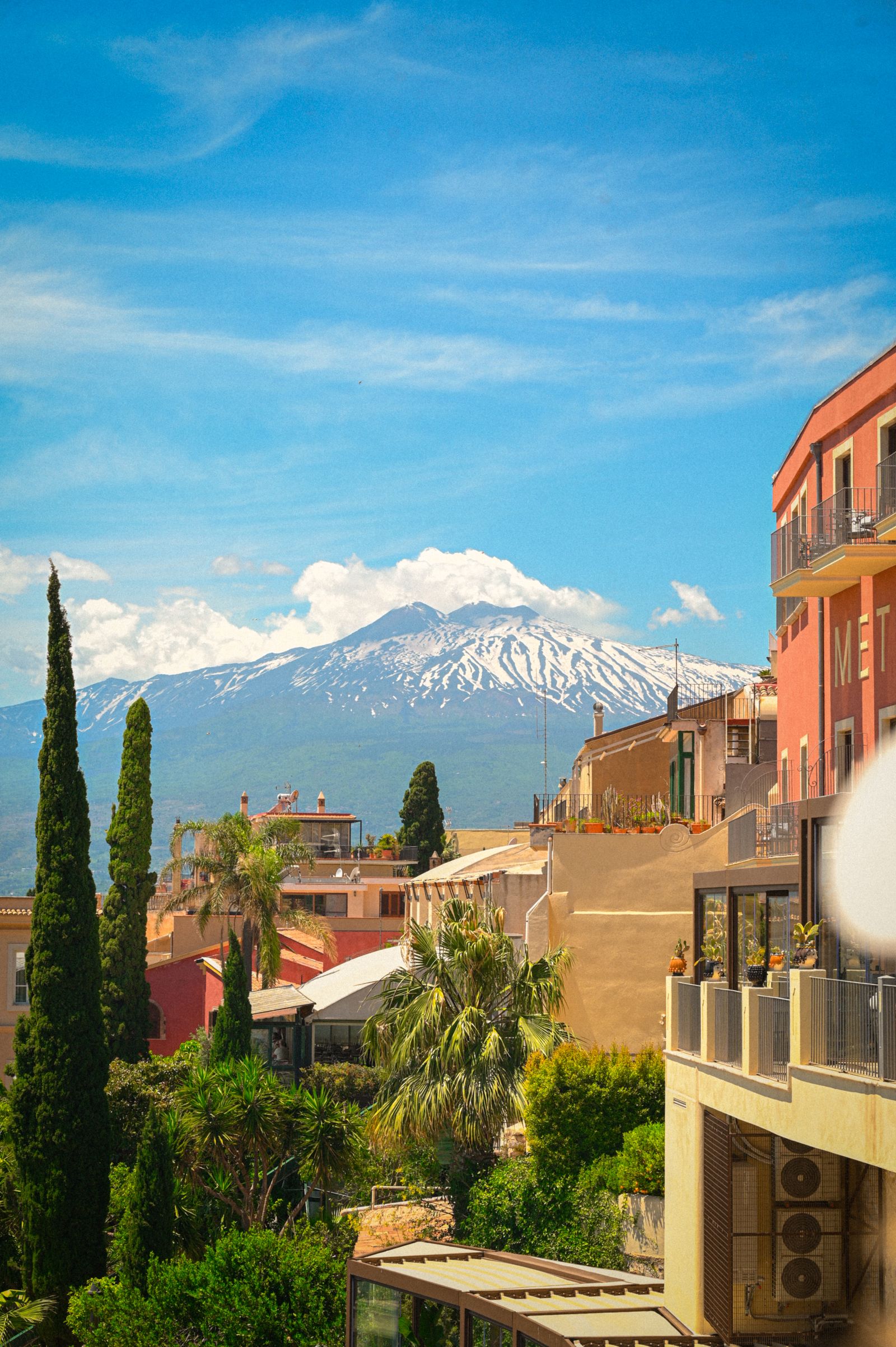
If wine is the main reason for the trip, focus on the north. If you also want to see the craters, the south is more practical, because the road to the summit area and the cable car start there.
Option 1: Volcano and Winery in One Day
The simplest way to do both is a combined tour. The Mount Etna volcano and winery experience from Catania runs from about 8:30 to 17:00, with hotel pick-up in central Catania (within 3 km of Piazza Stesicoro). It visits the old craters on the southern slope at Nicolosi, then a winery for a tasting with local food. Groups are small, between 2 and 8 people, and lunch is included. At the time of writing it cost around £107; the cable car and 4×4 upgrades to the higher craters are optional and paid on site. Cancellation is free up to 48 hours before the tour.
Wear sturdy shoes and bring a windproof jacket: it is noticeably colder near the craters than on the coast, even in summer.
Option 2: Volcano Tour from Taormina, Tasting Separately
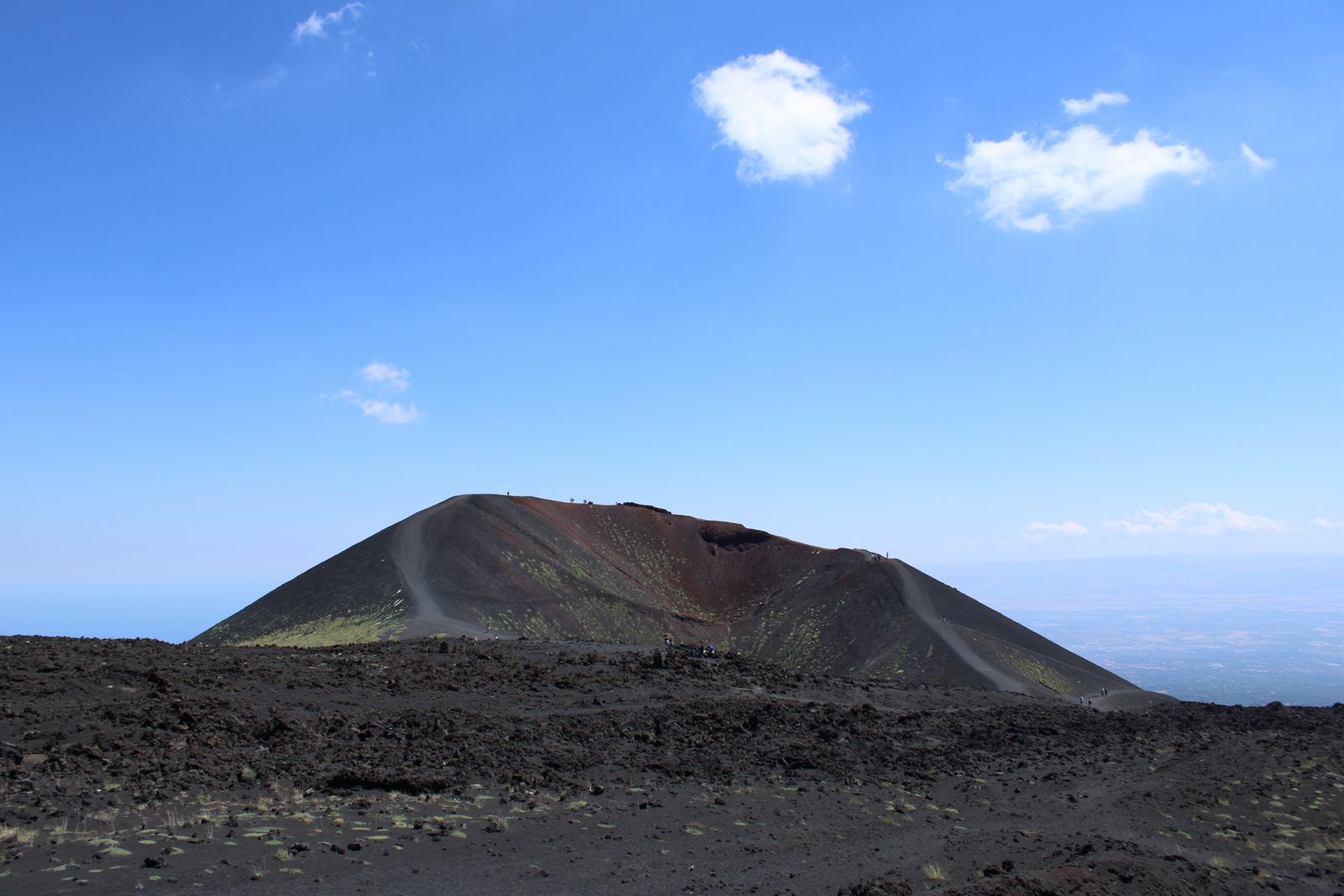
If you are staying in Taormina, the half-day Etna tour from Taormina picks up on the coast, visits the Silvestri craters near Rifugio Sapienza and a lava tube, and ends with a tasting of olive oil and honey. It does not include wine, so book a winery visit on a separate afternoon. The northern wine villages, Castiglione di Sicilia and Passopisciaro, are the closest from Taormina.
Option 3: Wineries on Your Own
Many Etna wineries offer tastings by appointment, often with a vineyard walk and a light lunch. Book directly, at least a few days ahead in summer and during harvest. Two or three visits in a day is plenty, as the roads between villages are slow and winding.
Do not plan to drive yourself between tastings. A private driver, a guided tour or the Ferrovia Circumetnea, the narrow-gauge railway that circles the volcano and stops at Randazzo and Linguaglossa, are better choices.
A One-Day Wine Itinerary on the North Slope
If you have a driver or are travelling with a tour, this route gives a good overview of the northern side of the volcano:
- Morning, Linguaglossa: start on the north-east slope with a vineyard walk and a first tasting.
- Late morning, Passopisciaro: continue west along the road below the summit, through some of the best-known contrade.
- Lunch, Castiglione di Sicilia area: book a winery that serves lunch with its wines.
- Afternoon, Randazzo: finish with a final tasting and a walk through this old lava-stone town.
Three visits is the realistic maximum for a relaxed day. The combined volcano and winery tour from Catania is the simpler alternative if you would rather not organise drivers and appointments.
Golfers can combine a tasting day with a round at Il Picciolo, an 18-hole course in the middle of Etna’s wine country: see our guide to golf in Sicily.
When to Go
- Spring and early summer: green vineyards, comfortable temperatures and quieter wineries.
- Harvest, late September into October: the most atmospheric time, but wineries are busy, so book early and expect fewer appointment slots.
- Winter: the summit area can have snow, and opening times can be shorter outside the main season, so call ahead.
Frequently Asked Questions
What is the best grape to try on Etna?
Start with Nerello Mascalese, the grape behind Etna Rosso, and Carricante, the white grape behind Etna Bianco. Tasting both side by side shows the range of the mountain.
Can you combine the craters and a winery in one day?
Yes. The south slope is closest to the main crater area, and combined tours visit the craters in the morning and a winery in the afternoon.
Do I need to book winery visits in advance?
Yes. Most Etna wineries receive visitors by appointment only, especially smaller estates and during harvest.
How cold is it on Etna?
It is noticeably cooler on the upper slopes than on the coast, even in summer. Bring a jacket for the crater area; the vineyards are milder but still fresher than Catania or Taormina.
Where should I stay for an Etna wine trip?
Taormina and the coast below it work well for the north slope, while the hills above Catania are convenient for the south. Several wine estates also have rooms, which removes the need to drive after a tasting.
Getting There and Where to Stay
Catania airport sits at the foot of the volcano and is the natural starting point. If you prefer to drive yourself between non-tasting stops, compare car hire on Localrent; for longer transfers across Sicily, Kiwitaxi is an alternative. A pre-booked private transfer from Catania Airport is the easiest way to reach Taormina or a wine estate hotel without a rental car. For hotels on the eastern side, see our guide to the best luxury hotels in Sicily, which includes a boutique property in the hills above Catania.
For the bigger picture, our complete guide to Italian wine regions puts Etna alongside Tuscany and Piedmont. More of the island is covered in our Sicily travel guide.
Related guides: read our articles on Mount Etna tours, Sicilian wine and getting from Catania Airport to Taormina and Syracuse.
For western Sicily and its wines, see our guide to Marsala, Mozia and the salt road.
Hungry in Sicily? See our guide to Sicilian food.
Where to stay: our guide to wine hotels on Mount Etna covers estate hotels with their own cellars and tastings, and our Italy-wide list of vineyard hotels and wine resorts covers ten more regions.