This post contains affiliate links. If you book through them, we may earn a small commission at no extra cost to you. Learn more.
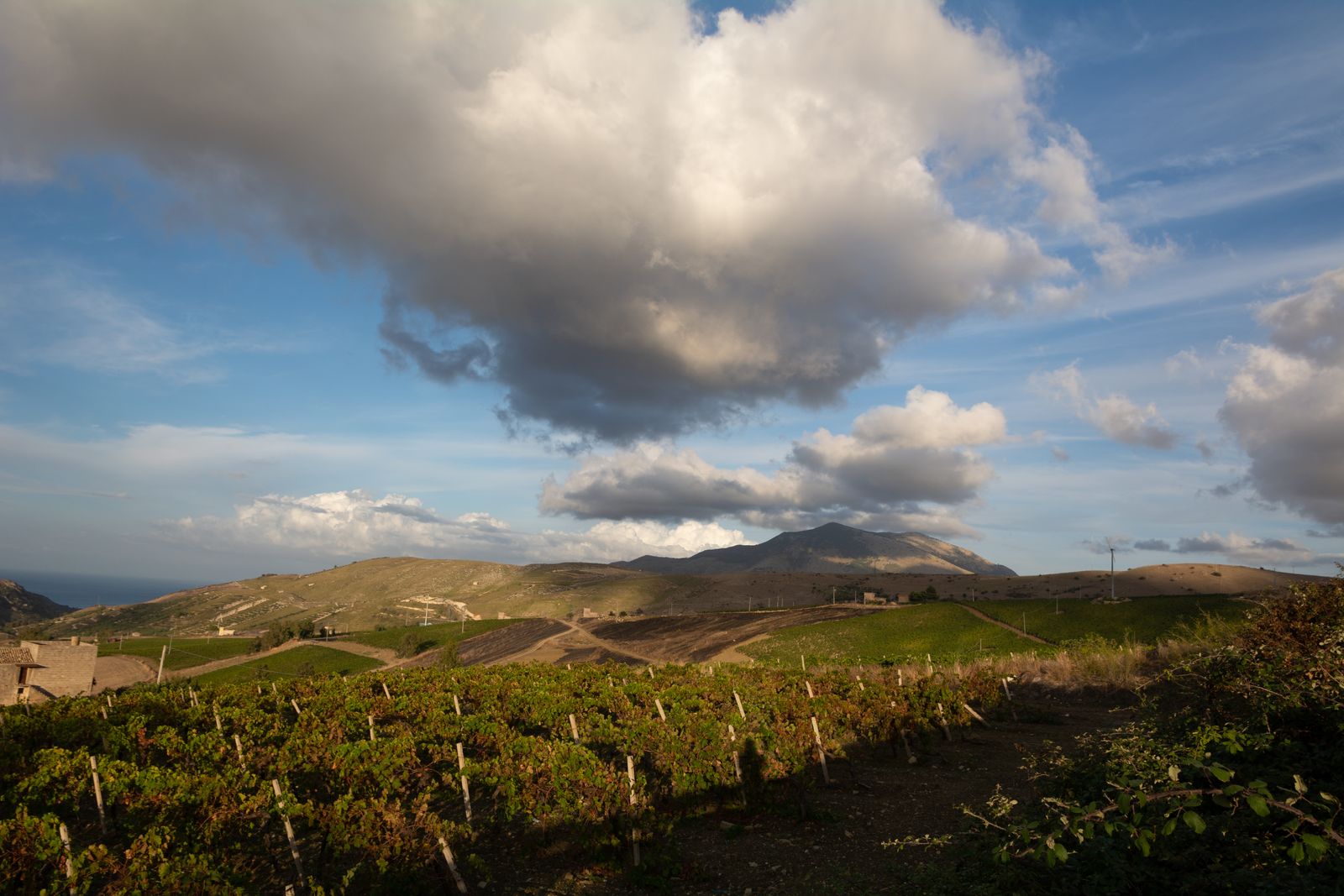
The far western tip of Sicily feels like a different island. The light is flatter and brighter, the sea is shallow and turquoise, windmills stand over shimmering salt pans, and the towns have a North African air that reflects how close Tunisia lies across the water. This is also the home of Marsala, one of the world’s great fortified wines and, for a long time, one of its most misunderstood.
This guide is for wine lovers and slow travellers. It explains what makes real Marsala special and where to taste it, and builds a few days around the salt road from Marsala to Trapani, the Phoenician island of Mozia, the hilltop town of Erice and the temple of Segesta.
Quick answer
Base yourself in Marsala for two or three nights. Taste in the historic cellars (the Alagna cellar tasting is an easy start), take a guided tour of the salt pans, cross to Mozia by boat, and give one day each to Erice and Segesta. Hire a car; the sights are spread out.

Marsala: the wine the English invented
In 1773 a Liverpool merchant named John Woodhouse landed at Marsala and found a local wine aged in barrels in a way that resembled Spanish sherry and Portuguese port. He added a little grape spirit so it would survive the voyage, shipped it home and found an eager market. Within a few decades other English merchants had built huge cellars on the seafront, Nelson was ordering it for his fleet, and in 1833 the Sicilian entrepreneur Vincenzo Florio founded the cellars that still bear his name.
For much of the twentieth century Marsala suffered from its own success, reduced to a cooking wine and a flavouring for desserts. The best producers never stopped making the real thing, and the finest bottles, aged for decades in a solera system of barrels topped up year after year, are among the most complex wines in Italy: dry, nutty, salty and long.
Understanding the labels
- Colour: oro (gold) and ambra (amber) come from white grapes such as Grillo, Catarratto and Inzolia; rubino (ruby) from red grapes.
- Sweetness: secco is dry, semisecco medium, dolce sweet.
- Age: Fine is the youngest and simplest. Superiore has at least two years in wood, Superiore Riserva four. Vergine and Soleras are the purest expressions: dry, unsweetened, aged at least five years, and the bottles to seek out.
Try a Vergine on its own, slightly cool, with salty cheese or almonds. Sweeter styles pair with Sicilian pastries and blue cheese.
Where to taste
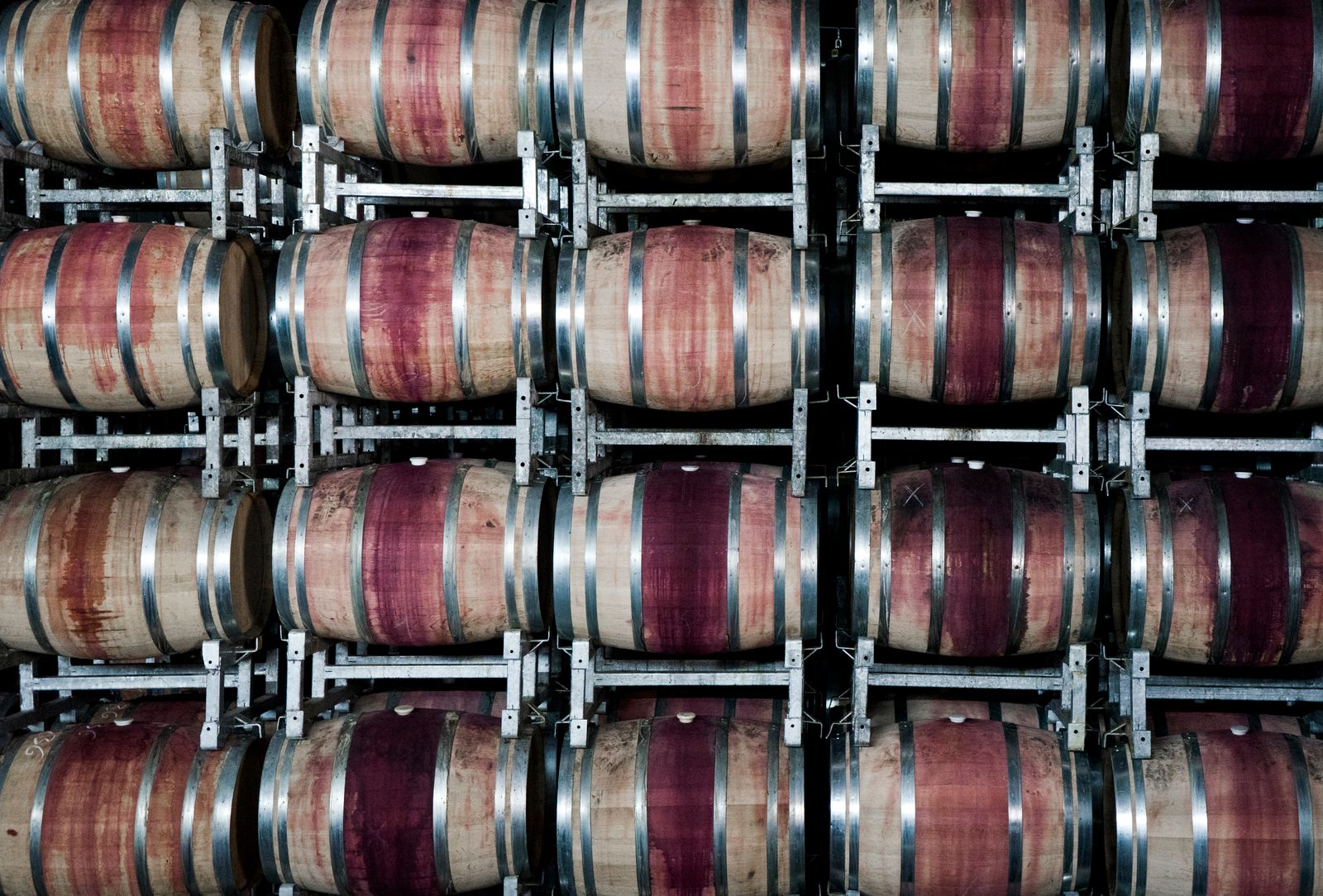
Marsala’s seafront is lined with the old bagli, the walled wine estates built by the English and Sicilian merchants. The great Florio cellars offer tours of their vast barrel halls, with tastings that range from simple to vertical. Donnafugata, one of Sicily’s best-known estates, has its historic cellar in the town centre. For a more personal visit, the historic Alagna cellar tasting is easy to book online and fits into any afternoon. Several of the big houses ask you to reserve tours in advance, especially at weekends.
Marsala is not only fortified. The same grapes, particularly Grillo, make crisp, saline dry whites that are perfect with seafood. Our guide to Sicilian wine covers the whole island, from Etna to Nero d’Avola, and Mount Etna wine tours takes you east.
The salt road and the Stagnone lagoon
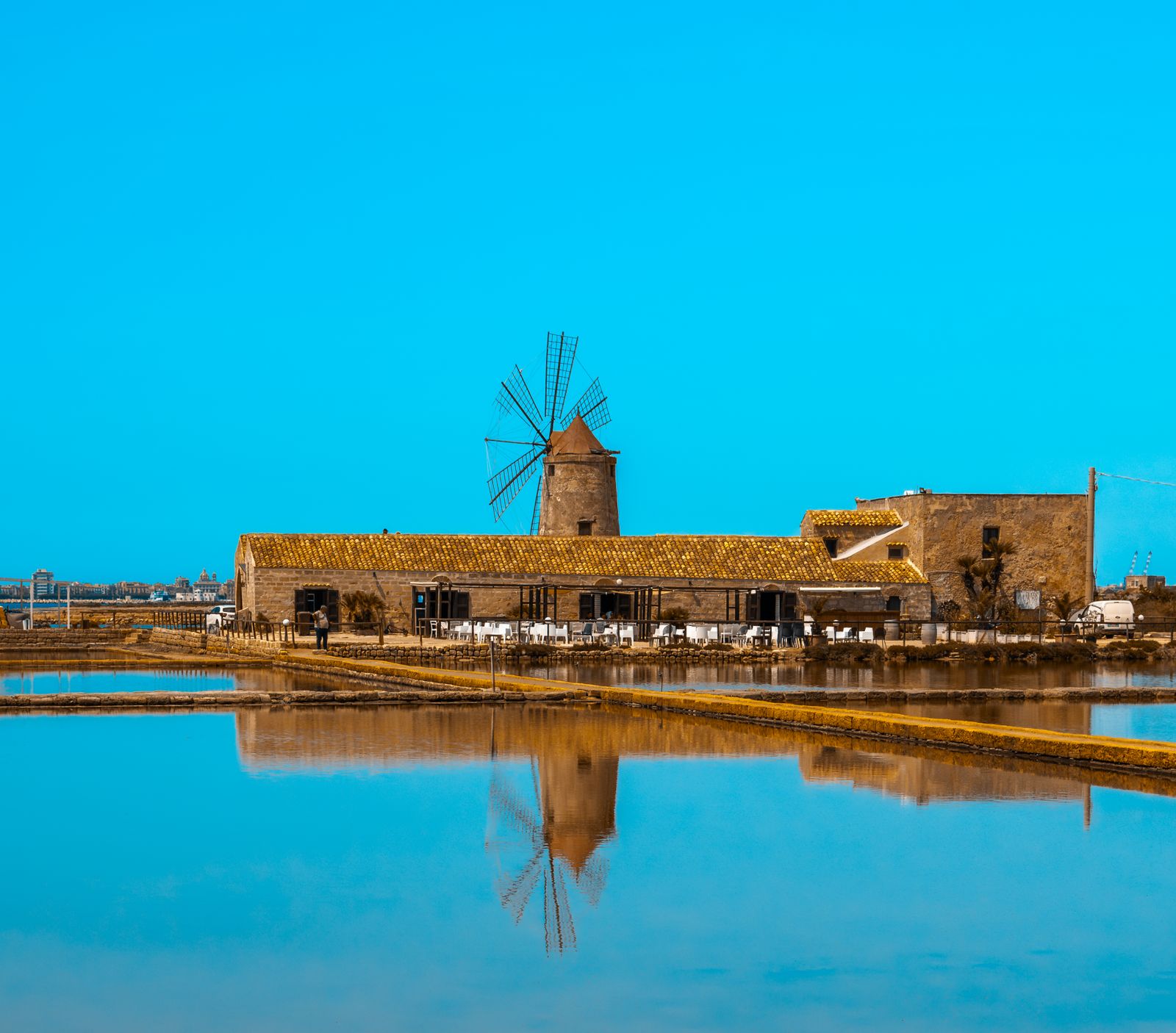
Between Marsala and Trapani, the coast road runs past one of the oldest salt-making landscapes in Europe. Seawater is channelled through a chessboard of shallow pans, evaporated by sun and wind and raked into white mounds, a technique used here since the Phoenicians. Windmills once pumped the water and ground the salt; several have been restored. At sunset, when the pans turn pink and gold, it is one of the most beautiful places in Sicily.
The Saline Genna guided tour explains how the salt is made, and the salt tub and scrub experience turns the visit into an open-air spa treatment. Buy a bag of hand-raked sea salt to take home; it is a fine souvenir.
Mozia: a Phoenician island
In the middle of the Stagnone lagoon lies the tiny island of Mozia, once Motya, a Phoenician trading city founded in the eighth century BC and destroyed by Dionysius of Syracuse in 397 BC. In the early twentieth century it was bought by Joseph Whitaker, of the English Marsala family, who excavated it and built a small museum. Its star is the Youth of Motya, a marble statue of a young man in a pleated tunic, one of the masterpieces of Greek sculpture. Small boats cross from the jetty near the salt pans in a few minutes. Allow half a day to walk the island’s paths, ruins and vineyards.
Erice: a medieval town in the clouds
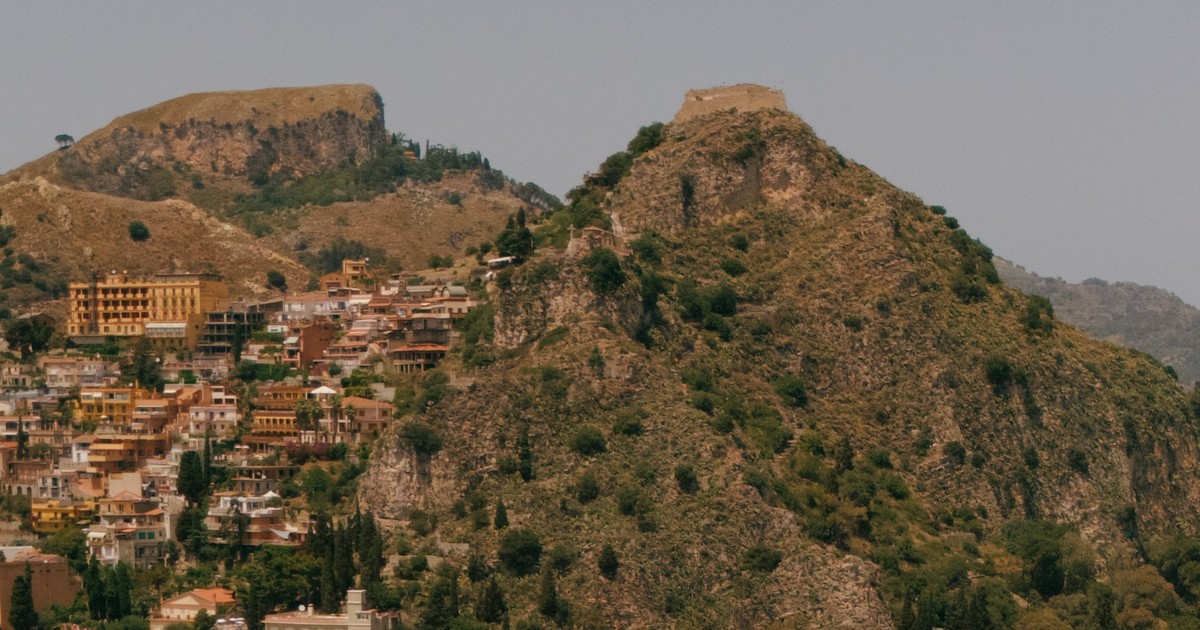
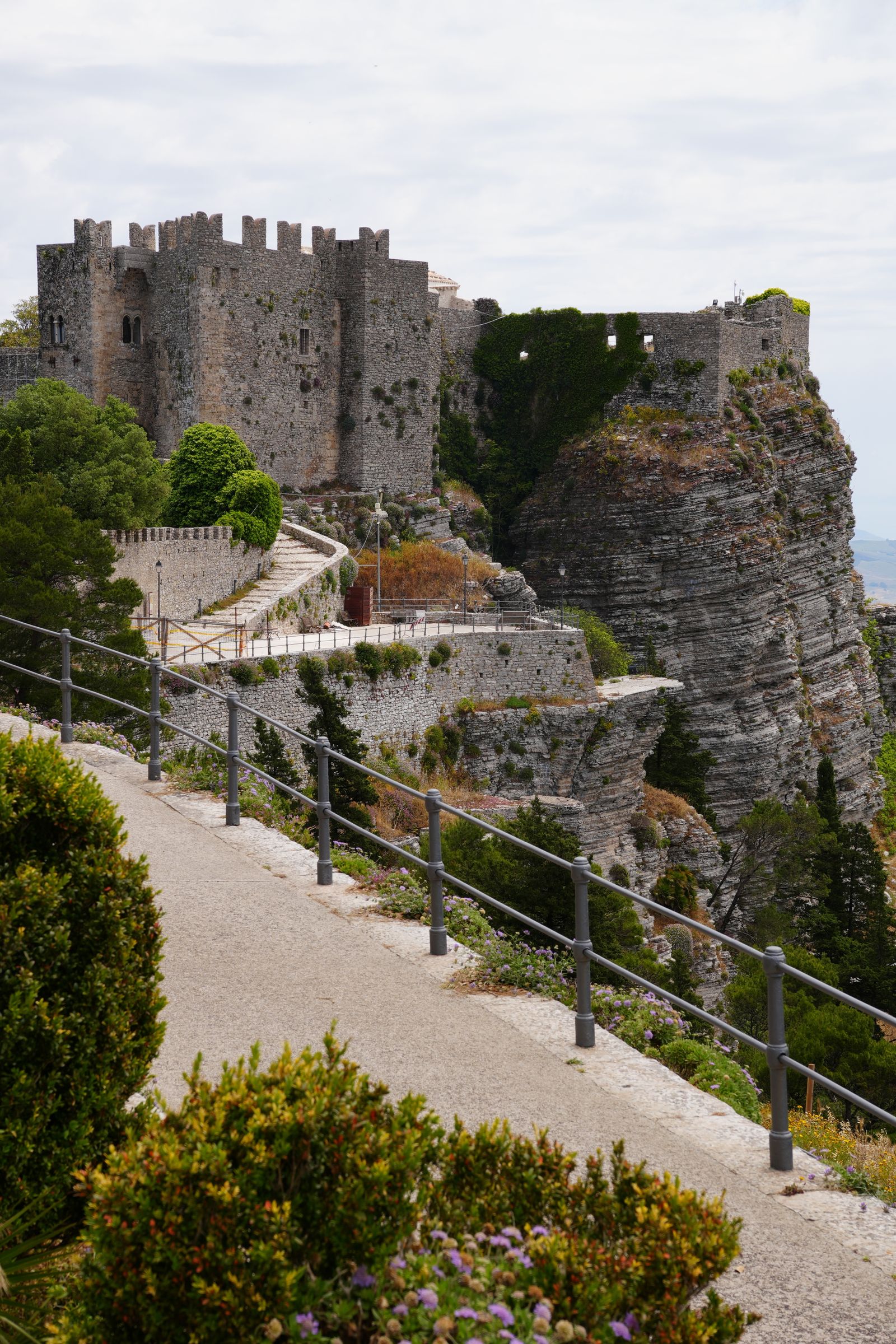
Erice sits on a mountain above Trapani, often wrapped in cloud while the coast below is in sunshine. Its stone lanes, churches and the Norman Castle of Venus, built where an ancient temple to the goddess once stood, give it a unique atmosphere. Take the cable car up from Trapani, wander, and do not leave without trying the almond pastries the town is famous for. The Erice audio tour brings the history to life as you walk.
Segesta: the temple in the hills
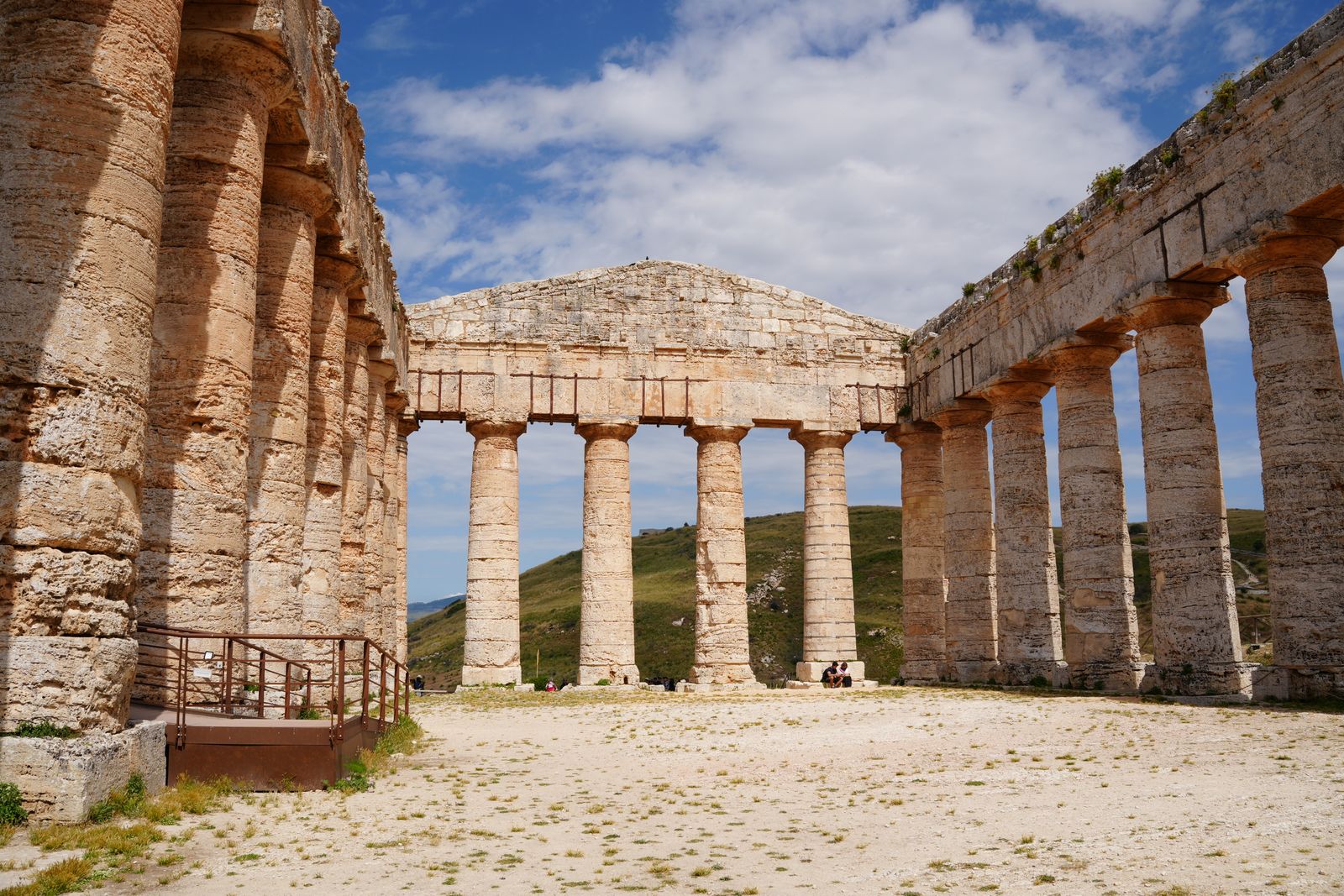
Inland, alone on a hillside surrounded by fields and mountains, stands one of the best-preserved Greek temples anywhere. Built by the Elymians in the fifth century BC, it was never finished, which is why its columns remain unfluted. A short shuttle ride up the hill brings you to the ancient theatre, with views to the sea. Book a Segesta entrance with shuttle. Go early in the morning in summer; there is little shade.
Trapani and the Egadi Islands
Trapani, on its sickle-shaped peninsula, has a handsome old town, excellent fish couscous and the ferry port for the Egadi Islands. A day on the water is the perfect counterpoint to the wine tastings: the mini cruise to Favignana and Levanzo or the faster RIB tour with lunch and aperitif show you the clearest water in Sicily. Our guide to the Egadi Islands has more.
What to eat in the far west
The cooking of western Sicily reflects centuries of Arab, Spanish and North African influence. Try cuscus di pesce, fish couscous steamed and served with a rich seafood broth, a speciality of Trapani and San Vito Lo Capo. Busiate al pesto trapanese are hand-twisted pasta with a raw sauce of tomatoes, almonds, basil and garlic. Tuna has been fished off Favignana since antiquity, and you will find it raw, grilled, or preserved as bottarga. Finish with cannoli or the almond biscuits of Erice, ideally with a glass of sweet Marsala or the Passito from nearby Pantelleria.
Western Sicily at a glance
| Experience | Why go | Time | Book |
|---|---|---|---|
| Marsala cellar tasting | Historic fortified wines | 1.5 hours | Alagna cellar |
| Salt pans tour | Windmills, sunsets, sea salt | 1 hour | Saline Genna tour |
| Salt scrub experience | Open-air spa in the salt pans | 1 hour | Book the experience |
| Erice | Medieval town, views, pastries | Half a day | Audio tour |
| Segesta | Greek temple and theatre | 2 to 3 hours | Entry with shuttle |
| Egadi Islands | Boat day, swimming | Full day | Mini cruise / RIB tour |
| Getting around | Sights are spread out | Whole trip | Localrent / GetRentacar |
A four-day itinerary
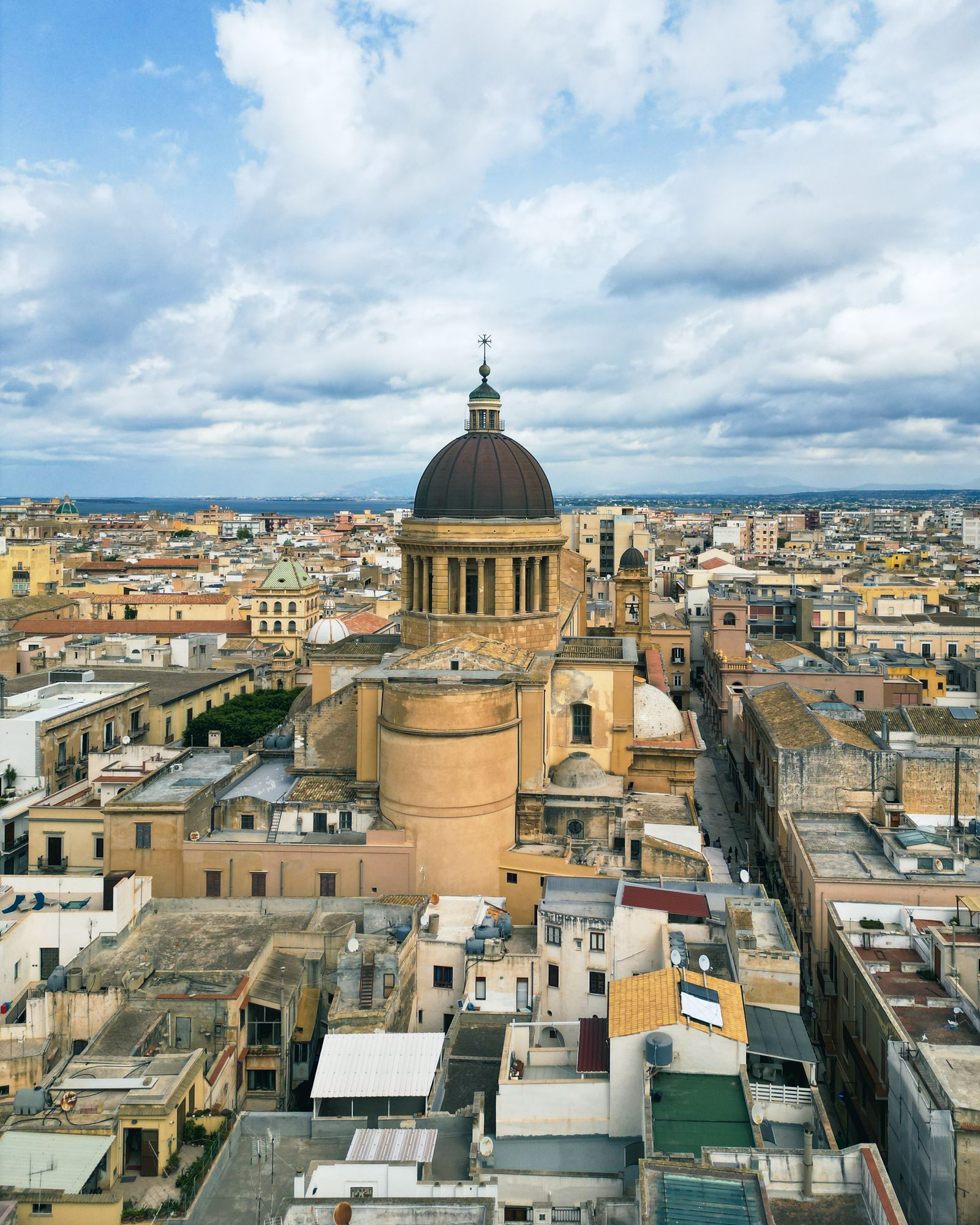
Day one. Arrive in Marsala, walk the baroque centre and Porta Garibaldi, the old sea gate renamed after Garibaldi, who landed in Marsala’s harbour with his Thousand in 1860. Afternoon cellar tasting, sunset at the salt pans.
Day two. Mozia in the morning, lunch by the lagoon, Florio or Donnafugata tasting in the afternoon.
Day three. Segesta early, then Erice for lunch and the afternoon. Dinner in Trapani.
Day four. A boat day to Favignana and Levanzo.
Getting there
Trapani’s Birgi airport sits between Trapani and Marsala, and Palermo airport is about an hour and a half away by car. Pick up a rental car at the airport, or book a private transfer if you prefer not to drive. The western coast also links naturally with Palermo and the Valley of the Temples in Agrigento. For hotels across the island, see the best luxury hotels in Sicily, and for practical matters, our Italy travel planner.
Charlotte’s pick
If I could recommend only one thing here, it would be the guided tour of the Saline Genna salt pans. Time it for the late afternoon and stay for sunset over the windmills; then head into Marsala for a tasting of a dry Vergine.
FAQ
Is Marsala wine only for cooking?
No. Good dry Marsala Vergine or Soleras is a serious wine, comparable to fine sherry, and best drunk on its own or with cheese.
When is the best time to visit the salt pans?
Late spring to early autumn, when salt is being harvested, and always at sunset for the light.
How do I get to Mozia?
Small boats leave from the jetty on the Stagnone lagoon north of Marsala, with frequent crossings in season.
Do I need a car in western Sicily?
It makes life much easier. Public transport links the main towns but not the salt pans, Mozia or the wineries.
Can I combine Marsala with Palermo?
Yes. Marsala is about an hour and a half from Palermo by car, making a natural loop around the west of the island.
Hungry in Sicily? See our guide to Sicilian food.