This post contains affiliate links. If you book through them, we may earn a small commission at no extra cost to you. Learn more.
Palermo is Sicily at its most intense: loud markets, crumbling palazzi, some of the best street food in Italy and, hidden among it all, a collection of medieval monuments unlike anything else in Europe. Phoenicians, Romans, Byzantines, Arabs and Normans all left their mark here, and in 2015 nine Arab-Norman buildings in and around the city, including the cathedrals of Monreale and Cefalù, were added to the UNESCO World Heritage List.
This guide covers the experiences worth booking in Palermo, from the Palatine Chapel and the markets to cooking classes, plus the best day trips to Monreale, Cefalù and Erice, and practical tips for getting around.
Plan Your Trip
- Norman Palace and Palatine Chapel guided tour with entry
- Market tour and Sicilian cooking class with lunch
- Monreale and Cefalù small-group day trip
- Private transfer from Palermo Airport with Kiwitaxi
- eSIM for Italy, set up before you fly
The Best Things to Book in Palermo
| Experience | Length | Why book it |
|---|---|---|
| Norman Palace and Palatine Chapel tour | about 1.5 hours, max 16 people | The city’s greatest mosaics with a guide, entry included |
| Small-group walking tour with Norman Palace | half day | The historic centre and the palace in one tour |
| Market tour and cooking class | about 5 hours | Shop at the Capo market, cook arancini, pasta and cannoli |
| Pizza and gelato cooking class with wine | evening | A relaxed, hands-on dinner |
| Hop-on hop-off bus | flexible | An easy overview on a first day or in summer heat |
| Monreale and Cefalù day trip | about 9 hours, max 8 people | Two UNESCO cathedrals and the coast without driving |
| Erice and Marsala salt pans with lunch | about 9 hours | A hilltop town, windmills and Marsala wine |
Arab-Norman Palermo
When the Normans conquered Sicily in the 11th century, they did not erase what came before. Their kings employed Arab craftsmen and Byzantine mosaicists, and the result was a style found nowhere else: Romanesque churches with Arab domes, Islamic geometric ceilings and walls covered in golden Byzantine mosaics. Seven of the nine UNESCO-listed monuments are in Palermo itself.
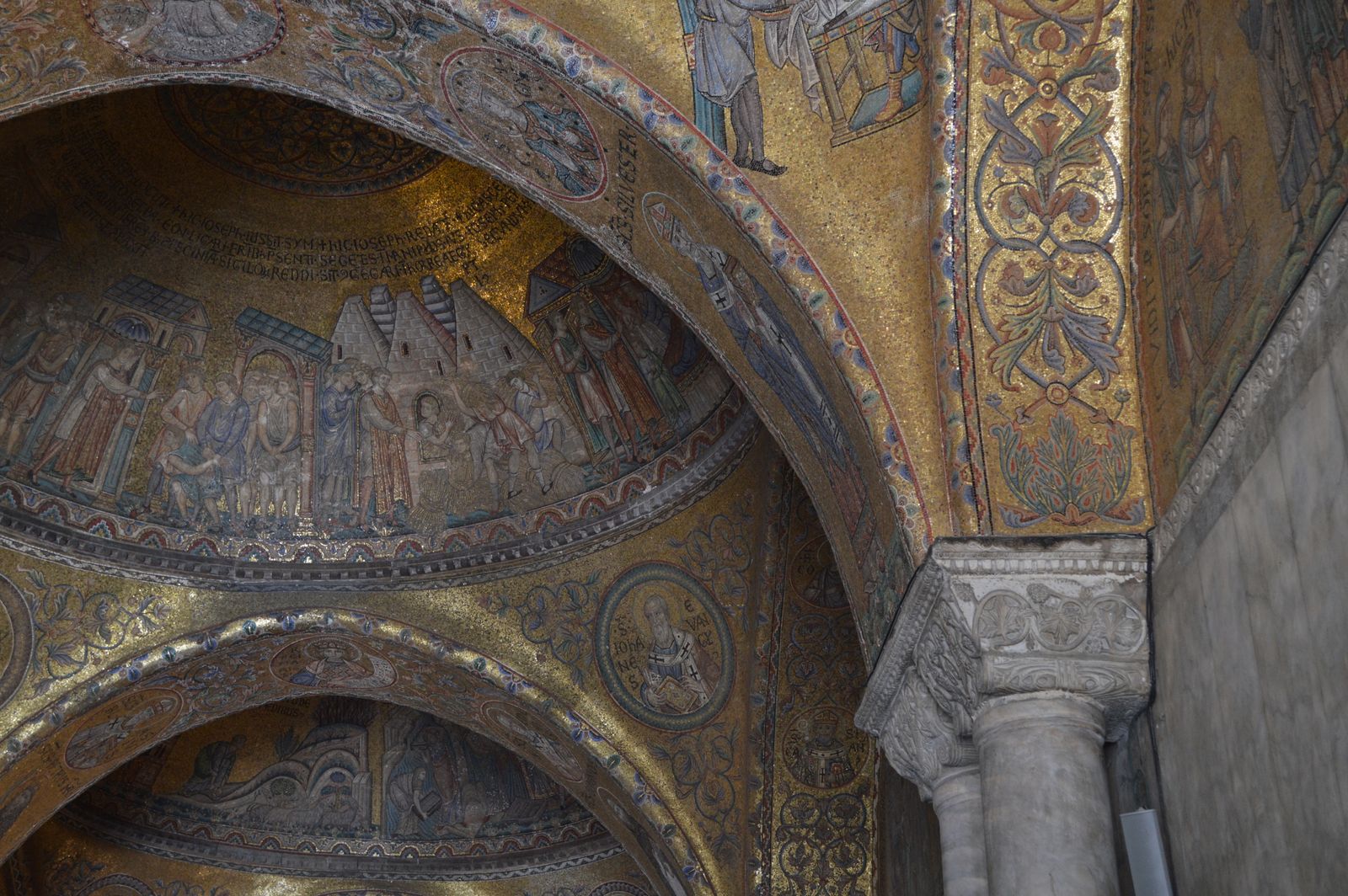
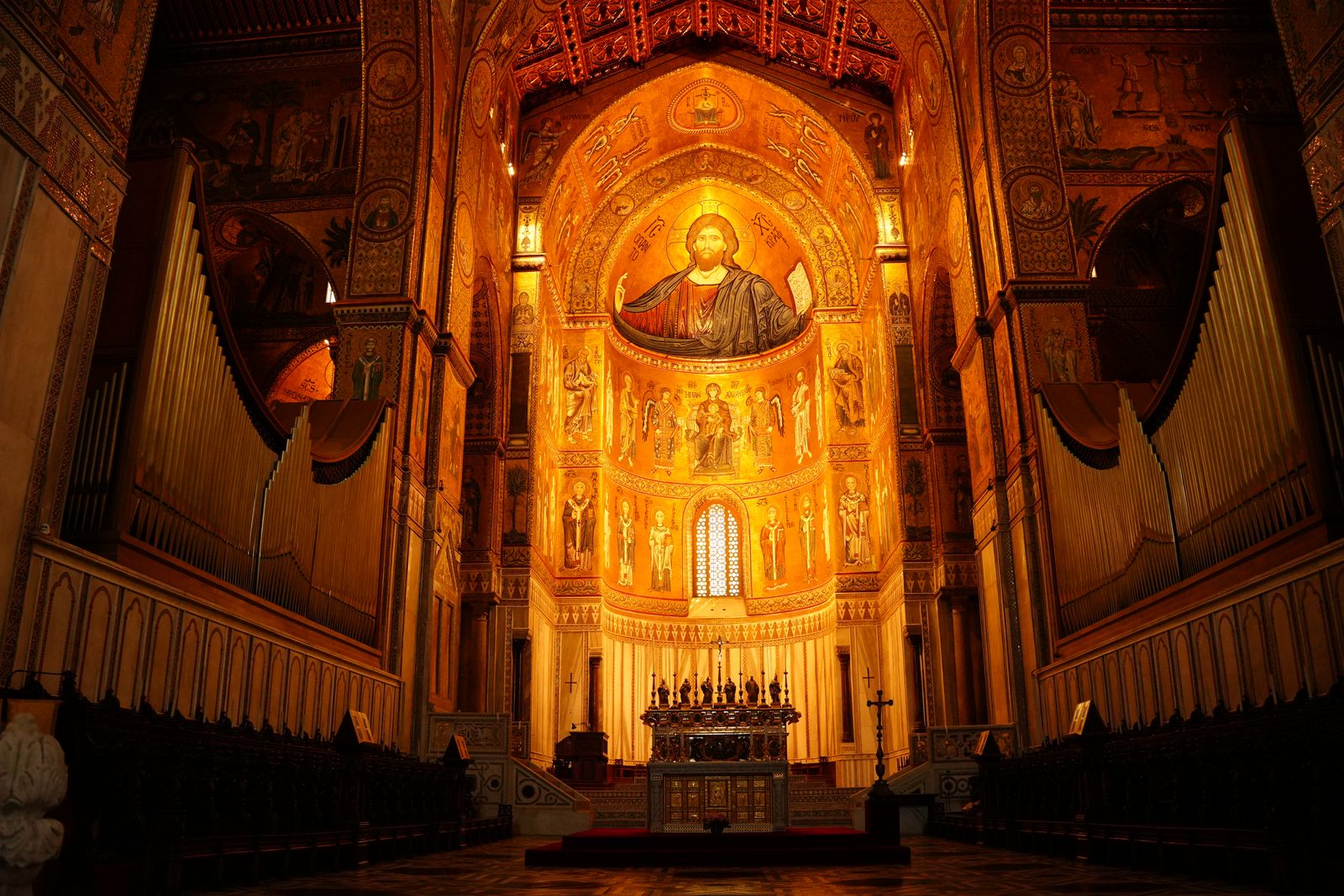
- The Royal Palace and the Palatine Chapel: the seat of the Norman kings, today home to the Sicilian regional parliament. The Palatine Chapel inside is the highlight of any visit to Palermo, its walls covered in gold mosaics beneath a carved and painted wooden ceiling of Islamic design. The guided tour with entry ticket explains what you are looking at and avoids queuing for tickets.
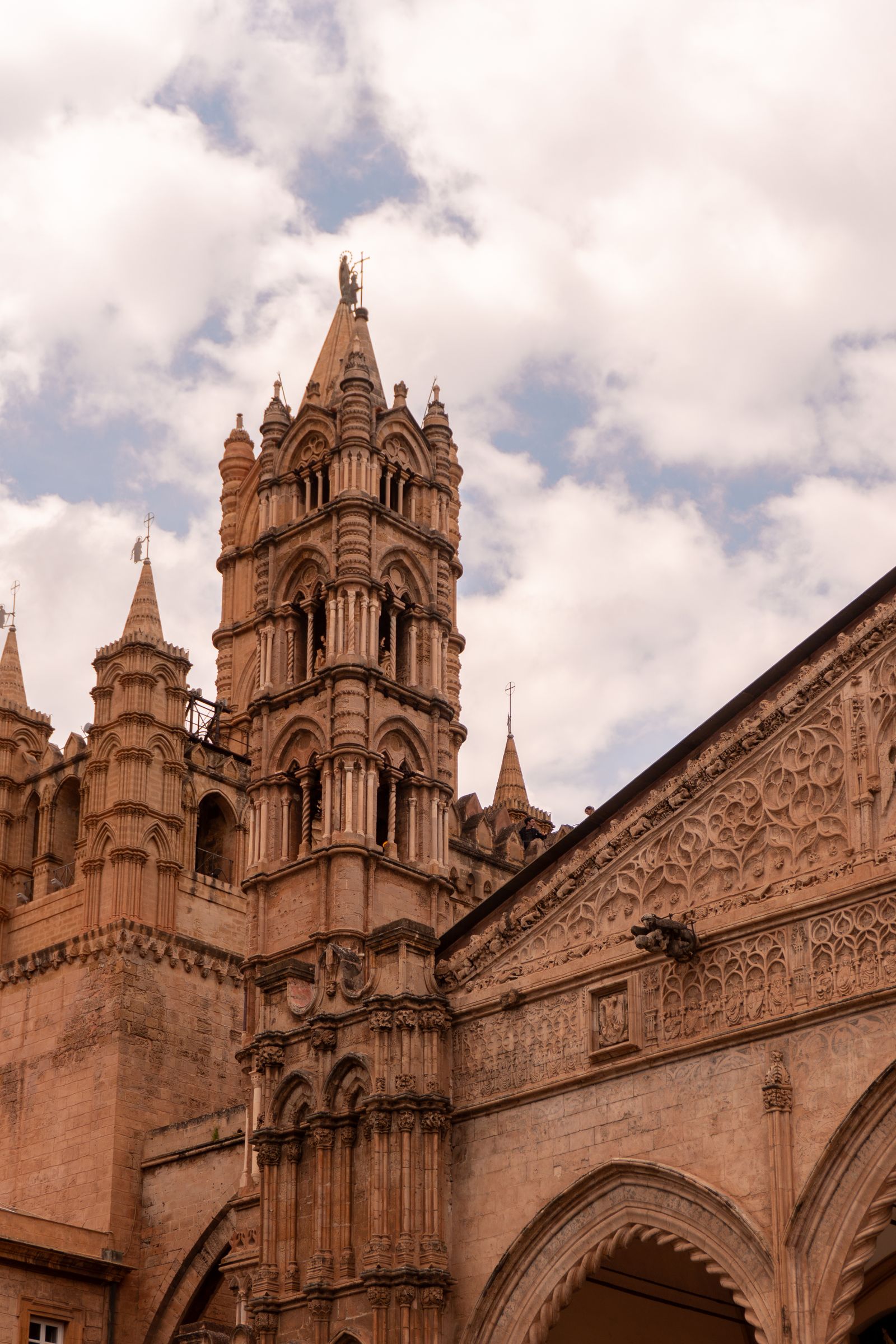
- Palermo Cathedral: a vast building that has been extended and altered for centuries, mixing Norman, Gothic and later styles. Walk around the outside to see how many periods meet in one building.
- San Giovanni degli Eremiti: a small church famous for its red domes and quiet cloister garden.
- Santa Maria dell’Ammiraglio (La Martorana) and San Cataldo: two neighbouring churches near Piazza Bellini, one rich with mosaics, the other bare and austere under three red domes.
- The Zisa: a Norman royal pleasure palace built in an Arab style, a short ride from the centre.
- The Admiral’s Bridge: a medieval stone bridge that once crossed a river, now stranded in a park after the river was diverted.
Markets and Street Food
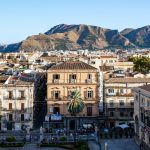
Palermo’s historic markets feel more like Middle Eastern souks than European food halls. Ballarò is the largest and liveliest, the Capo is a maze of stalls in the old Seralcadio quarter, and the Vucciria comes alive at night. Go in the morning for the best atmosphere and produce.
Street food is a way of life here. Try arancine (rice balls, feminine in Palermo, unlike arancini elsewhere in Sicily), panelle (chickpea fritters, often served in a bun with potato croquettes), sfincione (a thick, spongy pizza topped with onions and breadcrumbs) and, if you are brave, pani ca’ meusa, the famous spleen sandwich. Finish with a cannolo filled to order.
The best way to understand it all is to cook it. The market-to-table cooking class starts with a chef at the Capo market choosing seasonal ingredients, then moves to the kitchen to prepare arancini, handmade pasta and cannoli, which you eat for lunch. For an evening option, the pizza and gelato class ends with dinner and wine.
Getting Around Palermo
The historic centre is compact and best explored on foot, with the Quattro Canti crossroads at its heart. In summer, the hop-on hop-off bus is a practical way to reach the Zisa, the Norman Palace and the port without walking in the midday heat. Do not plan to drive in the centre: traffic is chaotic, parking is difficult and much of the old town is a limited traffic zone. If you hire a car for the rest of Sicily, compare car hire on Localrent and pick it up when you leave the city.
Day Trip: Monreale
On the hills just above Palermo, the cathedral of Monreale holds one of the largest cycles of medieval mosaics in the world, a golden interior that leaves most visitors silent. Built by the Norman king William II in the 12th century, it also has a cloister with dozens of carved double columns, each one different. Monreale is close enough for a half day from Palermo by bus or taxi, or as part of a combined tour.
Day Trip: Cefalù
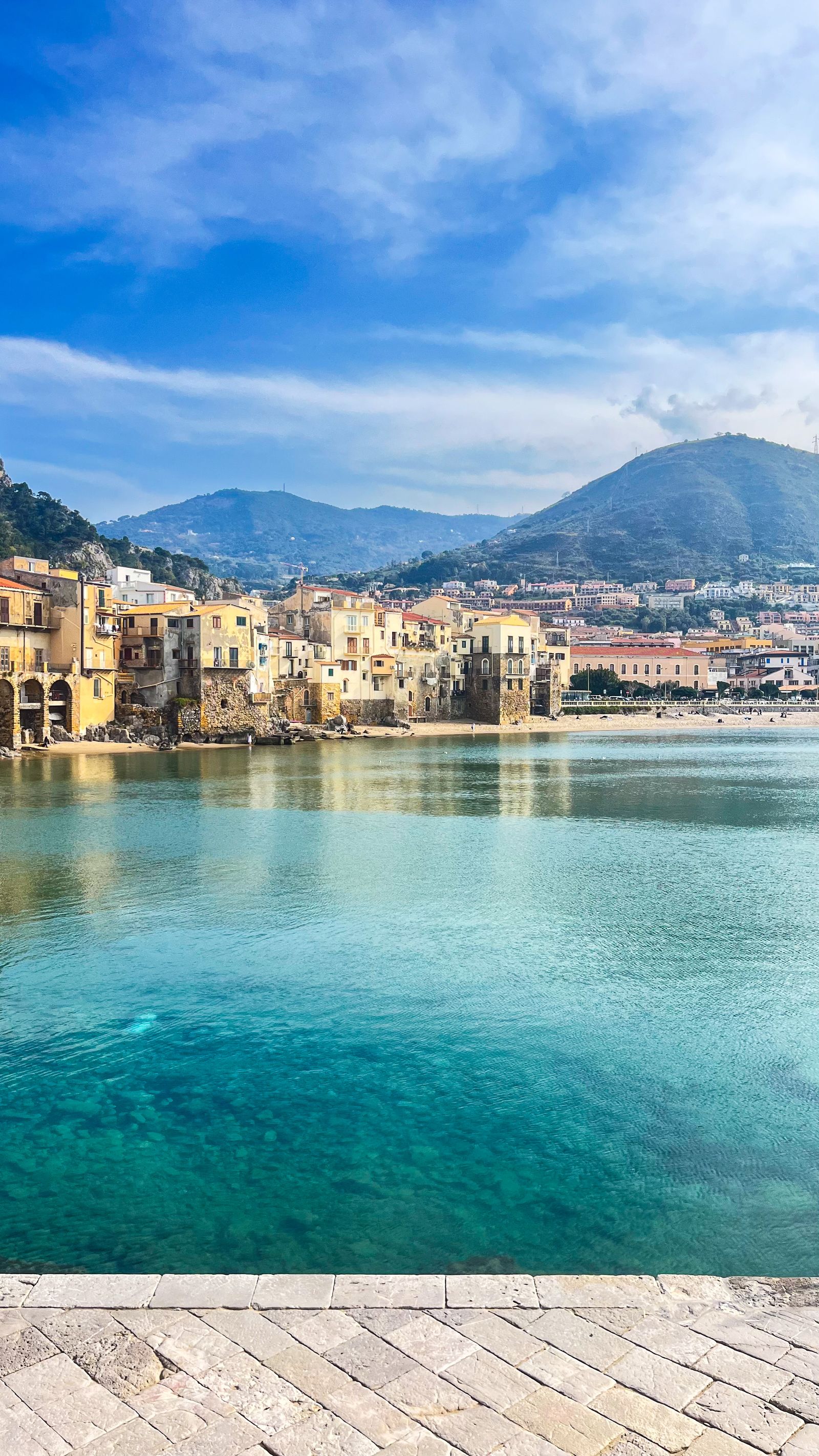
Cefalù combines a Norman cathedral, another UNESCO site, with a medieval old town and a long sandy beach, all beneath a dramatic rocky headland. It is the easiest beach escape from Palermo. The Monreale and Cefalù day trip combines both towns in a small group of up to eight people: in Cefalù you choose between free time in the old town and a three-hour boat trip with swimming and snorkelling, then visit Monreale cathedral with an audio guide in the afternoon. For a full day on the water, the Cefalù boat tour with fishing, snorkelling and lunch on board is a fun alternative.
Day Trip: Erice and the Marsala Salt Pans
West of Palermo, the medieval hilltop town of Erice looks out over the sea and the Egadi Islands, and below it the salt pans and windmills between Trapani and Marsala make one of Sicily’s most photogenic landscapes. The Erice and Marsala tour combines the two with a Sicilian lunch at a family-run winery or farm near Marsala, including a tasting of white, red and Marsala wines. Marsala is one of the Italian wine styles covered in our guide to Italian wine regions.
A Two-Day Palermo Itinerary
Day one: start early at the Ballarò market, walk to the Norman Palace for the guided tour of the Palatine Chapel at 13:00, then continue to San Giovanni degli Eremiti and the cathedral. End the afternoon at the Quattro Canti and Piazza Pretoria, and eat dinner in the Kalsa quarter.
Day two: spend the morning on the market tour and cooking class and eat what you cook for lunch. In the afternoon, take a bus or taxi up to Monreale for the cathedral and cloister, and return to Palermo for an evening walk along the waterfront.
Where to Stay
In Palermo, stay in or near the historic centre so you can walk to the sights and the markets; the area around the Quattro Canti, Via Maqueda and the Kalsa quarter is the most atmospheric. If you prefer the sea, Villa Igiea, a grand Art Nouveau hotel at the foot of Monte Pellegrino about ten minutes from the old town, combines both; it features in our guide to the best luxury hotels in Sicily. Arriving early or leaving late? Radical Storage lets you leave luggage in town.
When to Visit
- Spring and autumn: the best time for sightseeing, with warm days and fewer crowds.
- Summer: hot and busy; plan sightseeing early and late and add a beach day in Cefalù or Mondello.
- Winter: mild compared with northern Europe and quiet, though some boat trips do not run.
Prefer to explore at your own pace?
Self-guided audio tours play on your phone, work offline and let you pause for coffee whenever you like. Good options here are the Palermo UNESCO sites audio tour, Monreale cloister ticket or the Segesta entry with shuttle.
Frequently Asked Questions
How many days do you need in Palermo?
Two full days for the city, plus one day each for Monreale and Cefalù or Erice. Three to four days in total is ideal.
What is the one thing not to miss?
The Palatine Chapel in the Royal Palace, followed closely by the mosaics of Monreale cathedral.
Is Palermo safe for tourists?
Palermo is a busy city with the usual risks of a large Italian city, such as pickpocketing in crowded markets and on buses. Keep valuables close, and the historic centre is lively and welcoming day and night.
Can you visit Monreale without a tour?
Yes. Buses and taxis connect Palermo with Monreale, and the cathedral can be visited independently. A tour is easier if you want to combine it with Cefalù in one day.
How do you get from Palermo airport to the city?
By bus, train or taxi. A pre-booked private transfer is the most comfortable option after a long flight.
Where to Stay: compare hotels and current prices in Palermo on Trip.com.
Planning your sightseeing? Our guide to the best museums and sights in Palermo and Monreale has 2026 hours, prices and booking tips.
More Sicily
Palermo is the natural starting point for a trip around the island. Continue with our Sicily travel guide, head east to Taormina or south to Syracuse and Ortigia, and see our guide to Sicily’s best bays and coves for time by the sea.
Related guides: read our articles on the Valley of the Temples in Agrigento, Sicilian wine and golf in Sicily.
Heading to western Sicily? See our guide to the Egadi Islands: Favignana, Levanzo and Marettimo.
For western Sicily and its wines, see our guide to Marsala, Mozia and the salt road.
Hungry in Sicily? See our guide to Sicilian food.