This post contains affiliate links. If you book through them, we may earn a small commission at no extra cost to you. Learn more.
Sitting at the crossroads of the Mediterranean, closer to North Africa than to Rome, Sicily offers a genuinely different yachting experience from anywhere else in Italian waters: a coastline that shifts from the volcanic drama of Etna’s slopes to Baroque harbor towns to a scattering of outlying archipelagos, all within a single, surprisingly compact cruising ground. Here’s a tour of the island’s best harbors and anchorages, from the Ionian coast in the east to the Aeolian Islands off the north shore.Plan Your Trip
- Private transfer from Catania Airport, booked in advance with a fixed price
- Tours and day trips across Sicily: Mount Etna, the Egadi Islands, the Valley of the Temples
- Ancient Theatre of Taormina guided tour, tickets included
- eSIM for Italy, set up before you fly
Why Sicily’s Waters Are Worth the Detour
Sicily’s position, roughly equidistant from mainland Italy, Malta, and Tunisia, has made it a maritime crossroads since antiquity, and that layered history, Greek, Roman, Arab, Norman, Spanish, shows up constantly along its coastline in the form of watchtowers, fortified harbors, and entire towns built around defending or exploiting a good natural anchorage. Unlike the more uniformly polished marinas of the Tuscan coast, Sicilian yachting infrastructure ranges widely in character, from genuinely world-class modern marinas to smaller, more rustic harbors where a fishing fleet and a handful of visiting yachts share the same modest quay. That range is part of the appeal: a single trip around Sicily’s coast can move from cosmopolitan Taormina to a nearly untouched fishing village in the space of an afternoon’s sail.The Ionian Coast: Taormina, Etna, and Syracuse
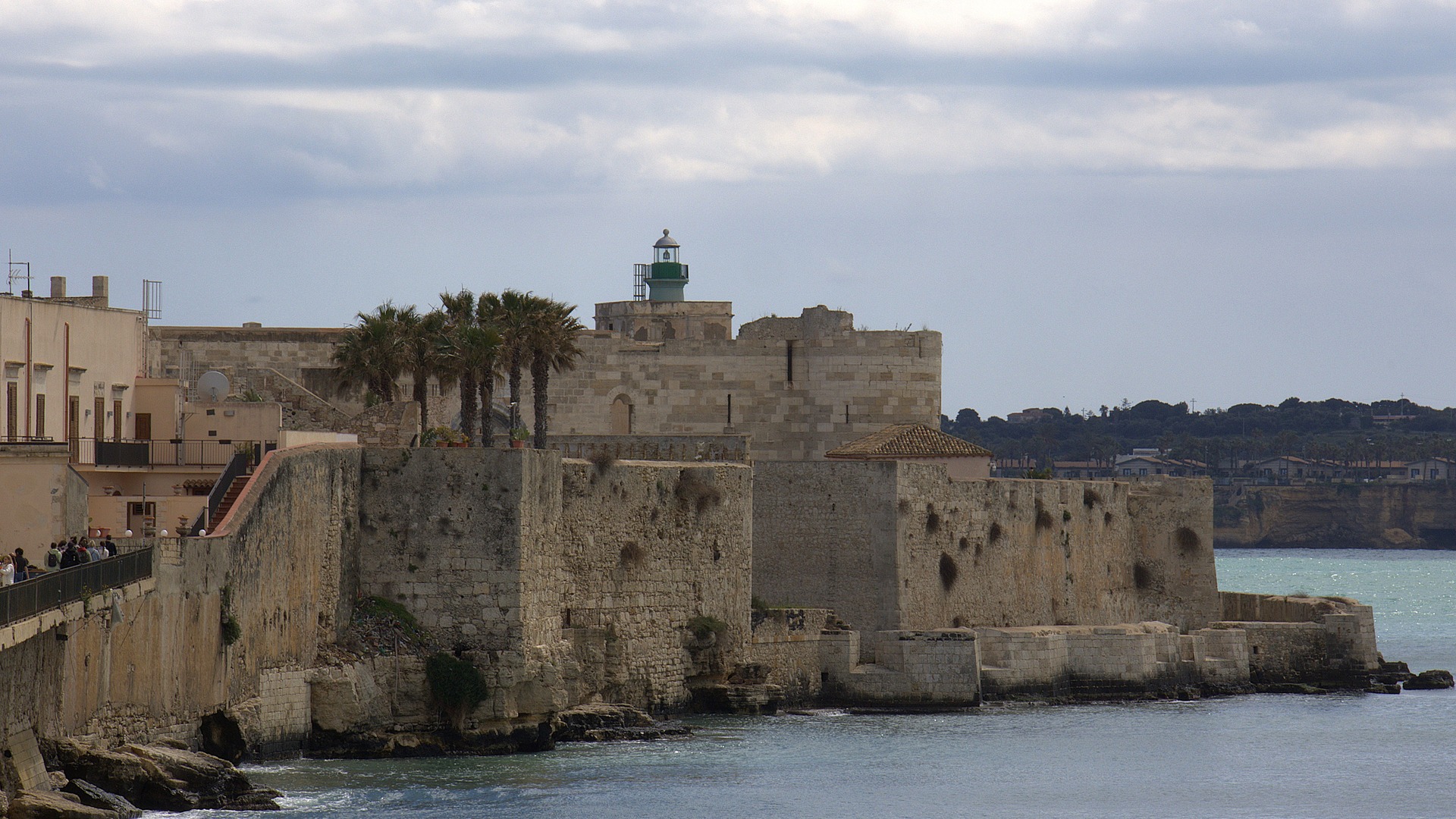
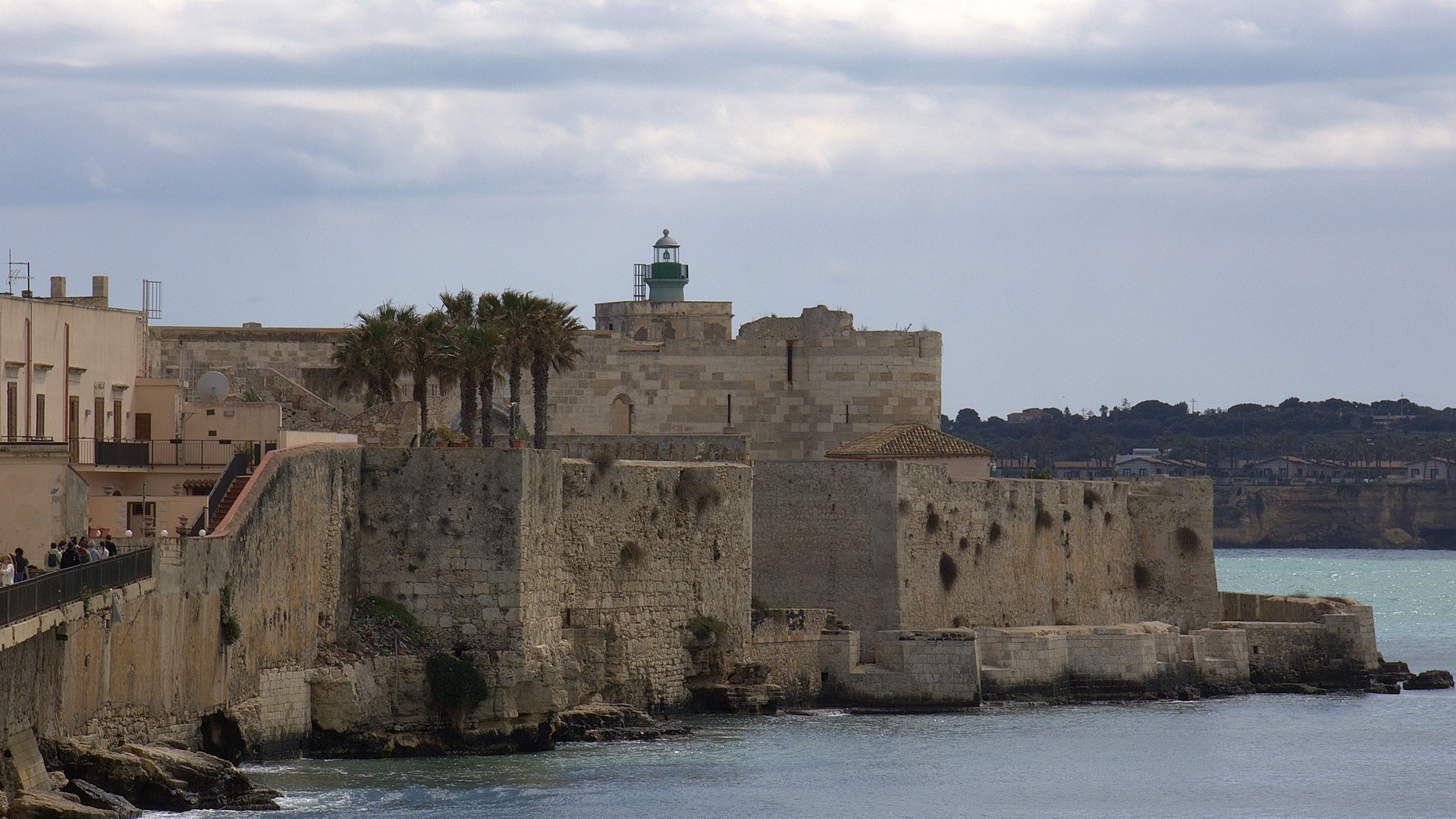
Sicily’s eastern, Ionian-facing coast is where most first-time visitors to Sicilian waters start, and for good reason. Taormina, perched on its hillside above the sea, doesn’t have its own marina. Giardini Naxos, in the bay directly beneath Taormina, offers more practical berthing and functions as the effective harbor for the town above, a short taxi ride from Taormina’s clifftop streets and restaurants. Further south, Riposto’s marina sits at the foot of Mount Etna itself, a genuinely striking anchorage for anyone wanting to combine a day on the water with an excursion up Europe’s most active volcano, its slopes visible looming over the harbor on a clear day. Continuing south, Syracuse offers one of the most historically rich harbor settings anywhere on the island, its old town of Ortigia sitting on a small island connected to the mainland by a short bridge, ringed by both a modern marina and the atmospheric Porto Grande, the same harbor where an Athenian fleet met catastrophic defeat during the Peloponnesian War, a naval history considerably older than anything found on Italy’s mainland coast.The Southeast: Ragusa, Marzamemi, and the Baroque Coast
Sicily’s southeastern corner, the Val di Noto, is known internationally for its cluster of UNESCO-listed Baroque towns, rebuilt in dramatic architectural style after a devastating 1693 earthquake, and its coastline offers a quieter, less internationally trafficked yachting experience than the Taormina-Syracuse corridor further north. Marina di Ragusa is the area’s principal yachting hub, a well-equipped modern marina that has grown considerably in recent years and serves as a practical base for exploring nearby Ragusa Ibla and Modica, both UNESCO Baroque towns just a short drive inland. Marzamemi, a small former tuna-fishing village near Sicily’s southeastern tip, offers something considerably more intimate: a tiny historic harbor square built around the remains of an old tonnara, now lined with restaurants and boutiques, that fills with a genuinely lively evening atmosphere in summer despite the town’s modest size. It’s the kind of stop that rewards an evening rather than a quick daytime visit, when the square’s lights and the harbor’s fishing boats create an atmosphere considerably more atmospheric than its size would suggest.The West: Trapani, the Egadi Islands, and San Vito Lo Capo
Sicily’s western coast trades the volcanic drama of the east for a different kind of appeal, salt flats, Arab-Norman architecture, and some of the clearest water anywhere on the island. Trapani, with its own historic harbor and easy ferry and hydrofoil connections to the nearby Egadi Islands, functions as the natural gateway to this corner of Sicily. The Egadi archipelago itself, Favignana, Levanzo, and Marettimo, offers some of the most rewarding cruising grounds in Sicilian waters, protected as a marine reserve and known for exceptionally clear, turquoise water around Favignana’s old tufa quarries, now flooded coves used for swimming rather than stone extraction. Further north, San Vito Lo Capo anchors a dramatic stretch of coastline beneath the Zingaro Nature Reserve, Sicily’s first protected nature reserve, its rugged, undeveloped shoreline accessible mainly by boat or on foot, a genuinely wild contrast to the more built-up harbor towns elsewhere on the island.The North Coast: Palermo, Cefalù, and the Aeolian Islands
Palermo, Sicily’s capital, offers a serious, well-equipped marina alongside its status as the island’s main cultural and culinary hub, a genuinely worthwhile stop for anyone wanting to pair time on the water with the Norman-Arab architecture, bustling markets, and street food culture that make the capital one of the most distinctive cities in southern Italy. East along the coast, Cefalù’s small harbor sits beneath a dramatic Norman cathedral and a looming rock promontory, one of the most photogenic anchorages on the entire north coast. Offshore, the Aeolian Islands, Lipari, Vulcano, Salina, Panarea, Stromboli, Filicudi, and Alicudi, form a volcanic archipelago that ranks among the most rewarding multi-day cruising destinations anywhere in Italian waters. Lipari serves as the practical hub with the archipelago’s main marina and provisioning, Panarea draws a genuinely glamorous summer crowd despite its tiny size, and Stromboli offers the singular experience of anchoring off an island with a continuously active volcano visible glowing after dark, a spectacle few other Mediterranean destinations can match.Sicily’s Best Yacht Spots at a Glance
| Location | Character | Best For |
|---|---|---|
| Giardini Naxos / Taormina | Practical harbor beneath a clifftop resort town | Taormina’s Greek theater and Etna views |
| Riposto | Marina at the foot of Mount Etna | Combining sailing with a volcano excursion |
| Syracuse / Ortigia | Historic island old town with modern marina facilities | Greek and Baroque history in equal measure |
| Marina di Ragusa | Modern, well-equipped southeastern marina | A base for the Val di Noto’s Baroque towns |
| Marzamemi | Tiny historic tuna-fishing harbor square | An intimate evening atmosphere |
| Trapani / Egadi Islands | Gateway harbor and a protected marine reserve archipelago | Exceptionally clear water around Favignana |
| Palermo | Sicily’s capital, with a serious full-service marina | Pairing sailing with the island’s best food and architecture |
| Aeolian Islands | A volcanic archipelago off the north coast | Multi-day cruising, Stromboli’s glowing crater at night |
What to Eat Dockside
Sicilian coastal food differs meaningfully from region to region, and a sailing trip around the island doubles as one of the more varied culinary tours available in Italian waters. In the east, around Taormina and Syracuse, expect pasta alla Norma, built on fried eggplant and salted ricotta, alongside granita and brioche for breakfast, a Sicilian institution worth adjusting a morning schedule around. The southeast, near Marina di Ragusa and Marzamemi, is prime territory for the island’s tuna heritage, with Marzamemi’s old tonnara lending its name to some of the best tuna dishes on the island, still served a short walk from where it was once processed. Palermo’s street food scene, arancini, panelle, and the famously unconventional pani ca meusa, spleen sandwich, rewards anyone willing to eat standing at a market stall rather than seated at a harborside table, while the western coast around Trapani is known for couscous di pesce, a fish couscous reflecting the region’s centuries of contact with North Africa across the narrow stretch of the Mediterranean separating the two coastlines.Provisioning and Local Markets
Sicily’s markets rank among the most vivid in Italy, and provisioning a boat here is as much a cultural experience as a practical errand. Palermo’s Vucciria and Ballarò markets and Catania’s fish market, held each morning near the city’s own harbor, offer an unmatched selection of local produce, seafood, and specialty goods, though smaller harbor towns along the coast typically run their own more modest morning markets well suited to a quick provisioning stop between anchorages. Sicilian wine, largely built around the Nero d’Avola grape in the west and the increasingly celebrated volcanic wines grown on Etna’s slopes in the east, is worth stocking up on directly from the regions it comes from rather than waiting to find it back home, since much of the island’s best small-production wine rarely makes it far beyond regional distribution.Best Time to Sail Sicilian Waters
Late May through June and September into early October offer the most comfortable sailing conditions, warm enough for swimming without the peak crowds and heat of July and August, when both marinas and popular anchorages, particularly around Taormina and the Aeolian Islands, fill to capacity with Italian and international visitors alike. Sicily’s position further south than the Tuscan or Ligurian coasts also extends its comfortable sailing season somewhat later into autumn, a genuine advantage for anyone hoping to avoid the most crowded weeks of high summer without sacrificing warm water.Getting to Sicilian Waters
Most sailing trips around Sicily begin from one of the island’s two main international airports, Catania on the east coast, convenient for the Ionian coast, Etna, and a run north into the Aeolian Islands, or Palermo on the north coast, better positioned for the Egadi Islands, Cefalù, and the western half of the island. Both cities have well-connected marinas capable of handling charter changeovers, and the relatively short distances between Sicily’s various cruising grounds mean a one- or two-week trip can realistically combine two or three of the regions covered above without excessive time spent in transit between them.Chartering Around an Island Rather Than a Coastline
Sailing Sicily differs from a mainland Italian coastal charter in one important respect: the island’s outlying archipelagos, the Aeolians to the north, the Egadi to the west, mean a well-planned itinerary often involves genuine open-water passages between distinct cruising grounds rather than a single continuous coastal route. Many charters choose to focus on just one region, the Ionian coast and a loop through the Aeolians, for instance, rather than attempting to circle the entire island in a single trip, a sensible approach given how much each individual area rewards unhurried exploration on its own terms.For the island closest to Tunisia, see Pantelleria by boat; across the Strait of Messina, see Tropea and the Costa degli Dei by boat.
Planning to combine a round with a winery visit and a day on the water? Read our guide to yacht, wine and golf in Sicily, part of our Yacht, Wine and Golf in Italy series.
The Takeaway
Sicily offers a version of Mediterranean yachting considerably more varied than its mainland Italian counterparts, moving from volcanic drama to Baroque elegance to genuinely wild, undeveloped coastline within a single compact cruising ground. Whether the appeal is Taormina’s clifftop glamour, Ortigia’s layered ancient history, or the sight of Stromboli’s crater glowing red after dark, this island rewards exactly the kind of unhurried, curious sailing that a single mainland coastline rarely manages to offer in one trip.For where to stay on land between sailing days, see our guide to the best luxury hotels in Sicily.
Planning a trip? See our guides to Taormina boat tours, the Aeolian Islands by boat and boat tours from Syracuse and Ortigia.
Heading to western Sicily? See our guide to the Egadi Islands: Favignana, Levanzo and Marettimo.
For more time on the water, see our guide to Capri by boat.
Exploring the Italian Riviera? See our guide to Portofino and Genoa.
To see Venice from the water, read our guide to Venice by boat: gondolas and the lagoon islands.