This post contains affiliate links. If you book through them, we may earn a small commission at no extra cost to you. Learn more.
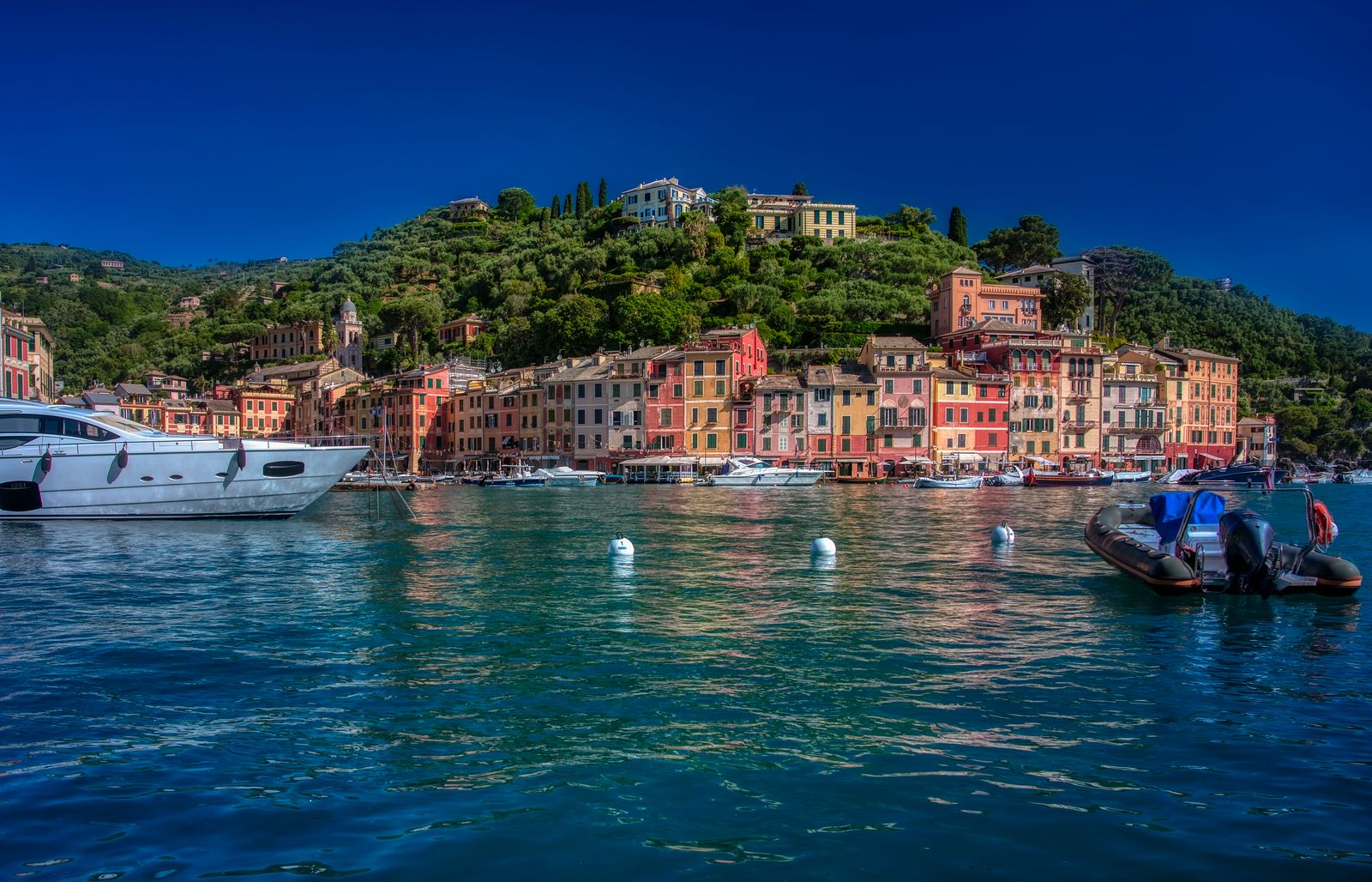
Portofino is one of the most glamorous harbours in the world: a horseshoe of pastel houses around a tiny bay full of yachts, framed by pine-covered hills. Half an hour away, Genoa, once the capital of a maritime republic that rivalled Venice, hides behind its busy port one of the largest medieval old towns in Europe and a street of Renaissance palaces listed by UNESCO. Between them runs one of the loveliest stretches of the Italian Riviera, with fishing villages, a medieval abbey that can only be reached by sea and some of the best food in northern Italy.
This guide covers the tickets worth booking in Genoa, how to reach Portofino and San Fruttuoso by boat, and how to plan a few elegant days on the Riviera di Levante.
Our Genoa and Portofino Picks
- Abbey of San Fruttuoso entry: the medieval abbey on a hidden cove
- Rolli Palaces guided walking tour: Genoa’s UNESCO-listed palaces
- Genoa food tour: pesto, focaccia and farinata
- Genoa harbour boat tour
- Aquarium of Genoa and Galata Maritime Museum
At a Glance
| Place | Why go | Book |
|---|---|---|
| Genoa old town | A maze of medieval lanes, churches and grand palaces | Old town walking tour |
| Strade Nuove and the Rolli Palaces | Renaissance and baroque palaces of the merchant aristocracy | Rolli Palaces tour |
| Porto Antico | The Aquarium, the maritime museum and harbour views | Aquarium or Sea Pass |
| San Fruttuoso | A medieval abbey reached only by boat or on foot | Abbey entry |
| Portofino | The famous harbour, Castello Brown and the lighthouse walk | By boat from Camogli or Santa Margherita |
Portofino: The Riviera’s Most Glamorous Harbour
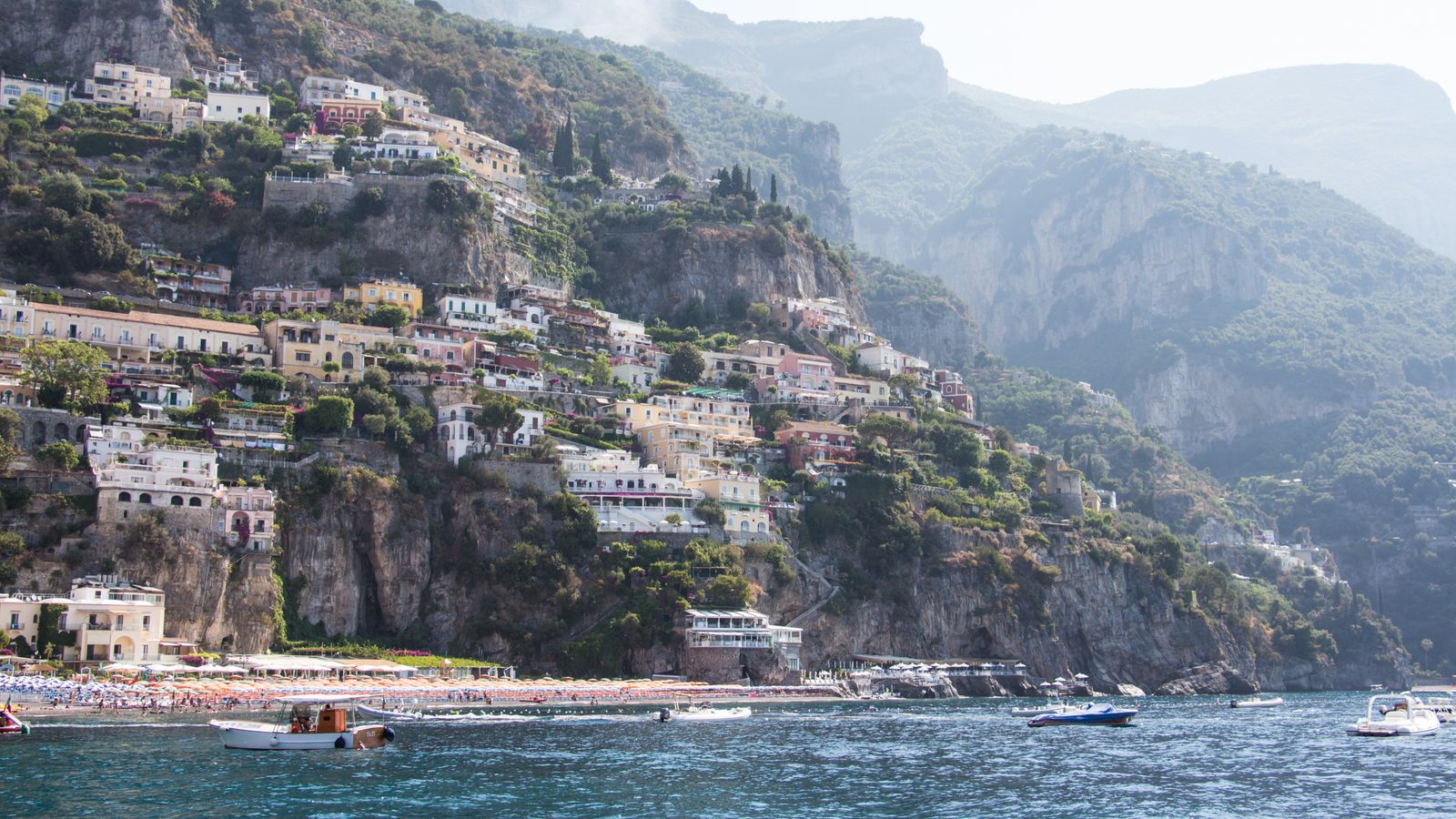
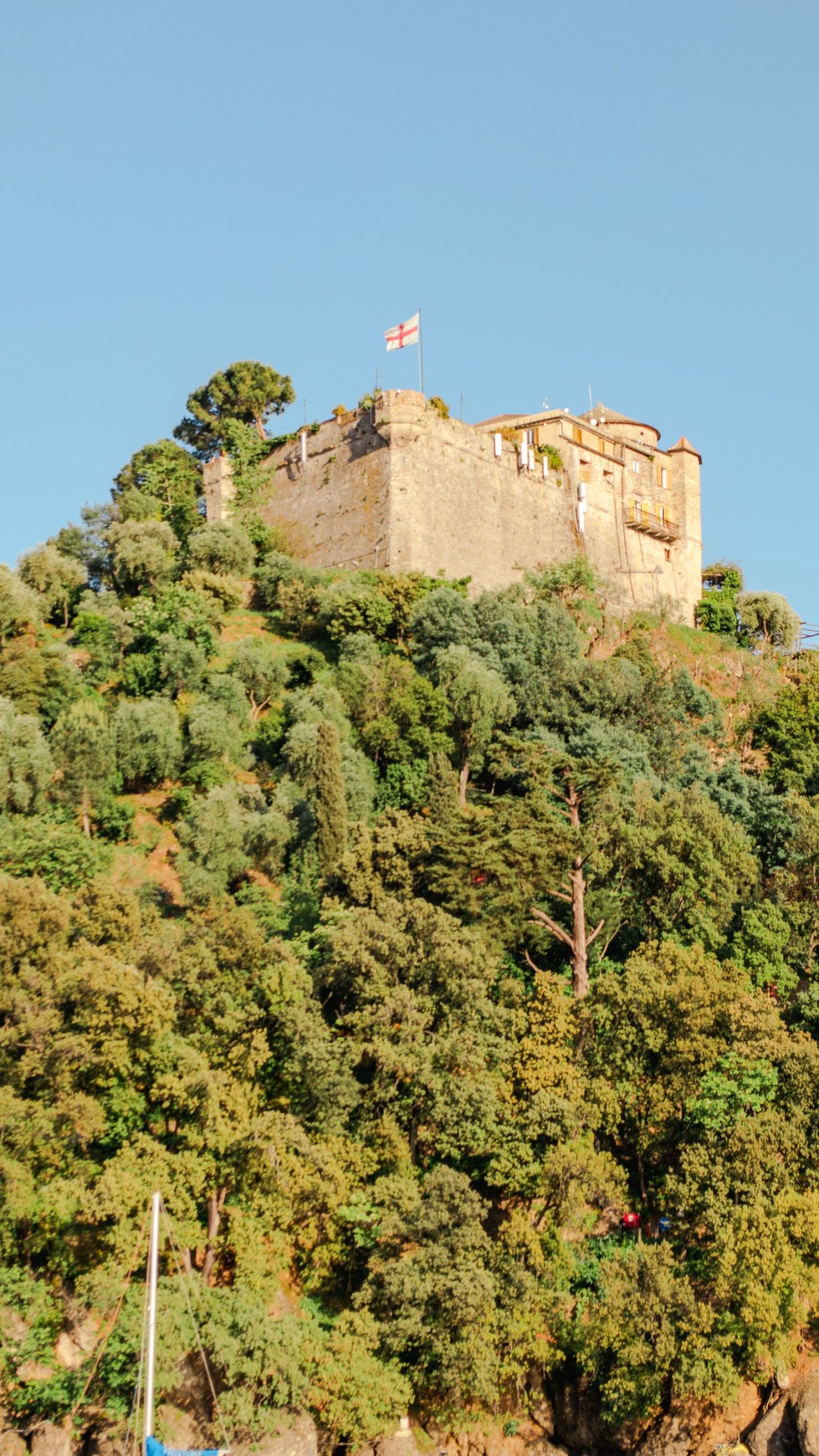
Portofino is tiny, a fishing village of a few hundred residents that became, in the twentieth century, a magnet for film stars, aristocrats and yacht owners. Its piazzetta opens directly onto the harbour, where traditional boats share the water with superyachts, and the boutiques of the great fashion houses occupy the ground floors of the painted houses. Climb the short path to Castello Brown, a fortress turned villa with gardens and sweeping views, and continue along the headland to the lighthouse of Punta del Capo, where a small bar looks out over the open sea.
Portofino is best reached by water. Access by car is limited and parking is scarce and expensive, so most visitors take the train to Santa Margherita Ligure and continue by boat or bus, or arrive on the ferries that link Camogli, San Fruttuoso, Portofino and Santa Margherita in season. Arriving by sea, with the harbour opening up in front of you, is unforgettable. For a truly exclusive experience, private boats and yachts can be chartered in Santa Margherita and Portofino for a day along the coast.
San Fruttuoso: The Abbey on the Cove
Hidden in a deep bay on the Portofino promontory, the Abbey of San Fruttuoso is one of the most magical places in Liguria. Its medieval buildings, with a distinctive dome and arcades, sit directly above a small pebble beach, reachable only by boat or by a hiking trail through the regional park. Owned by the FAI, Italy’s national trust, the abbey contains the tombs of members of the Doria family, the great Genoese admirals. Offshore, at a depth of about 17 metres, the bronze statue of the Christ of the Abyss, placed in 1954, watches over divers and snorkellers. Book your entry to the abbey, then stay for a swim and a lunch of fresh fish in one of the trattorie by the beach.
Camogli and Santa Margherita
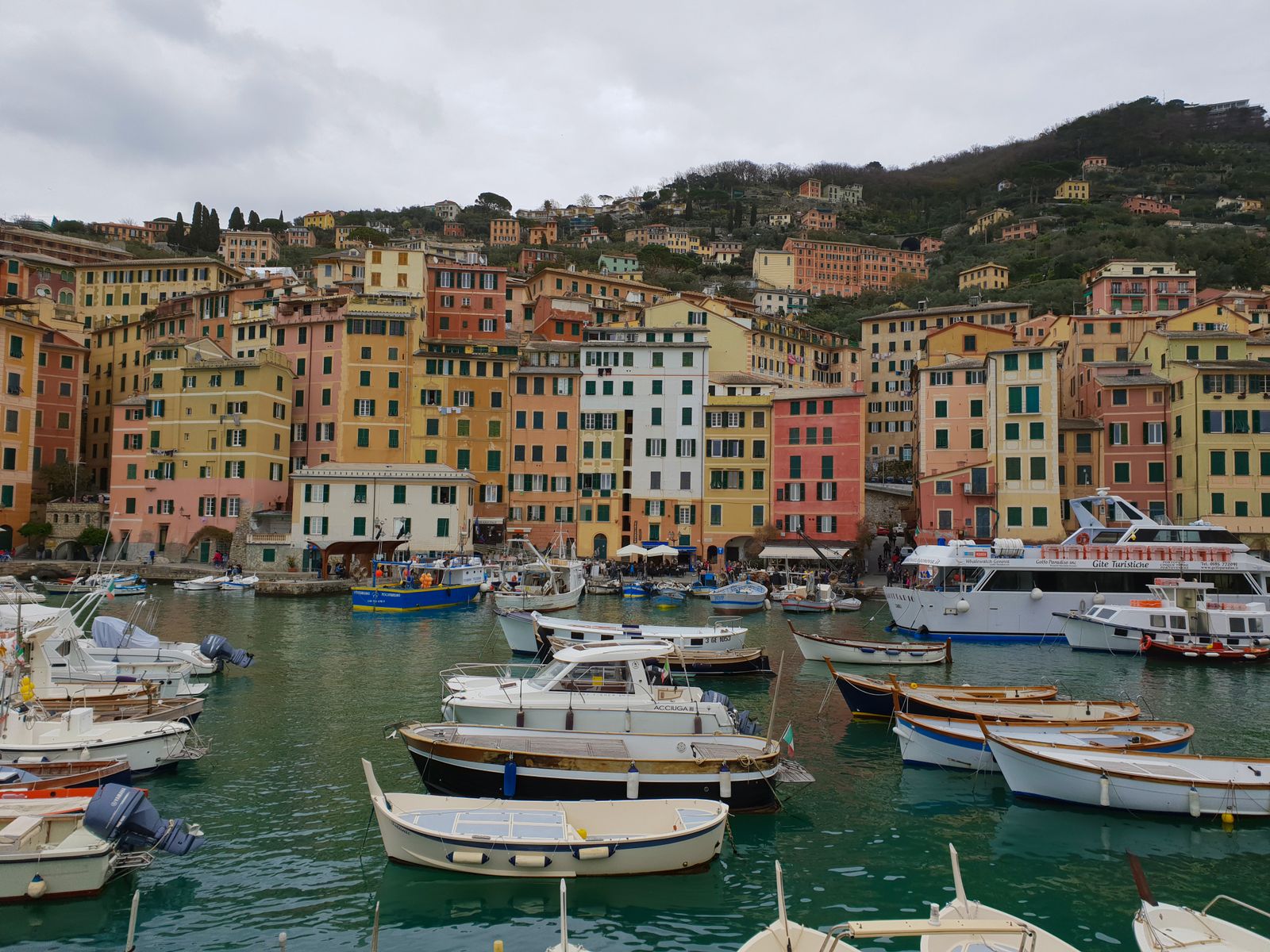
West of the promontory, Camogli is a fishing town of tall, brightly painted houses rising straight from the shore, with a lively seafront and a harbour full of boats. It is a lovely base, with boats to San Fruttuoso. East of Portofino, Santa Margherita Ligure is more elegant and lively, with Belle Époque villas, palm-lined promenades and a busy marina, and it is the best place for train connections. Both are perfect for a slower stay, away from the day crowds in Portofino.
Genoa: Palaces, Lanes and the Sea
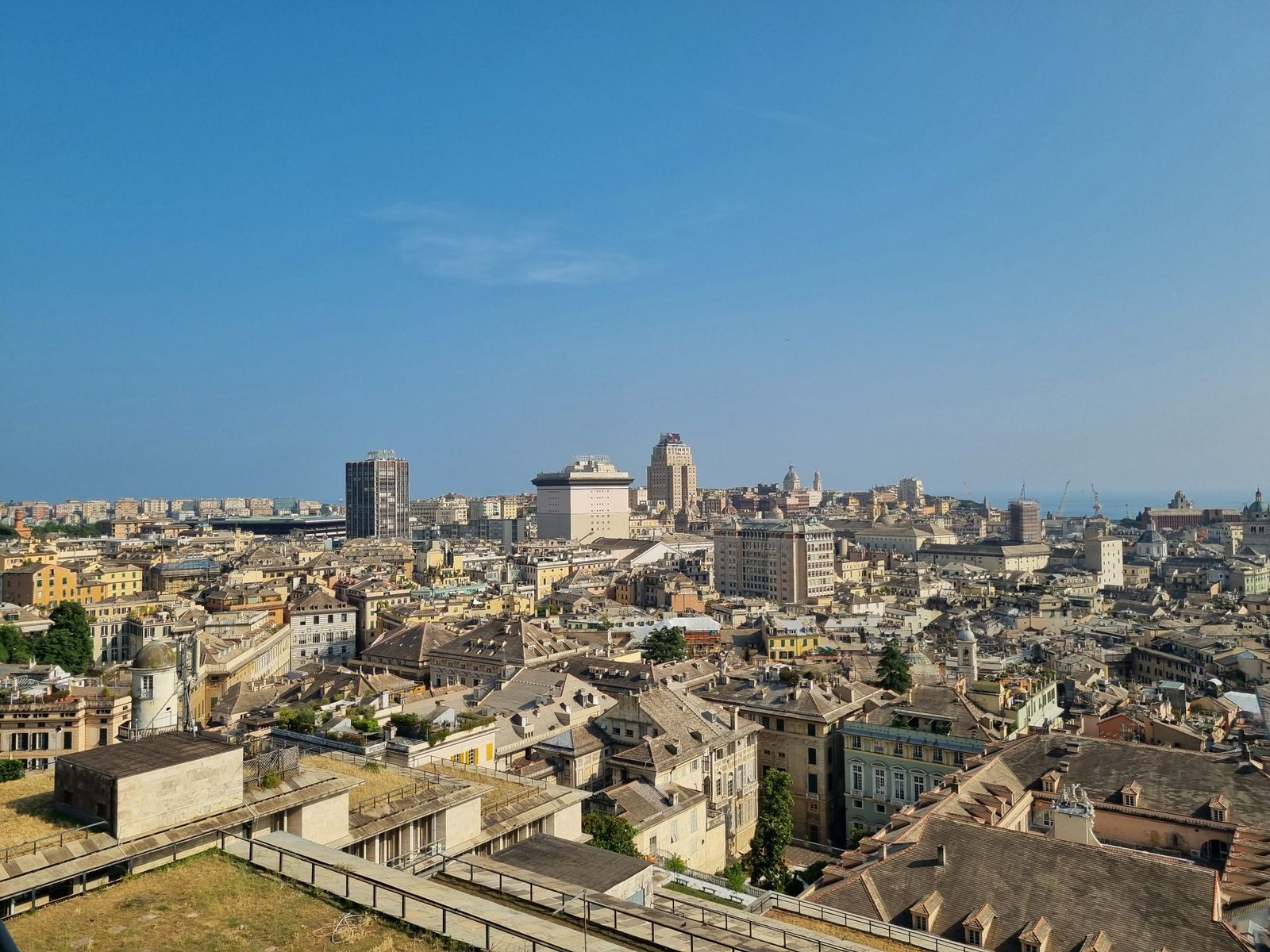
Genoa is a city of contrasts. Its historic centre is a labyrinth of narrow alleys, the caruggi, where medieval churches stand beside workshops and tiny bakeries. Just above, the Strade Nuove, Via Garibaldi and Via Balbi, are lined with the palaces of the merchant nobility, the Palazzi dei Rolli, which the Republic used to host visiting kings and ambassadors and which are now a UNESCO World Heritage Site. Some are museums, with superb collections of paintings and frescoed ceilings; others open their doors only on special days. The Rolli Palaces guided tour and the old town walking tour are the best introductions.
On the waterfront, the Porto Antico, redeveloped by the architect Renzo Piano, a native of Genoa, is home to the Aquarium of Genoa, one of the largest in Europe, and the Galata Maritime Museum, which tells the story of the city’s seafaring past. Book the Aquarium with reserved entry or combine it with the Galata Museum. For views, ride Renzo Piano’s Bigo panoramic lift, climb the Lanterna lighthouse, the symbol of the city, or take the harbour boat tour. In season, the whale-watching cruise heads out into the Pelagos Sanctuary, a protected area for marine mammals.
Pesto, Focaccia and the Food of Liguria
Genoa is the home of pesto, made with small-leaved Ligurian basil, pine nuts, garlic, olive oil and aged cheese, traditionally served with trofie or trenette. Ligurian focaccia, thin and glistening with olive oil and salt, is eaten for breakfast, often dipped in cappuccino. In Recco, near Camogli, focaccia col formaggio is filled with soft cheese. Try farinata, a thin chickpea pancake, and seafood such as anchovies, mussels and fish soup. The Genoa food tour is a delicious way to taste them all.
Where to Stay in Style
The Portofino promontory has some of the most celebrated hotels on the Italian Riviera, from a historic villa high above the harbour, with gardens and a pool looking straight down onto the yachts, to grand Belle Époque hotels on the waterfront at Santa Margherita. In Camogli, a hotel set on the rocks beside the old castle lets you swim from the terrace. Book early for summer, and ask about boat transfers, which many hotels arrange for their guests. In Genoa, a handful of hotels occupy historic palaces in the centre, ideal for a cultural stay before or after the coast.
Getting There and Around
Genoa has an airport and excellent rail connections, around an hour and a half from Milan by train. Regional trains run along the coast to Camogli, Santa Margherita and, further east, the Cinque Terre. A pre-booked transfer is the easiest way to reach your hotel with luggage. A car is useful only for exploring the hinterland; if you need one, Localrent lists local agencies. In Genoa, the hop-on hop-off bus helps with the steep hills.
A Three-Day Itinerary
- Day 1: Genoa’s old town and the Rolli Palaces in the morning, the Porto Antico and the Aquarium in the afternoon, dinner with pesto in the caruggi.
- Day 2: train to Camogli, boat to San Fruttuoso for the abbey and a swim, continue by boat to Portofino for the afternoon and sunset.
- Day 3: Santa Margherita and a private boat trip along the coast, or the hike across the Portofino promontory.
Practical Tips
- Boats depend on the sea: services to San Fruttuoso and Portofino are reduced or suspended in rough weather and outside the main season.
- Visit Portofino early or late: the village is busiest from late morning to mid-afternoon.
- Luggage: leave bags with Radical Storage in Genoa while you explore.
- Stay connected: an eSIM for Italy keeps boat timetables on your phone.
- Flight problems: AirHelp checks compensation for delays.
For the other great Italian coastline by sea, see our guide to the Amalfi Coast by boat.
Frequently Asked Questions
How do you get to Portofino?
By train to Santa Margherita Ligure, then by bus, on foot or by boat. In season, ferries also link Camogli, San Fruttuoso and Portofino.
Can you visit San Fruttuoso by car?
No. The abbey can only be reached by boat or on foot along trails through the Portofino park.
Is Genoa worth visiting?
Yes. Its old town, the Rolli Palaces and its food make it one of the most underrated cities in Italy.
How many days do you need?
Two to three days for Genoa and the Portofino coast; add more if you continue to the Cinque Terre.
Where should I stay?
Santa Margherita or Camogli for the coast, Portofino for pure glamour, Genoa for culture and value.
Plan Your Stay
Continue east along the coast to the Cinque Terre, or head north to Milan. For more Italian sailing, read our guide to the best yacht spots along the Tuscany coast, and use our Italy travel planner for transfers and connectivity. Browse more things to do in Genoa.