This post contains affiliate links. If you book through them, we may earn a small commission at no extra cost to you. Learn more.
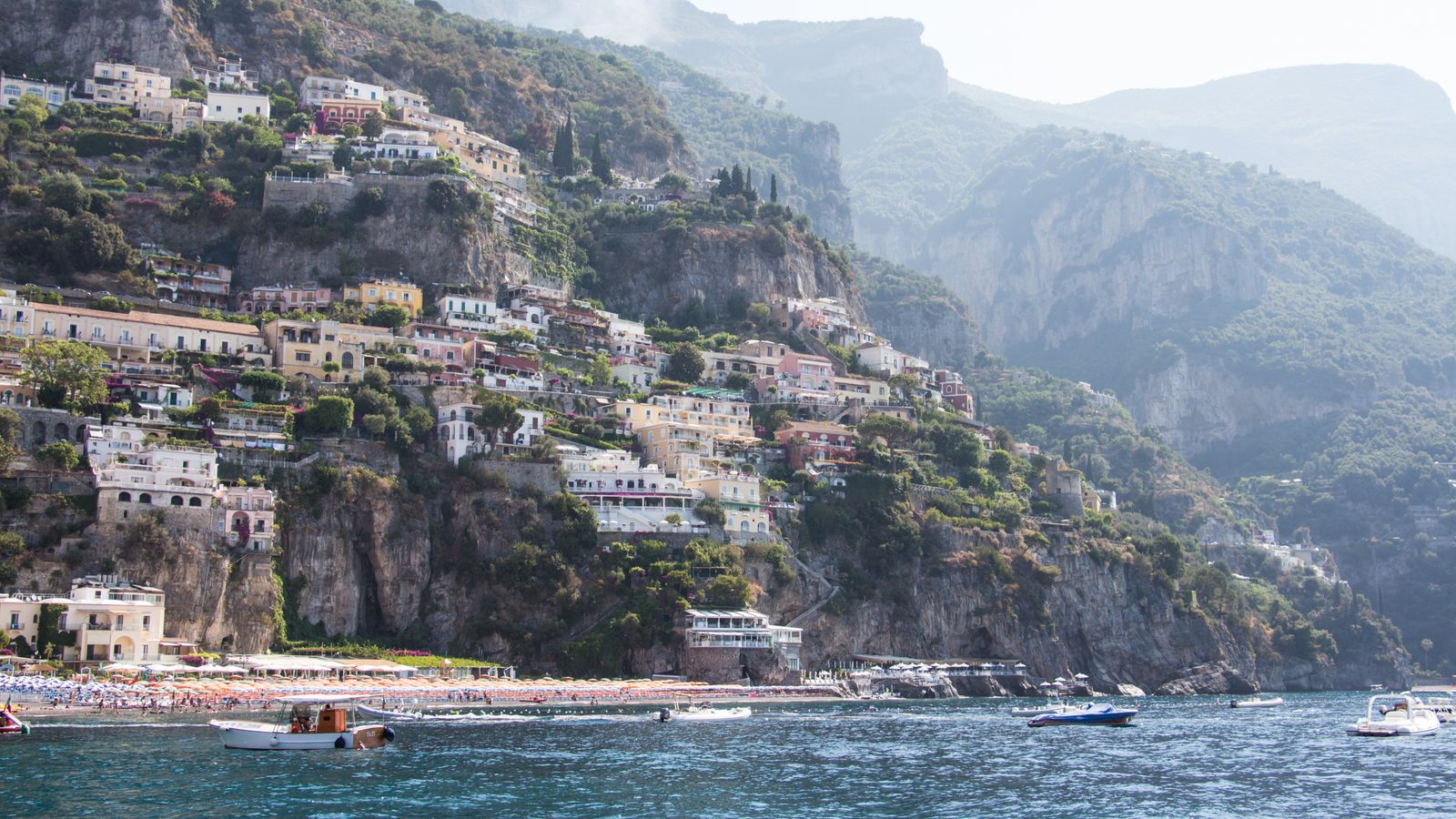
The Amalfi Coast was built to be seen from the sea. The road that clings to its cliffs is famous, but it is also narrow, crowded and slow in summer, and from behind a windscreen you miss the very thing that makes this coast unique: the vertical drama of villages stacked above the water, the hidden coves, the sea caves and the tiny beaches that no road can reach. From a boat, Positano appears exactly as it does on the postcards, and an afternoon that would be spent in traffic becomes a swim stop at the Li Galli islands.
This guide explains the different ways to see the Amalfi Coast by boat, from public ferries to small-group cruises and private charters, what you will see along the way, which departure point suits your base, and how to plan the perfect day on the water.
Quick answer
For most visitors, the best balance of comfort, value and flexibility is a small-group boat tour such as this Amalfi and Positano boat tour from Sorrento, limited to 12 guests, with a swim stop at Li Galli, free time in Amalfi and Positano, and free cancellation up to 24 hours before. For complete privacy, charter a private boat with skipper. To simply move between towns, use the public ferries, which run from early April to October.
Why see the Amalfi Coast by boat
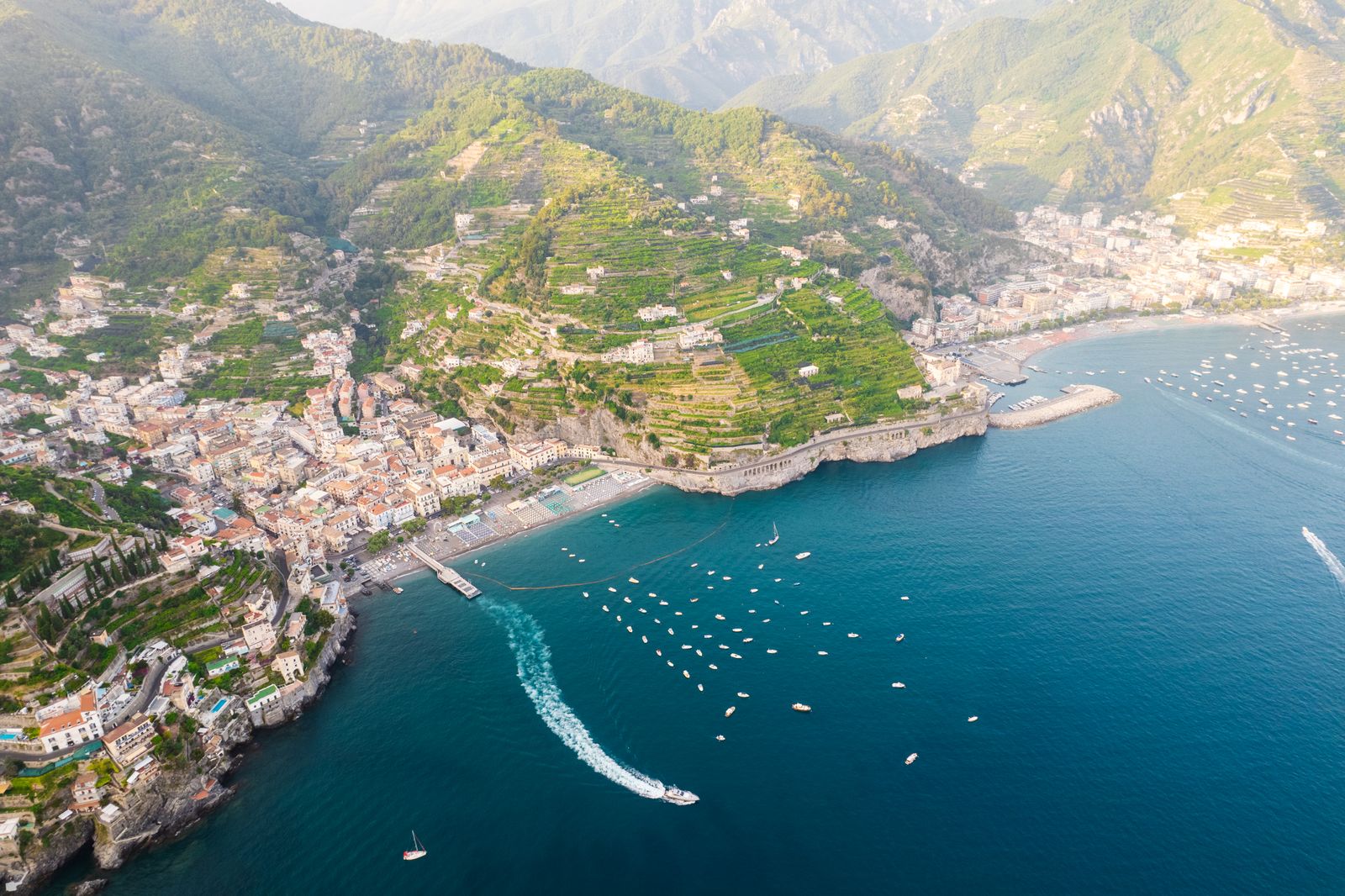
The Amalfi Coast, a UNESCO World Heritage Site since 1997, runs for about 50 kilometres along the southern side of the Sorrento peninsula, from Positano to Vietri sul Mare. Its towns were maritime communities long before they were holiday resorts, and seeing them from the water explains their layout instantly: harbours and beaches at the bottom, churches and houses climbing the cliffs, lemon terraces above.
A boat also solves the coast’s biggest practical problem. In July and August, the SS163 coastal road is often jammed, parking is scarce and expensive, and buses fill up quickly. On the water, Positano to Amalfi takes around 20 to 25 minutes by ferry, and a private boat lets you combine several villages, a swim and lunch at a beach restaurant in a single relaxed day.
Ferry, group tour or private boat?
| Option | Best for | What to expect | Book |
|---|---|---|---|
| Public ferry | Moving between Positano, Amalfi, Capri and Salerno | Several operators, frequent sailings in season, one-way fares from around 10 euros; no swim stops | At the port or online |
| Small-group tour from Sorrento | Best overall value, couples and first visits | Up to 12 guests, swim and snorkel at Li Galli, free time in Amalfi and Positano, limoncello on board | Small-group boat tour |
| Group tour from Naples | Staying in Naples without a car | Full day of about nine hours, longest stop in Amalfi, maximum 15 guests; non-refundable | Boat trip from Naples |
| Large tour with Ravello | Adding Ravello to the day | Up to 120 guests, Amalfi and Positano with optional Ravello; non-refundable | Boat tour with Ravello option |
| Private boat with skipper | Families, celebrations and maximum flexibility | Your own route, timing and swim stops; a classic wooden gozzo or a modern speedboat | Book with a local operator |
Check the cancellation terms before you book. The small-group tour from Sorrento can be cancelled free of charge up to a day ahead, which matters on a coast where summer storms and strong winds can stop boats from sailing. The larger tours listed above are non-refundable and cannot be rescheduled.
What you will see from the water
Punta Campanella and Ieranto Bay. Most boats from Sorrento round the tip of the peninsula, a protected marine area, and pass the wild bay of Ieranto, now cared for by Italy’s National Trust, the FAI. The water here is some of the clearest on the coast.
Li Galli. This small archipelago of three islands off Positano is privately owned and cannot be visited on land, but the waters around it are a favourite swim and snorkel stop. Legend makes them the home of the sirens of Homer’s Odyssey, and the main island was once owned by the dancer Rudolf Nureyev.
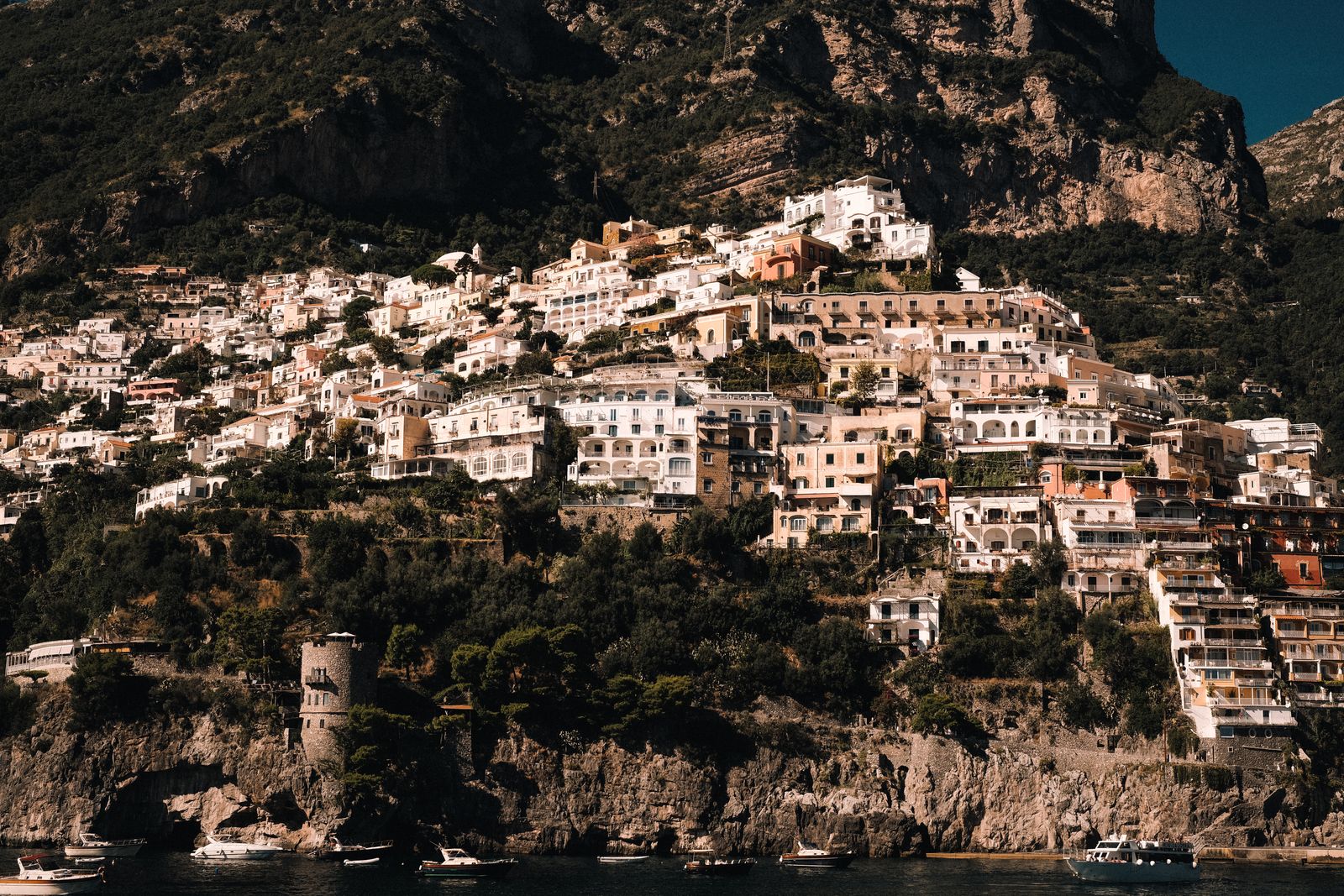
Positano. Arriving by sea at the Spiaggia Grande is one of the great entrances in Italy. The town’s houses tumble down the cliff in shades of pink, peach and ochre, crowned by the majolica dome of Santa Maria Assunta.
The Fiordo di Furore and the Emerald Grotto. East of Positano, the coast becomes steeper and wilder. The Fiordo di Furore is a narrow gorge with a tiny beach beneath a high road bridge, and the Grotta dello Smeraldo near Conca dei Marini is a sea cave known for its green light.
Amalfi. Once a powerful maritime republic, Amalfi is the coast’s historic heart. From the harbour, it is a short walk to the cathedral of Sant’Andrea with its striking striped facade and grand staircase, and to the paper museum in the valley above.
Which departure point is best?
| Base | Advantages | Good to know |
|---|---|---|
| Sorrento | Most tour departures, easy rail access from Naples, good value hotels | Boats round Punta Campanella, so the trip includes the wild western tip |
| Positano | Right in the middle of the most beautiful stretch | Hotels are expensive and hilly; luggage porters are useful |
| Amalfi | Central for ferries east and west, close to Ravello | Busy at midday when day trippers arrive |
| Naples | No need to move hotels, combine with the city | Long day; the sea crossing takes time before you reach the coast |
A perfect day on the water
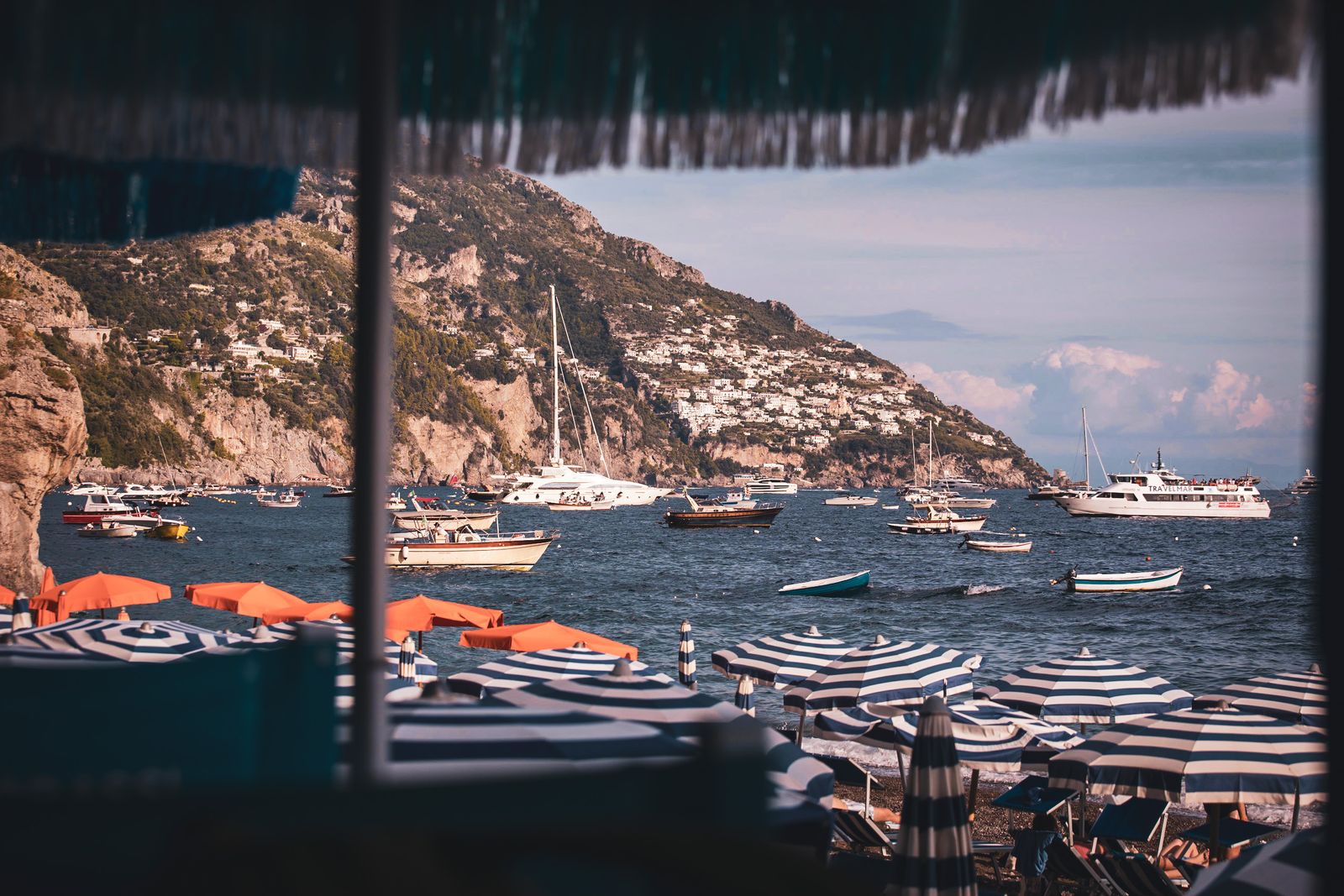
Start early, ideally by nine, before the wind picks up and the main harbours become crowded. Head east along the coast with the morning light behind you, stop for a swim at Li Galli, then continue to Amalfi for a late morning walk to the cathedral. Lunch at one of the beach restaurants reached only by boat is the highlight of many private charters: grilled fish, spaghetti with zucchini in the style of Nerano, and a cold glass of local white wine. In the afternoon, return to Positano for a stroll and a granita, and end the day with a spritz as the sun drops behind the cliffs.
Where to stay on the Amalfi Coast
The map below shows current hotel availability and prices around Positano, from family-run guesthouses to the famous clifftop hotels. Book early for July and August, when the best rooms are gone months in advance.
Compare hotels and prices in Positano. The interactive hotel map appears here once you accept marketing cookies.
When to go and practical tips
The boating season runs from April to October, with public ferries generally operating from early April until the end of October and some routes into early November. May, June and September offer the best combination of warm sea, calmer conditions and fewer crowds. July and August are hottest and busiest, so book tours and boats well ahead. In winter, ferry services between the towns stop and many beach restaurants close.
Bring a hat, reef-safe sunscreen and a light layer for the ride home, as it can be windy on the water. Sea conditions can cancel sailings at short notice, so keep a flexible day in your plan. A travel insurance policy with EKTA is worth considering for cancellations and medical cover, and an Airalo eSIM keeps you connected for ferry times and meeting points.
Getting there
The nearest airport is Naples. From there, a private transfer with Kiwitaxi takes you directly to Sorrento, Positano or Amalfi, saving the hassle of changing between train, bus and ferry with luggage. In season, ferries also connect Naples, Sorrento and Capri with the coast. Our guide to Capri by boat covers the island across the bay, and the Naples food guide and our Naples tickets and guide help you make the most of a stay in the city.
If you love seeing Italy from the water, continue with Portofino and the Italian Riviera by boat, the Aeolian Islands by boat or Venice by boat.
Charlotte’s pick
If I could recommend only one thing here, it would be the small-group Amalfi and Positano boat tour from Sorrento. Twelve guests, a swim at Li Galli, time in both towns and free cancellation: it delivers most of the magic of a private charter at a fraction of the price.
FAQ
Is it better to see the Amalfi Coast by boat or by car?
By boat, especially in summer. The coastal road is narrow and congested, while a boat reaches the main towns quickly and adds swim stops and views you cannot get from land.
How long does the ferry from Positano to Amalfi take?
About 20 to 25 minutes. Several operators run the route from early April to October, with one-way fares from around 10 euros.
Can you swim on an Amalfi Coast boat tour?
Yes, on most small-group and private tours. The Li Galli islands are the classic swim and snorkel stop. Large group tours and public ferries usually do not include swim stops.
When is the best time for a boat trip on the Amalfi Coast?
May, June and September. The sea is warm, the crowds are smaller than in high summer and the weather is usually settled.
Do Amalfi Coast boat tours run in winter?
Very few. Public ferries between the towns stop in winter, and most tour operators work from spring to autumn.