This post contains affiliate links. If you book through them, we may earn a small commission at no extra cost to you. Learn more.
The Salento is the heel of Italy’s boot, the narrow peninsula at the southern end of Puglia where the Adriatic meets the Ionian Sea. It has the most beautiful baroque city in the south, coastlines that switch from limestone cliffs to sandy shallows the colour of a swimming pool, a landscape of ancient olive trees and dry-stone walls, and some of Italy’s most characterful red wines. It is also where many of Puglia’s finest country hotels, the converted fortified farms known as masserie, are found.
This guide covers Lecce, Otranto, Gallipoli and the tip of the heel, the best stretches of coast, the wines and food, and how to plan a stylish week in the Salento.
Quick answer
Base yourself in Lecce or a masseria nearby, hire a car, and divide your time between the baroque city, the Adriatic cliffs around Otranto and the Ionian beaches near Gallipoli. Walk Lecce with the Lecce heritage audio tour, and taste Negroamaro and Primitivo at the source. Fly into Brindisi, about forty minutes from Lecce.
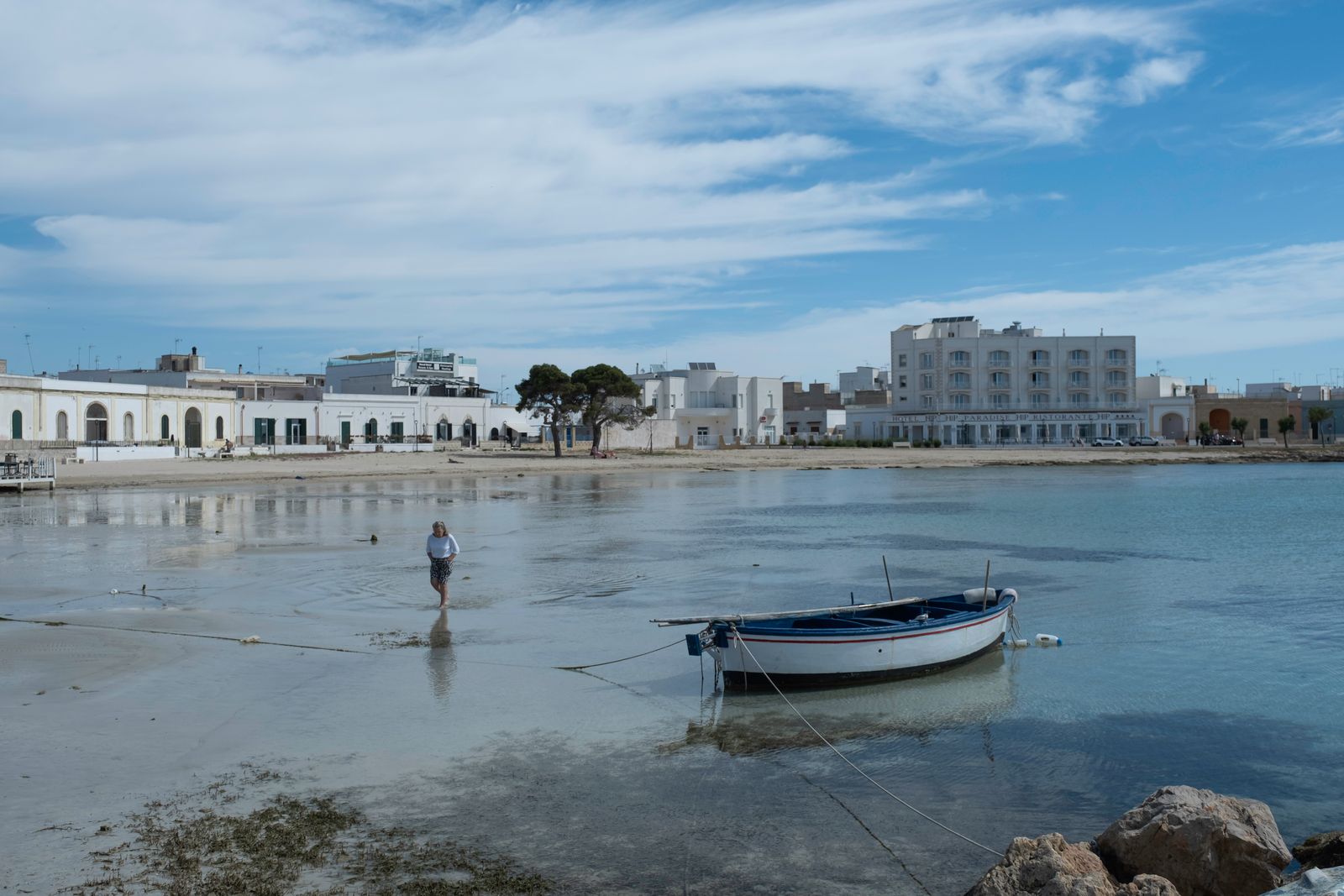
Lecce: the Florence of the South
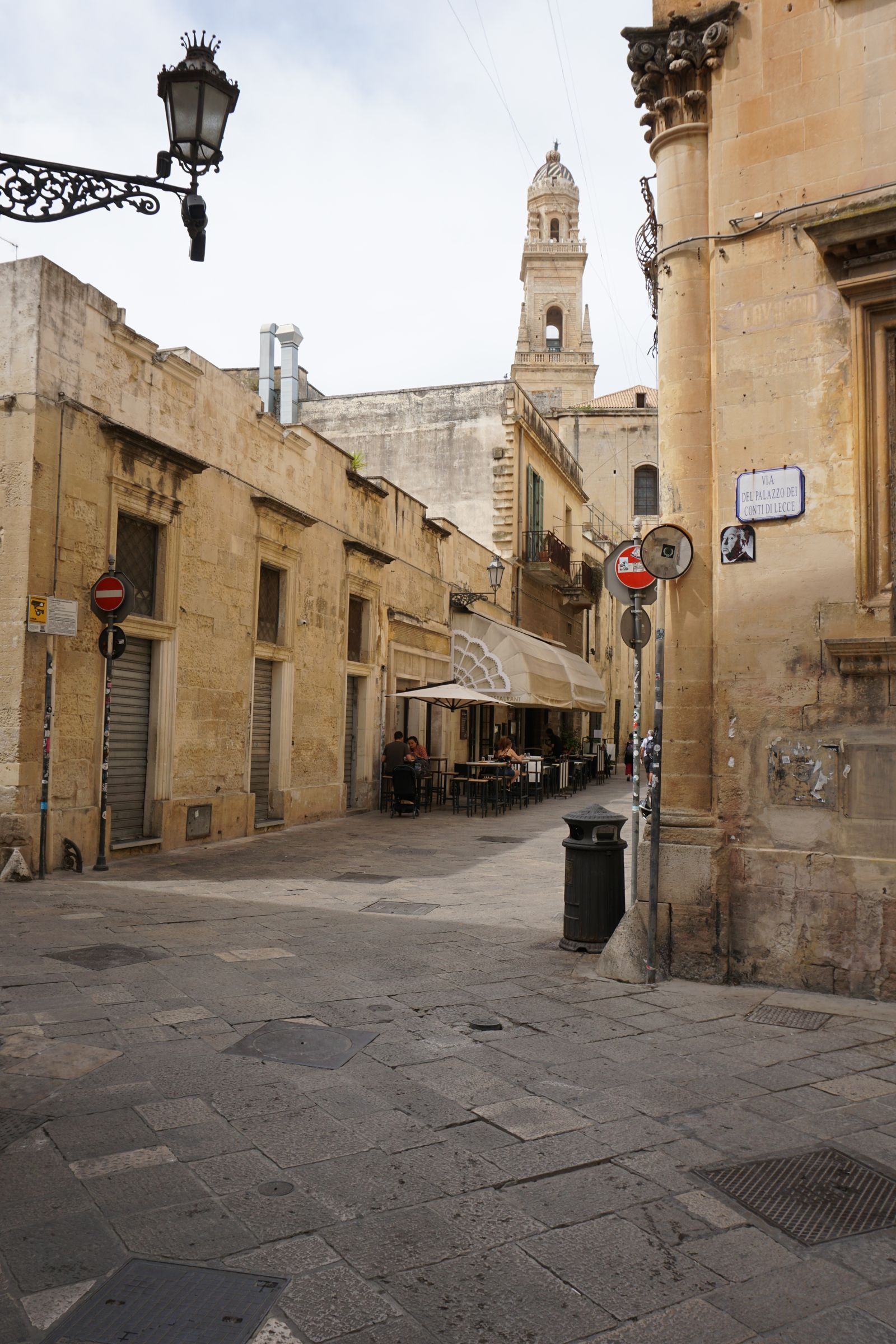
Lecce earned its nickname for the wealth of its seventeenth-century architecture, carved from a soft, honey-coloured limestone known as pietra leccese. The stone is so easy to work when freshly quarried that sculptors covered churches and palaces with cherubs, garlands, fantastical animals and twisting columns, then watched it harden into something durable. The result is a whole city of exuberant baroque, at its most extravagant on the facade of the Basilica di Santa Croce.
The Piazza del Duomo, enclosed on all sides, is one of the most theatrical squares in Italy, especially at night when the stone glows under the lights. In Piazza Sant’Oronzo, half of a Roman amphitheatre has been excavated below street level, a reminder that the city is far older than its facades. Lecce is also known for cartapesta, papier-mâché saints and figures made by local artisans, and for two local pleasures: the pasticciotto, a custard-filled shortcrust pastry best eaten warm for breakfast, and caffè leccese, espresso over ice with almond milk.
The Lecce heritage audio tour takes you through the old town at your own pace, including the traces of the city’s Jewish quarter.
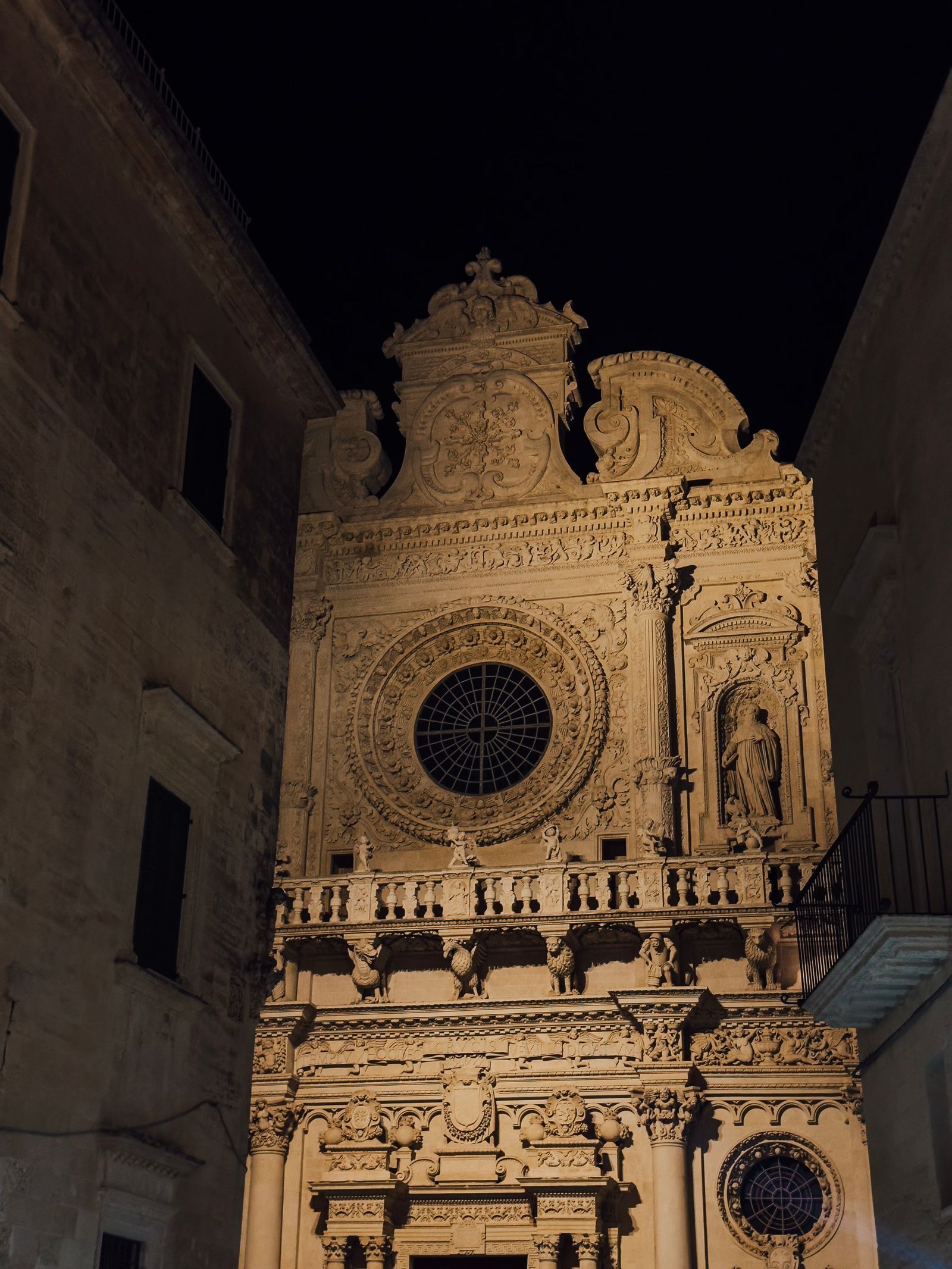
Otranto and the Adriatic coast
Otranto is the easternmost town in Italy, a white-walled port above a turquoise harbour. Its cathedral contains one of the most extraordinary medieval works in Europe: a mosaic floor laid in the 1160s by a monk named Pantaleone, covering the entire nave with a Tree of Life populated by animals, monsters, biblical scenes, the zodiac and, curiously, King Arthur. In a side chapel, the bones of the martyrs killed during the Ottoman siege of 1480 are displayed behind glass, a sobering sight.
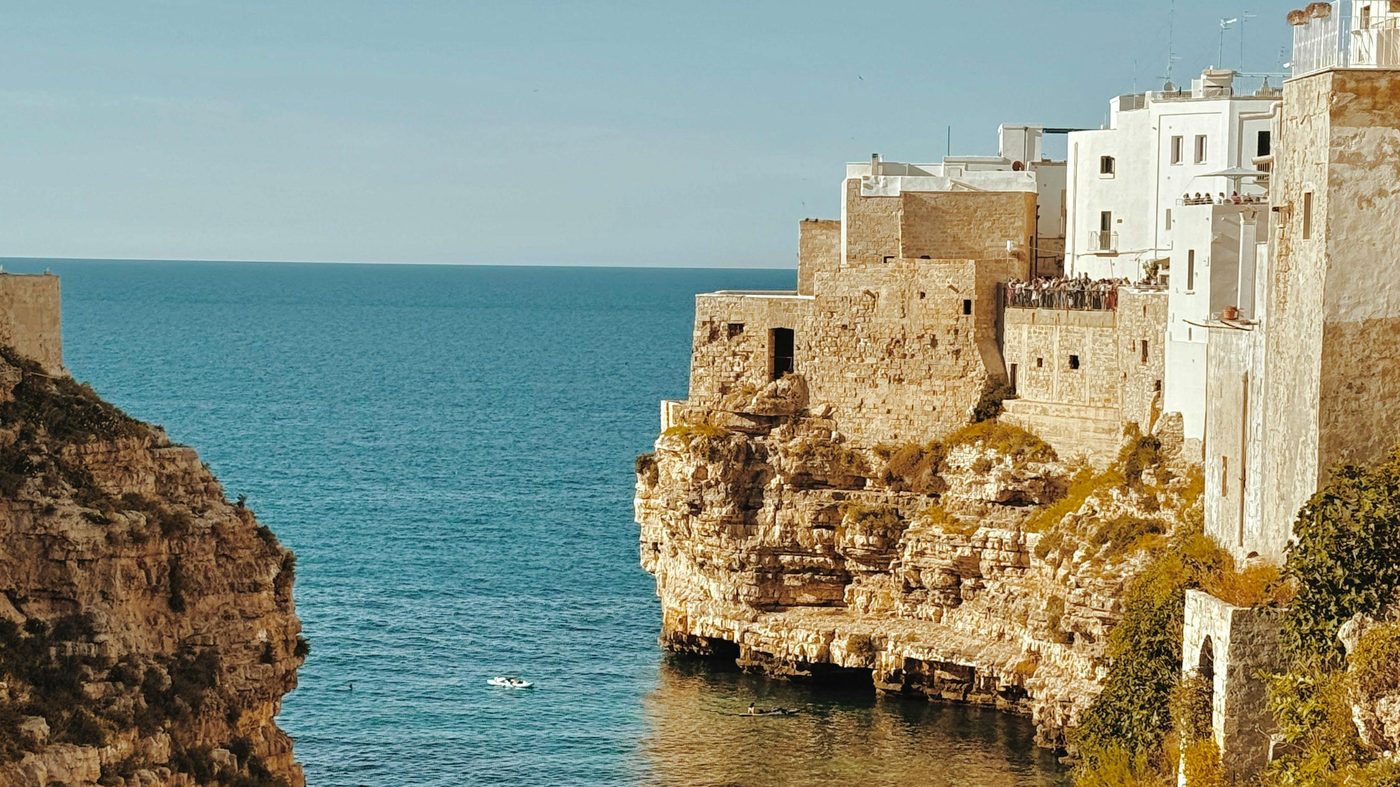
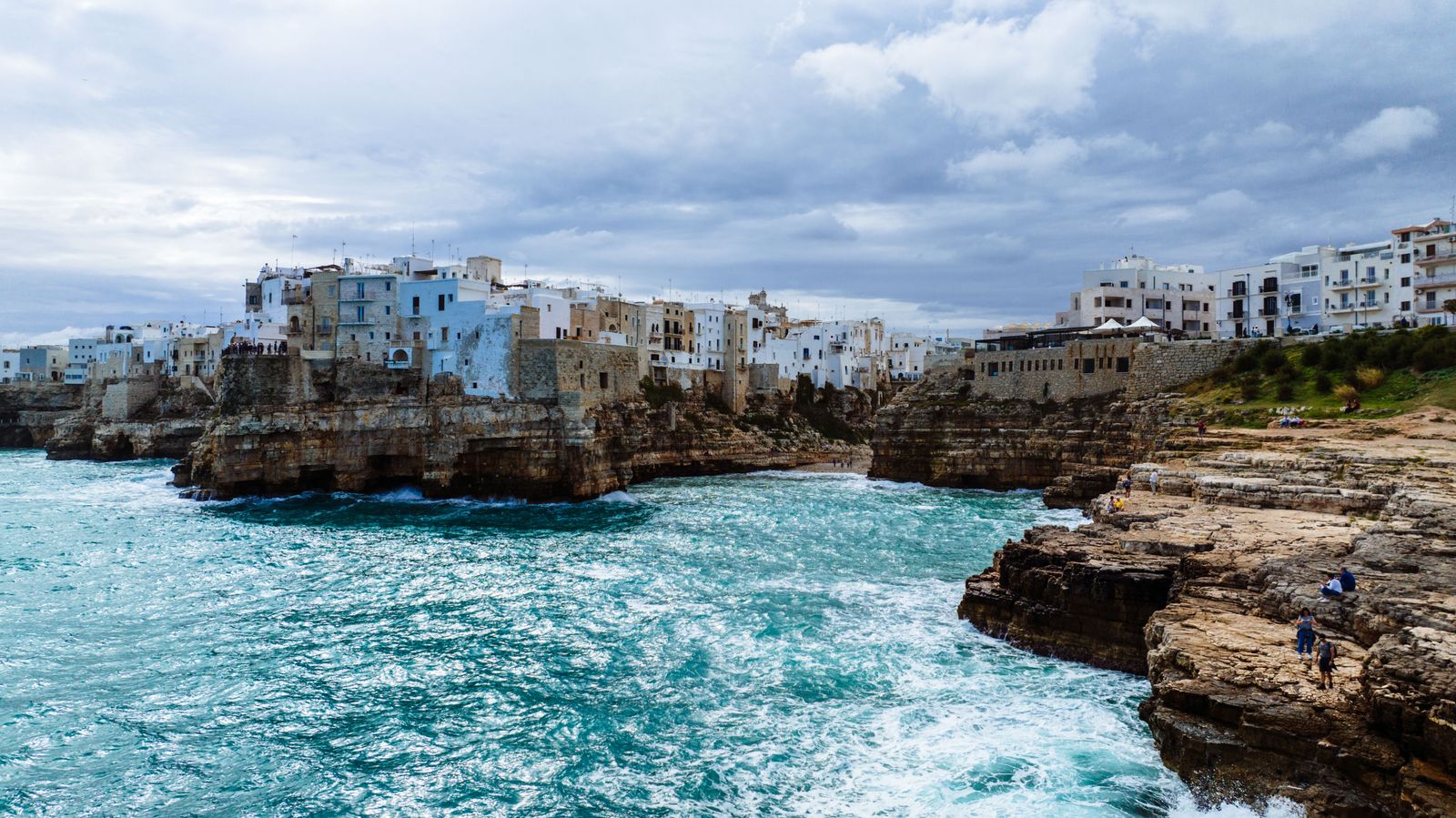
The coast north and south of Otranto is the wildest in the Salento. Highlights include the Grotta della Poesia at Roca Vecchia, a natural sea pool in the rock where locals dive from the edges; the Baia dei Turchi beach; and the abandoned bauxite quarry near Otranto, where a small emerald lake contrasts with red earth. Further south, the road along the cliffs to Santa Maria di Leuca is one of the great drives of southern Italy.
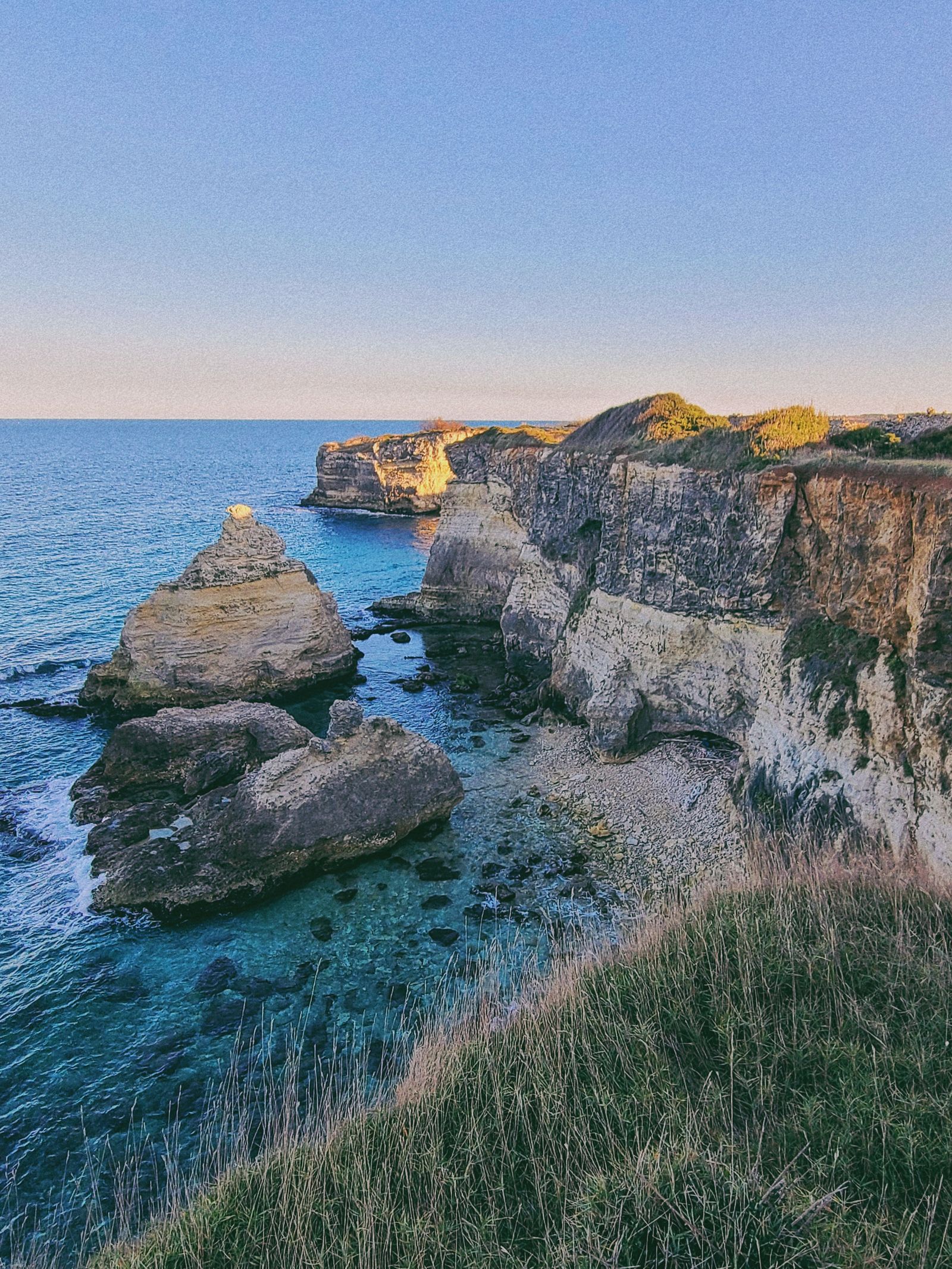
Santa Maria di Leuca: the end of the land
At the very tip of the heel, Santa Maria di Leuca was known to the Romans as de finibus terrae, the end of the land. A lighthouse and a sanctuary stand on the headland above a little resort town of nineteenth-century villas. By tradition this is where the Adriatic and Ionian seas meet. Boat trips explore the sea caves along the coast in summer.
Gallipoli and the Ionian beaches
On the west coast, the old town of Gallipoli occupies a small island linked to the mainland by a bridge, its whitewashed houses and churches circled by walls. Visit the fish market in the morning, eat raw red prawns at lunch, and watch the sun set over the sea from the walls. In summer the town is lively until late.
The Ionian coast has the Salento’s best sandy beaches: the long, shallow stretches of Pescoluse, sometimes called the Maldives of the Salento, and Punta Prosciutto further north. For wild nature, the Porto Selvaggio park near Nardò has pine woods and rocky coves.
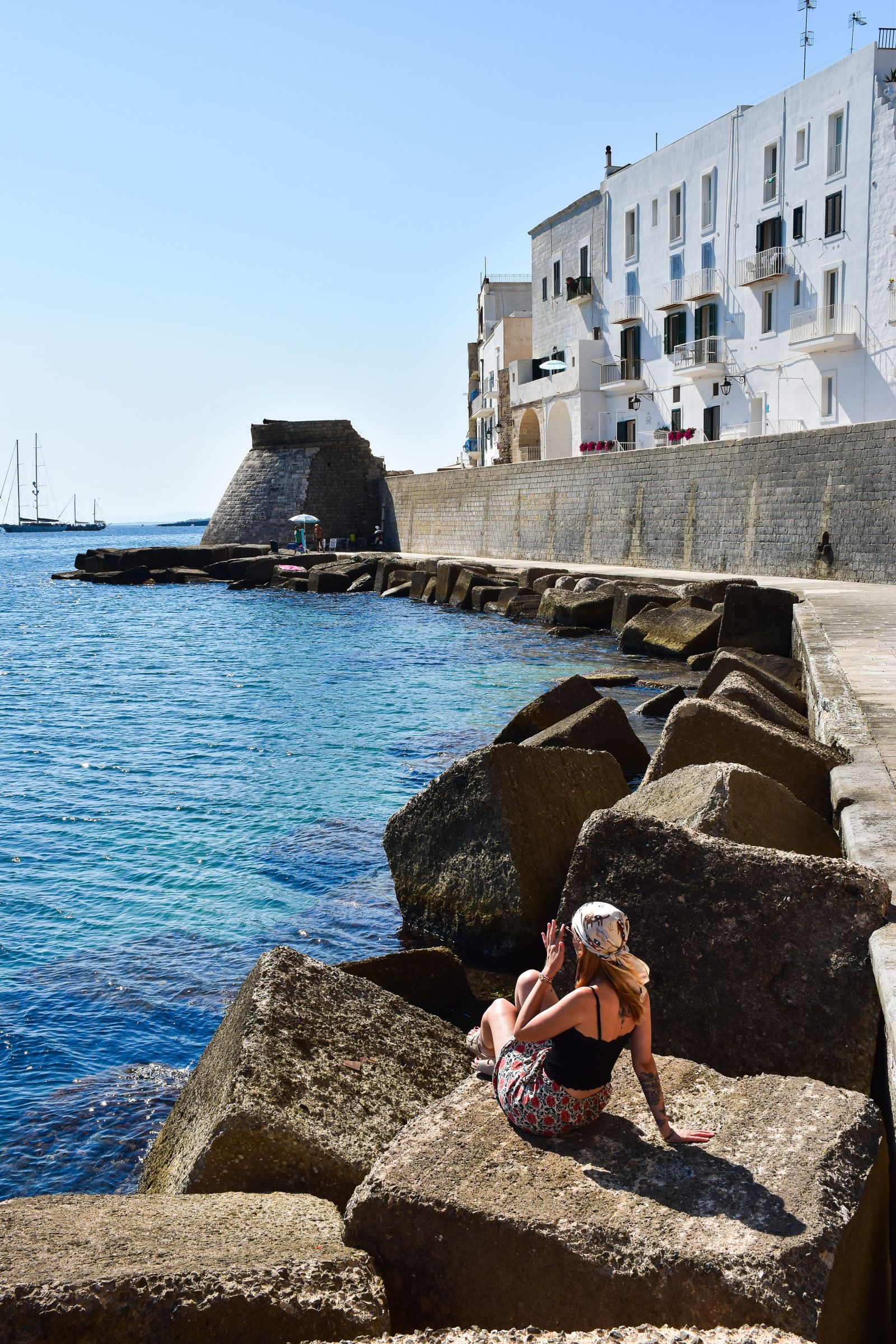
Wine and food of the Salento
The Salento’s red grapes thrive in the heat. Negroamaro, the region’s signature grape, gives dark, earthy wines and, crucially, some of Italy’s best rosés; Salice Salentino is the classic appellation. Primitivo di Manduria, a rich, ripe red related to Zinfandel, comes from the north of the peninsula. Many estates welcome visitors, though it is wise to book ahead. Our guide to Italian wine regions puts them in context.
Food here is rooted in the land: orecchiette with turnip greens, broad bean purée with chicory, frisa rusks topped with tomato and olive oil, and fish straight from the boat. Look for rustico leccese, a puff pastry filled with béchamel and mozzarella, and the cold, sweet spumone ice cream.
Masserie: sleeping in a fortified farm
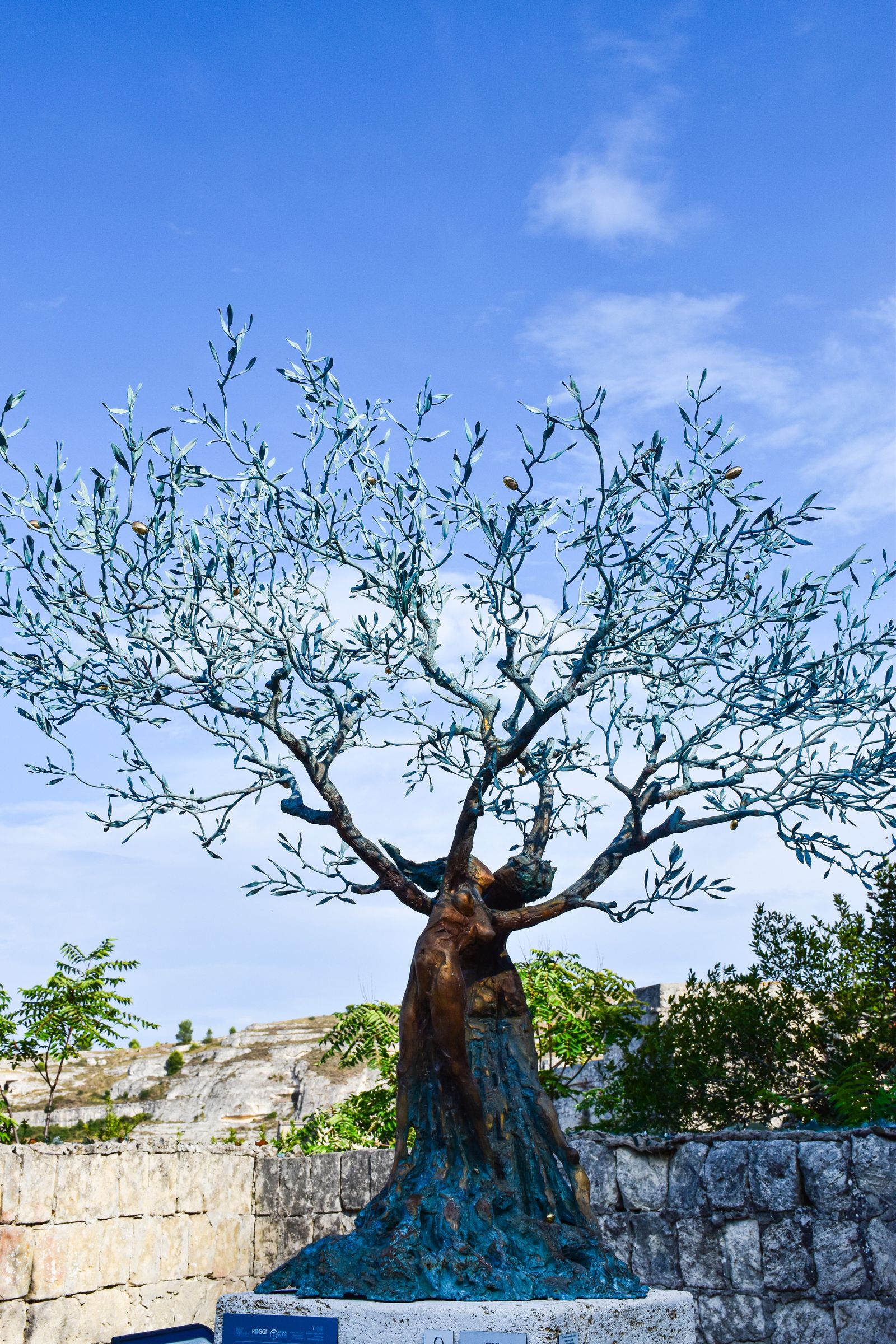
The masseria is the soul of the Puglian countryside: a fortified farmhouse built around a courtyard, often with a watchtower from the centuries when pirates raided the coast. Many have been restored as boutique hotels, with pools among the olive trees, restaurants using produce from their own land, and a pace of life that forces you to slow down. Some of Puglia’s most celebrated luxury resorts are near Fasano, north of the Salento, while the peninsula itself has dozens of smaller, more intimate masserie. Our guide to Palazzo Daniele shows the more contemporary side of Puglian luxury, and our overview of Puglia covers the whole region.
The Salento by boat
Much of the Salento’s coastline is best seen from the water. From Santa Maria di Leuca and Castro, small boats and gulets run along the cliffs in summer, stopping at sea caves such as the Grotta Zinzulusa and the luminous caves around Leuca, where the water glows blue and green. Around Otranto and Porto Badisco, a private boat or RIB lets you reach coves that are impossible to access by land. On the Ionian side, sunset cruises from Gallipoli head out to the little island of Sant’Andrea with its lighthouse. Bring snorkelling gear: visibility is excellent, and the rocky Adriatic coast is full of fish. If you love sailing, our guides to the best yacht spots in Sicily and the Amalfi Coast by boat cover other great stretches of the Italian coast.
The Salento at a glance
| Place | Why go | Time | Book |
|---|---|---|---|
| Lecce | Baroque architecture, pastries, nightlife | 1 to 2 days | Audio tour |
| Otranto | Cathedral mosaic, cliffs, sea pools | 1 day | Car hire |
| Santa Maria di Leuca | Lighthouse, sea caves | Half a day | Car hire |
| Gallipoli | Island old town, seafood, sunsets | 1 day | Car hire |
| Ionian beaches | Shallow turquoise water | As long as you like | Car hire |
| Valle d’Itria day trip | Ostuni, Cisternino, Polignano | 1 day | Small-group tour from Bari |
| Alberobello and Monopoli | Trulli and coastal towns | 1 day | Day trip from Bari |
| Airport transfer | Brindisi or Bari to your masseria | 40 min to 2 hours | Kiwitaxi |
A week in the Salento
Days one and two: Lecce, its churches, cafés and evening passeggiata. Day three: Otranto and the Adriatic cliffs, with a swim at the Grotta della Poesia. Day four: the coast road to Santa Maria di Leuca. Day five: Gallipoli and sunset. Days six and seven: beaches, wineries and long lunches at your masseria. If you are flying out of Bari, stop for a night in the Valle d’Itria, covered in our guide to Puglia day trips from Bari.
When to go and how to get there
May, June and September are ideal: warm sea, open restaurants and none of the August crowds, when Italians fill the beaches and the famous Notte della Taranta festival of pizzica music takes over the region. Brindisi airport is the closest to Lecce, Bari a little under two hours away. Trains run from Bari and Rome to Lecce, but to explore the coast and countryside you need a rental car; book an automatic early in summer. For mobile data, an Airalo eSIM keeps you connected, and our Italy travel planner covers transfers and travel insurance.
Charlotte’s pick
If I could recommend only one thing here, it would be a rental car through Localrent. The Salento is all about freedom: a morning in Lecce, a swim at the Grotta della Poesia, sunset in Gallipoli. You simply cannot do that without a car.
Where to Stay: compare hotels and current prices in Lecce on Trip.com.
FAQ
Is Lecce or a masseria the better base?
Lecce for culture, restaurants and walking; a masseria for peace, a pool and countryside. Many travellers split their stay.
Which coast has the best beaches?
The Ionian coast around Gallipoli and Pescoluse for sand and shallow water; the Adriatic around Otranto for cliffs, coves and snorkelling.
Do I need a car?
Yes, for anything beyond Lecce itself. Public transport is limited, especially outside summer.
What wine should I try?
Negroamaro, especially as a rosé, and Primitivo di Manduria. Salice Salentino reds are excellent value.
When is the Notte della Taranta?
The festival takes place in August, with concerts in towns across the Salento culminating in a huge final night in Melpignano.