This post contains affiliate links. If you book through them, we may earn a small commission at no extra cost to you. Learn more.
Puglia, the heel of Italy’s boot, is a region of whitewashed hill towns, cone-roofed trulli, olive groves that seem to stretch to the horizon and a coastline of cliffs and coves. In recent years it has become one of the most fashionable destinations in Italy, with converted masserie, the region’s fortified farmhouses, now among the most beautiful country hotels in Europe. Just across the border in Basilicata, the cave city of Matera adds one of the most extraordinary sights in the Mediterranean.
Bari is the natural gateway, with an international airport and excellent connections. This guide covers the best day trips from Bari, the tours worth booking and how to plan a trip that combines the coast, the Valle d’Itria and Matera.
Our Puglia Picks
- Alberobello, Monopoli and Polignano day trip from Bari
- Ostuni, Cisternino and Polignano small-group tour
- Matera walking tour of the Sassi
- Basilica of San Nicola crypt guided tour in Bari
- Car hire from a local agency: the freedom to explore the countryside
Day Trips from Bari at a Glance
| Destination | Distance from Bari | Highlights | Book |
|---|---|---|---|
| Polignano a Mare | About 40 minutes | Cliffs, the Lama Monachile cove, sea caves | Day trip |
| Monopoli | About 45 minutes | Old harbour, sea walls, beaches | Day trip |
| Alberobello | About 1 hour | The UNESCO-listed trulli | Day trip |
| Ostuni and Cisternino | About 1 hour 15 minutes | The White City and a village of butcher-grills | Small-group tour |
| Matera | About 1 hour | The Sassi cave districts | Walking tour |
Driving times are approximate and depend on traffic and season.
Bari: More Than a Gateway
Many visitors rush through Bari, but its old town, Bari Vecchia, is one of the most authentic in southern Italy. In its tangle of white lanes stands the Basilica of San Nicola, a masterpiece of Apulian Romanesque that holds the relics of Saint Nicholas, brought here by Bari sailors in 1087 and venerated by both Catholic and Orthodox pilgrims. Book the guided tour of the basilica and crypt. In the lanes nearby, women sit at tables outside their doors making orecchiette, the ear-shaped pasta of Puglia, by hand.
The walking or bike tour of Bari and the history and culture tour are good introductions, and the underground tour of Palazzo Simi reveals the layers of the city’s past beneath the streets. End the day with a passeggiata along the seafront promenade.
Polignano a Mare and Monopoli
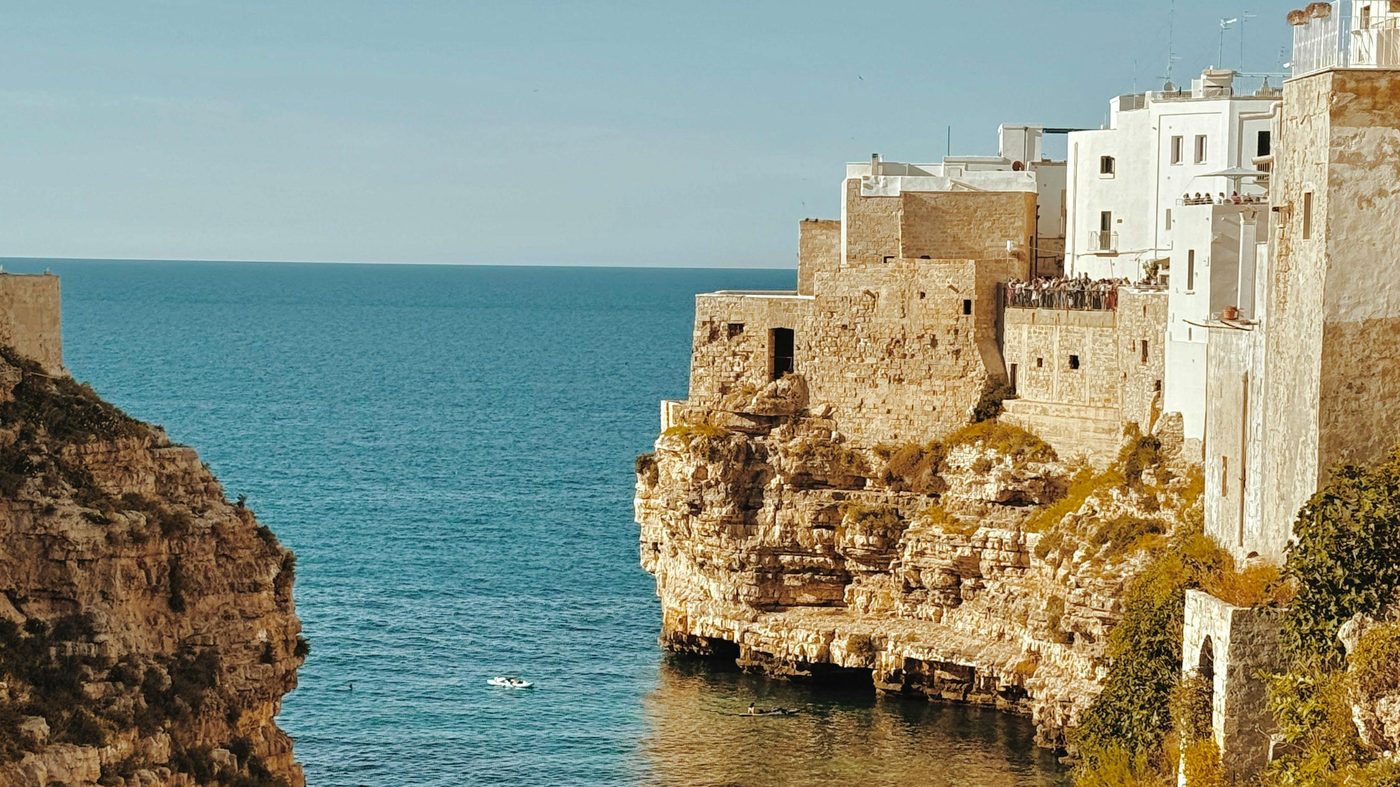
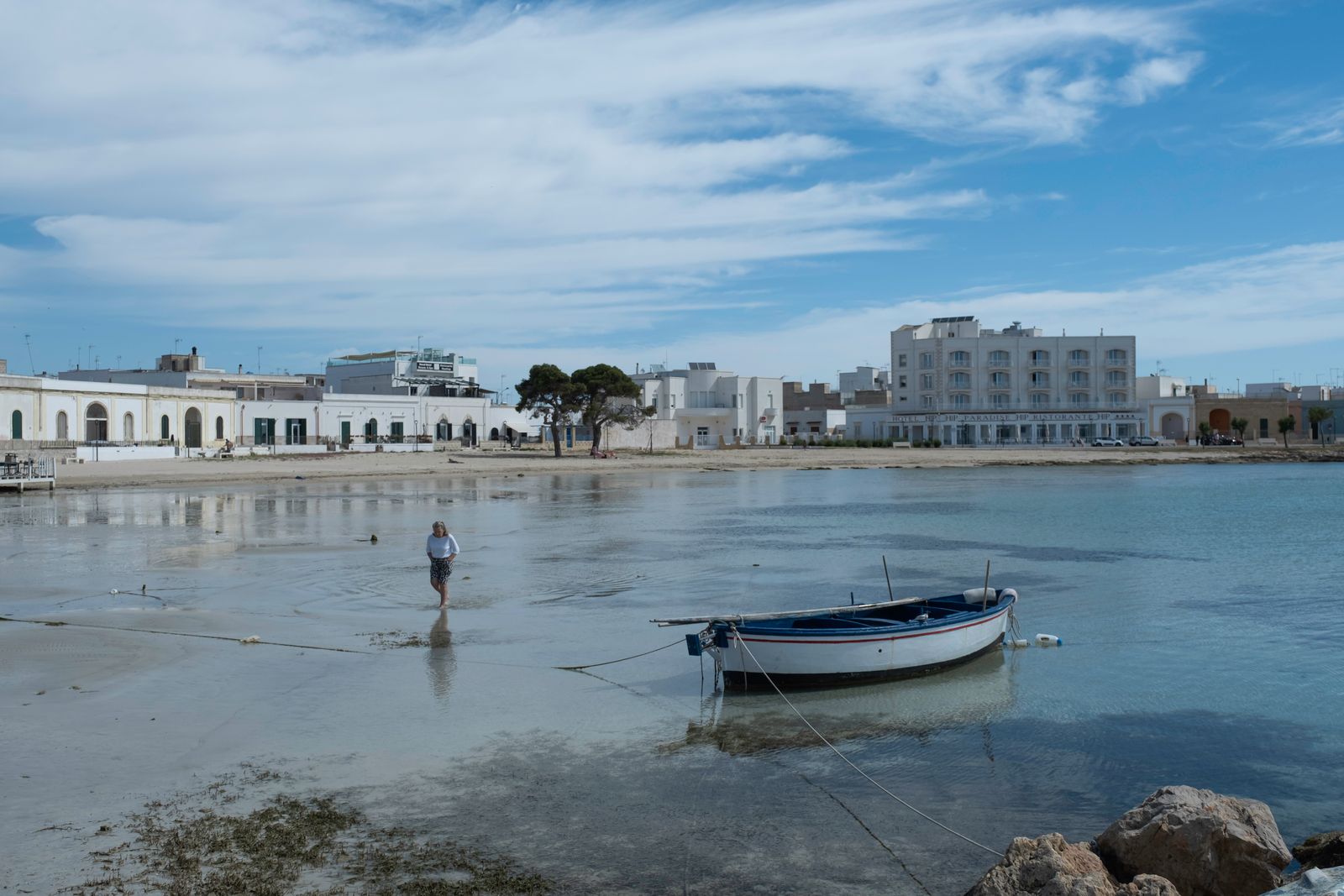
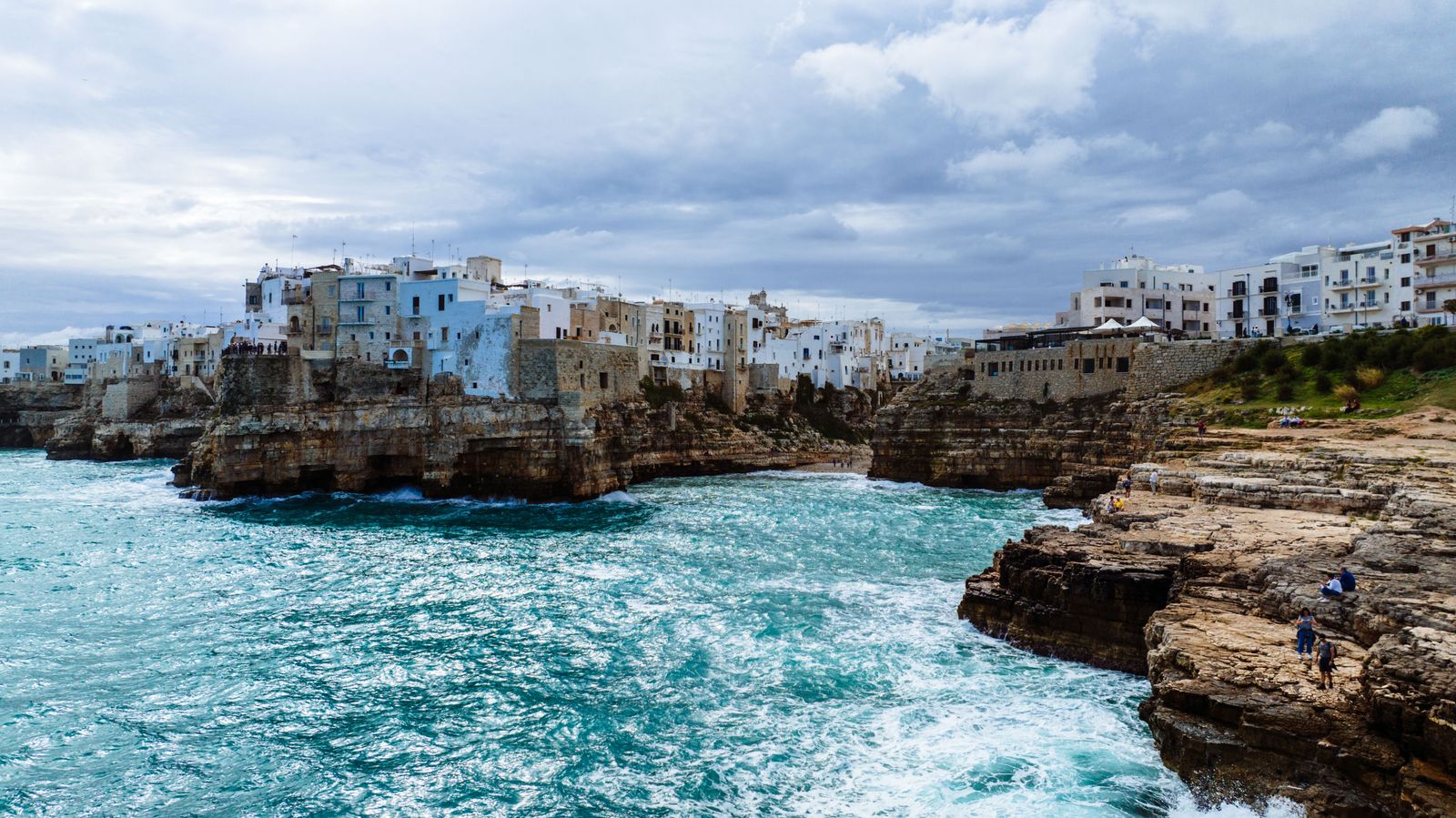
South of Bari, Polignano a Mare sits on limestone cliffs above the Adriatic, with balconies hanging over the sea and the tiny Lama Monachile cove, framed by a bridge, at its heart. Sea caves riddle the cliffs below the town, best seen from a boat. A little further, Monopoli has a beautiful old harbour full of blue fishing boats, sea walls and a string of small beaches. The day trip with Alberobello, Monopoli and Polignano combines all three in one day.
Alberobello and the Valle d’Itria
Alberobello is famous for its trulli, whitewashed stone houses with conical roofs built without mortar, many painted with mysterious symbols. Its two trulli districts, Rione Monti and Aia Piccola, are a UNESCO World Heritage Site. The town is busy by day, so arrive early or stay overnight in a restored trullo.
Around Alberobello, the Valle d’Itria is one of the loveliest landscapes in southern Italy, dotted with trulli, vineyards and olive groves and crowned by the white towns of Locorotondo, Martina Franca and Cisternino. In Cisternino, butchers’ shops double as grills in the evening: choose your meat at the counter and they cook it for you. Ostuni, the White City, rises on a hill above the olive groves, its whitewashed old town glowing at sunset. The Ostuni, Cisternino and Polignano tour covers the highlights.

Matera: The City of Caves
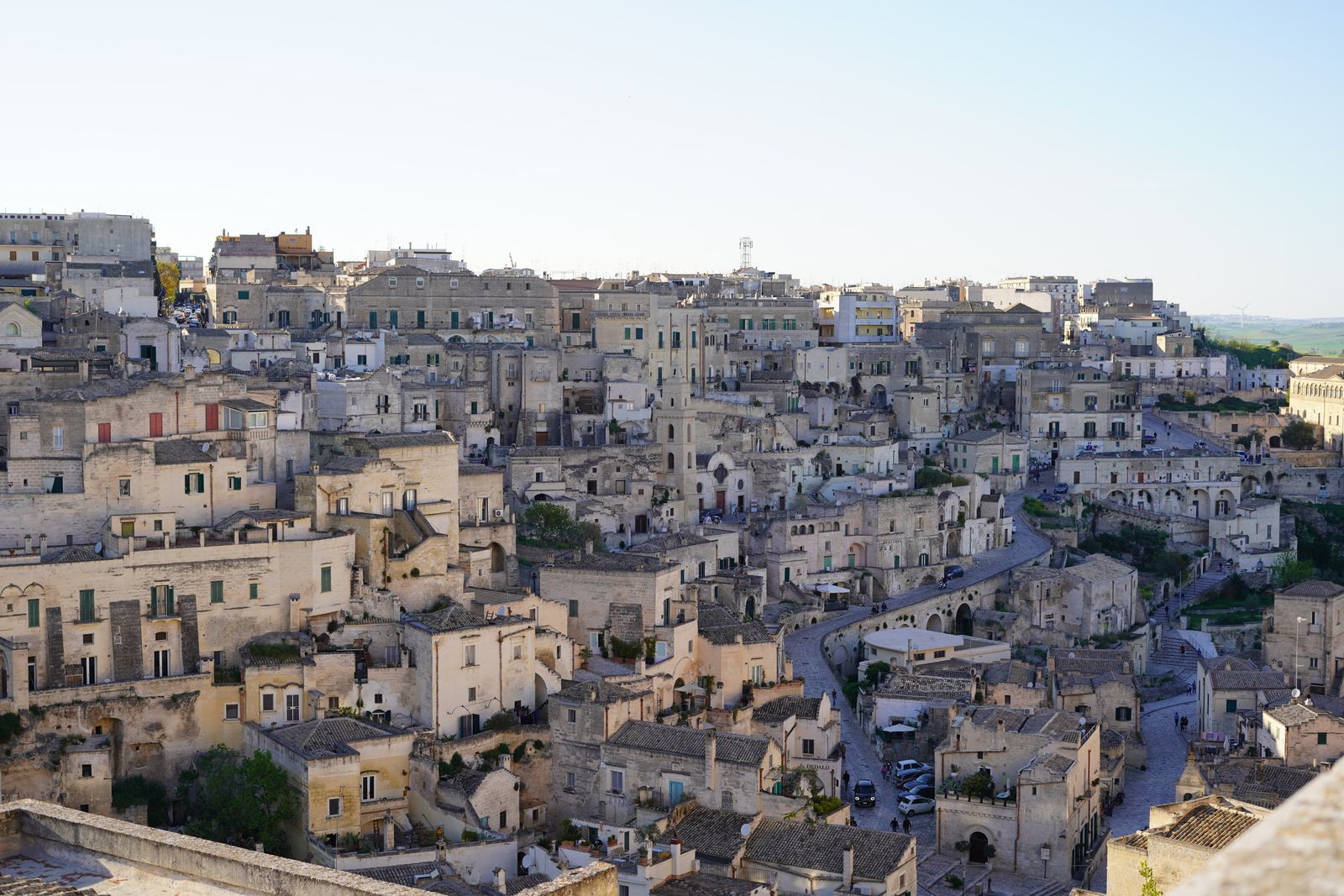
About an hour from Bari, across the border in Basilicata, Matera is one of the oldest continuously inhabited cities in the world. Its Sassi, two districts of houses, churches and cellars carved into the rock of a ravine, were once a symbol of poverty and were evacuated in the 1950s. Restored and listed by UNESCO, they are now one of the most atmospheric places in Italy, with cave hotels, restaurants and rock churches with medieval frescoes. Matera was European Capital of Culture in 2019, and its landscape has appeared in many films.
Join a walking tour of the Sassi to understand the history, visit Casa Noha, a house restored by the FAI that tells the story of the city through film, and learn about the region’s oldest product at the Matera olive oil museum. For the wider area, including Gravina in Puglia and the Alta Murgia national park, consider the Alta Murgia Card. Stay overnight if you can: the Sassi lit up at night are unforgettable.
Further South: Lecce and the Salento
If you have more time, continue south to Lecce, often called the Florence of the South, a city of honey-coloured baroque churches and palaces carved from soft local limestone, with the Basilica of Santa Croce as its extravagant masterpiece. Beyond Lecce, the Salento peninsula has some of the most beautiful beaches in Italy, with Caribbean-clear water on the Ionian side and dramatic cliffs and sea caves along the Adriatic, as well as the white town of Otranto with its cathedral mosaic and Gallipoli, an island old town joined to the mainland by a bridge. It is about two hours from Bari to Lecce by train or car, so plan at least two nights to do it justice.
Masserie: Puglia’s Luxury Farmhouse Hotels
Puglia’s most distinctive places to stay are its masserie, fortified farmhouses built centuries ago to protect landowners, workers and harvests. Many have been transformed into luxury hotels, with whitewashed courtyards, olive groves, pools, spas and restaurants serving produce from their own land. They are spread across the countryside between Monopoli, Fasano, Ostuni and the Salento, and make a perfect base for exploring by car. Read our review of Palazzo Daniele for another side of Puglian hospitality.
Food and Wine
Puglia’s cooking is simple and superb: orecchiette with turnip tops, burrata and stracciatella from Andria, raw seafood in Bari, fave e cicoria, a purée of broad beans with wild chicory, and some of the best olive oil in Italy. The region’s red wines, Primitivo and Negroamaro, are rich and generous, and its rosati are among the best in Italy. In the Valle d’Itria, look for crisp white wines from the Verdeca and Bianco d’Alessano grapes around Locorotondo and Martina Franca, and in Matera and Basilicata, the powerful Aglianico del Vulture. Many masserie run cooking classes where you can learn to make orecchiette by hand with their own flour and olive oil.
Getting Around
Bari and Brindisi airports serve the region. A pre-booked transfer is the easiest way to reach a masseria in the countryside. Trains and buses link the main towns, but to explore the Valle d’Itria, the masserie and the coast at your own pace, a car is almost essential; Localrent and GetRentacar list local rental agencies. Historic centres are restricted traffic zones, so park outside the walls.
When to Go
- May, June and September: warm sea, green or golden countryside and fewer crowds.
- July and August: hot and busy, with festivals and lively beach towns; book masserie early.
- October: the olive harvest begins, with mild days and quiet towns.
- Winter: peaceful, with mild weather, but many coastal hotels close.
Practical Tips
- Start early in Alberobello and Polignano: both fill with tour groups by late morning.
- Luggage: leave bags with Radical Storage in Bari on arrival or departure days.
- Stay connected: country roads are poorly signposted; an eSIM for Italy keeps your maps working.
- Flight problems: AirHelp checks compensation for delays and cancellations.
Frequently Asked Questions
Can you visit Alberobello and Polignano in one day?
Yes. They are close together, and day trips from Bari often add Monopoli too.
Is Matera worth a day trip from Bari?
Absolutely, and an overnight stay is even better, to see the Sassi at night and in the quiet morning.
Do I need a car in Puglia?
For the countryside and the masserie, yes. For the main towns, trains and organised tours are an option.
Where should I stay in Puglia?
In a masseria in the Valle d’Itria or near the coast between Monopoli and Ostuni for a central base; in Bari for convenience; in Matera for one unforgettable night.
When is the best time to visit Puglia?
May, June and September offer the best balance of weather, sea and crowds.
Is Bari a good base for exploring Puglia?
For day trips by train or tour, yes. For a more relaxed stay, many travellers prefer a masseria in the countryside and visit Bari for a day.
Plan Your Stay
For an introduction to the region, read why Puglia is Italy’s most compelling region. Use our Italy travel planner for transfers and connectivity, and browse more things to do in Bari.
Heading further south? See our guide to the Salento: Lecce, Otranto and Gallipoli.