This post contains affiliate links. If you book through them, we may earn a small commission at no extra cost to you. Learn more.
Milan does not reveal itself at first glance. Behind its business-like streets lie a Gothic cathedral of almost unbelievable intricacy, the most famous opera house in the world, a Renaissance castle full of masterpieces, elegant courtyards, canals lined with bars and some of the best shopping and dining in Europe. It is also the gateway to the Italian lakes, and many travellers have a day or two here at the start or end of a trip.
This guide explains the tickets worth booking in Milan, from the Duomo rooftop to La Scala and the Castello Sforzesco, and how to spend two stylish days in the city.
Our Milan Picks
Milan at a Glance
| Experience | Why go | Book |
|---|---|---|
| Duomo and rooftop | Walk among the Gothic spires above the city | Entry + rooftop or guided tour |
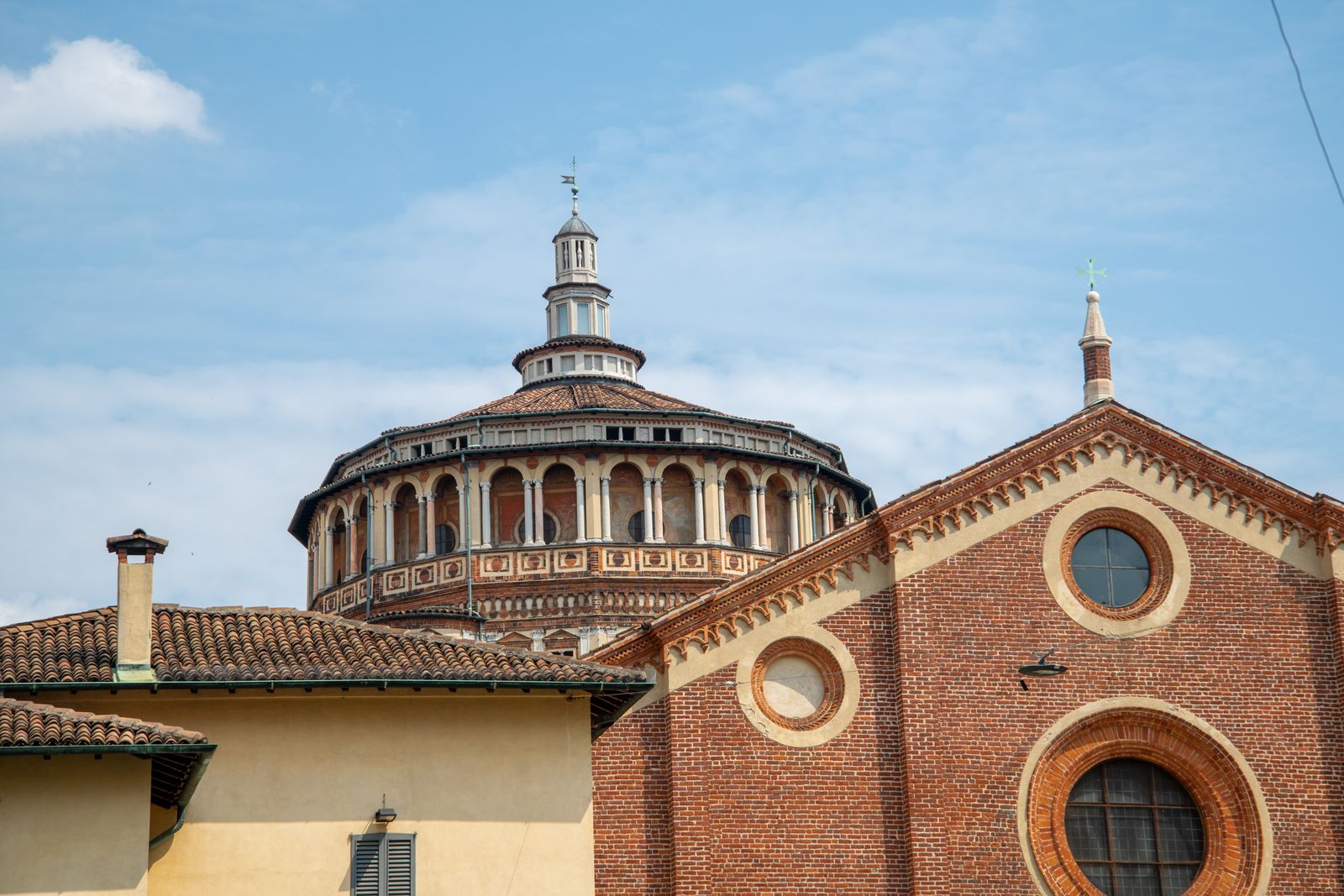
| The Last Supper | Leonardo’s masterpiece in Santa Maria delle Grazie | See our Last Supper tickets guide |
| Teatro alla Scala | The museum and a view into the legendary auditorium | Museum + guided tour |
| Castello Sforzesco | The Sforza fortress, Michelangelo’s last sculpture and a room painted by Leonardo | Entry with audio guide |
| The Navigli | Canals, boat trips and aperitivo | Navigli and Darsena boat tour |
The Duomo and Its Rooftop
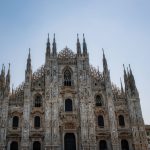
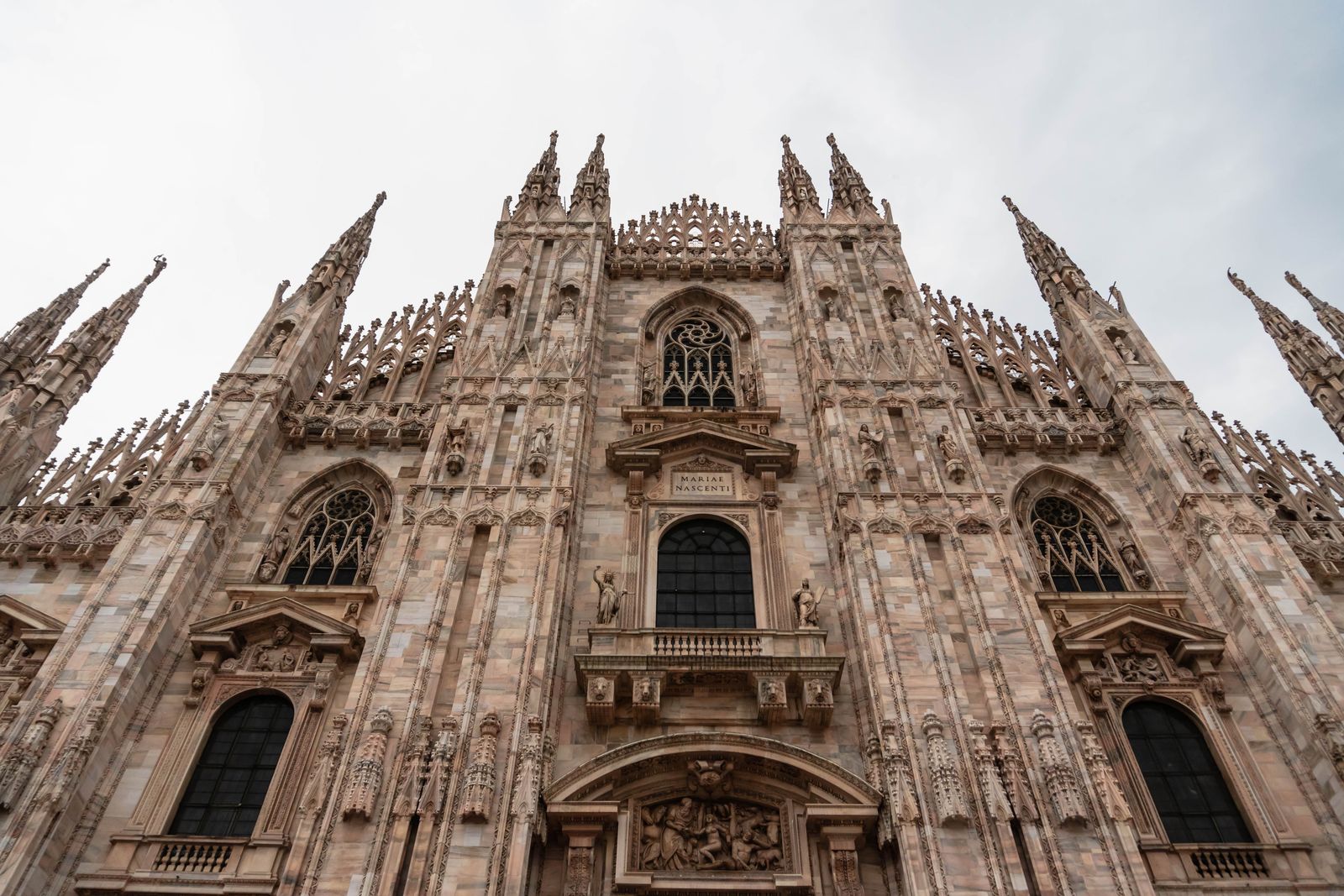
Begun in 1386 and only completed in the twentieth century, Milan Cathedral is one of the largest churches in the world and the great masterpiece of Italian Gothic. Its white and pink marble, quarried near Lake Maggiore and carried to the city along the canals, is carved into a forest of spires, pinnacles and thousands of statues, crowned by the golden Madonnina, the city’s protector.
The highlight is the rooftop. Climbing the stairs or taking the lift, you walk along terraces between the spires and flying buttresses, with the whole city spread out below and, on clear days, the Alps on the horizon. In 2026, a pass including the cathedral, the rooftop and the museum costs around €22 with the stairs and €26 with the lift. The entry ticket with rooftop is the classic choice; the fast-track version saves time at busy hours, and the guided tour with rooftop access explains the building’s long history. The Duomo complex fast-track pass adds the museum and the archaeological area beneath the square. Shoulders and knees must be covered, including on the rooftop.
Teatro alla Scala
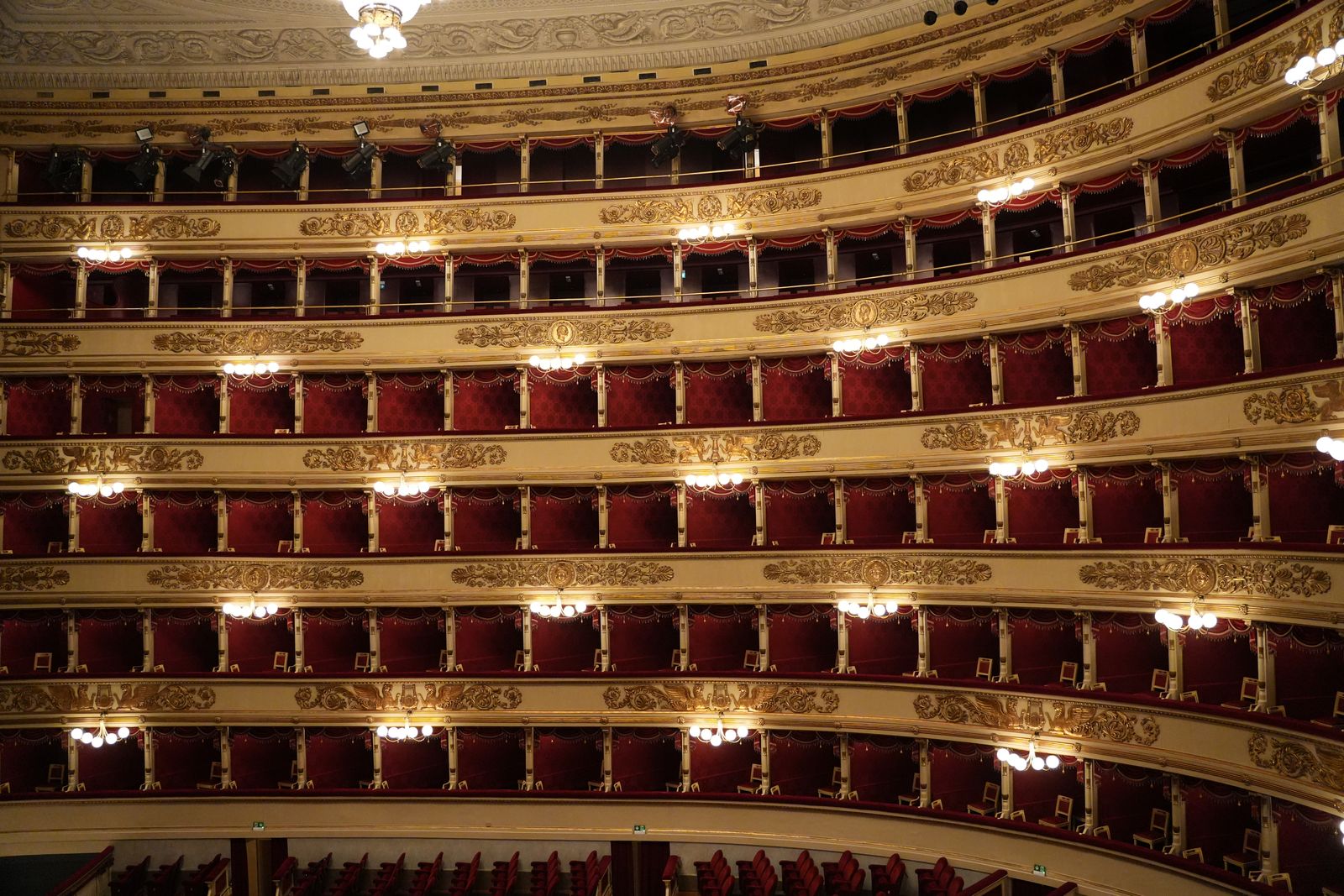
Opened in 1778, La Scala is the most famous opera house in the world, where Verdi and Puccini premiered some of their greatest works. Its season traditionally opens on 7 December, the feast of Milan’s patron saint, Ambrose. Tickets for performances sell out quickly, but the theatre museum, with costumes, instruments and portraits, is open daily, and when there are no rehearsals you can look into the red and gold auditorium from one of the boxes.
A museum ticket with guided tour or a small-group skip-the-line tour is the best way to see it. For a full morning, combine it with the cathedral on the Duomo and La Scala guided tour, or add the Last Supper on the Duomo, Last Supper and La Scala tour.
Castello Sforzesco
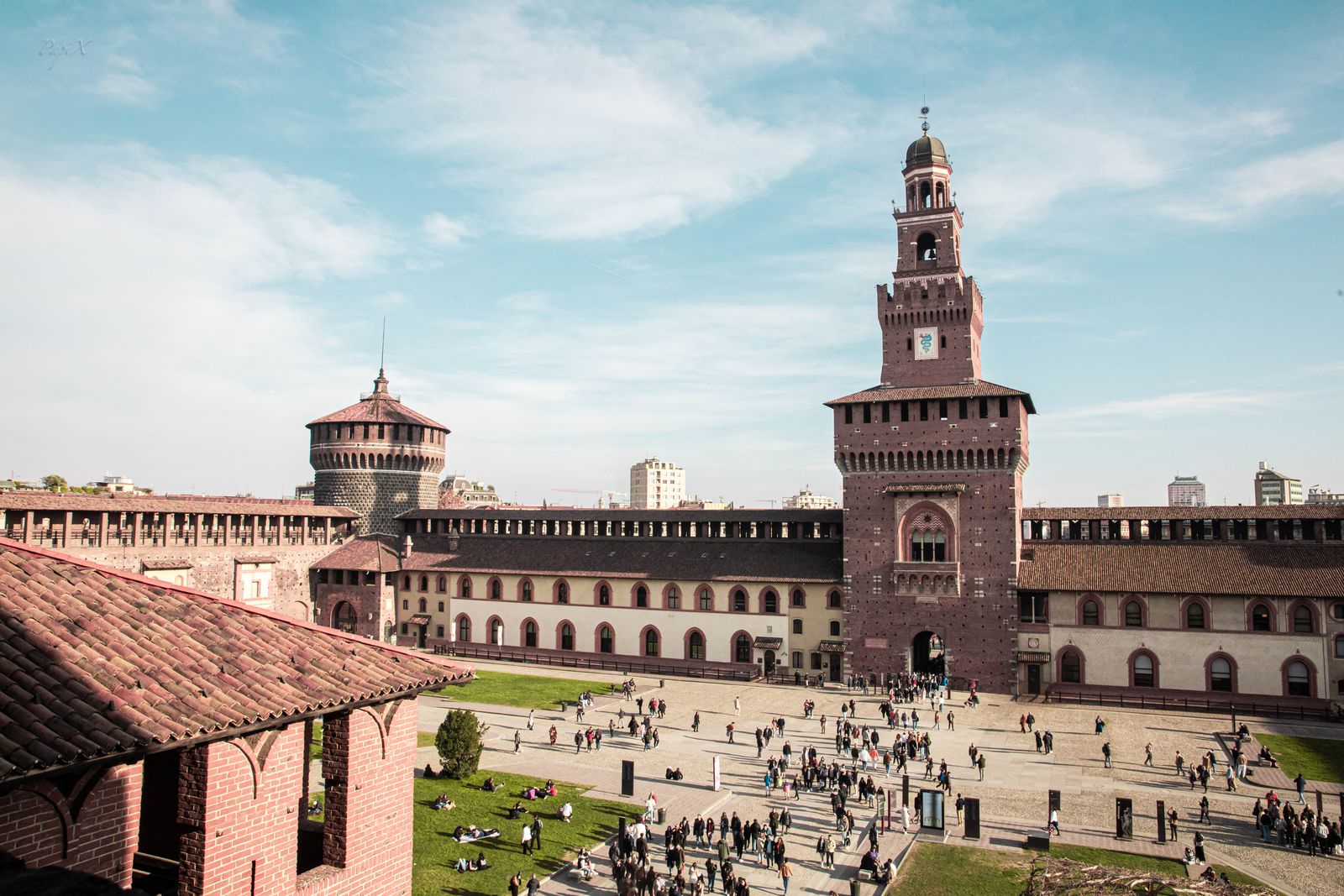
The massive brick fortress of the Sforza dukes, rebuilt in the fifteenth century, now houses a group of civic museums. The most moving work is Michelangelo’s Pietà Rondanini, the unfinished sculpture he was still carving days before his death in 1564. Leonardo da Vinci, who worked for Duke Ludovico Sforza, painted the Sala delle Asse with an illusion of intertwined trees. The castle also has collections of ancient art, furniture, musical instruments and paintings, and behind it stretches the Sempione Park.
Book an entry ticket with digital audio guide, or the guided tour including the Pietà Rondanini. Entry to the castle courtyards is free.
Shopping and Style
Milan is Italy’s capital of fashion and design. The Galleria Vittorio Emanuele II, a glass-roofed arcade opened in the nineteenth century, links the Duomo with La Scala; tradition says that spinning on your heel on the mosaic bull in the centre brings good luck. North of the Galleria, the Quadrilatero della Moda, around Via Monte Napoleone and Via della Spiga, is home to the flagship stores of the great fashion houses, set in elegant palazzi. For a different view of the city, the hop-on hop-off fashion tour takes you past the key addresses.
Art lovers should not miss Brera, a charming district of narrow streets, galleries and cafés, home to the Pinacoteca di Brera with masterpieces by Mantegna, Raphael and Caravaggio. Families and Leonardo fans will enjoy the interactive Leonardo3 museum in the Galleria.
The Navigli and the Aperitivo
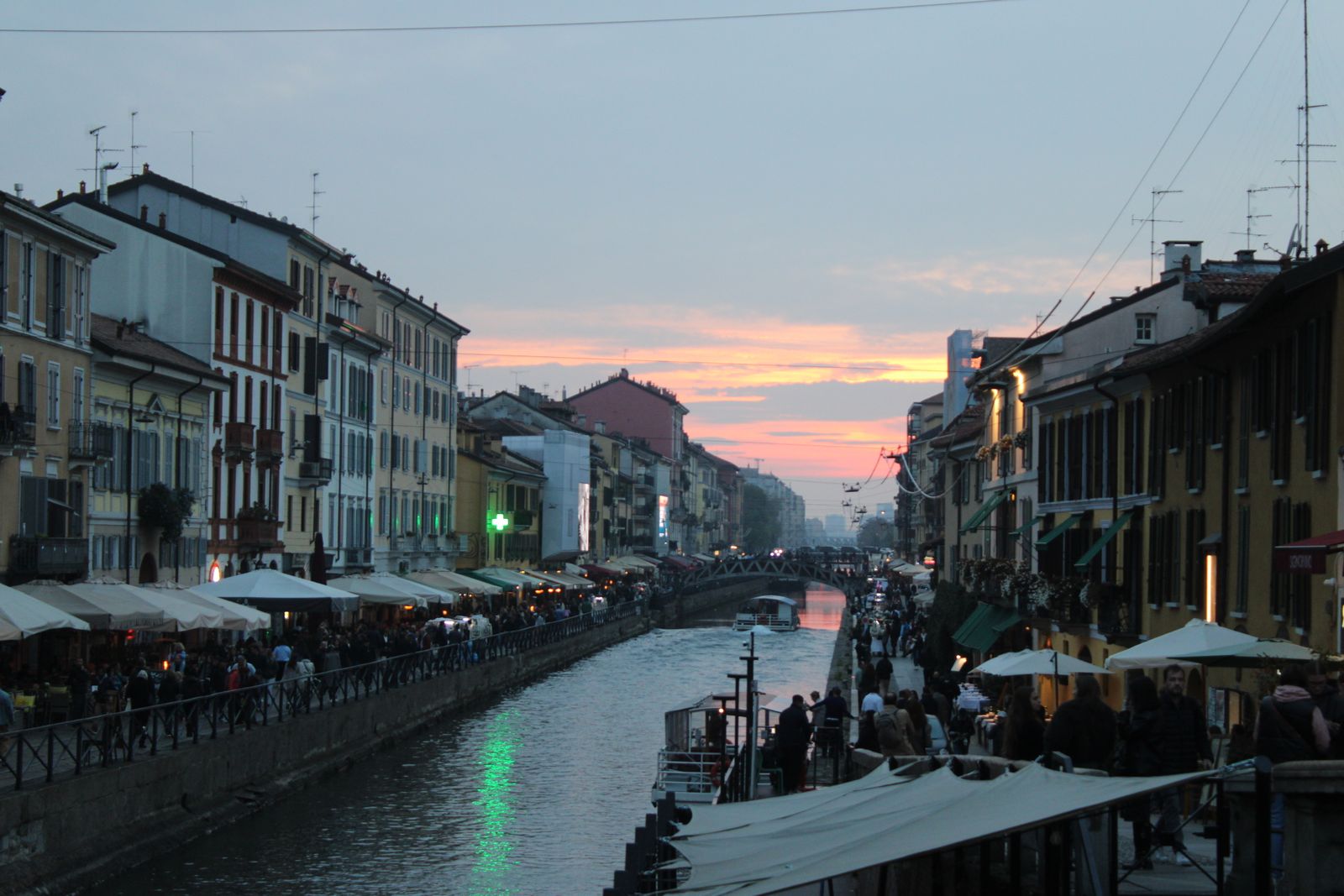
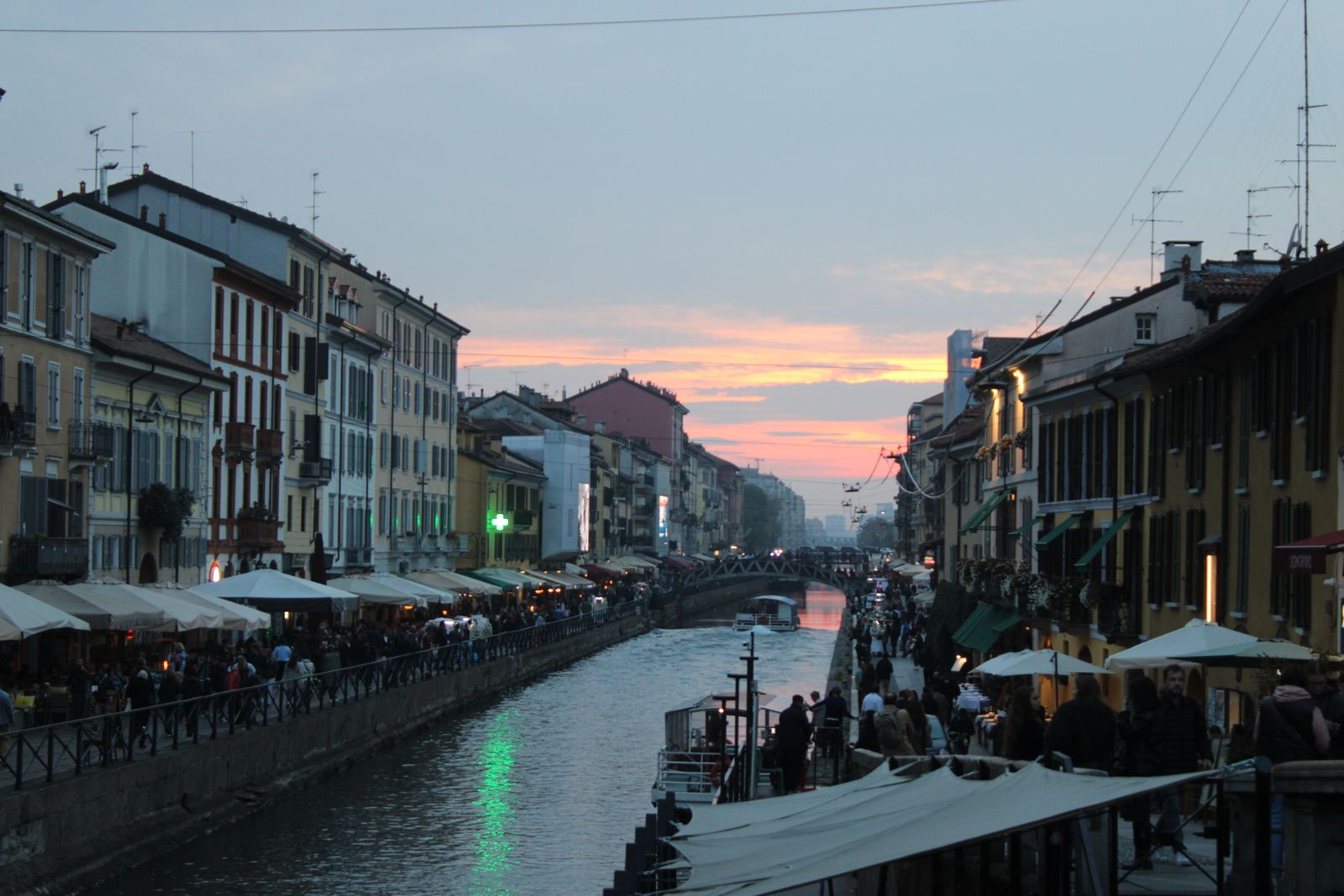
South-west of the centre, the Navigli district is built around the last of the canals that once connected Milan with the lakes and rivers of Lombardy. By day, it is a neighbourhood of artisans, antique dealers and vintage shops; at aperitivo time, from around six in the evening, its waterside bars fill with people enjoying a spritz or a Negroni with snacks. See the canals from the water on the Navigli and Darsena boat tour, or combine both pleasures on the aperitif by boat.
Where to Eat and Drink
Milanese cooking is rich and refined. Order risotto alla milanese, golden with saffron, often served with ossobuco, slow-braised veal shank; cotoletta alla milanese, a thick breaded veal chop fried in butter; and, at Christmas, panettone, the tall sweet bread that Milan gave the world. The city has a deep bench of Michelin-starred restaurants and elegant historic cafés and pasticcerie, where a morning cappuccino and a pastry at the counter is a small ritual. In the evening, the aperitivo culture that Milan made famous, with a Campari or a Negroni sbagliato, a variation said to have been invented here, sets the tone before dinner.
Where to Stay
For luxury and convenience, stay in the Quadrilatero della Moda or near the Duomo and La Scala, where several grand hotels occupy historic palazzi. Brera offers charm and quiet streets in the heart of the city, while the Navigli and Porta Nuova suit travellers who prefer a more contemporary, lively atmosphere with rooftop bars and modern architecture.
Is a Milan Pass Worth It?
If you plan to see the Duomo, La Scala, the castle and a few other museums in two or three days, a city pass can save money and queuing. Compare the official all-inclusive pass with the Duomo and ten attractions and the Milan Pass. If you mainly need transport, the public transport card covers the metro, trams and buses.
A Two-Day Milan Itinerary
- Day 1 morning: the Duomo and its rooftop, then coffee in the Galleria.
- Day 1 afternoon: La Scala museum, the Quadrilatero della Moda and Brera.
- Day 1 evening: aperitivo and dinner in Brera.
- Day 2 morning: the Last Supper, then the Castello Sforzesco and the Pietà Rondanini.
- Day 2 evening: a boat on the Navigli at sunset, followed by dinner by the canals.
Practical Tips
- Arrival: a private transfer from Malpensa is the easiest start; AirHelp checks compensation for delayed flights.
- Book ahead: the Last Supper sells out weeks in advance; book it before anything else.
- Luggage: use Radical Storage near Milano Centrale or Cadorna on arrival or departure days.
- Stay connected: an eSIM from Airalo or Saily keeps your tickets and maps on your phone.
Prefer to explore at your own pace?
Self-guided audio tours play on your phone, work offline and let you pause for coffee whenever you like. Good options here are the Duomo ticket with terrace lift, museum and audio tour, Pinacoteca di Brera ticket with Brera audio walk or the Villa Necchi Campiglio ticket.
With an extra day, head an hour east for Franciacorta wine tours and Lake Iseo, home of Italy’s finest bottle-fermented sparkling wine.
Frequently Asked Questions
Is the Milan Duomo rooftop worth it?
Yes. Walking among the spires is one of the most memorable experiences in Italy, and the lift makes it accessible to almost everyone.
Can you visit La Scala without seeing an opera?
Yes. The museum is open daily, and when there are no rehearsals, visitors can view the auditorium from a box.
How many days do you need in Milan?
Two days covers the main sights; add a third for a day trip to Lake Como.
What is Milan famous for?
The Duomo, the Last Supper, La Scala, fashion and design, the aperitivo, and as the gateway to the Italian lakes.
Is Milan a good base for Lake Como?
Yes. Trains reach Como in about 40 minutes and Varenna in just over an hour.
Do I need to book the Duomo in advance?
Entry to the cathedral itself is free, but timed tickets for the rooftop and the complex are recommended, especially at weekends and in spring and autumn, when queues at the security check can be long.
Where to Stay: compare hotels and current prices in Milan on Trip.com.
Plan Your Stay
From Milan, take a day trip to Lake Como, or continue to Lake Garda and Verona. For Leonardo’s masterpiece, read our Last Supper tickets guide, and use our Italy travel planner for transfers and connectivity. Browse more things to do in Milan.
Exploring more of the Italian lakes? See our guide to Lake Maggiore and the Borromean Islands.
Exploring the Italian Riviera? See our guide to Portofino and Genoa.
For galleries, opera and the Venetian masters, see our guide to Venice for art lovers.
For fashion, design and contemporary art, see our guide to Milan for design and fashion lovers.
For a spectacular day in the Alps, see our guide to the Bernina Express to St Moritz.