This post contains affiliate links. If you book through them, we may earn a small commission at no extra cost to you. Learn more.
Most visitors to Venice spend their time between St Mark’s Square and the Rialto Bridge, and most of their museum time inside the Doge’s Palace. That leaves the city’s real treasure largely to the people who know where to look. Venice has more great paintings per square kilometre than almost anywhere on earth, many of them still hanging in the churches and confraternity halls they were made for, and it has some of the best modern and contemporary art in Europe, thanks to two remarkable collectors.
This guide is for travellers who want to see that side of the city: the Venetian masters at the Accademia, Titian and Tintoretto in their original settings, the Peggy Guggenheim Collection and François Pinault’s galleries, the palaces of Ca’ Rezzonico, Ca’ Pesaro and Palazzo Fortuny, and an evening at La Fenice. It tells you which tickets to book, how to group the sites by neighbourhood, and how to fit it all into two or three days.
Quick answer
If you have one afternoon, book the Peggy Guggenheim Collection fast-track ticket and walk to the Accademia and the Salute church nearby. For an evening, take the La Fenice tour with audio guide or, better still, a performance. Add the Ca’ Pesaro and Fortuny art pass if you love twentieth-century art and design.
Dorsoduro: the art quarter
The district of Dorsoduro, across the Accademia Bridge from San Marco, is where most of the city’s great galleries sit within a few minutes of each other. It is also one of the most pleasant parts of Venice to stay or simply to walk, with wide waterfront promenades on the Zattere and quiet campi where students from the university drink spritz in the evening.
Gallerie dell’Accademia
The Accademia holds the greatest collection of Venetian painting in the world, arranged roughly chronologically from gold-ground medieval altarpieces to the eighteenth century. Look for Giovanni Bellini’s serene Madonnas, Giorgione’s mysterious Tempest, Titian’s last painting, the dark and unfinished Pietà, and Veronese’s vast banquet scene, which was renamed the Feast in the House of Levi after the Inquisition objected to its dogs, jesters and German soldiers. Carpaccio’s cycle of the legend of St Ursula is a delight of Venetian daily life. Plan two hours.
The Peggy Guggenheim Collection
An American heiress who collected the avant-garde of her time and married Max Ernst, Peggy Guggenheim bought the unfinished Palazzo Venier dei Leoni on the Grand Canal in 1949 and lived there for thirty years with her paintings and her dogs. Her house is now one of the most important collections of European and American modernism in Italy: Picasso, Braque, Kandinsky, Mondrian, Magritte, Dalí, Ernst, early Pollock and a Calder bedhead made for her. The sculpture garden, where she is buried beside her dogs, is a perfect place to pause. Queues can be long in season, so book the fast-track ticket through Tiqets or a fast-track ticket on WeGoTrip. The museum is usually closed on Tuesdays.
Punta della Dogana and Palazzo Grassi
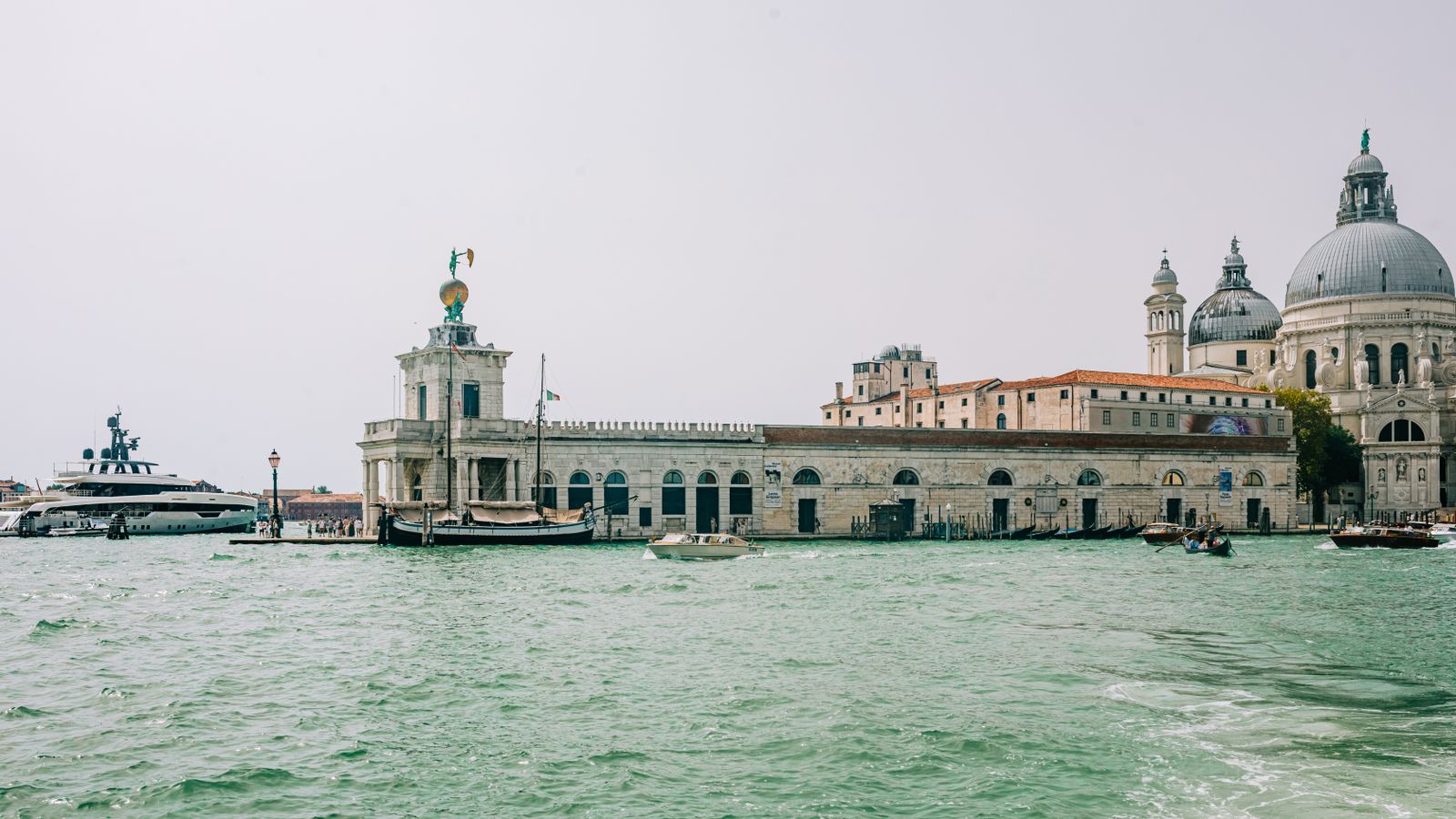
At the tip of Dorsoduro, the old customs house at the entrance to the Grand Canal was converted by Tadao Ando into a contemporary art space for the collection of the French businessman François Pinault. Its sister venue, Palazzo Grassi, faces it across the water near San Samuele. Both show changing exhibitions drawn from one of the largest private collections of contemporary art in the world. Check what is on before you go; when the exhibitions are strong, these are among the most exciting galleries in Italy.
Between them, the great white church of Santa Maria della Salute, built after the plague of 1630, has major Titians and Tintorettos in its sacristy.
Ca’ Rezzonico
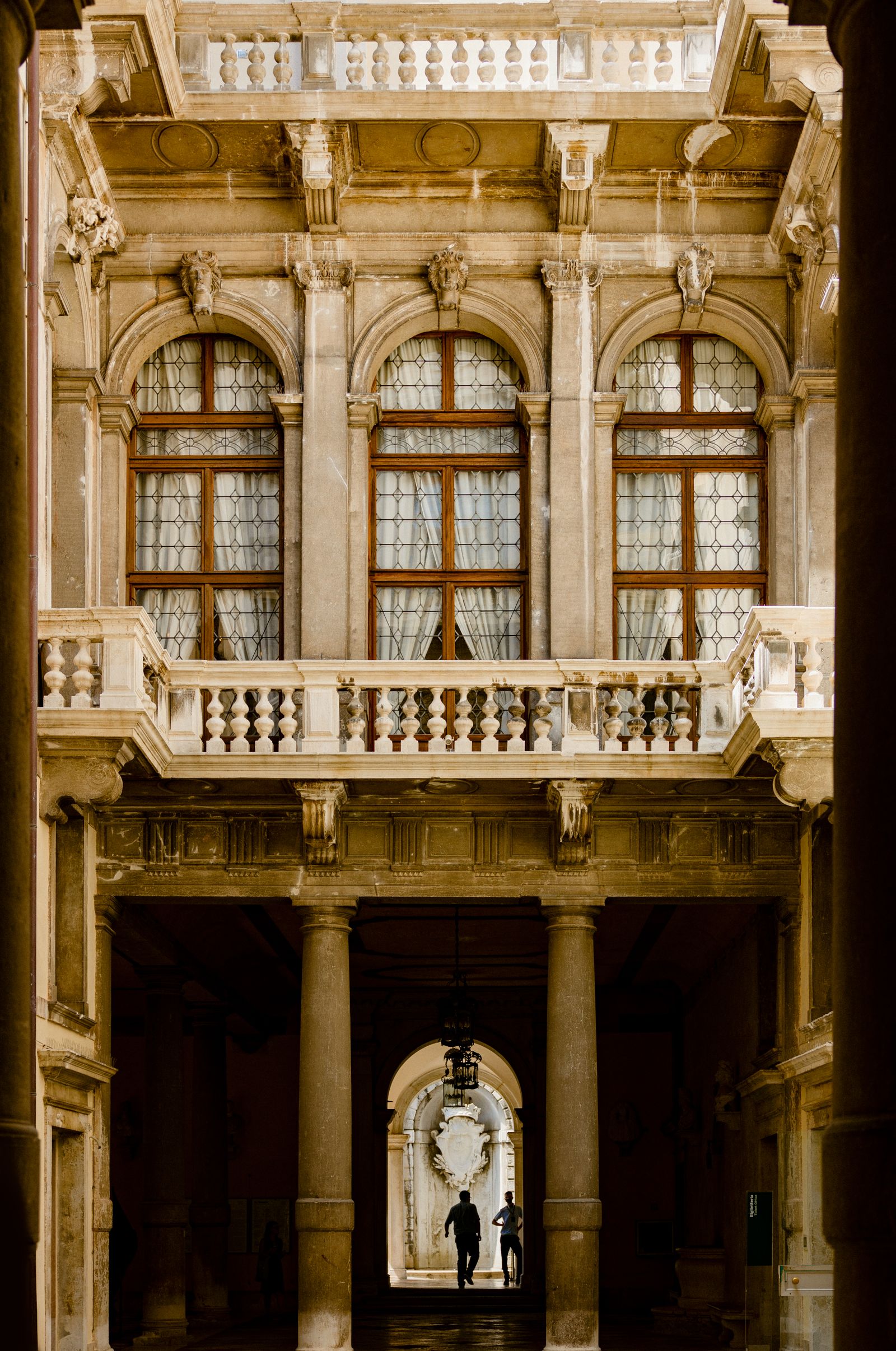
On the Grand Canal a short walk from the Accademia, Ca’ Rezzonico is the museum of eighteenth-century Venice, furnished as a patrician palace of the age of Casanova. The ballroom, the Tiepolo ceilings, the lacquered furniture and Pietro Longhi’s small scenes of Venetian society give a better sense of the city’s final, glittering century than any book. The poet Robert Browning died here in 1889 while staying with his son. Book a Ca’ Rezzonico ticket.
San Polo: Titian and Tintoretto where they belong
North of Dorsoduro, two buildings in San Polo show Venetian painting in the settings it was made for. Together they are reason enough to visit the city.
The Frari. The vast brick Franciscan church of Santa Maria Gloriosa dei Frari is dominated by Titian’s Assumption of the Virgin, a blaze of red above the high altar that made the young painter’s reputation in 1518. His Pesaro Madonna hangs in the nave, and Titian himself is buried here, opposite Canova’s pyramid-shaped monument. A small entry fee applies.
The Scuola Grande di San Rocco. Next door, the meeting house of a wealthy charitable confraternity was decorated by Tintoretto over more than two decades with dozens of huge canvases covering walls and ceilings. The effect is overwhelming. Use the hand mirrors provided to look at the ceiling without straining your neck, and leave time for the Crucifixion in the Sala dell’Albergo, which Tintoretto’s contemporaries considered his greatest work.
Santa Croce: Ca’ Pesaro and the modern art
Facing the Grand Canal in Santa Croce, the Baroque palace of Ca’ Pesaro houses the International Gallery of Modern Art, with Klimt’s Judith II, works by Chagall, Kandinsky, Matisse and Italian artists bought from early editions of the Biennale, and on the top floor a museum of Oriental art collected by a Bourbon prince on his travels. Book the Ca’ Pesaro ticket or a fast-track entry.
San Marco: Palazzo Fortuny and La Fenice
Palazzo Fortuny
The Gothic palace where the Spanish-born designer Mariano Fortuny lived and worked is one of the most atmospheric house museums in Italy. Fortuny invented the pleated silk Delphos gown, printed velvets with secret techniques and designed theatre lighting; his studio is hung with fabrics, paintings and lamps of his own making. Fashion and textile lovers should not miss it. Tickets via Tiqets or WeGoTrip, or combine it with Ca’ Pesaro on the modern and contemporary art pass.
Teatro La Fenice
Venice’s opera house opened in 1792, burned in 1836, was rebuilt, and burned again in 1996 in an arson attack. It reopened in 2003, restored to its nineteenth-century splendour of gilded boxes and painted ceilings. Verdi’s Rigoletto and La Traviata both had their premieres here. The best way to see it is to attend a performance; check the season and book directly. During the day, the skip-the-line visit with audio guide, the guided tour or the La Fenice ticket with audio tour take you through the auditorium, the royal box and the foyers.
Evenings: Vivaldi and music
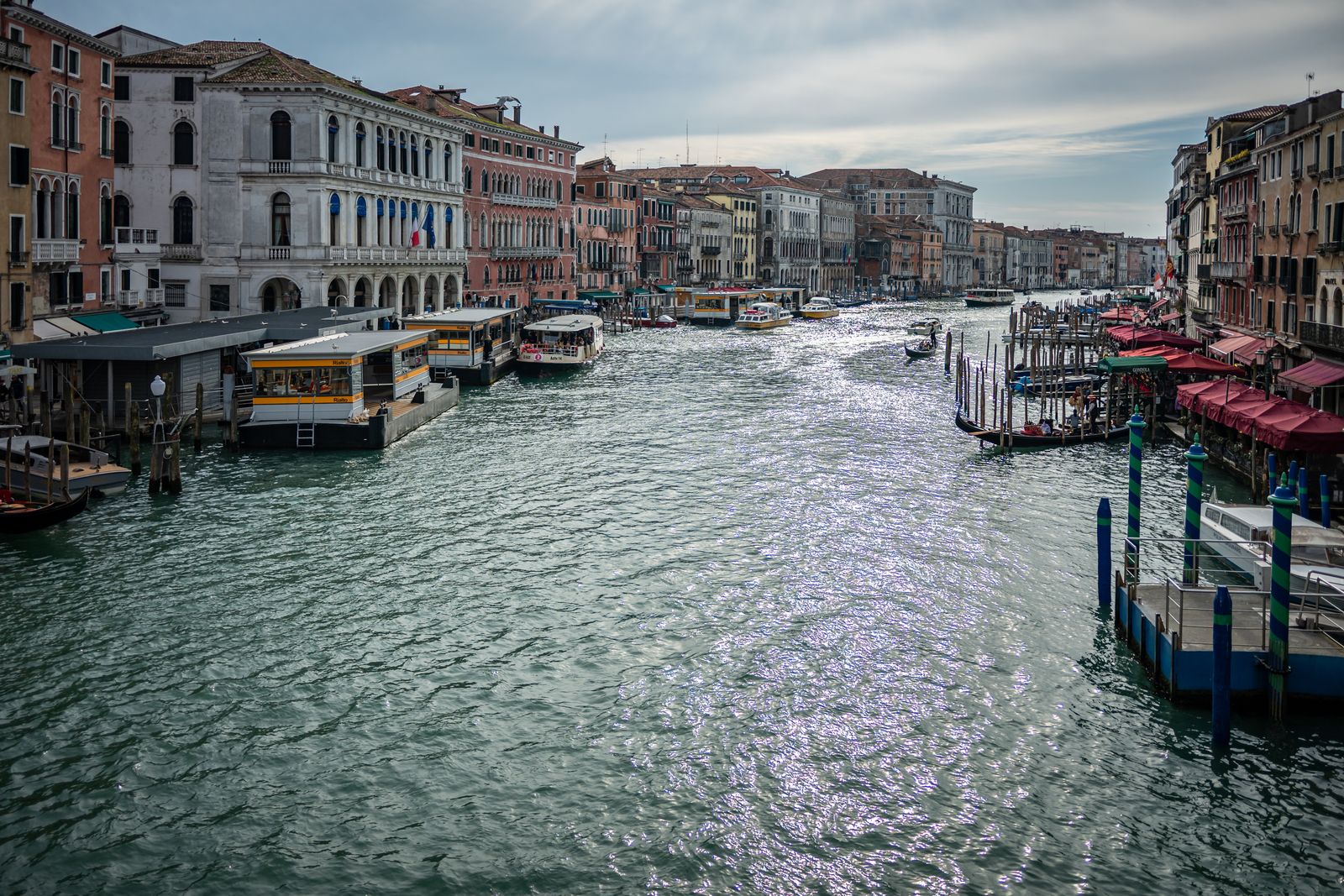
Antonio Vivaldi was born in Venice in 1678 and taught music to the orphan girls of the Pietà, whose concerts were famous across Europe. Concerts of his music, especially the Four Seasons, are held most evenings in churches and scuole across the city. Quality varies; the Four Seasons concert by I Musici Veneziani, performed in period costume, is one of the established series.
The Biennale
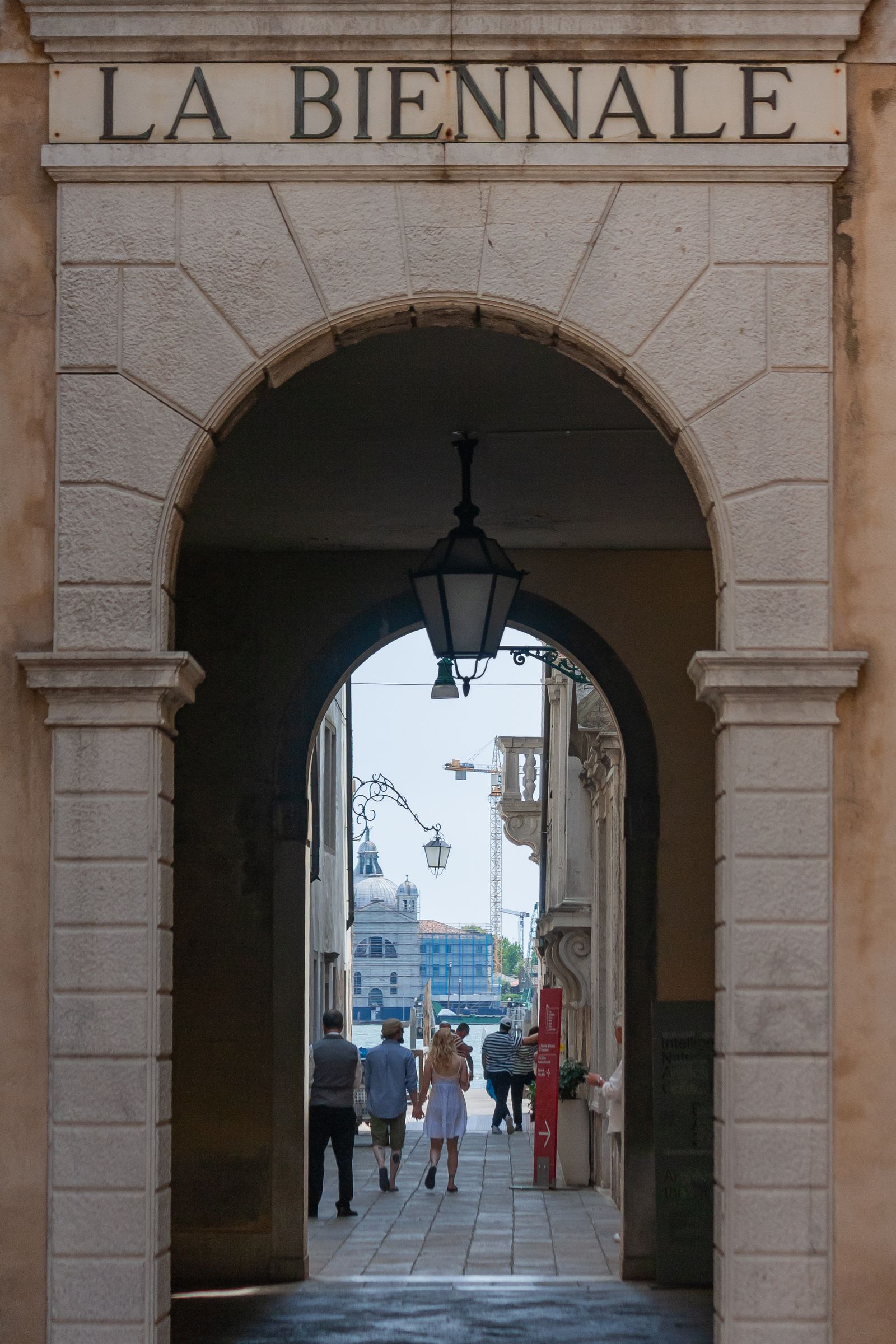
The Venice Biennale alternates between art and architecture, filling the Giardini, the old shipyards of the Arsenale and dozens of palaces across the city from late spring to late autumn. If your visit coincides with it, allow at least a full day for the main venues and look for the national pavilions and collateral exhibitions in palazzi that are otherwise closed to the public.
Venice art at a glance
| Site | Highlights | Time | Ticket |
|---|---|---|---|
| Peggy Guggenheim Collection | Picasso, Pollock, Magritte, the garden | 1.5 to 2 hours | Tiqets fast track / WeGoTrip |
| Ca’ Rezzonico | 18th-century palace, Tiepolo | 1.5 hours | Entry ticket |
| Ca’ Pesaro | Klimt, Chagall, Oriental art | 1.5 hours | Tiqets / WeGoTrip |
| Palazzo Fortuny | Fashion, textiles, studio | 1 hour | Tiqets / WeGoTrip |
| Ca’ Pesaro + Fortuny | Both palaces | Half a day | Art pass |
| Teatro La Fenice | Opera house, royal box | 45 min | Audio guide visit / WeGoTrip |
| Murano Glass Museum | Seven centuries of glass | 1 hour | Entry ticket |
| Vivaldi concert | The Four Seasons in a historic setting | 1.5 hours | Concert ticket |
A three-day art itinerary
Day one, Dorsoduro. The Accademia when it opens, lunch on the Zattere, the Peggy Guggenheim Collection in the afternoon, then the Salute and Punta della Dogana as the light softens. If you prefer a guided walk at your own pace, the Dorsoduro hidden gems audio tour links the quieter corners.
Day two, San Polo and Santa Croce. The Frari and the Scuola Grande di San Rocco in the morning, a cicchetti lunch near the Rialto market, Ca’ Pesaro in the afternoon. Vivaldi in the evening.
Day three, San Marco. The Doge’s Palace and St Mark’s Basilica early (see our guide to Venice tickets), Palazzo Fortuny after lunch and La Fenice at night.
Getting there and staying
From Marco Polo airport, a private transfer with Welcome Pickups can meet you and arrange the water taxi or car to Piazzale Roma. For a quieter base close to the galleries, look for hotels in Dorsoduro or along the Zattere. If you are combining Venice with the mainland, our guides to Verona, Valpolicella and Lake Garda and Milan make easy next stops by fast train, and our Italy travel planner covers eSIMs, luggage storage and flight compensation.
Charlotte’s pick
If I could recommend only one thing here, it would be the Peggy Guggenheim Collection. A house full of Picasso, Pollock and Magritte on the Grand Canal, with a garden that is one of the calmest places in Venice. Combine it with the Accademia and the Salute for a perfect Dorsoduro afternoon.
Where to Stay: compare hotels and current prices in Venice on Trip.com.
FAQ
Do I need to book the Peggy Guggenheim Collection in advance?
It is wise from spring to autumn, when queues form at the entrance. A fast-track ticket saves the wait.
Is the Accademia worth it if I only have one day in Venice?
If you love painting, yes. It is the single best place to understand Venetian art. Otherwise, the Frari and San Rocco give you Titian and Tintoretto in more atmospheric settings.
Can I visit La Fenice without seeing a performance?
Yes. Daytime visits with an audio guide or a guided tour run most days, except when rehearsals or performances close the theatre.
When is the Biennale?
It runs from late spring to late autumn, alternating between art and architecture each year. Check the dates for your year before planning around it.
What should I wear to La Fenice?
There is no strict dress code for most performances, but Venetians dress up for the opera. Smart evening wear is never out of place.
To see Venice from the water, read our guide to Venice by boat: gondolas and the lagoon islands.
Hungry in Venice? See our guide to what to eat in Venice.