This post contains affiliate links. If you book through them, we may earn a small commission at no extra cost to you. Learn more.
Venice has a reputation for overpriced, mediocre food, and around St Mark’s Square it is often deserved. But step into the backstreets of Cannaregio, Castello or San Polo and you find a completely different city: tiny wine bars where locals stand elbow to elbow over small glasses of wine and plates of cicchetti, a fish market that has traded on the same spot for centuries, and a cuisine shaped by the lagoon, the spice trade and the Republic’s links with the East.
This guide explains how to eat like a Venetian: the bacaro ritual, the dishes to order, where the spritz and the Bellini were born, the best food experiences, and how to escape to the Prosecco hills.
Quick answer
Do a giro di ombre, a crawl through the bacari with a glass of wine and a few cicchetti in each. The guided Venice street food tour shows you the best ones. Visit the Rialto market in the morning, order sarde in saor and risotto di gò, and toast the sunset on a catamaran spritz tour.
The bacaro and cicchetti
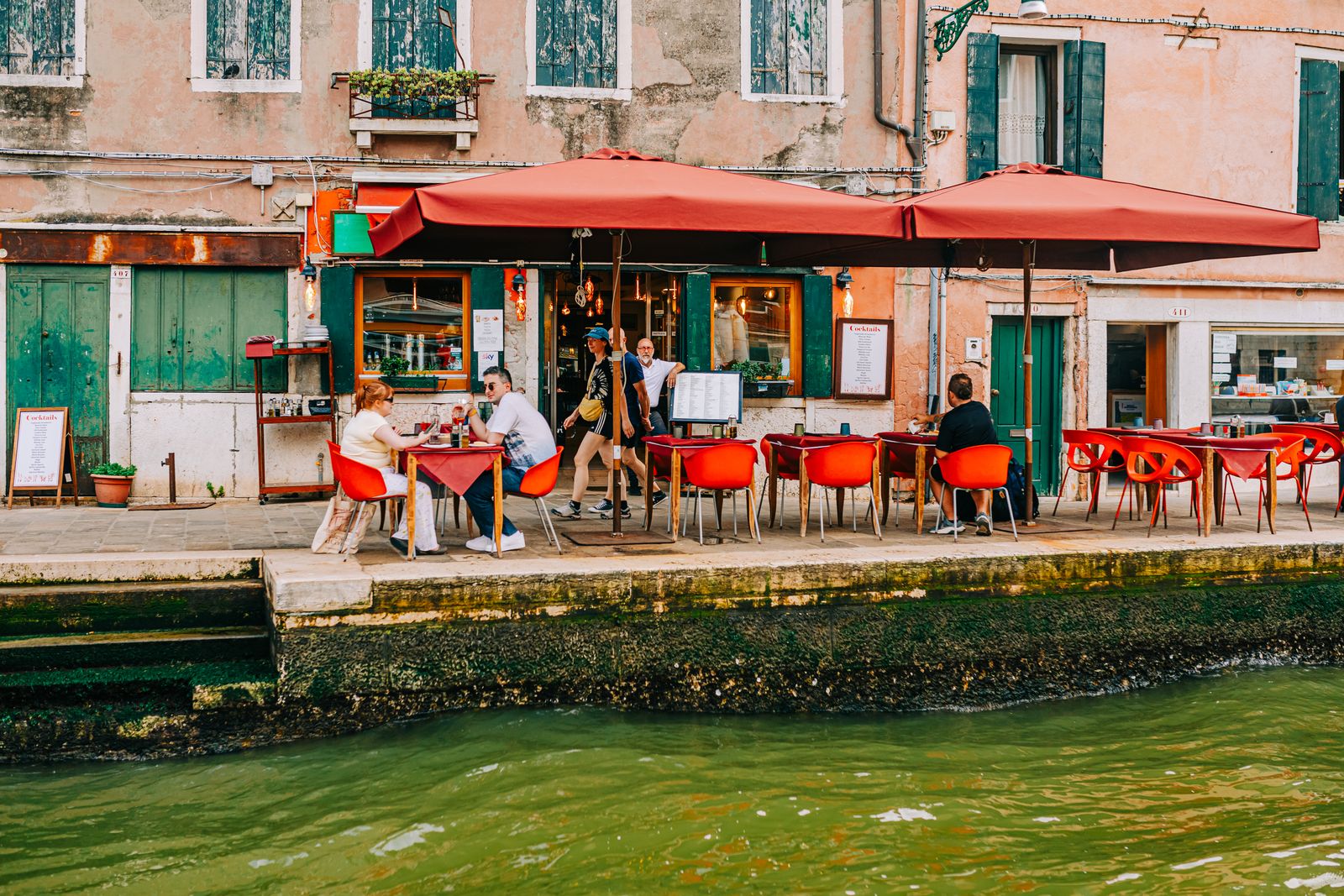
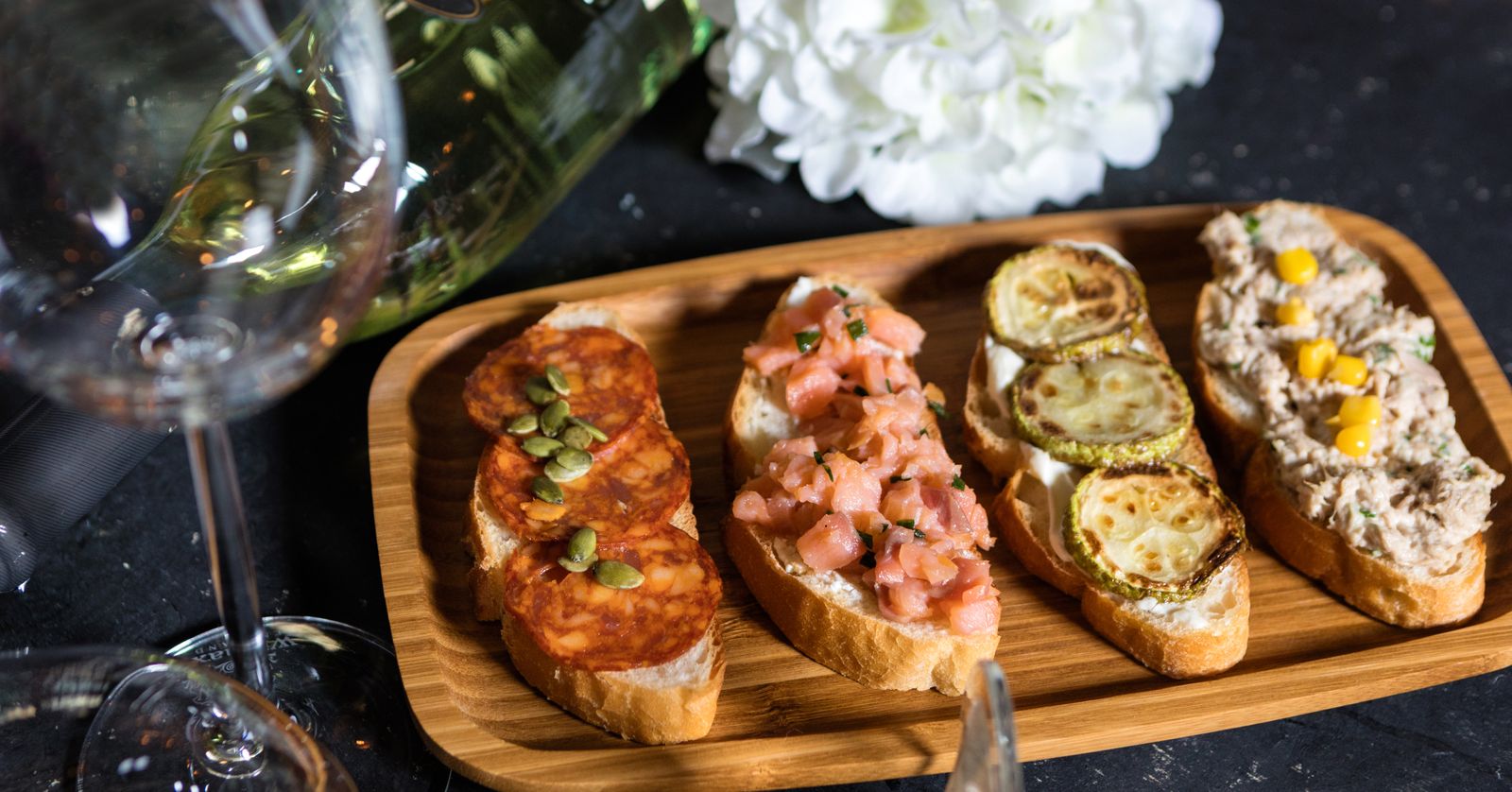
The heart of Venetian eating is the bacaro, a small, often standing-room-only wine bar. Its counter is lined with cicchetti, small bites eaten in one or two mouthfuls: crostini with creamed salt cod, tiny meatballs, slices of mortadella, fried olives, marinated anchovies, half eggs with an anchovy, grilled vegetables. You point, pay a few euros each, and eat standing at the bar or perched on the edge of a canal outside.
With them comes an ombra, Venetian for a small glass of wine; the word means shade and is said to come from the wine sellers who once moved their stalls with the shadow of St Mark’s bell tower. Venetians drift from bar to bar in the early evening in a ritual called the giro di ombre. The best bacari are around the Rialto market, in Cannaregio along the Fondamenta della Misericordia, and in the quieter parts of Castello.
The guided street food tour is the easiest way to find the good ones and learn what to order.
The Rialto market
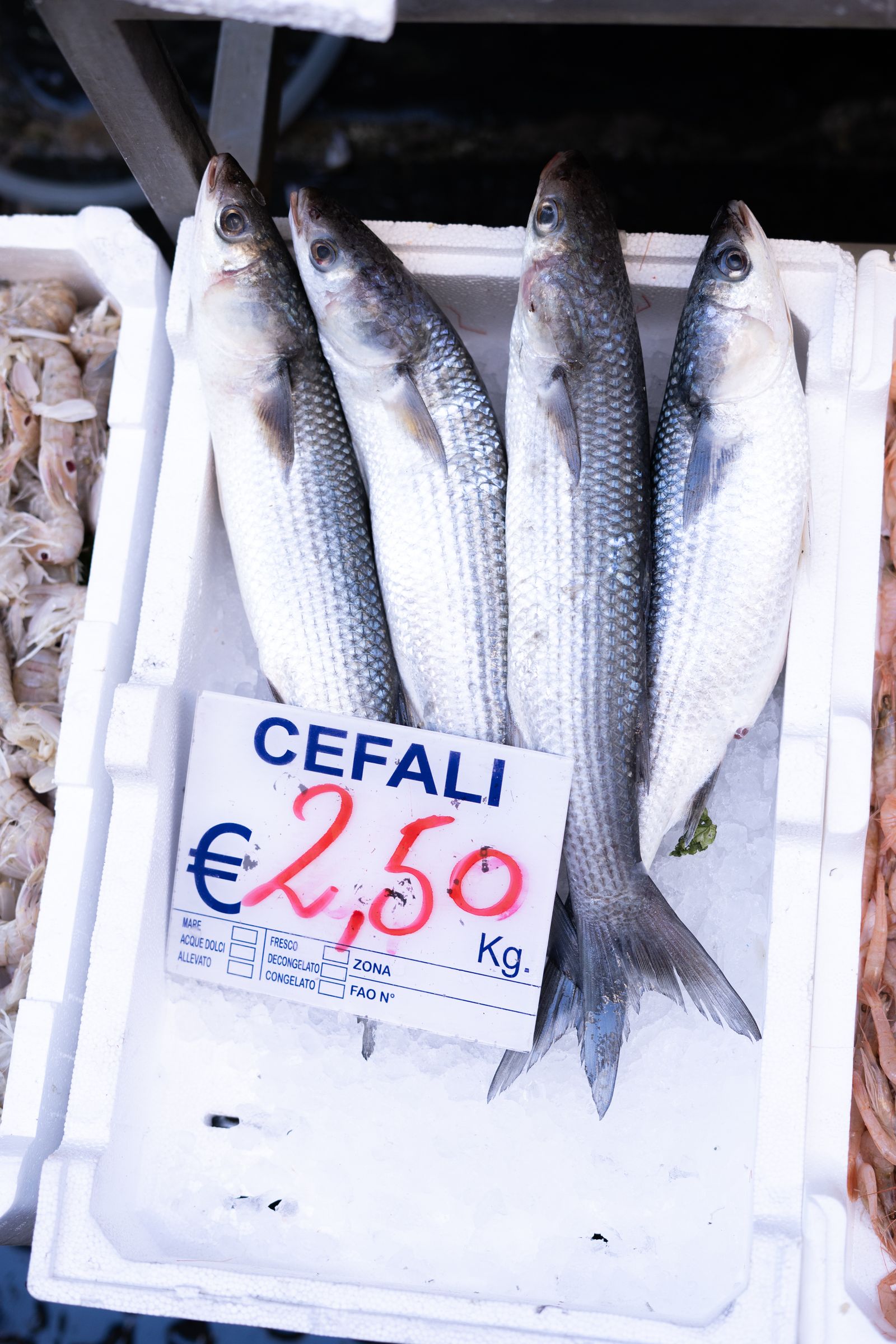
At the foot of the Rialto Bridge, the Pescheria, the fish market, has sold the catch of the lagoon and the Adriatic for centuries in an arcaded hall by the Grand Canal. In the morning you will find soft-shell crabs, cuttlefish, schie (tiny grey shrimp), scallops, sardines and branzino alongside fruit and vegetable stalls selling purple artichokes from the island of Sant’Erasmo. Go early, and note that the fish market closes on some weekdays. It is the best introduction to what you will eat later.
What to eat in Venice
- Sarde in saor: fried sardines marinated with sweet-and-sour onions, raisins and pine nuts, a recipe designed to keep for long sea voyages.
- Baccalà mantecato: dried cod whipped with olive oil into a silky cream, served on polenta or bread.
- Risi e bisi: a soupy risotto of rice and young peas, traditionally eaten on St Mark’s Day in April.
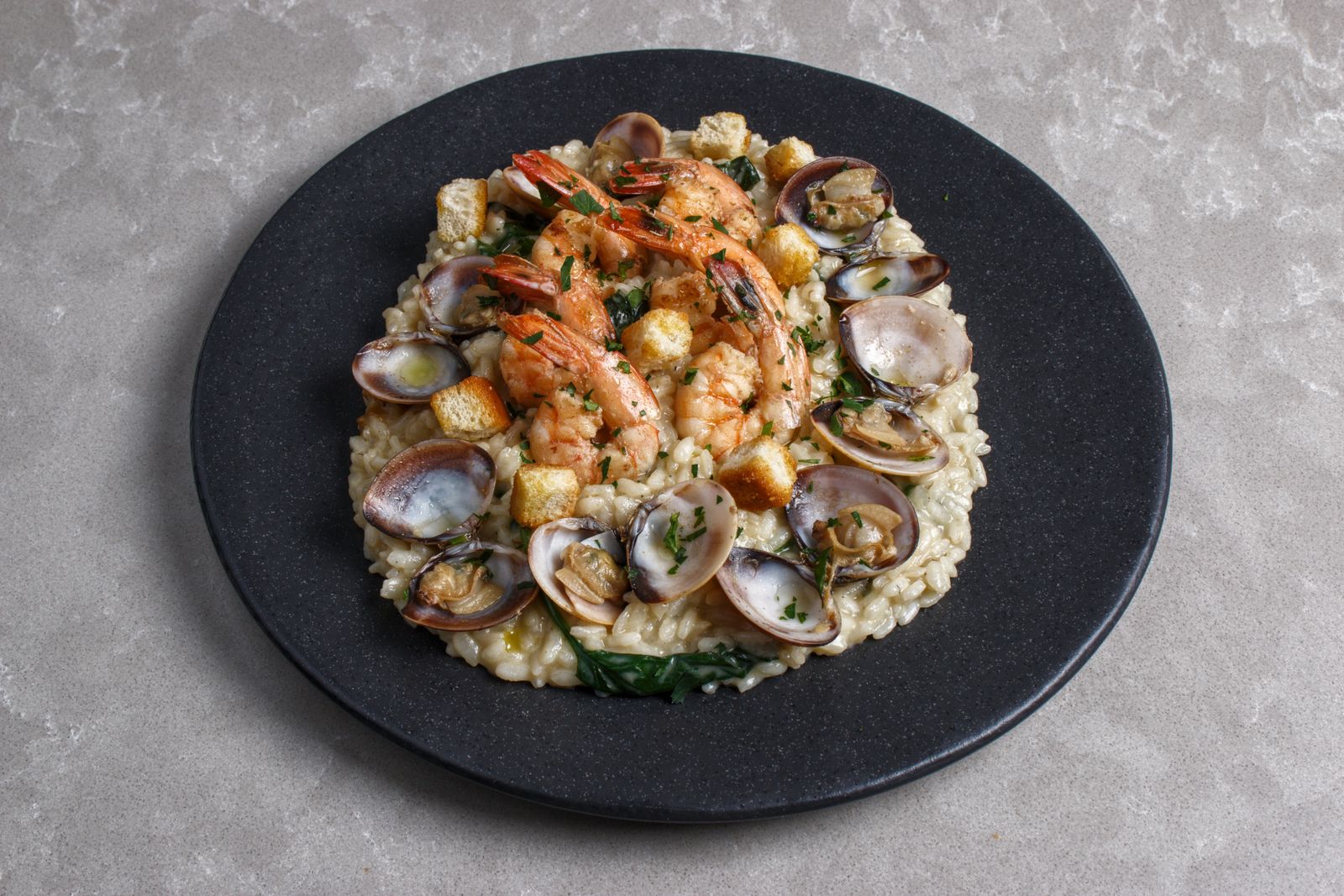
- Risotto di gò: a delicate risotto made with goby fish from the lagoon, the speciality of Burano.
- Seppie al nero: cuttlefish stewed in its own ink, served with white polenta.
- Bigoli in salsa: thick wholewheat pasta with a sauce of onions and anchovies.
- Fegato alla veneziana: calf’s liver cooked with sweet onions, one of the great dishes of the city.
- Moeche: soft-shell crabs fried whole, a rare seasonal delicacy in spring and autumn.
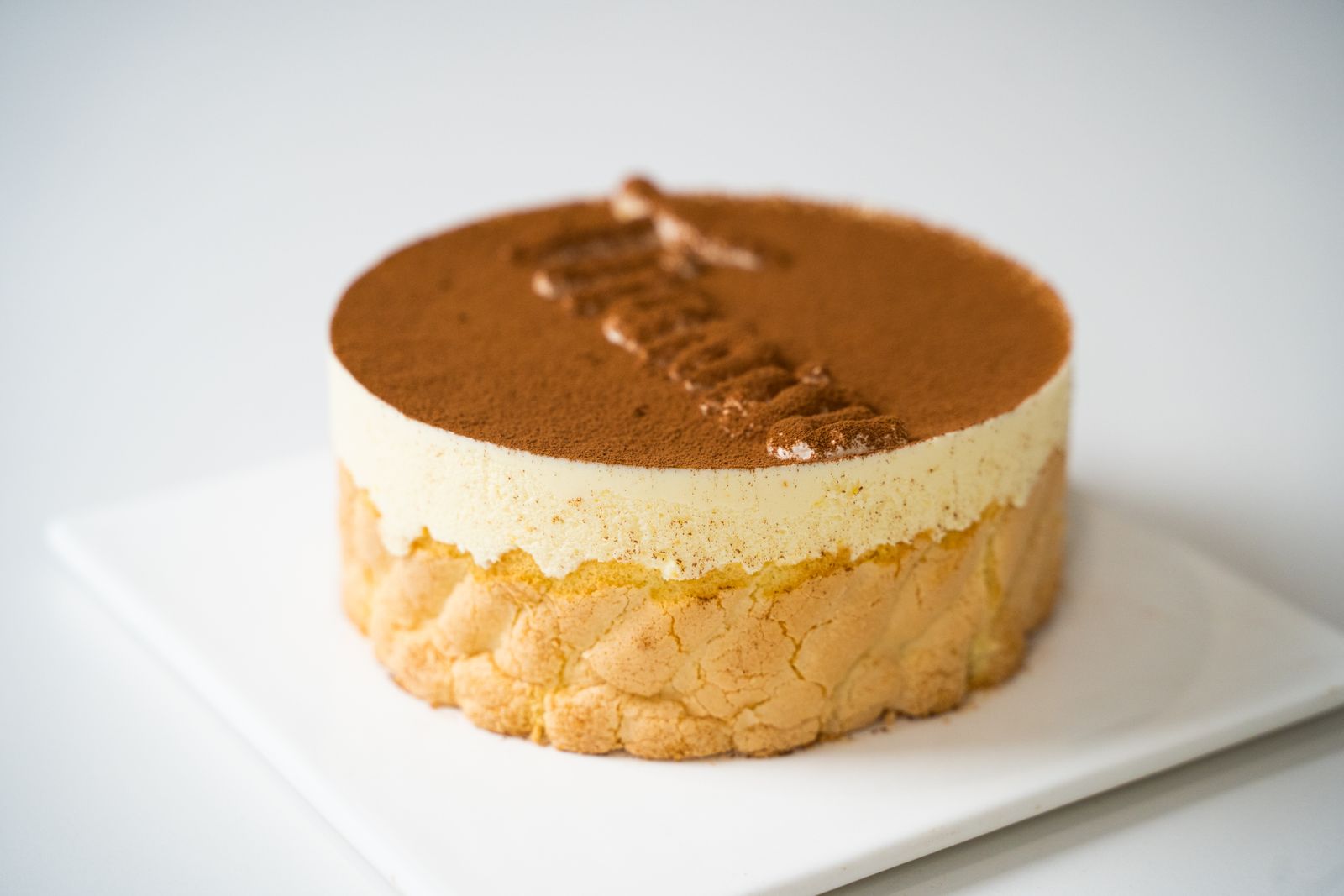
For dessert, the Veneto claims tiramisu, and at Carnival every pastry shop sells frittelle, sugared fritters filled with cream or zabaglione.
Spritz and Bellini: Venetian inventions
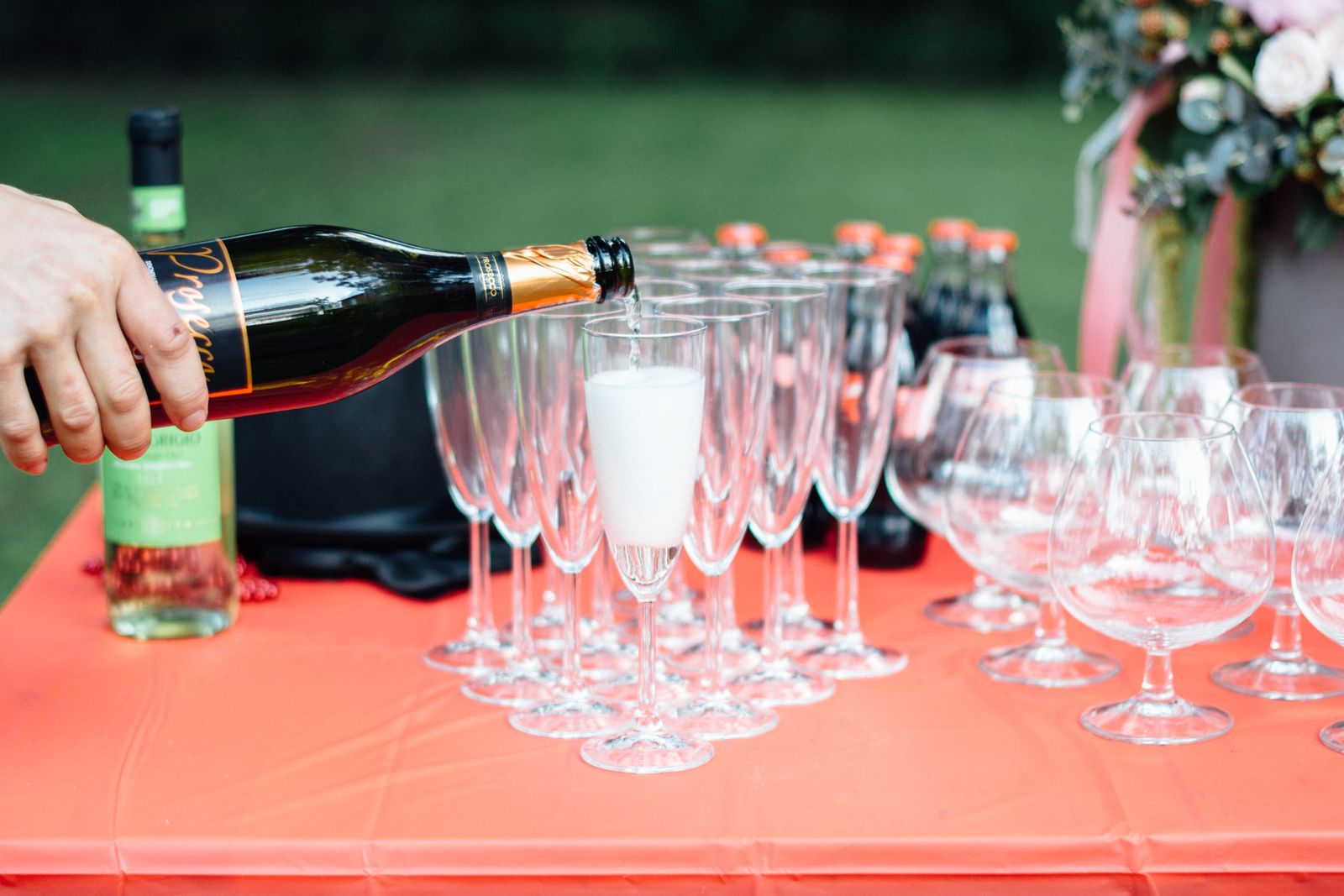
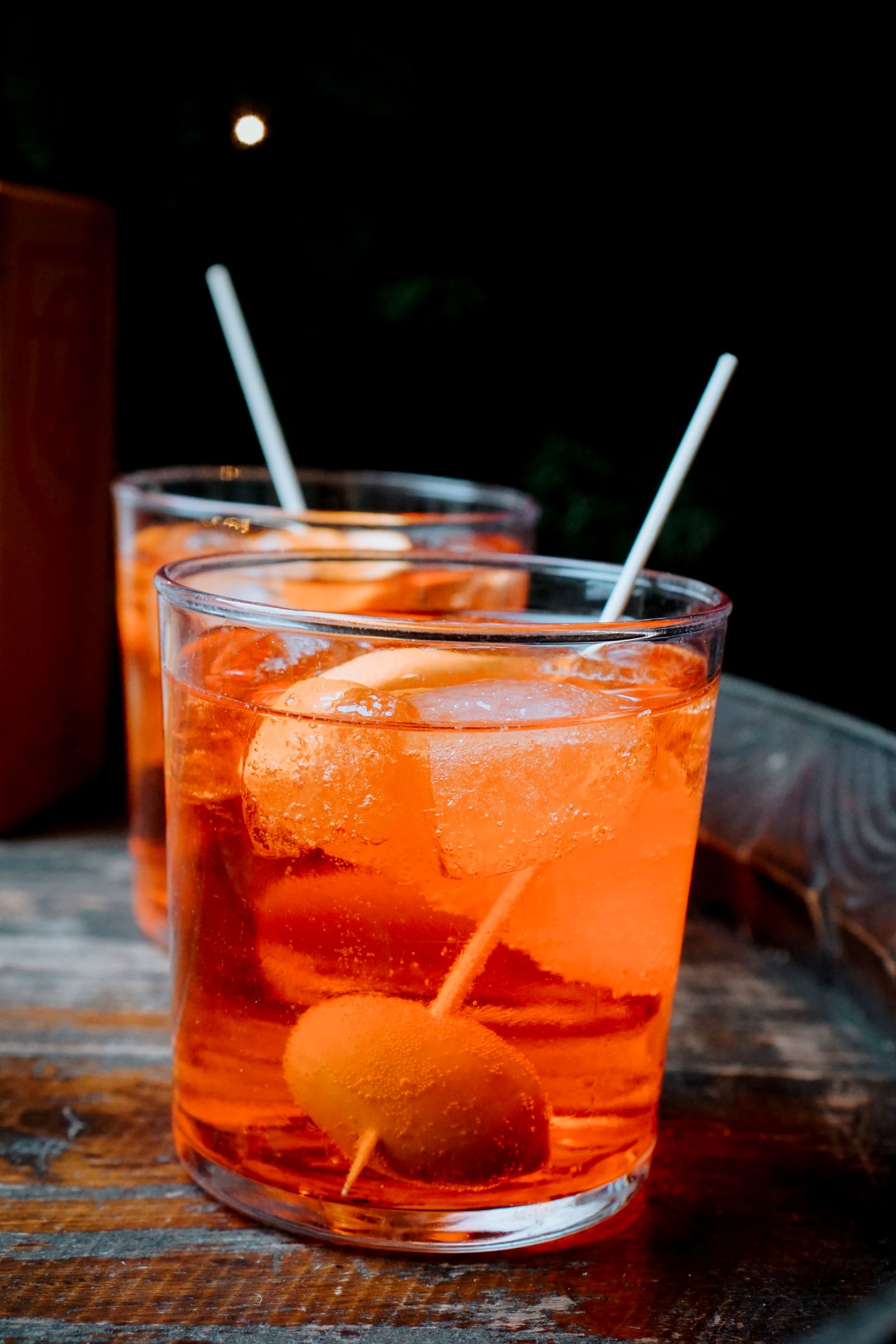
The spritz began in the Veneto in the nineteenth century, when Austrian soldiers diluted the strong local wine with a splash of water. Today it is a mix of Prosecco, a bitter liqueur and soda, and Venetians tend to order it with Select, a red bitter created in Venice, rather than the better-known orange versions. In the early evening every campo is dotted with bright glasses.
The Bellini, made with white peach purée and Prosecco, was created at Harry’s Bar near St Mark’s by Giuseppe Cipriani in the 1940s and named after the Renaissance painter Giovanni Bellini. Drinking one at the bar where it was invented is pricey but an experience. For the best sunset spritz, take a catamaran spritz tour on the lagoon.
Eating on the islands
The lagoon islands have some of Venice’s most memorable tables. On Burano, trattorias specialise in fish and risotto di gò; on Torcello, a historic inn where Hemingway stayed serves long lunches in a garden; and on Mazzorbo, connected to Burano by a footbridge, a walled vineyard produces a rare white wine and hosts a refined restaurant. Combine a lunch with an islands tour on a traditional boat, and see our guide to Venice by boat for more.
Into the Prosecco hills
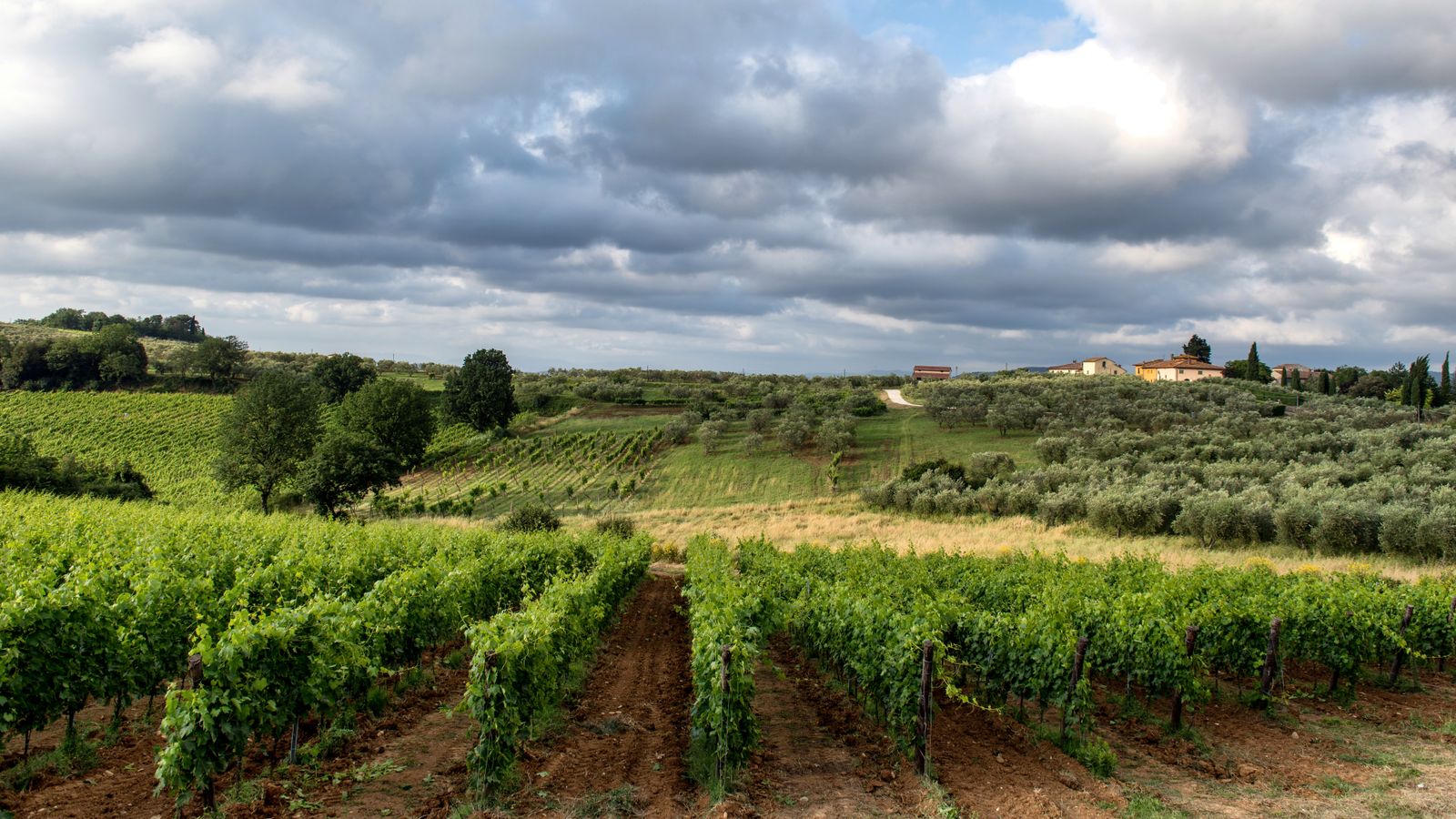
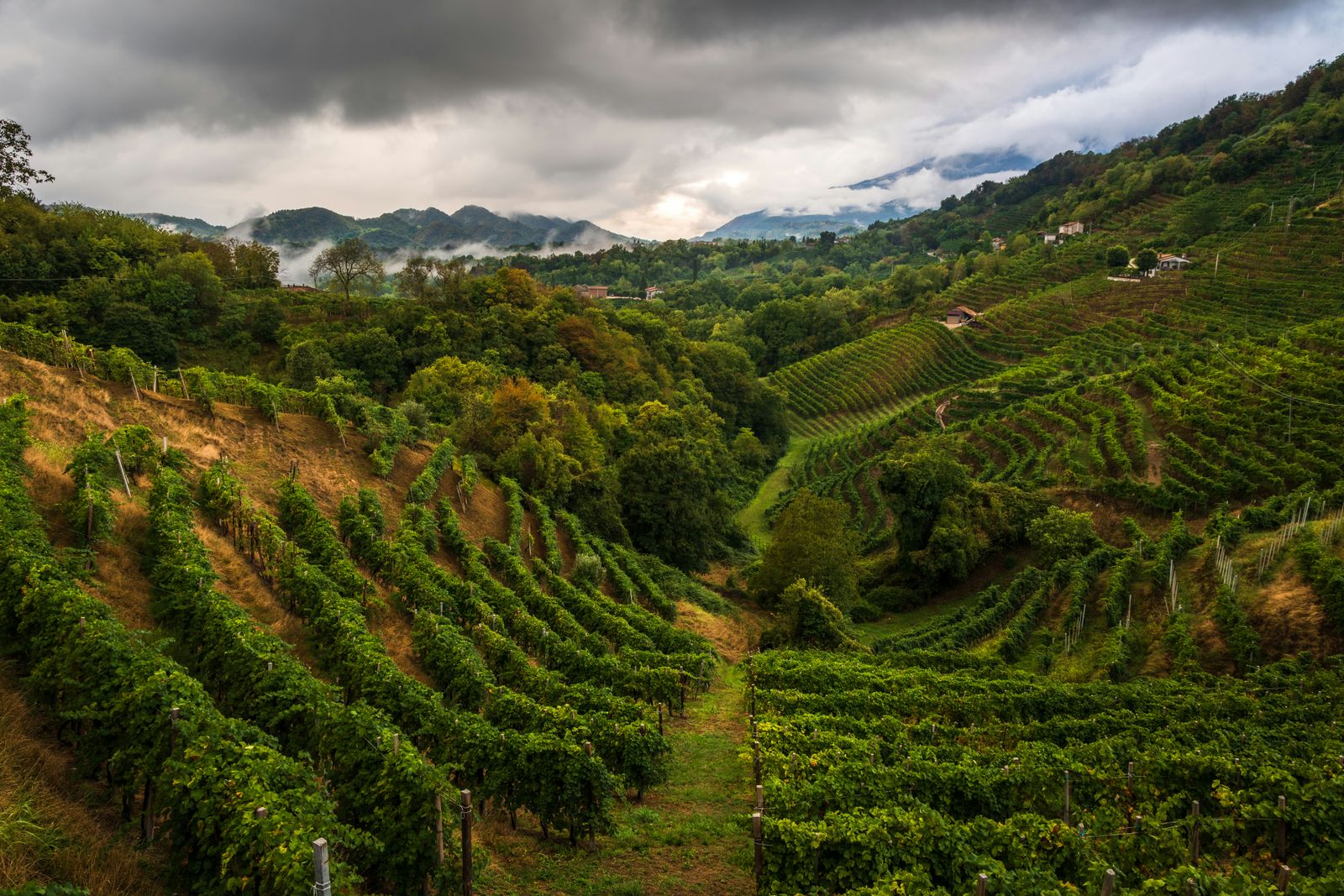
About an hour north of Venice, the steep hills between Conegliano and Valdobbiadene are the home of Prosecco Superiore and a UNESCO World Heritage landscape since 2019. The vineyards cling to impossibly steep slopes, and family wineries and osterie line the Strada del Prosecco. The best way to explore is by car or with a driver; book a rental car and plan a lazy day of tastings, or combine the trip with Verona and Valpolicella for Amarone.
Fine dining with a view
For a special evening, Venice offers some of the most romantic dining rooms in the world. Several grand hotels along the Grand Canal and the Riva degli Schiavoni have terraces where you dine with the domes of San Giorgio Maggiore and the Salute floating across the water, and a few Michelin-starred restaurants hide in palazzi and on the quieter islands. On the Giudecca, a legendary hotel with its own pool and gardens has hosted film stars for decades; arriving by its private launch is part of the experience. Book well ahead, ask for a waterside table and dress for the occasion.
Coffee and pastries
The historic cafés on St Mark’s Square, with their orchestras and eighteenth-century interiors, are expensive but unforgettable for one coffee. For everyday pastries, look for a neighbourhood pasticceria and try bussolai, ring-shaped butter biscuits from Burano, zaleti, cornmeal biscuits with raisins, and in winter fritoe. In summer, Venetian gelato shops along the Zattere offer one of the best views in town with your cone.
Venice food experiences at a glance
| Experience | What you get | Time | Book |
|---|---|---|---|
| Street food tour | Bacari, cicchetti and local wine with a guide | About 2.5 hours | Food tour |
| Catamaran spritz tour | Sunset spritz on the lagoon | About 2 hours | Spritz cruise |
| Islands lunch trip | Murano, Burano and Torcello by boat | Half to full day | Islands tour |
| Gondola before dinner | The classic Venetian experience | 30 min | Gondola ride |
| Vaporetto pass | Reach bacari across the city | 1 to 7 days | Travel card |
| Prosecco hills | Winery visits in the countryside | Full day | Car hire |
How to eat well in Venice
- Walk away from St Mark’s. The further you go, the better and cheaper the food.
- Eat cicchetti for lunch. A few bites and a glass of wine is the Venetian way, and saves money for dinner.
- Check prices. Fish is often priced per 100 grams; ask before ordering.
- Book dinner. Good restaurants are small and fill quickly.
- Arrive in style. From the airport, a private transfer with Welcome Pickups gets you to your hotel without stress.
For the rest of the city, see Venice tickets and Venice for art lovers. For more Italian food cities, read our guides to Rome, Florence, Naples and Turin.
Charlotte’s pick
If I could recommend only one thing here, it would be the Venice street food tour. The bacaro crawl is the heart of Venetian eating, and a guide shows you which bars locals actually use, and what to order in each.
Loved the spritz and Prosecco in the bacari? Take a day trip to the Prosecco Hills, a UNESCO landscape an hour north of Venice.
Where to Stay: compare hotels and current prices in Venice on Trip.com.
FAQ
What are cicchetti?
Small Venetian bar snacks, similar to tapas, eaten with a small glass of wine in a bacaro.
Where was the Bellini invented?
At Harry’s Bar in Venice, by Giuseppe Cipriani.
What is the best area to eat in Venice?
Cannaregio, Castello and the streets around the Rialto market.
When is the Rialto fish market open?
In the mornings from Tuesday to Saturday in most weeks. Check locally, as days can vary.
Can I visit the Prosecco hills without a car?
It is difficult. A rental car, a driver or an organised tour is the practical option.
Is Venice expensive for food?
It can be around the main sights, but cicchetti in a bacaro are one of the best-value meals in Italy. Eat where Venetians eat and prices are fair.
Which wines should I drink in Venice?
Prosecco and the local still whites such as Soave are everyday choices. For reds, look for Valpolicella and Amarone from near Verona, or the lighter Raboso from the Piave plain. Many bacari pour excellent wines by the glass, so ask what the house recommends.