This post contains affiliate links. If you book through them, we may earn a small commission at no extra cost to you. Learn more.
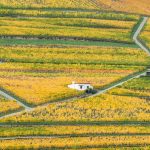
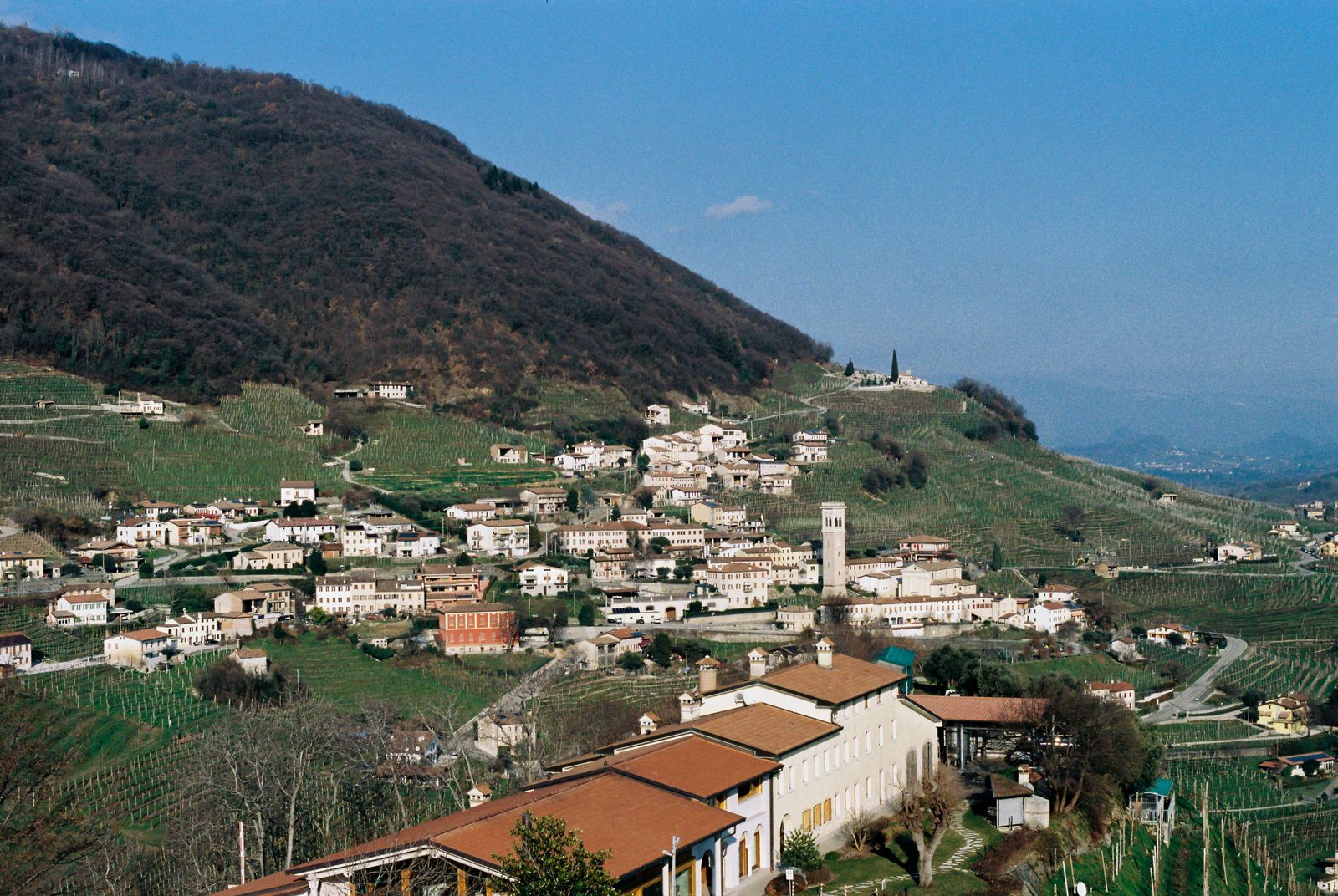
Most of the Prosecco poured around the world comes from the flat plains of the Veneto and Friuli. The best of it does not. Between the towns of Conegliano and Valdobbiadene, about an hour north of Venice, a band of steep, almost vertical hills is covered in vines planted on narrow grassy terraces. Here the grapes are picked by hand, the wines are labelled Conegliano Valdobbiadene Prosecco Superiore DOCG, and the landscape itself has been a UNESCO World Heritage Site since 2019.
For travellers staying in Venice, the Prosecco Hills are one of the most rewarding day trips in northern Italy: green, quiet and full of small family wineries, with views that look like a painting by Cima da Conegliano, who was born here. This guide explains what makes the hill wines different, how to visit with or without a car, which places to see, and how to plan a perfect day.
Quick answer
The Prosecco Hills lie between Conegliano and Valdobbiadene, roughly an hour from Venice by car. The easiest way to explore is to rent a car on Localrent or book a private driver, visit two or three family wineries by appointment and have lunch in a hilltop osteria. Short on time? Start with a guided Prosecco and cicchetti tasting in Venice and plan the hills for your next trip.
Prosecco DOC or Prosecco Superiore DOCG?
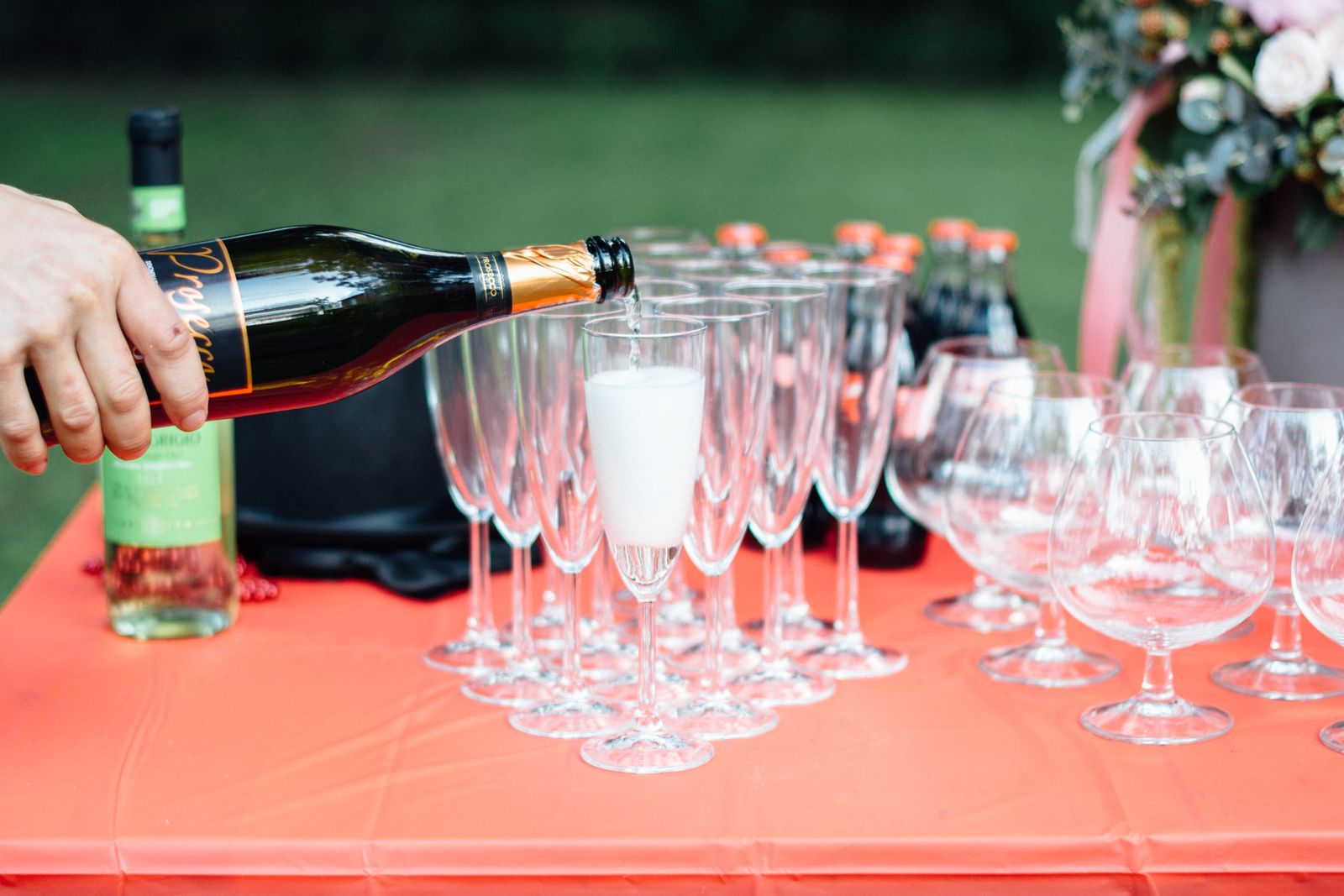
The word Prosecco covers two very different things. Prosecco DOC is a large appellation spread across nine provinces of the Veneto and Friuli Venezia Giulia, mostly on flat land, and produces the vast majority of bottles. Conegliano Valdobbiadene Prosecco Superiore DOCG comes only from about 15 municipalities in the hills of the province of Treviso, where the vineyards are steeper, the yields lower and much of the work is still done by hand. The hill wines tend to be finer, more aromatic and more precise.
| Name on the label | What it means |
|---|---|
| Prosecco DOC | The widest appellation, from plains and hills across the Veneto and Friuli |
| Conegliano Valdobbiadene Prosecco Superiore DOCG | The historic hill zone between Conegliano and Valdobbiadene; DOCG since 2009 |
| Rive | Wine from a single steep hillside or village; there are 43 designated Rive |
| Superiore di Cartizze | A tiny hill of about 107 hectares near Valdobbiadene, considered the finest site; Glera only |
| Sui Lieviti | A cloudy, bottle-fermented style aged on its lees, revived in recent years |
The main grape is Glera, which must make up at least 85 percent of the blend. One detail confuses many visitors: in Prosecco, Extra Dry is sweeter than Brut. If you prefer your sparkling wine bone dry, ask for Brut or Extra Brut; if you like a softer, fruitier style, Extra Dry and Dry are traditional in the hills.
A UNESCO landscape
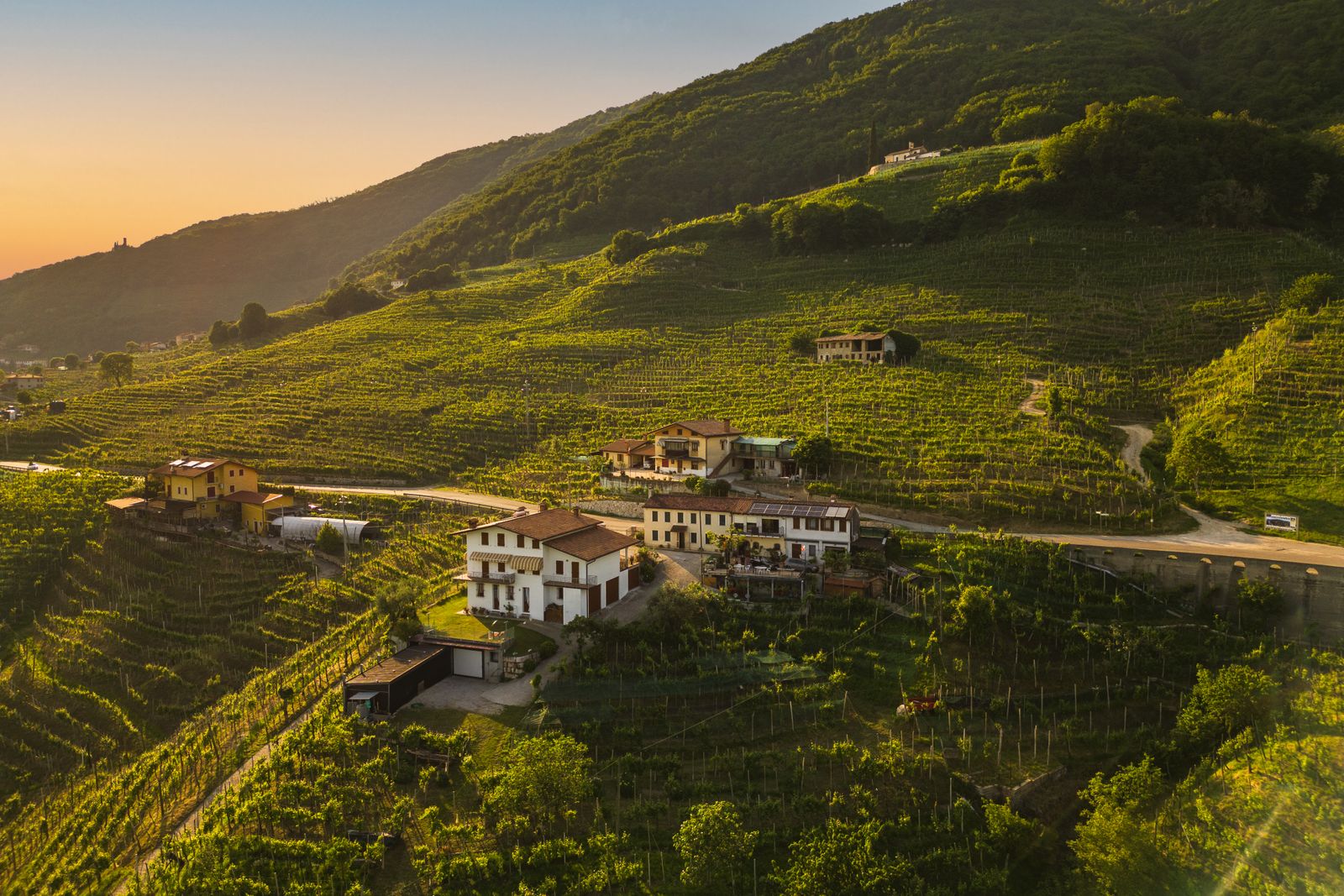
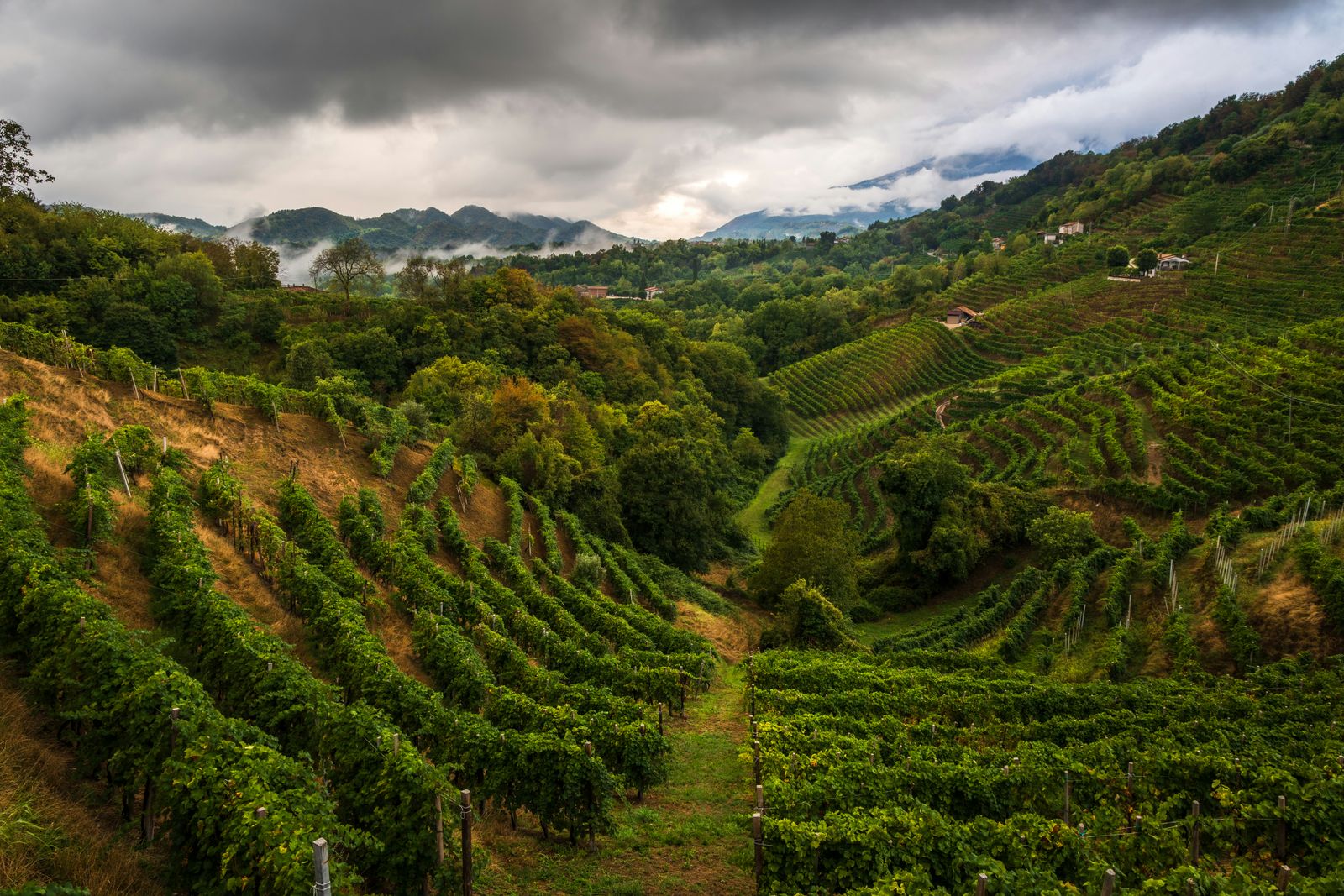
In 2019, UNESCO listed the Prosecco Hills of Conegliano and Valdobbiadene as a World Heritage cultural landscape. The reason is visible from every bend in the road: a mosaic of tiny vineyards on extremely steep slopes, separated by woods and hedgerows, with farmhouses, small churches and villages perched on the ridges. Many vineyards are so steep that machines cannot work them, and the grapes are still harvested by hand.
The Strada del Prosecco, created in 1966 as Italy’s first official wine route, links Conegliano and Valdobbiadene through the heart of the area, and makes a natural spine for a day of tastings.
Places to see along the way
Conegliano is the eastern gateway, with an arcaded old town, a castle on the hill and the house of the Renaissance painter Cima da Conegliano. It is also home to Italy’s oldest school of wine-making.
Valdobbiadene, at the western end, is surrounded by the most dramatic vineyards, including the hill of Cartizze. Nearby, in the hamlet of San Pietro di Barbozza and around Santo Stefano, look for the famous osterie senza oste, rustic honesty bars among the vines where you help yourself to wine and snacks and leave the money in a box.
In between, the Cistercian abbey of Follina has a beautiful Romanesque cloister, and the Molinetto della Croda near Refrontolo is a seventeenth-century watermill built into the rock above a small waterfall, one of the most photographed spots in the hills. West of Valdobbiadene, the hill town of Asolo and Palladio’s Villa di Maser make a lovely extension.
How to visit from Venice
| Option | Best for | What to expect | Book |
|---|---|---|---|
| Self-drive | Couples who want flexibility | About an hour from Venice; two or three wineries by appointment and lunch in an osteria | Compare car hire |
| Private driver | Serious tasters and small groups | No worries about drinking and driving; door to door from Venice or Treviso | Book a private driver |
| Train and taxi | Travellers without a licence | Regional trains run from Venice to Conegliano in around an hour; taxis or local tours from there | Book wineries directly |
| Tasting in Venice | Short stays with no time for a day trip | A sommelier-led Prosecco tasting with Venetian cicchetti | Prosecco and cicchetti tasting |
Most wineries, especially small family estates, receive visitors by appointment, so book a few days ahead. Many offer a short walk through the steep vineyards, a look at the cellar and a tasting of three to five wines with local cheese or salami.
A perfect day in the Prosecco Hills
| Time | Plan |
|---|---|
| 9:00 | Leave Venice; arrive in Conegliano for a coffee in the old town |
| 10:30 | First tasting at a winery along the Strada del Prosecco |
| 12:30 | Lunch in a hilltop osteria with views over the vineyards |
| 14:30 | Molinetto della Croda or Follina abbey, then a second tasting near Valdobbiadene |
| 17:00 | A glass at an osteria senza oste among the vines of Cartizze |
| 18:30 | Return to Venice, or stay overnight in the hills |
What to eat
The cooking of the Treviso hills is simple and seasonal. Look for spiedo, mixed meats slowly turned on a spit; risotto with local herbs or radicchio in winter; soft Casatella cheese and aged Morlacco from the Grappa massif; and, in spring, wild hops and asparagus. Prosecco is the wine of every meal here, from aperitivo to dessert, and the hill restaurants are refreshingly good value compared with Venice.
Where to stay
Staying a night or two in the hills lets you enjoy tastings without rushing back to Venice. The map below shows current hotel availability and prices around Valdobbiadene, from agriturismi among the vines to boutique hotels.
Compare hotels and prices in the Prosecco Hills. The interactive hotel map appears here once you accept marketing cookies.
Tips for a relaxed tasting day
Plan no more than three wineries in a day; the roads are narrow and winding, and the joy of the area is its slow pace. Ask to taste the same estate’s Brut and Extra Dry side by side to understand the difference, and try a Rive wine to see how much a single hillside can change the character. Many small producers sell bottles at very fair prices and can ship within the European Union. If you are driving, remember that Italy’s alcohol limits are strict, so share the driving or leave it to a professional.
When to go
Spring brings bright green vines and wildflowers, and many villages hold local wine festivals. The harvest usually runs from late August into September, when the hills are busy and festive. October adds autumn colours and quieter roads. Winter is calm, with some wineries reducing their opening times, but the landscape in the mist has its own charm.
Getting there
The nearest airports are Venice Marco Polo and Treviso. A private transfer with Kiwitaxi takes you straight from the airport to the hills, or you can collect a rental car on arrival. Keep maps and winery confirmations on your phone with an Airalo eSIM.
The Prosecco Hills combine perfectly with a stay in Venice: see our guides to Venice by boat, what to eat in Venice and Venice for art lovers. For more northern Italian wine regions, compare Amarone and the Valpolicella with Franciacorta, Italy’s traditional-method sparkling wine.
Charlotte’s pick
If I could recommend only one thing here, it would be ending the day with a glass at an osteria senza oste on the slopes of Cartizze. No staff, no menu, just the vines, the view and an honesty box. Get there with a private driver from Venice, so everyone can enjoy the tastings.
Where to Stay: compare hotels and current prices in Valdobbiadene and Venice on Trip.com.
For wine lovers: see our Collio and Friuli wine guide and South Tyrol Wine Road guide for estates that take visitors, booking rules and where to stay.
FAQ
How far are the Prosecco Hills from Venice?
About an hour by car to Conegliano and a little longer to Valdobbiadene. Regional trains reach Conegliano in around an hour.
What is the difference between Prosecco DOC and DOCG?
Prosecco DOC covers a large, mostly flat area across the Veneto and Friuli. Conegliano Valdobbiadene Prosecco Superiore DOCG comes only from the steep historic hills between the two towns.
Is Extra Dry Prosecco drier than Brut?
No. In sparkling wine terms, Extra Dry is slightly sweeter than Brut. For the driest style, choose Brut or Extra Brut.
Do I need to book winery visits?
Yes, most estates welcome visitors by appointment, especially the small family wineries.
What is Cartizze?
A small hill of about 107 hectares near Valdobbiadene, considered the finest site in the Prosecco Superiore area. Its wines carry the name Superiore di Cartizze.