This post contains affiliate links. If you book through them, we may earn a small commission at no extra cost to you. Learn more.
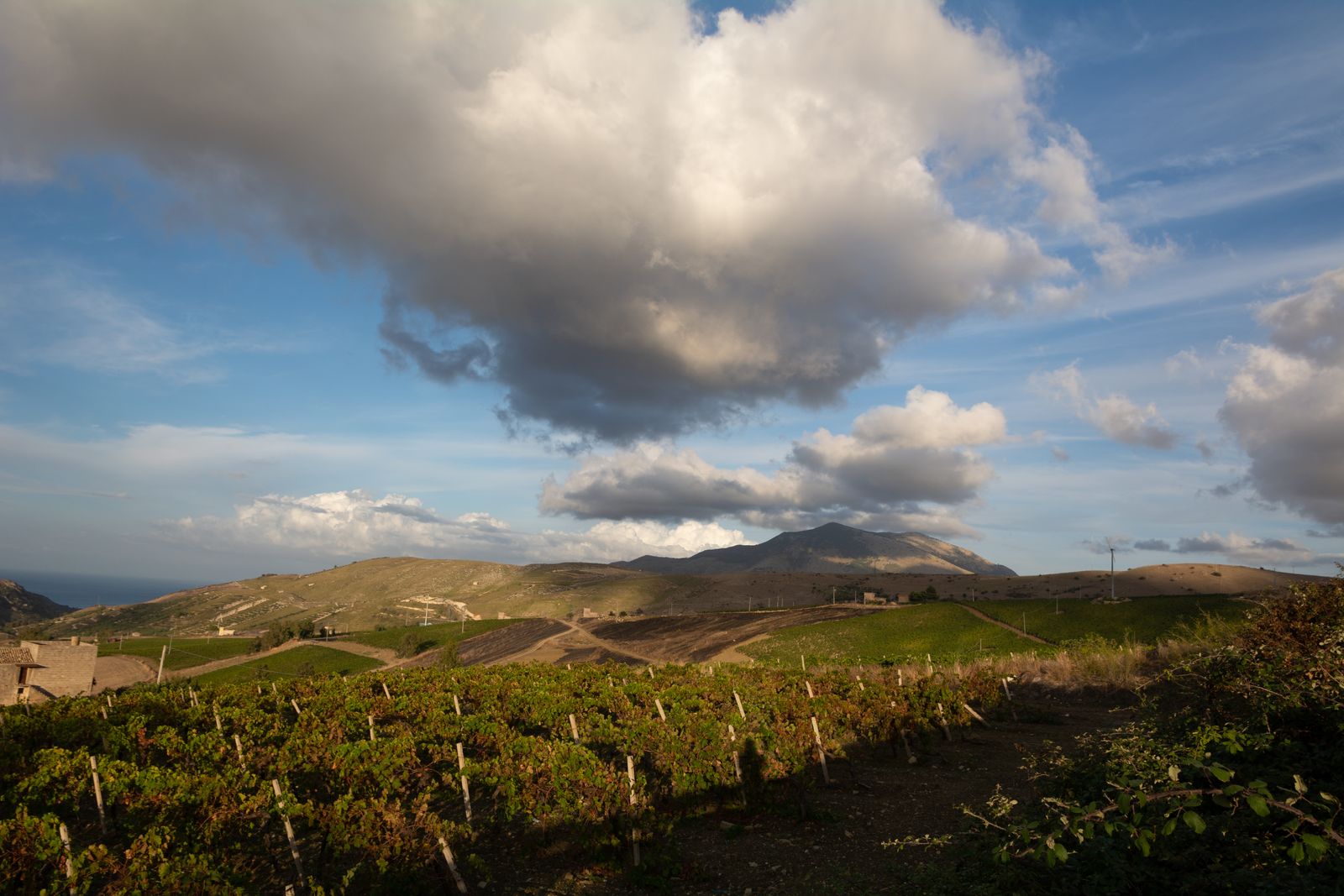
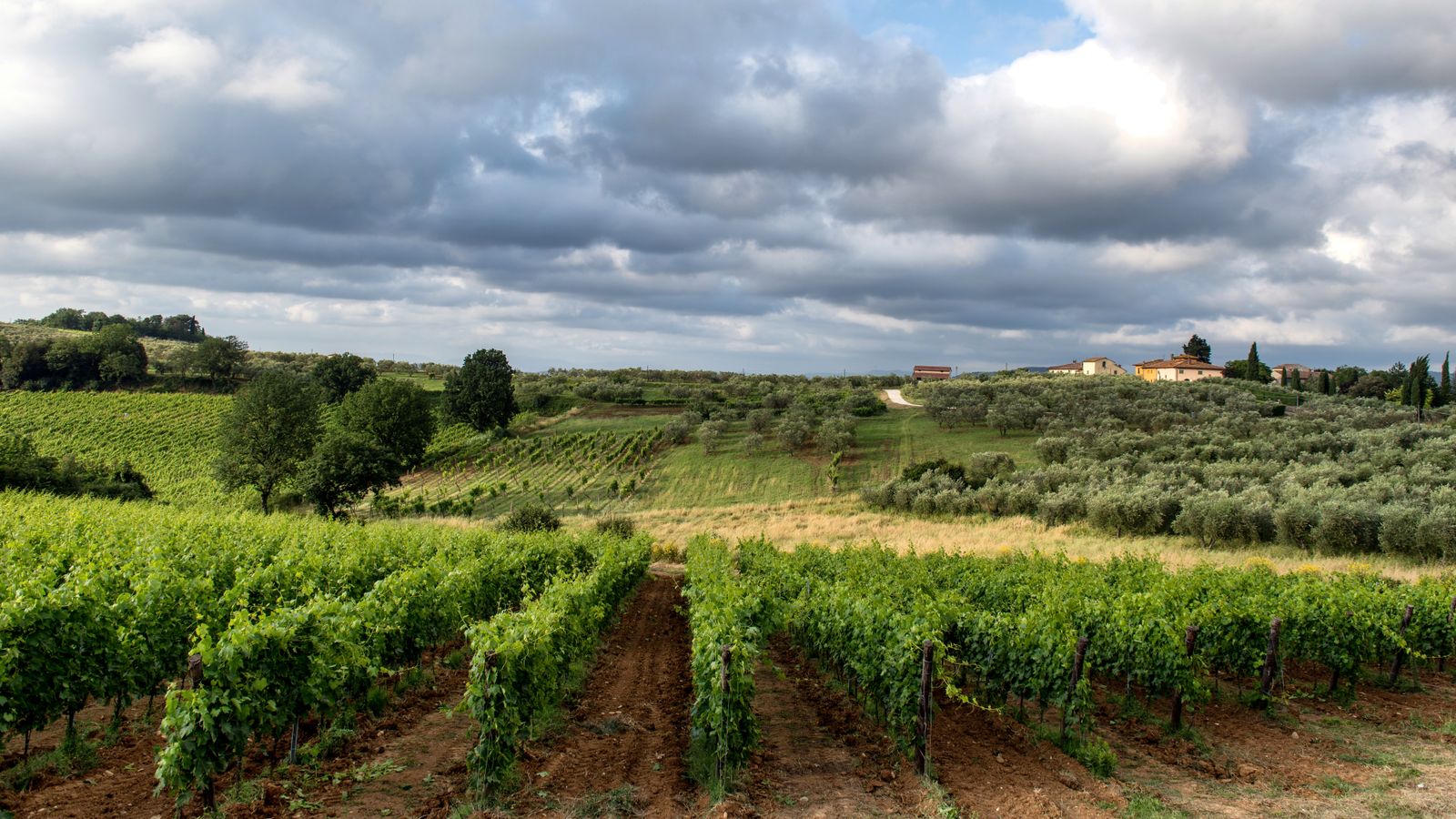
Just north of Verona, the hills of the Valpolicella fan out in a series of valleys covered in vines, cherry trees and olive groves, dotted with Venetian villas and Romanesque churches. This is the home of Amarone, one of Italy’s most powerful and distinctive red wines, made from grapes that are dried for months before they are pressed. It is also one of the easiest great wine regions in Italy to visit: the first wineries are barely twenty minutes from Verona’s Roman arena.
This guide explains what makes Amarone and its sister wines so special, how to plan a wine day from Verona with or without a car, which villages and estates to know, and how to combine the Valpolicella with Verona, Lake Garda and the rest of the Veneto.
Quick answer
The easiest way to taste Amarone from Verona is a small-group afternoon tour such as this Amarone wine tasting tour from Verona: around four hours, two wineries, tastings paired with local products, a maximum of eight guests, transport included and free cancellation up to 24 hours before. To explore at your own pace, rent a car on Localrent, book two estates in the Valpolicella Classico zone and leave the driving to someone else after the tastings.

Amarone, Ripasso and Recioto: the wines explained
The Valpolicella produces a whole family of red wines from the same native grapes, mainly Corvina and Corvinone with Rondinella. What makes the region unique is appassimento: after the harvest, the best bunches are laid out on racks or in boxes in airy drying lofts called fruttai, where they slowly lose much of their water over the winter. The sugars and flavours concentrate, and the resulting wine is rich, deep and long-lived.
| Wine | Style | Key facts |
|---|---|---|
| Valpolicella | Light, fresh and fruity red | Made from fresh grapes; easy drinking, often served slightly cool |
| Valpolicella Superiore | More structured red | Higher minimum alcohol and some ageing; a good everyday step up |
| Valpolicella Ripasso | Rich, rounded red | Valpolicella “re-passed” over the dried grape skins left after making Amarone, gaining body and depth |
| Amarone della Valpolicella | Powerful, dry, complex red | DOCG since 2010; made from dried grapes; minimum 14% alcohol; at least 2 years of ageing, 4 for Riserva |
| Recioto della Valpolicella | Sweet red dessert wine | The historic ancestor of Amarone, also made from dried grapes but with fermentation stopped to keep sweetness |
Amarone may only be made in two areas: the historic Classico zone, covering the communes of Fumane, Marano, Negrar, San Pietro in Cariano and Sant’Ambrogio, and the Valpantena valley. The grapes cannot be vinified before December, and most producers wait until January or February, which is why visiting a drying loft in late autumn is such a memorable experience.
Guided tour or self-drive?
| Option | Best for | What to expect | Book |
|---|---|---|---|
| Small-group afternoon tour | First visit, no car, couples | About four hours, two wineries, Amarone tasting with local food, maximum eight guests | Amarone tour from Verona |
| Self-drive | Wine lovers who want to choose estates | Two or three cellar visits by appointment, lunch in a trattoria, a villa or church in between | Compare car hire |
| Private driver | Groups and serious tasters | Full flexibility and no worries about drinking and driving | Book a private driver or transfer |
Most Valpolicella estates only receive visitors by appointment, and the smaller family producers may not have staff available every day, so book a few days ahead. Weekdays are quieter than Saturdays, and many cellars close on Sundays.
Villages, estates and sights
Fumane is home to Villa della Torre, a sixteenth-century Renaissance villa with remarkable fireplaces carved as monstrous faces, now owned by the Allegrini family and open for visits and tastings. Gargagnago, in the commune of Sant’Ambrogio, is where Masi has its historic estate, and the hamlet of San Giorgio di Valpolicella has a beautiful Romanesque church with a cloister and wide views over the valley towards Lake Garda.
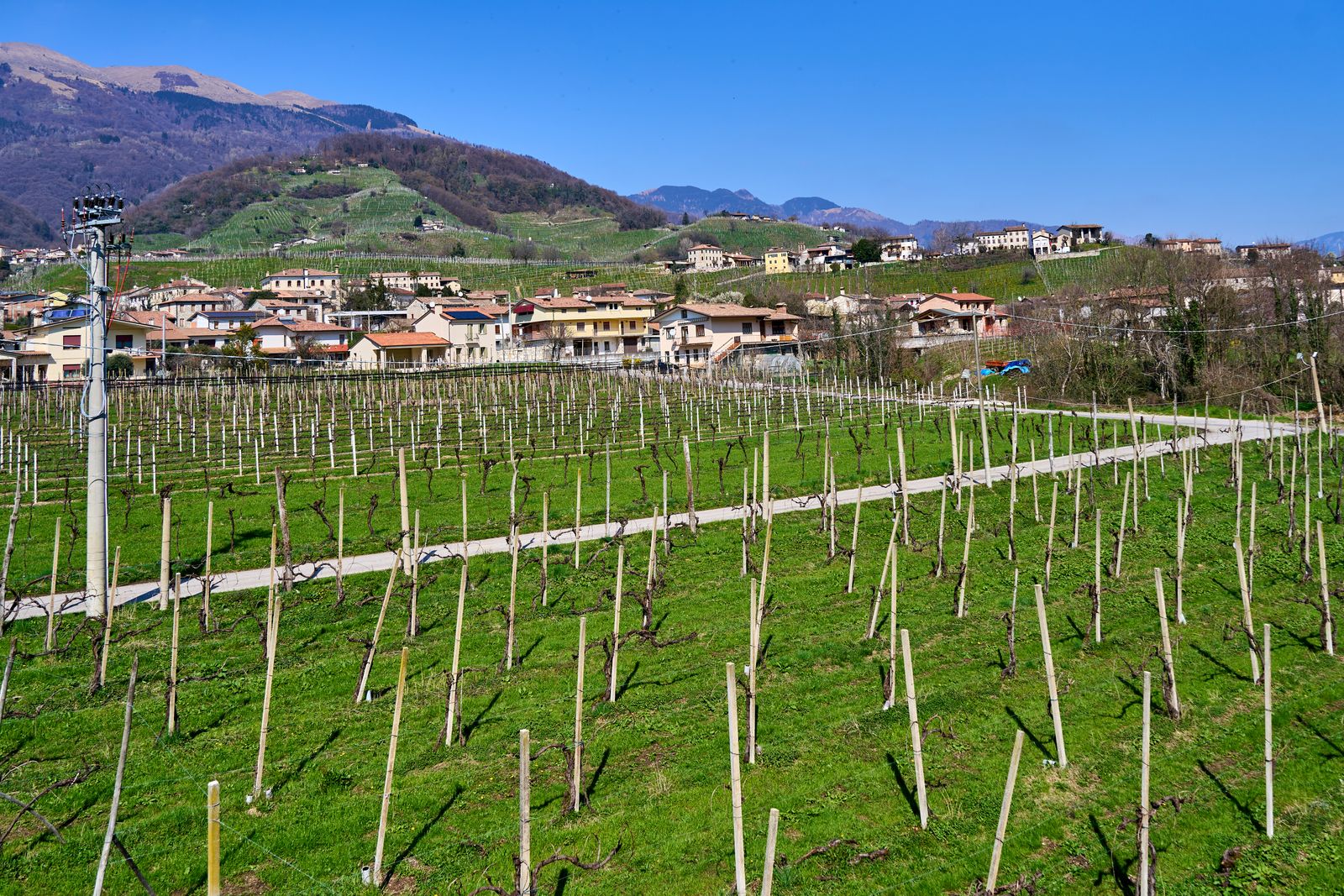
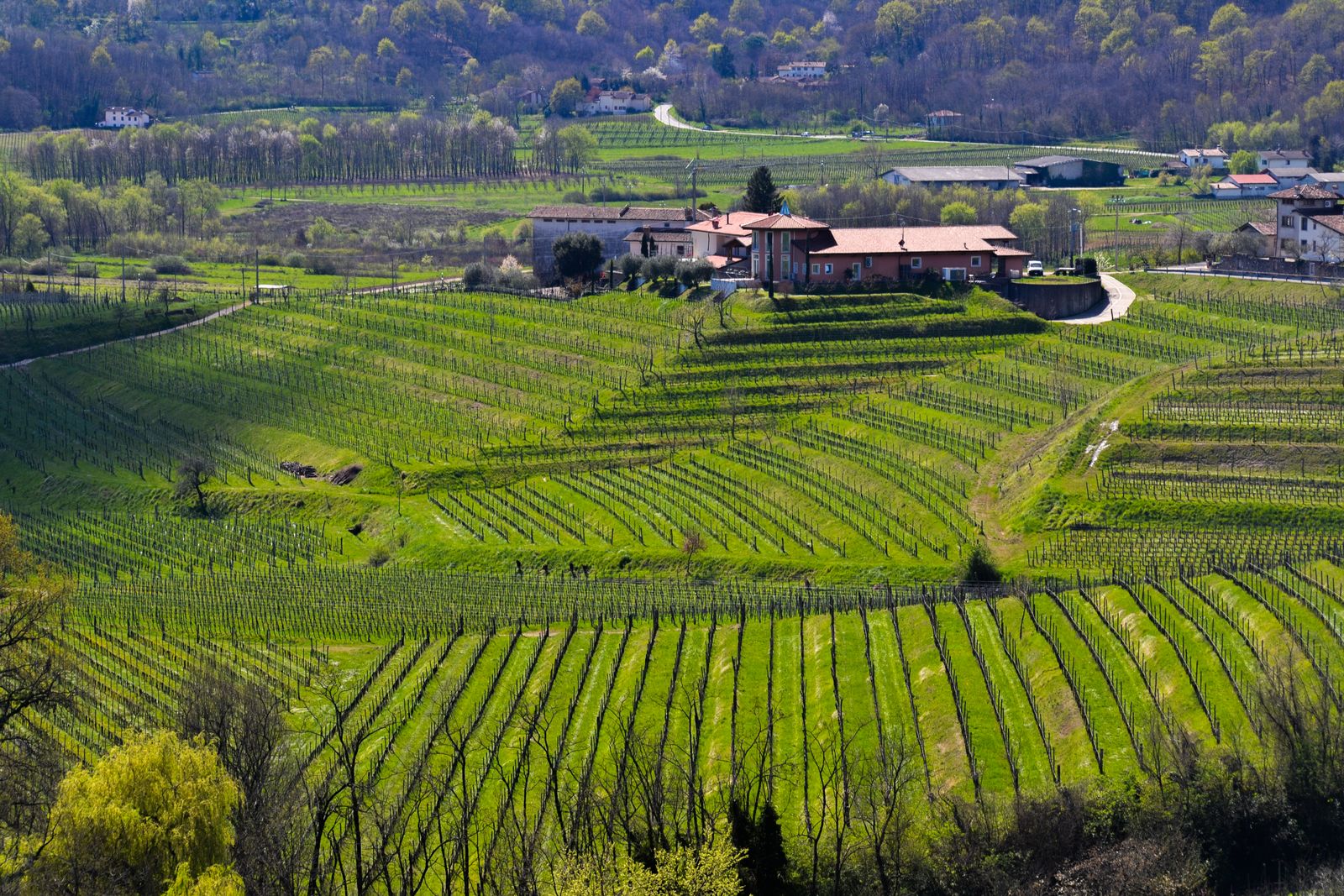
Negrar and Marano are quieter valleys of terraced vineyards held up by dry-stone walls called marogne. In San Pietro in Cariano, the grand Villa Giona and other Venetian villas show how wealthy Verona families once spent their summers in the hills. On the eastern side, Valpantena leads into the hills of the Lessinia, where the Ponte di Veja, a huge natural rock arch, makes a short scenic detour.
A perfect Valpolicella day
| Time | Plan |
|---|---|
| 9:30 | Leave Verona; the first estates are 20 to 30 minutes away |
| 10:00 | First tasting in Fumane or Negrar, ideally with a visit to the drying lofts |
| 12:30 | Lunch in a country trattoria: risotto all’Amarone, pasta with duck ragù or polenta with local salami |
| 15:00 | Second tasting, then the Romanesque church at San Giorgio |
| 17:30 | Back in Verona for an evening walk to the Arena and Piazza delle Erbe |
If you prefer a relaxed morning in Verona, the afternoon Amarone tour starts at 14:30 and brings you back in time for dinner in the city.
What a winery visit includes
A typical visit lasts between one and two hours. It usually starts in the vineyards or the drying lofts, where you see how the bunches are selected and laid out, continues in the cellar among large oak casks and smaller barrels, and ends with a tasting of three to five wines, often paired with local cheeses such as Monte Veronese and cured meats. Many estates charge a fee for tastings, which is sometimes deducted if you buy wine. Larger producers offer fixed visit times; family wineries are more flexible but need advance notice.
Pace yourself. Amarone is high in alcohol, and two cellars plus lunch is a full and enjoyable day. Spitting is perfectly acceptable at professional tastings, and most estates will happily pour smaller measures if you ask.
The food of the Valpolicella
The cooking of the Verona hills is hearty and made for big red wines. Look for risotto all’Amarone, made with the wine and finished with Monte Veronese cheese; bigoli, thick hand-rolled pasta, with duck or donkey ragù; pastissada de caval, a slow-cooked stew traditional in Verona; and polenta with local sausages or mushrooms in autumn. For dessert, try a slice of pandoro, Verona’s famous Christmas cake, with a glass of sweet Recioto. Many wineries can recommend a nearby trattoria, and booking ahead is wise at weekends.
Buying and shipping wine
Prices at the cellar door are often similar to or slightly below retail, but the real reward is access to older vintages and small-production wines that rarely leave Italy. Many estates can ship within the European Union, and some ship further afield, so ask before you buy more than you can carry. If you are flying home, pack bottles carefully in checked luggage and check your airline’s and your country’s limits on alcohol.
Where to stay
Most visitors stay in Verona and visit the Valpolicella as a day trip, which keeps the evenings free for the city’s restaurants and, in summer, the opera at the Arena. For a slower pace, several estates and historic villas in the hills offer rooms and suites among the vines, and the eastern shore of Lake Garda, around Bardolino and Garda, is another good base within easy reach of the wineries.
When to go
The Valpolicella is beautiful all year. Spring brings cherry blossom and fresh green vines. The harvest usually takes place from September into early October, when the best bunches are selected for drying. From late autumn into winter, the fruttai are full of drying grapes, a sight few visitors expect. Summer is hot in the valleys, but evenings are lovely, and the opera season at the Arena di Verona makes July and August a classic time to combine wine and music.
Getting there and around
Verona has an international airport and excellent rail links to Milan, Venice and Bologna. The Valpolicella Classico zone starts about 15 kilometres north-west of the city. Public transport to the wineries is limited, so choose a tour, a car or a driver. A private transfer with Kiwitaxi is convenient from Verona or Venice airport, and an Airalo eSIM keeps maps and winery confirmations at hand.
The Valpolicella fits naturally into a longer trip in northern Italy. Lake Garda is only half an hour away; our Lake Garda guide covers Sirmione, boat trips, wine and spas. For more sparkling than red, our guide to Franciacorta wine tours from Milan is the perfect counterpoint. Continue east to Venice for art and cicchetti, or south to Bologna and the Food Valley.
Charlotte’s pick
If I could recommend only one thing here, it would be the small-group Amarone tasting tour from Verona. Eight guests, two family wineries and free cancellation: it is the easiest way to understand why Amarone is unlike any other red wine in Italy.
For a sparkling contrast to Amarone, see our guide to the Prosecco Hills of Conegliano and Valdobbiadene.
FAQ
How far is the Valpolicella from Verona?
Very close. The first wineries are 20 to 30 minutes by car from the city centre, which makes a half-day visit easy.
What is the difference between Amarone and Ripasso?
Amarone is made entirely from grapes dried for several months. Ripasso is a Valpolicella that is passed over the dried skins left after making Amarone, giving it more body at a lower price.
Is Amarone sweet?
No. Despite being made from dried grapes, Amarone is fermented until dry. The sweet version is Recioto della Valpolicella.
Do I need to book winery visits?
Yes. Most estates only receive visitors by appointment, and many close on Sundays.
When is the best time to visit?
September and October for the harvest atmosphere, late autumn to see the grapes drying, or spring for cherry blossom and quieter roads.