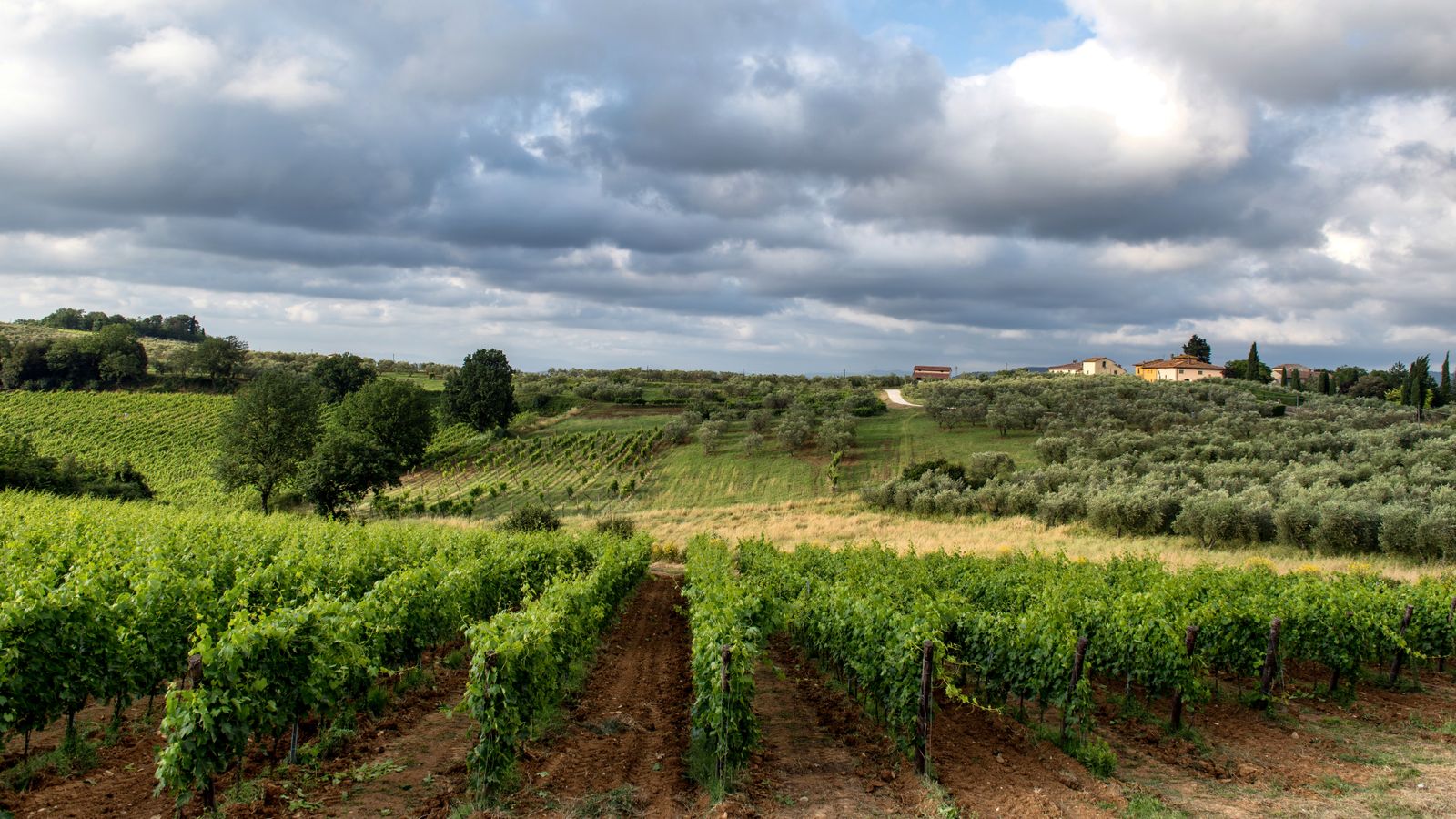
Barolo and Barbaresco come from one grape, Nebbiolo, grown on a compact patch of hills either side of Alba in southern Piedmont. The villages sit on ridges a few minutes apart, and most serious producers open their cellars by appointment only. Understand the geography and the booking culture and a Langhe trip is easy to plan. This guide covers the villages, the cru system, six estates that take visitors, the Barolo castle museum, truffle season and where to stay, with an itinerary that also works for a partner who would rather enjoy the view than swirl a glass.
This article contains affiliate links. If you book through them, we may earn a small commission at no extra cost to you. Read our affiliate disclosure.
Quick answer: Barolo and Barbaresco wine tours
- Best estate for a first visit: Marchesi di Barolo, in the village of Barolo itself, open every day with historic cellars and an online booking page.
- Best tasting experience: Vietti in Castiglione Falletto, where the longer format pours six wines including three Barolos.
- Best village or base: Alba for walking to restaurants and the truffle market; La Morra or Serralunga d’Alba for waking up among the vines.
- Best months: late April to June, and September to November. Nebbiolo is usually picked in October, and the Alba White Truffle Fair runs from 10 October to 6 December 2026.
- What to book ahead: every winery visit, a driver, Saturday lunches in October, and hotels for truffle season weekends.
To compare Piedmont with other regions, see our complete guide to Italian wine regions; for wider context, our piece on what Piedmont is actually famous for sets the scene.
Check prices and availability
Alba is the most practical first base: Barolo, Barbaresco and Serralunga are all within about half an hour.
The wines in plain English
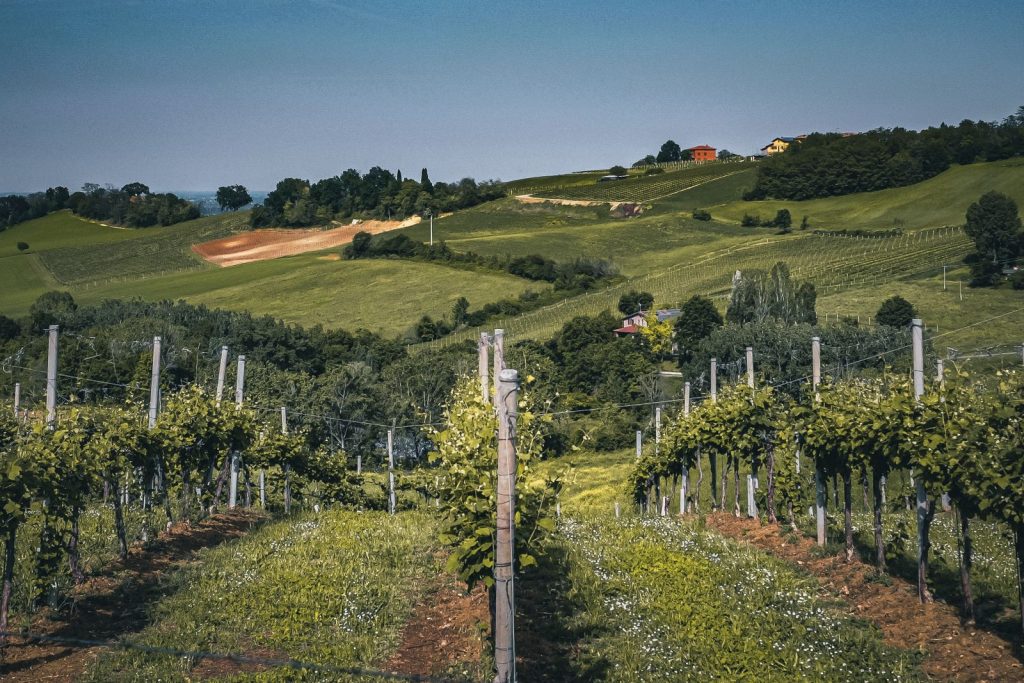
Both wines are 100 per cent Nebbiolo, a late-ripening red grape with firm tannin and acidity, which is why both are built to age.
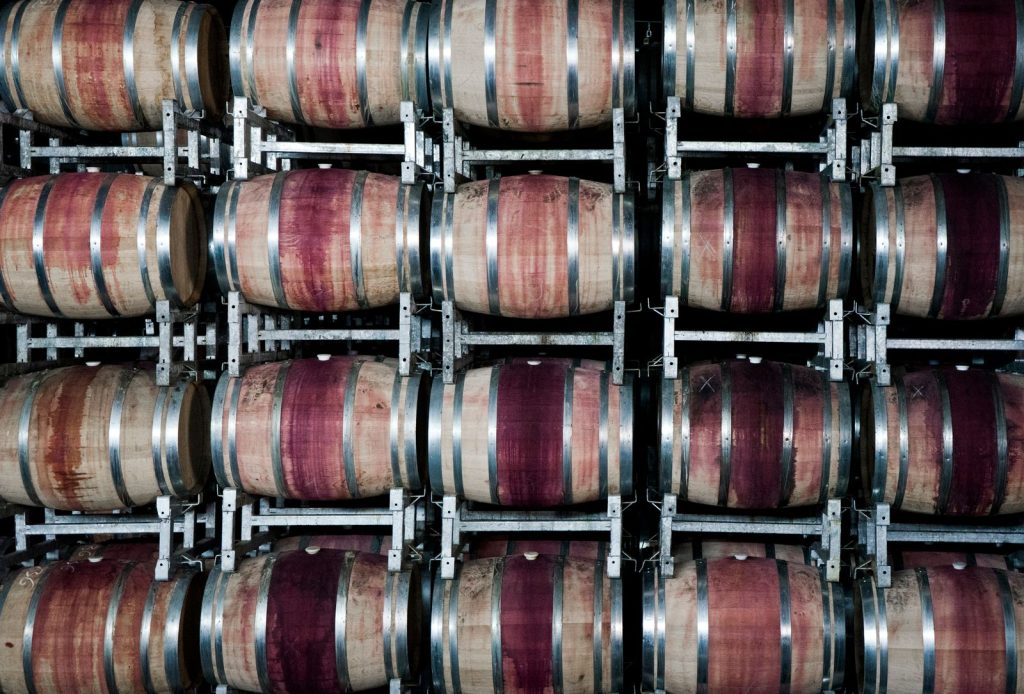
- Barolo DOCG: grown in 11 communes southwest of Alba, including Barolo, La Morra, Castiglione Falletto, Monforte d’Alba and Serralunga d’Alba. It must age for at least 38 months, 18 of them in wood, before release; Riserva needs 62 months.
- Barbaresco DOCG: a smaller zone northeast of Alba covering Barbaresco, Neive, Treiso and the San Rocco Seno d’Elvio area of Alba. The minimum is two years with at least nine months in wood, and four years for Riserva.
- The everyday wines: Dolcetto d’Alba, Barbera d’Alba and Langhe Nebbiolo, often poured before the Barolo.
The MGA cru system
Since 2007 in Barbaresco and 2010 in Barolo, named vineyard areas have been officially mapped as MGA (Menzioni Geografiche Aggiuntive). Barbaresco has 66; Barolo has more than 170. A label such as Barolo Cannubi or Barbaresco Asili tells you the grapes come from that single mapped hillside, and only one MGA can appear on a bottle. Barolo also allows the commune name alone, for example Barolo del Comune di Serralunga d’Alba. A rule of thumb often repeated locally links La Morra and Barolo with softer wines and Serralunga and Monforte with more structure; treat it as a conversation starter, not a law.
The wineries: six estates that welcome visitors
All six were confirmed as taking visitors on their own websites or the listings of the Strada del Barolo wine route and the regional tourist board. None publishes 2026 prices we could verify on its own site, so check with the estate. Times are approximate drives from Alba.
Marchesi di Barolo, Barolo
A historic name with cellars at Via Roma 1 in the centre of Barolo village, a short walk from the castle. The underground cellars hold large casks made for the Marchesa Giulia Falletti Colbert and old Barolo Riserva bottles. Visits pair the cellars with a tasting or a full menu of Piedmontese dishes, handy when one of you is more interested in lunch.
- Opening: every day, 10:30 to 18:00.
- Duration and languages: not published per format; check with the estate.
- Booking: online via the estate’s visit page. Minimum guests and notice: check with the estate.
- From Alba: about 25 minutes.
G.D. Vajra, Barolo (Vergne)
A family estate in the hamlet of Vergne above Barolo village, and a smaller grower properly set up for guests. The visit is a guided cellar tour and a tasting of four wines, including a current-vintage Barolo. No food pairings or vineyard walks.
- Opening: listed as open seven days a week; times are confirmed at booking.
- Languages: Italian, English and French.
- Booking: reservation required online. Late arrivals may not get the full experience. No pets.
- From Alba: about 30 minutes.
Vietti, Castiglione Falletto
On the main square of Castiglione Falletto, between the Barolo and Serralunga ridges. The Classic tasting starts on a panoramic terrace, visits the historic cellars and pours five wines including a Barolo. The Experience tasting pours six, including three Barolos; private tours and a vineyard walk are also bookable.
- Opening: 9:00 to 13:00 and 14:00 to 17:00, closed in the week of Ferragosto (mid-August).
- Languages: Italian and English.
- Booking: reservation required online. Duration and minimum guests: check with the estate.
- From Alba: about 20 minutes.
Fontanafredda, Serralunga d’Alba
A large historic estate at the foot of the Serralunga ridge, laid out like a small village with cellars, vineyards, a restaurant and rooms. It takes groups of up to 40 and ships wine within Italy, Europe and beyond.
- Opening: open every day, closed over the Christmas holidays and from 14 to 20 August.
- Languages: English, French and German are listed by both the wine route and the tourist board.
- Booking: paid tastings, advance notice required. Formats and duration: check with the estate.
- From Alba: about 15 minutes.
Ceretto, Monsordo Bernardina (Alba)
The Ceretto estate on the edge of Alba is known for architecture as much as wine: the glass Acino pavilion juts out over the vines. With vineyards in both appellations, including Bricco Rocche in Castiglione Falletto and Bricco Asili in Barbaresco, it is a neat place to compare the two wines. Formats reported for 2026 include tastings of around 90 minutes, private verticals and truffle pairings in October and November. The family is also behind Piazza Duomo in Alba, Enrico Crippa’s three Michelin star restaurant.
- Opening: all visits by prior appointment; there is no walk-in tasting room.
- Languages: check with the estate.
- Booking: directly with the estate’s hospitality team. Truffle season slots go first, so request early.
- From Alba: about 10 to 15 minutes.
Castello di Neive, Neive
For the Barbaresco side, Castello di Neive receives guests at La Casetta del Castello in the old upper village of Neive. The guided visit covers the renovated historic cellars, an old press, the infernotti (small underground cellars for older bottles) and an ice house, then a tasting of the estate’s wines.
- Opening: daily 10:30 to 18:30, closed on Tuesdays.
- Languages and duration: check with the estate.
- Booking: recommended rather than required, by phone or email.
- From Alba: about 20 minutes.
The estates compared
| Estate | Area | Wine to ask about | Visit type | Best for |
|---|---|---|---|---|
| Marchesi di Barolo | Barolo village | Barolo Cannubi | Historic cellars, tasting or lunch | First visits, mixed couples |
| G.D. Vajra | Vergne, Barolo | Barolo Bricco delle Viole | Cellar tour, four wines | A family grower |
| Vietti | Castiglione Falletto | Barolo Rocche di Castiglione | Terrace, cellars, five or six wines | Comparing Barolos |
| Fontanafredda | Serralunga d’Alba | Barolo Serralunga d’Alba | Estate visit, restaurant | Groups, shipping home |
| Ceretto | Alba | Barbaresco Bricco Asili | Architecture, tastings, verticals | Design lovers, truffle season |
| Castello di Neive | Neive | Barbaresco Santo Stefano | Historic cellars, full range tasting | Barbaresco day |
WiMu and the Enoteca Regionale in Barolo castle
The Falletti castle in Barolo village houses WiMu, a multimedia wine museum over four floors and around 25 rooms. You take the lift to the top and work down through the vine’s natural cycle, wine in history and art, and the Falletti family. Allow about 90 minutes; it is the obvious stop for a partner curious about the region but not about tannin. Our research turned up contradictory opening times: the regional Langhe portal lists 10:30 to 19:00 with last entry at 18:00, while Italy’s national tourism site lists 10:30 to 18:00. It was not clear to us which applies on a given day, so check before you go.
In the castle cellars, the Enoteca Regionale del Barolo showcases nearly 200 producers, with more than 120 labels to taste, guided or via dispensers and prepaid cards. From mid-October to December it opens daily, 10:30 to 18:30. It is a good way to taste producers who do not receive visitors.
A sample three day itinerary
Do not drive yourself between tastings. Italy’s drink-drive limit is 0.5 g/l, and zero for drivers licensed under three years, and the roads wind. Use a private driver booked through your hotel or a transfer company; our Italy travel planner covers transfers and car hire for the rest of the trip. Driving times below are approximate and assume a base in or near Alba.
Day 1: Barolo and La Morra
- 10:00: G.D. Vajra in Vergne (about 30 minutes from Alba).
- 12:30: lunch in Barolo village (about 5 minutes), or at Marchesi di Barolo with a booked visit.
- 15:00: WiMu and a few pours at the Enoteca Regionale in the castle.
- Sunset: the La Morra belvedere (about 10 to 15 minutes).
Day 2: Castiglione Falletto and Serralunga d’Alba
- 10:00: Vietti in Castiglione Falletto (about 20 minutes from Alba).
- 13:00: lunch in Serralunga d’Alba or Monforte d’Alba (each about 15 to 20 minutes away).
- 15:30: Fontanafredda (about 10 minutes), then 15 minutes back to Alba.
Day 3: Barbaresco and Neive
- 10:00: Ceretto at Monsordo Bernardina (about 10 to 15 minutes from Alba).
- 12:30: lunch in Barbaresco village (about 15 to 20 minutes).
- 15:00: Castello di Neive (about 10 minutes), then a walk around the upper village.
Charlotte’s tip: two tastings a day, not four
Book one estate in the morning and one in the afternoon, with a long lunch between. If one of you is less into wine, build in WiMu, a truffle hunt, the hotel spa or a round of golf; our guide to golf in Piedmont lists courses within reach of the Langhe.
Best months, harvest and events
April to June is green, quieter and easier for appointments. September to November is high season: Nebbiolo is usually picked in October, when the vines turn yellow and red. Estates are busiest at harvest, so book early and expect some small producers to decline visits on picking days. In August, Vietti closes for Ferragosto week and Fontanafredda from 14 to 20 August.
The Alba White Truffle Fair runs from 10 October to 6 December 2026, according to the regional tourist board, with the truffle market in the centre of Alba at weekends. Some secondary listings give slightly different dates, so confirm with the organisers before fixing a weekend around it.
Practical tips
- Shipping wine home: Fontanafredda lists delivery within Italy, Europe and beyond; for others, check with the estate. Duties depend on your home country.
- Dress: smart casual; cellars are cool.
- Children: tastings are for over 18s. Ask in advance whether children can join the cellar tour; WiMu is the more family-friendly stop.
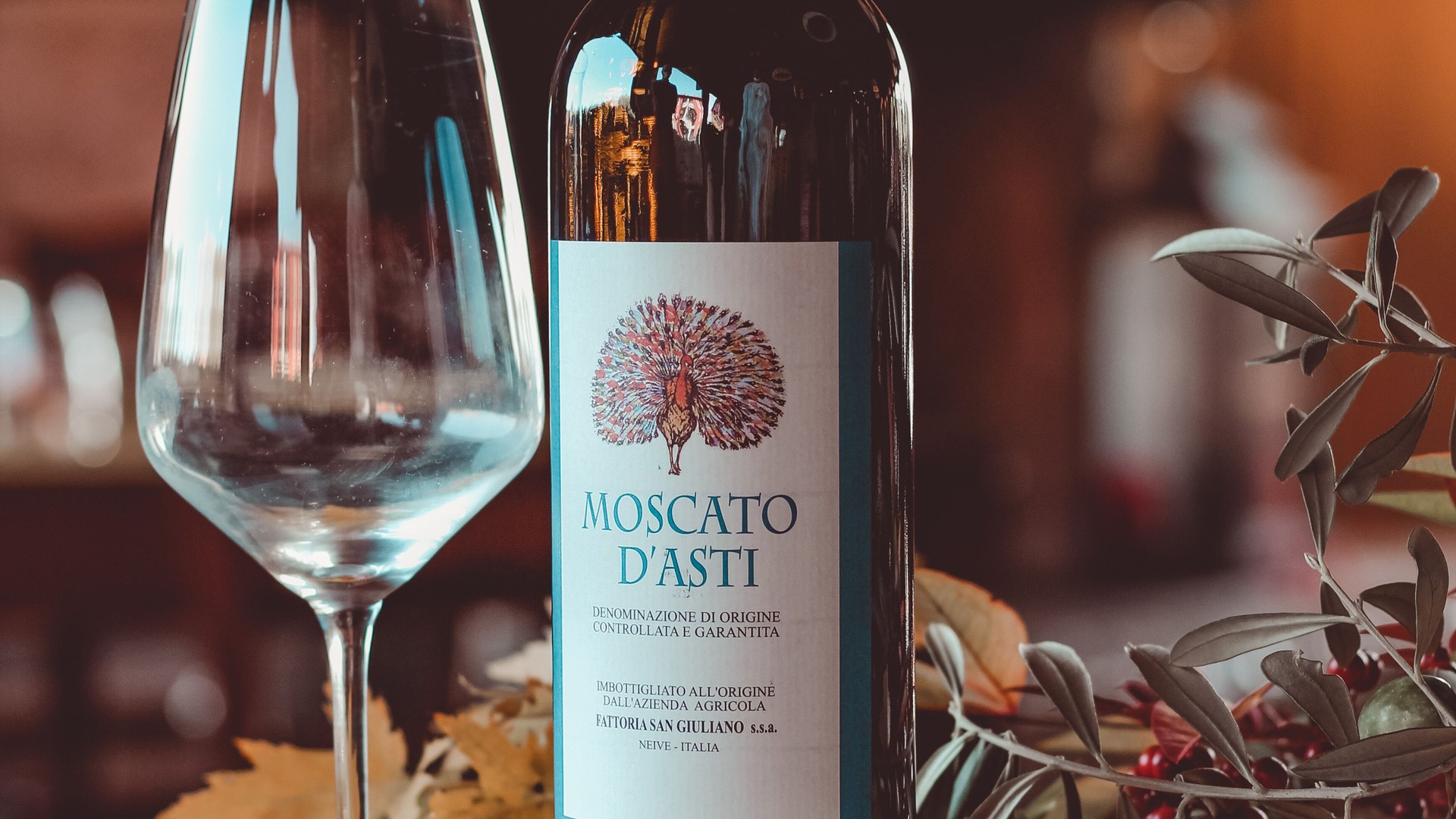
- Combine with Turin: our Turin food guide covers vermouth, chocolate and a Langhe day, and the Moscato d’Asti guide adds a lighter, sweeter wine to the trip.
Check prices and availability
Harvest and truffle weekends sell out first; midweek stays are easier for rooms and appointments.
Where to stay for Barolo and Barbaresco
For more options, see our guide to wine hotels in the Langhe.
Il Boscareto Resort & Spa, Serralunga d’Alba
A resort among the Serralunga vines, owned by the family behind Beni di Batasiolo, with 49 rooms and suites. La Rei Natura holds three Michelin stars in the 2026 guide, and the spa has a glass-walled indoor pool. Fontanafredda and Vietti are each roughly 15 to 20 minutes away; Barbaresco is around 35 to 40. For winter opening dates, ask the hotel.
Best for: food-led trips where dinner is the main event.
Check rates at Il Boscareto Resort & Spa
Casa di Langa, Cerretto Langhe
A contemporary resort of 39 rooms, each with a terrace, on a 42 hectare estate with vines and hazelnut groves. Its owners also own Vietti, and it offers a wine academy, truffle hunts, a spa and a heated outdoor pool. Allow about 20 to 30 minutes to Serralunga and Castiglione Falletto and around 45 to Barbaresco. It has typically closed from January to March.
Best for: couples who want design, space and a partner-friendly programme beyond tastings.
Palas Cerequio Barolo Cru Resort, La Morra
Nine suites inside the Cerequio cru below La Morra, part of the Michele Chiarlo estate, with daily tastings and a garden pool. Barolo village and Vajra are around 10 to 15 minutes away, Castiglione Falletto about 15. For winter dates, ask the hotel.
Best for: Barolo enthusiasts who want to sleep inside a named vineyard.
Palazzo Finati, Alba
A restored 19th century townhouse near the centre of Alba with nine individually designed rooms, ideal for truffle weekends. No spa or pool. Ceretto is 10 to 15 minutes away, Barbaresco and Neive about 20, Barolo about 25.
Best for: the truffle fair and travellers using a driver.
Frequently Asked Questions
Can I visit Barolo wineries without an appointment?
Rarely. Vajra, Vietti and Ceretto require a reservation. The Enoteca Regionale in Barolo castle is the walk-in option, and Castello di Neive recommends rather than requires booking.
How many days do I need?
Three full days: Barolo and La Morra, then Castiglione Falletto and Serralunga, then Barbaresco and Neive.
Is Barolo or Barbaresco better to visit?
Both, ideally. Barolo is larger, with more estates and the museum; Barbaresco is smaller and closer to Alba.
How much do tastings cost?
We could not verify 2026 prices on any of the six estates’ own websites, so check with the estate when booking.