This post contains affiliate links. If you book through them, we may earn a small commission at no extra cost to you. Learn more.
Turin is one of the great food cities of Europe, and one of the least crowded. The former royal capital of the House of Savoy gave the world vermouth, the breadstick, gianduja chocolate and a coffee-and-chocolate drink so good that Alexandre Dumas wrote about it. It sits at the gateway to the Langhe, home of Barolo and the white truffle, and its arcaded streets are lined with historic cafés where little seems to have changed since the nineteenth century.
This guide is for travellers who plan their trips around the table. It covers the drinks, sweets and dishes you should not leave without trying, the cafés and markets, the best food and wine tours, and how to add a day among the vineyards of Barolo and Barbaresco.
Quick answer
Start with a bicerin in a historic café, take the guided food tour with chocolate and wine tasting, join an aperitivo and street food tour in the evening, and give a day to the Langhe for Barolo and, in autumn, white truffles. Chocolate lovers should book the chocolate factory tour.
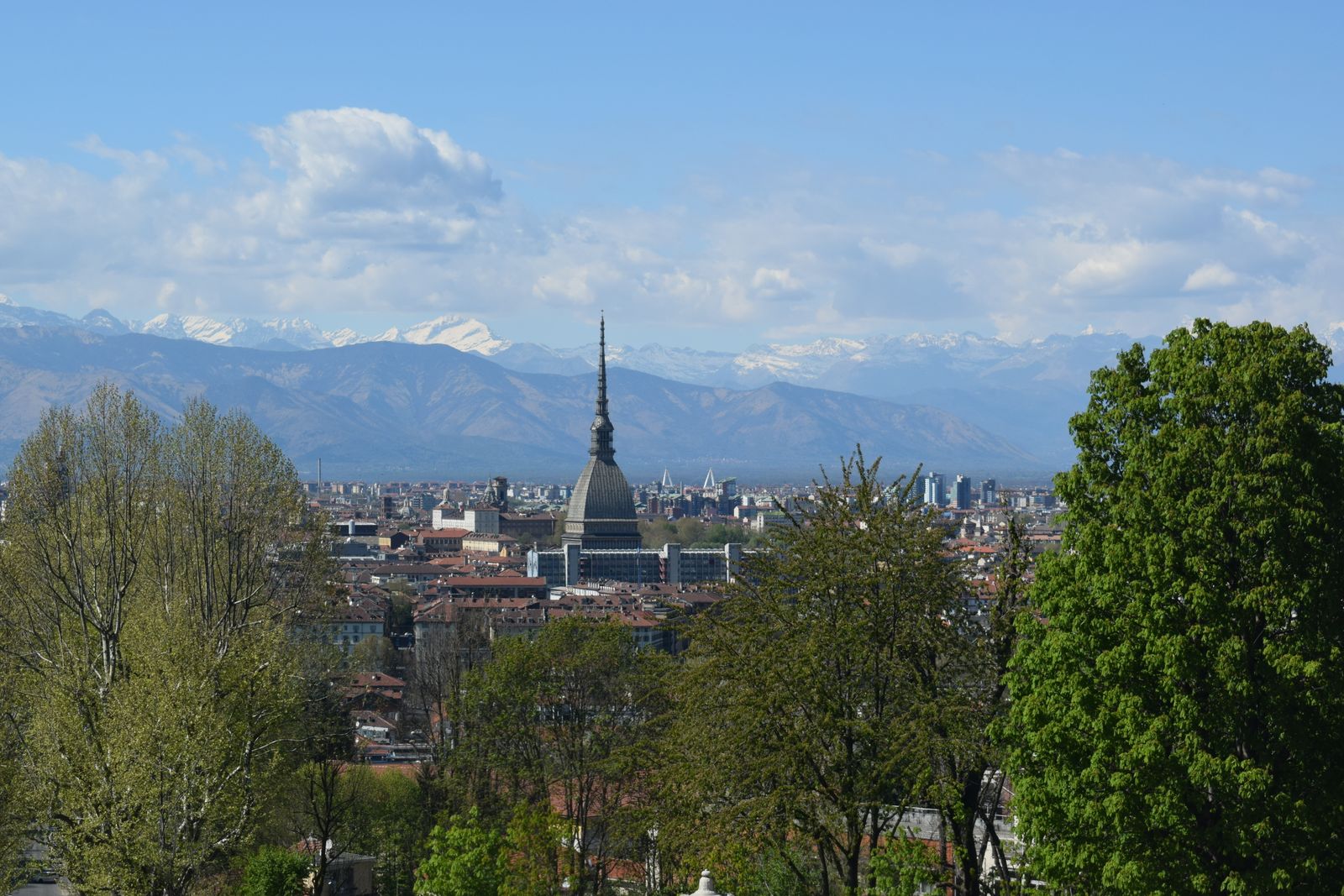
The birthplace of vermouth and aperitivo
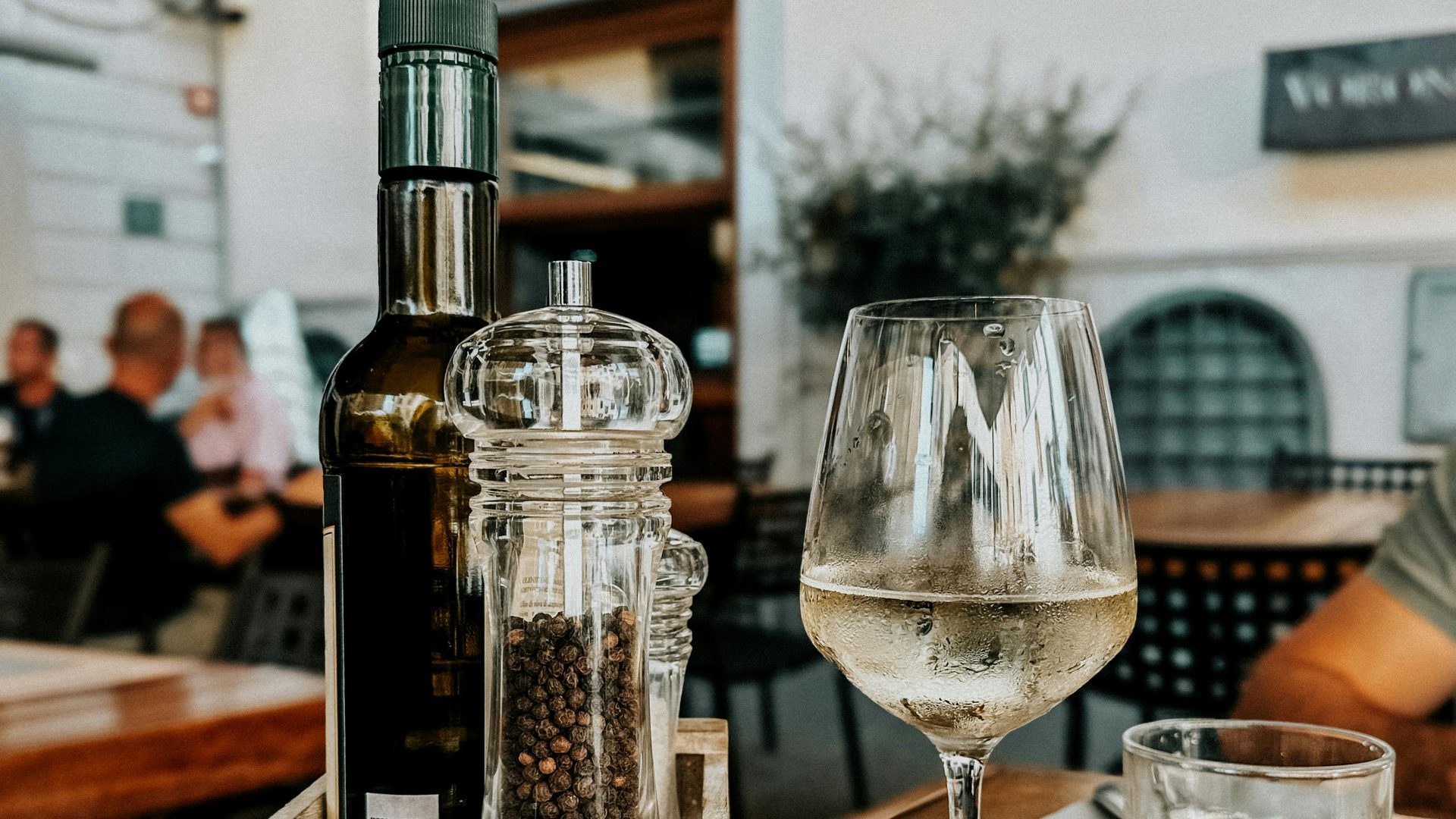
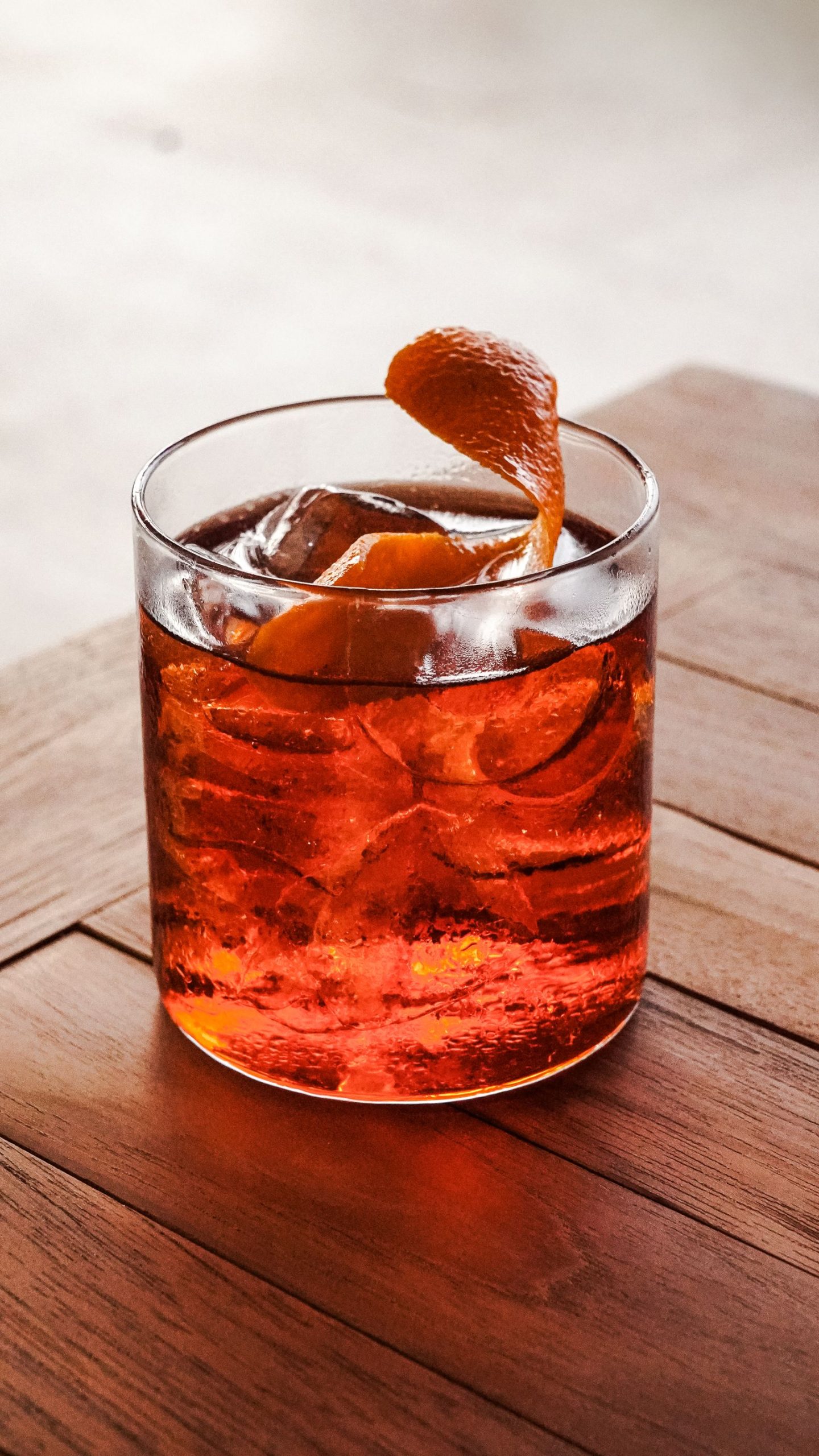
In 1786 a Turin distiller named Antonio Benedetto Carpano infused white wine with herbs and spices and created vermouth, which quickly became the fashionable drink of the royal court. Turin’s cafés began serving it before dinner with small bites, and the ritual of the aperitivo was born. Today the city’s bars still take it seriously: order a vermouth on ice with a twist of orange, or a Negroni or Americano, and graze on the snacks that come with it.
The aperitivo and street food tour is a fun way to discover the city’s evening rituals, and the Turin wine tasting introduces Piedmont’s grapes without leaving town.
Chocolate: gianduja, gianduiotti and bicerin
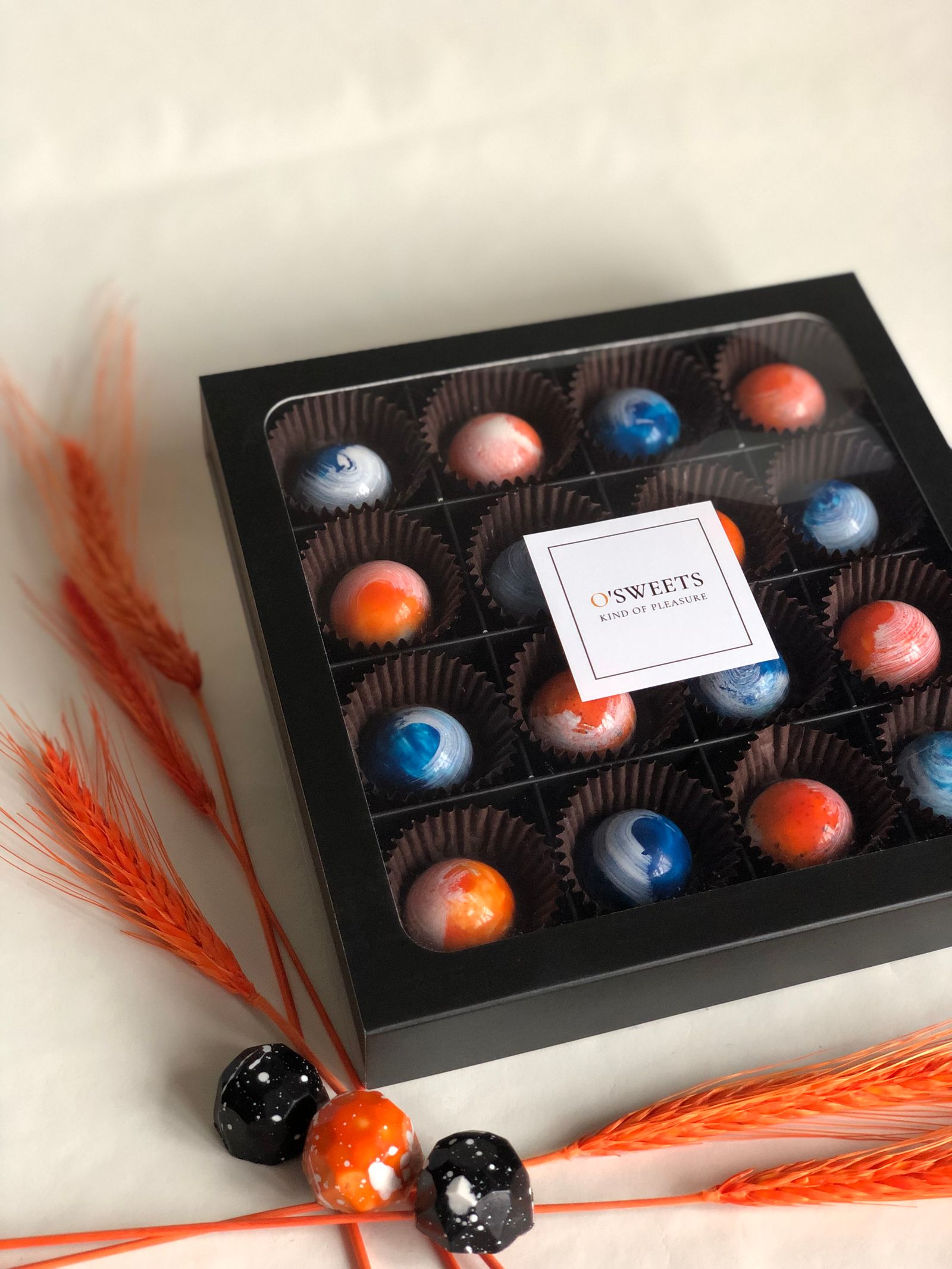
Turin was one of the first cities in Europe to make solid chocolate, and its chocolatiers were famous by the eighteenth century. When Napoleon’s blockade made cocoa scarce, local confectioners stretched it with ground Piedmont hazelnuts, creating gianduja, the smooth hazelnut chocolate that later inspired the world’s most famous spread. The boat-shaped gianduiotto, wrapped in gold foil, is the city’s signature chocolate.
The other must-try is the bicerin, a layered drink of espresso, hot chocolate and cream served in a small glass. Its home is the tiny café of the same name opposite the Consolata sanctuary, which has served it since the eighteenth century. Do not stir it: drink it in layers.
For a deeper dive, the Choco-Story tour with audio guide and tasting explains the history, the guided chocolate factory tour shows how it is made, and the sweet and chocolate tour takes you to the best pastry shops.
The historic cafés
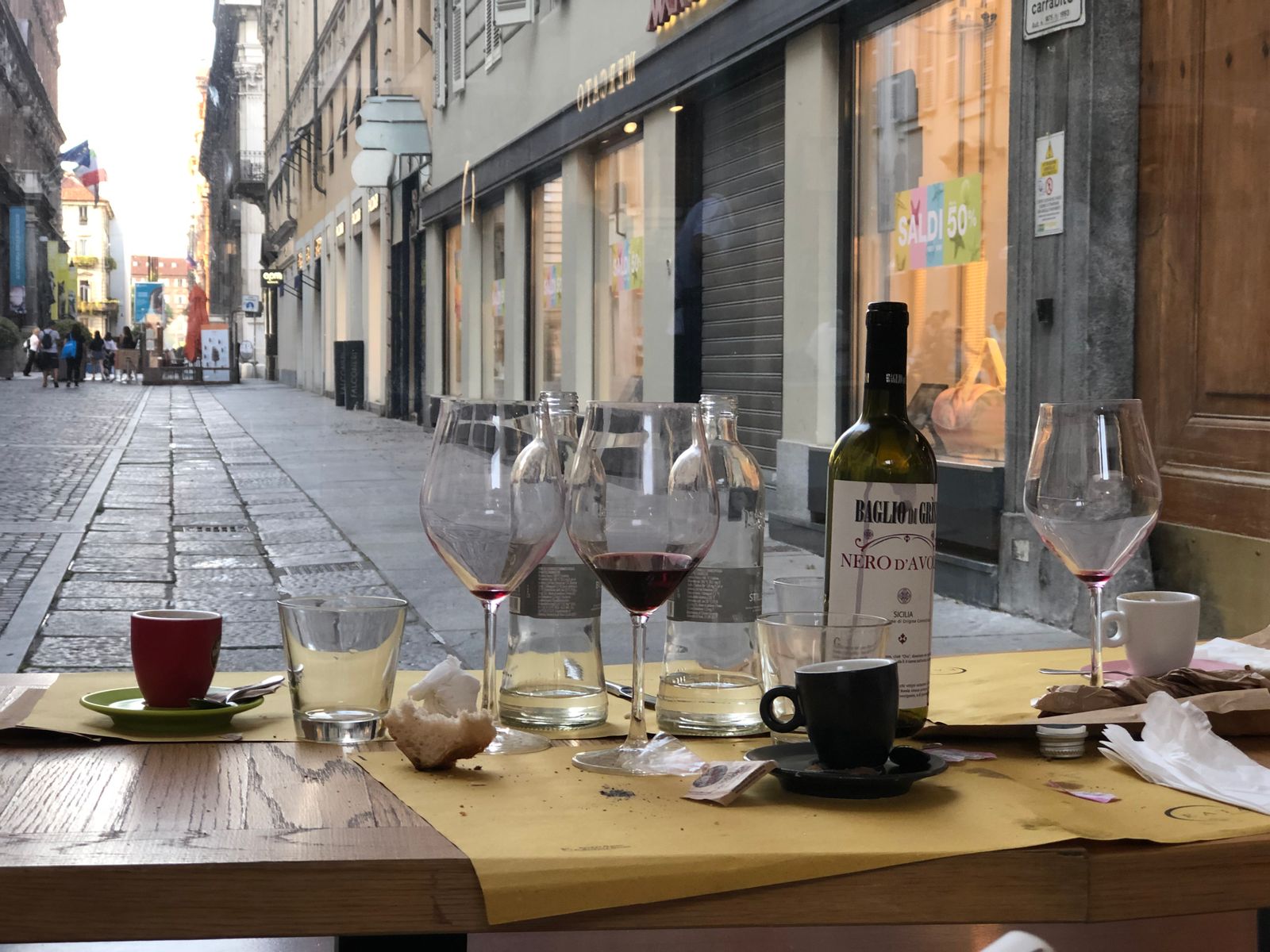
Turin’s cafés are institutions, with mirrored walls, marble counters and velvet seats. Some of the most elegant are on Piazza San Carlo and along Via Po and the arcades of Via Roma, where statesmen of the Risorgimento once plotted the unification of Italy over coffee. Order a marocchino, an espresso with cocoa and milk foam, or a bicerin, with a pastry. Mornings are the best time, before the tour groups arrive.
What to eat
- Grissini. Breadsticks were invented in Turin in the seventeenth century, reportedly for a young duke with a delicate stomach. Hand-stretched, they are long, irregular and nothing like the packaged kind.
- Vitello tonnato. Thin slices of cold veal with a creamy tuna and caper sauce, a summer classic.
- Agnolotti del plin. Tiny pinched pasta parcels filled with meat, served with butter and sage or the juices of the roast.
- Tajarin. Very thin, egg-rich tagliatelle, often served with white truffle in autumn.
- Bagna cauda. A warm dip of garlic, anchovy and olive oil for raw and cooked vegetables, eaten in convivial winter gatherings.
- Bollito misto. A feast of boiled meats with green sauce and mostarda, traditional in the colder months.
The guided food tour with chocolate and wine tasting is the easiest way to try many of these in a single afternoon.
Markets and food halls
Porta Palazzo, on Piazza della Repubblica, is one of the largest open-air markets in Europe, with stalls of fruit, vegetables, cheese and meat, and covered halls for fish and food. Go in the morning on a weekday or, best of all, on Saturday. Turin is also where the Eataly food hall concept began, in a former vermouth factory near the Lingotto, and it remains a good place to buy Piedmont products to take home.
Into the Langhe: Barolo, Barbaresco and truffles
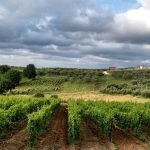
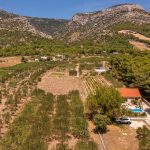
About an hour south of Turin, the rolling hills of the Langhe are one of the world’s great wine regions and a UNESCO World Heritage landscape. The Nebbiolo grape makes Barolo and Barbaresco, powerful, long-lived reds, while Dolcetto and Barbera are the everyday wines. Wineries range from historic family estates to architect-designed cellars, and most require a booking for tastings.
From October to December, the town of Alba hosts its International White Truffle Fair, when the precious tuber magnatum pico is sold, weighed and shaved over pasta and eggs in every restaurant. Truffle hunts with a trifolau and his dog are an unforgettable experience. You will need a car or driver to explore: book a rental car or a private transfer. For more background, see our guide to what Piedmont is famous for.

Exploring Barolo country
The Barolo zone is small enough to explore in a day, with eleven villages crowning the hills. La Morra has the best panoramic terrace over the vineyards; Barolo itself has a castle housing a lively interactive wine museum; Serralunga d’Alba and Monforte d’Alba are known for the most structured wines; and Castiglione Falletto sits in the middle of some of the most famous vineyards. Nearby, the castle of Grinzane Cavour, once owned by the statesman who helped unify Italy, hosts a regional wine shop and, in season, a celebrated charity truffle auction.
Piedmont makes much more than Nebbiolo. Look for the white Roero Arneis, the crisp Gavi from the south-east, the gently sparkling, low-alcohol Moscato d’Asti (see our guide to Moscato d’Asti), and the fresh, juicy Barbera d’Asti. The local hazelnuts, the Tonda Gentile, are considered some of the finest in the world and turn up in cakes, chocolates and the classic torta di nocciole.
To stay overnight, the Langhe has elegant converted farmhouses, castle hotels and boutique wine resorts, many with pools overlooking the vines and restaurants that hold Michelin stars. Autumn is the peak season, so book well ahead.
Turin food experiences at a glance
| Experience | What you get | Time | Book |
|---|---|---|---|
| Food tour with chocolate and wine | Local specialities, chocolate, wine | About 3 hours | Food tour |
| Aperitivo and street food | Vermouth, snacks, evening walk | About 3 hours | Aperitivo tour |
| Sweet and chocolate tour | Pastry shops and chocolatiers | About 2.5 hours | Chocolate tour |
| Chocolate factory | Production and tasting | About 1.5 hours | Factory tour |
| Choco-Story | Chocolate museum with tasting | About 1 hour | Museum ticket |
| Wine tasting | Piedmont wines in the city | About 1.5 hours | Wine tasting |
| QC Termetorino | Spa to recover after eating | Half a day | Spa entry |
| Langhe day trip | Barolo, Barbaresco, Alba | Full day | Car hire / Driver |
Practical tips
- Book truffle season early. Hotels and restaurants in Alba and the Langhe fill up in October and November.
- Eat late, drink early. Aperitivo runs from about 6pm; dinner rarely starts before 8pm.
- Combine with museums. The Torino City Card covers many museums and can save money. Our Turin two-day guide covers the Egyptian Museum and the royal palaces.
- Relax. After a day of eating, the QC Termetorino spa in a historic building near the centre is the perfect end.
For wine elsewhere in Italy, see Italian wine regions, wine tours from Florence and Marsala and western Sicily. Our Italy travel planner covers transfers, eSIMs and insurance.
Charlotte’s pick
If I could recommend only one thing here, it would be the guided food tour with chocolate and wine tasting. It covers bicerin, gianduiotti and Piedmont wines in one afternoon, and is the quickest way to understand why Turin is such a great food city.
For a sparkling contrast to Barolo, see our guide to Franciacorta wine tours from Milan.
FAQ
What food is Turin famous for?
Gianduja chocolate, bicerin, vermouth, grissini, vitello tonnato, agnolotti del plin and, in autumn, white truffles from nearby Alba.
When is white truffle season?
Roughly October to December, with the Alba fair at weekends during that period.
Can I visit the Langhe without a car?
Public transport is limited. A rental car, private driver or organised tour is the practical choice.
Where can I try a real bicerin?
At the historic café named after the drink, near the Consolata sanctuary, and in many traditional cafés in the centre.
Is Turin good for a food weekend?
Excellent. Two days in the city and one in the Langhe make a perfect gourmet long weekend.
What is the difference between Barolo and Barbaresco?
Both are made from Nebbiolo in neighbouring areas. Barolo is generally more powerful and requires longer ageing; Barbaresco is often a little more elegant and approachable when young. Tasting them side by side is the best way to understand the difference.
Hungry in Rome? See our guide to what to eat in Rome.
Hungry in Venice? See our guide to what to eat in Venice.