This post contains affiliate links. If you book through them, we may earn a small commission at no extra cost to you. Learn more.
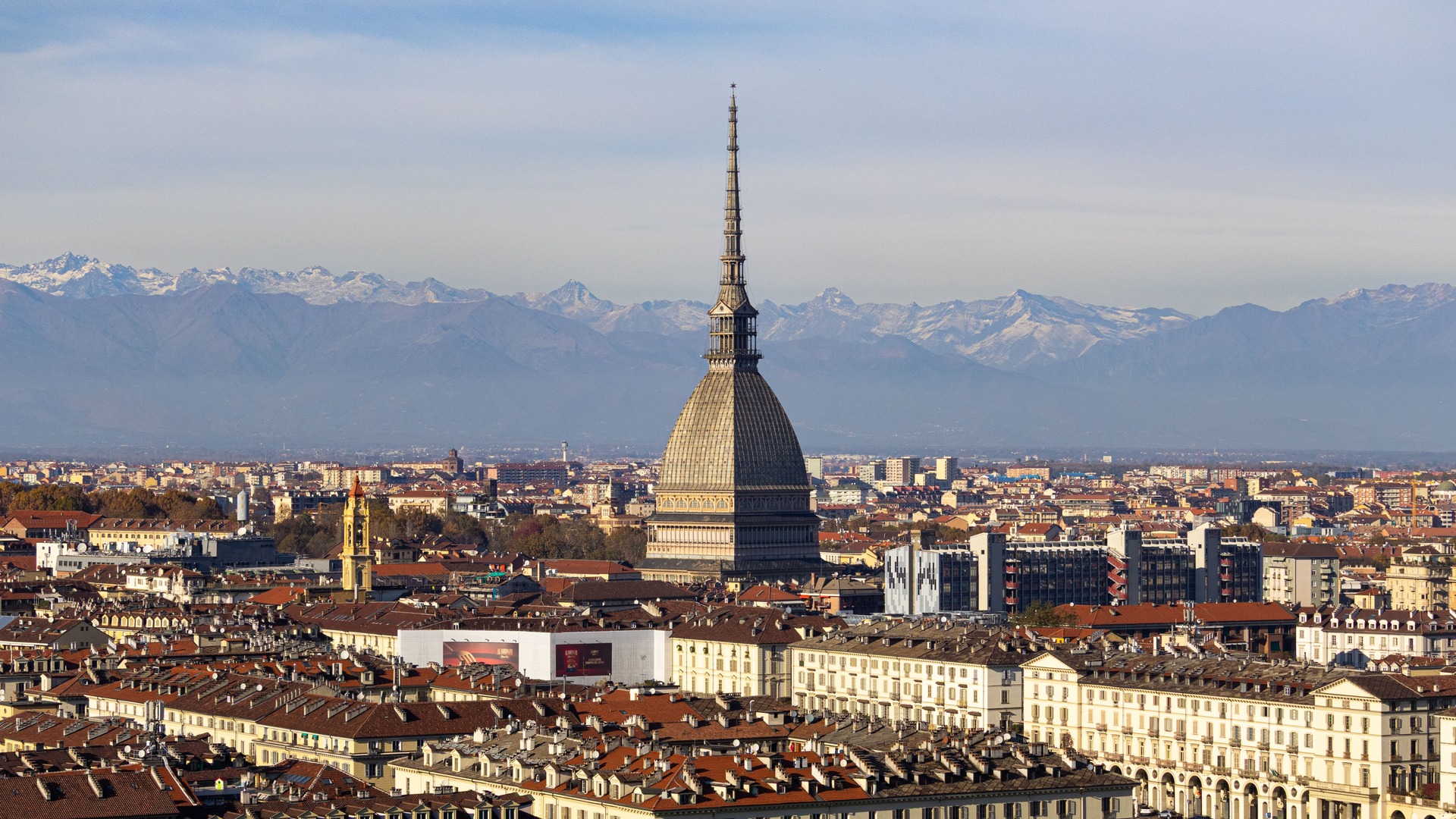
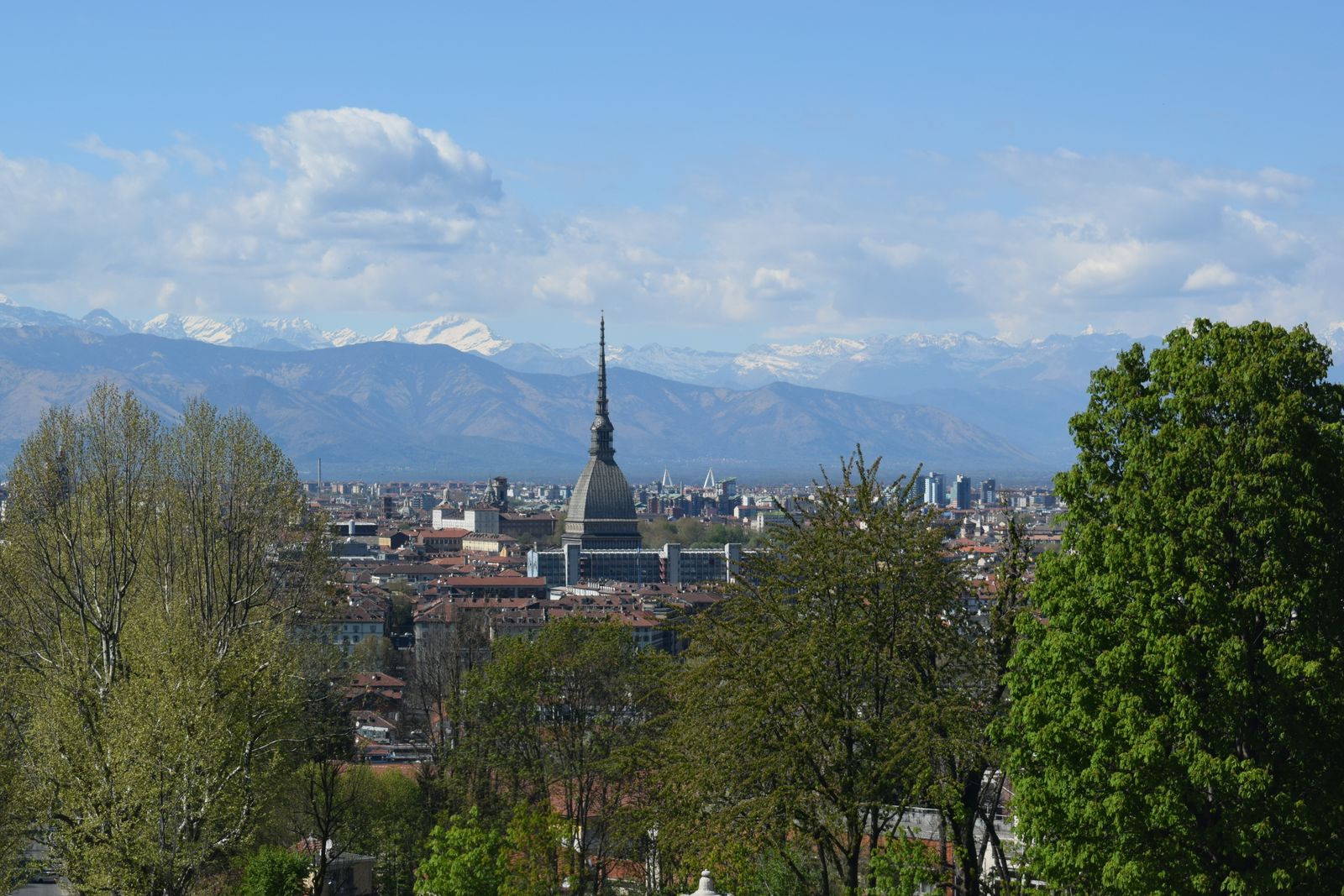
Turin is one of the great surprises of Italy. The first capital of the unified kingdom, it has elegant arcaded streets, baroque squares, grand cafés and a ring of royal palaces that together form a UNESCO World Heritage Site. It is also home to the oldest museum in the world devoted entirely to ancient Egypt, and to a café culture of chocolate, vermouth and aperitivo that few cities can match.
Because Turin sees far fewer tourists than Rome, Florence or Venice, it is easy to underestimate how much there is to see, and how useful a little planning can be. This guide explains which tickets to book for the Egyptian Museum, the Royal Palace and the Venaria Reale, whether the city passes are worth it, and how to fit it all into two or three days.
Our Turin Picks
- Egyptian Museum skip-the-line guided tour: the collection explained by an Egyptologist
- Royal Palace of Turin skip-the-line guided tour
- Venaria Reale skip-the-line guided tour: Turin’s Versailles
- Turin City Card: museums and transport in one pass
- Chocolate tour with tasting: the sweet side of Turin
Turin’s Highlights at a Glance
| Sight | Why go | Book |
|---|---|---|
| Egyptian Museum | One of the world’s finest collections of ancient Egyptian art | Guided tour |
| Royal Palace and Musei Reali | The Savoy palace, armoury, picture gallery and gardens | Skip-the-line tour |
| Palazzo Madama | A castle and baroque palace in one building, on Piazza Castello | Skip-the-line ticket |
| Venaria Reale | A vast hunting palace with the Great Gallery and formal gardens | Guided tour |
| Mole Antonelliana | The city’s symbol, with the National Cinema Museum and a panoramic lift | Included in the Turin City Card |
| Chocolate and cafés | Gianduiotti, bicerin and historic cafés | Chocolate factory tour |
The Egyptian Museum
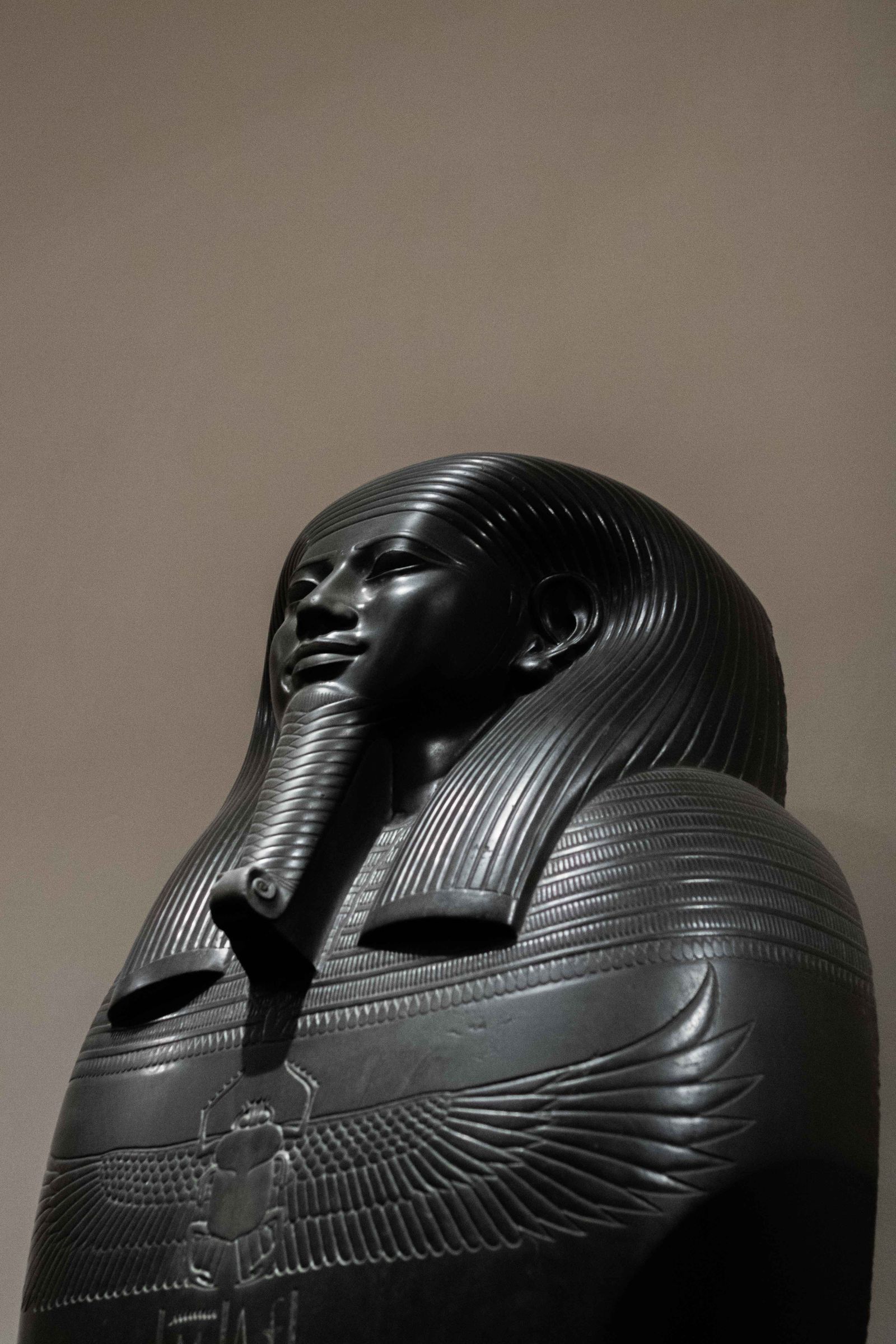
Founded in 1824, the Museo Egizio is the oldest museum in the world dedicated solely to Egyptian culture, and its collection is often described as second only to Cairo’s. It grew from the treasures gathered by Bernardino Drovetti, a Piedmontese who served as French consul in Egypt, and was enriched by later excavations. Highlights include the monumental Gallery of the Kings with its statues of pharaohs and gods, the intact tomb of the architect Kha and his wife Merit, with food, clothes and furniture still in place after more than three thousand years, and a remarkable collection of papyri, coffins and mummies.
The museum is large and popular, especially at weekends. A skip-the-line guided tour saves time and brings the objects to life; the version that adds a city walking tour is a good introduction to Turin on your first day. Allow at least three hours.
The Royal Palace and Musei Reali
For three centuries, Turin was the capital of the House of Savoy, the dynasty that would go on to rule Italy. Their main residence, the Royal Palace on Piazza Castello, is part of the Musei Reali, a complex that also includes the Royal Armoury, one of the most important collections of arms and armour in Europe, the Galleria Sabauda picture gallery, the archaeological museum and the Royal Gardens. Next door, Guarino Guarini’s dramatic Chapel of the Holy Shroud, with its spiralling dome, is one of the masterpieces of baroque architecture.
The skip-the-line guided tour covers the state apartments, with their gilded ceilings and silk-lined walls; the guided visit with city walking tour adds the surrounding squares and arcades. On the other side of the square, Palazzo Madama is a fascinating building that combines a Roman gate, a medieval castle and a baroque facade by Filippo Juvarra.
The Venaria Reale
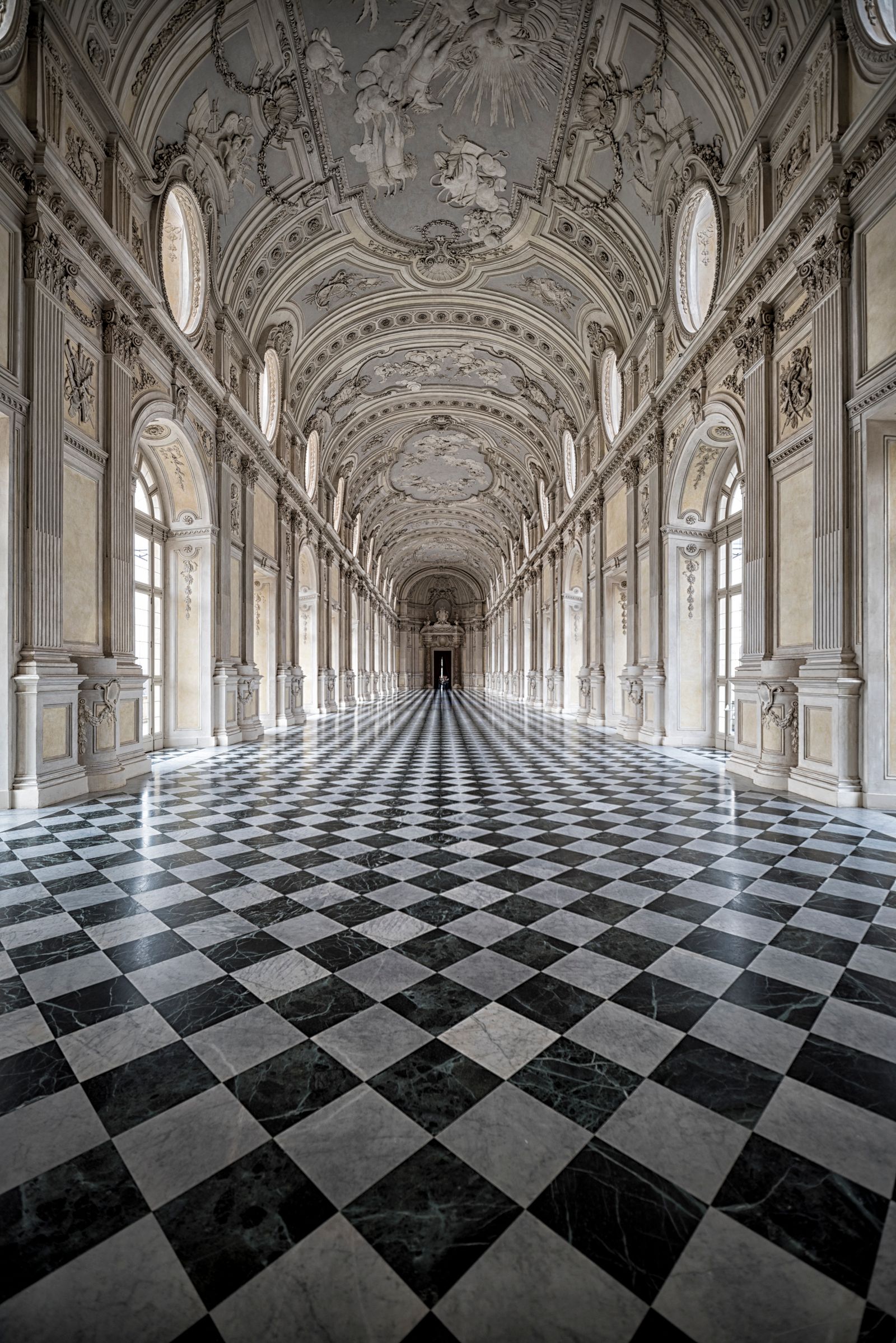
Just outside the city, the Reggia di Venaria Reale is one of the largest royal residences in Europe, built in the seventeenth century as a hunting palace and later expanded by Juvarra. Its highlight is the Great Gallery, a long, light-filled hall of white stucco and marble floors that is one of the most beautiful interiors in Italy. Restored in the early 2000s after decades of neglect, the palace now has extensive gardens, a historic stable block and a programme of major exhibitions.
Book the skip-the-line guided tour, or combine the palace with the hop-on hop-off bus for the transfer from the centre. Plan half a day, more if you want to walk in the gardens.
Is the Turin City Card Worth It?
The Turin City Card includes entry to most of the city’s museums and royal residences, including the Egyptian Museum, the Musei Reali, the Venaria Reale and the Mole Antonelliana with its cinema museum and panoramic lift, plus discounts and, in some versions, public transport. If you plan to visit three or more major sights in two or three days, it usually pays for itself and saves queuing at ticket desks. If you are mainly interested in the royal residences, compare it with the Turin Royal Pass.
Chocolate, Vermouth and Café Culture
Turin has been a city of chocolate since the seventeenth century. The gianduiotto, a soft, boat-shaped chocolate made with Piedmont hazelnuts, was born here in the nineteenth century, when cocoa was scarce and hazelnuts were used to stretch it. Try a bicerin, a layered drink of espresso, chocolate and cream, in one of the historic cafés, and join a chocolate tour with audio guide and tasting or a guided chocolate factory tour.
Turin is also the birthplace of vermouth, created here in the late eighteenth century, and the aperitivo is a serious ritual. Between six and eight in the evening, the bars around Piazza San Carlo, Via Po and the Quadrilatero Romano fill up with locals enjoying a glass of vermouth with generous snacks.
A Two-Day Turin Itinerary
- Day 1 morning: the Egyptian Museum, ideally with an early guided tour.
- Day 1 afternoon: Piazza Castello, the Royal Palace and Palazzo Madama, then a bicerin in a historic café.
- Day 1 evening: aperitivo with vermouth, then a guided evening walking tour or the Magic Turin tour of legends and esoteric stories.
- Day 2 morning: the Venaria Reale and its gardens.
- Day 2 afternoon: the Mole Antonelliana and the cinema museum, then a walk along the Po through the Valentino Park.
- Day 2 evening: relax at the QC Termetorino spa before dinner.
With an Extra Day
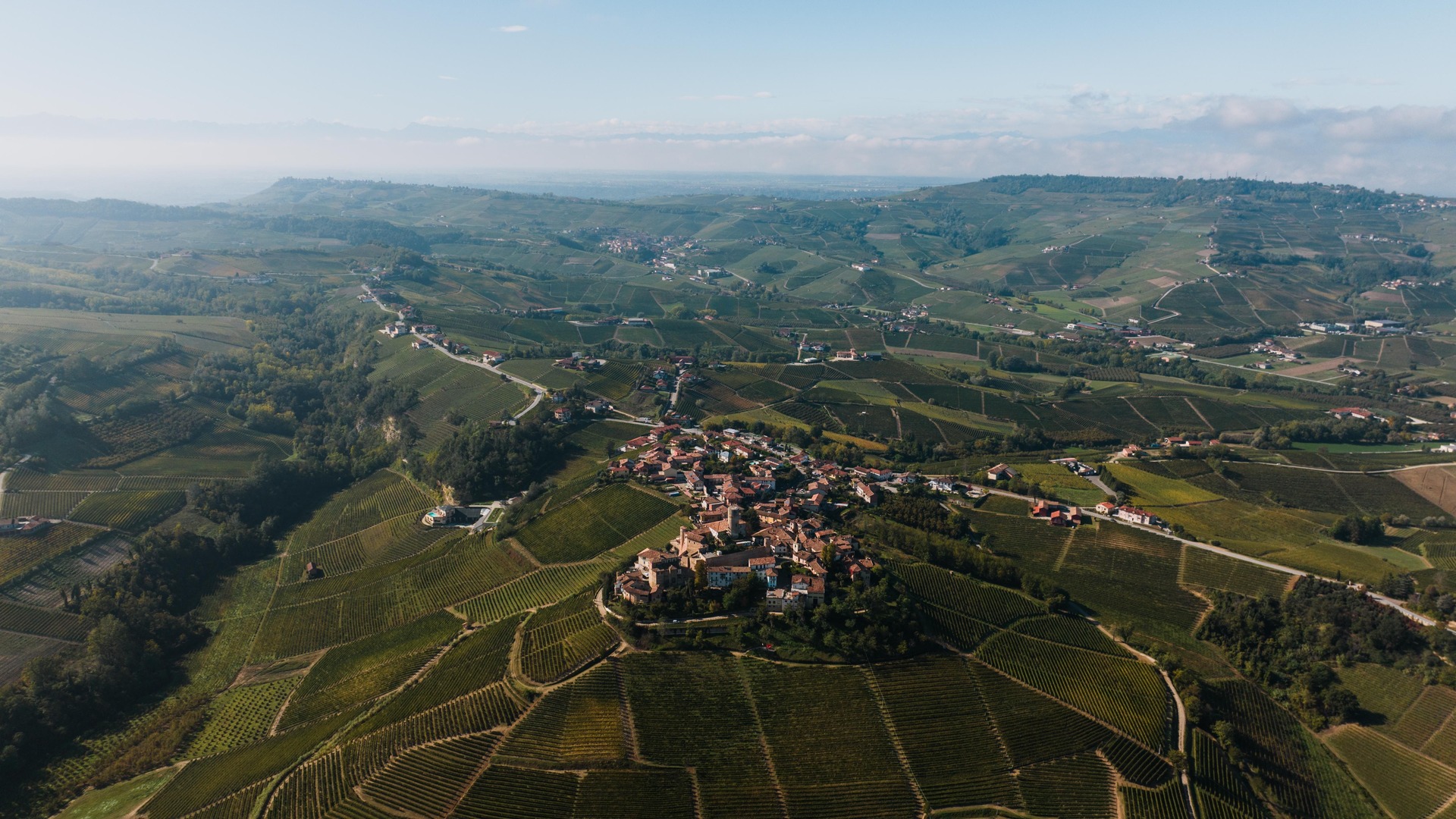
If you have a third day, ride the historic rack railway from Sassi up to the Basilica of Superga, Juvarra’s baroque church on a hill above the city, where the tombs of the Savoy kings lie and, on clear days, the view stretches across Turin to the Alps. Alternatively, head south into the Langhe, the rolling vineyard hills of Barolo and Barbaresco, with castles on every ridge and some of the best restaurants in Italy. In autumn, the white truffle season centred on Alba adds another reason to go. Book wine tastings in advance; most estates receive visitors by appointment.
Getting There and Around
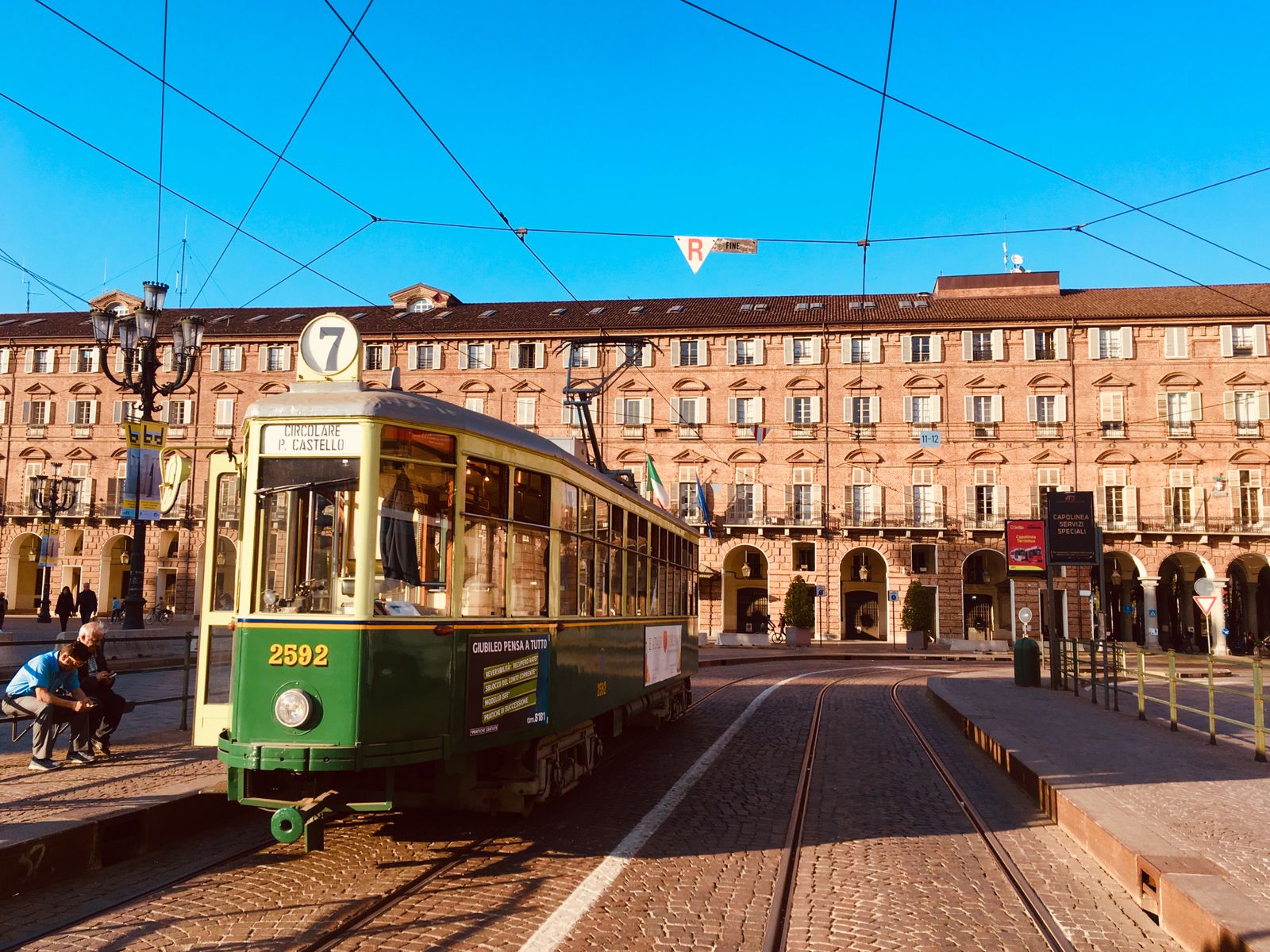
High-speed trains connect Turin with Milan in about an hour, and with Florence and Rome in a few hours. Turin airport is around 30 to 40 minutes from the centre. In the city, the centre is compact and largely flat, with long arcades that make walking pleasant in any weather; trams, the metro and the hop-on hop-off bus cover longer distances. A car is unnecessary in the city but useful for exploring the wine country of the Langhe and Roero; Localrent lists local agencies.
Practical Tips
- Mondays: several major museums close on Mondays, so check before planning your days.
- Luggage: on arrival or departure day, leave suitcases with Radical Storage near Porta Nuova or Porta Susa stations.
- Self-guided option: the self-guided audio tour is a good way to explore the centre at your own pace.
- Stay connected: an eSIM for Italy keeps your tickets and maps on your phone.
- Flight problems: AirHelp checks compensation for delayed or cancelled flights.
Frequently Asked Questions
How long do you need in Turin?
Two full days covers the main museums and palaces; three days allows time for the Venaria Reale, cafés and a day trip into the Langhe.
Do I need to book the Egyptian Museum in advance?
It is strongly recommended, especially at weekends and during school holidays.
Is the Turin City Card worth buying?
Yes, if you plan to visit three or more major museums or palaces in two or three days.
What is Turin famous for?
Royal palaces, the Egyptian Museum, chocolate, vermouth, the Mole Antonelliana and its role as the first capital of unified Italy.
Is Turin a good base for Piedmont’s wine country?
Yes. The Langhe, home of Barolo and Barbaresco, is about an hour’s drive south.
Where to Stay: compare hotels and current prices in Turin on Trip.com.
Plan Your Stay
For the history and character of the city, read our guide to Turin at a glance, then explore the region with what Piedmont is actually famous for and our article on Moscato d’Asti. Use our Italy travel planner for transfers, car hire and connectivity, and browse more things to do in Turin.
Related guides: read our articles on Last Supper tickets in Milan and the Motor Valley: Ferrari, Lamborghini and Ducati.
For food, chocolate and wine, see our guide to Turin for food lovers.