This post contains affiliate links. If you book through them, we may earn a small commission at no extra cost to you. Learn more.
Moscato d’Asti occupies an unusual position in the Italian wine world: it’s simultaneously one of the country’s most exported and best-loved wines internationally and one of the most misunderstood by serious wine drinkers who dismiss it, often without tasting a genuinely good example, as an unserious, overly sweet novelty. Neither reputation tells the full story. This low-alcohol, gently sparkling wine from the hills of Piedmont has a genuinely ancient pedigree, a production method built around restraint rather than manipulation, and a place at the Italian table considerably more central than its international image as a dessert-only curiosity suggests.
Plan Your Trip
- Egyptian Museum skip-the-line tour with a Turin city walk
- Turin museum and attraction tickets
- eSIM for Italy, set up before you fly
An Ancient Grape in the Hills of Piedmont
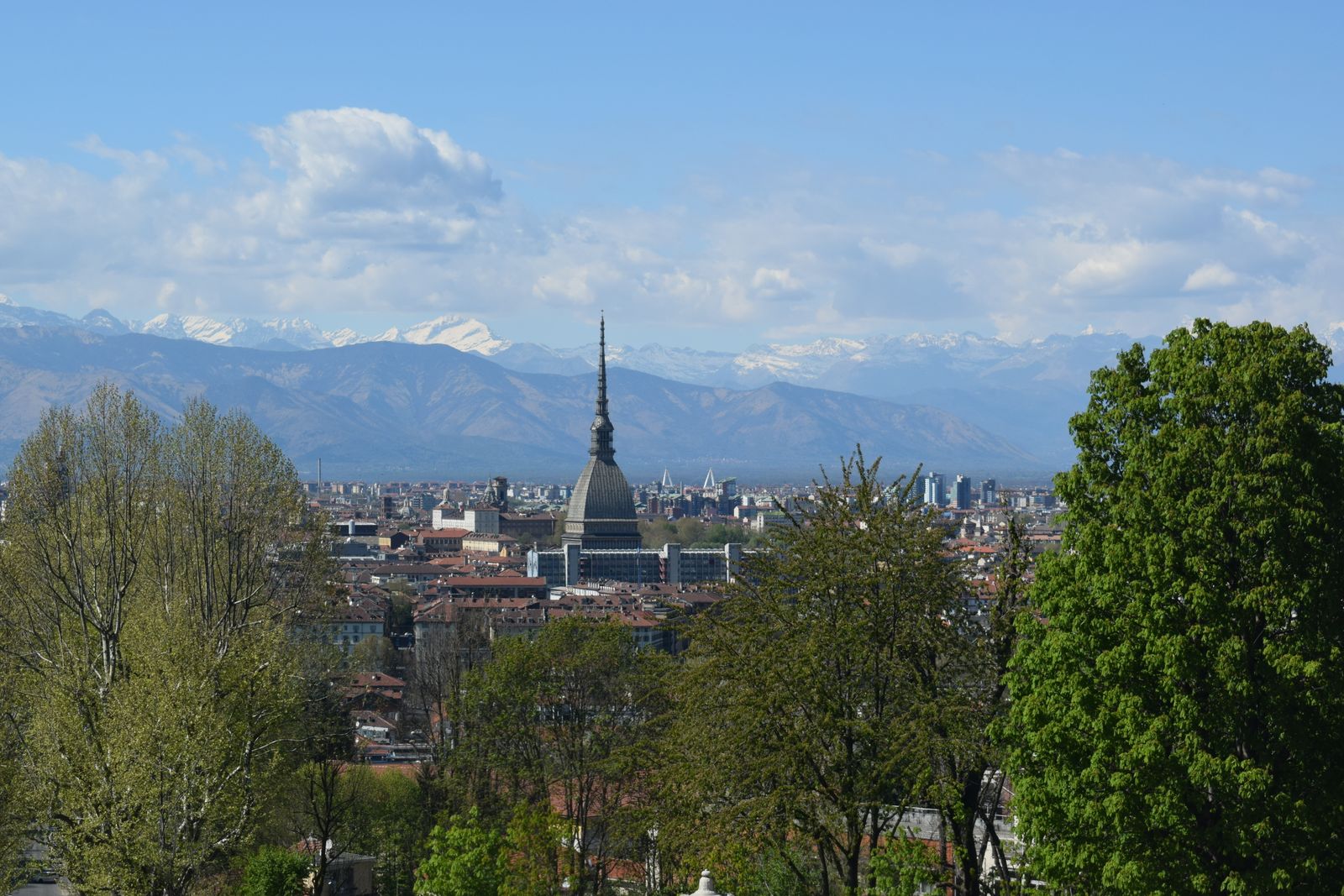
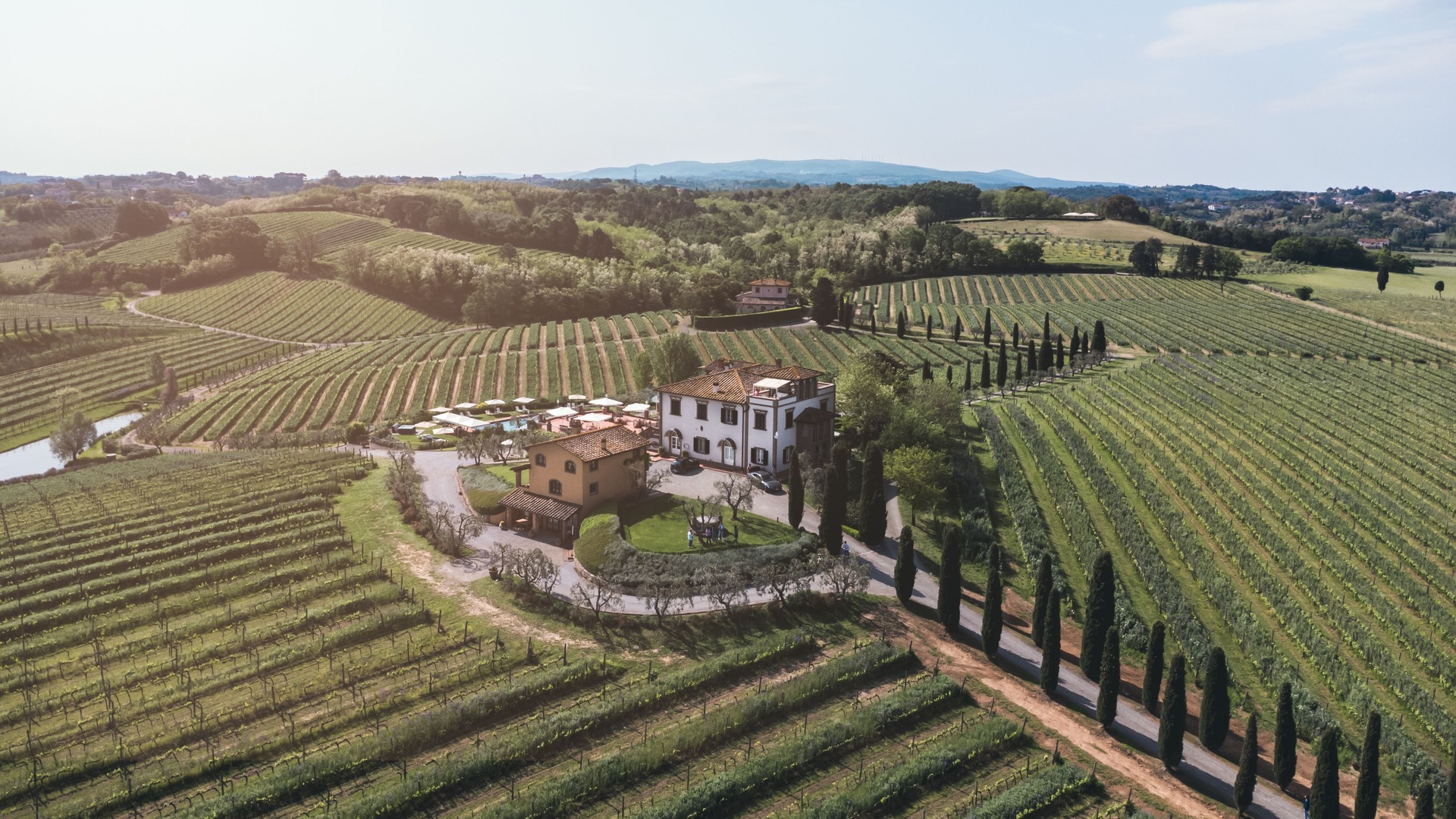
Moscato Bianco, the grape behind Moscato d’Asti, is among the oldest identifiable grape varieties still in cultivation, with a documented history in the hills around Asti and the wider Piedmont region stretching back to at least the Middle Ages, and likely considerably further given the variety’s probable ancient Greek or Egyptian origins as part of the broader Muscat family found across the Mediterranean. The specific hills of the Langhe and Monferrato, the same rolling, fog-prone landscape that produces Barolo and Barbaresco a short distance away, provide the cooler microclimates and calcareous marl soils that give Moscato d’Asti its distinctive aromatic intensity, a genuinely different expression of the Muscat family than the richer, often fortified Muscat wines found in southern France, Spain, or Greece.
The wine earned DOCG status, Italy’s highest classification, in 1993, formalizing regulations that had governed production in the zone for decades prior and cementing its reputation as a wine of serious pedigree rather than merely a commercially successful sweet novelty, a distinction that matters considerably to producers who have spent generations refining a style built on precision and restraint rather than sugar and volume.
The Production Method: Restraint Rather Than Manipulation
What genuinely sets Moscato d’Asti apart from most other sparkling and semi-sparkling wines is a production method built entirely around interrupting fermentation rather than completing it. Winemakers ferment the freshly pressed Moscato Bianco must only partway, typically to somewhere between 5 and 6.5 percent alcohol, before chilling the wine to halt yeast activity, a technique that preserves a significant amount of the grape’s natural sugar as residual sweetness while also trapping carbon dioxide produced during that partial fermentation, giving the finished wine its characteristic gentle, delicate fizz, properly called frizzante rather than the fuller sparkle of a wine like Champagne or Franciacorta.
This method stands in genuine contrast to how many other sweet sparkling wines are made, where sugar is often added back after a complete, dry fermentation. Moscato d’Asti’s sweetness is entirely natural, derived directly from the grape’s own sugar rather than any subsequent addition, and its low alcohol content, dramatically lower than nearly any other widely available wine style, is a direct consequence of deliberately incomplete fermentation rather than any dilution or manipulation. The result is a wine that tastes overwhelmingly of fresh grapes, honeysuckle, peach, and orange blossom, aromatics that a fuller, drier fermentation would largely convert into alcohol and lose entirely.
Moscato d’Asti Versus Asti Spumante: Clearing Up the Confusion
Considerable confusion persists, even among relatively engaged wine drinkers, between Moscato d’Asti and its close relative Asti, formerly labeled Asti Spumante, both made from the same Moscato Bianco grape in overlapping territory but produced to genuinely different specifications. Asti is fully sparkling, spumante, made using the Charmat tank method carried through to a fuller carbonation level and slightly higher alcohol content, typically 7 to 9.5 percent, than its gentler cousin. Moscato d’Asti, by contrast, is only lightly frizzante, deliberately lower in both pressure and alcohol, and generally regarded by serious producers and critics as the more refined, terroir-expressive of the two styles, often coming from more carefully selected vineyard sites. Both wines share the same DOCG-designated production zone and grape variety, but a bottle’s specific label, Asti or Moscato d’Asti, indicates a genuinely different wine within the glass rather than a simple marketing distinction.
Moscato d’Asti at a Glance
| Feature | Detail |
|---|---|
| Grape | Moscato Bianco |
| Region | Langhe and Monferrato hills, Piedmont |
| DOCG status | Since 1993 |
| Alcohol content | Typically 5–6.5% |
| Style | Frizzante (gently sparkling), sweet |
| Aging potential | Best drunk young and fresh, within a year or two of release |
The Underground Cathedrals of Canelli
Canelli’s historic cellars deserve more than a passing mention, since they represent one of the more remarkable pieces of wine-industry architecture found anywhere in Italy. Cut deep into the town’s soft calcareous tufo stone beginning in the 19th century, these vast underground galleries, some spanning multiple levels and extending for considerable distances beneath the town itself, were built to provide the stable, cool temperatures essential for both traditional Moscato production and, later, the growing Asti Spumante industry that made Canelli one of Italy’s most important sparkling wine centers by the early 20th century. Locals have long nicknamed the more architecturally ambitious of these spaces “cattedrali sotterranee,” underground cathedrals, a fitting description for cellars whose vaulted brick ceilings and scale genuinely do evoke ecclesiastical architecture despite serving an entirely secular, industrial purpose. Several of the historic producing houses responsible for building these cellars remain active today, and guided visits offer a genuinely unusual look at how 19th-century industrial ambition and traditional winemaking practice combined in this specific corner of Piedmont.
A Growing Organic and Low-Intervention Movement
In recent years, a meaningful number of Moscato d’Asti producers have moved toward organic and increasingly biodynamic viticulture, part of a broader shift across Piedmont’s wine industry but one that carries particular significance for a wine style already built around minimal cellar intervention. Because Moscato d’Asti’s entire character depends on preserving the grape’s natural aromatics through a deliberately incomplete, closely controlled fermentation, producers farming organically argue that healthier, more naturally balanced fruit translates even more directly into the finished wine’s quality than it might for a more heavily processed style. This growing movement has also helped reposition Moscato d’Asti within more serious wine circles internationally, aligning it with the same natural and low-intervention wine trends that have already rehabilitated the reputations of once-dismissed categories elsewhere in Italy and beyond.
Why It’s Best Drunk Young
Unlike many of Italy’s more prestigious wines, where age-worthiness is treated as a mark of quality, Moscato d’Asti is deliberately built to be consumed young, ideally within a year or so of bottling, while its fresh grape aromatics remain at their most vivid. This isn’t a limitation so much as a fundamental part of the wine’s character: its whole appeal rests on capturing the immediate, exuberant scent and flavor of fresh Moscato grapes, a quality that fades rather than develops with cellar time the way tannin and acidity do in more structured wines. Serious producers vintage-date their bottles clearly and encourage buyers to drink recent releases specifically for this reason, a genuine point of pride in a wine category built around freshness rather than patience.
Serving It Properly
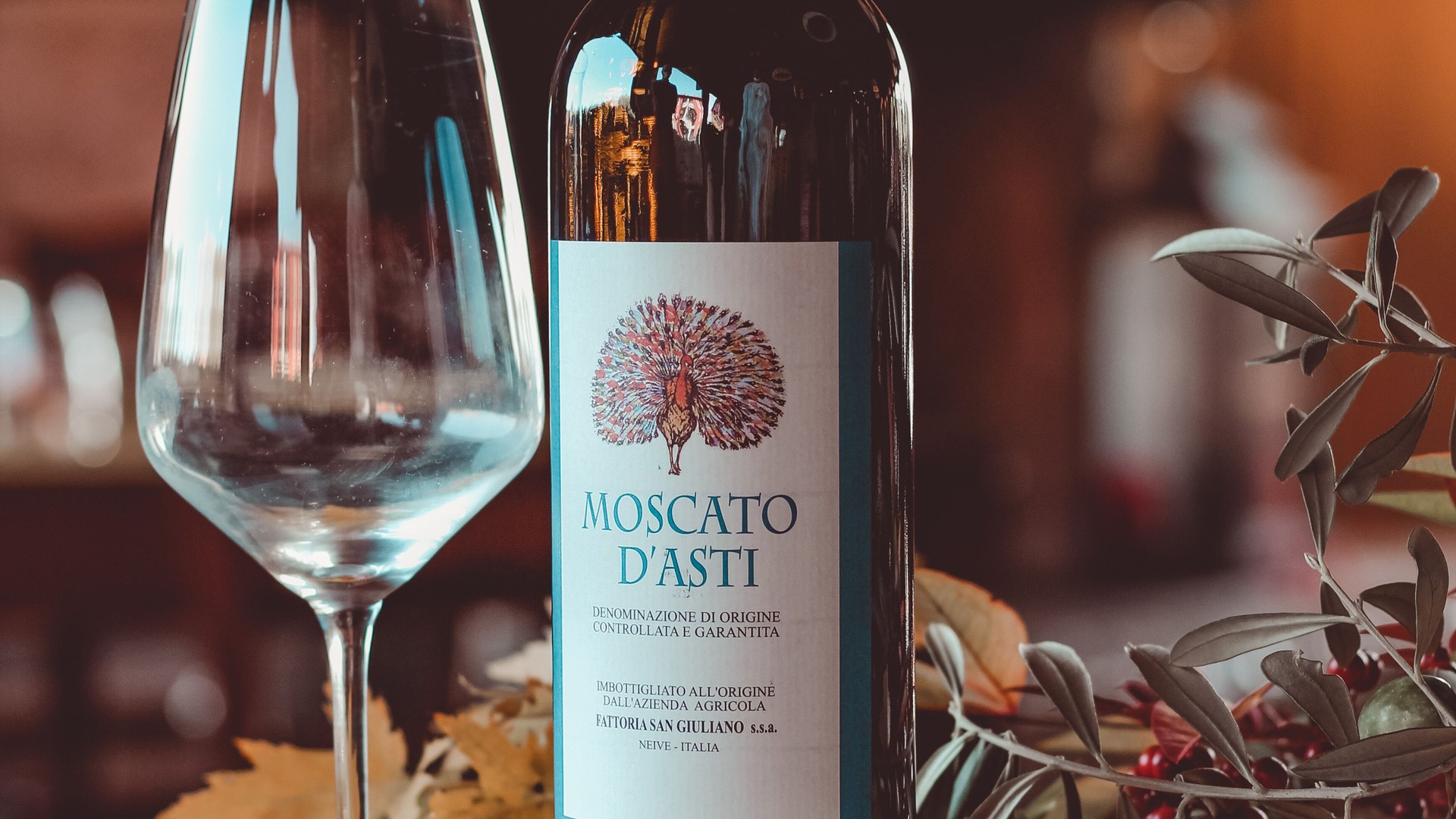
As with Lambrusco in Emilia-Romagna, Moscato d’Asti suffers considerably when served incorrectly, and getting the basics right makes a genuine difference to how the wine actually tastes. It should be served well chilled, colder than most white wines, ideally around 6 to 8 degrees Celsius, to keep its delicate fizz lively and its sweetness from feeling cloying. A standard white wine glass, rather than a narrow Champagne flute, generally serves the wine better, allowing its intense floral and fruit aromatics room to open rather than concentrating them into a thin column the way flute-style glassware tends to do with fuller sparkling wines. Because of its low alcohol and modest carbonation, an opened bottle also doesn’t keep especially well once exposed to air for long, another reason producers and Piedmontese locals alike treat it as a wine meant to be finished within a sitting or two rather than nursed slowly over several days.
Pairing Moscato d’Asti at the Table
Moscato d’Asti’s natural home is alongside dessert, and it remains the traditional pairing for Piedmont’s own panna cotta, fresh fruit tarts, and the region’s hazelnut-based pastries, its own natural sweetness and acidity balancing rather than competing with a dessert’s sugar. But its versatility extends considerably further than most international drinkers realize: its low alcohol and bright acidity make it a genuinely excellent match for spicy Asian cuisine, where higher-alcohol wines often clash uncomfortably with chili heat, and its gentle sweetness pairs surprisingly well with salty, umami-rich foods like aged cheese or cured meats, a contrast that Piedmontese locals have long understood even as the wine’s international reputation stayed narrowly tied to dessert menus alone.
Visiting the Region
The towns of Asti and Canelli anchor the wine’s production zone, with Canelli in particular home to a cluster of historic underground cellars, cut into the region’s soft tufo stone and collectively recognized alongside other Piedmont wine cellars as part of a UNESCO World Heritage listing for the “Vineyard Landscape of Piedmont,” celebrated for their role in both traditional Moscato and Asti production and the broader sparkling wine industry that grew up around this corner of Piedmont in the 19th and 20th centuries. Visiting one of these cellars, many still in active use, offers a genuinely different perspective on Italian sparkling wine production than the more internationally famous Champagne-method houses of Franciacorta or Trento further north, built instead around this gentler, lower-intervention style of winemaking.
Best Time to Visit
Harvest, typically in September, offers the most rewarding time to see the specific, carefully timed picking that Moscato Bianco demands, since producers aim to harvest at precisely the sugar and acidity balance that will define the finished wine’s character. Late spring provides milder weather for exploring the surrounding Langhe and Monferrato hills without the crowds that build around this corner of Piedmont during the more famous autumn Barolo and Barbaresco harvest season nearby.
Moscato d’Asti in the Wider Italian Wine Picture
For anyone building a broader Italian wine education, Moscato d’Asti makes a genuinely useful counterpoint to the more structured, tannic reds that dominate most serious wine conversation, a reminder that Italy’s wine culture has always made room for lower-alcohol, aromatically driven styles built for pure enjoyment rather than analysis. Our complete guide to Italian wine regions covers how Piedmont’s wine identity, dominated in most people’s minds by Barolo and Barbaresco, is genuinely incomplete without acknowledging Moscato d’Asti’s equally significant, if very differently styled, contribution to the region’s reputation.
The Takeaway
Moscato d’Asti deserves considerably more respect from serious wine drinkers than its reputation as a simple, sweet crowd-pleaser typically earns it. Behind the low alcohol and obvious sweetness sits a genuinely old grape variety, a production method built on precision and restraint rather than manipulation, and a wine capable of far more versatile food pairing than its dessert-wine stereotype suggests. Taste a properly made, recently released bottle straight from the Langhe or Monferrato hills, chilled and fresh, and it becomes clear why Piedmontese producers have never seen any contradiction between making one of Italy’s most serious wine regions’ most prestigious reds and one of its most purely joyful whites within the same short drive.
For food, chocolate and wine, see our guide to Turin for food lovers.