This post contains affiliate links. If you book through them, we may earn a small commission at no extra cost to you. Learn more.
Turin spent four years as the first capital of unified Italy, from 1861 to 1865, before quietly settling into life as one of the country’s most underrated major cities, a place with the grand royal architecture of a former seat of power, the industrial muscle of Fiat’s 20th-century boom, and a genuinely eccentric reputation for the occult that most first-time visitors never see coming. Here’s the story behind Turin’s outsized history, what it’s actually famous for, and the sights worth building a stay around.
Plan Your Trip
- Egyptian Museum skip-the-line tour with a Turin city walk
- Turin museum and attraction tickets
- eSIM for Italy, set up before you fly
From Roman Garrison to Royal Capital
Turin’s origins trace back to Augusta Taurinorum, a Roman military colony founded under Augustus in the 1st century BC, and the rigid grid of streets still defining the city’s historic center directly preserves that original Roman layout, a rare case of a major European city where the ancient urban plan remains this legible on a modern map. For much of the medieval and early modern period, Turin developed under the House of Savoy, an originally modest Alpine dynasty that steadily expanded its territory and ambition over centuries, eventually acquiring the Kingdom of Sardinia and using Turin as the base from which it would engineer the unification of Italy in the 19th century.
That effort, driven largely by the Savoy’s own statesman Camillo Benso, Count of Cavour, succeeded spectacularly, and Turin served as the first capital of the newly unified Kingdom of Italy from 1861 to 1865, before the government relocated first to Florence and eventually to Rome. Those few years at the center of Italian political life left Turin with a legacy of grand royal architecture built for a role considerably larger than the one it would ultimately retain, a genuine mismatch between the city’s monumental Baroque core and its subsequent, quieter status as a regional rather than national capital.
What Turin Is Actually Famous For
Turin’s modern identity rests on a genuinely eclectic set of claims to fame. The city has been a serious chocolate producer since the 16th century, credited with inventing gianduja, the smooth hazelnut-chocolate paste that would eventually inspire Nutella, and Turin’s historic cafés still serve bicerin, a layered drink of espresso, chocolate, and cream considered the city’s signature beverage, a tradition dating back more than two centuries. On a considerably larger industrial scale, Turin has been home to Fiat since 1899, and the automaker’s 20th-century dominance shaped the city as profoundly as Savoy rule had shaped it centuries earlier, drawing waves of internal migration from southern Italy and turning Turin into one of Italy’s most significant manufacturing centers.
Turin also holds the Shroud of Turin, the linen cloth bearing a faint image many believers hold to be the burial cloth of Christ, housed within the city’s cathedral and rarely displayed publicly given its fragility and the ongoing scientific and religious debate surrounding its authenticity. Less universally known, but genuinely part of local lore, is Turin’s reputation as one corner of the so-called “magic triangle” of European esotericism, along with Lyon and Prague, a folk tradition holding that the city sits at a convergence of positive and negative occult energy, a reputation that shows up in everything from local ghost tours to the layout of certain historic buildings, taken with varying degrees of seriousness depending on who’s telling the story. On a more verifiable note, Turin was home to Italy’s first film studios in the early 20th century, a pioneering role in national cinema history that the city still honors through its excellent film museum today, and its successful hosting of the 2006 Winter Olympics brought the city a wave of modern international infrastructure and visibility.
Turin at a Glance
| Known For | Detail |
|---|---|
| Chocolate | Gianduja, bicerin, and a chocolate tradition dating to the 16th century |
| Automotive industry | Home of Fiat since 1899 |
| The Shroud of Turin | Housed in the city’s cathedral |
| Royal history | The House of Savoy and Italy’s first capital (1861–1865) |
| Cinema | Italy’s first film industry, now the National Cinema Museum |
| Esoteric reputation | A corner of Europe’s folkloric “magic triangle” |
Sightseeing: The Royal Core
Piazza Castello anchors Turin’s historic center, framed by the Palazzo Reale, the former royal residence of the House of Savoy, and the Palazzo Madama, a genuinely unusual building combining a medieval castle core with a later Baroque facade designed by Filippo Juvarra, one of the architects most responsible for shaping Turin’s grand 18th-century character. Turin’s Cathedral, home to the Shroud, sits just behind the royal palace complex, while the wider network of Baroque squares and arcaded streets radiating from Piazza Castello reward unhurried walking considerably more than a single rushed circuit.
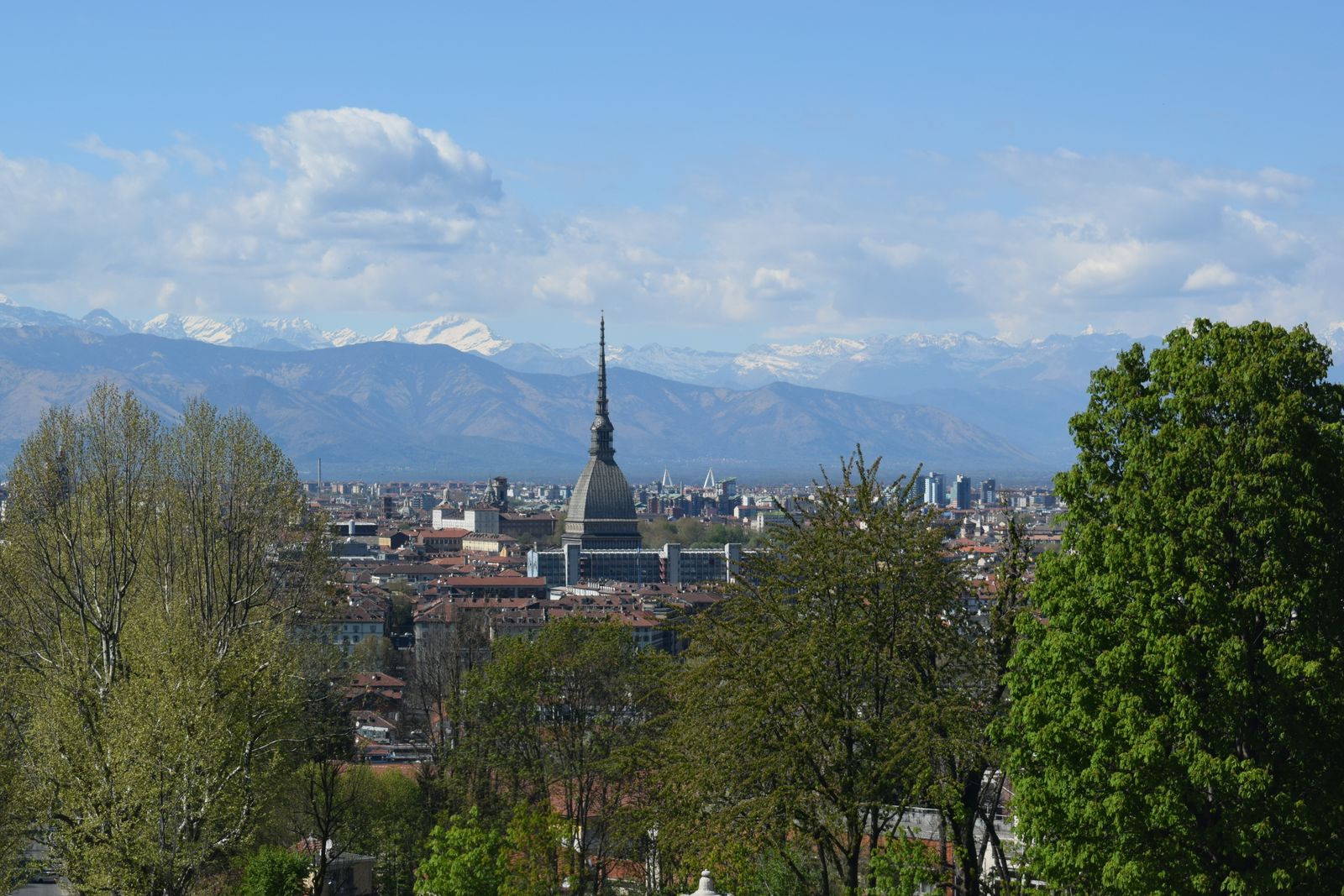
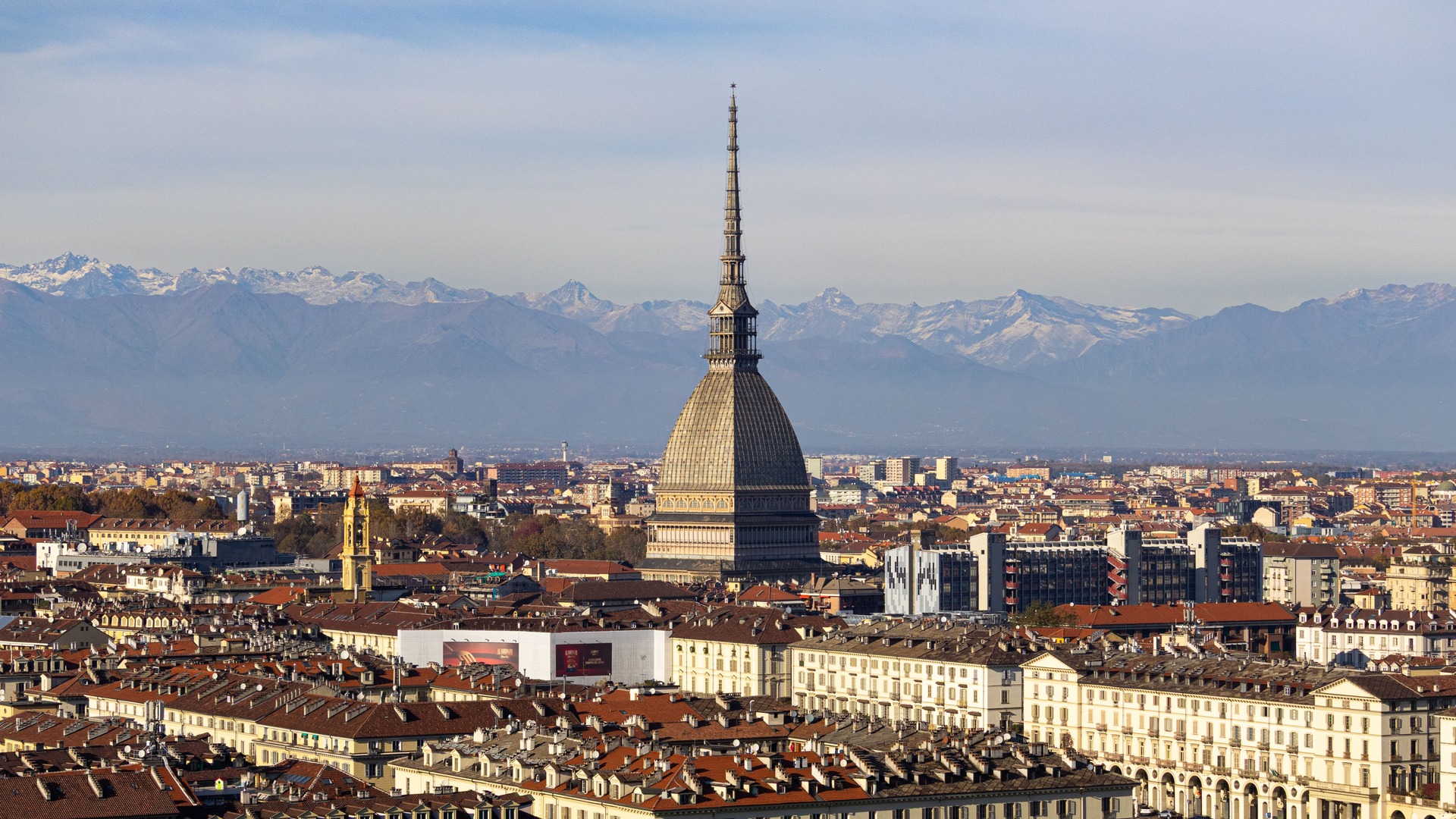
The Mole Antonelliana, originally conceived as a synagogue before its dramatic, spire-topped silhouette became Turin’s single most recognizable landmark, now houses the National Museum of Cinema, and its glass elevator ride to a viewing platform partway up the spire offers one of the best panoramic views over the city and the surrounding Alps on a clear day. A short distance away, the Egyptian Museum holds the largest collection of Egyptian antiquities outside Cairo itself, a genuinely surprising specialty built on 18th-century royal collecting and later expanded through Italian archaeological expeditions, and one of the more significant museums of its kind found anywhere in Europe.
Beyond the Center: Superga, the Po, and Lingotto
The Basilica di Superga, perched on a hill overlooking Turin and reachable by a historic rack railway, offers both a striking Baroque pilgrimage church, another Filippo Juvarra design, and one of the finest panoramic views over the city and the Alpine skyline beyond, along with a somber connection to Italian football history as the site of the 1949 air disaster that killed the entire Torino F.C. team, still commemorated annually by fans and the club alike. Along the Po River, the Parco del Valentino offers a genuinely pleasant green escape from the city center, home to the Borgo Medievale, a carefully reconstructed medieval village built for an 1884 exhibition, an early and surprisingly convincing piece of historical theme architecture predating similar attractions elsewhere in Europe by decades.
The Lingotto building, Fiat’s former factory complex, stands as one of the more unusual pieces of industrial heritage tourism anywhere in Italy, its rooftop test track, where finished cars were once driven in tight circles high above the factory floor, immortalized in the closing car chase of the 1969 film “The Italian Job” and still open today as a public viewing area atop the now-converted shopping and exhibition complex. The nearby Automobile Museum, MAUTO, one of the oldest and most significant car museums in the world, rounds out Turin’s automotive heritage for visitors whose interest extends beyond the Lingotto rooftop itself.
What to Eat and Drink
Turin’s café culture deserves a slow morning or afternoon rather than a rushed espresso, and the city’s historic cafés, several dating back well over a century, remain the proper setting for a bicerin, layered espresso, chocolate, and cream served in a small glass, alongside gianduja-based pastries and chocolates that trace directly back to the city’s centuries-old confectionery tradition. Beyond chocolate, Turin’s restaurants serve the same broader Piedmontese cuisine found throughout the surrounding region, agnolotti del plin, bagna cauda, and vitello tonnato among the dishes most worth seeking out, alongside the city’s own aperitivo culture, which some Turinese claim as the true birthplace of the modern Italian aperitivo tradition, predating its more famous association with Milan.
Best Time to Visit
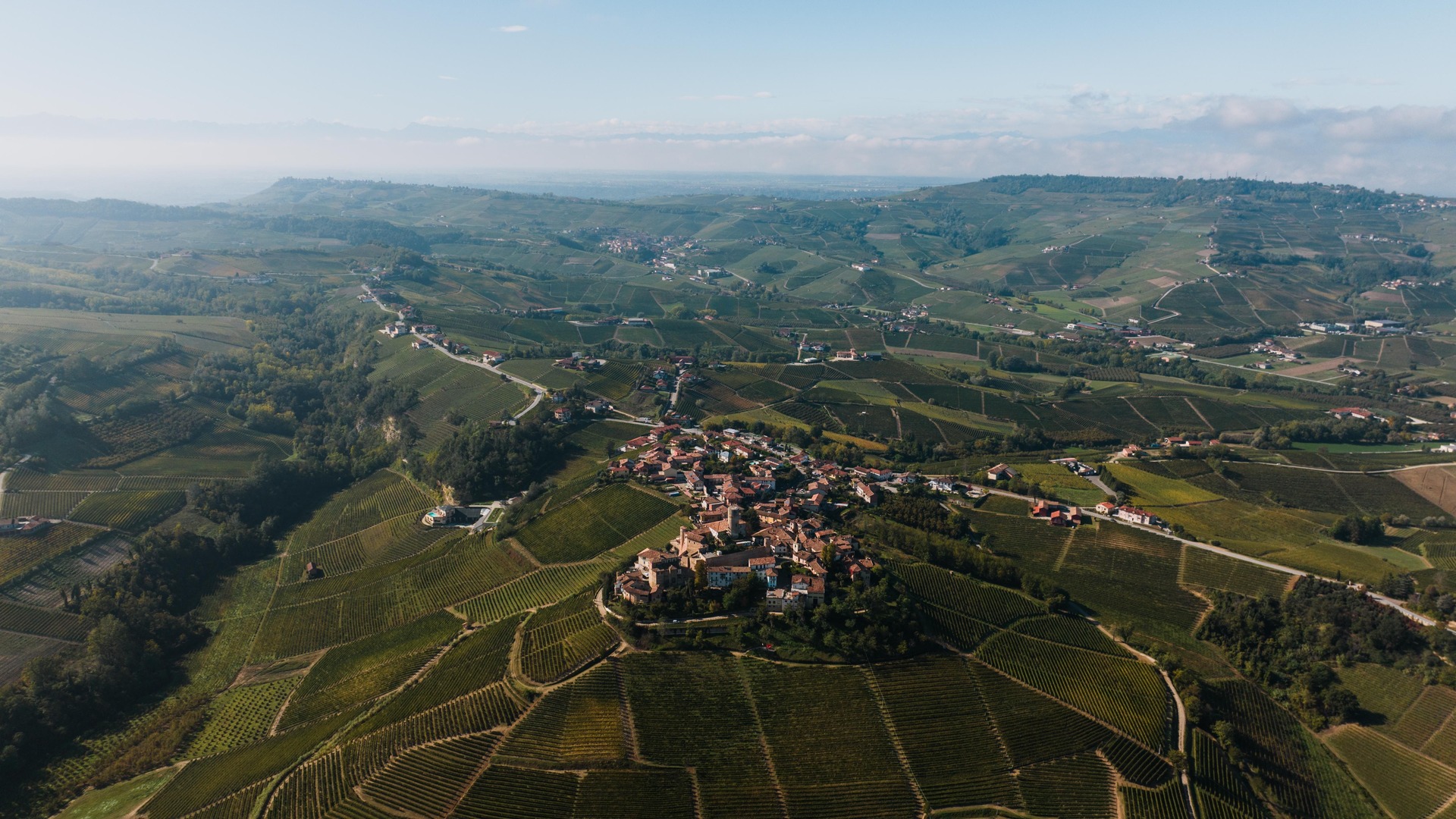
Spring and autumn offer the most comfortable weather for walking Turin’s extensive arcaded streets and climbing the Superga hill, avoiding both summer’s heat and winter’s damp Alpine chill, though winter does bring its own appeal for anyone using Turin as a gateway to nearby Alpine ski resorts. Autumn carries the additional advantage of proximity to Piedmont’s truffle and wine harvest season in the nearby Langhe hills, making Turin a natural base for combining city sightseeing with a countryside day trip.
Turin as a Gateway to Piedmont’s Wine Country
Turin’s position makes it the natural starting point for exploring the wider region covered in our guide to Italian wine regions, with the Langhe hills, Barolo, Barbaresco, and Moscato d’Asti country all within a comfortable day trip or short overnight from the city. Few Italian regional capitals offer quite this convenient a jumping-off point for some of the country’s most serious wine tourism.
Where to Stay: compare hotels and current prices in Turin on Trip.com.
The Takeaway
Turin rewards visitors who arrive expecting more than a brief stopover between Milan and the Alps. Behind the grand Baroque squares and the lingering mystique of the Shroud and the city’s occult folklore sits a place that shaped modern Italy politically, fed the world chocolate, built its cars, and gave the country its first taste of cinema, all within a historic center still compact enough to explore properly on foot in a few unhurried days.
Planning a trip? See our guides to Turin tickets and a two-day guide.
For food, chocolate and wine, see our guide to Turin for food lovers.