This post contains affiliate links. If you book through them, we may earn a small commission at no extra cost to you. Learn more.
Ask most travelers to name Italy’s food capital and they’ll usually reach for Tuscany or Campania, picturing a plate of pasta somewhere with a view. Ask most Italians, and a good number will point instead to a flat, unglamorous stretch of the Po Valley in the north of the country: Emilia-Romagna, a region that produces Parmigiano-Reggiano, Prosciutto di Parma, traditional balsamic vinegar, mortadella, and ragù alla bolognese, essentially the raw materials of Italian cooking as most of the world understands it. This is the region’s story told through its cities, each of which built its own distinct culinary identity, its own architectural character, and, in most cases, its own centuries-long rivalry with its neighbors along the die-straight Roman road that still connects them all.
Plan Your Trip
- Private transfer from Bologna Airport, fixed price, booked in advance
- Museo Enzo Ferrari tickets in Modena
- eSIM for Italy, set up before you fly
A Region Built Along One Straight Roman Road
Emilia-Romagna’s shape and character owe an enormous amount to a single piece of ancient infrastructure: the Via Aemilia, a Roman road built in 187 BC connecting Rimini on the Adriatic coast to Piacenza in the northwest, running arrow-straight across the flat Po Valley plain. Nearly every major city in the region, Bologna, Modena, Reggio Emilia, Parma, and Piacenza, was founded or grew up directly along this road, strung out like beads on a single line, and the modern SS9 highway and rail corridor still largely follow the same route more than two thousand years later. The “Emilia” half of the region’s name comes directly from this road; “Romagna,” the eastern portion around Ravenna and Rimini, takes its name from its long association with the city of Rome and, later, with the Byzantine Empire’s rule over Ravenna specifically.
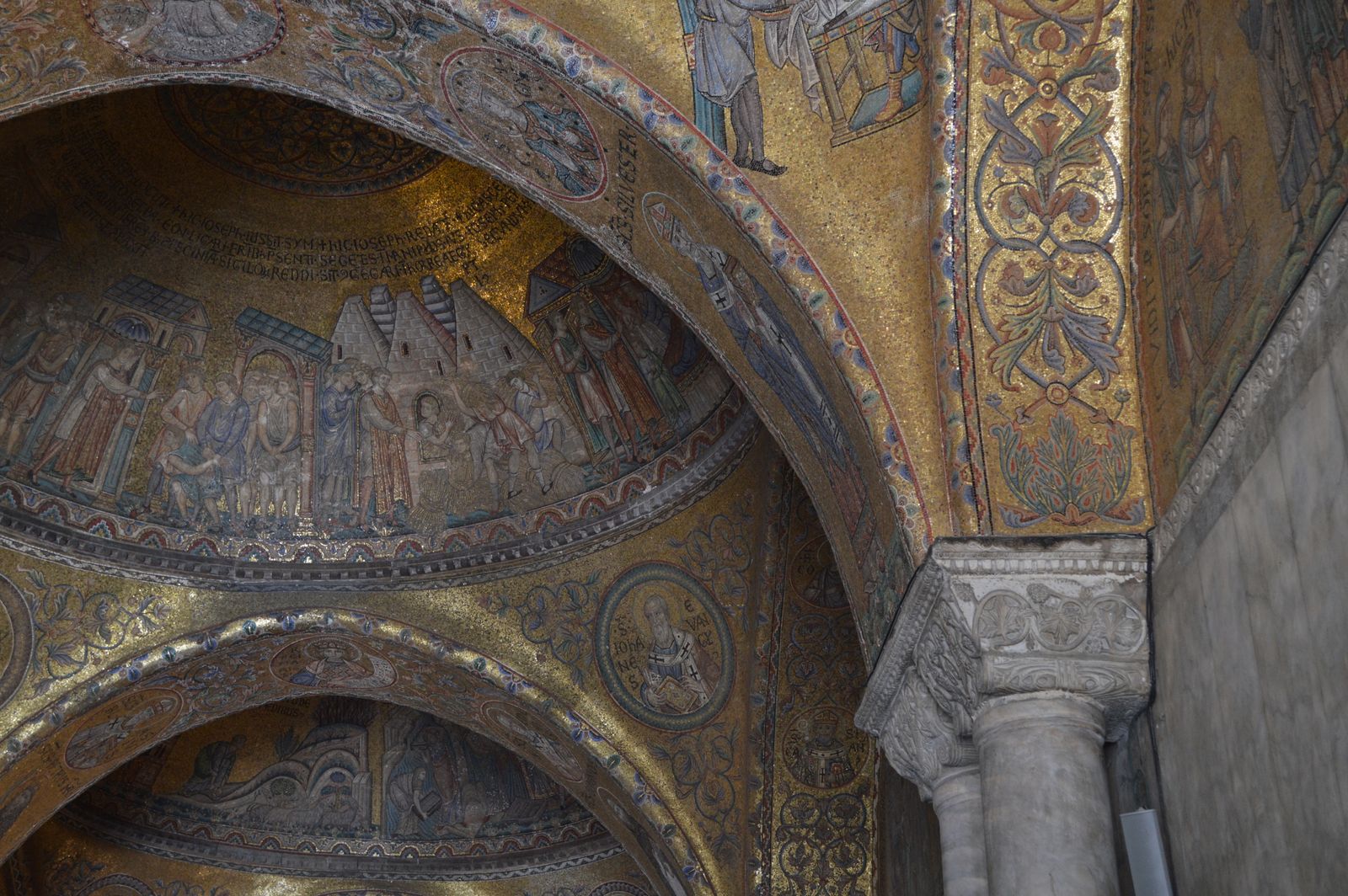
That eastern half has a genuinely remarkable claim to historical significance: Ravenna served as the capital of the Western Roman Empire in its final decades, then as capital of the Ostrogothic Kingdom under Theodoric, and later as the seat of Byzantine rule in Italy as capital of the Exarchate of Ravenna. This unusually concentrated sequence of imperial capitals is why the city still holds one of the finest collections of Byzantine mosaics anywhere outside Istanbul, a genuinely startling amount of golden, jewel-toned religious art tucked into unassuming brick churches across the modern city center.
For most of the medieval and early modern period, the rest of the region split into a patchwork of independent duchies and Papal territories: Bologna fell under direct Papal States control for centuries, Ferrara was ruled by the immensely wealthy and culturally ambitious Este family, Modena and Reggio Emilia eventually passed to the Este as well after they lost Ferrara to the Papacy in 1598, and Parma and Piacenza became their own duchy under the Farnese family starting in 1545. This fractured governance, each city its own court, each with its own rulers competing for prestige, is a large part of why Emilia-Romagna’s cities each developed such distinctly separate identities rather than blending into a single regional culture the way some other parts of Italy did. Unification into the modern Italian state came in 1860, folding all of these once-independent courts into a single region for the first time in their history.
Bologna: The Learned, the Fat, the Red
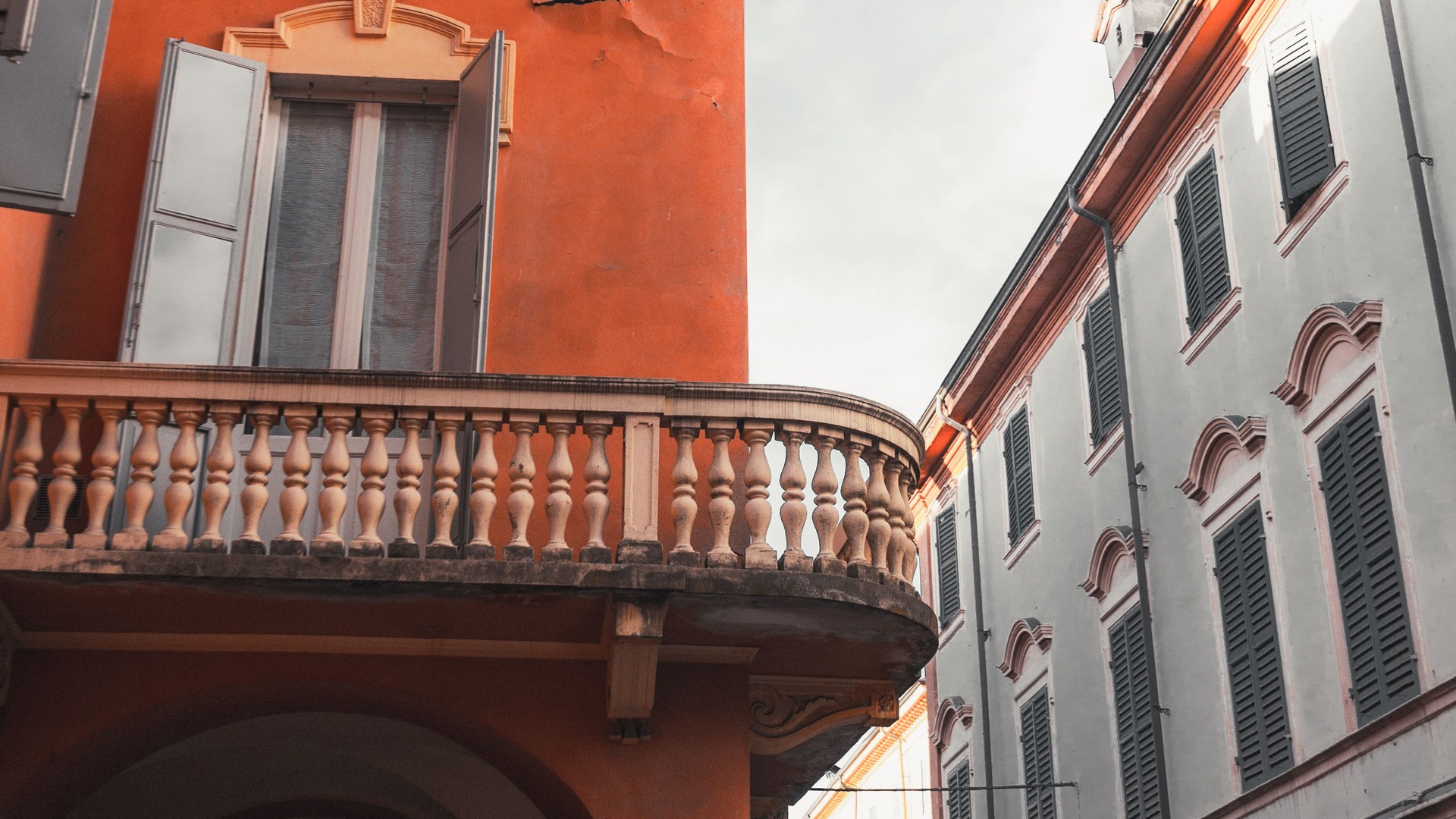
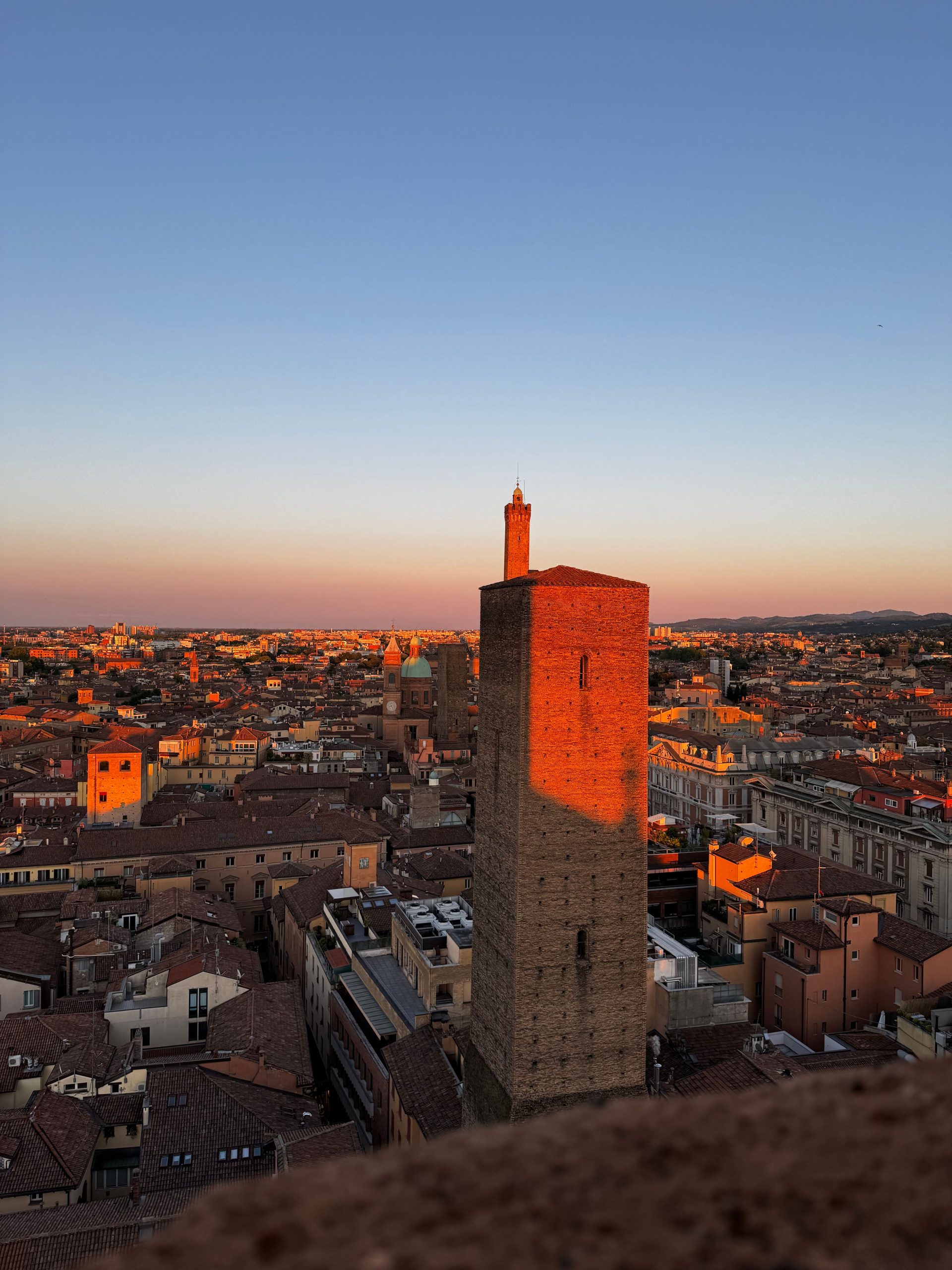
Bologna, the regional capital, carries three traditional nicknames that between them summarize the city rather well: La Dotta (the learned), La Grassa (the fat), and La Rossa (the red). The first refers to the University of Bologna, founded in 1088 and generally considered the oldest university in the world still operating, a distinction that has shaped the city’s identity for nearly a millennium and still gives Bologna one of the largest student populations relative to its size of any city in Italy. The second nickname needs no explanation to anyone who has eaten here even once. The third refers both to the terracotta-red color of the historic center’s buildings and, depending on who’s telling the story, to the city’s long left-leaning political tradition.
Architecturally, Bologna is instantly recognizable for its porticoes, covered walkways lining nearly every street in the historic center, originally built to expand living space for the growing medieval student population and now stretching over 40 kilometers throughout the city, enough to have earned the entire network UNESCO World Heritage status. The city’s skyline is punctuated by the Due Torri, the Two Towers, medieval defensive structures built by rival noble families in the 12th century as a display of wealth and status, of which the taller, the Torre degli Asinelli, can still be climbed for a view over the terracotta rooftops the city is named for.
Food-wise, Bologna is the true origin point of several dishes the rest of the world knows in considerably altered form. Ragù alla bolognese, the meat sauce Italians actually make, bears only a loose resemblance to the tomato-heavy “bolognese” served internationally, built instead on slow-cooked minced meat, soffritto, and a small amount of tomato, traditionally served with tagliatelle rather than spaghetti. Tortellini, small ring-shaped stuffed pasta, are said locally to be modeled on the shape of a woman’s navel, according to a legend involving Venus herself, and are traditionally served in a rich meat broth rather than a sauce. Mortadella, the smooth, delicately spiced cured pork sausage studded with cubes of fat, was invented here and remains one of Italy’s most exported and most frequently imitated products.
Parma: Ham, Cheese, and Verdi
Parma carries itself with a quiet, cultured elegance distinct from Bologna’s louder student-city energy, a legacy of its long run as the seat of the Farnese and later Bourbon-Parma dukes, whose court patronage left the city with an outsized concentration of art and architecture for its modest size. The city’s Duomo, an 11th-century Romanesque cathedral, houses Correggio’s extraordinary illusionistic dome fresco, the Assumption of the Virgin, painted with such radical foreshortening that critics at the time reportedly compared it, not entirely as a compliment, to a “stew of frogs’ legs.” The adjoining Baptistery, built from pink Veronese marble, is considered one of the finest transitional Romanesque-Gothic buildings in Italy.
Parma is also, inseparably, a city of two extraordinary food products that carry legally protected designations tied specifically to this territory. Parmigiano-Reggiano, the hard, granular cheese aged a minimum of twelve months and often considerably longer, can only be produced within a strictly defined zone around Parma, Reggio Emilia, Modena, and parts of two neighboring provinces, using methods that have changed remarkably little in the roughly 900 years since Benedictine monks are believed to have first developed the technique. Prosciutto di Parma, the sweet, delicately cured raw ham, depends on the specific mountain air of the hills south of the city for its distinctive curing process and cannot legally carry the name if produced anywhere else. The city is also the birthplace of composer Giuseppe Verdi, born just outside town in 1813, and Parma’s opera house, the Teatro Regio, remains one of the most demanding and prestigious venues in Italy for staging his work, with a famously discerning local audience known for openly booing performances that fall short.
Modena: Balsamic, Motors, and a Voice for the Ages
Modena pairs two things that have little obvious business sharing a city: traditional balsamic vinegar and some of the fastest cars ever built. The vinegar side of that pairing goes back centuries, made from cooked grape must rather than wine, and aged for a minimum of twelve years, often twenty-five or more, in a graduated series of wooden barrels made from different woods, each imparting its own character as the vinegar slowly reduces and concentrates over decades. Traditional balsamic vinegar of Modena, protected by its own strict designation, bears almost no resemblance in price or intensity to the everyday balsamic sold internationally, and a genuine bottle, sold by the tiny vial rather than the liter, is treated by locals as a seasoning to be dosed by the drop rather than poured freely.
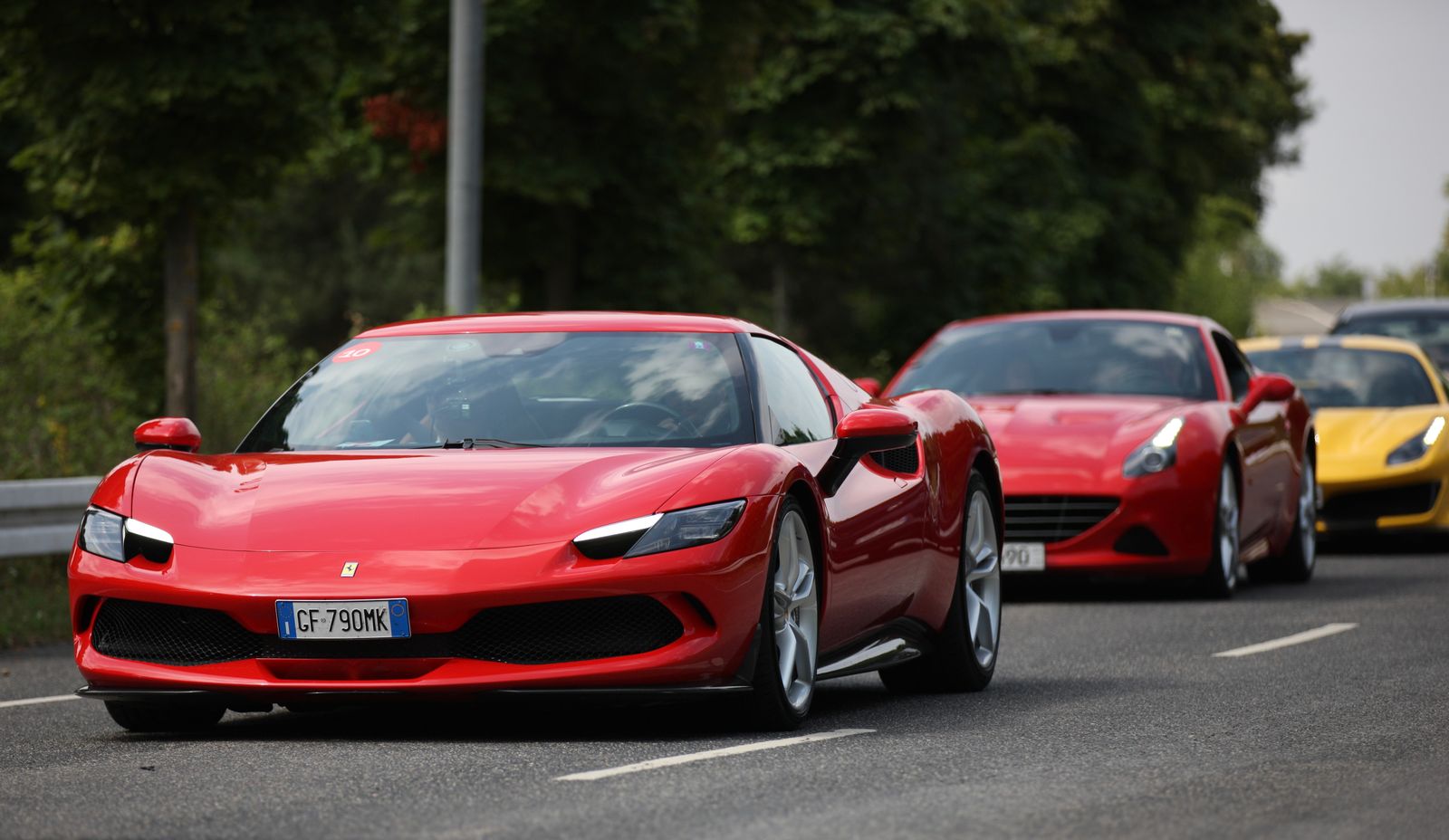
The other Modena is Motor Valley, the informal name for the cluster of legendary Italian car manufacturers headquartered in and around the city, most famously Ferrari, founded by native son Enzo Ferrari, along with Maserati, Lamborghini, and Pagani, all within a short drive of each other. The Museo Enzo Ferrari and the nearby Ferrari factory and museum in Maranello draw car enthusiasts from around the world, an oddly perfect complement to the city’s other great export: opera. Modena was the hometown of Luciano Pavarotti, and his memory remains deeply woven into the city’s identity, from a dedicated museum in his former villa to the annual Pavarotti Foundation events held in his honor.
Ferrara and Ravenna: Renaissance Court and Byzantine Capital
Ferrara offers a genuinely different historical texture from its neighbors along the Via Aemilia, having grown not as a Roman foundation but as the seat of the Este family’s Renaissance court, one of the most culturally ambitious in all of Italy during the 15th century. The Este dukes rebuilt much of the city according to an ambitious urban plan known as the Addizione Erculea, widely credited as one of the first examples of deliberate Renaissance city planning in Europe, and their moated, red-brick Castello Estense still dominates the city center, complete with dungeons that held family members condemned in the court’s own political intrigues. Ferrara’s food culture reflects its court history directly: cappellacci di zucca, pumpkin-filled pasta, and salama da sugo, a rich, slow-cooked cured sausage stew, both trace back to elaborate ducal-era recipes rather than humbler peasant origins.
Ravenna, meanwhile, offers something genuinely unique in Western Europe: an unbroken sequence of world-class Byzantine art surviving in situ, largely because the city’s political importance collapsed so completely after the Byzantine exarchate ended that nobody bothered to renovate over it for over a millennium. The Basilica di San Vitale and the Mausoleum of Galla Placidia, both UNESCO-listed, hold mosaic cycles of an intensity and craftsmanship that rival anything surviving in Istanbul itself, their gold-ground compositions of emperors, saints, and biblical scenes remarkably vivid given their 5th- and 6th-century origins. Dante Alighieri, exiled from Florence, spent his final years in Ravenna and is buried here rather than in his native city, a fact Florence has reportedly requested to remedy on multiple occasions over the centuries, always unsuccessfully.
Rimini: Roman Roots and an Adriatic Reinvention
Rimini marks the eastern terminus of the Via Aemilia and carries a genuinely deep Roman history beneath its modern identity as Italy’s most famous beach resort town. The Arch of Augustus, built in 27 BC, and the Bridge of Tiberius, still carrying traffic across the Marecchia river two thousand years after its construction, are both remarkably intact monuments from the city’s founding era as a key Roman crossroads. The medieval and Renaissance city added the Tempio Malatestiano, a highly unusual cathedral commissioned by the Malatesta lords and largely designed by Leon Battista Alberti, one of the earliest and most influential buildings of the full Renaissance style anywhere in Italy.
Modern Rimini’s identity, though, was substantially shaped by its most famous native son, filmmaker Federico Fellini, whose semi-autobiographical film Amarcord captured the particular blend of nostalgia, seaside kitsch, and small-town Italian life that Rimini still carries today, especially along its long stretch of Adriatic beach clubs. The city’s food leans coastal in a way the rest of the region doesn’t: piadina, a thin, unleavened flatbread filled with cured meats, cheese, or vegetables, is Romagna’s answer to Tuscan bruschetta, sold from small roadside stands called piadinerie throughout the eastern half of the region, and brodetto, a Adriatic fish stew similar in spirit to versions found further down the Italian coast, reflects the city’s identity as a genuine working port rather than just a beach resort.
Emilia-Romagna’s Cities at a Glance
| City | Historical Identity | Signature Food |
|---|---|---|
| Bologna | World’s oldest university, Papal States rule | Tortellini, ragù alla bolognese, mortadella |
| Parma | Farnese and Bourbon-Parma ducal court | Parmigiano-Reggiano, Prosciutto di Parma |
| Modena | Este duchy, later Motor Valley | Traditional balsamic vinegar |
| Ferrara | Este Renaissance court, early urban planning | Cappellacci di zucca, salama da sugo |
| Ravenna | Capital of the Western Roman Empire, then Byzantine exarchate | Piadina, cappelletti |
| Rimini | Roman crossroads, modern Adriatic resort | Piadina, brodetto (fish stew) |
The Region’s Food, Beyond the Cities
Several of Emilia-Romagna’s most famous products don’t belong to a single city so much as to the region’s wider farmland, and they turn up on tables across every town covered above. Lambrusco, the sparkling, often deep-red wine most non-Italians only know in its cheap, overly sweet export version, is taken considerably more seriously here, with dry, food-friendly versions specifically produced to cut through the region’s famously rich cuisine, particularly its cured meats. Aceto balsamico tradizionale and Parmigiano-Reggiano, already covered above, both extend across a wider protected zone than a single city, and culatello, a prized, exceptionally delicate cut of cured pork considered by many connoisseurs to be even finer than prosciutto, comes specifically from the low-lying, humid area around Zibello near the Po river, where the local climate proves essential to its curing process.
Getting Around and Building a Trip
Emilia-Romagna’s cities sit close enough together along the old Via Aemilia corridor that a rail-based trip works remarkably well here, arguably better than in Tuscany’s more spread-out hill towns. Bologna, with its own international airport and position on Italy’s high-speed rail network, functions as the obvious base, putting Parma, Modena, and Ferrara each within thirty to sixty minutes by train, with Ravenna and Rimini a bit further out toward the coast. For travelers already building a wine-and-hill-towns trip through Florence and the Tuscan countryside, Bologna sits under an hour north by high-speed train, making Emilia-Romagna a genuinely easy extension for anyone who wants to trade vineyards for parmesan cellars and balsamic attics for a few days without significantly complicating the logistics of the trip.
Is Bologna in Emilia or Romagna?
Bologna is the capital of the Emilia-Romagna region and belongs historically to Emilia, the western part. Romagna begins east of the city, roughly along the Sillaro river, and takes in Imola, Faenza, Forlì, Ravenna and Rimini. Parma, Modena, Reggio Emilia, Piacenza and Ferrara are all on the Emilian side.
The Takeaway
Emilia-Romagna rewards a very different kind of attention than Tuscany does. There’s less postcard scenery and considerably less international fame attached to any single sight, but almost everything the rest of the world associates with Italian food, the cheese, the ham, the vinegar, the ragù, the stuffed pasta, actually comes from somewhere specific within this one relatively small, flat stretch of the Po Valley. Spend a few days moving along the old Via Aemilia from Bologna to Parma, Modena, and beyond, and it becomes clear this was never really Italy’s quiet, overlooked region. It’s the one that’s been quietly feeding the rest of the country’s reputation the entire time.
Planning a trip? See our guides to the Motor Valley: Ferrari, Lamborghini and Ducati.
Exploring Emilia-Romagna? See our guide to Ravenna’s Byzantine mosaics.
For the region’s food, see our guide to Bologna and the Food Valley.