This post contains affiliate links. If you book through them, we may earn a small commission at no extra cost to you. Learn more.
Modena rarely appears on a first-time visitor’s Italy itinerary, and that’s precisely what makes it such a rewarding detour for anyone who actually makes the trip. This is a city that pairs some of the most coveted cars on earth with one of the world’s most exclusive three-Michelin-star restaurants, a vinegar aged longer than most people’s cars, and a UNESCO-listed cathedral quietly holding its own against anything in Florence. It’s also one stop on a considerably richer regional story, covered in full in our guide to Emilia-Romagna from Bologna to Ravenna. Here’s why Modena specifically has earned its reputation, and what a genuinely luxury-minded visit looks like.
Plan Your Trip
- Private transfer from Bologna Airport, fixed price, booked in advance
- Museo Enzo Ferrari tickets in Modena
- eSIM for Italy, set up before you fly
A City Shaped by an Ambitious Ducal Court
Modena’s identity as a place of considerable wealth and cultural ambition goes back to the Este family, who ruled the city as their capital from 1598, after losing Ferrara to the Papal States, until Italian unification in the 19th century. The Este dukes used Modena to project the same cultural sophistication they’d cultivated in Ferrara, building the vast Palazzo Ducale, now home to Italy’s military academy, and assembling an art collection so significant that a large portion of it was eventually sold to Augustus III of Poland in 1746, forming the core of what is now Dresden’s celebrated gallery. What remained in Modena became the Galleria Estense, still one of the more underrated fine art collections in Italy, holding work by Velázquez, Bernini, and Correggio among others.
That ducal-era ambition also shaped the city’s most significant architectural achievement. Modena’s Duomo, an 11th-century Romanesque cathedral built with the adjoining Torre Ghirlandina and the Piazza Grande it faces, was collectively inscribed as a UNESCO World Heritage Site in 1997, recognized for representing one of the finest and most complete examples of Romanesque architecture and sculpture anywhere in Europe, largely thanks to the work of the medieval architect Lanfranco and sculptor Wiligelmo. The cathedral’s austere, beautifully proportioned facade and its intricately carved reliefs depicting biblical scenes remain remarkably intact more than nine centuries after construction began in 1099.
Why the World Actually Knows Modena
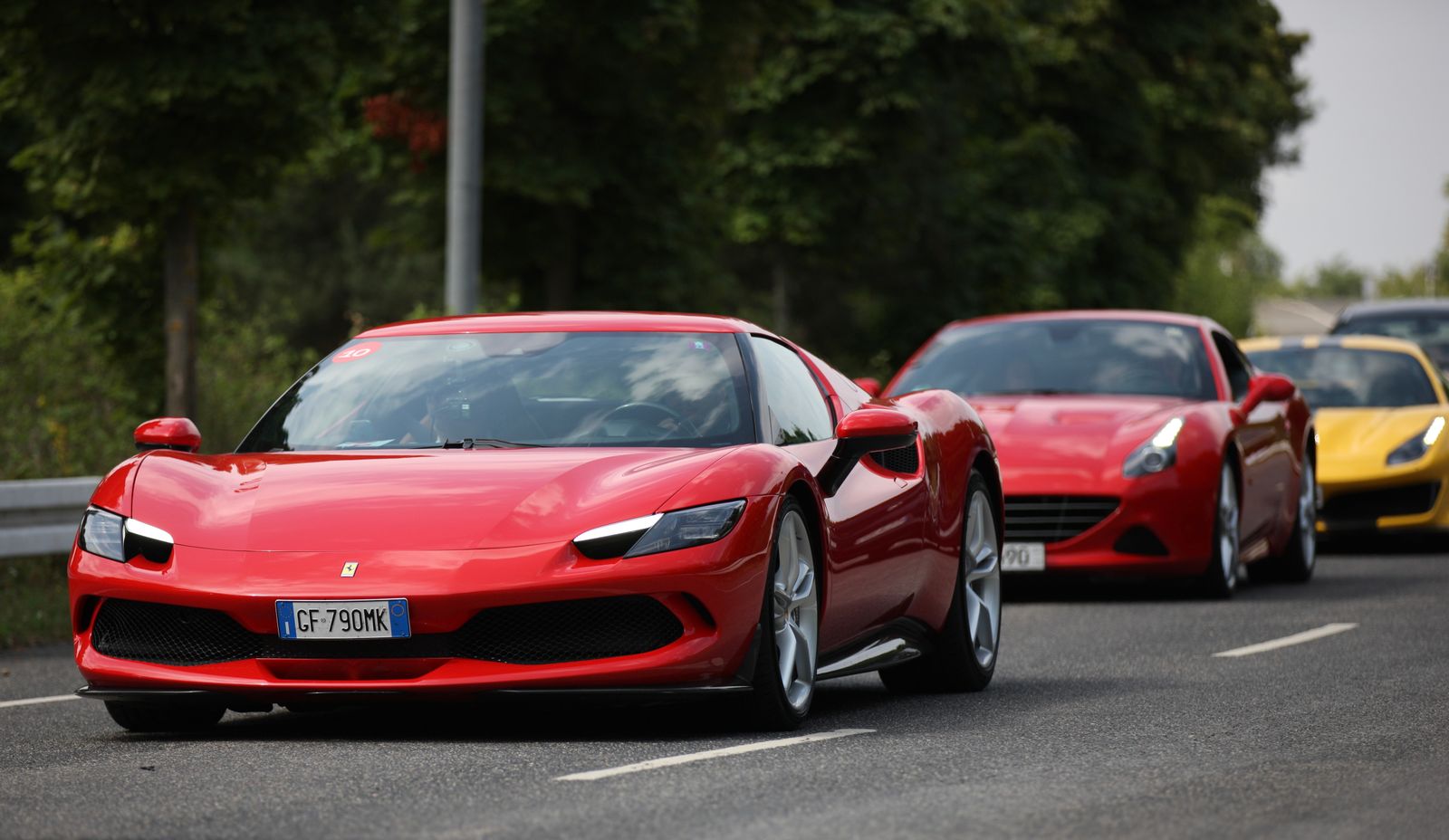
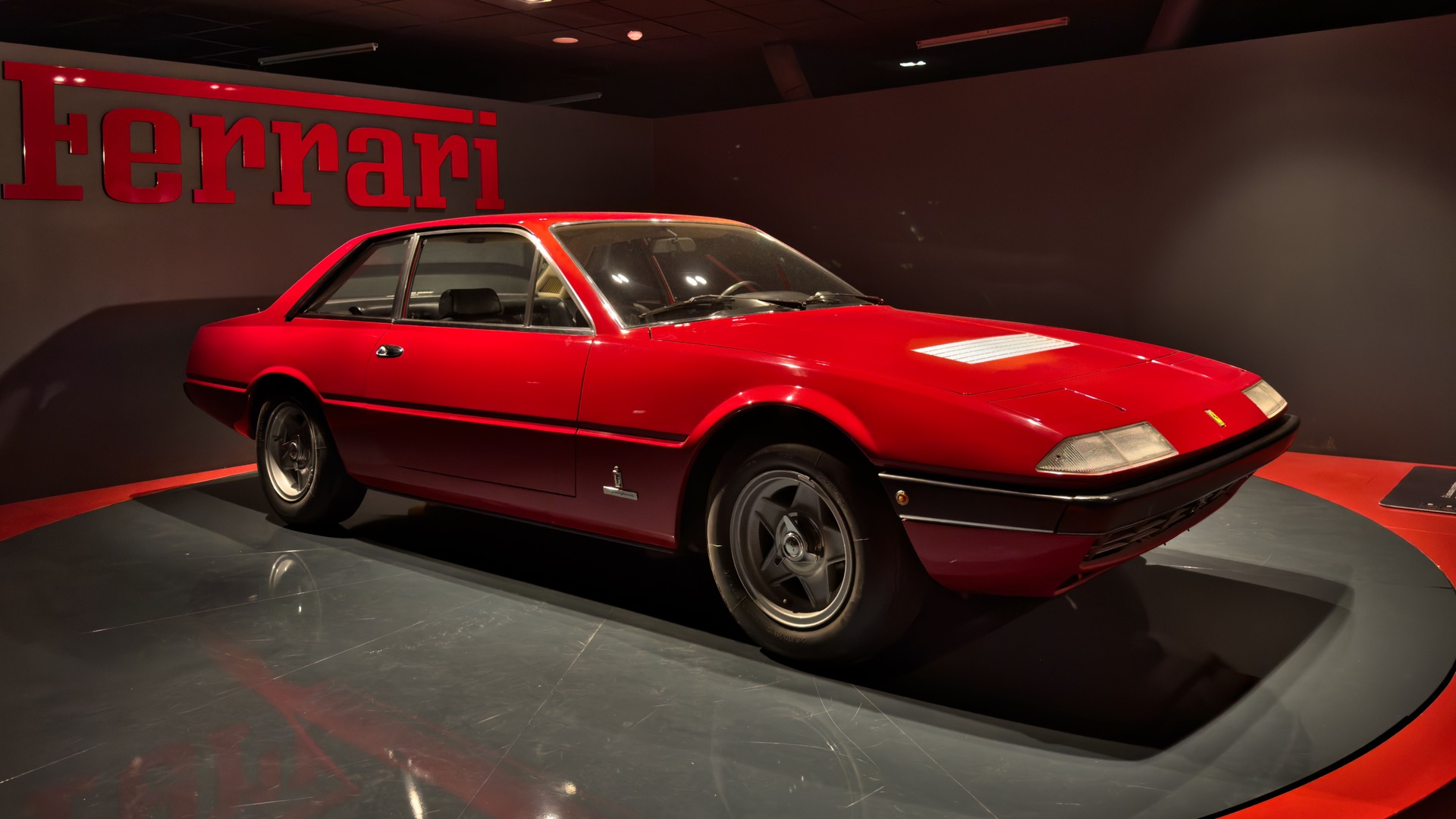
Modern Modena’s global reputation, though, rests on two considerably more visceral pleasures: speed and flavor. This is Motor Valley, the informal name for the extraordinary cluster of Italian automotive marques headquartered in and around the city. Enzo Ferrari was born here in 1898, and the company he founded remains headquartered just outside town in Maranello, close enough that a visit to the Ferrari factory and museum functions as a natural extension of a Modena stay rather than a separate excursion. Lamborghini, Maserati, De Tomaso, and Pagani all trace their roots to this same small pocket of the Po Valley, an improbable concentration of automotive excellence that makes the area around Modena arguably the most important few square kilometers in the history of the performance car.
The other pillar of Modena’s fame ages far more slowly than a supercar accelerates. Traditional balsamic vinegar of Modena, aceto balsamico tradizionale, is produced from cooked grape must aged for a legal minimum of twelve years, often twenty-five or considerably longer, in a graduated series of wooden barrels, each imparting its own character as the liquid slowly reduces in the attic heat cycles typical of the region. A genuine bottle, protected by its own strict DOP designation and sold by the small vial rather than the liter, bears almost no resemblance to the inexpensive balsamic vinegar found on supermarket shelves internationally, and tasting the real thing directly from a family acetaia remains one of the most quietly luxurious experiences available in the city.
A Native Son of Music: Pavarotti
Modena’s cultural weight extends beyond engines and vinegar. Luciano Pavarotti, one of the most celebrated tenors of the 20th century, was born and grew up here, and the city has never let that connection fade. His former villa, now the Pavarotti Museum, holds personal memorabilia, costumes, and awards, and the Pavarotti Foundation continues to organize concerts and events in his memory, giving Modena a genuine claim to operatic significance well beyond its size.
Modena’s Highlights at a Glance
| Highlight | What It Offers | Known For |
|---|---|---|
| Duomo di Modena & Torre Ghirlandina | A UNESCO-listed Romanesque cathedral and bell tower | Among the finest Romanesque architecture in Europe |
| Galleria Estense | The remaining Este ducal art collection | Works by Velázquez, Bernini, and Correggio |
| Museo Enzo Ferrari & Maranello | Ferrari’s birthplace museum and the nearby factory museum | The heart of Italy’s Motor Valley |
| A Family Acetaia | Private tastings of traditional balsamic aged 12–25+ years | The real, DOP-protected version of Modena’s signature product |
| Pavarotti Museum | The tenor’s former villa and personal memorabilia | One of opera’s most celebrated 20th-century voices |
| Mercato Albinelli | A historic covered market for local produce and specialties | Parmigiano-Reggiano, cured meats, and fresh pasta |
The Luxury Case for Visiting
Modena rewards exactly the kind of visitor who wants substance behind the polish. A day built around Motor Valley can move from a private tour of the Ferrari factory in Maranello to a test drive arranged through one of the area’s specialist supercar rental agencies, an experience considerably more visceral than admiring a car behind glass. An evening can be built around Osteria Francescana, Massimo Bottura’s three-Michelin-star restaurant that has repeatedly topped the World’s 50 Best Restaurants list, where dishes reinterpret Emilian classics, Parmigiano-Reggiano, tortellini, balsamic, with a level of technique and theater that has made it one of the most difficult reservations in Europe. Between the two, a private acetaia visit offers the kind of quiet, hands-on tasting experience that no amount of money can replicate outside this specific stretch of the Po Valley, since the aging process depends entirely on the local climate and generations of family expertise.
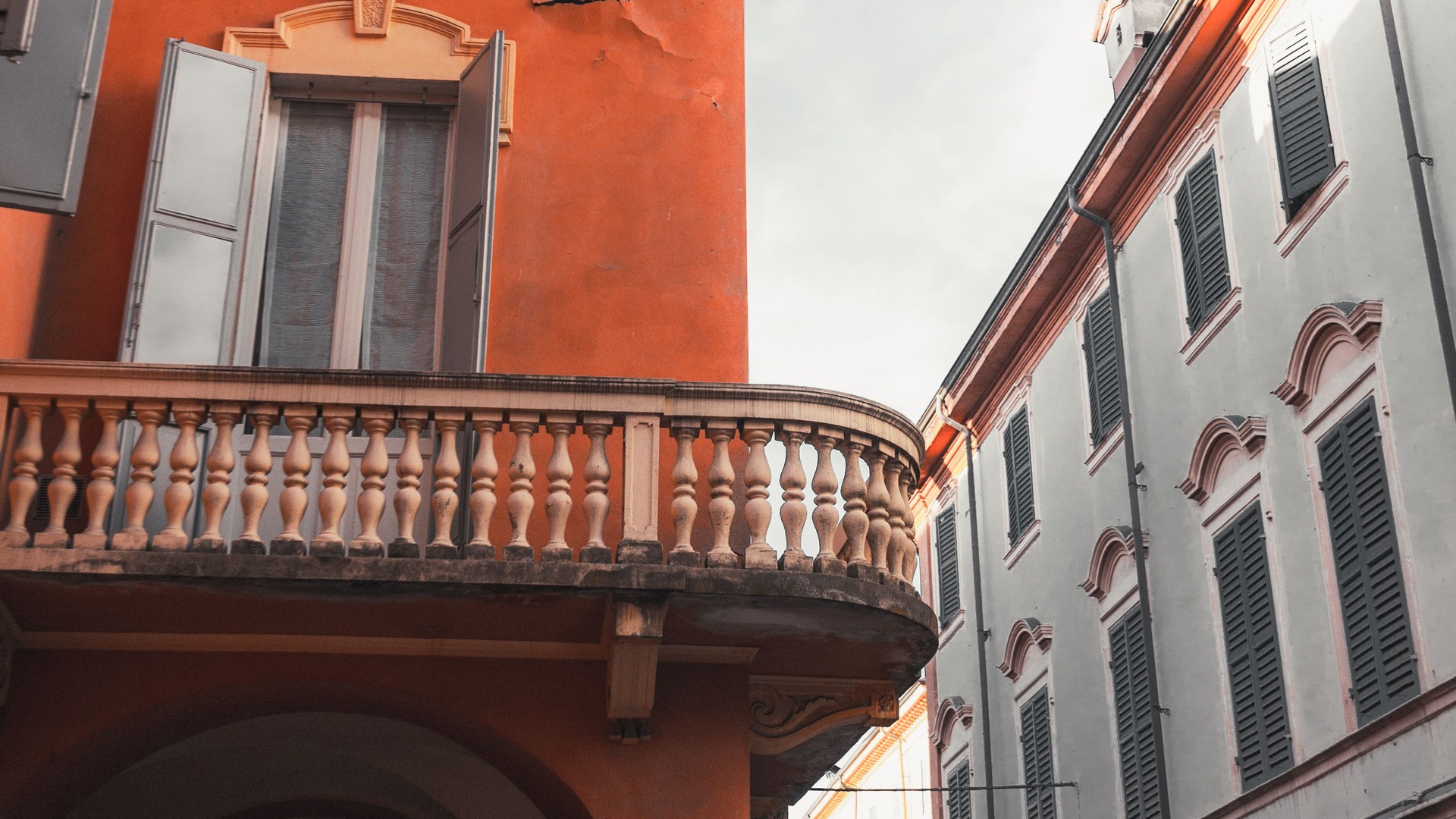
Beyond the marquee experiences, Modena’s compact, walkable historic center means a luxury stay here rarely feels like it requires constant transfers. The Duomo, the Palazzo Ducale, the Galleria Estense, and the city’s best restaurants and boutiques all sit within a comfortable walk of each other, a genuinely different rhythm from the more spread-out itineraries required around Florence or the Tuscan wine country. For anyone unable to secure a table at Osteria Francescana, Modena’s broader dining scene still punches well above its size, with several other Michelin-starred and highly regarded restaurants across the city and surrounding countryside built around the same core Emilian ingredients, tortellini in brodo, Parmigiano-Reggiano, and traditional balsamic, executed with considerably less fanfare but often comparable skill.
Maranello: A Pilgrimage Site for Car Enthusiasts
Ten minutes south of Modena, the small town of Maranello exists almost entirely in the orbit of a single company. Ferrari’s headquarters, factory, and test track occupy a significant share of the town, and the Museo Ferrari Maranello, distinct from the Museo Enzo Ferrari in Modena itself, sits directly across from the factory gates, holding a rotating collection of historic and current Formula One cars alongside road models spanning the marque’s history. Guided factory tours, when available, offer a genuinely rare look at the production line building some of the most coveted cars in the world, and the two museums are often combined into a single ticket for visitors making the short trip from central Modena. For those wanting to go further than watching, several specialist agencies in the area arrange supervised track days and road drives in current and classic Ferrari models, an experience that turns a museum visit into something considerably more visceral.
The Acetaia Experience in Detail
A visit to a family-run acetaia is worth understanding in more depth than a passing mention, since it’s genuinely unlike any other food or wine experience in Italy. Traditional balsamic vinegar is made and aged in the attics of Modenese homes, where the extreme seasonal temperature swings, hot in summer, cold in winter, drive the slow evaporation and flavor concentration that defines the product. A single batch moves through a graduated series of five to seven barrels made from different woods, oak, chestnut, cherry, ash, and mulberry among them, each one smaller than the last, with vinegar periodically transferred from one to the next as it reduces. Many families maintain barrel sets that have been in continuous production for multiple generations, occasionally over a century, treating the batteria di botti, the barrel set itself, as a kind of living heirloom passed down alongside the property. Private tastings typically move through vinegars of different ages side by side, a genuinely revelatory way to understand how twelve years in wood differs from twenty-five, often paired with a few drops over aged Parmigiano-Reggiano or even vanilla gelato, a pairing that sounds unlikely until you taste it.
Shopping and the Quieter Luxuries
Modena’s historic center supports a genuinely well-curated retail scene for a city its size, a byproduct of the same wealth that built the Este court centuries ago. Via Emilia Centro, the main pedestrian thoroughfare running through the old town, mixes established Italian fashion houses with smaller, independent ateliers, considerably less crowded than the equivalent streets in Florence or Milan. For anyone drawn to the food side of Modena’s reputation, several shops in and around Mercato Albinelli sell aged Parmigiano-Reggiano and traditional balsamic vinegar at a level of quality and provenance that rivals what’s available directly from producers, a genuinely worthwhile stop for anyone assembling a collection of Emilian ingredients to take home.
Where to Stay
Modena’s accommodation scene favors smaller, design-conscious properties over large international chains, in keeping with the city’s understated approach to luxury more broadly. Restored historic palazzi in the center put the Duomo, the Galleria Estense, and the city’s best restaurants within an easy walk, while a handful of countryside relais in the surrounding Emilian farmland offer a quieter, more pastoral alternative, often with their own small acetaie for guests interested in balsamic production firsthand. Given the demand generated by Osteria Francescana and the broader Motor Valley circuit, booking well ahead is worth doing regardless of which style of stay you prefer.
Getting to Modena
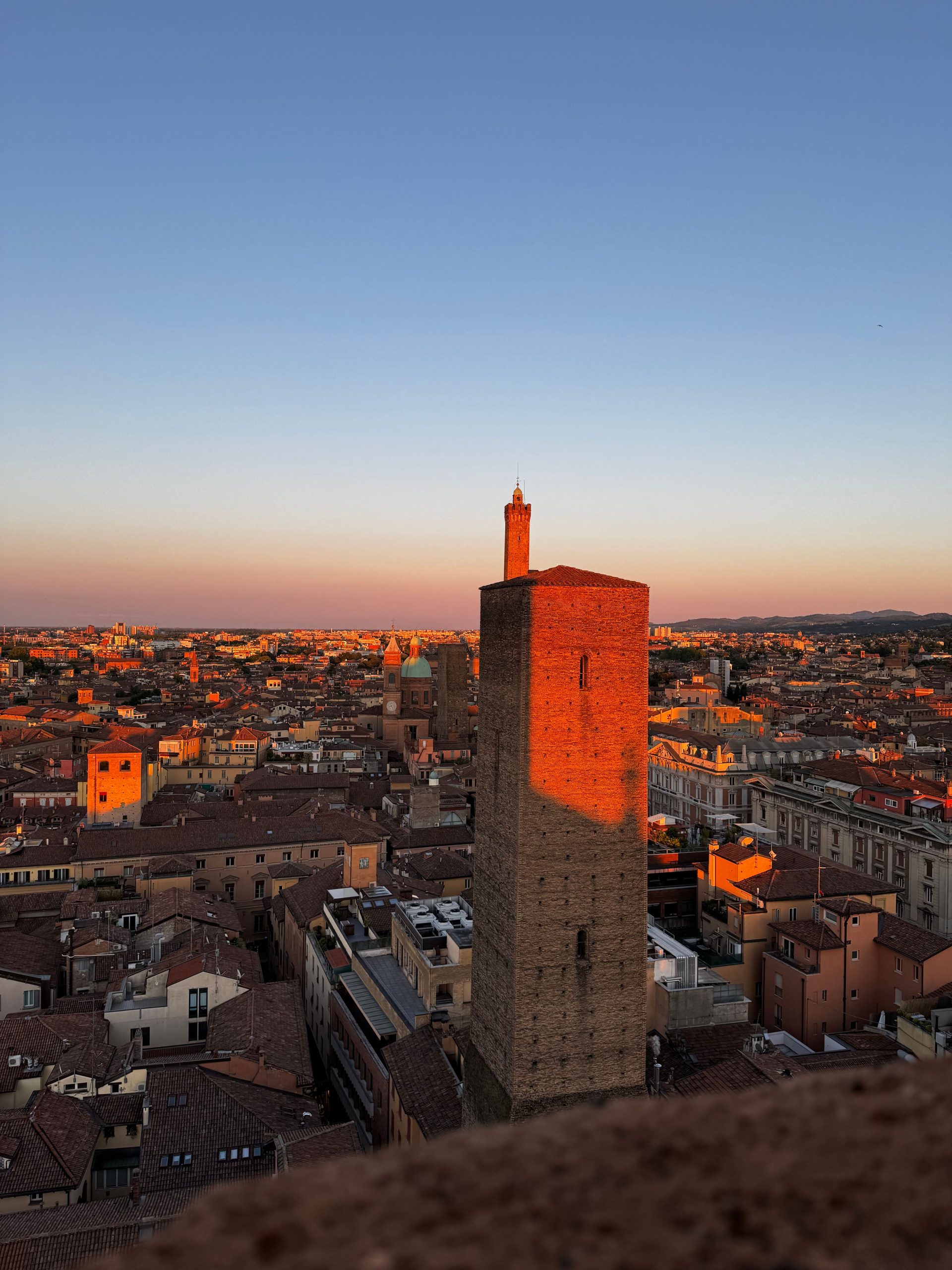
Modena sits directly on Italy’s high-speed rail network, roughly twenty-five minutes from Bologna, which has its own international airport and functions as the most practical arrival point for most visitors. The proximity to Bologna also makes it easy to combine a Modena stay with the rest of Emilia-Romagna’s food and history circuit, Parma’s ham and cheese, Bologna’s university towers, Ferrara’s ducal architecture, without adding significant travel time to the trip. For travelers looking to extend further, Modena also sits within a reasonable rail or drive connection to Tuscany, and anyone splitting a longer Italian trip between Motor Valley and time on the water may find our guide to the best yacht spots along the Tuscany coast a useful next stop.
Best Time to Visit
Spring and early autumn offer the most comfortable weather for walking the historic center and visiting Maranello, avoiding both the summer heat of the Po Valley and the damper, foggier winter months. The Motor Valley Fest, typically held in late spring, draws car enthusiasts from across Europe with factory tours, exhibitions, and track days, and is worth planning around deliberately for anyone whose visit is centered on the automotive side of the city. Securing a table at Osteria Francescana requires booking considerably further ahead than any seasonal consideration, often months in advance regardless of when you plan to visit.
Where to Stay: compare hotels and current prices in Modena on Trip.com.
The Takeaway
Modena is a masterclass in understated Italian luxury: a city that never needed to shout about its Romanesque cathedral, its ducal art collection, or its opera legend, because it had supercars and world-class vinegar to talk about instead. Spend a day moving between Maranello’s factory floor and a family attic full of aging balsamic barrels, and an evening at a table that has helped redefine modern Italian cooking, and it becomes clear why so many discerning travelers now build an entire Emilia-Romagna trip around this one unassuming city.
Planning a trip? See our guides to the Motor Valley: Ferrari, Lamborghini and Ducati.
Exploring Emilia-Romagna? See our guide to Ravenna’s Byzantine mosaics.
For the region’s food, see our guide to Bologna and the Food Valley.