This post contains affiliate links. If you book through them, we may earn a small commission at no extra cost to you. Learn more.
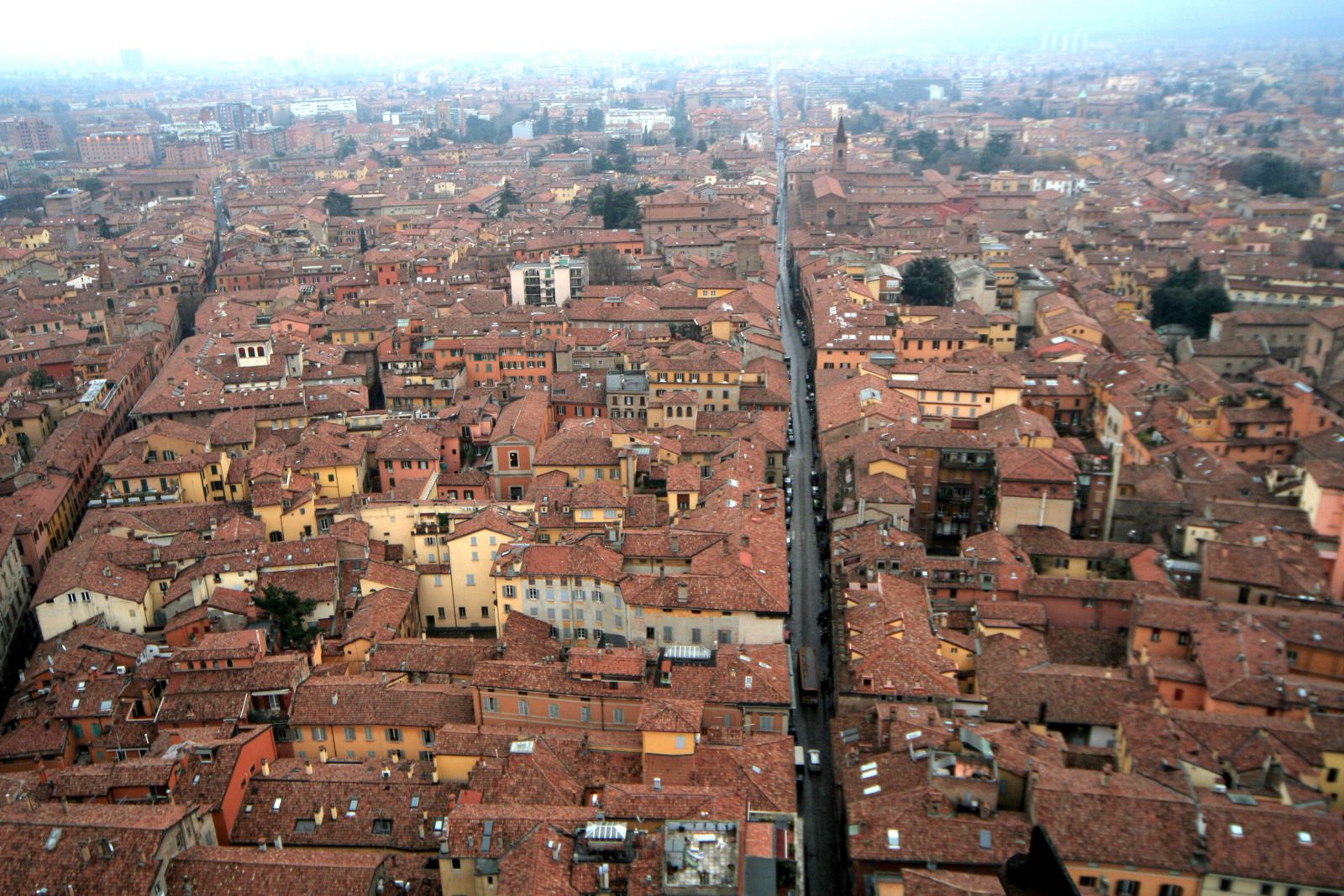
Italians call Bologna la grassa, the fat one, and they mean it as a compliment. The capital of Emilia-Romagna sits at the centre of what is often called Italy’s Food Valley, a stretch of plain between the Apennines and the Po that gives the world Parmigiano Reggiano, Prosciutto di Parma, traditional balsamic vinegar from Modena, mortadella and the finest egg pasta in the country. For anyone who travels to eat, there may be no richer few days in Europe.
This guide covers the dishes to eat in Bologna, the markets and osterie, and how to visit the producers of Parmigiano, prosciutto and balsamic vinegar, with the wines and experiences worth booking along the way.
Quick answer
In Bologna, eat tagliatelle al ragù, tortellini in brodo and mortadella, and explore the market streets of the Quadrilatero. Ride up to San Luca on the open bus tour with food tasting. Then head out into the Food Valley for an early-morning Parmigiano dairy, a prosciutto house near Parma and a balsamic vinegar tour and tasting in Modena. Hire a car for the countryside.
What to eat in Bologna
Tagliatelle al ragù
What the world calls “spaghetti bolognese” does not exist in Bologna. The real thing is ragù, a slow-cooked sauce of minced beef and pork with a little tomato, wine and milk, served with fresh egg tagliatelle. The city takes it so seriously that a reference recipe for ragù and the official width of a tagliatella were deposited with the local Chamber of Commerce. Order it in any good trattoria and taste the difference.
Tortellini, tortelloni and lasagne
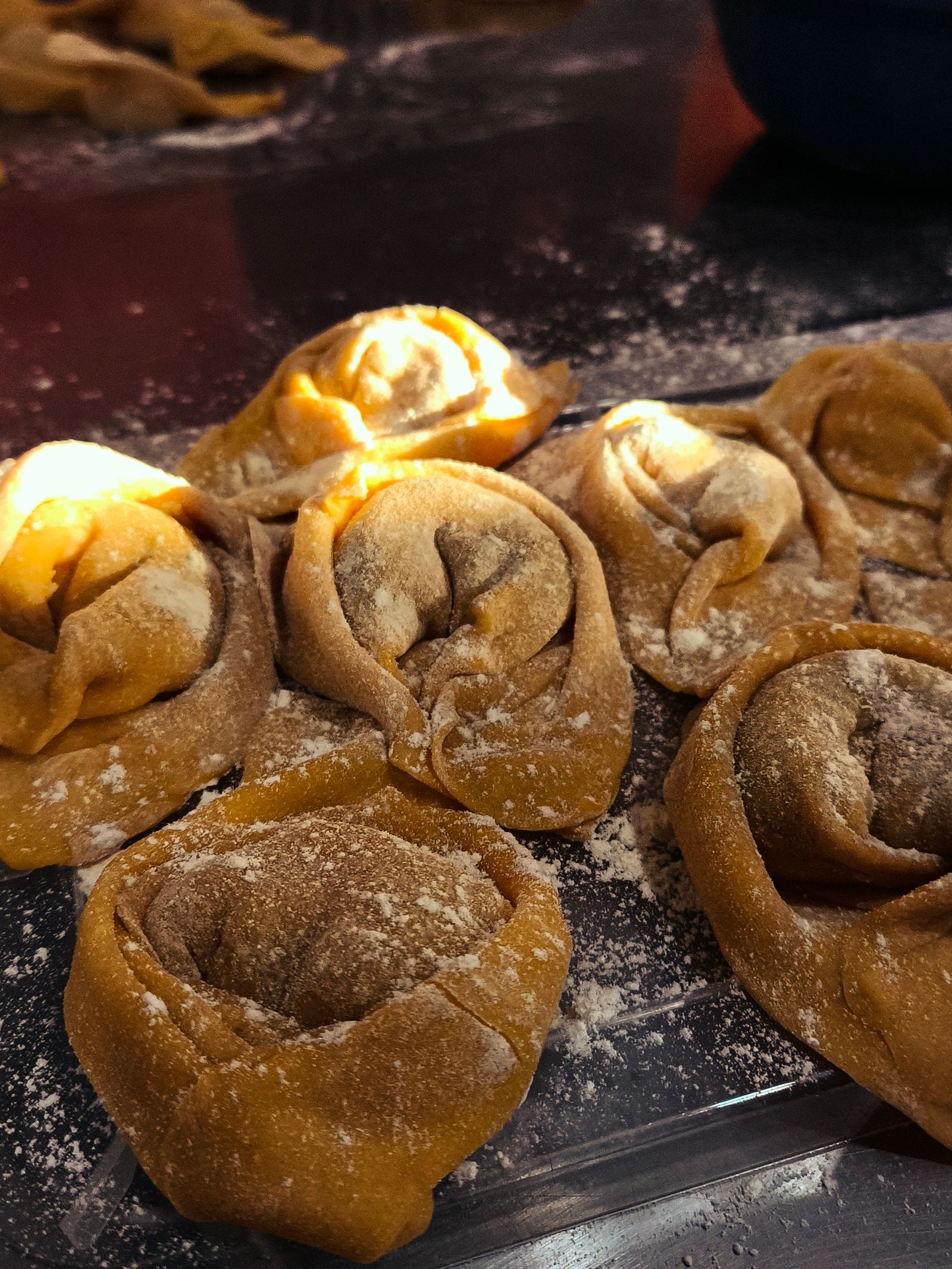
Tortellini are tiny rings of egg pasta filled with pork, prosciutto, mortadella and Parmigiano, traditionally served in brodo, in a rich capon broth. Local legend says their shape was inspired by the navel of Venus. Tortelloni are larger and filled with ricotta and herbs, served with butter and sage. Lasagne verdi, made with spinach pasta, ragù and béchamel, is Bologna’s version of the classic.
Mortadella and the tagliere
Bologna’s famous cured sausage, studded with cubes of fat and sometimes pistachios, is sliced paper-thin and eaten on a tagliere, a wooden board of cured meats and cheeses, often with crescentine or tigelle, little fried or griddled breads. Accompany it with a glass of sparkling Lambrusco or the local white, Pignoletto.
Markets and osterie
The Quadrilatero, a grid of medieval lanes just off Piazza Maggiore, is Bologna’s historic market quarter, with butchers, cheesemongers, pasta shops and greengrocers on Via Pescherie Vecchie and Via Drapperie. Pasta makers known as sfogline roll dough by hand in some shop windows. Nearby, the covered Mercato di Mezzo has small food counters, and the Mercato delle Erbe north-west of the centre is where locals shop.
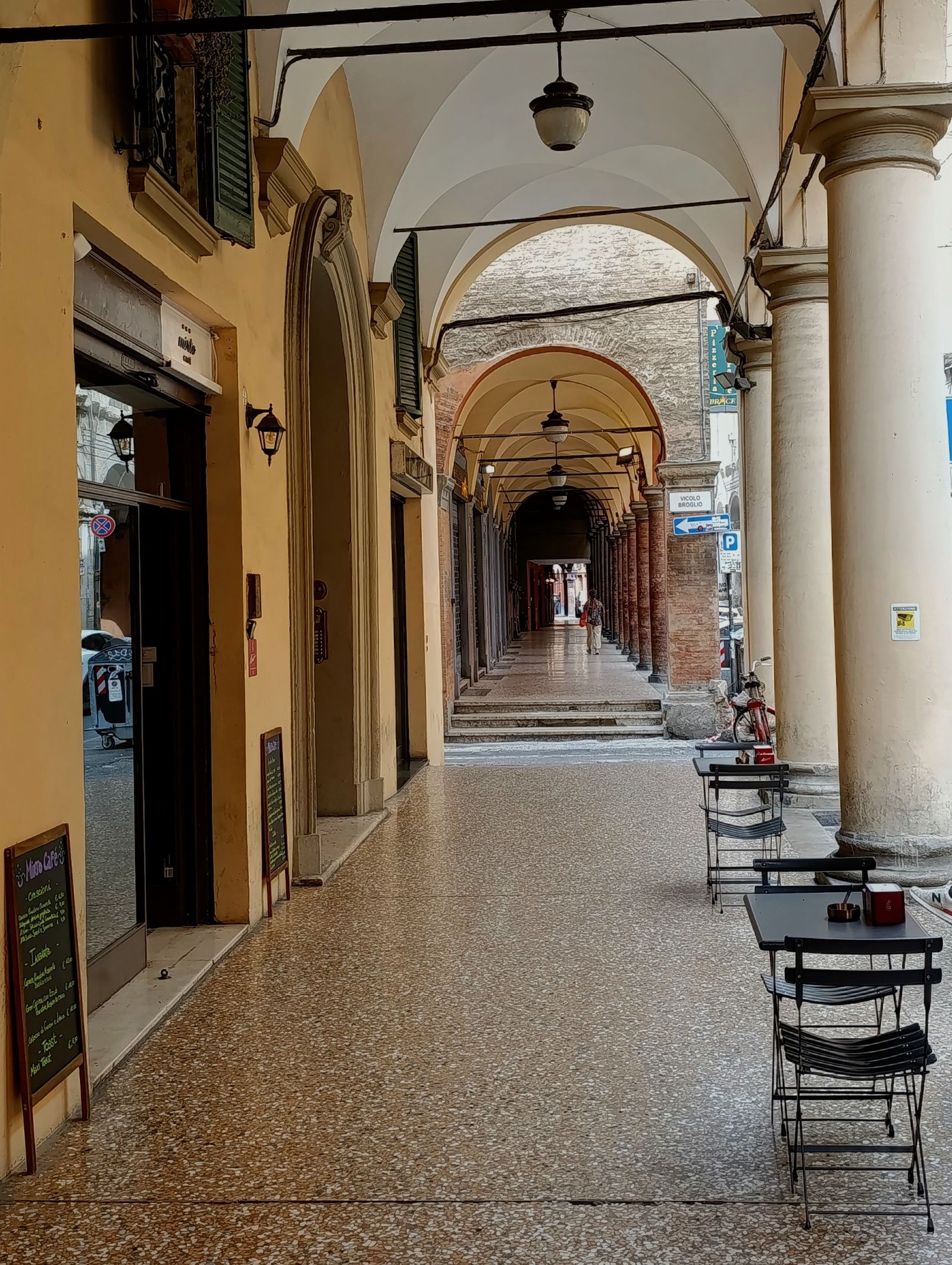
For a uniquely Bolognese experience, look for one of the city’s ancient osterie, where the tradition is to buy wine from the house and bring your own food from the market stalls around the corner. Bologna’s famous porticoes, a UNESCO World Heritage Site that stretches for kilometres, make it easy to wander from shop to shop even in the rain.
Parmigiano Reggiano
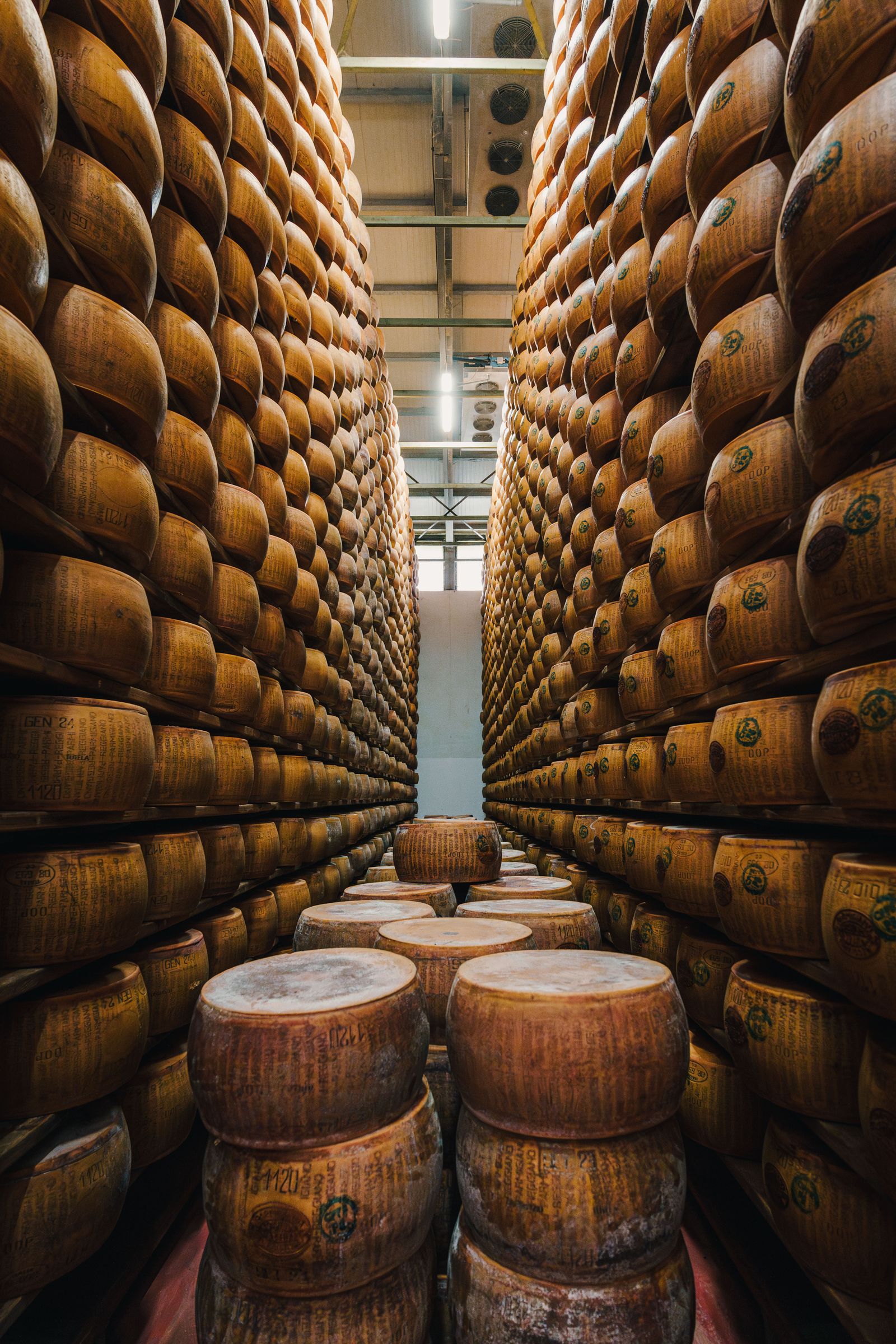
The king of cheeses is made only in a defined area around Parma, Reggio Emilia, Modena and parts of Bologna and Mantua, from raw cow’s milk, salt and rennet, and aged for at least twelve months, often twenty-four to thirty-six or more. Each wheel weighs around forty kilos and is stamped and tested before it earns the name. Visiting a dairy is one of the great food experiences of Italy: arrive early in the morning to watch the cheesemakers break the curd in copper vats and lift it out in linen cloths, then walk through the cathedral-like ageing rooms lined with thousands of wheels. Tastings compare different ages. Most dairies require a booking.
Prosciutto di Parma and culatello
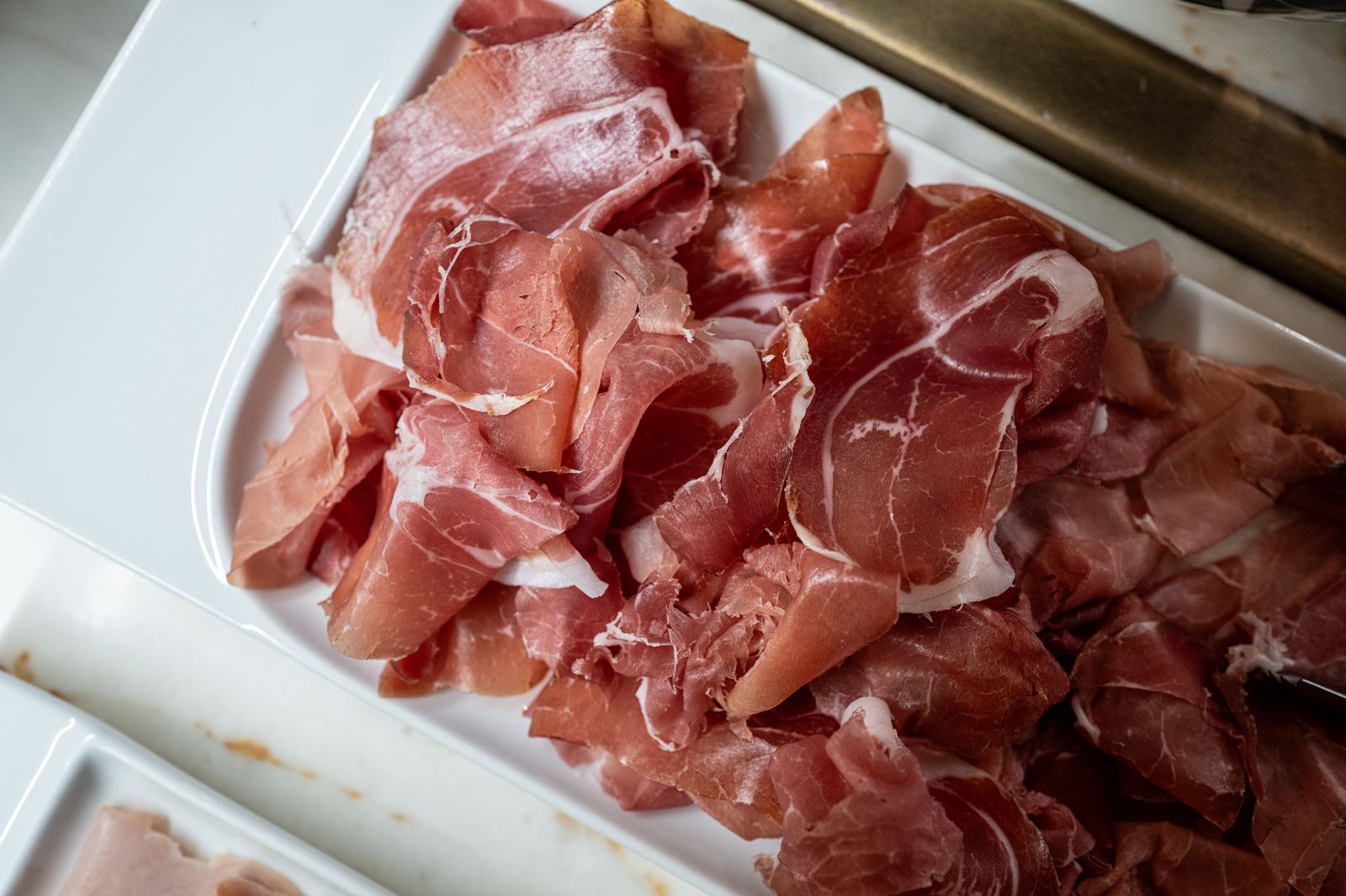
In the hills around Langhirano, south of Parma, the dry winds from the Apennines cure the legs of pork that become Prosciutto di Parma, made with nothing but pork and salt and aged for many months. Many producers welcome visitors. On the flat, foggy plain by the Po, the more rare and expensive culatello di Zibello is aged in damp cellars and is considered by many the finest cured meat in Italy.
Traditional balsamic vinegar of Modena
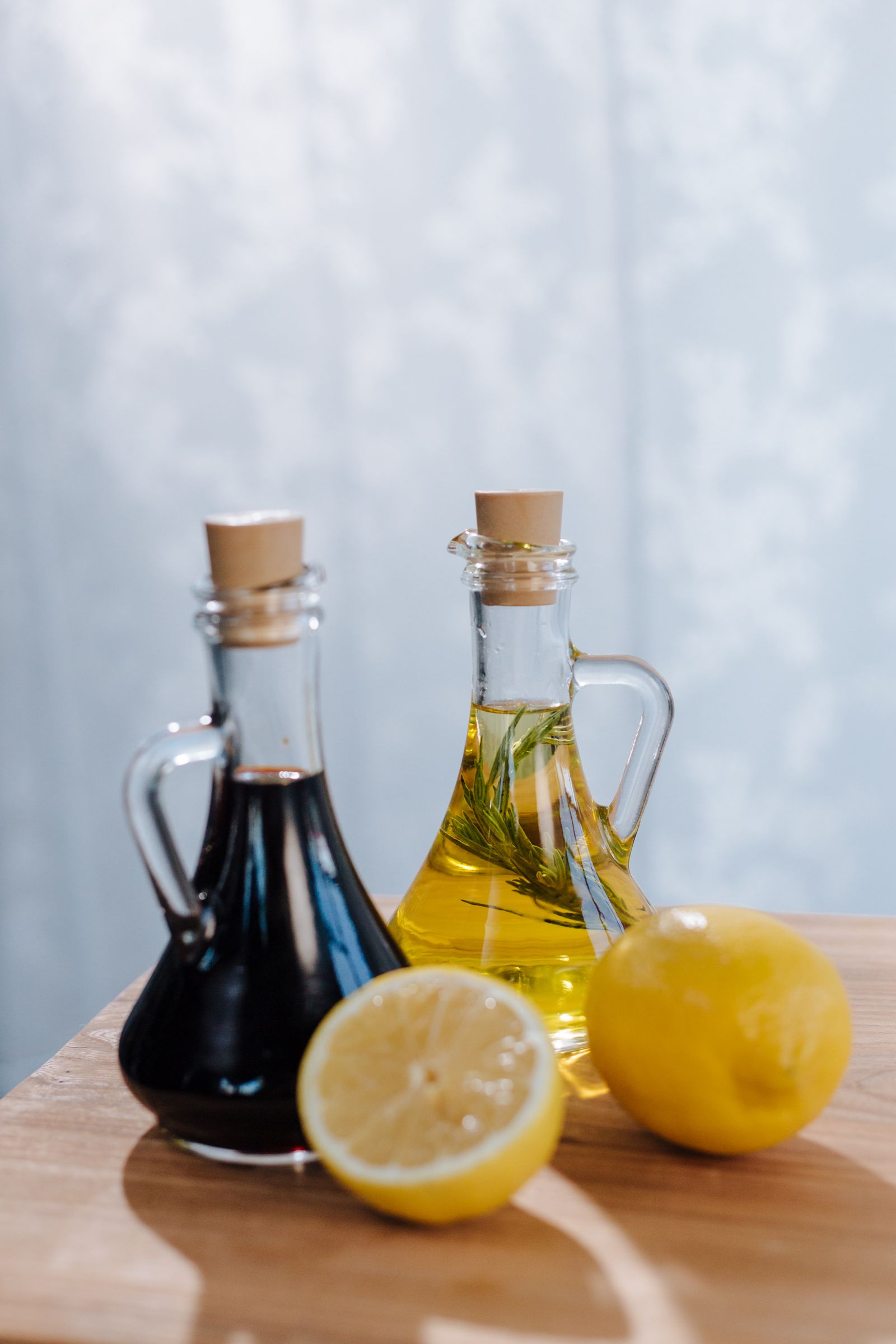
Forget the thin, sharp supermarket product. Aceto Balsamico Tradizionale di Modena is made from cooked grape must, aged in a series of barrels of different woods, usually in the attics of family homes, for at least twelve years and often twenty-five or more. The result is thick, glossy and complex, used drop by drop on Parmigiano, strawberries or ice cream. The guided balsamic vinegar tour and tasting in Modena explains the process. Modena itself, home of Ferrari and Pavarotti, is covered in our guide to Modena; book the Enzo Ferrari Museum and the Pavarotti house museum while you are there.
Sweets, gelato and coffee
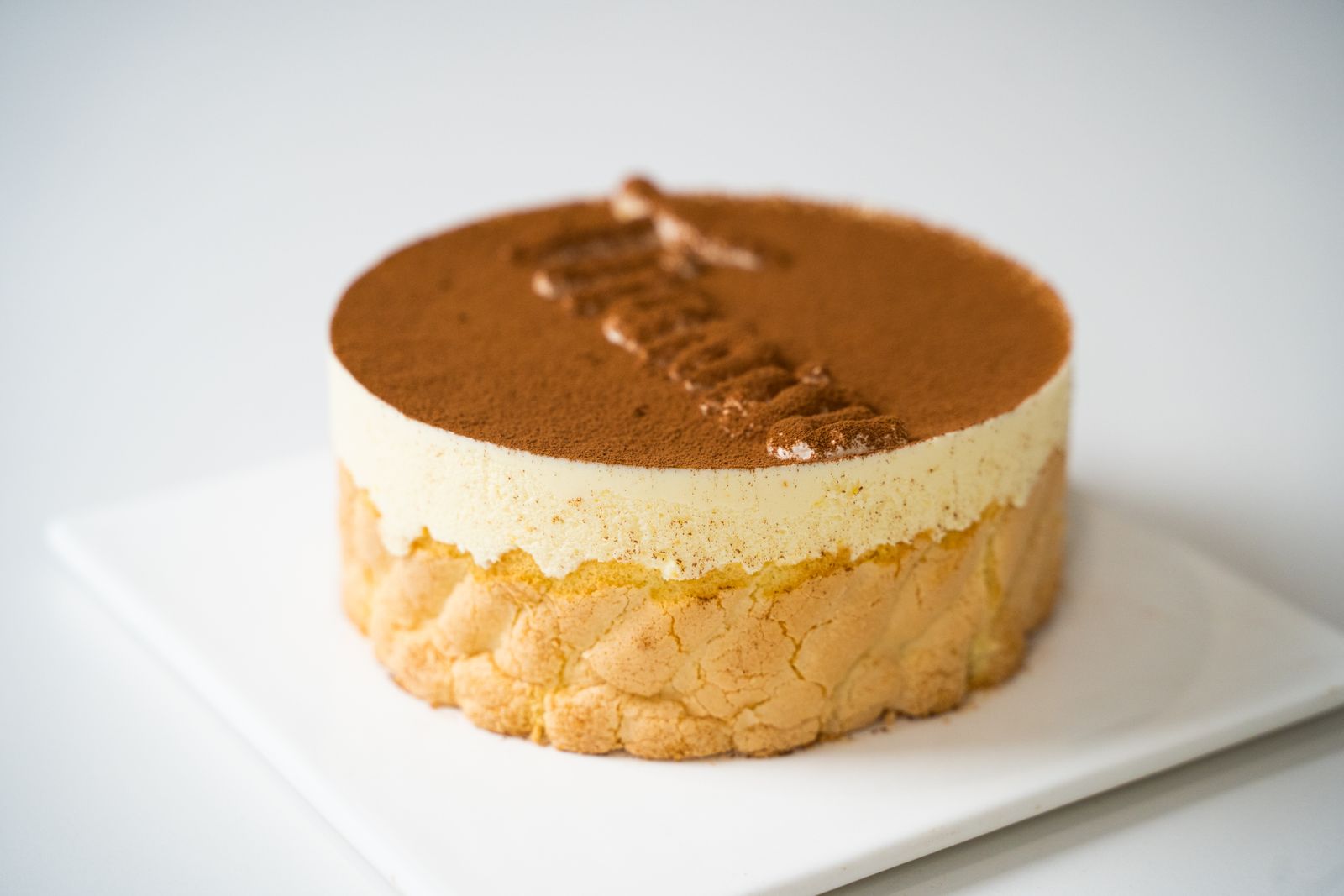
Bologna’s sweets are as hearty as its pasta. Try torta di riso, a dense almond and rice cake soaked in liqueur, the dark spiced certosino at Christmas, and the jam-filled raviole made for the feast of St Joseph. The city also has some of the best gelato in Italy, with a long tradition of artisan gelaterie and even a gelato university nearby that trains makers from around the world. In the afternoon, join the students and professors of Europe’s oldest university in the historic cafés around Piazza Maggiore.
Fine dining in Emilia
The region’s gastronomic reputation extends to its top restaurants. Modena is home to one of the world’s most celebrated restaurants, Massimo Bottura’s three-starred Osteria Francescana, which reinvents Emilian classics with wit and art; reservations open months ahead. Bottura also has a country house hotel with a restaurant near Modena, and the region is dotted with refined trattorias in old farmhouses where the pasta is still rolled by hand every morning. Combine a special dinner with a night in a converted villa among the vineyards for the ultimate Food Valley escape.
The wines of Emilia
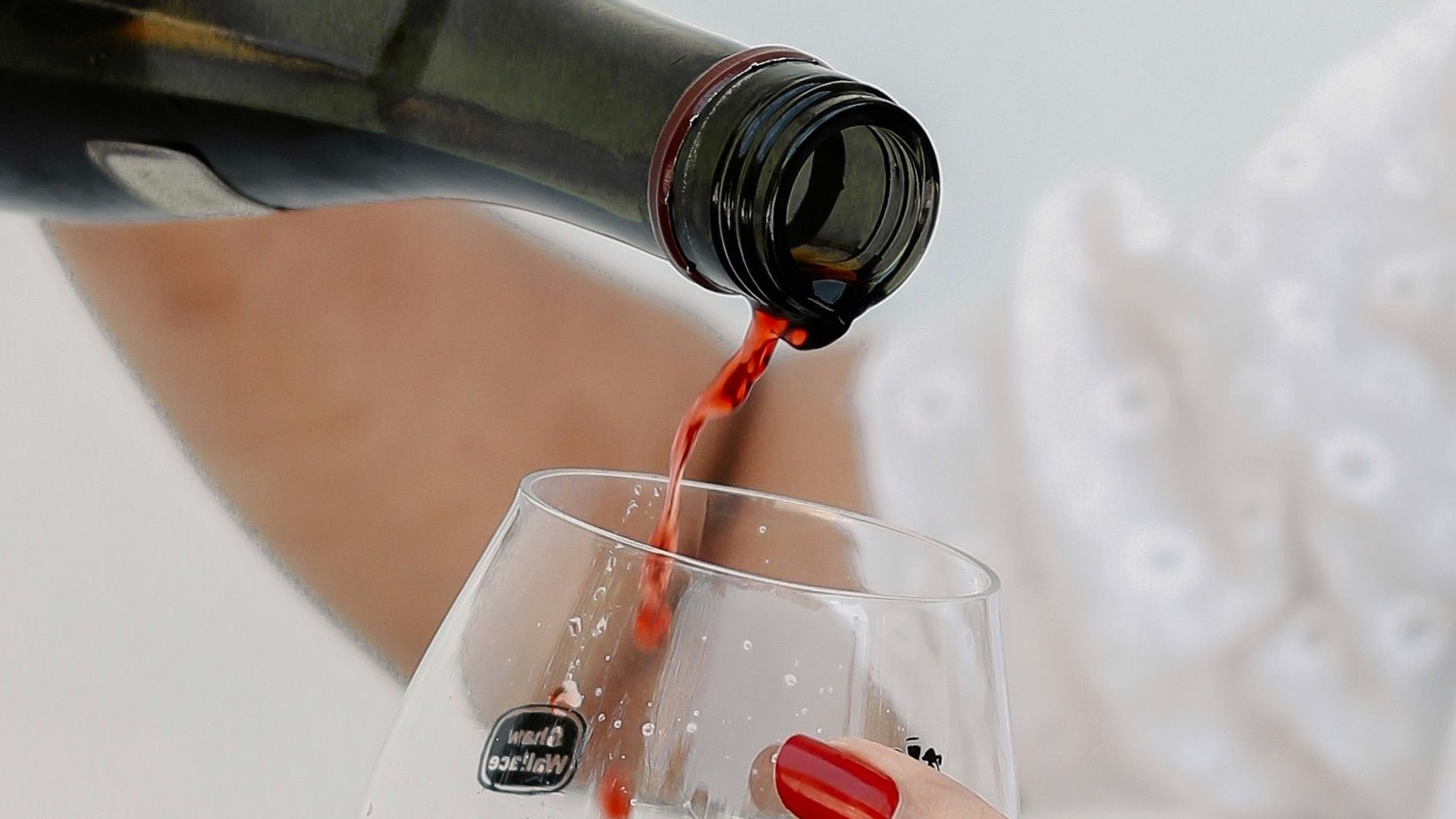
Emilia’s food is rich, and its wines are designed to cut through it. Lambrusco, sparkling, dry and often deep purple, is nothing like the sweet versions once exported in bulk; the best are serious and very food-friendly. Pignoletto is a fresh white from the hills around Bologna, and in Romagna to the east, Sangiovese and Albana take over. Our guides to wine in Emilia-Romagna and Sangiovese di Romagna go deeper.
Food Valley experiences at a glance
| Experience | Where | Time | Book |
|---|---|---|---|
| Bologna bus tour with food tasting | Bologna and San Luca | Half day | Bus and tasting |
| Balsamic vinegar tour and tasting | Modena | About 2 hours | Balsamic tour |
| Enzo Ferrari Museum | Modena | About 1.5 hours | Museum ticket |
| Pavarotti house museum | Modena | About 1 hour | Museum ticket |
| Banksy exhibition | Palazzo Fava, Bologna | About 1.5 hours | Exhibition ticket |
| Parmigiano and prosciutto visits | Parma and Reggio Emilia | Full day | Car hire / Driver |
A three-day Food Valley itinerary
Day one, Bologna: the Quadrilatero in the morning, tagliatelle al ragù for lunch, a walk under the porticoes to San Luca and an evening in an osteria. Day two, Modena: a balsamic vinegar acetaia, lunch on tortellini, the Ferrari museum and a Lambrusco tasting. Day three, Parma: a Parmigiano dairy at dawn, a prosciutto house in Langhirano, and the city’s elegant centre and opera house in the afternoon. A rental car makes this easy; trains connect the three cities in under an hour.
Practical tips
- Book dairies and acetaie in advance; many work with small groups only.
- Go early for cheese. Cheesemaking happens in the first hours of the morning.
- Buy to take home. Vacuum-packed Parmigiano and small bottles of traditional balsamic travel well.
- Combine with cars. The Motor Valley sits in the same area; see our guide to Ferrari, Lamborghini and Ducati.
For the region’s art, see Ravenna’s mosaics and our overview of Emilia-Romagna. For other Italian food guides, read Florence, Rome, Turin and Sicily. Our Italy travel planner covers eSIMs and insurance.
Charlotte’s pick
If I could recommend only one thing here, it would be the balsamic vinegar tour and tasting in Modena. Tasting a twenty-five-year-old traditional balsamic in an attic acetaia is unforgettable, and it changes how you see the supermarket version forever.
FAQ
Is spaghetti bolognese from Bologna?
No. In Bologna, ragù is served with fresh tagliatelle, never spaghetti.
Can I visit a Parmigiano Reggiano dairy?
Yes, many dairies offer guided visits and tastings, usually early in the morning and by reservation.
What is the difference between balsamic vinegar and traditional balsamic vinegar?
Traditional balsamic is made only from cooked grape must and aged at least twelve years in wooden barrels; ordinary balsamic vinegar of Modena is a blend with wine vinegar and is much younger.
What wine goes with Emilian food?
Dry Lambrusco, whose bubbles and acidity cut through rich pasta and cured meats.
Is Bologna a good base for the Food Valley?
Yes. Modena is under thirty minutes away by train and Parma about an hour.