
Tag: Emilia-Romagna
-
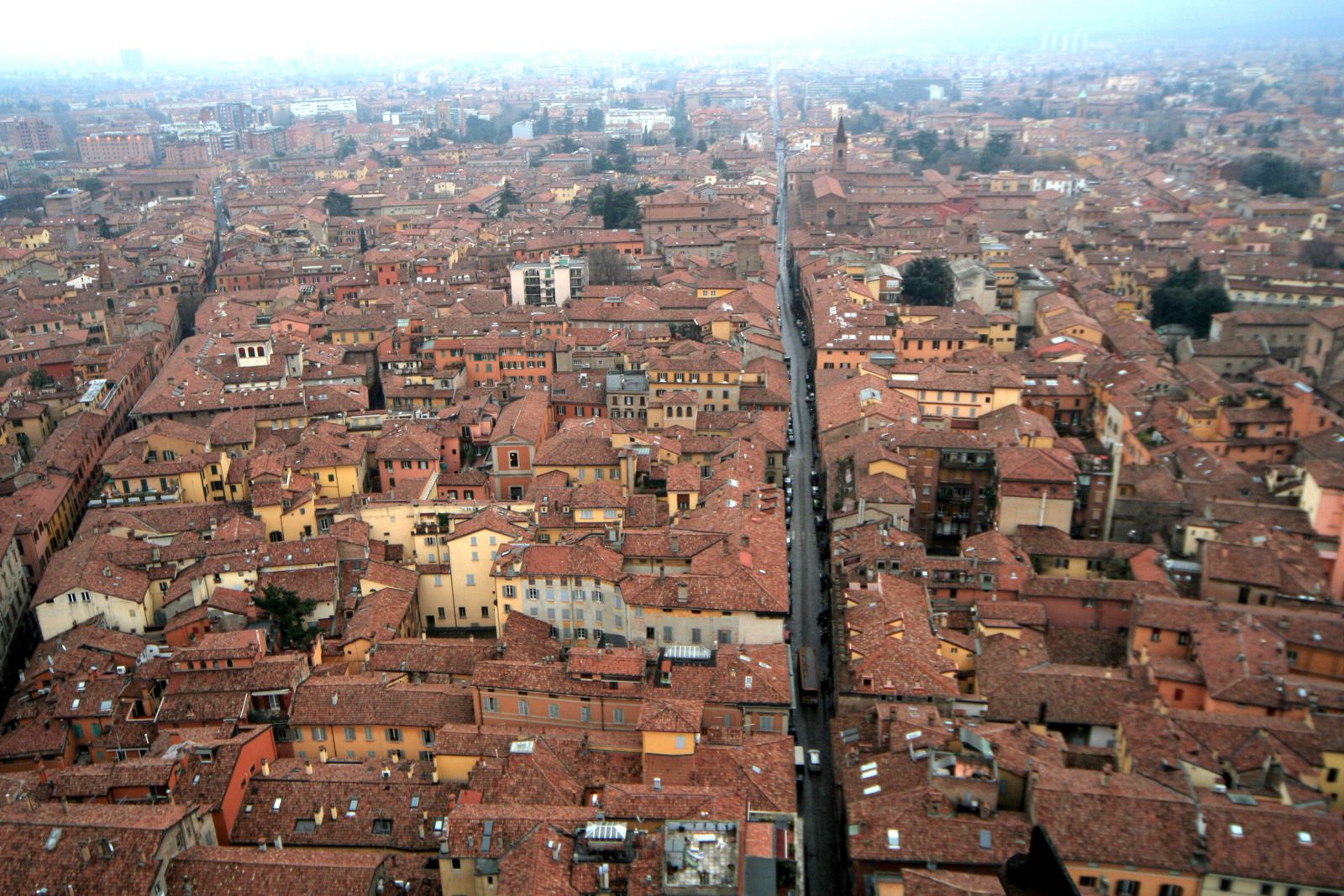
A food lover’s guide to Bologna and Emilia’s Food Valley: tagliatelle al ragù, tortellini, mortadella, Parmigiano dairies, Parma ham, Modena balsamic vinegar and Lambrusco.
-
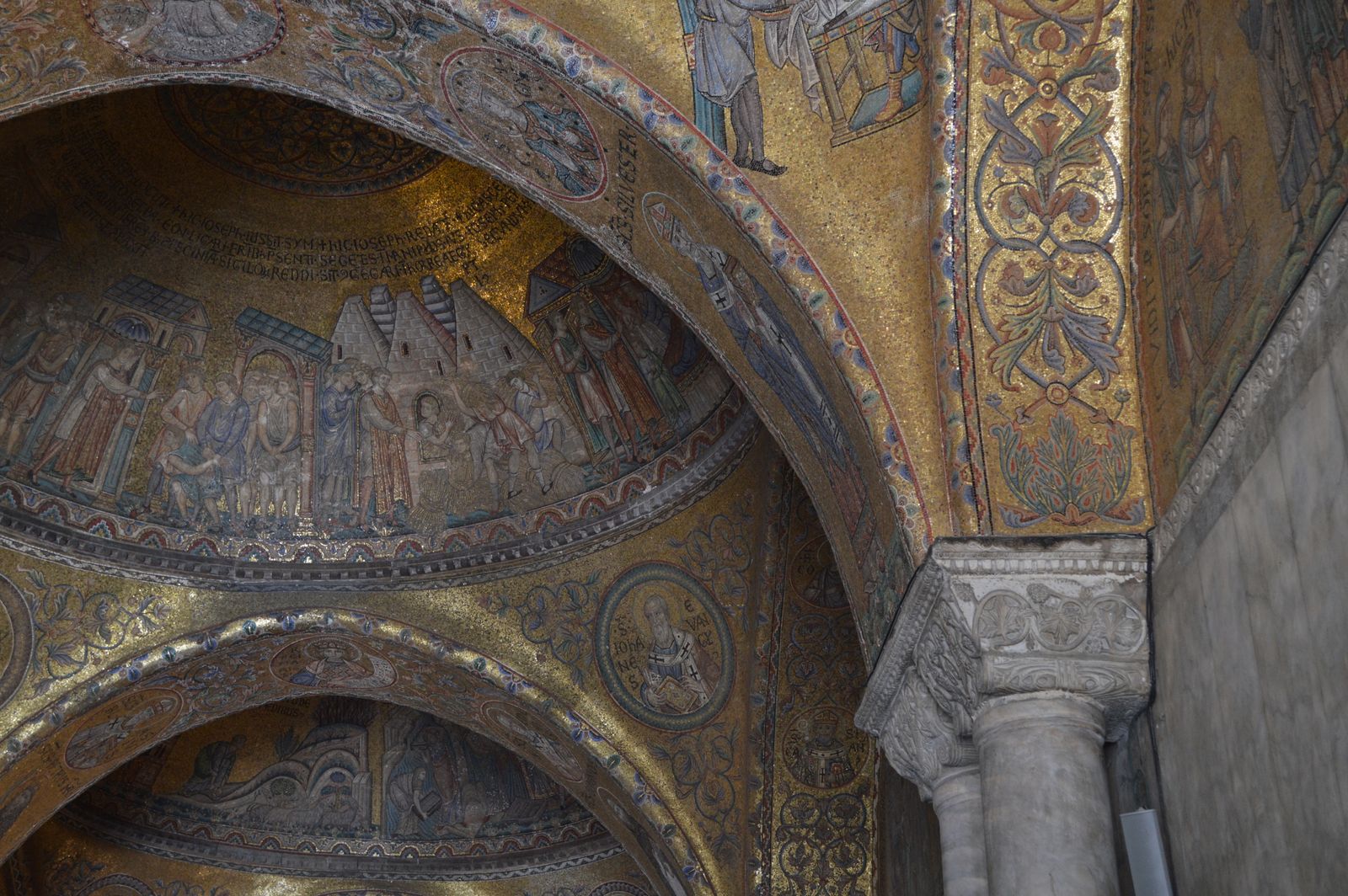
How to visit Ravenna’s UNESCO-listed mosaics: San Vitale and the Mausoleum of Galla Placidia, Sant’Apollinare Nuovo and in Classe, which tickets to buy, Dante’s tomb and a day trip from Bologna.
-
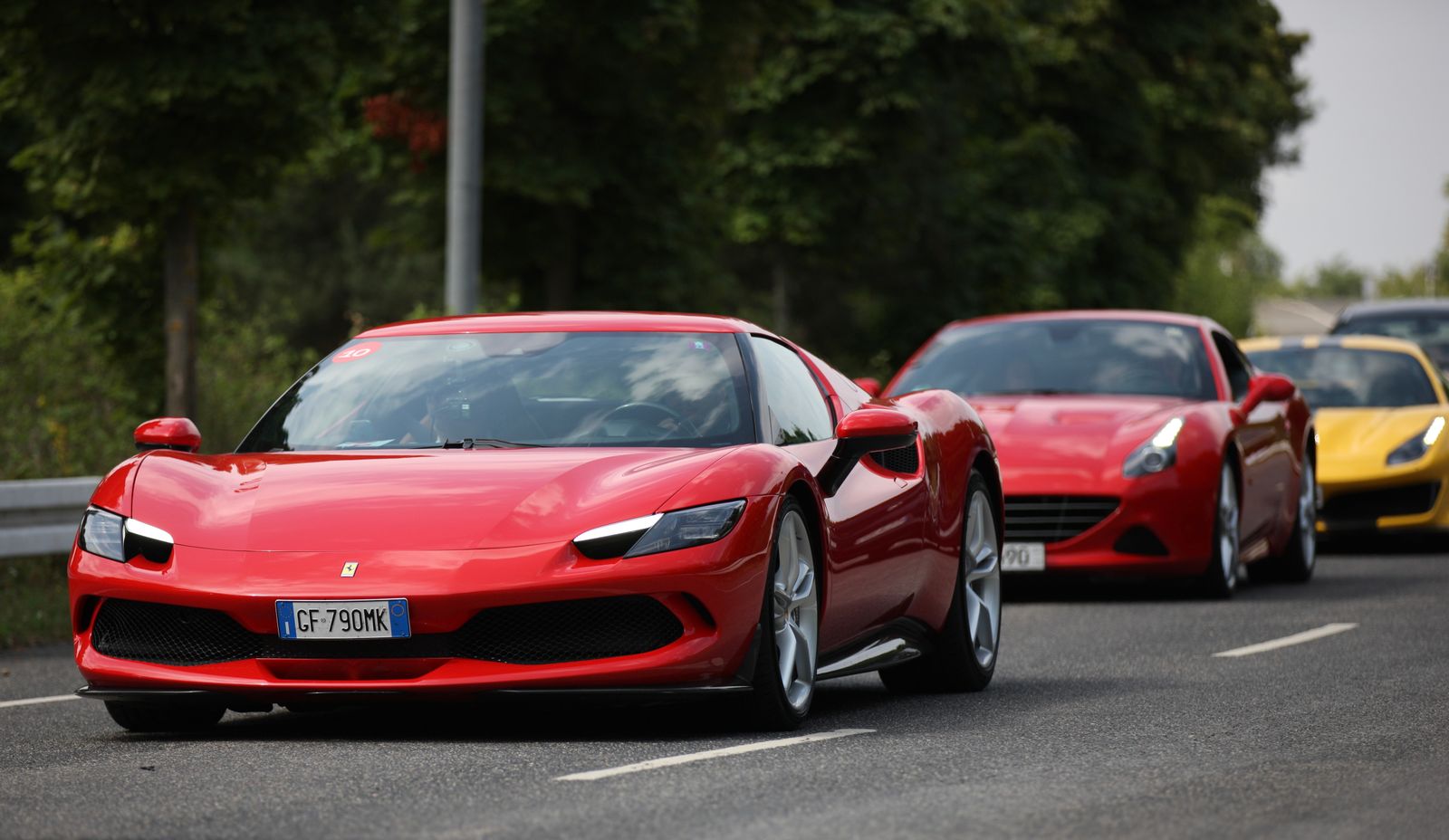
How to visit the Motor Valley between Bologna and Modena: the two Ferrari museums, Lamborghini in Sant’Agata Bolognese, the Ducati museum, getting around without a car and a two-day plan.
-
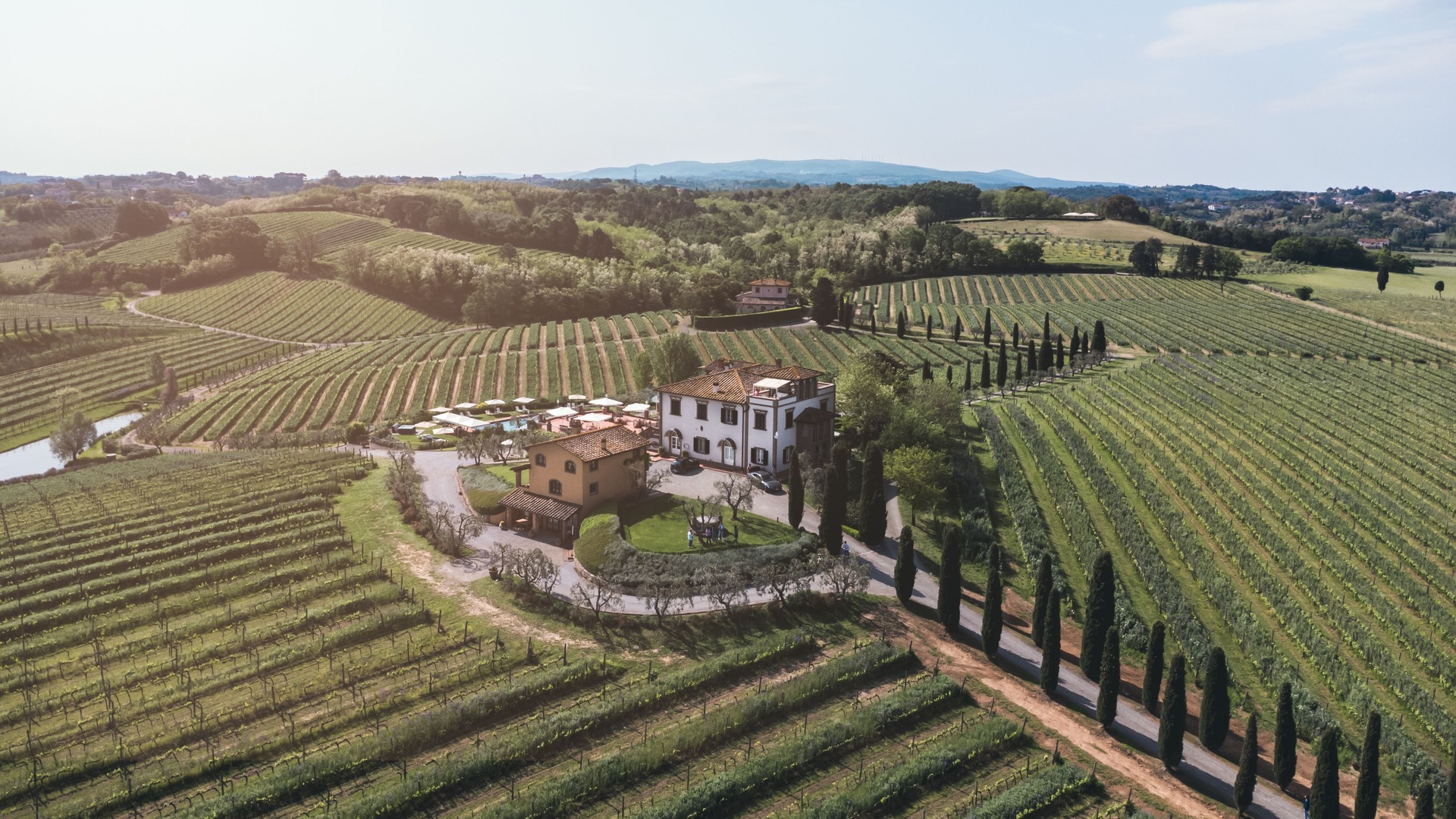
Cross from Emilia into Romagna, roughly the stretch of territory east of Bologna running toward Ravenna and Rimini, and the region’s wine story shifts noticeably away from Lambrusco’s sparkling…
-
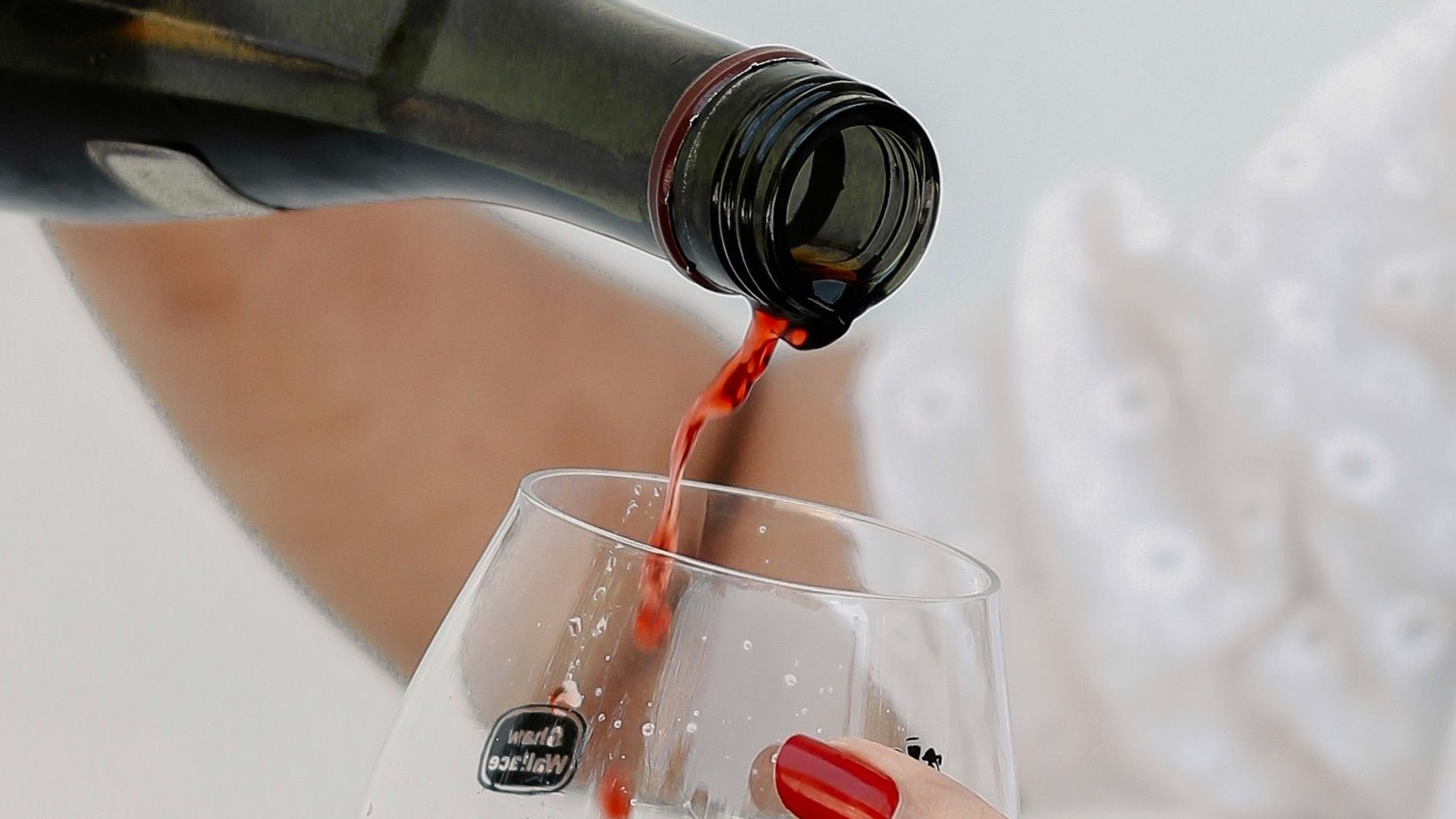
Ask most wine drinkers outside Italy to name a wine from Emilia-Romagna and, if they can name one at all, it’s usually Lambrusco, and usually the wrong version of it.
-

Modena’s reputation rests heavily on engines and vinegar, but the city’s most emotionally resonant attraction has nothing to do with either.
-
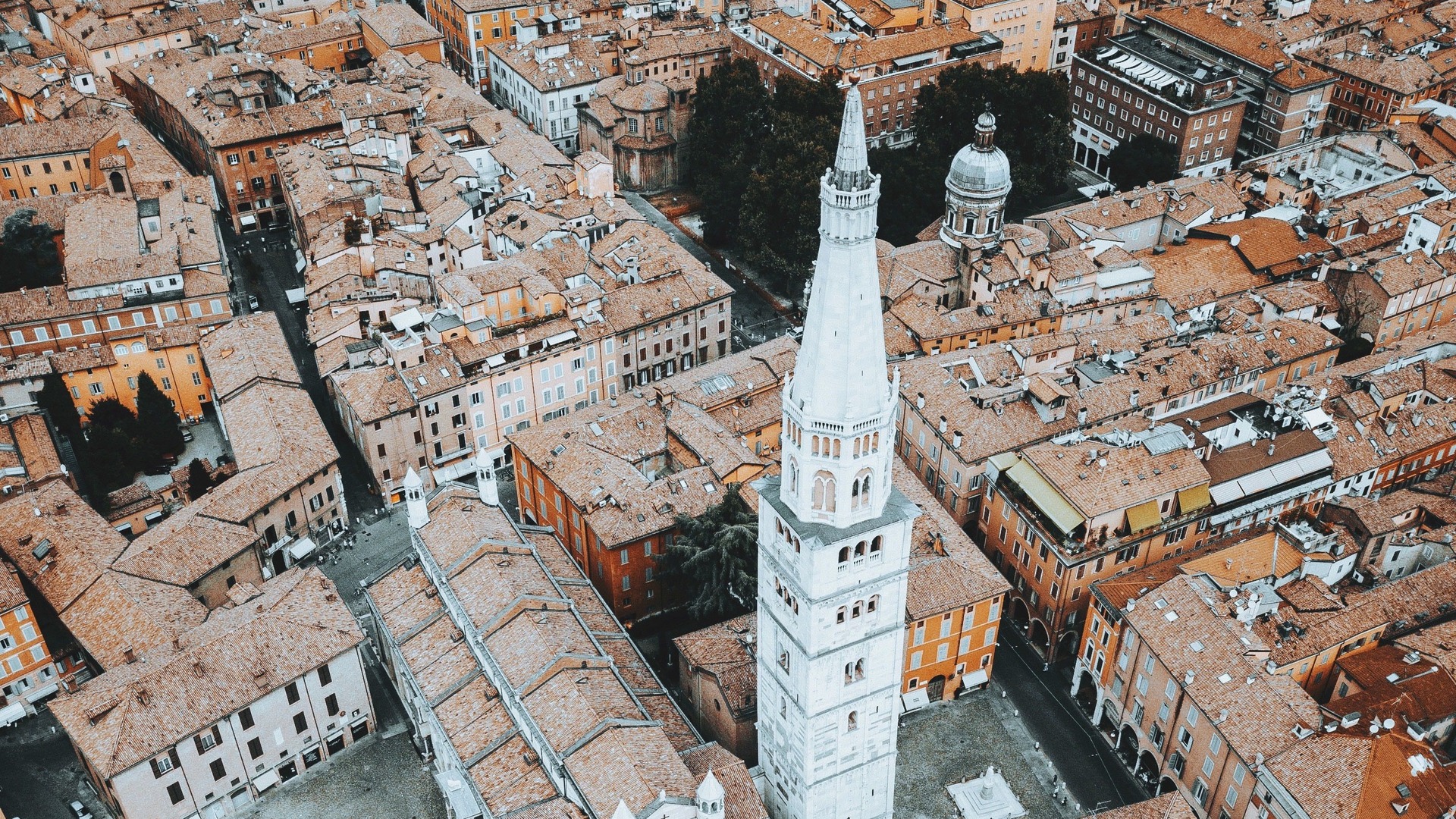
Long before Modena had Ferrari or a drop of traditional balsamic vinegar to its name, it had this: a Romanesque cathedral so complete, so carefully preserved, and so architecturally influential…
-
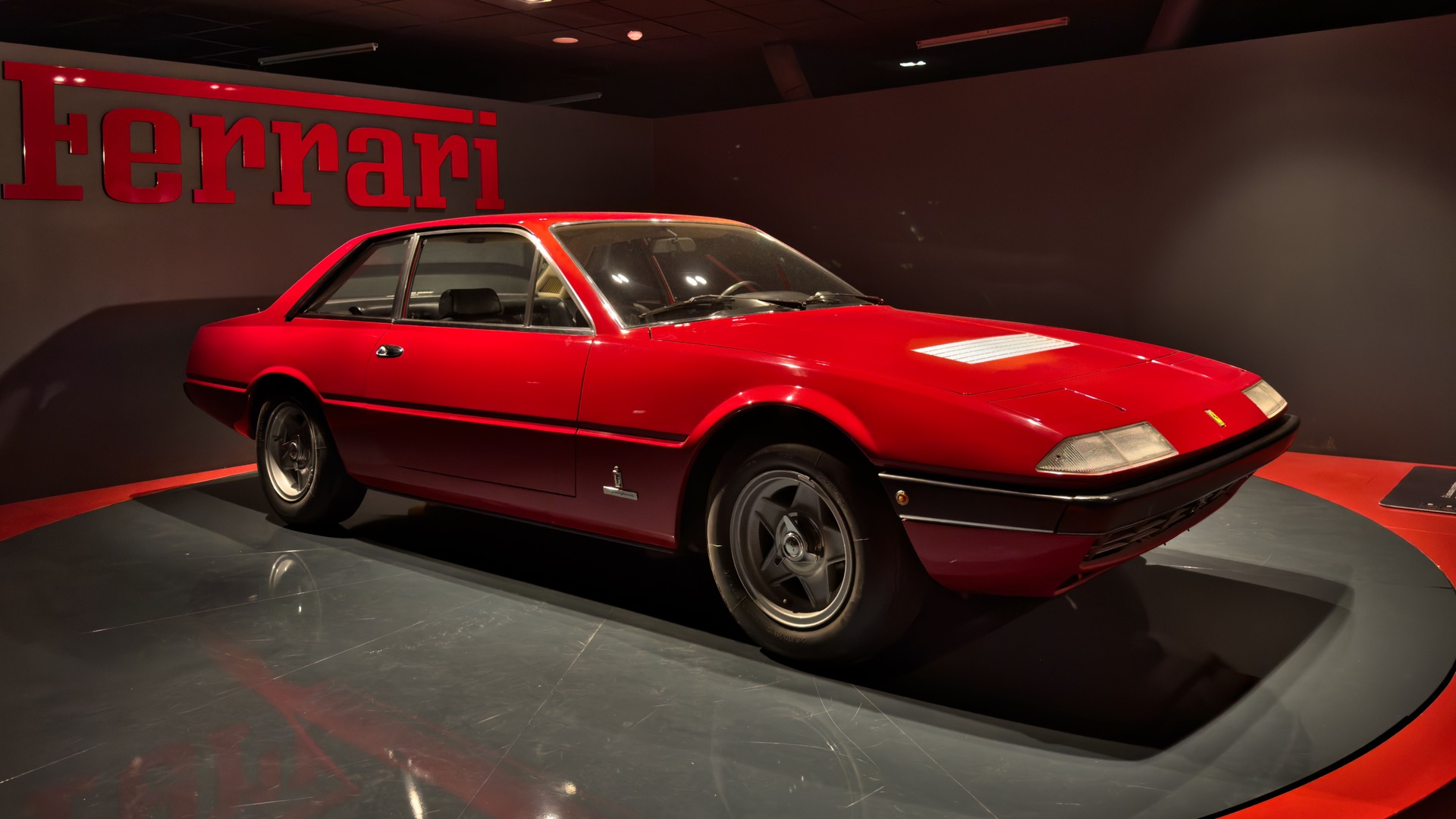
No detour from Modena is more essential for car enthusiasts than the short run down to Maranello, the small town where Enzo Ferrari built his company and where it remains headquartered to this day.
-
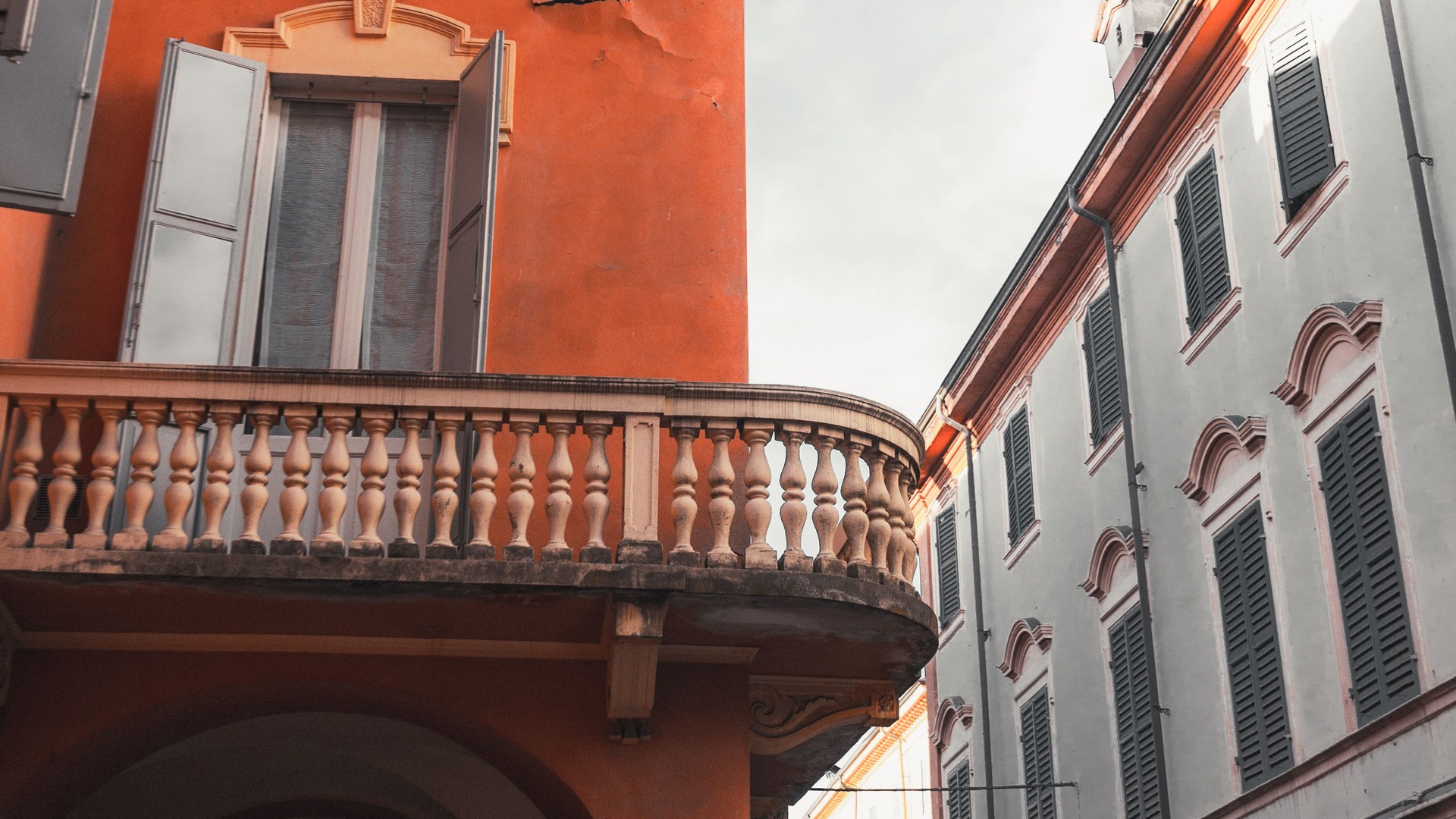
Modena rarely appears on a first-time visitor’s Italy itinerary, and that’s precisely what makes it such a rewarding detour for anyone who actually makes the trip.
-
Ask most travelers to name Italy’s food capital and they’ll usually reach for Tuscany or Campania, picturing a plate of pasta somewhere with a view.