
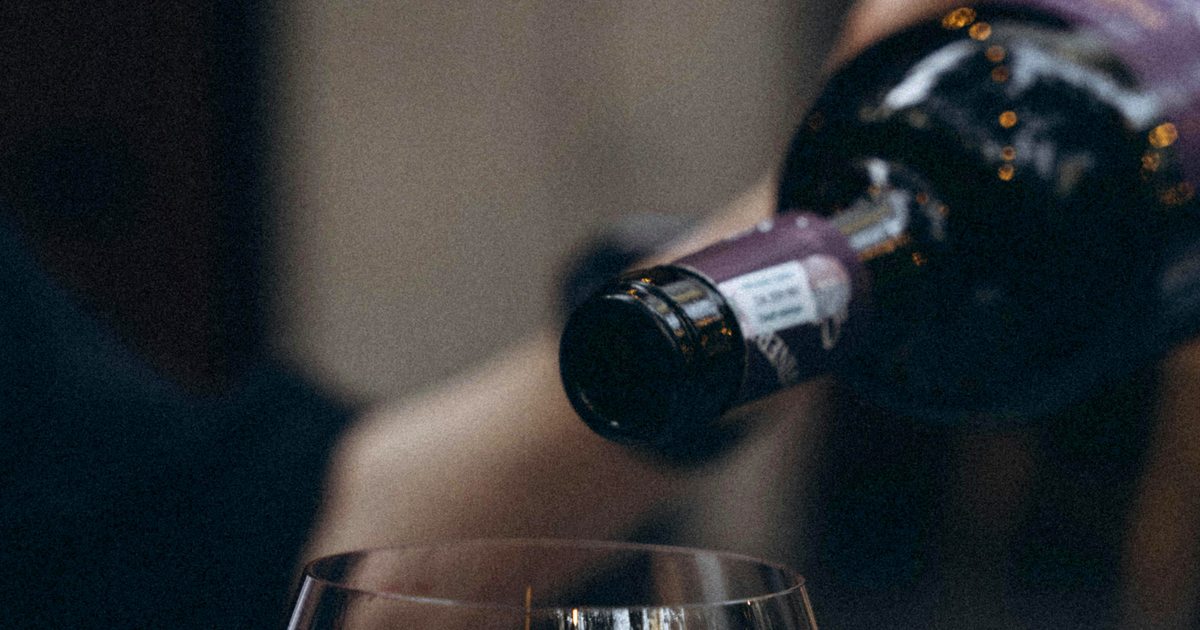
Florence does not produce wine. It does something more interesting — it collects the finest bottles from the hills, valleys, and coastline that surround it, and offers them to anyone who knows where to look. No city in the world gives you better access to serious Tuscan wine than Florence. This is your guide to drinking it properly.
Whether you are planning a visit or want to understand the wines you have already tasted, this guide covers the full landscape — from the Chianti hills visible from the city’s rooftops to the coastal estates of Bolgheri, from centuries-old wine windows in medieval alleyways to Michelin-starred cellars beneath Renaissance palazzi.
|
7
major wine zones within 2 hrs
|
1282
year the first Chianti was recorded
|
600+
Chianti Classico producers
|
152
historic wine windows in Florence
|
Florence sits at the northern edge of one of the world’s great wine landscapes. Drive thirty minutes south and you are in the Chianti Classico zone, where Sangiovese grapes have grown on rocky, galestro-rich soils since the Roman era. Drive ninety minutes southwest and the terrain flattens into the Maremma coast, where Bolgheri’s revolutionary Super Tuscans changed the rules of Italian fine wine in the 1970s. Go east and the hills of Montalcino produce what many consider Italy’s greatest red wine.
The city itself has historically been the commercial engine of this landscape. The Medici owned vineyards. The merchant families of the Renaissance drank — and traded — wine as seriously as they traded silk and gold. That merchant culture persists today in the extraordinary depth of Florence’s enotece, restaurant cellars, and specialist wine shops, which stock bottles unavailable almost anywhere else.
| Zone | Distance | Key wine | Grape | Style |
|---|---|---|---|---|
| Chianti Classico | 30–60 min | Chianti Classico DOCG | Sangiovese | Elegant, mineral, food-driven |
| Montalcino | ~1h 45min | Brunello di Montalcino | Sangiovese Grosso | Powerful, structured, decades of age |
| Montepulciano | ~1h 30min | Vino Nobile DOCG | Prugnolo Gentile | Refined, velvety, between Chianti and Brunello |
| Bolgheri | ~1h 45min | Sassicaia, Ornellaia | Cab Sauv, Merlot | International, opulent, collector-grade |
| Morellino di Scansano | ~2h | Morellino DOCG | Sangiovese (Morellino) | Warm, rich, spiced — coastal Sangiovese |
| Vernaccia di San Gimignano | ~1h | Vernaccia DOCG | Vernaccia | Crisp, almond-bitter, Italy’s first DOCG white |
| Carmignano | ~40 min | Carmignano DOCG | Sangiovese + Cabernet | Florence’s own zone — Medici-era blends, underrated |
The ancient territory between Florence and Siena — the Chianti Classico zone — is the wine landscape most intimately connected with the city. Drive south on the Strada Chiantigiana and within thirty minutes the landscape opens into something extraordinary: steep terraces of Sangiovese vines on rocky galestro and alberese soils, punctuated by medieval towers, cypress alleys, and stone farmhouses that have barely changed in five hundred years.
The Chianti Classico DOCG requires a minimum of 80% Sangiovese. At the entry level, these are wines of genuine elegance — bright cherry fruit, firm acidity, savoury herbs, and a bittersweet finish that makes them one of the world’s great food wines. The Riserva category demands two years of ageing and represents the serious tier: structured, complex, worth laying down. The Gran Selezione, introduced in 2014, is the prestige expression — single-vineyard or estate’s finest fruit, a minimum of 30 months ageing, and wines that compete with Italy’s greatest reds on the international stage.
| Estate | Village | Character | Visitor access |
|---|---|---|---|
| Fontodi | Panzano | Benchmark Sangiovese. Flaccianello is among Tuscany’s greatest wines | By appointment |
| Badia a Coltibuono | Gaiole | 11th-century monastery estate. Elegant, cellar-worthy wines | Open daily, restaurant on-site |
| Castello di Ama | Gaiole | Contemporary art installations throughout the estate. Superb Gran Selezione | By appointment |
| Isole e Olena | Barberino | Family-run, consistently outstanding, remarkably priced for quality | By appointment |
| Antinori nel Chianti Classico | Bargino | Spectacular modern winery carved into the hillside. Tignanello produced here | Open to visitors, restaurant |
One of Florence’s most charming and least-known wine traditions is the buchetta del vino — literally „little wine hole.“ These small, head-height hatches are set into the stone facades of Renaissance palazzi throughout the city. There are 152 of them, most dating from the 17th century, when noble families who owned vineyards in the surrounding countryside sold wine directly to passersby through these openings — bypassing the guild system and the taxes that came with it.
During the Covid pandemic, several of these windows were reopened — some serving wine, others gelato and coffee — reviving a tradition that had been dormant for decades. Today, a handful remain active, and finding one open is a genuinely Florentine experience: a glass of local wine passed through a medieval hatch, in an alley unchanged since the Medici era.
A historic wine window in Florence serving affogato
[📹vivoli gelateria]pic.twitter.com/9X86Jw7XR1
— Wonderland (@rastanacy) March 26, 2026
| Location | What’s served | Notes |
|---|---|---|
| Vivoli Gelateria — Via Isola delle Stinche | Affogato, gelato | Florence’s oldest gelateria, active window, Santa Croce quarter |
| Babae Wine Bar — Via Santo Spirito | Wine, snacks | Oltrarno. Excellent natural wine selection, historic hatch reopened 2020 |
| Palazzo Corsini — Via dei Serragli | Wine | One of the oldest documented buchette, 17th century. Opening hours vary |
In the early 1970s, Marchese Mario Incisa della Rocchetta began making a wine at his Bolgheri estate that broke every Italian wine regulation then in force. Sassicaia — a blend of Cabernet Sauvignon and Cabernet Franc aged in small French barriques — was technically a humble vino da tavola, a table wine, because it used non-traditional grapes and methods. It was also, when it reached the international market in 1978, one of the finest wines produced anywhere in Italy.
Antinori followed with Tignanello — Sangiovese blended with Cabernet Sauvignon, aged in barrique, also outside the rules. The Super Tuscan category, as critics began calling these wines, fundamentally changed what Italian wine could mean. Today the Bolgheri zone produces some of Italy’s most internationally celebrated and expensively traded bottles, and the Super Tuscan designation has expanded to include dozens of estates across Tuscany.
| Wine | Producer | Blend | Market position |
|---|---|---|---|
| Sassicaia | Tenuta San Guido | Cab Sauvignon / Cab Franc | Collector / investment |
| Ornellaia | Tenuta dell’Ornellaia | Cab Sauv, Merlot, Cab Franc, Petit Verdot | Collector / investment |
| Masseto | Tenuta dell’Ornellaia | 100% Merlot | Ultra-premium / rare |
| Tignanello | Antinori | Sangiovese, Cab Sauvignon, Cab Franc | Premium — more accessible |
| Le Pergole Torte | Montevertine | 100% Sangiovese | Cult / serious collectors |
Florence’s enotece divide broadly into two categories: the historic cellar-bars with deep classical lists, and the newer generation of natural wine bars drawing on artisanal producers across Tuscany and beyond. Both are worth knowing.
| Name | Quarter | Character | Don’t miss |
|---|---|---|---|
| Enoteca Borghese | Santa Croce | Classic, deep cellar — exceptional depth in older vintages | Brunello and Barolo back-vintages by the glass |
| Osteria dell’Enoteca | Oltrarno | Michelin-starred restaurant and cellar | Sommelier pairing menu, full Tuscan zones represented |
| Il Santino | Oltrarno | Natural and artisanal producers, exceptional small plates | The by-the-glass list changes daily. Book ahead. |
| Procacci | Centro (Via Tornabuoni) | Historic institution, established 1885 | Truffle-butter tartufini at marble counter with Prosecco |
| Enoteca Pitti Gola e Cantina | Oltrarno (Piazza Pitti) | Small, serious, facing the Pitti Palace | Superb Chianti selection, terrace in warm weather |
| Babae | Oltrarno (Via Santo Spirito) | Natural wine bar with active buchetta del vino | Order through the wine window — a genuine Florentine moment |
The private winery visit remains the definitive Florentine wine experience — and one that most visitors never access. A good hotel concierge with genuine local knowledge can arrange access to estates that have no public presence: medieval castles and monastery-turned-vineyards where the owner or winemaker personally walks you through the vines, opens the barrel room, and pours wines that have never been exported.
The classic route is the Strada Chiantigiana (SS222) — a two-lane ribbon of road that winds south from Florence through Greve in Chianti, Panzano, Radda, and Gaiole before reaching Siena. A private driver and a morning departure allow time for a walk through the vines, a seated tasting of four to six wines, and lunch on the estate terrace overlooking the very land that produced what you are drinking.
| Format | Duration | What’s included | Best for |
|---|---|---|---|
| Cellar tour + tasting | 1.5 – 2h | Barrel room, 3–5 wines seated | First-time visitors, half-day |
| Vineyard walk + lunch | 4 – 5h | Vine walk, cellar, 5–7 wines, estate lunch | The complete experience |
| Harvest experience (Sept–Oct) | Full day | Grape picking, pressing, cellar, feast | Immersive — book months ahead |
| Multi-estate day tour | Full day | 2–3 estates, private driver, comparative tastings | Serious wine enthusiasts |
For a deeper look at how to arrange private Chianti visits, the Strada Chiantigiana route, and estate lunch recommendations, see our Florence Unveiled guide — which covers this experience as one of the six essential Florentine encounters for the discerning traveller.
|
Spring (Apr–Jun)
Vineyards green, pleasant for driving. Anteprima Chianti Classico trade tastings (May)
|
Summer (Jul–Aug)
Many estates close August. City bars in full swing. Heat makes daytime tastings demanding
|
Autumn (Sep–Nov)
Best season. Harvest (vendemmia) Sept–Oct. Vines amber, air cool, estates fully open and energised
|
Winter (Dec–Mar)
Estates quieter. Vinitaly trade fair (Verona, April). City enotece at their most relaxed
|
Wine in Florence is not a sideshow to the art and architecture. It is part of the same culture — rooted in the same landscape, produced by families with the same centuries-long relationship to the land, and drunk with the same attention to quality and provenance that the Medici applied to everything they touched. A glass of Chianti Classico on a terrace above the city at dusk is not just a drink. It is, in miniature, the whole of Tuscany.
The wine that tastes of a specific hillside at a specific hour — this is what Florence has always understood better than anywhere else.
Chianti Classico
Brunello di Montalcino
Super Tuscans
buchette del vino
wine windows Florence
Bolgheri Sassicaia
Tuscany wine tour
Gran Selezione
Tignanello Ornellaia
luxury Italy 2026
0 Kommentare zu „Florence and Wine: The Best Wine in Florence Italy“