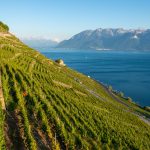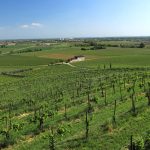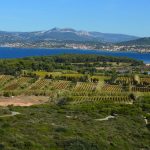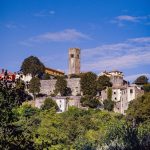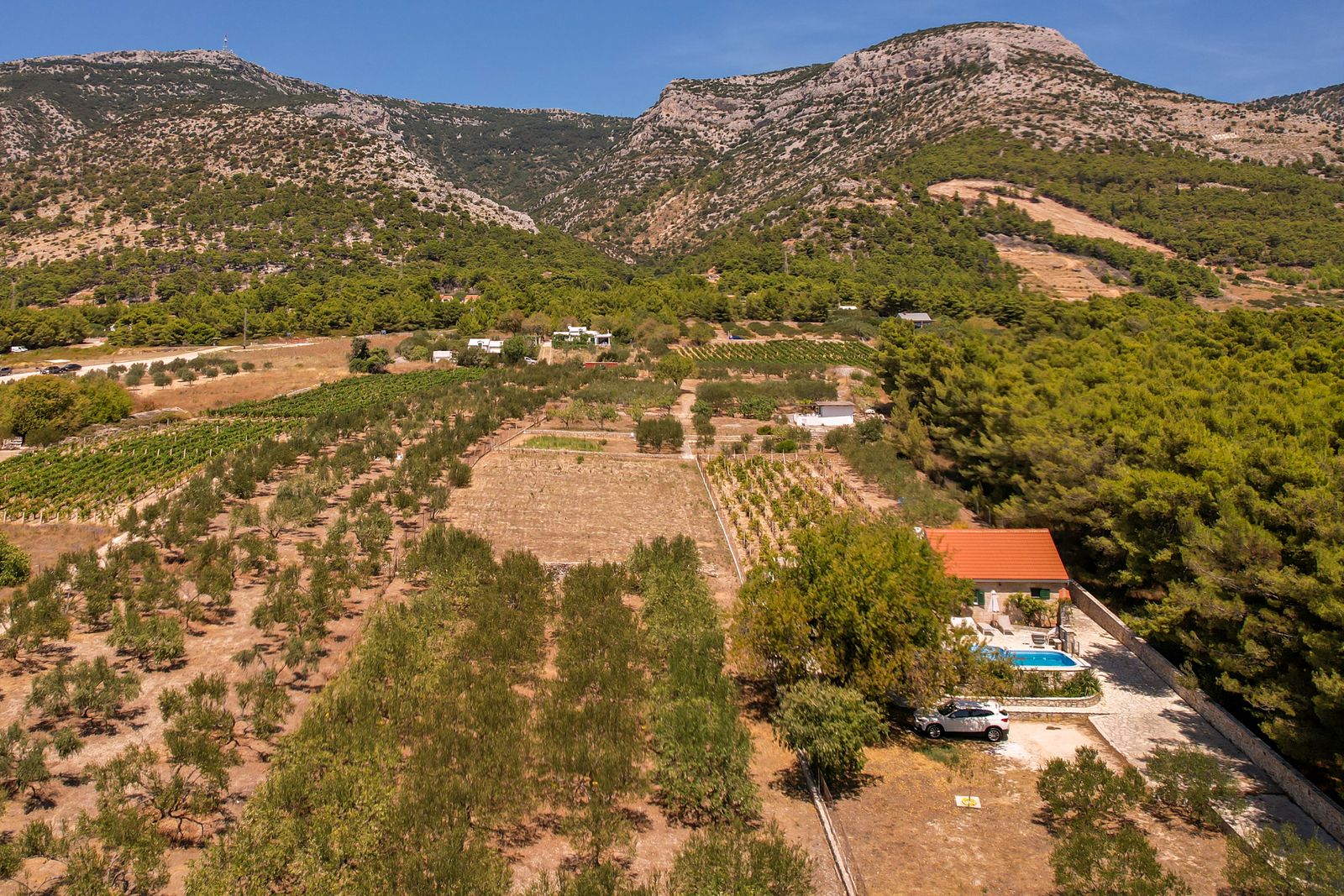
Croatia makes wine from the Danube to the Dubrovnik coast, and much of it rarely leaves the country. The appeal is native grapes, small family cellars and tastings that can end with a swim. This guide is the hub of our Croatia wine series. It explains the four official wine regions, the grapes worth knowing (including the Croatian ancestor of Zinfandel and Primitivo), how to read a label, which estates to put on your list, how to combine tastings with a boat trip and where to stay. If you are arriving from Italy, it picks up where our complete guide to Italian wine regions leaves off.
This article contains affiliate links. If you book through them, we may earn a small commission at no extra cost to you. Read our affiliate disclosure.
Quick answer: Croatian wine in 2026
- Best region for a first wine trip: Istria. It is compact, has signposted wine roads, good hotels and restaurants, and is a short drive from Trieste. For a coastal trip, choose Pelješac and Korčula in southern Dalmatia.
- Grapes to try: Malvazija Istarska and Teran in Istria, Plavac Mali, Pošip and Grk in Dalmatia, Graševina in Slavonia, and Tribidrag, the grape the world knows as Zinfandel and Primitivo.
- Best months: May, June, September and October. July and August are hot and busy on the coast, and harvest usually falls in September.
- Book ahead: every cellar visit (most estates work by appointment), a driver for tasting days, car ferries in summer and hotels on the islands.
Check prices and availability
Split sits in the middle of the Dalmatian coast, with ferries to Brač, Hvar and Korčula and an easy drive to the Kaštela vineyards where Zinfandel’s roots were found.
The four Croatian wine regions
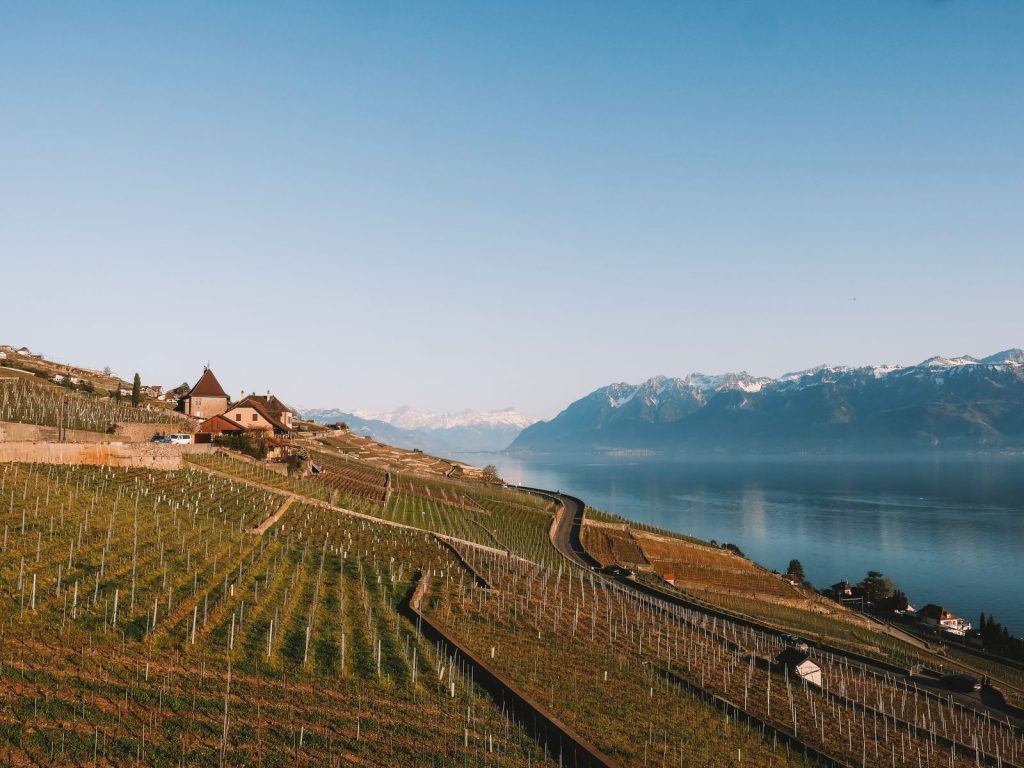
Croatia’s vineyards are grouped into four regions. Two are coastal (Istria and Kvarner, and Dalmatia) and two are continental (Slavonia and the Croatian Danube, and the hilly uplands of central Croatia). Most travellers start on the coast; the inland regions suit a second trip or a few days from Zagreb.
Istria and Kvarner
The heart-shaped peninsula of Istria is the easiest Croatian wine region to visit in comfort. Hilltop towns such as Motovun and Grožnjan look across vineyards, olive groves and truffle woods, and the wine roads around Buje, Poreč, Rovinj and Pazin link dozens of cellars. The signature white is Malvazija Istarska, made fresh and saline or richer and oak or skin aged; the signature red is Teran, deeply coloured and high in acidity. Momjan in the north-west is known for sweet Muškat Momjanski. Kvarner, around Rijeka, Opatija and the islands of Krk, Cres and Lošinj, is smaller in wine terms: look for Žlahtina, a light white from Krk.
Estates to visit: Kozlović in Momjan is a contemporary family estate with a striking modern cellar above the vines. Its tour and terrace tasting runs about 90 minutes with five wines and local food, and longer private tastings with a cellar tour are also offered; Adriatic Istria Resort in Savudrija (the former Kempinski, due to become Anantara Adriatic Istria Resort in early 2027) lists these experiences for its guests. Booking is required. For a second stop, the Buje and Poreč wine roads have many cellars that open by appointment; check visiting arrangements directly with each estate.
Istria is also the natural bridge to north-eastern Italy: Trieste is a short drive away, so a few days here pair well with our Collio and Friuli wine guide, where Malvasia and Refosco, close cousins of the Istrian grapes, are grown across the border. For estates, tasting routes and truffle pairings in depth, read our Istria wine guide.
Dalmatia
Dalmatia runs from the Zadar hinterland to Konavle south of Dubrovnik, and it is red wine country first. Plavac Mali is the flagship: dark, warm and tannic, at its most powerful on the steep south-facing slopes of the Pelješac peninsula, where the Dingač and Postup appellations lie. Dingač is usually described as the first protected wine appellation in Croatia, with Postup following in 1967, but our research turned up contradictory dates for Dingač itself: most sources give 1961, while one gives 1964. It was not clear to us which is correct.
The islands bring the whites. Korčula is home to Pošip, a full, aromatic white, and to Grk, grown around Lumbarda on the island’s eastern tip. Hvar adds Plavac Mali and the white Bogdanjuša, and its Stari Grad Plain is a UNESCO World Heritage Site. Further north, around Šibenik and Primošten, the red Babić grows on terraced stony slopes, and Debit is the local white.
Estates to visit: on Pelješac, Korta Katarina in Orebić and Grgić Vina in Trstenik are both well known to visitors. On Korčula, Bire in Lumbarda is a name to look for if Grk is on your list. Opening arrangements change from season to season, so check with each estate before you go. Our Pelješac wine guide covers Dingač, Postup and the cellars in detail, and the Korčula and Hvar wine guide covers Pošip, Grk and Bogdanjuša.
Slavonia and the Croatian Danube
In the flat, fertile east, between Hungary and Serbia, the vines grow on gentle hills rather than on the plain. This is Croatia’s largest wine producing region and white wine dominates, led by Graševina (Welschriesling), made in every style from crisp and dry to late harvest and ice wine. The key names are Kutjevo, in the Požega valley, and Ilok on the Danube, with Baranja and Erdut in between.
Estates to visit: Kutjevo is home to the large Kutjevo winery and to family estates such as Krauthaker, while Ilok is known for its historic cellars below the old town. We could not confirm 2026 visiting arrangements for these producers, so contact them directly before planning a day around a visit. Plan an overnight stay rather than a day trip from Zagreb.
The central uplands: Plešivica and Zagorje
The hills around Zagreb are the most convenient wine country for a city break. Plešivica, south-west of the capital near Samobor and Jastrebarsko, is best known for sparkling wine, and the local Kraljevina is considered well suited to it. Zagorje, north of Zagreb, is a landscape of castles, spas and small vineyards, and Međimurje in the far north is known for Pušipel (Furmint).
Estates to visit: in Plešivica, Tomac is known for sparkling wines and amphora-aged wines; in Zagorje, Bolfan farms biodynamically. Check with each estate before visiting.
The grapes explained
These are the grapes you will meet most often on lists and in tasting rooms.
| Grape | Colour | Where | What to expect |
|---|---|---|---|
| Malvazija Istarska | White | Istria | Fresh and saline when young; richer when oak, acacia or skin aged |
| Teran | Red | Istria | Deep colour, bright acidity, good with truffles and cured ham |
| Plavac Mali | Red | Dalmatia (Pelješac, Hvar, Brač) | Full bodied, high in alcohol, firm tannins; Dingač and Postup at the top |
| Pošip | White | Korčula, also Brač and the Dalmatian coast | Rounded and aromatic, a natural match for grilled fish |
| Grk | White | Lumbarda, Korčula | Dry, slightly bitter finish, grown on sandy soils; made in small quantities |
| Babić | Red | Šibenik and Primošten | Medium to full bodied, from stony terraced vineyards |
| Graševina | White | Slavonia, the Danube, the uplands | The most widely grown Croatian variety; crisp everyday wines to sweet late harvest |
| Tribidrag (Crljenak Kaštelanski) | Red | Central Dalmatia, around Split and Kaštela | The same variety as Zinfandel and Primitivo; ripe, generous reds |
Tribidrag, Zinfandel and Primitivo: for decades California’s Zinfandel was a grape without a known home. In 2001 researchers matched it by DNA to a handful of old vines in Kaštel Novi, near Split, known locally as Crljenak Kaštelanski. Further work confirmed that this is the old Dalmatian variety Tribidrag, the same grape grown in Puglia as Primitivo. Sources date the earliest written record of the name differently: one cites a 1488 Venetian trade document recording Tribidrag wine shipped to Apulia, another the 1500s. DNA studies also show that Plavac Mali is an offspring of Tribidrag and Dobričić, an old variety from the island of Šolta. To taste the Italian side of the family, see our Puglia wine guide.
Reading the label: Croatian law uses two quality tiers that you will see on bottles: kvalitetno vino (quality wine) and vrhunsko vino (premium quality wine), the stricter of the two. Protected designations of origin are shown as ZOI (the EU’s PDO) and the broader protected geographical indications as ZOZP (PGI). Named sites such as Dingač and Postup appear on the label in their own right. Prošek is a traditional Dalmatian sweet wine made from dried grapes and has nothing to do with Prosecco, despite a long naming dispute between the two countries.
How to visit: booking, drivers, drink-drive rules and shipping
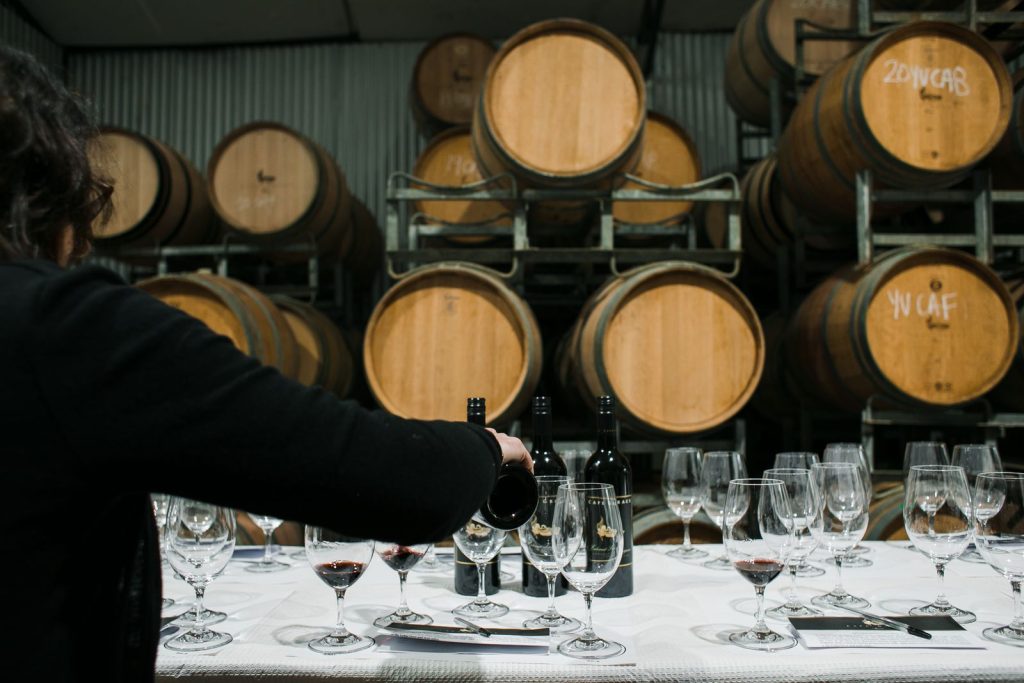
- Booking: most Croatian estates are family run and receive visitors by appointment, especially outside July and August. Book a week or more ahead and say whether you want a short tasting or a tour with food.
- Drivers: the hilly Istrian lanes and the Pelješac road are no place to drive after a tasting. Hotels in Istria and Dalmatia can arrange a private driver or a guided tasting day; ask the concierge when you book the room.
- Drink-drive rule: the legal limit for most drivers is 0.5 g/l of blood alcohol, according to the European Transport Safety Council. For drivers aged up to 24 and for professional drivers it is 0.0. On a tasting day, do not drive.
- Prices: Croatia uses the euro. Tasting fees vary widely by estate, from a short tasting to a long private session with food, so ask what is included.
- Shipping: some estates can ship within the EU; ask at the cellar door. Travellers from the UK, the US and other non-EU countries should check their own customs allowances before buying by the case.
- A partner who is less into wine: Istria offers truffle hunting, hilltop towns and olive oil tastings; on Pelješac, Ston’s walls and the oyster beds of Mali Ston bay make an easy alternative; on Korčula, Lumbarda has sandy coves a short walk from the vines.
On wine bars: Zagreb, Split and Dubrovnik all have places pouring local bottles by the glass, and Split’s old town is particularly good for an evening of Dalmatian wines. Bars here open, move and close quickly, and we could not confirm which ones are operating in 2026, so check recent reviews or ask your hotel before you go.
Charlotte’s tip: taste the coast where it grows
Drink each wine where it grows: Pošip on Korčula, Grk in Lumbarda, Plavac Mali on Pelješac. For the Zinfandel story, an afternoon in Kaštela, between Split and Trogir, is easily combined with a morning in Diocletian’s Palace. Ask your hotel which Kaštela producers make Crljenak and receive visitors.
Wine with a boat trip
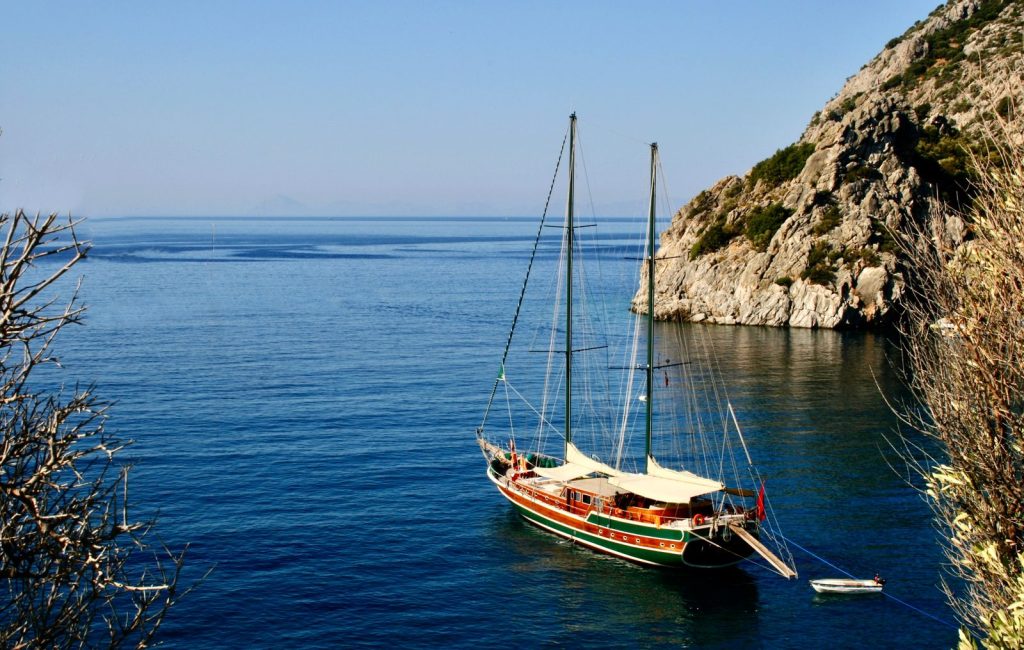
In southern Dalmatia a white wine island and a red wine peninsula sit a short crossing apart. With a skipper, nobody has to drive.
- Korčula and Lumbarda: berth in Korčula town or anchor off Lumbarda’s sandy coves, then walk or take a taxi to the Grk vineyards. Pošip estates lie inland around the villages of Čara and Smokvica, best reached by car with a driver.
- Pelješac: Orebić faces Korčula across a narrow channel, so a short crossing puts the Pelješac cellars within reach. Dingač and Postup themselves are steep slopes on the south side, better visited by road.
- Hvar and Brač: Jelsa and Vrboska on Hvar’s north coast and Brač, home of the Stina winery, make good wine stops on a week from Split.
- Istria: boat days from Rovinj combine well with an evening tasting inland, a short drive away with a driver.
Our Croatia yacht charter guide covers skippered and bareboat options, licences and fees. If you are coming from Italy, check the ferries first: Jadrolinija’s Ancona to Split line has been suspended until 5 January 2027, while Venice and Trieste have seasonal fast boats to Istria. Our Italy to Croatia by boat guide has the details.
Where to stay for a Croatian wine trip
These hotels cover the main wine areas. For more choice across the country, see the best luxury hotels in Croatia.
Adriatic Istria Resort (formerly Kempinski Hotel Adriatic), Savudrija (Istria)
On the north-west tip of Istria near Umag, with 186 rooms and suites, an 18-hole course running along the coast and a full-service spa. Momjan and the Buje wine road are a short drive inland, and the resort lists tastings at the Kozlović estate among its experiences. Minor Hotels took over management in February 2026, and the resort operates in 2026 as Adriatic Istria Resort before a refurbishment and relaunch as Anantara Adriatic Istria Resort in early 2027. Booking sites may still show the Kempinski name. Ask the hotel about seasonal opening.
Best for: Istrian Malvazija and Teran with golf, close to Trieste.
Check rates at Adriatic Istria Resort
Hotel Ambasador, Split
A five-star hotel on Split’s western waterfront, reopened in 2022 on the site of a hotel first opened in 1937, with 101 rooms and suites, a rooftop pool and the Hacelia Spa. The old town’s wine bars are within walking distance, Kaštela is a short drive, and the ferry quays for Brač and Hvar are close by.
Best for: a city base for Tribidrag, island day trips and boat days.
Check rates at Hotel Ambasador
Maslina Resort, Stari Grad (Hvar)
In Maslinica bay, within walking distance of Stari Grad and its ferry port, with two heated pools, a spa and a pebble beach. The Stari Grad Plain and the wine villages of Jelsa and Vrboska are nearby. Open from early May to mid October.
Best for: a quiet island base for Hvar’s Plavac Mali and Bogdanjuša.
Lešić Dimitri Palace, Korčula
Residences in an 18th-century bishop’s palace and medieval houses in Korčula old town, with the LD restaurant on site. Lumbarda’s Grk vineyards and the Orebić crossing to Pelješac are both close. Published sources disagree on the number of residences and on winter opening, so check with the hotel.
Best for: Pošip, Grk and Pelješac from one base.
Check rates at Lešić Dimitri Palace
Villa Dubrovnik, Dubrovnik
A five-star hotel on terraces above the sea, about 1.3 km east of the Old Town, with an indoor pool, a sea platform for swimming and a shuttle into town (check whether it runs by boat or road on your dates). Pelješac and Konavle are both within reach for a day with a driver. It closes over the winter, so ask the hotel for this year’s dates.
Best for: couples combining Dubrovnik with a Pelješac wine day.
Check rates at Villa Dubrovnik
Check prices and availability
Split is the most flexible base on the coast: island ferries, charter marinas and the Kaštela vineyards are all close.
Frequently Asked Questions
Which Croatian wine region is best for a first visit?
Istria, for its compact wine roads, hotels and food. For a coastal trip with the most distinctive wines, Pelješac and Korčula in southern Dalmatia.
Is Zinfandel really Croatian?
Yes. DNA research matched Zinfandel to Crljenak Kaštelanski from Kaštela near Split, the old variety Tribidrag. Puglia’s Primitivo is the same grape.
Can I visit Croatian wineries without booking?
Rarely. Most estates are small and work by appointment, so book ahead, especially in spring and autumn.
When is the best time for a wine trip to Croatia?
May, June, September and October. Harvest usually falls in September, and the coast is quieter and cooler than in July and August.