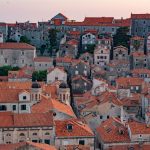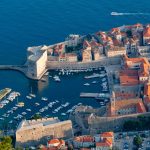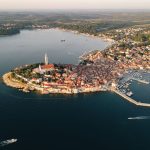

Korčula and the Pelješac peninsula face each other across a narrow channel, and together they make a rewarding pairing in southern Dalmatia. On one side sits Korčula Town, built on a herringbone street plan on its own small peninsula; on the other, the mountainous spine of Pelješac, with steep Plavac Mali vineyards above the sea and, at its far end, the walls of Ston and the oyster beds of Mali Ston. Since the Pelješac Bridge opened in 2022, the drive from Dubrovnik no longer crosses the Bosnian coast at Neum.
This article contains affiliate links. If you book through them, we may earn a small commission at no extra cost to you. Read our affiliate disclosure.
Quick answer: Korčula and Pelješac
- How many days: three is ideal: one for Korčula Town, one for Lumbarda and the island, one for Pelješac and Ston. Two works if you combine Ston with the drive in.
- Best base: Korčula Town for evenings and restaurants; Orebić for a quieter wine country stay with the island ten minutes across the water.
- Best months: June and September, with May and early October for walkers and wine lovers.
- Top three experiences: a Moreška sword dance performance in Korčula Town, oysters in Mali Ston followed by the Ston walls, and a tasting on the Dingač or Postup slopes.
- Book ahead: your hotel for July and August, LD Restaurant, Moreška tickets on summer evenings, ferry space for a car in peak weeks and any private boat.
This guide sits alongside our Dubrovnik by boat guide and our Dubrovnik travel guide, the natural gateway for most visitors.
Check prices and availability
Korčula Town has only a handful of high-end addresses, and the best of them fill early for June to September.
Getting to Korčula and Pelješac
Airports. Dubrovnik airport is closest for Pelješac and eastern Korčula. Split airport suits travellers arriving by catamaran or combining the trip with Hvar.
By car. From Dubrovnik, drive north to Ston (roughly an hour), then west along the peninsula to Orebić, about two hours in total without stops. A short car ferry crosses from Orebić to Dominče, just outside Korčula Town. Thanks to the Pelješac Bridge, travellers from Split now stay inside Croatia the whole way.
By catamaran. Seasonal fast catamarans link Split and Dubrovnik with Korčula Town, and Vela Luka has its own connections to Split. Timetables change by season and operator, so check jadrolinija.hr and the private operators before you plan. Passenger boats also cross from Orebić straight into Korčula Town.
From Italy. Jadrolinija normally runs Ancona to Split all year and Bari to Dubrovnik in summer, so a trip through Puglia can end with an overnight crossing. The company has announced that all its international sailings are cancelled until 5 January 2027 because of a technical problem with the ferry Dalmacija, so check the current timetable on jadrolinija.hr before you plan a crossing.
Parking. Korčula old town is pedestrian only; ask your hotel about paid parking nearby. Ston and Orebić are easier, though summer mornings are busy.
| Route | How | Best for |
|---|---|---|
| Dubrovnik to Korčula | Car via Ston and Orebić, then ferry to Dominče | Combining oysters, wine and the island |
| Dubrovnik to Korčula | Seasonal catamaran | Travellers without a car |
| Split to Korčula | Catamaran, or car via the Pelješac Bridge | Combining with Split or Hvar |
| Italy to Croatia | Seasonal ferry Bari to Dubrovnik or Ancona to Split | Bringing your own car from Italy |
The Essential Sights
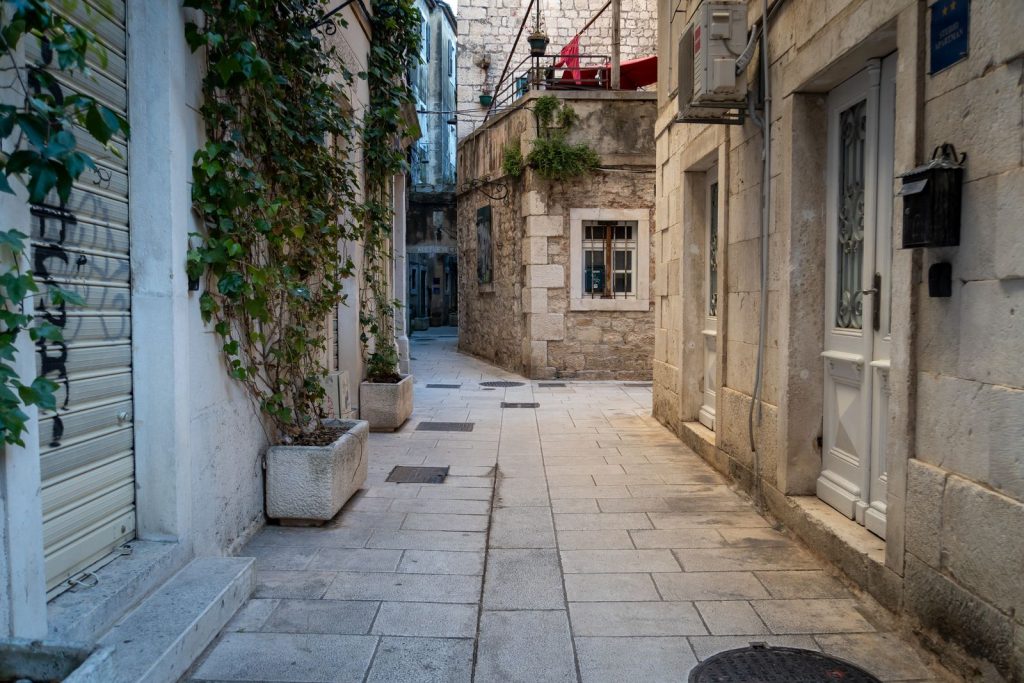
Korčula Town: walls, towers and St Mark’s Cathedral
Korčula Town is small enough to cross in ten minutes, which is why it rewards a slow wander. The streets branch off the main spine like the bones of a fish, a layout often explained as a way of channelling cooling breezes. Sections of the medieval walls and towers survive, and the waterfront promenades are lined with cafés for sunset. At the highest point stands St Mark’s Cathedral, a Gothic and Renaissance church whose bell tower looks across to Pelješac. Opening hours and tickets for the cathedral and bell tower were not published for 2026 when we checked, so check before you go.
The Marco Polo question
Korčula presents itself as the birthplace of Marco Polo and promotes a house associated with the family. Venice makes the same claim, and historians have not settled the question. Enjoy the house as part of the island’s story rather than as proof.
The Moreška sword dance
Moreška, a centuries old sword dance performed to brass music, tells the story of two kings fighting over a captured princess. The Korčula tourist board lists 2026 performances at 9 PM at Ljetno kino, the open-air summer cinema, from late April and throughout June; in bad weather they move to the Korčula Culture Centre. Adults pay 20 EUR and children aged 4 to 14 pay 10 EUR, at the entrance, through local agencies or online. The dance is traditionally performed on 29 July, the feast of St Theodore. July and August dates were not yet listed when we checked, so confirm them on the official Moreška ticket sites.
Badija, Lumbarda and Vela Luka
Badija, a wooded islet a short taxi boat ride from town, has a former Franciscan monastery and quiet swimming spots. Lumbarda, on the eastern tip, is the home of Grk, a white grape grown on sandy soil, and has sandy beaches, rare on the island. At the western end, Vela Luka sits at the head of a deep bay and makes a good lunch stop on an island loop.
Ston and Mali Ston
The Ston walls, built by the Republic of Ragusa (Dubrovnik) to protect its salt pans, climb the hill between Ston and Mali Ston. Walking a section takes an hour or so and is steep in places, so go early in summer and bring water. Opening hours and 2026 ticket prices were not confirmed when we checked: check before you go.
The Best Experiences for a Luxury Traveller
Oysters in Mali Ston
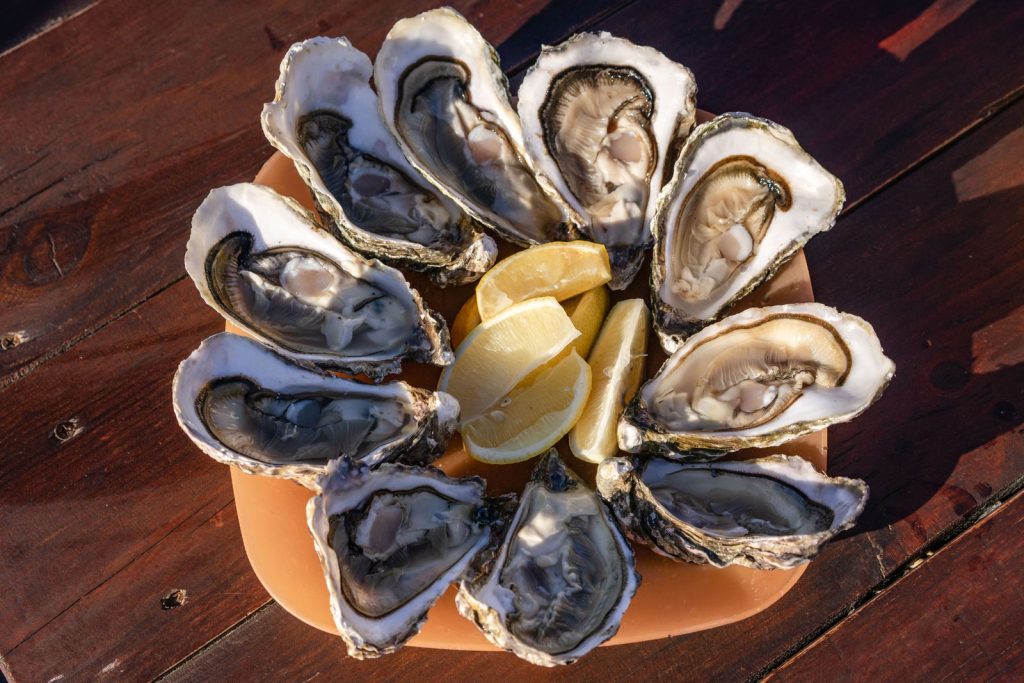
Several restaurants line the small harbour of Mali Ston, serving oysters straight from the bay. Some local producers offer boat visits to the oyster beds; ask your hotel, since availability varies by season.
Dingač, Postup and the Pelješac wine road
Pelješac is red wine country. Dingač and Postup are its celebrated Plavac Mali slopes, steep south-facing vineyards above the sea, worked by hand. Dingač is reached through a narrow tunnel near Potomje, and wineries around Potomje and Orebić offer tastings. Our Pelješac wine guide covers the estates, the Korčula and Hvar wine guide covers Pošip and Grk, and our Croatia wine guide gives the wider picture.
Grk in Lumbarda
Lumbarda’s family wineries pour Grk, a dry white with real character. Combine a tasting with a swim at a sandy cove nearby.
A private boat day
The Korčula archipelago, small islets east of the town, is ideal for a half day by boat with swim stops; a full day can include Mljet National Park. Book through your hotel or a reputable local charter company; our Dubrovnik by boat guide explains the routes.
Beaches
Mostly rocky and pebbly. Lumbarda has sandy bays, and the pebble beaches around Orebić face the island.
Charlotte’s tip: drive in, sail out
Coming from Dubrovnik, take the road and stop in Ston for an early walk on the walls and a late morning plate of oysters before the heat and the coaches arrive. Leave Korčula by catamaran instead, so the last image of the island is the old town from the water rather than the ferry queue at Dominče.
Sample Itinerary: Three Days
Day one: Ston and Pelješac. Leave Dubrovnik early, walk the Ston walls, then lunch on oysters in Mali Ston. Drive west with a tasting near Dingač or Postup, and take the Orebić ferry to Korčula for dinner.
Day two: Korčula Town and Badija. Explore the old town and cathedral in the cool of the morning, take a taxi boat to Badija for a swim, then catch a Moreška performance if one is scheduled.
Day three: Lumbarda or the sea. Taste Grk in Lumbarda and swim from a sandy beach, or take a private boat around the archipelago. Leave by afternoon catamaran, or add a night and drive to Vela Luka.
With two days, combine days one and two. Heading north, Korčula pairs naturally with Hvar and our Split and Diocletian’s Palace guide.
Where to Eat
LD Restaurant, Korčula Town
The restaurant of Lešić Dimitri Palace holds one Michelin star in the 2026 Michelin Guide Croatia, with modern Mediterranean cooking focused on local seafood and a terrace with a sea view. Relais & Châteaux lists it as closed from 1 November 2026 to 14 April 2027 and on Fridays in season. Book well ahead.
Filippi, Korčula Town
On the waterfront promenade near the port, Filippi appears in the Michelin Guide selection and serves Mediterranean cooking with a wine list strong on island producers. Reserve in high season.
Kapetanova Kuća, Mali Ston
Run by the family behind Hotel Ostrea, this harbourside seafood restaurant is listed in Gault&Millau Croatia 2026 with 14 out of 20 points. Order oysters in several styles, the cuttlefish ink risotto and Ston cake, a local dessert made with pasta, nuts, chocolate and cinnamon. Check opening times outside summer.
Best Months, Crowds and Events in 2026
Best months. June and September offer warm sea and fewer people than July and August. May and October suit walkers and wine lovers, though some businesses open late or close early. Winter is very quiet.
Crowds and cruise ships. Korčula Town receives day visitors from Dubrovnik and Split as well as cruise calls in season. We could not find a published 2026 cruise schedule for Korčula, so ask the tourist board or your hotel which days to avoid, and explore early or late. Ston fills with coach groups around midday.
Events. The Korčula Sword Dance Festival 2026 runs from 2 to 13 September, with free performances of Moreška, Kumpanija and Moštra in villages across the island, including Vela Luka, Pupnat, Čara, Smokvica and Korčula Town. Our research turned up contradictory information here: the English and Croatian programmes published by the Vela Luka tourist board give different start times for the closing evening in Korčula Town (8 PM in one, 8:30 PM in the other), so confirm with the organisers before you go.
Where to Stay
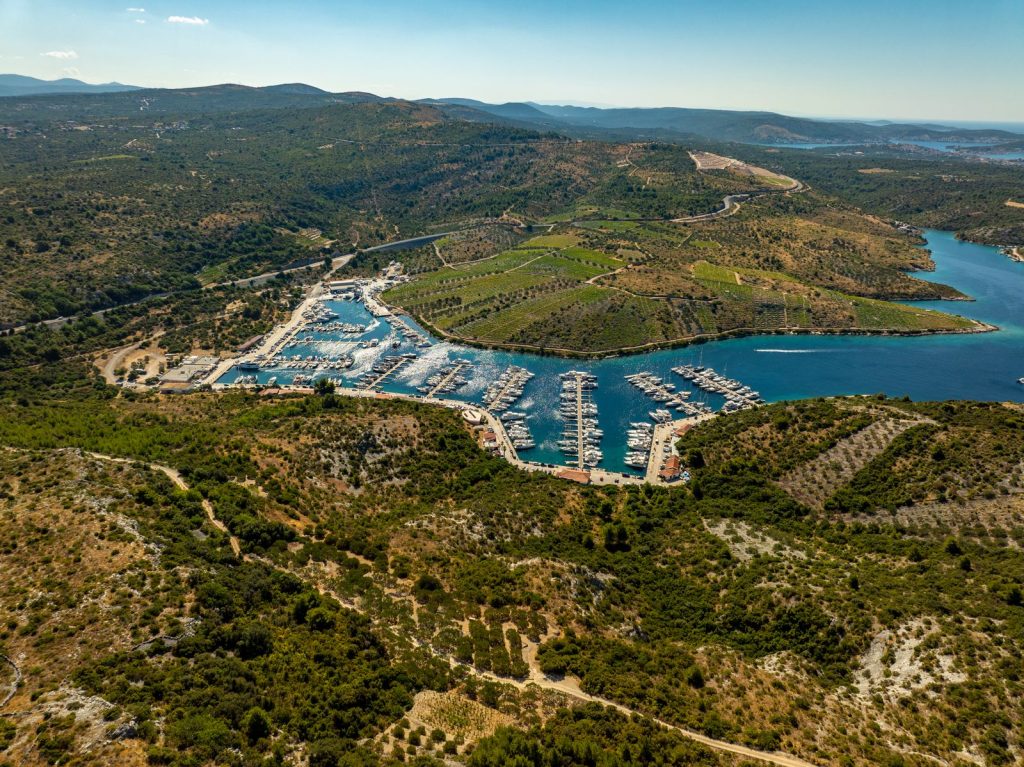
Choose Korčula Town for restaurants and evenings on foot, or Orebić and Mali Ston for wine, oysters and quiet. See also the best luxury hotels in Croatia, and where to stay in Dubrovnik if you prefer to visit Pelješac as a day trip.
Check prices and availability
Small palaces, wine estates and boutique rooms: most hotels here have only a few keys, so availability goes quickly in summer.
Lešić Dimitri Palace, Korčula Town
Set in a restored 18th century bishop’s palace and adjoining stone houses in the old town, with residences themed on stops along Marco Polo’s journey, LD Restaurant, a wine bar, the LD Spa and skippered trips on the hotel’s own boats. Our research turned up contradictory information on the size: i-escape lists five residences, while Relais & Châteaux describes six themed suites. Sources also differ on winter opening (listed as open all year, while the restaurant closes from November to mid April), so confirm with the hotel.
Best for: couples and families who want space, privacy and a Michelin-starred restaurant downstairs.
Check rates at Lešić Dimitri Palace
Aminess Korčula Heritage Hotel, Korčula Town
A small hotel of around 20 rooms on the waterfront at the edge of the old town, with a restaurant and a bar. We could not confirm an adults only policy, so check with the hotel if you are travelling with children. It appears on booking platforms under slightly different names, including “Aminess Younique Korčula Heritage Hotel”, so check you are booking the right property. Paid parking is available; ask the hotel about seasonal opening.
Best for: couples who want to stay close to the old town.
Check rates at Aminess Korčula Heritage Hotel
Villa Korta Katarina & Winery, Orebić
A villa with eight suites on the Orebić seafront, with a pool, a restaurant and its own winery producing Pelješac reds. The Michelin Guide lists it with a Michelin Key. Guests can arrange private tastings and yacht cruises, and Korčula Town is a short boat ride away. Exclusive use is possible; ask the hotel about seasonal dates.
Best for: wine lovers and small groups who want Pelješac and Korčula in one stay.
Check rates at Villa Korta Katarina & Winery
Heritage Boutique Hotel Adriatic, Orebić
An adults-only boutique hotel with six individually designed rooms in a restored old stone building in central Orebić, with the Stari Kapetan (Old Captain) restaurant, wine from the family’s own small vineyard and a sea view terrace. Small and personal rather than a resort; ask the hotel about opening dates.
Best for: couples on a wine-focused trip who prefer intimacy over facilities.
Check rates at Heritage Boutique Hotel Adriatic
Hotel Ostrea, Mali Ston
A family run hotel by the harbour in a renovated stone building, with 13 rooms and one apartment; the same family runs Kapetanova Kuća. Simple and characterful rather than luxurious, but it puts you beside the oyster beds and the walls before the day trippers arrive.
Best for: an overnight stop on the drive from Dubrovnik.
Frequently Asked Questions
Is Korčula or Pelješac the better base?
Korčula Town is better for evenings, restaurants and sightseeing on foot. Orebić and Mali Ston suit travellers focused on wine and oysters.
Do I need a car?
Not for Korčula Town alone, which you can reach by catamaran. For Ston, the Pelješac vineyards and Vela Luka, a car or private driver is far easier.
When can I see the Moreška?
From late April at 9 PM at Ljetno kino, with regular summer performances, the traditional show on 29 July and the Sword Dance Festival from 2 to 13 September. Check the official ticket sites for exact dates.
Is Korčula really Marco Polo’s birthplace?
Korčula claims him, and so does Venice. The evidence is debated, so enjoy the story without taking it as settled history.