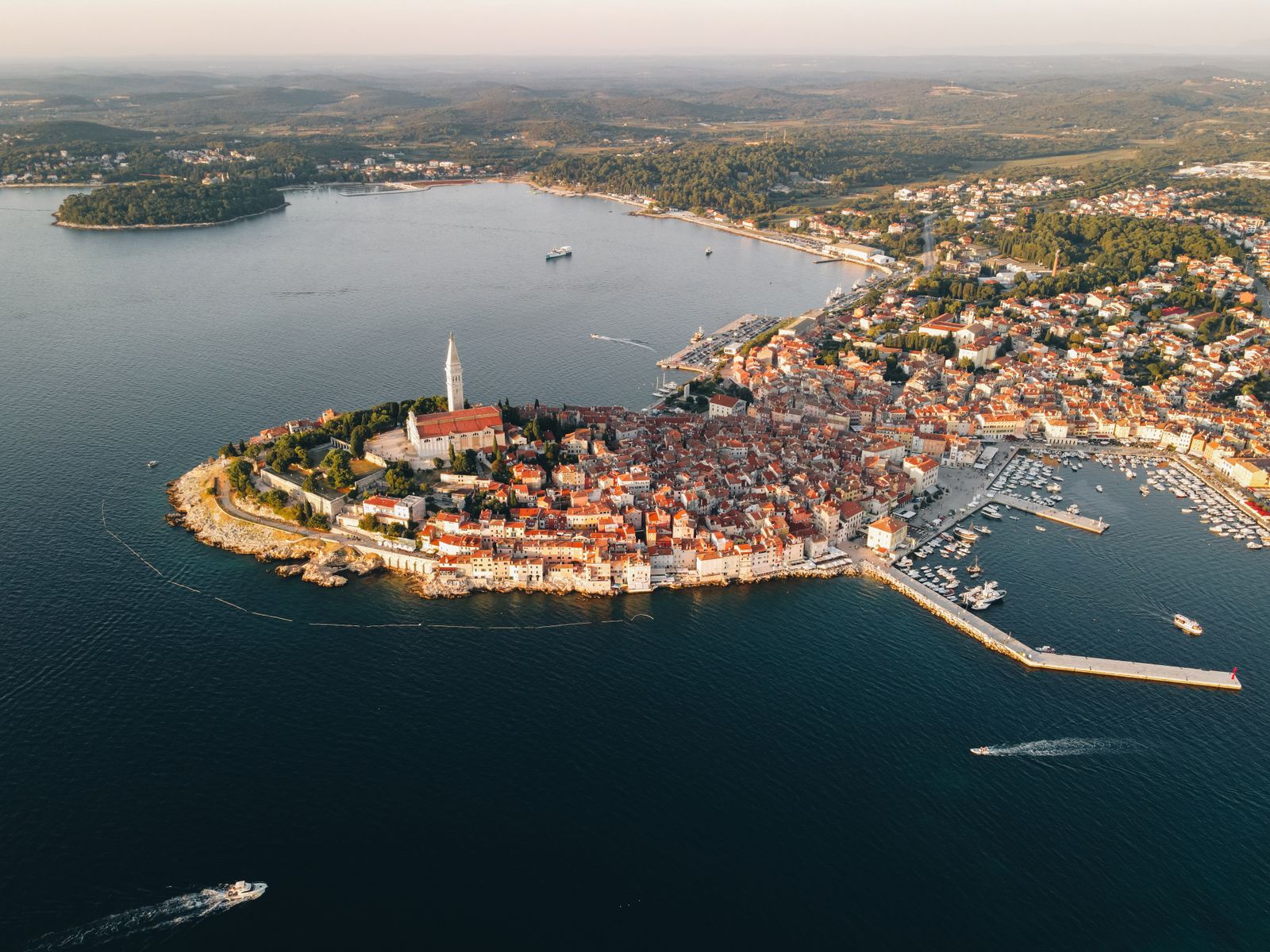
In Split, the palace that the Roman emperor Diocletian built on the Dalmatian shore around the year 300 is not a ruin behind a fence: people live in it, bars fill its arches, and the cathedral at its heart began life as his mausoleum. Add a forested peninsula with swimming coves, a harbour where catamarans leave for Brač, Hvar and Vis, and day trips to Trogir and Krka, and Split becomes the most practical base on the central Croatian coast. This guide covers sights, logistics, dining and hotels for 2026.
This article contains affiliate links. If you book through them, we may earn a small commission at no extra cost to you. Read our affiliate disclosure.
Quick answer: Split at a glance
- How many days: two full days for the city and Marjan, three or four with Trogir, Krka or an island.
- Best base: the western waterfront or the edge of the old town for walking access; Podstrana or Trogir if you want a resort feel or a short airport run.
- Best months: May, June, September and early October.
- Top three experiences: the Peristyle and the cathedral bell tower at opening time, a morning walk and swim on Marjan, a private boat day to Brač or Vis.
- Book ahead: your hotel for June to September, dinner at Krug, a skippered boat, and ferry or catamaran seats with a car in July and August.
Check prices and availability
Rooms within walking distance of the palace and the ferry port sell out first in summer.
Getting there: airport, ferries and driving
By air: Split airport sits at Kaštela, a few kilometres from Trogir. Allow around 30 to 40 minutes by car to central Split, longer on summer changeover days. A private transfer through your hotel is the calm option; an airport bus also runs into the city.
By sea from Italy: Ferries cross from Ancona, mostly overnight, in roughly nine to eleven hours (Jadrolinija and, seasonally, SNAV), and Jadrolinija runs a seasonal Bari to Split service, which makes Puglia and Dalmatia an easy pairing; our Puglia guide covers the Italian side. 2026 was a disrupted year for Jadrolinija: it first reduced its Split to Ancona sailings in spring because of rising fuel costs, then cancelled its Italian routes in August after an engine failure on its largest ship, the Dalmacija, and its official notice states that all its international lines are suspended until 5 January 2027. SNAV runs a separate seasonal service from Ancona, so confirm current sailings with each operator before planning around a crossing. Sailing over yourself? See our guide to crossing from Italy to Croatia by boat.
By road: from Trieste or Venice, the A1 motorway runs down through the interior; it is a long day’s drive, so many travellers break the journey in Istria or the Kvarner. In Split the old town is pedestrianised and central garages fill early in summer, so ask your hotel about parking before you arrive. You will not need a car in the city.
Ferries and catamarans to the islands: Jadrolinija runs car ferries from the city harbour, east of the Riva, to Supetar on Brač, Stari Grad on Hvar and Vis, plus catamarans to Bol, Hvar town and Vis; private lines add summer sailings. In July and August, buy car ferry tickets online and arrive early. Croatia uses the euro.
Diocletian’s Palace: the essential sights
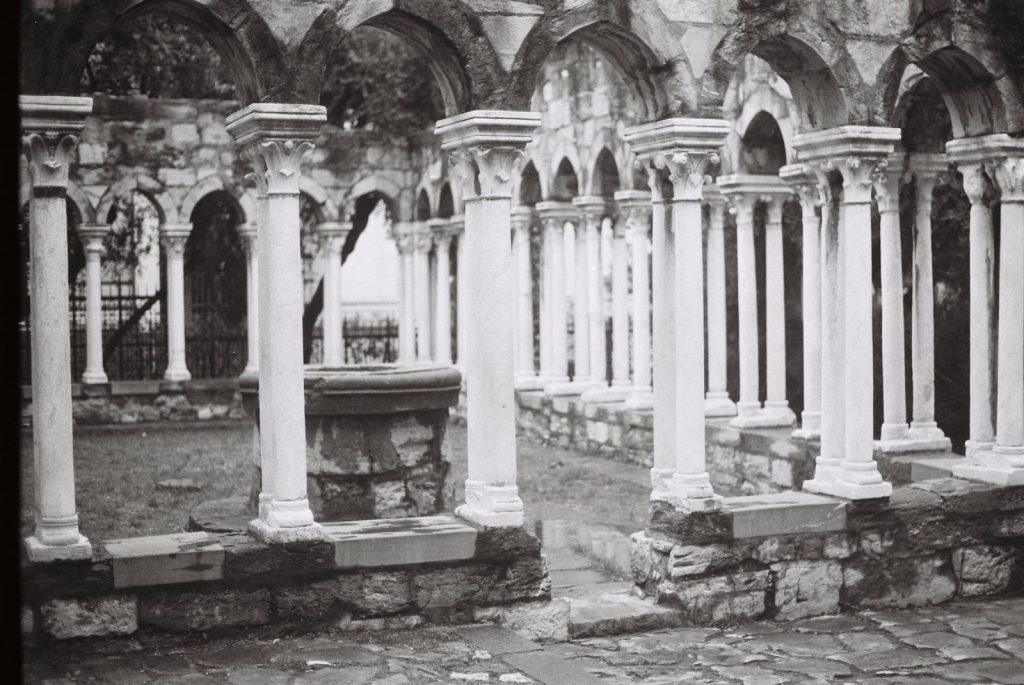
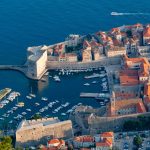
Diocletian’s Palace and the medieval town that grew inside its walls have been a UNESCO World Heritage Site since 1979. It is a living neighbourhood entered through four gates. Allow half a day and go early: by mid morning in summer, tour groups fill the lanes.
The Peristyle
The colonnaded courtyard was the ceremonial heart of the residence. Its columns frame the stairs to the Vestibule, the domed hall with an open roof where klapa singers, the Dalmatian a cappella groups, often perform. The square itself is free.
The Cathedral of St Domnius and the bell tower
The octagonal cathedral was built as the emperor’s mausoleum and later converted into a church. Look for the carved wooden doors and the Romanesque pulpit. The medieval bell tower is a steep, narrow climb, rewarded with views over the roofs, the harbour and the islands. The former Temple of Jupiter, now the baptistery, lies a short walk west. Tickets come in several combinations (cathedral, treasury, bell tower, baptistery, crypt); we found no official 2026 prices or hours, so check before you go, and cover shoulders and knees.
The cellars
The vaulted substructures mirror the layout of the imperial apartments that stood above them. From the Riva, enter through the Bronze Gate: the central corridor is a free passage with craft stalls, while the side halls are ticketed. Check 2026 prices and hours on arrival.
The gates and the Riva
Outside the Golden Gate stands Ivan Meštrović’s statue of Bishop Gregory of Nin, his toe polished by visitors for luck. On the sea side, the Riva is the palm lined promenade below the palace’s southern wall, busiest at sunset.
Marjan and the beaches
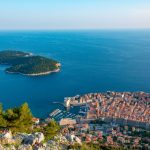
Marjan, the wooded hill west of the city, is a forest park with paths, small chapels and coves. Climb the steps from the Varoš quarter to the Vidilica viewpoint for the classic panorama, then continue into the pines. Kašjuni, on the southern side, suits a quieter swim; Bene on the northern tip has shade. In town, Bačvice is the sandy beach where locals play picigin, keeping a small ball in the air in shallow water.
The Meštrović Gallery
On Marjan’s southern slope, at Šetalište Ivana Meštrovića 46, the sculptor’s own villa displays his marble, bronze and wood, with a garden facing the sea. The ticket also covers Crikvine Kaštilac nearby, with his wooden reliefs of the life of Christ. The gallery’s price list showed €12 for adults when we checked, without stating the year; hours vary by season, so confirm before you go.
The best experiences for a luxury traveller
A private boat day. A skippered motor yacht reaches Šolta’s western coves in a morning, Milna and Bol on Brač in a day, or Vis and the Blue Cave on Biševo when the sea is calm. Our Split by boat guide covers routes and cave rules. Hvar is an easy catamaran hop; our Hvar travel guide helps you decide whether to stay a night or two.
Trogir. A short drive west, this UNESCO listed islet town packs Romanesque and Renaissance streets between the mainland and Čiovo. The portal of the Cathedral of St Lawrence and the Kamerlengo fortress are the highlights. Go late in the afternoon.
Klis fortress. The fortress on a ridge above the city guarded the pass inland for centuries; come for the views over Split and the islands, then lunch on roast lamb, a Klis speciality. Check opening hours before you drive up.
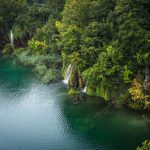
Krka waterfalls. Krka National Park, an hour or more by car, protects a river gorge of travertine falls, Skradinski buk the best known. Swimming there is no longer allowed: bathing is permitted only in marked areas at Roški slap, Stinice and Pisak, from 1 June to 30 September. Buy tickets online and arrive at opening time; the park’s summer tariff also has a reduced rate after 15:00, so check current prices. Add Šibenik for a full day, or arrive by water with our guide to the Kornati and Krka by boat.
Omiš and the Cetina. Half an hour south, Omiš sits where the Cetina breaks through the mountains to the sea. Operators run rafting and canoe trips through the gorge and zip lines above it; ask what is included and choose one with clear safety information.
Wine. Split’s wine bars pour Plavac Mali and island whites from Brač, Hvar, Vis and Pelješac. Our Croatia wine guide explains the grapes.
Tennis. Our guide to tennis courts in Dubrovnik and Split lists clubs that accept visitors.
Day trips from Split compared
| Day trip | Time from Split | Highlight | Best for |
|---|---|---|---|
| Trogir | Short drive | UNESCO old town, cathedral portal | A relaxed half day, the evening before a flight |
| Klis | Short drive inland | Fortress views, lamb lunch | History lovers, a windy day |
| Krka National Park | An hour or more by car | Skradinski buk falls | Nature, combined with Šibenik |
| Omiš and the Cetina | About 30 minutes by car | River gorge, rafting | Active families |
| Brač, Hvar or Vis | Ferry, catamaran or private boat | Beaches, island towns, Blue Cave | Anyone with a calm sea day |
A sample two or three day itinerary
Day 1: the palace and the Riva. Peristyle and bell tower at opening time, the cellars, then the lanes of the old town and Varoš. Rest through the afternoon, watch the evening light from Vidilica and dine at Krug.
Day 2: Marjan and the islands. Walk into Marjan early, swim at Kašjuni and visit the Meštrović Gallery. In the afternoon take a private boat to Šolta, or a catamaran to Bol on Brač for Zlatni Rat.
Day 3: Trogir and Klis, or Krka. Klis in the morning and Trogir in the late afternoon, or Krka at opening time with Šibenik on the way back. Heading south next? Our Dubrovnik travel guide picks up the coast from there.
Charlotte’s tip: see the palace in two halves
Visit the Peristyle at opening time, then return after dinner, when the day crowds have gone and the stone glows under the lamps. Check the port’s cruise schedule and keep busy ship days for Marjan, a boat or Krka.
Where to eat in Split
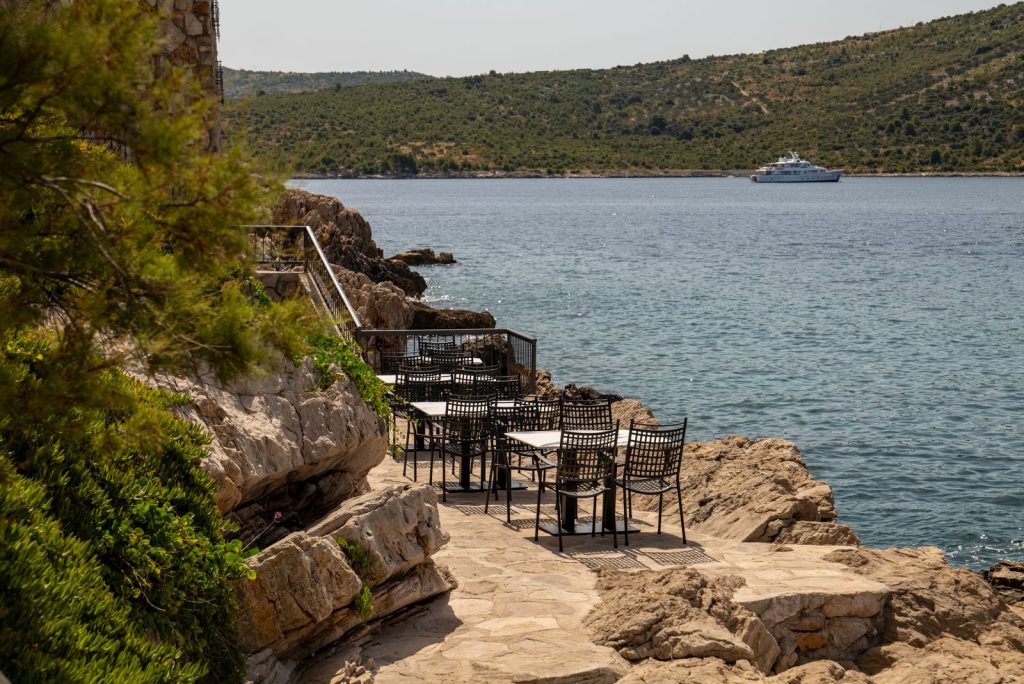
All four appeared in 2026 restaurant listings for the city; check hours and seasonal closures, and book ahead in summer.
- Krug: Split’s only Michelin starred restaurant, confirmed with one star in the Michelin Guide Croatia 2026. Most guests sit at a counter facing the open kitchen for a tasting menu with optional wine pairings, on Trumbićeva obala, the western waterfront. Book well ahead.
- Zoi: a polished restaurant on the Riva, set above the waterfront with views over the harbour.
- Dvor: east of the centre near Firule, with a garden terrace above the sea; a calmer setting on summer evenings.
- Konoba Fetivi: a family run konoba in the Veli Varoš quarter, below Marjan, known for simply cooked fish and the daily catch.
Best months, crowds and events
When to go: May and June bring long days and a warming sea. September and early October offer the warmest water, softer light and quieter ferries. July and August are hot and busy. Winter is quiet and suits the palace and museums, but some restaurants and island hotels close.
Ultra Europe: the electronic music festival ran from 10 to 12 July 2026 at Park Mladeži. Festival weekends fill hotels, raise prices and make the old town loud at night; check future dates before booking a July stay.
Cruise ships: the old town is noticeably busier when ships are in; the Split Port Authority publishes arrival schedules. The Split Summer Festival of theatre, opera and music traditionally runs in July and August; we could not verify the 2026 programme, so check with the tourist board.
Where to stay in Split
For more options across the country, see our guide to the best luxury hotels in Croatia.
Check prices and availability
From the old town edge to resorts with their own marina, compare rates for your dates.
Hotel Ambasador
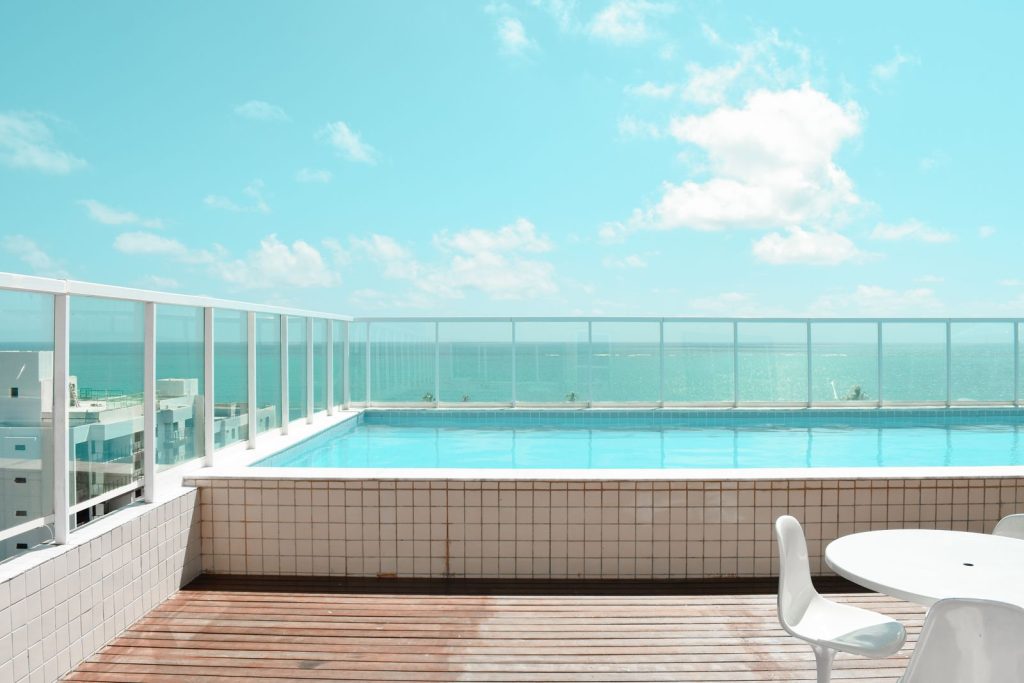
A five star hotel on Split’s western waterfront, reopened in 2022 on the site of a hotel first opened in 1937. It has 101 rooms and suites, a rooftop pool, the Hacelia Spa and a waterfront restaurant. The palace, the Riva and ACI Marina Split are all within walking distance.
Best for: walking everywhere, with a pool and spa to come back to.
Check rates at Hotel Ambasador
Cornaro Hotel
A contemporary hotel about two minutes’ walk from the palace, with a spa, sauna, steam room and fitness centre, and a rooftop terrace with a bar and hot tub. The rooftop bar is seasonal, so ask the hotel if you travel outside summer.
Best for: staying at the edge of the old town without the noise of the inner lanes.
Le Méridien Lav, Split
A resort in Podstrana, about 11 km south of Split, with its own marina below the terrace, an infinity pool, a spa and several restaurants and bars. Ask whether your skipper can collect you from the hotel marina.
Best for: families and couples who want resort space with Split close by.
Check rates at Le Méridien Lav
Hotel Brown Beach House & Spa, Trogir
A boutique hotel on the Trogir waterfront, about 5 km from Split airport (sources disagree on the room count, giving either 42 or 59 rooms and suites, so check with the hotel), with indoor and outdoor pools, a wellness area and a seasonal pebble beach across the road.
Best for: arriving and leaving by air, with Trogir on the doorstep.
Check rates at Hotel Brown Beach House & Spa
Frequently Asked Questions
How many days do you need in Split?
Two full days cover the palace, Marjan and the Meštrović Gallery. Add a day or two for Trogir, Krka or an island, plus a spare day in case wind cancels a boat.
Can you swim at the Krka waterfalls?
Not at Skradinski buk. Swimming is allowed only in marked areas at Roški slap, Stinice and Pisak, from 1 June to 30 September.
Is Split better than Hvar as a base?
Split has the airport, more ferries and more year round restaurants. Hvar is a livelier holiday island. Many travellers combine both.
Can you reach Split from Italy by ferry?
Usually, yes: from Ancona and, seasonally, from Bari. Jadrolinija has suspended all its international lines until 5 January 2027 after a technical problem with the ferry Dalmacija, so confirm sailings with Jadrolinija or SNAV before you book.