This post contains affiliate links. If you book through them, we may earn a small commission at no extra cost to you. Learn more.
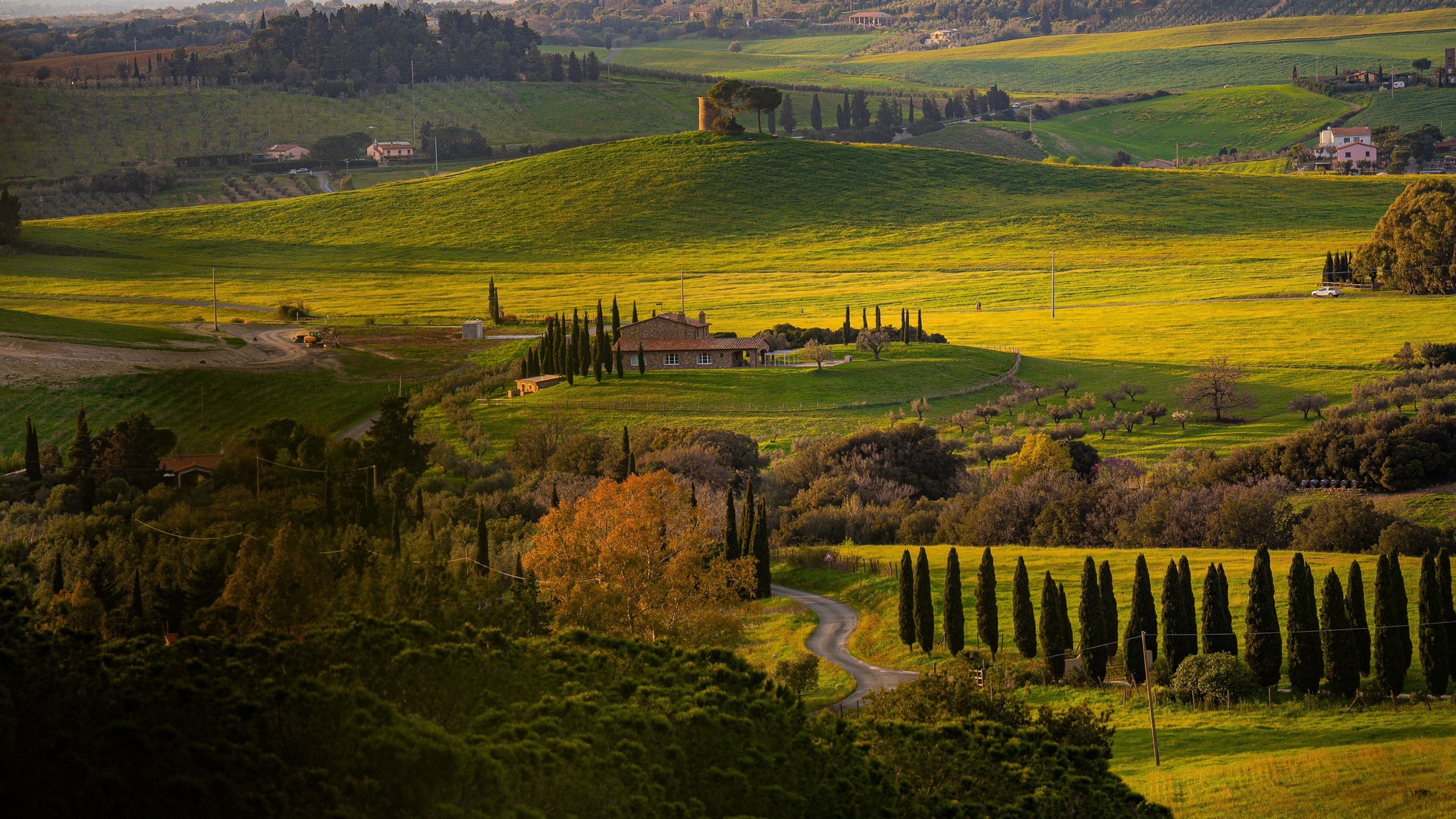
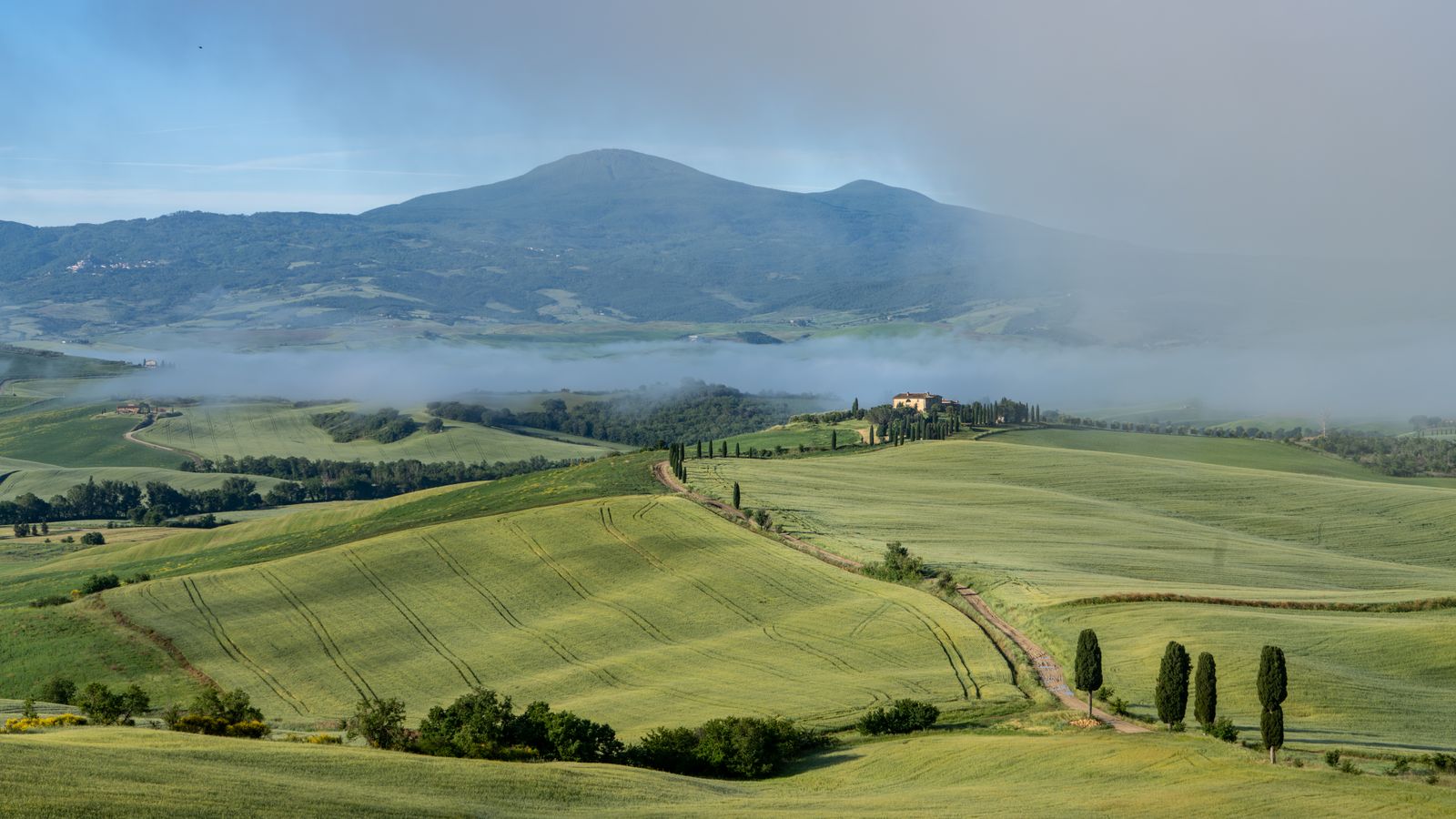
If you have ever seen a photograph of Tuscany, a lone farmhouse on a soft green hill, a curving road lined with cypresses, a hilltop town glowing in the evening light, there is a good chance it was taken in the Val d’Orcia. This valley south of Siena was shaped in the fourteenth and fifteenth centuries by Sienese merchants who wanted their estates to look like the ideal landscapes of Renaissance painting, and it has been a UNESCO World Heritage Site since 2004.
It is also the perfect place for a slow road trip. Within an hour’s drive of each other lie Pienza, the Renaissance “ideal city”; Montalcino, home of Brunello; Montepulciano and its Vino Nobile; the medieval spa village of Bagno Vignoni; and some of the finest country hotels in Italy. This guide gives you a route, the tickets worth booking and the practical details you need.
Plan Your Val d’Orcia Trip
- Hire a car from a local Tuscan agency: the valley is best explored by car
- Palazzo Piccolomini in Pienza: the Pope’s palace and its hanging garden
- Brunello museum and wine tasting in Montalcino
- Abbey of Sant’Antimo: Romanesque abbey in the vineyards
- Tuscany wine tastings and tours
The Val d’Orcia at a Glance
| Stop | Known for | Don’t miss | Book |
|---|---|---|---|
| Pienza | Renaissance town plan, pecorino cheese | The walk along the walls at sunset | Palazzo Piccolomini |
| Montalcino | Brunello di Montalcino | The fortress and a long tasting | Brunello museum + tasting |
| Sant’Antimo | Romanesque abbey among olive groves | The light through the alabaster windows | Abbey ticket |
| Montepulciano | Vino Nobile, Renaissance palaces | The church of San Biagio below the town | San Biagio ticket |
| San Quirico d’Orcia | Gardens and the famous cypress views | The Horti Leonini garden | Free |
| Bagno Vignoni | A thermal pool instead of a main square | The old mill pools below the village | Free |
Pienza: The Ideal Renaissance Town
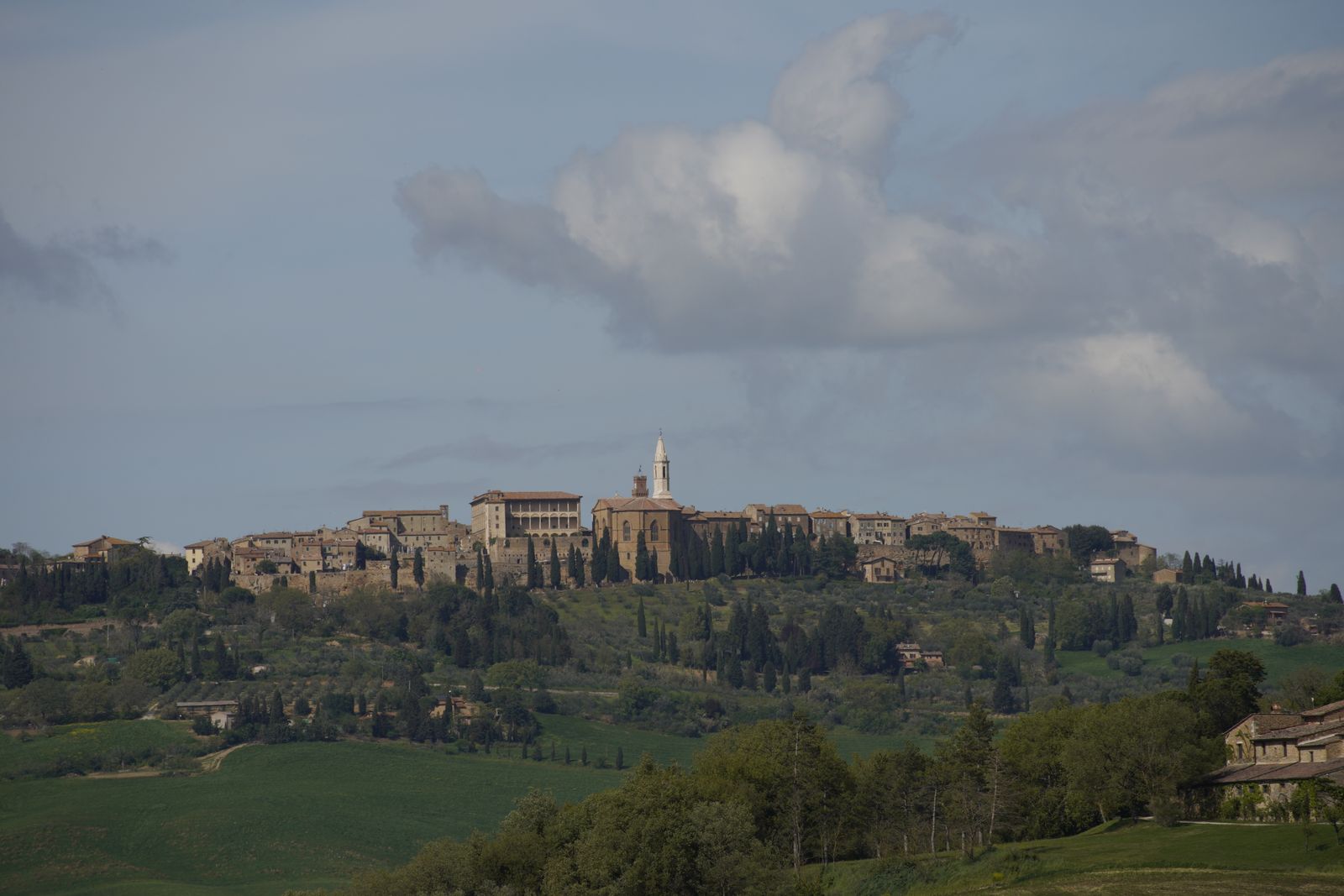
Pienza was a small village called Corsignano until one of its sons, Enea Silvio Piccolomini, became Pope Pius II in 1458. He decided to rebuild his birthplace as the model of a perfect Renaissance town, hired the architect Bernardo Rossellino, and within a few years the centre had a new cathedral, a papal palace and a harmonious square laid out according to the latest ideas of urban planning. The town was renamed in his honour, and its centre is a UNESCO site in its own right.
Visit the Palazzo Piccolomini, where the Pope’s apartments open onto a loggia and a hanging garden that frames the valley like a painting. Then walk along Via dell’Amore and the panoramic walls, and taste pecorino di Pienza, the sheep’s cheese for which the town is famous, in one of the small shops on the main street.
Montalcino and Sant’Antimo: Brunello Country
Montalcino sits on a high ridge above vineyards that produce Brunello di Montalcino, one of Italy’s greatest red wines, made entirely from Sangiovese and aged for years before release. The town is crowned by a fourteenth-century fortress whose walls you can walk for views across the valley. A visit to the Brunello museum with a wine tasting is a good introduction before you head out to the estates; if you prefer to keep it short, the museum ticket on its own also works. Our full guide to Montalcino and Brunello explains the wine, the producers and how to visit.
Ten minutes south of town, the Abbey of Sant’Antimo stands alone in a valley of olive trees and cypresses. According to tradition it was founded in the time of Charlemagne, and the present Romanesque church, built of pale stone and alabaster, dates from the twelfth century. Book the Abbey of Sant’Antimo ticket and, if you can, time your visit for the late afternoon, when the light through the alabaster turns the interior gold.
Montepulciano: Vino Nobile and Renaissance Palaces
At the eastern edge of the valley, Montepulciano is the largest and liveliest of the hill towns, a long climb of a main street lined with Renaissance palaces and wine cellars that run deep into the rock. The local red, Vino Nobile di Montepulciano, is softer and earlier-drinking than Brunello and excellent value. Below the town, the church of San Biagio, designed by Antonio da Sangallo the Elder in the early sixteenth century, sits alone at the end of a cypress avenue and is one of the masterpieces of Renaissance architecture. Book the San Biagio ticket and see our guide to Montepulciano for cellars and tastings.
San Quirico, the Cypresses and the Famous Views
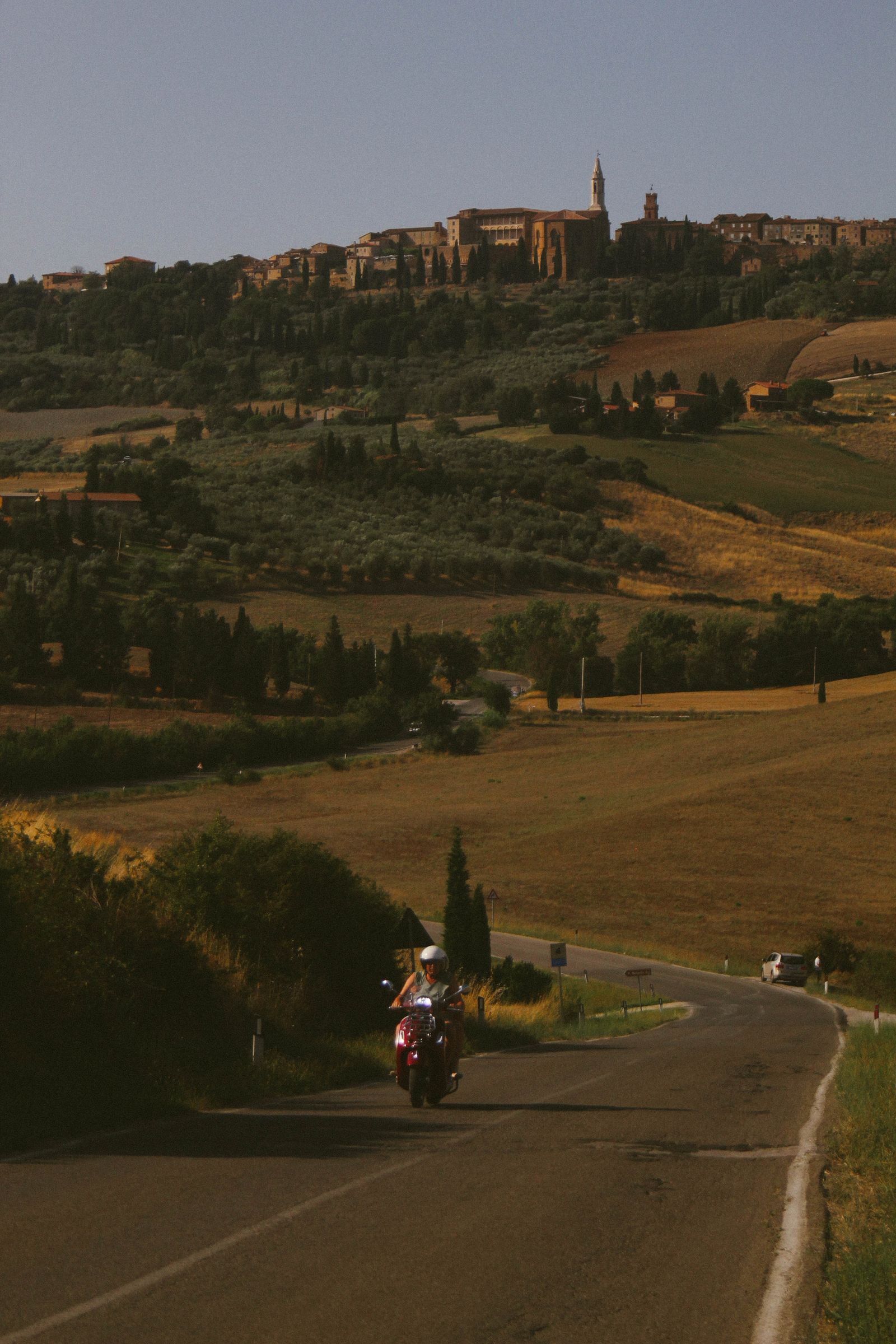
San Quirico d’Orcia is a quiet town with a beautiful Romanesque collegiate church and the Horti Leonini, a sixteenth-century Italian garden that is free to enter. Around it lie many of the views that made the Val d’Orcia famous: the small Vitaleta chapel standing among cypresses on a bare hill, the circle of cypresses on a hilltop near San Quirico, and the winding farm roads between Pienza and Monticchiello. Several are on private land or unpaved roads, so view them from the roadside and respect the farms. If you would like someone else to do the driving, Tuscany driving experiences take you through the valley in a vintage car or by scooter.
Bagno Vignoni and the Thermal Springs
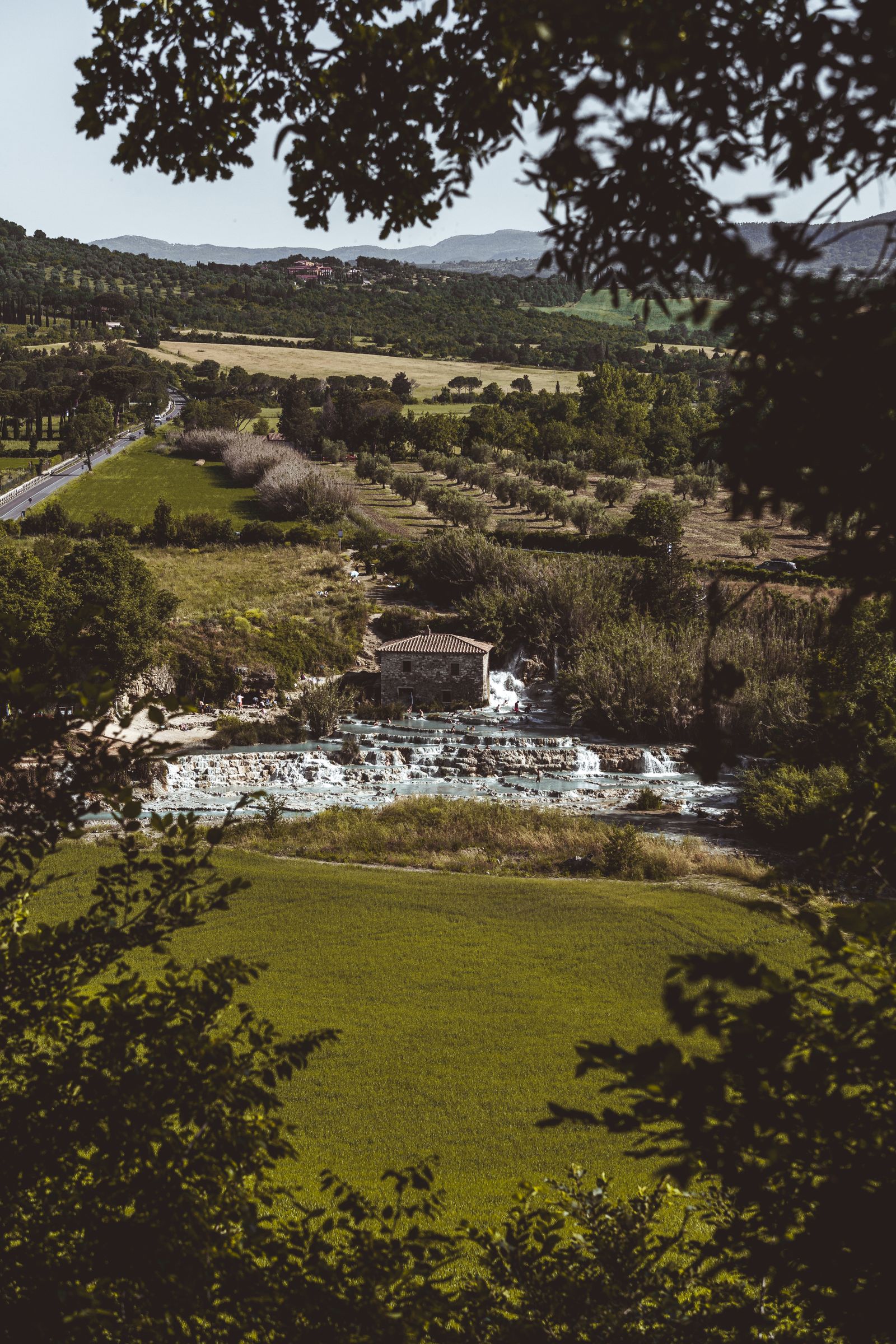
The village of Bagno Vignoni has no ordinary main square: in its place is a large stone pool of steaming thermal water, used since Roman times and later by Lorenzo de’ Medici. You cannot bathe in the historic pool, but below the village, at the old mills, warm water cascades over the rocks, and several spa hotels nearby have thermal pools open to guests and day visitors. A little further south, Bagni San Filippo has natural hot springs flowing over white limestone formations in a wood. Bring a swimsuit and an old towel, as the mineral deposits can stain.
A Three-Day Itinerary
- Day 1: arrive from Florence or Siena, lunch in Pienza, Palazzo Piccolomini in the afternoon, and sunset on the town walls.
- Day 2: morning in Montalcino with the fortress and a Brunello tasting, lunch at an estate, Sant’Antimo in the late afternoon.
- Day 3: San Quirico and the cypress views in the early light, a thermal soak at Bagno Vignoni, then Montepulciano and San Biagio before heading on.
Only have a day? Base yourself in Siena and join one of the day trips from Siena, or book a private driver from Florence and focus on Pienza and Montalcino.
Getting There and Getting Around
The Val d’Orcia is roughly an hour south of Siena and around two hours from Florence by car. Public transport between the villages is limited, and most of the pleasure of the valley lies in the roads between them, so a car is almost essential. Localrent and GetRentacar list cars from local agencies; a small car is easier on narrow roads and in hill-town car parks. All the historic centres are restricted traffic zones, so park outside the walls.
When to Go
- Spring (April to early June): the hills are vividly green, poppies flower along the roads, and the light is soft.
- Summer: golden fields after the harvest, hot days and long evenings; book hotels early.
- Autumn (September to November): the grape and olive harvests, truffles and wine festivals; morning mist in the valleys makes this the photographers’ favourite season.
- Winter: quiet and atmospheric, with thermal springs at their most inviting, but some restaurants close.
Practical Tips
- Book tastings in advance: most serious wineries receive visitors by appointment only. Organised tastings and Tuscan dining experiences take care of the booking.
- Don’t drink and drive: Italian limits are strict. Use spittoons, share the driving, or take a tour.
- Stay connected: mobile coverage in the valleys can be patchy, so download offline maps; an eSIM for Italy makes data easy.
- Luggage: if you are travelling between hotels by train or bus, Radical Storage lets you leave bags in Siena or Florence for the day.
Prefer to explore at your own pace?
Self-guided audio tours play on your phone, work offline and let you pause for coffee whenever you like. Good options here are the Palazzo Piccolomini in Pienza ticket or the Montalcino Museum of Brunello ticket.
Frequently Asked Questions
How many days do you need in the Val d’Orcia?
Two to three days lets you see Pienza, Montalcino, Montepulciano and Bagno Vignoni at a relaxed pace. A day trip covers two towns.
Do you need a car in the Val d’Orcia?
Realistically, yes. Buses are infrequent, and the valley is best enjoyed on the roads between the towns. Without a car, choose a guided tour or private driver.
Which is better, Montalcino or Montepulciano?
Both are worth a visit. Montalcino is smaller and wine-focused, with Brunello; Montepulciano is larger, with more architecture and the softer Vino Nobile.
Can you swim at Bagno Vignoni?
Not in the historic pool in the square, but you can bathe in the warm streams below the village and in nearby spa hotels.
Where is the best base for the Val d’Orcia?
Pienza or San Quirico for a central location, Montalcino for wine lovers, or a country estate in between for peace and views.
Where to Stay: compare hotels and current prices in Pienza, Montalcino and Montepulciano on Trip.com.
Plan Your Stay
Combine the Val d’Orcia with Siena, where our guide to Siena Cathedral tickets and the OPA SI Pass help you plan, or continue to Chianti Classico. For the wider picture, read Tuscany’s wine country at a glance, and use our Italy travel planner for transfers, car hire and connectivity.
Related guides: read our articles on San Gimignano.
For wine lovers, see also our guide to wine tours from Florence.
Golfers should also read our guide to golf in Tuscany.