
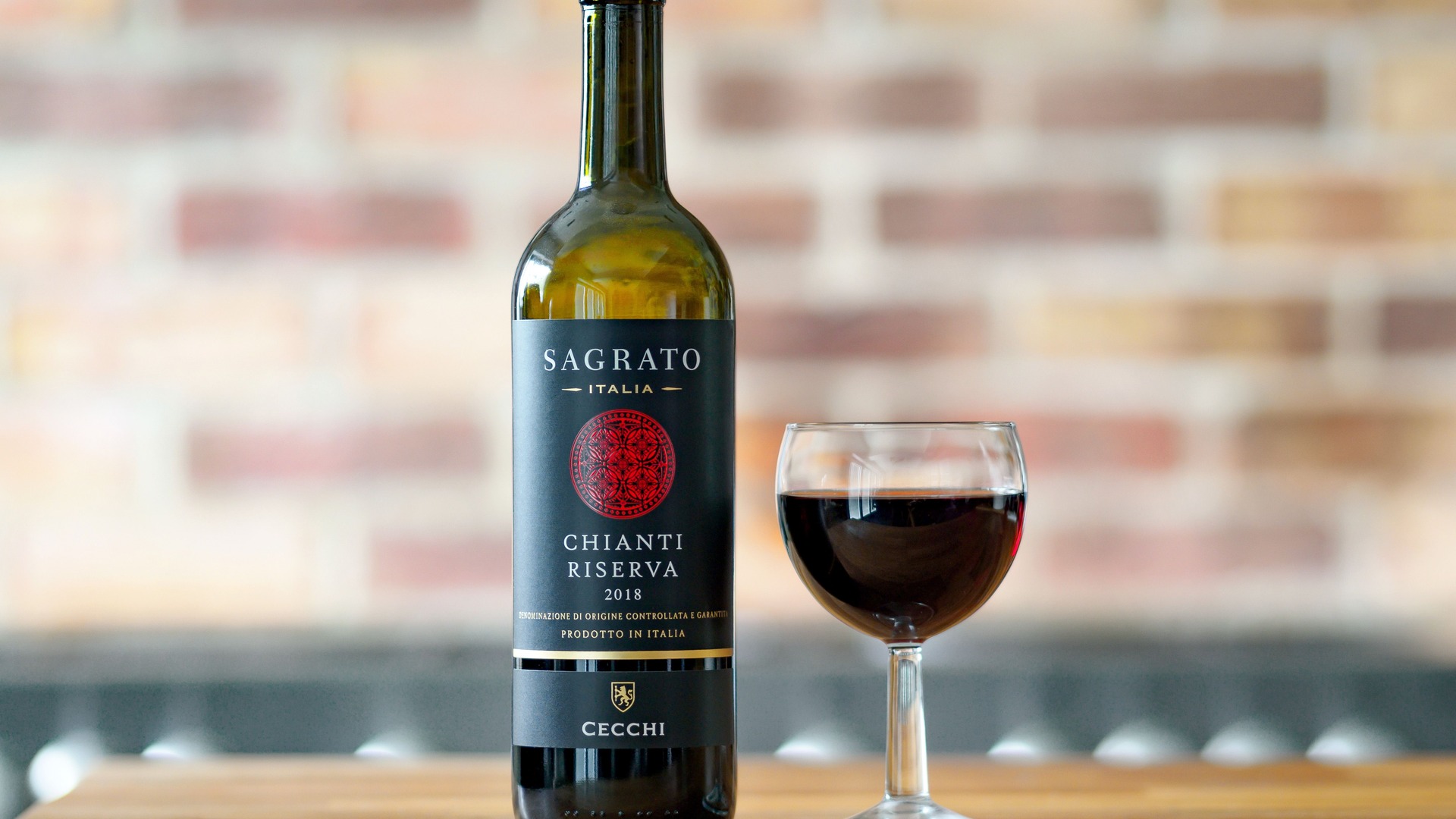
Say the word „Chianti“ to most travelers and you’ll get a vague image: a straw-wrapped bottle on a red-checkered tablecloth, maybe a rooster logo they half-remember from a wine list. That image is decades out of date, and it does a disservice to what is genuinely one of the most serious, most rewarding wine regions in Italy. Chianti Classico — the original, historic core of the broader Chianti zone — is not a mass-produced tourist wine. It is a tightly regulated, geographically specific appellation producing some of the most age-worthy Sangiovese in the world, made on estates that have often been in the same family for generations.
If you’re planning time around Florence, Chianti Classico is not an optional side trip. It’s the region that starts almost the moment the city ends, and understanding it properly changes how you’ll spend an afternoon, a day, or an entire week in this part of Tuscany.
What „Classico“ Actually Means
Here’s where a lot of confusion starts. „Chianti“ as a general appellation covers a sprawling area across Tuscany, subdivided into several sub-zones — Chianti Rùfina, Chianti Colli Senesi, Chianti Colline Pisane, and others. „Chianti Classico“ is different. It refers specifically to the original, historic heartland of Chianti production, a defined zone of roughly 70,000 hectares sitting between Florence and Siena, encompassing towns like Greve, Panzano, Radda, Gaiole, and Castellina.
The distinction matters because Chianti Classico has its own separate DOCG designation (Denominazione di Origine Controllata e Garantita), its own consortium, its own black rooster seal (the Gallo Nero) on every bottle, and stricter production rules than generic Chianti. A bottle labeled simply „Chianti“ can come from a much wider area and follow looser standards. A bottle labeled „Chianti Classico“ is guaranteed to come from this specific historic zone and to meet a higher bar, both in the vineyard and in the cellar.
The Grape: Sangiovese, Done Properly
Chianti Classico must be made from at least 80% Sangiovese, and many of the region’s top producers now push that figure to 100%. Sangiovese is a notoriously site-sensitive grape — it can produce something thin and forgettable on the wrong soil, or something genuinely profound on the right hillside. The soils here, a mix of galestro (a crumbly clay-schist) and alberese (a harder limestone), combined with elevation typically between 250 and 600 meters, give the grape exactly the stress and drainage it wants. The result is wine with real structure: firm tannins, bright acidity, notes of sour cherry and dried herbs, and, in the better bottles, a savory, almost earthy depth that develops beautifully with a few years in the bottle.
The Three Tiers, and Why They Matter for Your Glass
One of the most useful things to understand before tasting your way through the region is that Chianti Classico isn’t a single style — it’s a three-tier classification system, and knowing the difference will make any tasting far more interesting.
Chianti Classico (annata)
The entry point, aged a minimum of 12 months. Fresh, fruit-forward, meant to be enjoyed relatively young. A great everyday wine and often the best value in the lineup.
Chianti Classico Riserva
Aged a minimum of 24 months, with at least 3 months in bottle before release. More structure, more complexity, and usually a noticeable step up in depth and length on the palate.
Chianti Classico Gran Selezione
Introduced in 2014, this is the top of the pyramid. Grapes must come from a single estate (or a single vineyard), the wine is aged a minimum of 30 months, and it has to pass a stricter tasting panel. This is where the region’s most serious, most collectible bottles live.
Most enotecas in Florence and nearly every estate in the Chianti Classico zone will happily pour a flight moving through all three tiers side by side. It’s genuinely one of the best ways to understand what aging and vineyard selection actually do to a wine, and it takes maybe twenty minutes.
The Villages Worth Building a Day Around
Chianti Classico isn’t one town — it’s a patchwork of small hill villages, each with its own character, and each an easy stop if you’re driving or being driven between Florence and Siena.
Greve in Chianti is often the first stop, and it’s a good one: a lively triangular piazza ringed with wine shops, a well-regarded weekly market, and enough restaurants and enotecas to fill a full afternoon without needing a reservation anywhere. It’s the easiest village to reach and the most forgiving if you’re short on time.
Panzano in Chianti, just south of Greve, is smaller and quieter, but it sits in one of the zone’s most celebrated sub-areas, the Conca d’Oro — a natural amphitheater of vineyards considered by many producers to be the single best terroir in the entire Chianti Classico zone. It’s also home to a butcher shop with a genuine cult following among steak lovers, which pairs rather perfectly with the region’s bistecca alla fiorentina tradition.
Radda and Gaiole, further east and higher in elevation, are quieter still, with a more rugged, forested character. Wines from this part of the zone tend to show a bit more structure and a cooler, more mineral edge, a reflection of the altitude. If your ideal day involves fewer tour buses and more silence between vineyard rows, this is where to spend it.
Castellina in Chianti, on the western edge of the zone, rounds things out with a walled medieval center and easy access back toward Siena, making it a natural final stop if you’re doing a full loop through the region in a single day.
Visiting an Estate: What to Actually Expect
Chianti Classico is dotted with hundreds of producers, ranging from tiny family operations working a few hectares to larger, historically significant estates with centuries of documented winemaking behind them. Most fall somewhere in between: family-run, serious about their craft, and genuinely happy to host visitors, provided you call or email ahead. Very few estates here operate a casual walk-in tasting room the way you might expect in, say, Napa — this is still a working agricultural region first, and hospitality is layered on top of that rather than being the whole business model.
A typical visit runs anywhere from 45 minutes to a couple of hours, often including a walk through the cellar, a look at the vineyards if the season allows, and a seated tasting of three to five wines, frequently paired with local snacks like crostini, pecorino, and cured meats. Larger estates may offer a more polished, tour-bus-friendly experience with a shop and multiple tasting options; smaller ones will often be run by a member of the family itself, glass in hand, telling you exactly why this particular hillside makes their Sangiovese taste the way it does. Both are worth doing, and they’re different enough experiences that visiting one of each in a single day gives a genuinely fuller picture of the region than sticking to one style.
Food: What Actually Belongs Next to the Glass
Chianti Classico’s food culture is built around the same rustic, ingredient-driven philosophy as the wine itself. Bistecca alla fiorentina — the enormous, rare-grilled T-bone that Tuscany is famous for — is the obvious pairing, and the acidity and tannin in a good Riserva or Gran Selezione are practically engineered to cut through the richness of the meat. But the everyday pairings are just as satisfying: pappardelle with wild boar ragù, ribollita in the cooler months, and simple bruschetta topped with local olive oil, which in this region is its own serious product worth tasting alongside the wine rather than as an afterthought.
Cheese boards here lean heavily on pecorino from the hills around Siena, often served with a drizzle of local honey or a spoonful of fig jam, a combination that turns a simple aged Chianti Classico into something that feels considerably more special than its price tag suggests.
Chianti Classico at a Glance
| Sub-area / Village | Character | Best For |
|---|---|---|
| Greve in Chianti | Lively, central, easy to reach | First-time visitors, short on time |
| Panzano (Conca d’Oro) | Prime terroir, small and quiet | Serious tasting, food lovers |
| Radda & Gaiole | Higher elevation, cooler, rugged | Fewer crowds, structured wines |
| Castellina | Medieval, western edge of zone | Closing a loop toward Siena |
Best Time to Go
Late spring, particularly May, brings warm days and vineyards at their greenest, without the peak crowds of midsummer. September and early October, harvest season, are arguably the best window of all: estates are at their busiest and most engaged, the light over the hills in late afternoon is exceptional, and many producers are more willing to let visitors see the working side of the process rather than just the polished tasting room. Summer is workable but hot enough that long days of driving between hilltop villages are better broken up with shaded lunches and an early start. Winter, quiet and slower, still rewards visitors willing to book ahead, with fewer crowds and the added pleasure of a structured red next to a wood-fired meal on a cold evening.
Owning a Piece of It
It’s a rare visitor to this region who doesn’t, at some point over a glass on a terrace overlooking the vineyards, start quietly wondering what it would take to own a small piece of it. It’s not an idle fantasy — restored farmhouses, former agriturismi, and small vineyard estates throughout the Chianti Classico zone do come to market with some regularity, and Tuscany remains one of the more accessible entry points into European countryside property compared to, say, the Côte d’Azur or Lake Como. If that thought has crossed your mind more than once during a Chianti afternoon, our real estate coverage is worth a look before the trip fades into memory rather than into a plan.
Pairing Chianti with the Rest of an Italian Trip
Chianti Classico rewards a slow pace, but it doesn’t have to be the whole trip. Many visitors base themselves in Florence for a few nights, using the city as a launchpad for day trips into the vineyards before continuing on elsewhere in Italy. If the coast is calling after a few days inland, the water around Sicily offers about as strong a contrast as Italy has to offer — Sicily’s best bays and coves for swimming, yachts, and boat trips is worth reading before you book the second half of an itinerary that moves from Tuscan hillsides to Mediterranean water.
Getting There and Getting Around
Most visitors base themselves in Florence and either rent a car, hire a private driver, or join a small-group tour for the day. A rental car offers the most flexibility, particularly if you want to string together two or three villages and a couple of estate visits in a single day, but the region’s narrow, winding roads reward a driver who’s comfortable with them. A private driver removes that concern entirely and allows everyone in the group, including whoever would otherwise be driving, to actually taste. Public transport into the heart of the zone is limited and not really built for a wine-focused day, so it’s the one part of this trip worth planning rather than improvising.
The Takeaway
Chianti Classico is one of those regions that rewards exactly as much attention as you’re willing to give it. A single afternoon with a flight of three wines at a Florence enoteca will tell you something real about the difference between an annata and a Gran Selezione. A full day driving between Greve, Panzano, and Radda, stopping for lunch and an estate visit along the way, will tell you a great deal more. Either way, this is not a region to check off a list — it’s one to come back to, ideally with a little more time on your hands the second visit around.
0 Kommentare zu „Chianti Classico: The Wine Region That Actually Deserves the Hype“