In Chianti you can sleep inside the estate whose bottles you drank at dinner. But a true wine hotel is very different from a pretty villa with a wine list. These eight places to stay in 2026 either make their own wine or sit a short drive from the best cellars. For each one you’ll find tastings, cooking classes, restaurants, spas and opening seasons.
This article contains affiliate links. If you book through them, we may earn a small commission at no extra cost to you. Read our affiliate disclosure.
Quick answer: the best wine hotels in Chianti
- Best all-round wine resort: Borgo San Felice, a restored hamlet with its own winery and a Michelin-starred restaurant.
- Best for spa and full-service luxury: COMO Castello del Nero, with a Michelin star, a COMO Shambhala spa and cellar tastings.
- Best for art and serious wine: the five suites at Castello di Ama in Gaiole.
- Best for history and value: Badia a Coltibuono, an 11th-century abbey with organic wines and a cooking school.
- Best base near Florence: Castello di Gabbiano in the San Casciano hills, or Villa Mangiacane if you are booking a whole villa for a group.
For the wine itself, from the Gallo Nero to Gran Selezione, read our guide to Chianti Classico, the wine region that actually deserves the hype. For the rest of Italy, see our hub on the best vineyard hotels and wine resorts in Italy.
Check prices and availability
Harvest weeks in September and October sell out early in Chianti. Compare rates for estate hotels around Greve and Panzano before you fix your dates.
The best wine hotels in Chianti for 2026

1. Borgo San Felice, Castelnuovo Berardenga
This is the most complete wine resort in Chianti. An entire medieval hamlet in the southern Chianti Classico hills, about 15 minutes from Siena, has been turned into a Relais & Châteaux hotel of 63 rooms and suites, and the San Felice winery sits right beside it. The one to taste is the Il Grigio Riserva. Guests can book vineyard walks, guided tastings in the winery and Tuscan cooking classes run from the Osteria Il Grigio kitchen.
Read our full review: Borgo San Felice review
Dining is a real draw. Poggio Rosso, overseen by Enrico Bartolini, holds one Michelin star in the 2026 guide, and the Osteria Il Grigio covers the rustic side. There is a large pool, a spa and tennis courts, and the hotel holds two Michelin Keys. Borgo San Felice has traditionally been seasonal; for 2026 the season runs until 10 January 2027, including Christmas and New Year for the first time. Check the exact spring opening date with the hotel.
Best for: couples who want winery, Michelin dining, spa and tennis without getting in a car.
Check rates at Borgo San Felice
2. COMO Castello del Nero, Barberino Tavarnelle
A 12th-century castle on a 740-acre estate of vines and olive groves, roughly half an hour from both Florence and Siena. The estate produces its own wine and olive oil, and private tastings take place in the old castle cellar, which holds a list of several hundred labels. Cooking classes are led by the executive chef, Giovanni Luca Di Pirro.
Read our full review: COMO Castello del Nero review
La Torre keeps its Michelin star in the 2026 guide, and La Taverna and the summer Pavilion cover the casual meals. The COMO Shambhala spa is the strongest in Chianti, with thermal suites, a vitality pool and daily yoga. Outside there is a 25-metre heated pool (summer only), plus a tennis court and a padel court. There are 50 rooms and suites. The hotel has closed seasonally in some past winters, so ask the hotel about winter dates.
Best for: spa lovers and anyone who wants five-star service with a working estate around them.
Check rates at COMO Castello del Nero
3. Castello di Ama, Gaiole in Chianti
Not a hotel in the usual sense, and the estate says so itself. Castello di Ama is one of the most respected producers in Chianti Classico, and it offers five suites in Villa Ricucci, an 18th-century manor in the hamlet of Ama. Several suites look onto the estate’s site-specific art by Daniel Buren, Jenny Holzer and Cristina Iglesias. Suites start at about €490 a night.
Read our full review: Castello di Ama review
Breakfast is served in the villa, wine by the glass and a welcome aperitif are offered Monday to Saturday, and private chef dinners can be arranged through the estate’s Ristoro. Themed tours and tastings are booked separately. No spa or pool; bookings are prepaid and non-refundable. For seasonal opening, ask the estate.
Best for: wine collectors and art lovers who prefer a private, quiet stay over hotel facilities.
Compare hotels around Gaiole in Chianti (Castello di Ama books its suites directly)
4. Badia a Coltibuono, Gaiole in Chianti
An 11th-century abbey in its own woodland, about 9 km from Radda. The estate is farmed organically, and guests can tour the underground cellars under the abbey and taste current Chianti Classico vintages and the estate’s olive oils. There is also a well-known cooking school.
Read our full review: Badia a Coltibuono review
Rooms occupy the former monks’ cells: simple and characterful, plus some apartments. The restaurant sits in the old stables and cooks with produce from the estate and nearby farms. The outdoor pool is open from May to September. For winter opening, ask the hotel.
Best for: food-focused travellers who want history, a cooking class and genuine estate wines at a gentler price.
Check rates at Badia a Coltibuono
5. Castello di Spaltenna, Gaiole in Chianti
A fortified former monastery just below the walled village of Vertine, with 37 rooms spread through the castle, a garden annex and the old stables. Sources disagree on whether its house Chianti Classico is estate-grown or made with a neighbouring producer, and the hotel closes from November to March. Either way, Spaltenna is best seen as a luxurious base rather than a winery: Castello di Ama, Badia a Coltibuono and the Brolio estate are all a short drive away.
Read our full review: Castello di Spaltenna review
Il Pievano holds one Michelin star in the 2026 guide, with lighter meals on the terrace and a summer osteria. The spa has an indoor heated pool, sauna and steam room, useful in cooler months; the outdoor pool is seasonal. Cooking classes: ask the hotel.
Best for: a romantic castle stay with Michelin dining and easy access to the Gaiole wineries.
Check rates at Castello di Spaltenna
6. Villa Le Barone, Panzano in Chianti
A historic villa that was once the country seat of the Della Robbia family and still belongs to their descendants, the Aloisi de Larderel family, in the hills above Panzano and surrounded by vineyards. The estate was historically a wine and olive farm, but today it works as an intimate country hotel of around 28 rooms (published counts differ) rather than a producing winery. Its strength is position: Panzano’s Conca d’Oro vineyard amphitheatre is on the doorstep.
Read our full review: Villa Le Barone review
Expect an infinity pool overlooking the vines, a Tuscan restaurant with outdoor dining and guided tastings of Chianti Classico from the villa’s cellar selection. There is no spa. The hotel has traditionally opened for the spring to autumn season; ask the hotel for 2026 dates.
Best for: couples who want a calm, family-run villa in the heart of the Conca d’Oro.
Check rates at Villa Le Barone
7. Castello di Gabbiano, Mercatale Val di Pesa
A medieval castle (recent Italian press dates its origins to the 12th century) and working winery in the northern Chianti Classico, about 10 km from both San Casciano and Greve. Gabbiano makes Chianti Classico DOCG and ages it in the historic cellars beneath the castle; guests can book guided cellar tours, wine and olive oil tastings and, according to several sources, a Tuscan cooking class, all subject to availability. The panoramic pool is seasonal; ask the hotel for opening months.
Read our full review: Castello di Gabbiano review
Rooms are split between the air-conditioned manor house and farmhouse rooms (some with fans only). No spa. Restaurant opening days differ between sources (the estate lists lunch closures on Mondays and Tuesdays), so ask the hotel.
Best for: wine-focused travellers who want to sleep in a true castle winery close to Florence.
Check rates at Castello di Gabbiano
8. Villa Mangiacane, San Casciano in Val di Pesa
Once owned by the Machiavelli family, this estate sits on the hill above San Casciano, with views back to Florence’s dome. It produces its own wines and olive oil, and guests can book private tastings of the premium labels and vineyard tours. Important for 2026: Villa Mangiacane now markets itself as an exclusive-use villa rental and events venue rather than a hotel. Its rooms are let as two whole residences, Palazzo Machiavelli and Villa Mazzei, for large groups, and there is no hotel booking engine on the official site.
There are two panoramic pools, and services such as a villa manager and private chef are arranged for each booking. Our research could not confirm whether individual rooms are still sold, so enquire directly before you plan around it.
Best for: families or groups of friends who want a whole villa near Florence for a wine-focused stay.
Compare hotels around San Casciano (book Villa Mangiacane directly)
Check prices and availability
Gaiole puts Castello di Ama, Badia a Coltibuono and Brolio within a short drive. See which estate hotels still have harvest dates free.
Chianti wine hotels compared
| Hotel | Village | Own winery? | Tastings on site | Best for |
|---|---|---|---|---|
| Borgo San Felice | Castelnuovo Berardenga | Yes | Winery tours, vineyard walks | All-round wine resort |
| COMO Castello del Nero | Barberino Tavarnelle | Estate wine and oil | Private cellar tastings | Spa and service |
| Castello di Ama | Gaiole in Chianti | Yes | Themed tours, wine by the glass | Art and collectors |
| Badia a Coltibuono | Gaiole in Chianti | Yes, organic | Cellar tours, tastings | Cooking and history |
| Castello di Spaltenna | Gaiole in Chianti | Some wines from the property | Wine bar in Vertine | Castle romance, Michelin |
| Villa Le Barone | Panzano in Chianti | No (base for wineries) | Guided tastings | Conca d’Oro access |
| Castello di Gabbiano | Mercatale Val di Pesa | Yes | Cellar tours, tastings | Castle winery stay |
| Villa Mangiacane | San Casciano in Val di Pesa | Yes | Private tastings | Whole-villa group stays near Florence |
How to plan wine days from your hotel
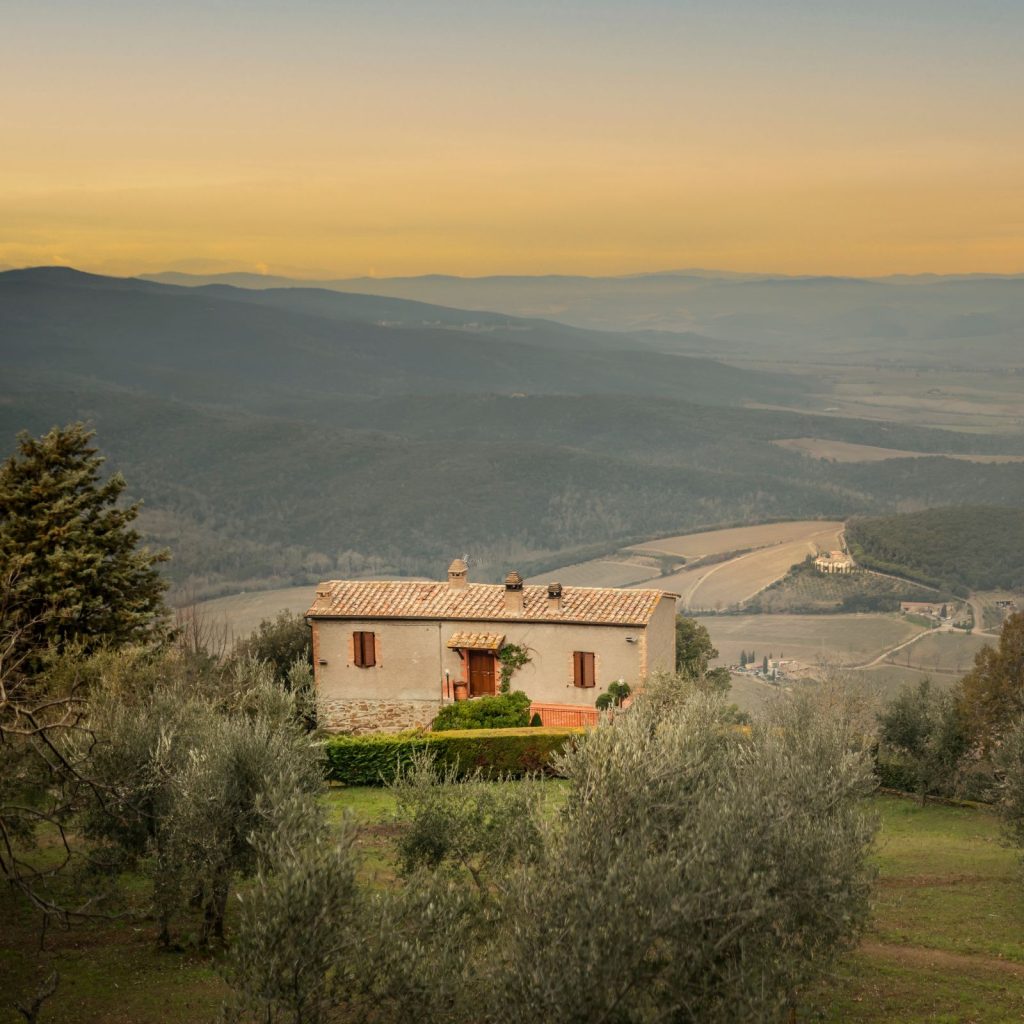
Chianti looks compact, but the roads between Greve, Radda and Gaiole are slow and winding.
- Do not drive yourself after tastings. Italy’s legal limit is 0.5 g/l, and zero for drivers with less than three years’ experience. Ask your concierge to book a private driver.
- Book cellar visits ahead. The serious estates work by appointment, often only on weekdays, and harvest weeks are busy. Book a week ahead, or two to three weeks in September and October.
- Keep to two or three wineries a day. A proper visit takes about 90 minutes.
- Group by village. Greve and Panzano pair well (the Conca d’Oro estates and Greve’s market square). Radda and Gaiole make a second day, with Castello di Ama, Badia a Coltibuono and Brolio close together. Castellina pairs with San Gimignano.
- Use the hotel cellar on arrival day. A first-evening tasting helps you calibrate.
If you would rather not plan it yourself, our selection of the best wine tours from Florence includes small-group and private Chianti days that can often pick up from hotels in the northern villages. For a quieter, less visited alternative east of Florence, look at Chianti Rufina, which works well as a half-day from San Casciano or Florence.
Charlotte’s tip: split your stay north and south
Treat Chianti as two short stays. Spend two nights near San Casciano or Tavarnelle for the northern estates and Florence, then move to Gaiole or Castelnuovo Berardenga for the southern cellars and Siena. You halve the driving and taste two different styles of Sangiovese.
Best season for a Chianti wine stay
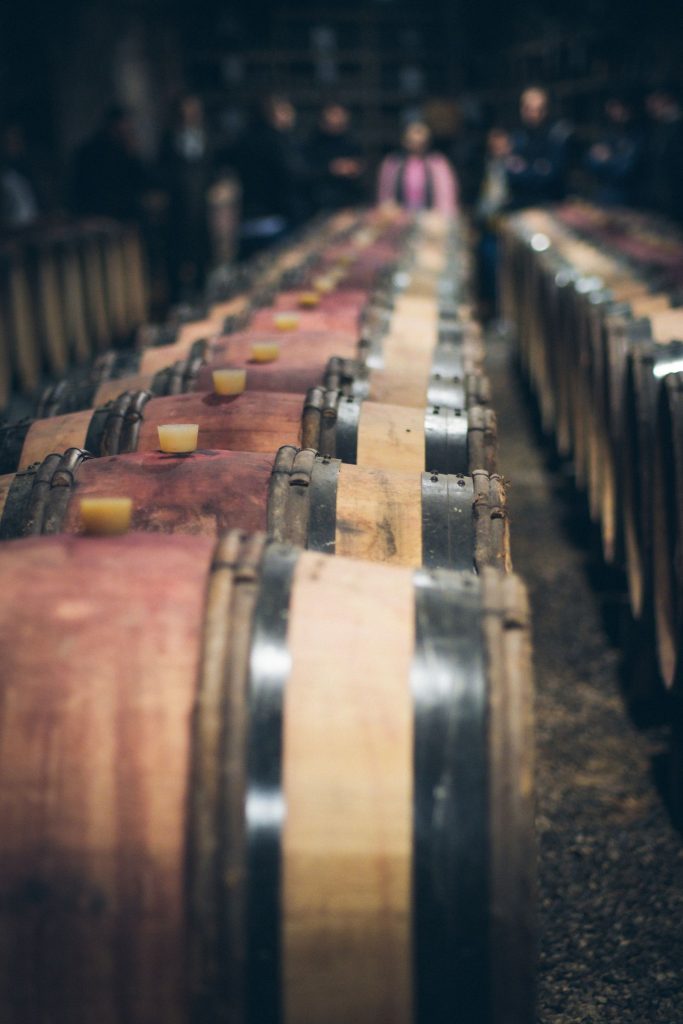
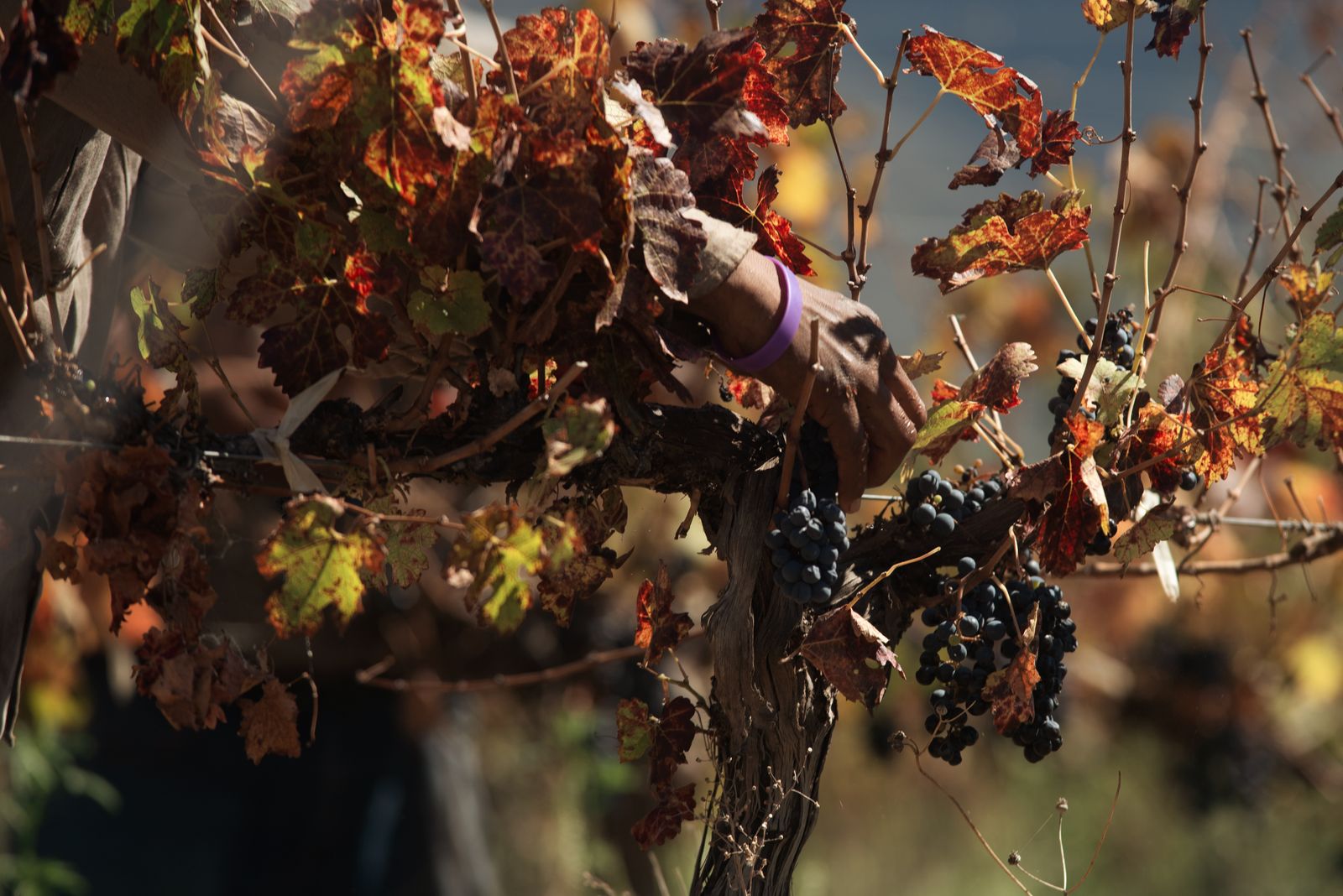
September and October are the classic choice. Harvest (the vendemmia) usually runs from mid-September into early October depending on the vintage, with porcini and new olive oil on every menu. Book months ahead.
May and June bring green vines, long evenings and outdoor pools without the August heat. August is hot and some small producers close for part of it. November to March is quiet; several hotels close or reduce services, but those with indoor spas, such as Castello di Spaltenna and COMO Castello del Nero, can be lovely if open.
Want to add something sporty between tastings? Our guides to tennis hotels in Tuscany and golf hotels in Tuscany overlap with several of the estates above. And if you are spending a night or two in the city first, see our pick of the best luxury hotels in Florence.
Frequently Asked Questions
Which Chianti hotels make their own wine?
Borgo San Felice, Castello di Ama, Badia a Coltibuono, Castello di Gabbiano and Villa Mangiacane are all on producing wine estates, and COMO Castello del Nero makes estate wine and olive oil. Castello di Spaltenna has house wines whose origin sources describe differently, while Villa Le Barone is a hotel base among other producers’ vineyards.
Which wine hotels in Chianti have Michelin-starred restaurants?
In the 2026 Michelin Guide, Poggio Rosso at Borgo San Felice, La Torre at COMO Castello del Nero and Il Pievano at Castello di Spaltenna each hold one star.
Do I need a car to stay at a Chianti wine hotel?
Realistically, yes, or a private driver. Buses are sparse and taxis scarce. Use a driver on tasting days.
Are Chianti wine hotels open in winter?
Some are, many are not. Several estates close from late autumn to spring or run reduced services. Borgo San Felice stays open until 10 January 2027 this season. For any other winter stay, confirm opening dates directly with the hotel before booking flights.