This post contains affiliate links. If you book through them, we may earn a small commission at no extra cost to you. Learn more.
Florence is the city the Medici built, and most visitors see it through two doors: the Uffizi, which was their office building, and the Accademia, which holds the David. Both are essential. But the family’s story is told more vividly elsewhere, in the town hall they took over, the chapels where they buried themselves in marble and semi-precious stone, the palace where they first lived, and the churches they paid for. Those places are also, on most days, a great deal calmer.
This guide follows the Medici through the city centre: Palazzo Vecchio and its secret passages, the Medici Chapels at San Lorenzo, Palazzo Medici Riccardi and Santa Maria Novella. It tells you what to look for, which ticket to book and how to fit them into one or two well-paced days.
Quick answer
If you do one thing, book the Palazzo Vecchio secret passages tour: it is the most memorable museum experience in Florence. Then add the Medici Chapels for Michelangelo’s tombs, and Santa Maria Novella for the frescoes and the historic pharmacy next door.
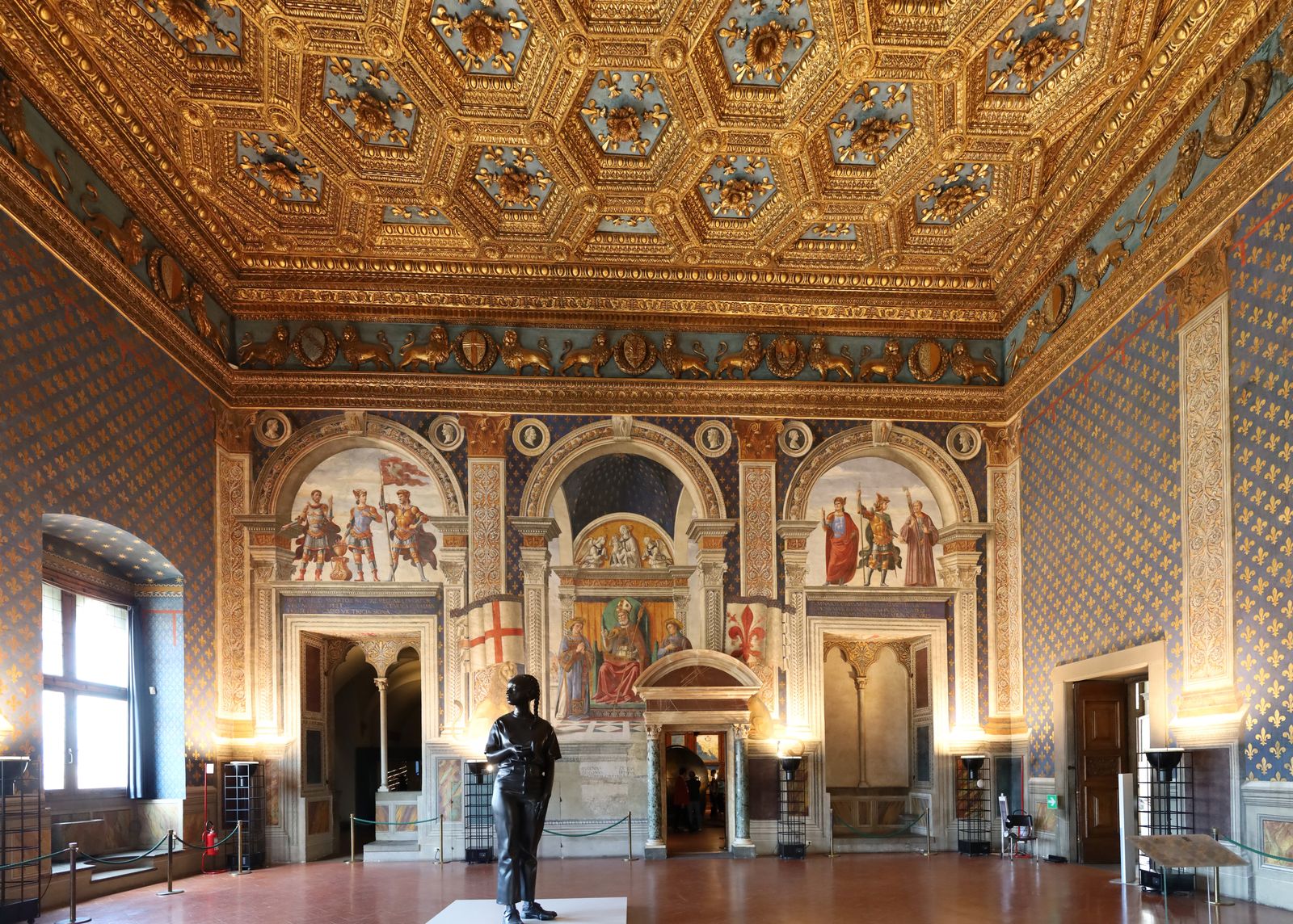
Palazzo Vecchio: from republic to duchy
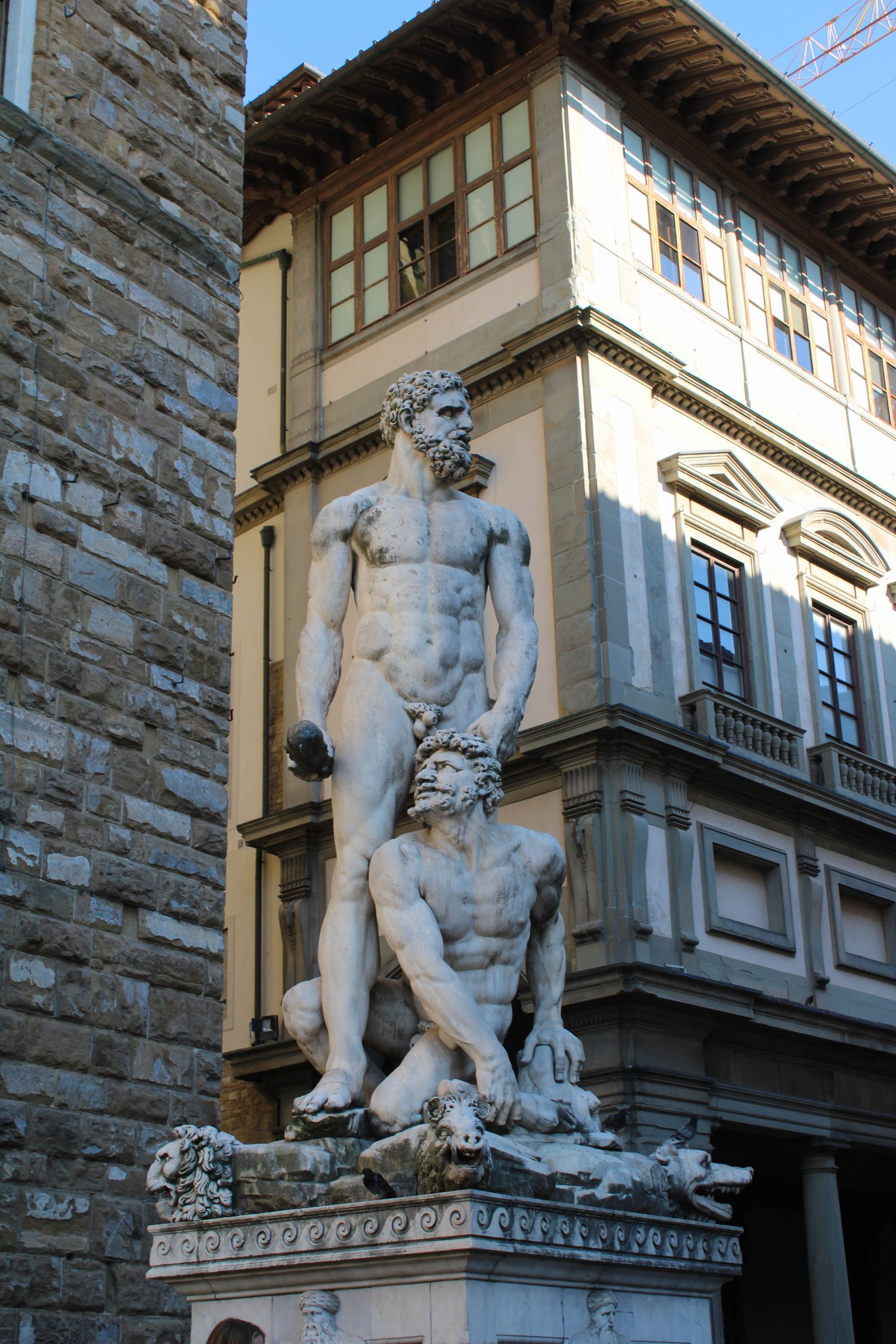
The fortress-like palace on Piazza della Signoria was begun at the end of the thirteenth century, traditionally to designs by Arnolfo di Cambio, as the seat of the Florentine republic. Its slender tower, set slightly off-centre, has been the city’s symbol ever since. In 1540 Duke Cosimo I de’ Medici moved in, a deliberate statement that the republic was over, and had the medieval rooms transformed into princely apartments. A decade later the family moved across the river to Palazzo Pitti, and the building became the “old palace”, which is what its name means. It is still the town hall today, and the mayor’s office is upstairs.
What to see
- The Salone dei Cinquecento. The vast hall built for the republic’s great council, later covered by Vasari with battle scenes celebrating Medici victories. Leonardo and Michelangelo were both commissioned to paint walls here in the early 1500s; neither work was ever finished, and scholars still debate whether traces of Leonardo’s survive beneath Vasari’s frescoes. Michelangelo’s marble Genius of Victory stands in the hall.
- The Studiolo of Francesco I. A tiny windowless study lined with painted cupboard doors, made for Cosimo’s son, who was obsessed with alchemy. Most visitors only see it through the doorway; the secret passages tour takes you inside.
- The Hall of Geographical Maps. Painted cabinets showing the world as known in the sixteenth century, with a huge globe in the centre.
- The Apartments of Eleonora di Toledo. The rooms of Cosimo’s Spanish wife, with her private chapel painted by Bronzino.
- The Arnolfo Tower. A climb of around four hundred steps to the battlements, with views over the Duomo and the whole valley. It closes in bad weather.
Which Palazzo Vecchio ticket?
The palace is one of the few Florence museums where the tour you choose really changes the experience. The standard museum entry with optional audio or video guide covers the main rooms. The secret passages tour adds the hidden staircases, the Studiolo, the small treasury of Cosimo I and, on some versions, the timber roof structure above the Salone dei Cinquecento. Places are limited and the tours sell out, so book ahead. If you want a guided visit of the main rooms only, the Palazzo Vecchio and Salone dei Cinquecento guided tour is excellent; for views, add the Arnolfo Tower ticket.
The Medici Chapels: Michelangelo and a mountain of marble
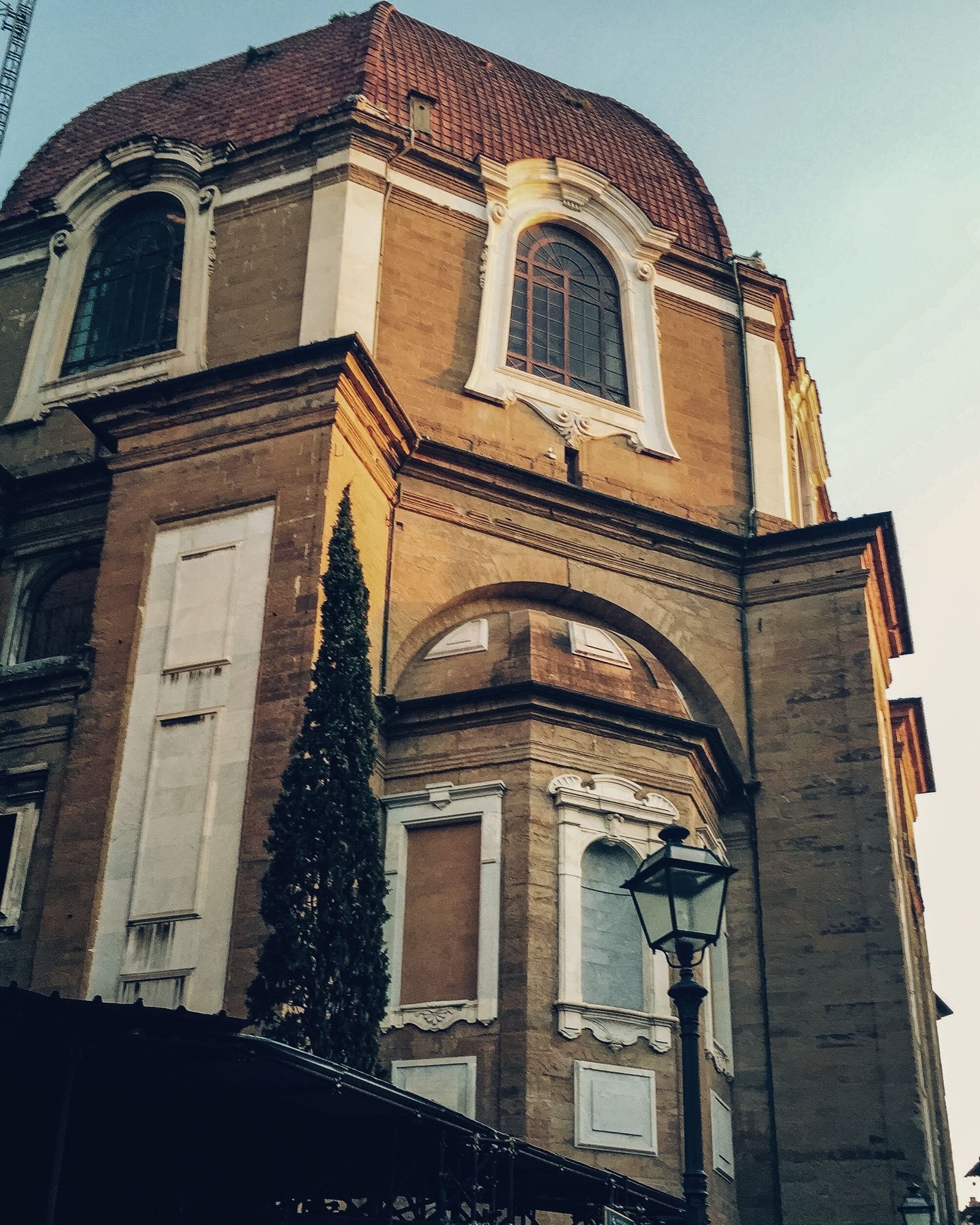
Behind the church of San Lorenzo, the family parish, the Medici built themselves a mausoleum in two very different parts. The Chapel of the Princes is an enormous octagonal hall begun in the early seventeenth century and lined entirely in coloured marble and semi-precious stones, a technique known as pietre dure that the Medici turned into a state industry. It took generations to complete and remains one of the most extravagant interiors in Italy.
The New Sacristy is the opposite: cool, grey and white, designed by Michelangelo as both architecture and sculpture. Here are the tombs of two Medici dukes, each guarded by reclining allegorical figures, Night and Day on one side, Dawn and Dusk on the other. They are among the most powerful works Michelangelo ever made. Beneath the sacristy, a small room with charcoal drawings attributed to him was rediscovered in the 1970s; access is extremely limited and only by special booking, so do not count on it.
The visit takes around an hour. Book a Medici Chapels entry ticket with a time slot. Next door, the basilica of San Lorenzo, Brunelleschi’s first great church, and Michelangelo’s Laurentian Library with its extraordinary staircase complete the Medici complex.
Palazzo Medici Riccardi: where it all began
A few steps north on Via Cavour, Cosimo the Elder built the family’s first palace in the 1440s, designed by Michelozzo. It set the template for the Renaissance city palace, with its rusticated ground floor and graceful courtyard. Inside, the tiny Chapel of the Magi is covered in Benozzo Gozzoli’s frescoes of a procession winding through a Tuscan landscape, with members of the Medici household among the riders. It is one of the most joyful rooms in Florence. The later Riccardi family added a gilded Baroque gallery with a ceiling by Luca Giordano. Allow forty-five minutes and buy tickets on the spot, as numbers in the chapel are controlled.

Santa Maria Novella: art and perfume
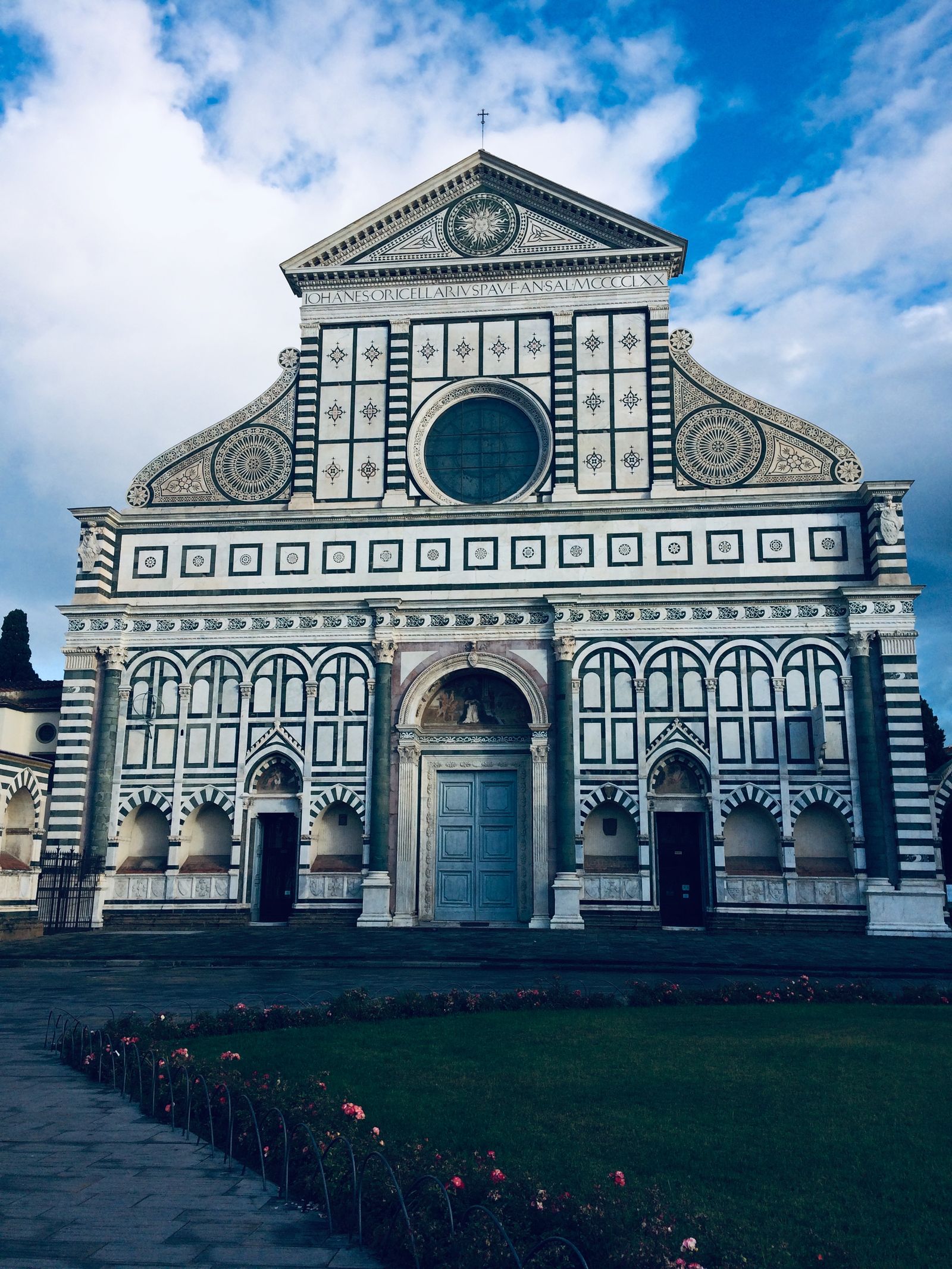
Opposite the main railway station, the Dominican church of Santa Maria Novella has a marble facade completed by Leon Battista Alberti and an interior full of masterpieces paid for by the city’s banking families. Look for Masaccio’s Holy Trinity, one of the first paintings to use true linear perspective; Giotto’s painted crucifix suspended in the nave; and the Tornabuoni Chapel behind the altar, where Domenico Ghirlandaio painted fashionable Florentines of the 1480s into the life of the Virgin. The cloisters and the Spanish Chapel are included. An entry ticket with audio guide makes the visit far more rewarding.
Around the corner on Via della Scala, the Officina Profumo-Farmaceutica di Santa Maria Novella grew out of the friars’ own apothecary and has been making perfumes, soaps and remedies for centuries. Its frescoed sales rooms are free to enter and make one of the most elegant shopping stops in Italy.
Medici Florence at a glance
| Site | Medici connection | Time | Ticket |
|---|---|---|---|
| Palazzo Vecchio | Cosimo I’s palace, 1540 | 2 hours | Skip-the-line entry |
| Palazzo Vecchio secret passages | Private rooms of Cosimo and Francesco | 1.5 hours | Guided tour |
| Arnolfo Tower | Symbol of the city | 45 min | Tower and museum |
| Medici Chapels | Family mausoleum, Michelangelo | 1 hour | Entry ticket |
| Santa Maria Novella | Banking families’ chapels | 1 hour | Entry + audio guide |
| Palazzo Pitti | Later Medici residence | Half a day | Pitti and Boboli |
| Palazzo Strozzi | Rival family’s palace, now exhibitions | 1.5 hours | Exhibition ticket |
| Medici walking tour | The whole story on foot | 2 hours | In the Medici’s footsteps |
A two-day Medici itinerary
Day one. Start at Santa Maria Novella when it opens, browse the Officina, then walk ten minutes to San Lorenzo for the Medici Chapels and Palazzo Medici Riccardi. Lunch at the Mercato Centrale or in one of the trattorias nearby. In the afternoon, the secret passages tour at Palazzo Vecchio, and the tower if the weather is clear. Finish with an aperitivo on Piazza della Signoria.
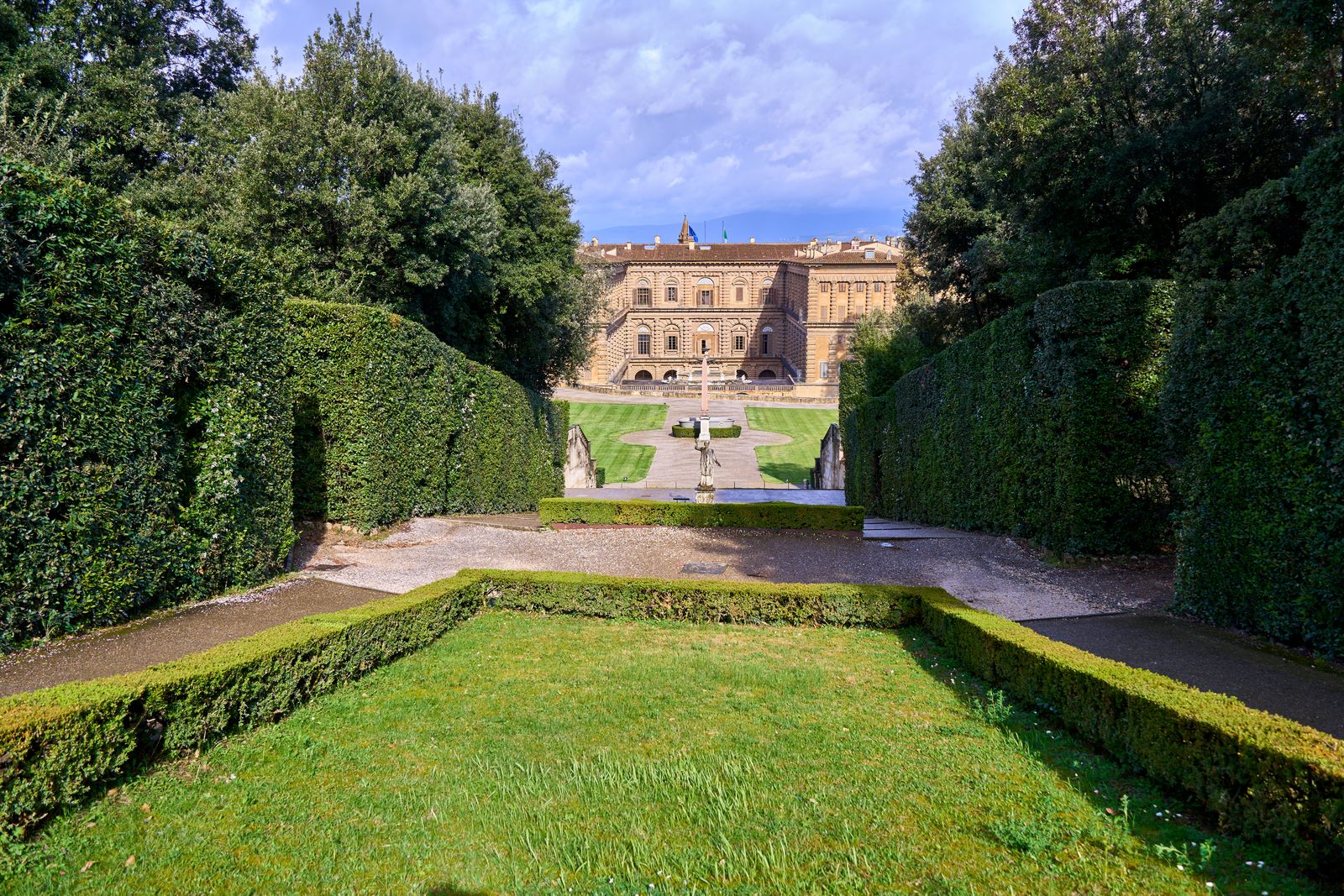
Day two. Cross the river for Palazzo Pitti and the Boboli Gardens, where the Medici moved in 1550. Spend the afternoon at the Uffizi; our guide to Florence museum tickets covers the Uffizi, the Accademia and the Duomo. If you prefer a hands-on evening, book a pasta and gelato cooking class.
Staying several days and visiting many museums? Check whether the Florence Pass covers the sites on your list; it can save money and queueing time for heavy sightseers.
Practical tips
- Book timed slots. Palazzo Vecchio’s guided tours and the Medici Chapels both have limited capacity in high season.
- Check closing days. Several museums close one day a week, and opening hours differ by season. Palazzo Vecchio usually keeps longer hours than most.
- Dress code. Santa Maria Novella and San Lorenzo are churches: cover shoulders and knees.
- Arrival. Santa Maria Novella is next to the main station. Arriving by air, a private transfer with Welcome Pickups takes you straight to your hotel through the restricted traffic zone.
For more on the city, see our luxury guide to Florence, the Duomo guide, and the best luxury hotels in Florence. When you need a break from museums, wine tours from Florence and day trips from Florence take you into the Tuscan countryside, and our Italy travel planner covers eSIMs, car hire and luggage storage.
Prefer to explore at your own pace?
Self-guided audio tours play on your phone, work offline and let you pause for coffee whenever you like. Good options here are the Michelangelo audio walk through Florence or the free Piazza della Signoria mini audio tour.
Charlotte’s pick
If I could recommend only one thing here, it would be the Palazzo Vecchio secret passages tour. It is the most memorable museum experience in Florence. You step into Francesco I’s tiny painted studiolo and climb hidden staircases that most visitors only see through a doorway.
Where to Stay: compare hotels and current prices in Florence on Trip.com.
FAQ
Is the Palazzo Vecchio secret passages tour worth it?
Yes. It shows parts of the palace that are otherwise closed, in small groups, and gives a real sense of how the Medici used the building.
Can I see the Medici Chapels and the Uffizi on the same day?
Yes. The chapels take about an hour and are a ten-minute walk from the Uffizi. Do the chapels in the morning and the Uffizi in the afternoon.
Are children allowed on the Arnolfo Tower?
Age limits and supervision rules apply to the tower climb. Check the conditions when booking.
Is the Officina Profumo-Farmaceutica a museum?
It is a working shop with historic rooms, free to enter. You can visit without buying anything, though few people leave empty-handed.
Where is the Medici family buried?
Most members of the grand ducal family are buried in the crypt and chapels of San Lorenzo, which you visit with the Medici Chapels ticket.
For fashion, shopping and artisan workshops, see our guide to Florence for fashion lovers.