This post contains affiliate links. If you book through them, we may earn a small commission at no extra cost to you. Learn more.
Long before Milan became Italy’s fashion capital, there was Florence. Gucci was founded here, Ferragamo built his shoe empire in a medieval palace on Via de’ Tornabuoni, Emilio Pucci printed his silks in the family palazzo, and the very first Italian fashion show for foreign buyers took place in a Florentine villa in 1951. Behind the big names, the city still has workshops where leather is cut, silk is woven and paper is marbled by hand, much as it was centuries ago.
This guide is for travellers who want to see that Florence: the fashion museums, the great shopping streets, and the artisans worth seeking out, with tips on buying well and avoiding the tourist traps.
Quick answer
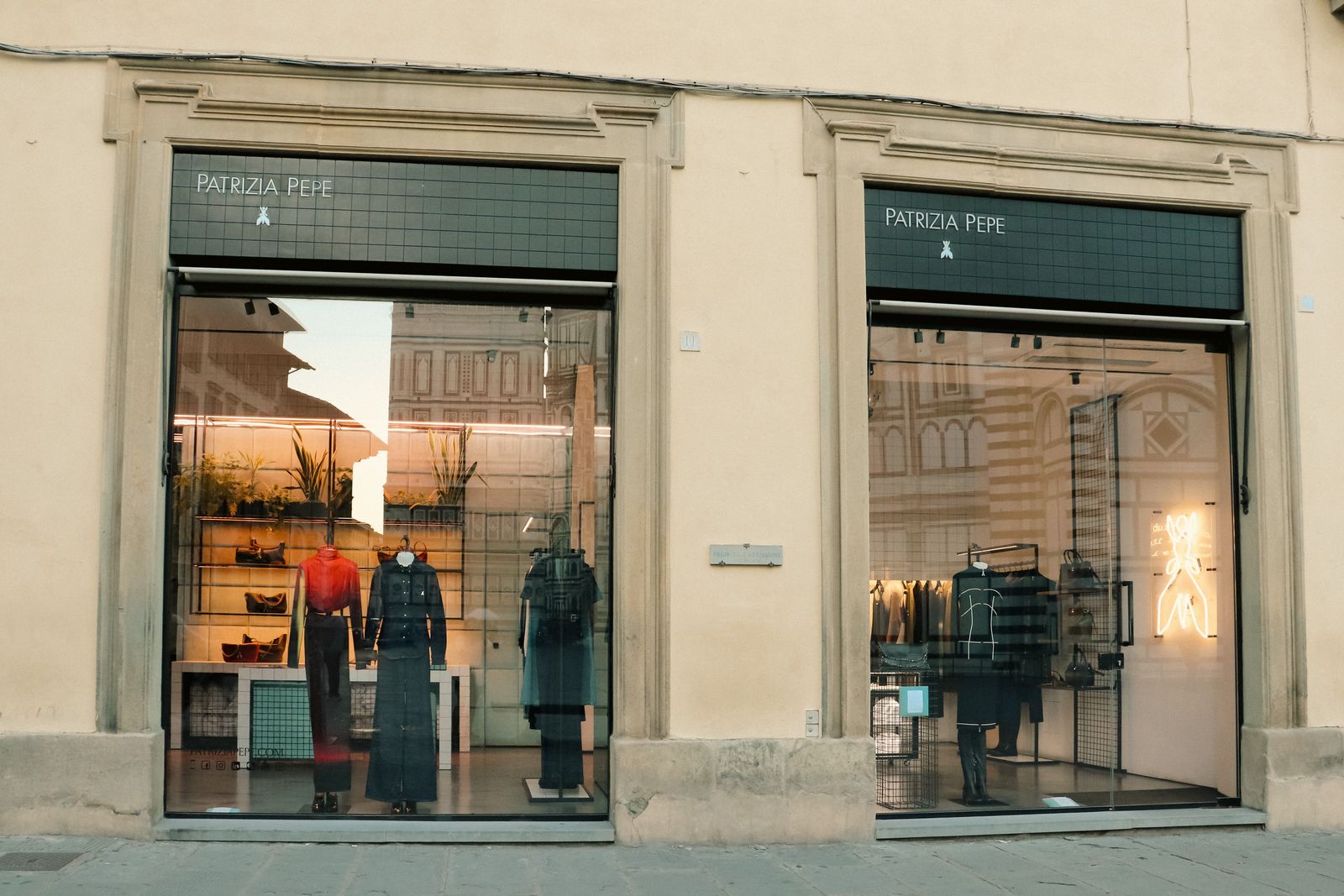
Start with the Museo Salvatore Ferragamo on Via de’ Tornabuoni, then walk the street’s flagship stores. Spend an afternoon in the Oltrarno workshops, and visit Palazzo Pitti for the Museum of Costume and Fashion and the Sala Bianca, where Italian fashion was launched to the world.
How Florence invented Italian fashion
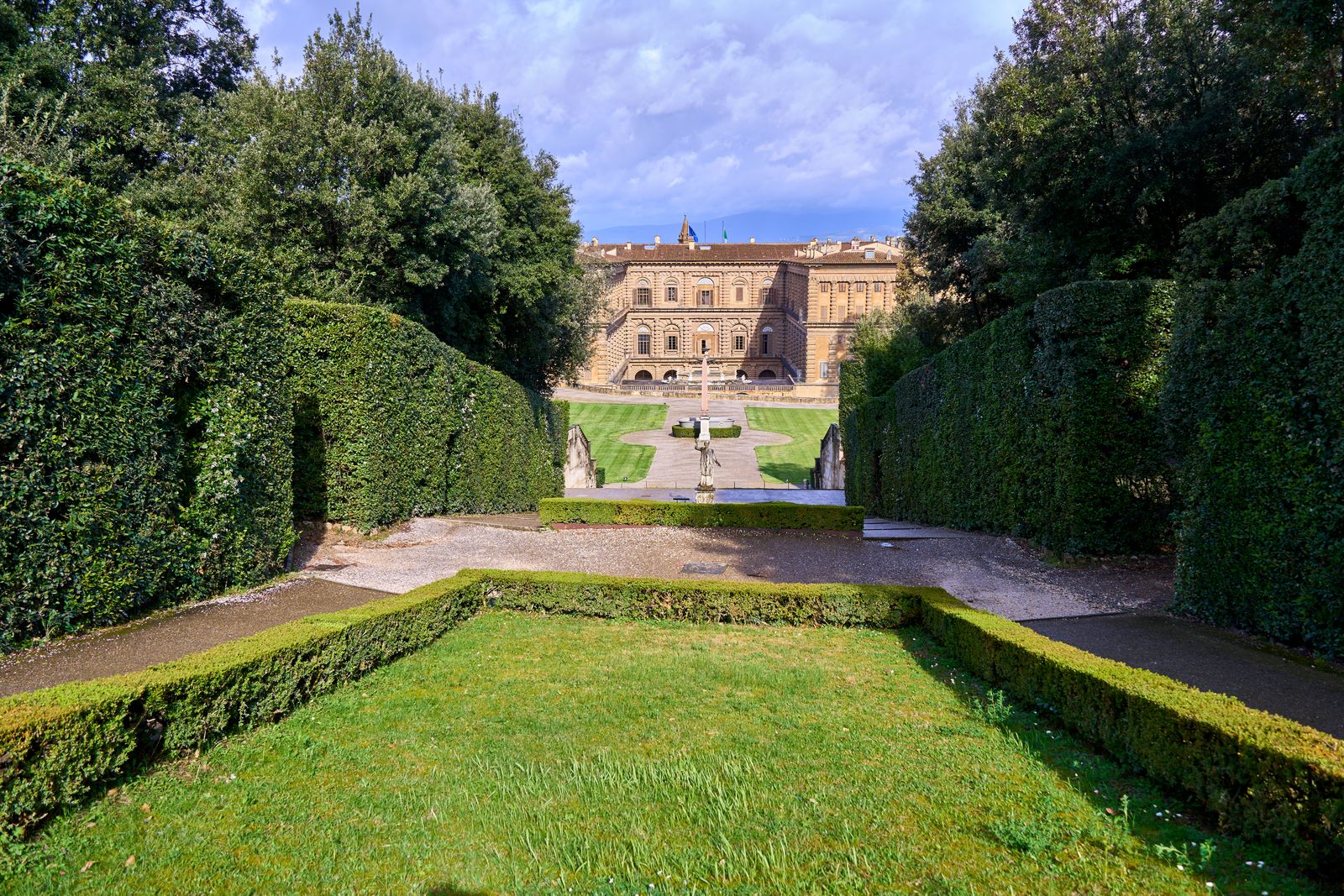
The city’s wealth was built on cloth. In the Middle Ages its wool and silk guilds were among the richest in Europe, and Florentine bankers funded kings with the profits. That tradition of craft never disappeared. In February 1951 the businessman Giovanni Battista Giorgini invited American buyers to his home, Villa Torrigiani, to see collections by Italian designers. It was the first time Italian fashion had been presented as a whole to the international market, and the response was so strong that the following shows moved to the Sala Bianca, the white ballroom of Palazzo Pitti. “Made in Italy” as a luxury label effectively begins there.
Today the Pitti Immagine fairs, above all Pitti Uomo, held every January and June at the Fortezza da Basso, make Florence the world capital of menswear for a few days each year. If you visit during a fair, expect the best-dressed crowds in Europe and hotels booked well in advance.
The fashion museums
Museo Salvatore Ferragamo
Salvatore Ferragamo left southern Italy as a teenager, made shoes for Hollywood stars in the 1920s and came back to Florence to build his company in Palazzo Spini Feroni, the medieval fortress-palace at the end of Via de’ Tornabuoni. The museum beneath the flagship store tells his story through shoe models, lasts made for famous clients and themed exhibitions that change regularly. Even for visitors with no particular interest in shoes, the inventiveness of his designs, from cork wedges to sandals with invisible nylon uppers, is remarkable. Book a Ferragamo Museum ticket.
Museum of Costume and Fashion at Palazzo Pitti
Italy’s first state museum of fashion history occupies the Palazzina della Meridiana wing of Palazzo Pitti. Its collection ranges from eighteenth-century court dress to twentieth-century couture, and includes the burial clothes of Cosimo I and Eleonora di Toledo. Rooms have closed and reopened for renovation in recent years, so check on the day. The same ticket covers the Palatine Gallery and the Royal Apartments; book the Pitti and Boboli reserved entrance or the Pitti ticket with Palatine Gallery audio tour. Our guide to Palazzo Pitti and the Boboli Gardens has more.
Gucci in Piazza della Signoria
Guccio Gucci opened his first leather shop in Florence in 1921. Today the house’s historic Palazzo della Mercanzia on Piazza della Signoria is home to the Gucci Osteria, Massimo Bottura’s Michelin-starred restaurant, alongside spaces dedicated to the brand. Book the restaurant well ahead; it is small and much in demand.
Emilio Pucci
The Marchese Emilio Pucci, a Florentine aristocrat and former Olympic skier, became famous in the 1950s and 1960s for his bold, kaleidoscopic printed silks, worn by everyone from Marilyn Monroe to Jacqueline Kennedy. The house is still based in the family palazzo on Via de’ Pucci, a few steps from the Duomo. The palazzo is a private building, but the street and the family’s coat of arms on the facade are a reminder of how deeply fashion is woven into the old aristocracy of the city.
Via de’ Tornabuoni and the luxury streets
Florence’s grand shopping street runs from Palazzo Spini Feroni north to Palazzo Antinori, past Palazzo Strozzi, the great Renaissance palace that now hosts the city’s best temporary exhibitions (Palazzo Strozzi exhibition tickets). Nearly every major Italian and French house has a flagship here, many in palazzi with frescoed ceilings. The parallel Via della Vigna Nuova and the little streets around Piazza della Repubblica fill in the rest. Many stores open late on Monday mornings and some close on Sunday mornings.
The artisans worth finding
The real luxury of Florence is the chance to buy directly from the people who make things. A few names worth knowing:
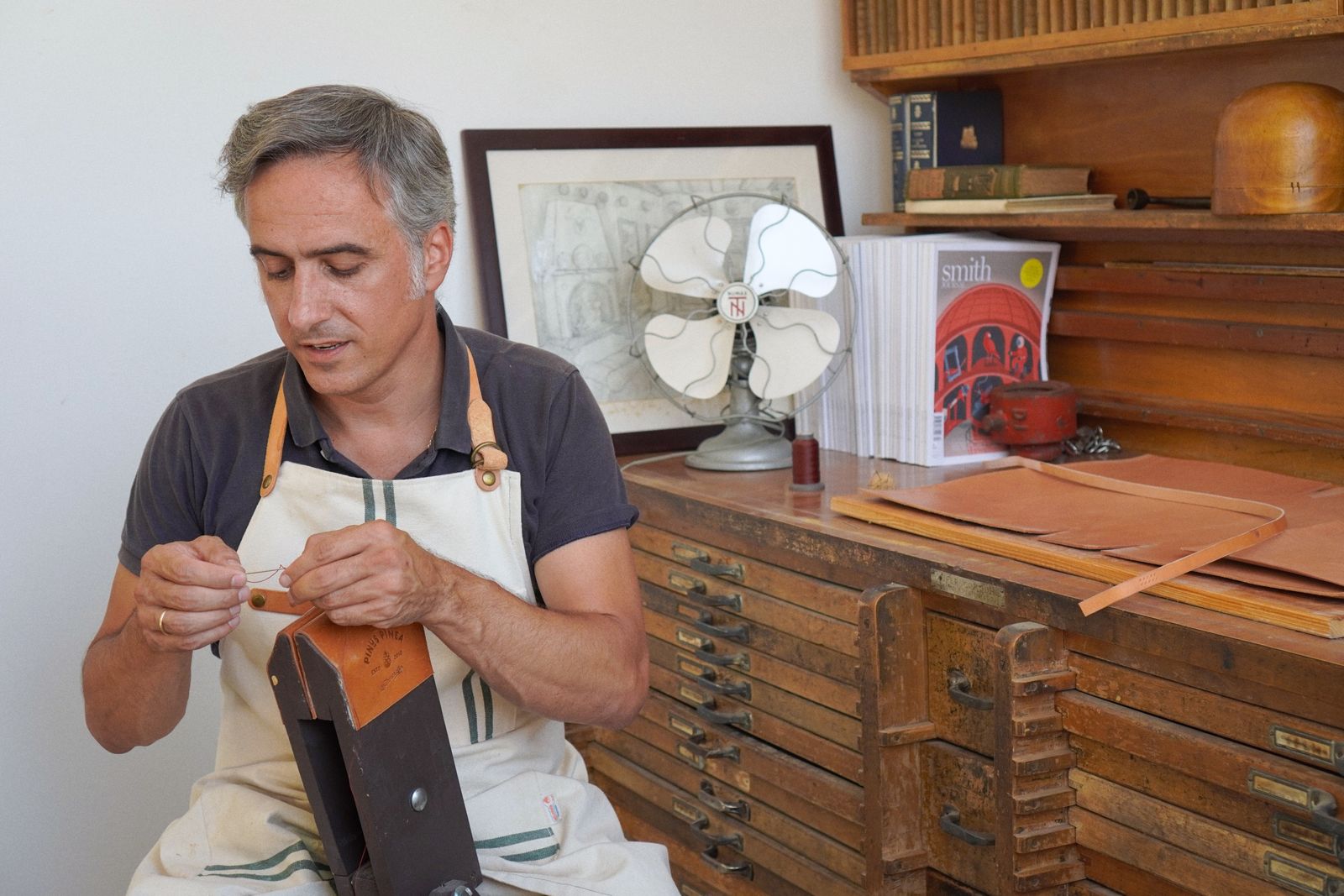
- Scuola del Cuoio. The leather school founded after the Second World War in the former dormitory of the Franciscan friars of Santa Croce. You can watch craftsmen at work and buy bags, wallets and belts, or have pieces personalised.
- Antico Setificio Fiorentino. A silk workshop in the Oltrarno, founded in the eighteenth century, where fabrics are still woven on historic looms. Visits are by appointment.
- Officina Profumo-Farmaceutica di Santa Maria Novella. The friars’ historic apothecary, now one of the most beautiful shops in Italy, selling perfumes, soaps and colognes, beside the church of Santa Maria Novella (church entry with audio guide).
- Pineider. Historic stationers, still making fine papers and leather desk accessories.
- Bespoke shoes. Florence has some of the world’s best bespoke shoemakers, Stefano Bemer among them. A pair takes months and several fittings, but it will last decades.
- The Oltrarno. The streets around Santo Spirito and Via Maggio are full of gilders, frame makers, bookbinders, jewellers and marbled-paper workshops. Wander and look through open doors.
The Ponte Vecchio jewellers
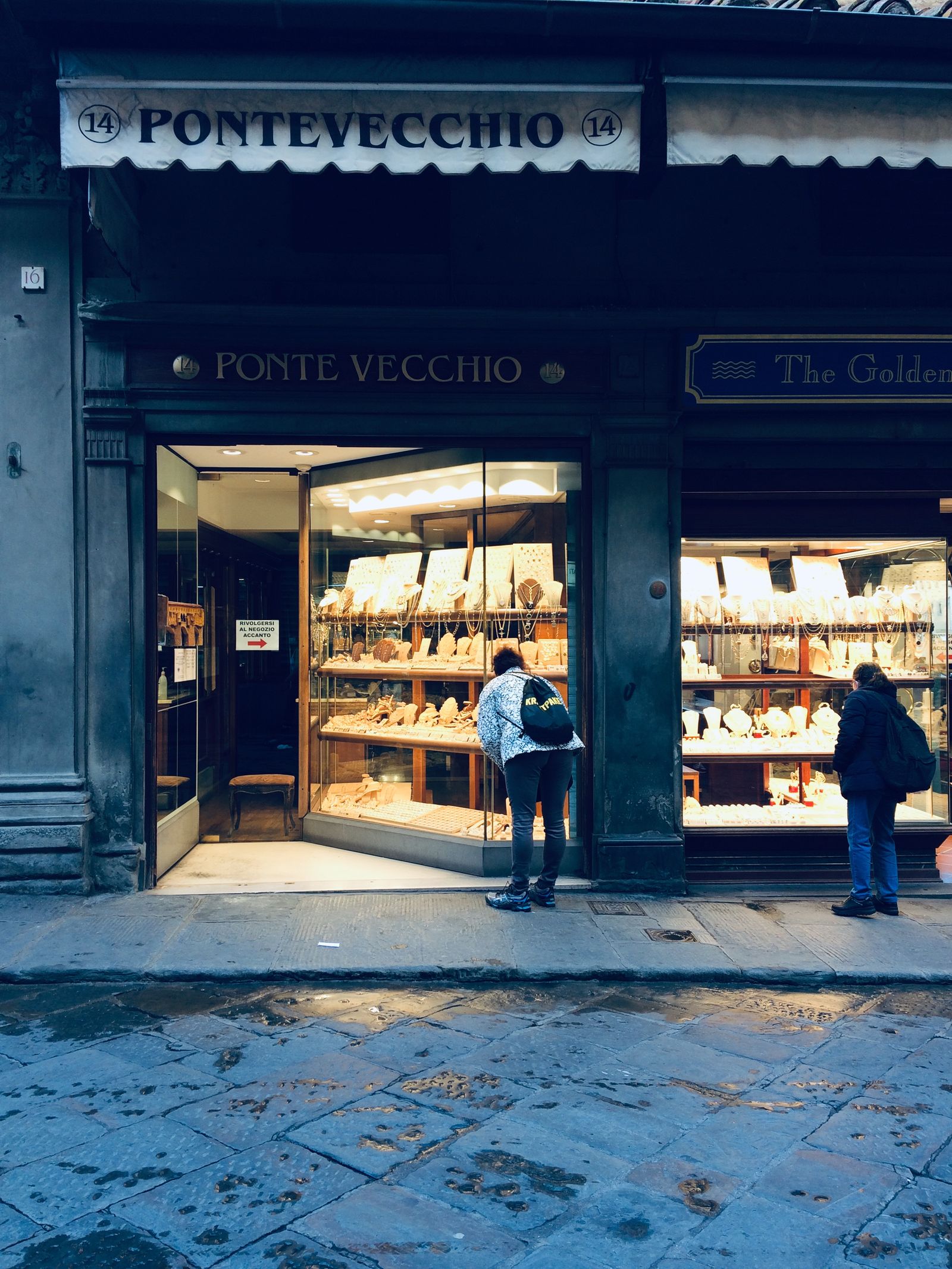
Since 1593, when Grand Duke Ferdinando I expelled the butchers whose trade offended him, the shops on the Ponte Vecchio have been reserved for goldsmiths and jewellers. Several family businesses have traded here for generations. Prices are high and quality varies, so take your time, compare, and ask for certification for any significant stone.
Buying leather without being fooled
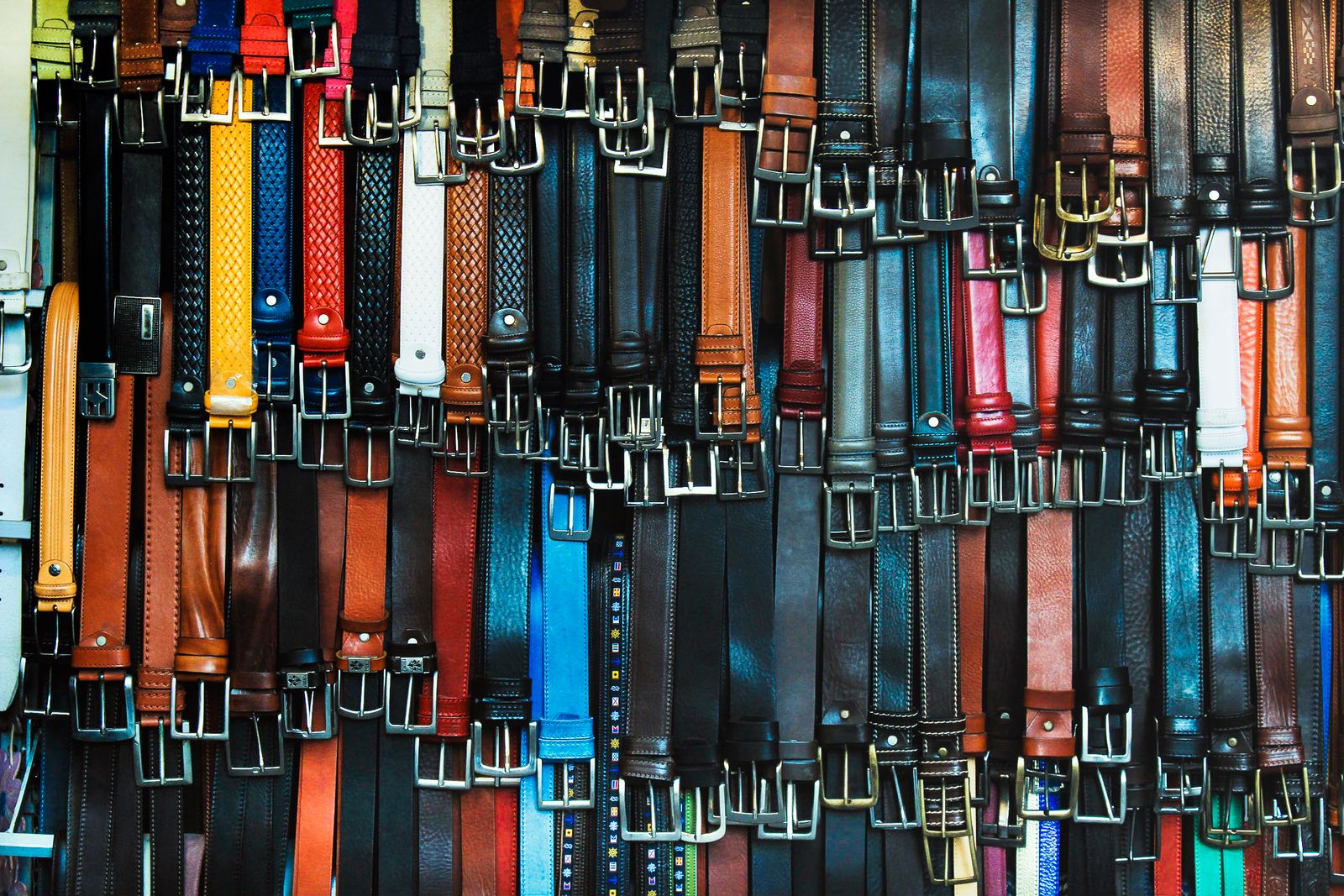
The stalls around the San Lorenzo market sell vast amounts of leather, some of it good, much of it made elsewhere and finished in Italy. A few rules help:
- Real full-grain leather smells of leather, has slight natural irregularities and feels supple, not plasticky.
- Ask where the piece was made, not just where it was sold. “Made in Italy” labels can cover only the last stage of production.
- Workshops where you can see things being made, like the Scuola del Cuoio, are the safest choice.
- Bargaining is normal at market stalls, never in shops.
- Outside the EU, ask for a tax-free form on purchases over the refund threshold.
Florence fashion at a glance
| Place | Why go | Area | Book |
|---|---|---|---|
| Museo Salvatore Ferragamo | Shoes for Hollywood stars, changing exhibitions | Via de’ Tornabuoni | Museum ticket |
| Palazzo Pitti | Museum of Costume and Fashion, Sala Bianca | Oltrarno | Reserved entry / with Boboli and Bardini |
| Palazzo Strozzi | Major temporary exhibitions | Via de’ Tornabuoni | Exhibition ticket |
| Santa Maria Novella | Church and historic perfumery | Santa Maria Novella | Entry + audio guide |
| Scuola del Cuoio | Leather made in front of you | Santa Croce | Walk in |
| Oltrarno workshops | Silk, gilding, bookbinding, jewellery | Santo Spirito | Walk in or by appointment |
A fashion lover’s day in Florence
Begin with coffee on Via de’ Tornabuoni, then the Ferragamo Museum at opening. Browse the flagships, see what is on at Palazzo Strozzi, and lunch at the Gucci Osteria if you have booked. In the afternoon, cross to the Oltrarno for Palazzo Pitti and the artisans of Santo Spirito, then end at the Officina di Santa Maria Novella. For dinner, our luxury guide to Florence lists our favourite tables, and an insider’s audio guide to Florence’s food and drink helps you find the best local spots.
Where to stay and how to arrive
For shopping, base yourself between Via de’ Tornabuoni and the river; our guide to the best luxury hotels in Florence compares the options, including Villa Cora for a quieter retreat. From the airport, a private transfer with Welcome Pickups is the easiest way in with luggage, and with shopping bags on the way back. Our Italy travel planner covers eSIMs, luggage storage and travel insurance. For more of the city, see Medici Florence and Florence museum tickets.
Charlotte’s pick
If I could recommend only one thing here, it would be the Museo Salvatore Ferragamo. It is the best introduction to Florentine fashion: the story of a shoemaker who dressed Hollywood, in a medieval palace on Via de’ Tornabuoni. Visit it first, then walk the street with fresh eyes.
Where to Stay: compare hotels and current prices in Florence on Trip.com.
FAQ
Is Florence better than Milan for shopping?
Milan has more designer boutiques; Florence has the history, the artisans and the leather. For handmade pieces, Florence wins.
When is Pitti Uomo?
Twice a year, in January and June. Hotels fill up and prices rise, so plan accordingly.
Can I visit artisan workshops?
Many welcome visitors, especially in the Oltrarno. Some, like the historic silk workshop, require an appointment.
How do I know if leather is genuine?
Smell, touch and look for natural irregularities. Buy where you can see goods being made, and ask about the origin of each piece.
Can I claim tax back on purchases?
Visitors resident outside the EU can usually claim VAT refunds on purchases above the minimum amount. Ask the shop for the tax-free form and have it validated at the airport when you leave.
For fashion, design and contemporary art, see our guide to Milan for design and fashion lovers.
Hungry? See our guide to where and what to eat in Florence.