This post contains affiliate links. If you book through them, we may earn a small commission at no extra cost to you. Learn more.
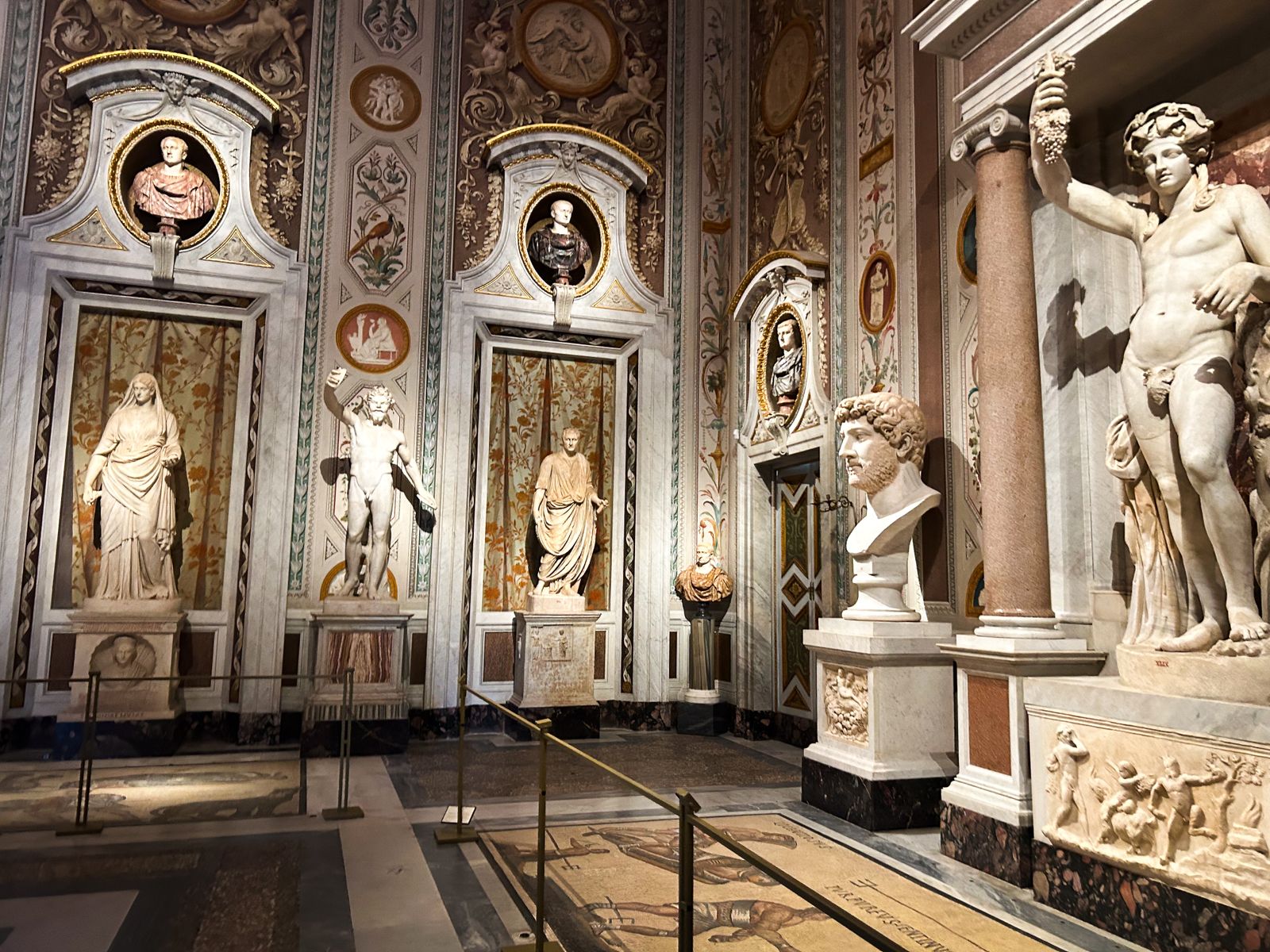
Of all the great museums in Rome, the Borghese Gallery is the one that feels most like a private collection, and in a sense it still is. Housed in a seventeenth-century villa set in its own park, it was created by Cardinal Scipione Borghese, nephew of Pope Paul V and one of the most passionate and ruthless art collectors of his age. His rooms hold the finest group of Bernini sculptures anywhere, major paintings by Caravaggio, Titian and Raphael, and Canova’s famous portrait of Pauline Bonaparte.
It is also one of the most tightly controlled museums in Italy. Every visitor needs a reservation, entry is in strict two-hour slots, and the number of people per slot is limited. That is exactly what makes a visit so rewarding, but it means you cannot simply turn up. This guide explains how Borghese Gallery tickets work in 2026, which option to choose and what not to miss inside.
Borghese Gallery Tickets
- Reserved entrance ticket: your timed slot, without a guide
- Guided tour with skip-the-line entry: the stories behind the masterpieces
- Semi-private guided tour: a smaller group for a more personal visit
- Private guided tour: the gallery with your own art historian
- Reserved entry with audio guide and a private golf cart tour of the park
How the Booking System Works
| Rule | What it means for you |
|---|---|
| Reservation for everyone | Even on free days and for children, you need a booking. |
| Two-hour slots | Slots start on the hour from 9:00; you must leave when your slot ends. |
| Limited numbers | A limited number of visitors per slot, which keeps the rooms calm. |
| Arrive early | Collect tickets and check bags about 30 minutes before your slot; late arrivals may be refused. |
| Bags | Only very small bags are allowed in the rooms; everything else goes in the free cloakroom. |
| Opening days | Tuesday to Sunday, 9:00 to 19:00; closed on Mondays, 25 December and 1 January. |
In 2026, a full-price ticket costs around €16 plus a mandatory €2 reservation fee, with a cheaper late slot at the end of the day. Tickets usually go on sale around six weeks ahead, and popular slots, especially on weekends and in spring and autumn, sell out quickly. If the official calendar is full, a reserved entrance ticket or a guided tour from a reseller often still has places.
Which Ticket Should You Choose?
The reserved entrance is ideal if you like to explore at your own pace and have done a little reading beforehand. Two hours is enough to see both floors calmly.
A guided tour transforms the visit. The collection is full of stories: the papal nephew who confiscated paintings from artists who would not sell, the young Bernini carving marble to look like skin, Pauline Bonaparte posing as Venus to the scandal of Roman society. A skip-the-line guided tour brings them to life, and the semi-private version keeps the group small.
A private tour is the luxury option: an art historian of your own who can adapt the visit to your interests. Book the private guided tour for a special occasion or if you are travelling as a family.
A Short History of the Collection
Scipione Borghese became a cardinal when his uncle was elected Pope Paul V in 1605, and he used his new wealth and influence to build one of the greatest art collections of the seventeenth century. The villa outside the city walls was designed not as a home but as a showcase, a place to entertain and to impress guests with ancient statues, modern sculpture and paintings. Scipione had a sharp eye for talent: he championed Caravaggio when the painter was still controversial and gave the teenage Bernini the commissions that made his name.
The collection did not survive intact. In the early nineteenth century, Prince Camillo Borghese, under pressure from his brother-in-law Napoleon, sold hundreds of ancient sculptures to France, and many of them are now in the Louvre. In 1902, the Italian state bought the villa, the park and the collection, opening them to the public. The rooms, with their frescoed ceilings and coloured marble, still give a sense of how a Roman cardinal displayed his treasures.
What Not to Miss Inside
The Bernini Sculptures
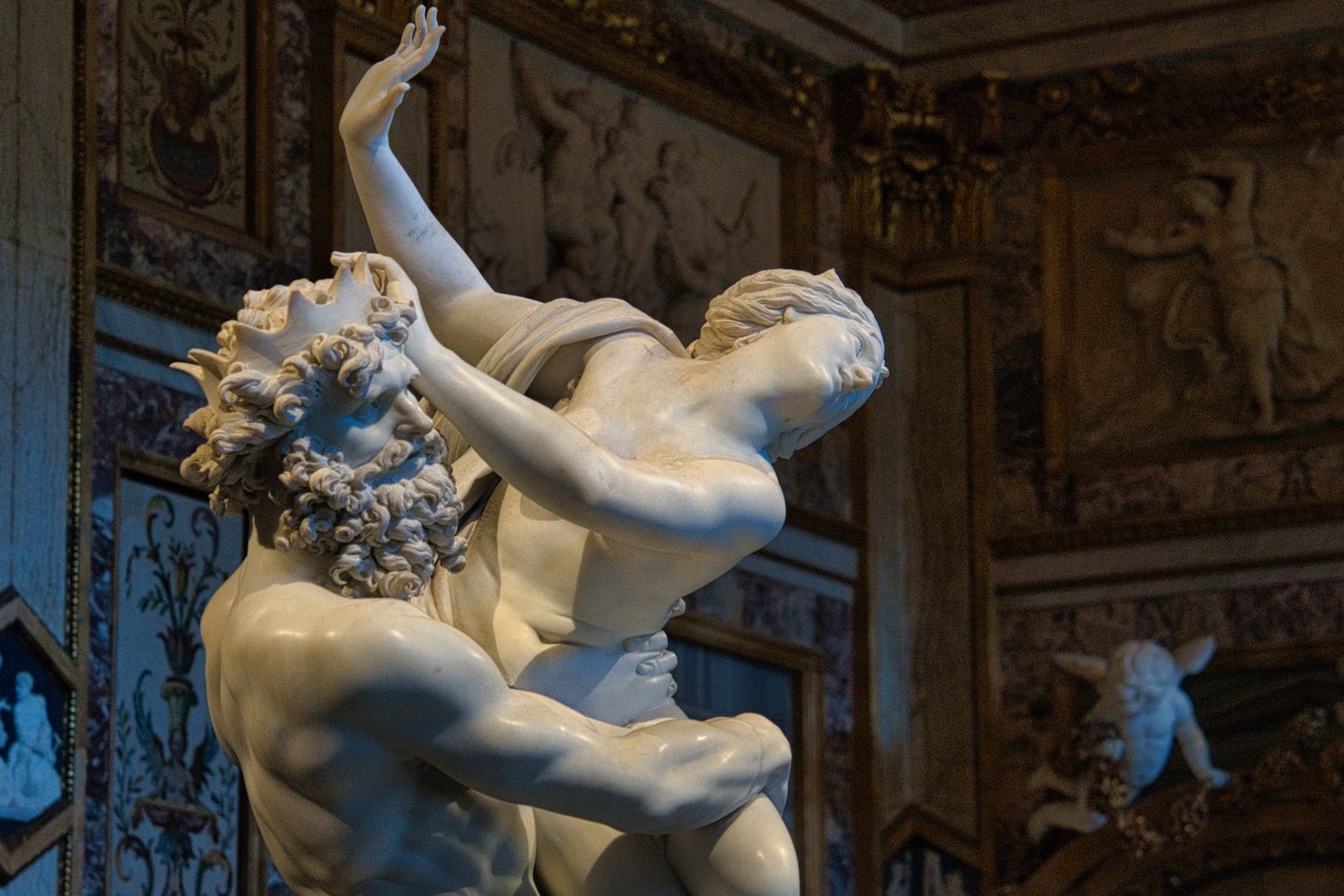
Cardinal Scipione was the first great patron of Gian Lorenzo Bernini, and the young sculptor’s masterpieces are still in the rooms they were made for. In The Rape of Proserpina, Pluto’s fingers press into the marble thigh of Proserpina as if into living flesh. Apollo and Daphne captures the moment the nymph turns into a laurel tree, with leaves sprouting from her fingers and bark climbing her legs. Bernini’s David, biting his lip as he prepares to throw the stone, is said to be a self-portrait. Walk around each sculpture slowly; they were designed to be seen in motion.
Canova’s Pauline Bonaparte
In the first room, Antonio Canova’s reclining portrait of Napoleon’s sister Pauline, wife of Prince Camillo Borghese, shows her as Venus Victrix, holding the golden apple. The polished marble and the lifelike mattress made it one of the most talked-about sculptures of its day.
Caravaggio and the Paintings
Scipione was also one of Caravaggio’s most important collectors, and the gallery holds several of his works, from early pieces such as the Boy with a Basket of Fruit to the haunting David with the Head of Goliath. Some paintings are occasionally lent to exhibitions, so check before your visit if one in particular is important to you. Upstairs, the picture gallery includes Raphael’s Deposition and Titian’s Sacred and Profane Love, one of the most beautiful paintings of the Venetian Renaissance.
The Villa Borghese Gardens
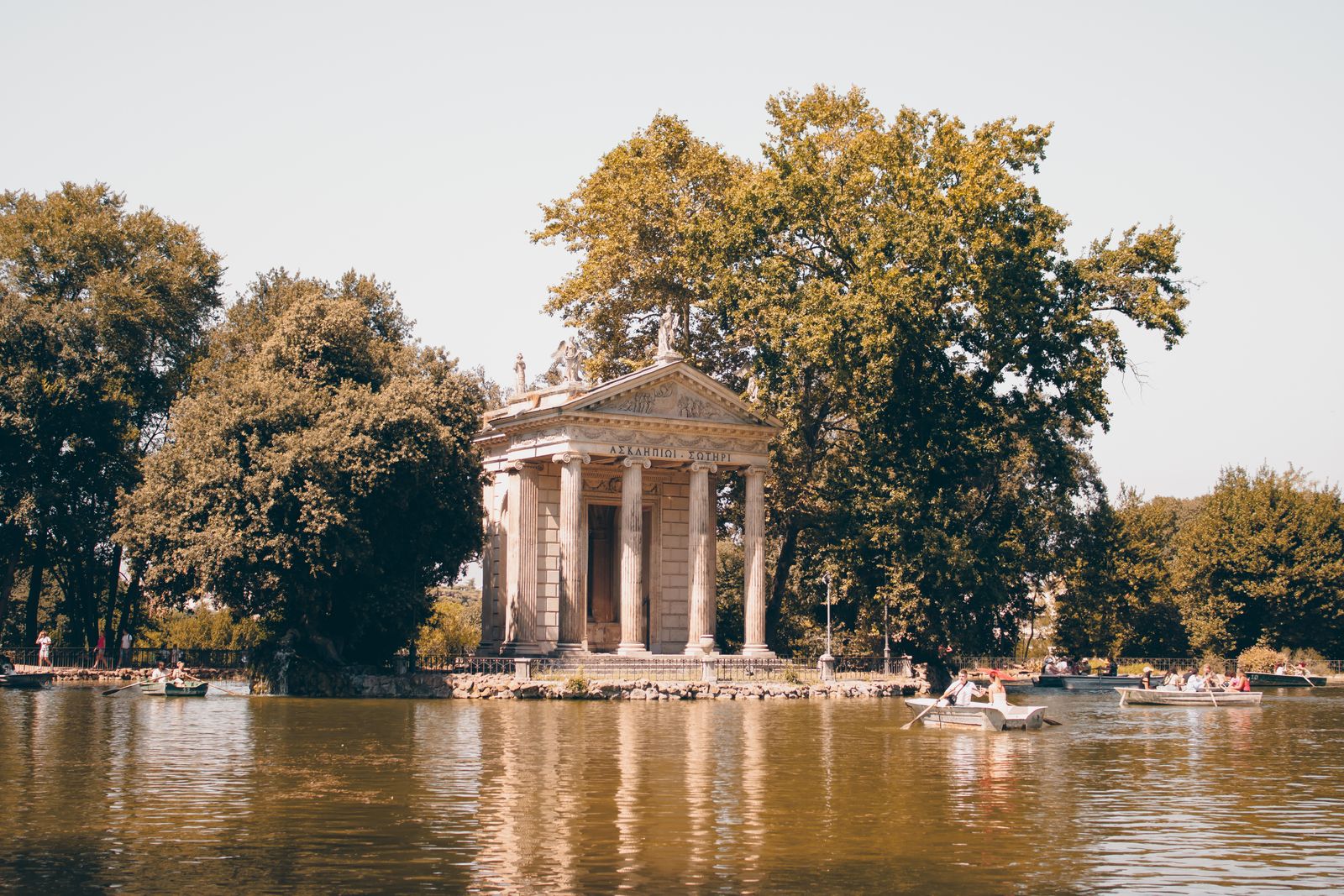
The gallery sits in the Villa Borghese, one of Rome’s largest and loveliest parks, with shaded avenues, fountains, a small lake with the Temple of Aesculapius and the Pincio terrace overlooking Piazza del Popolo. Arrive early and walk through the park to the gallery, or explore it after your visit. For something different, the reserved entry with a private golf cart tour of the park combines the gallery with a relaxed ride through the gardens.
When to Go
- First slot of the day: the calmest rooms and the freshest light on the marble.
- Late afternoon: a cheaper last slot and a beautiful walk through the park at sunset.
- Free days: admission is free on the first Sunday of the month and on some national holidays, but a reservation and the booking fee still apply, and slots go very quickly.
Combine It with Rome’s Other Highlights
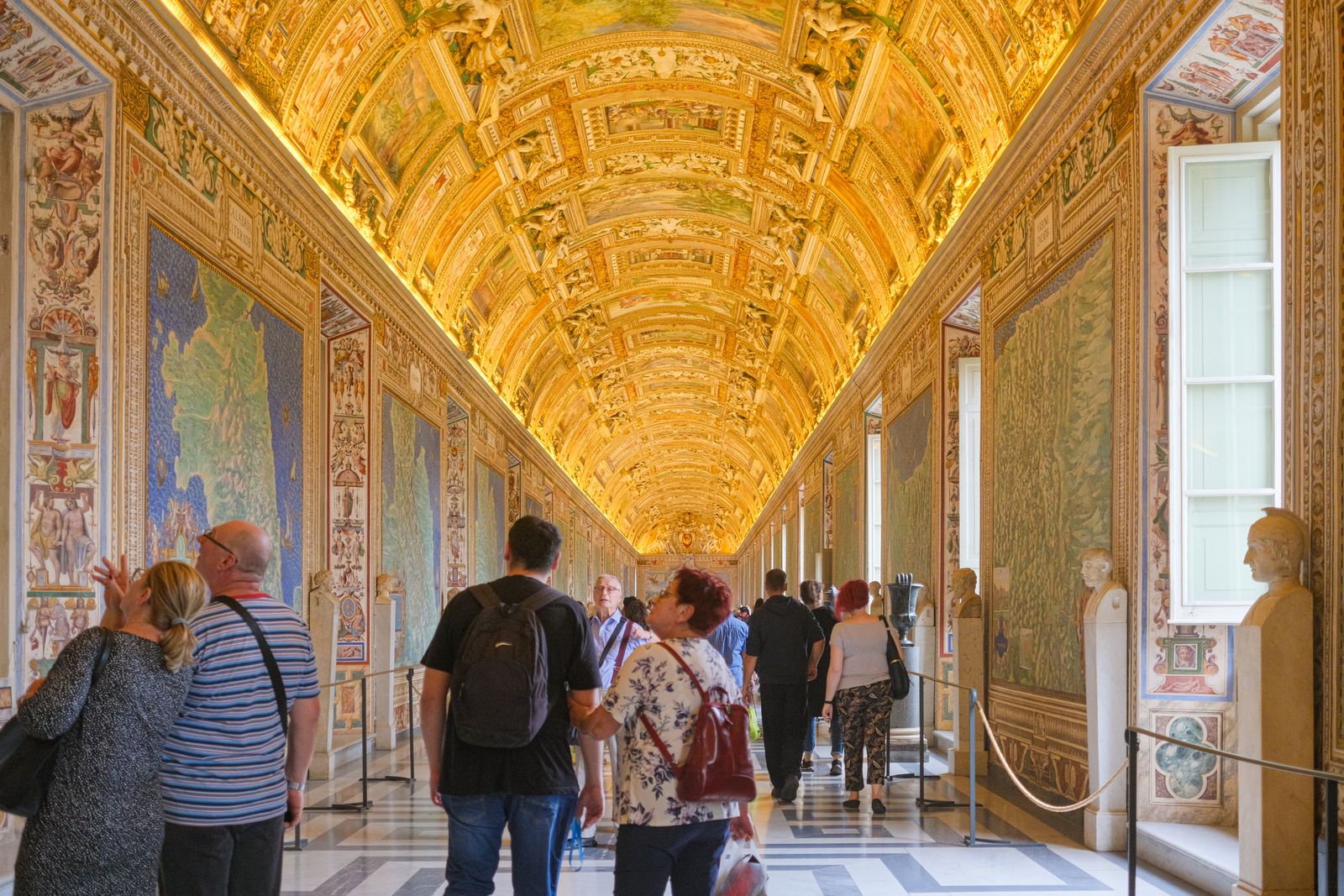
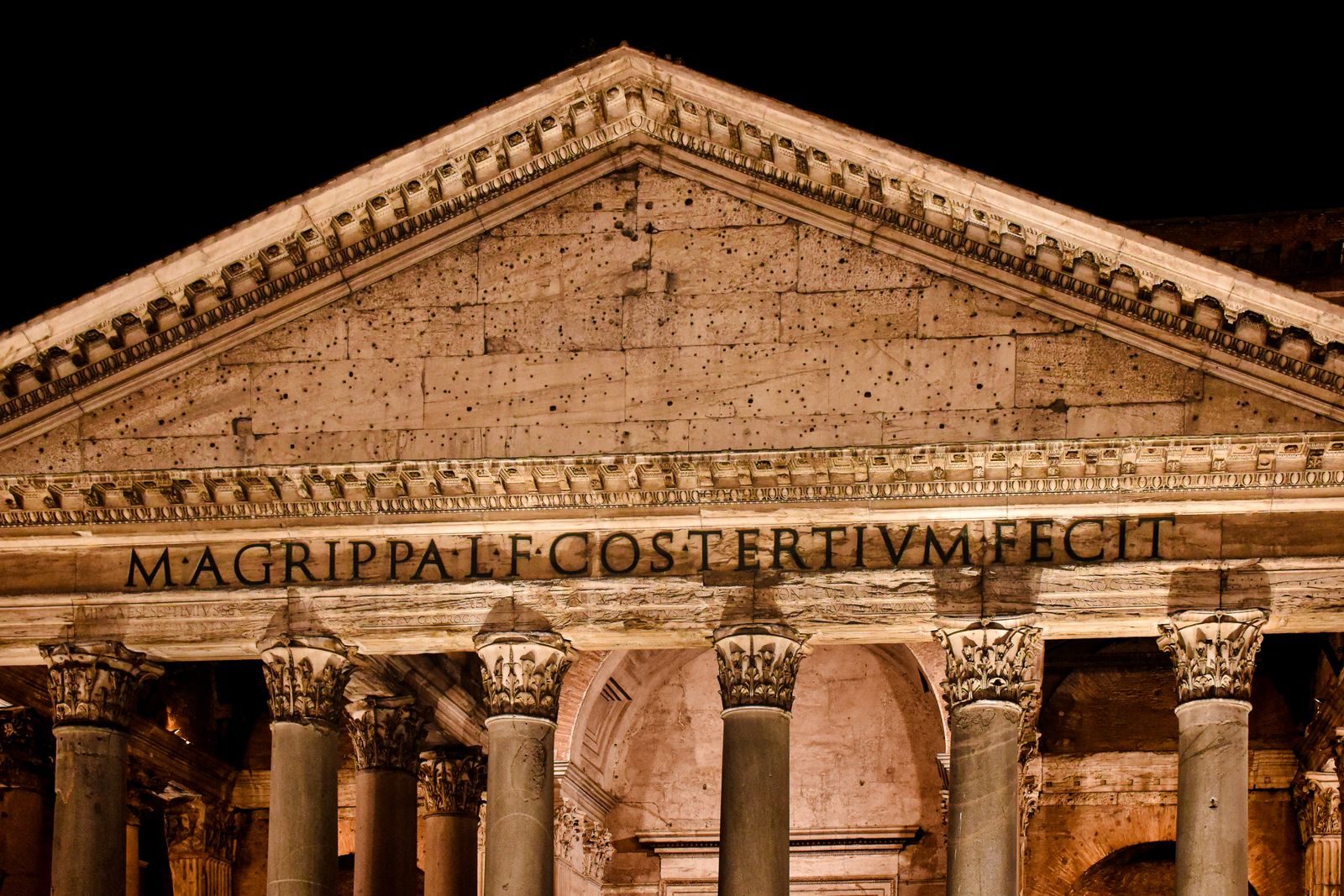
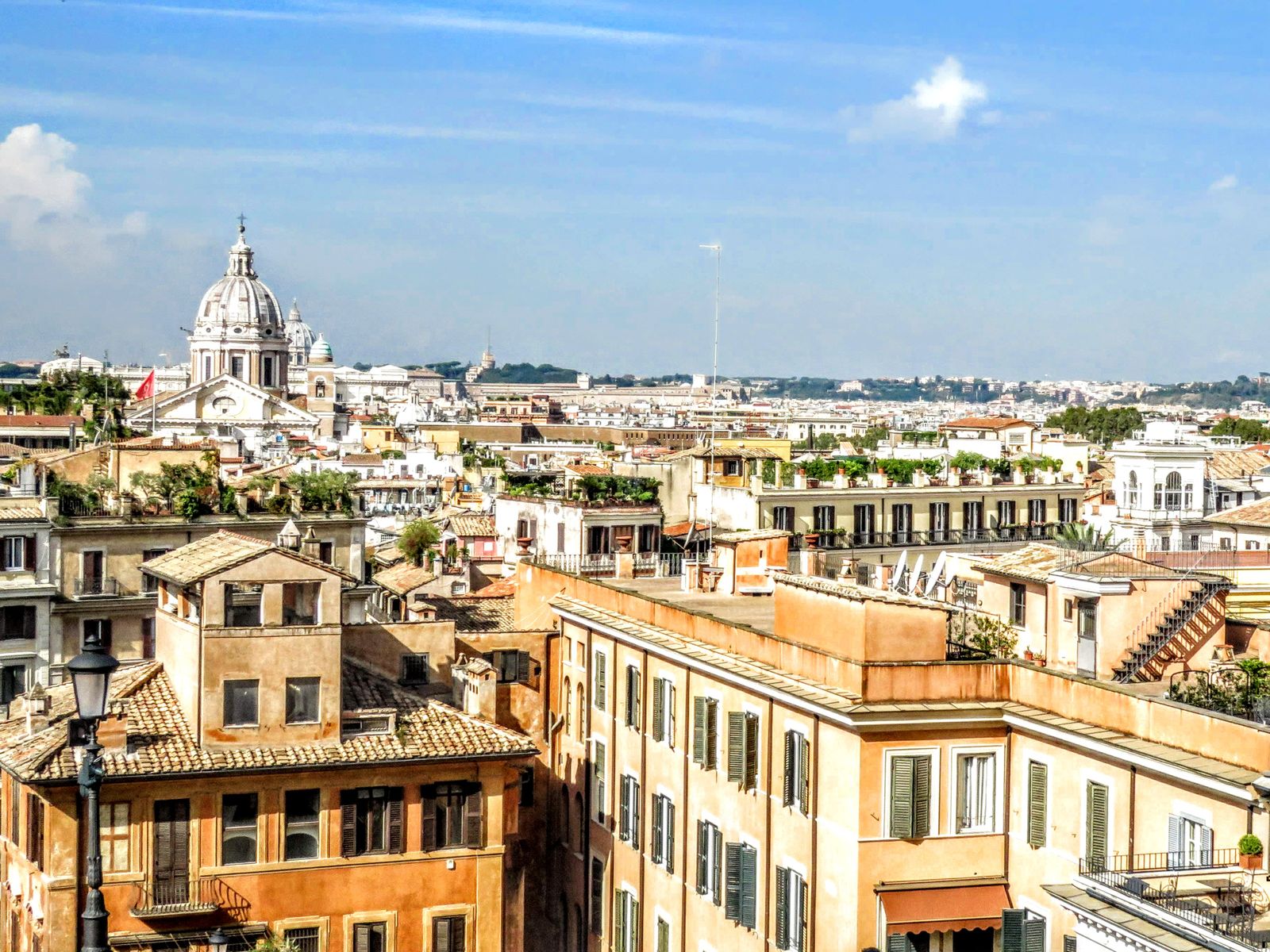
A visit to the Borghese pairs naturally with a walk down to the Spanish Steps and Piazza del Popolo. On other days, plan the essentials: the Vatican Museums and Sistine Chapel with fast-track entry or the full guided tour including St Peter’s Basilica, the Colosseum arena floor, Roman Forum and Palatine Hill guided tour and the Pantheon with a guide. For everything else, browse things to do in Rome.
Practical Tips
- Getting there: the gallery is a pleasant walk from the Spanish Steps or Piazza del Popolo through the park; taxis can drop you near the entrance.
- Arriving in Rome: a private transfer from the airport is the easiest start; if your flight is delayed, AirHelp can check compensation.
- Luggage: on arrival or departure day, leave suitcases with Radical Storage; the gallery cloakroom is for small bags only.
- Photography: allowed without flash, but put the phone away for a while and simply look.
- Stay connected: e-tickets and meeting points arrive by email; an eSIM from Airalo or Saily keeps you online.
Frequently Asked Questions
Do I need to book the Borghese Gallery in advance?
Yes. Reservations are compulsory for all visitors, and popular slots sell out weeks ahead.
How long can I stay in the Borghese Gallery?
Each visit is limited to a two-hour slot.
Is the Borghese Gallery worth it?
Absolutely. For lovers of sculpture, it is one of the most extraordinary museums in the world, and the limited numbers make it far more pleasant than most major museums.
Can I bring a bag?
Only a very small bag. Larger bags and backpacks must be left in the free cloakroom.
Which is better, a guided tour or the reserved entrance?
If this is your first visit, a guided tour adds a great deal; on a return visit, the reserved entrance lets you focus on your favourites.
Where to Stay: compare hotels and current prices in Rome on Trip.com.
Plan Your Italy Trip
Rome is the perfect starting point for a journey through Italy. Continue north to Florence with our luxury guide to Florence, explore Tuscany with our guides to Siena Cathedral and Tuscany’s wine country, or head south to Sicily with our introduction to the island. Use our Italy travel planner for transfers, car hire and connectivity.
Related guides: read our articles on Vatican Museums tickets and Pompeii, Herculaneum and Vesuvius.
More in Rome: Rome beyond the Vatican: the Pantheon, Castel Sant’Angelo and the princely galleries.
Planning ancient Rome? Read our guide to Colosseum tickets.
For the basilica itself, see our guide to St Peter’s Basilica and the dome climb.
To escape the city for a day, see our guide to the best day trips from Rome.
For ancient Rome beyond the centre, see our guide to the Appian Way and Rome’s catacombs.
Hungry in Rome? See our guide to what to eat in Rome.