This post contains affiliate links. If you book through them, we may earn a small commission at no extra cost to you. Learn more.
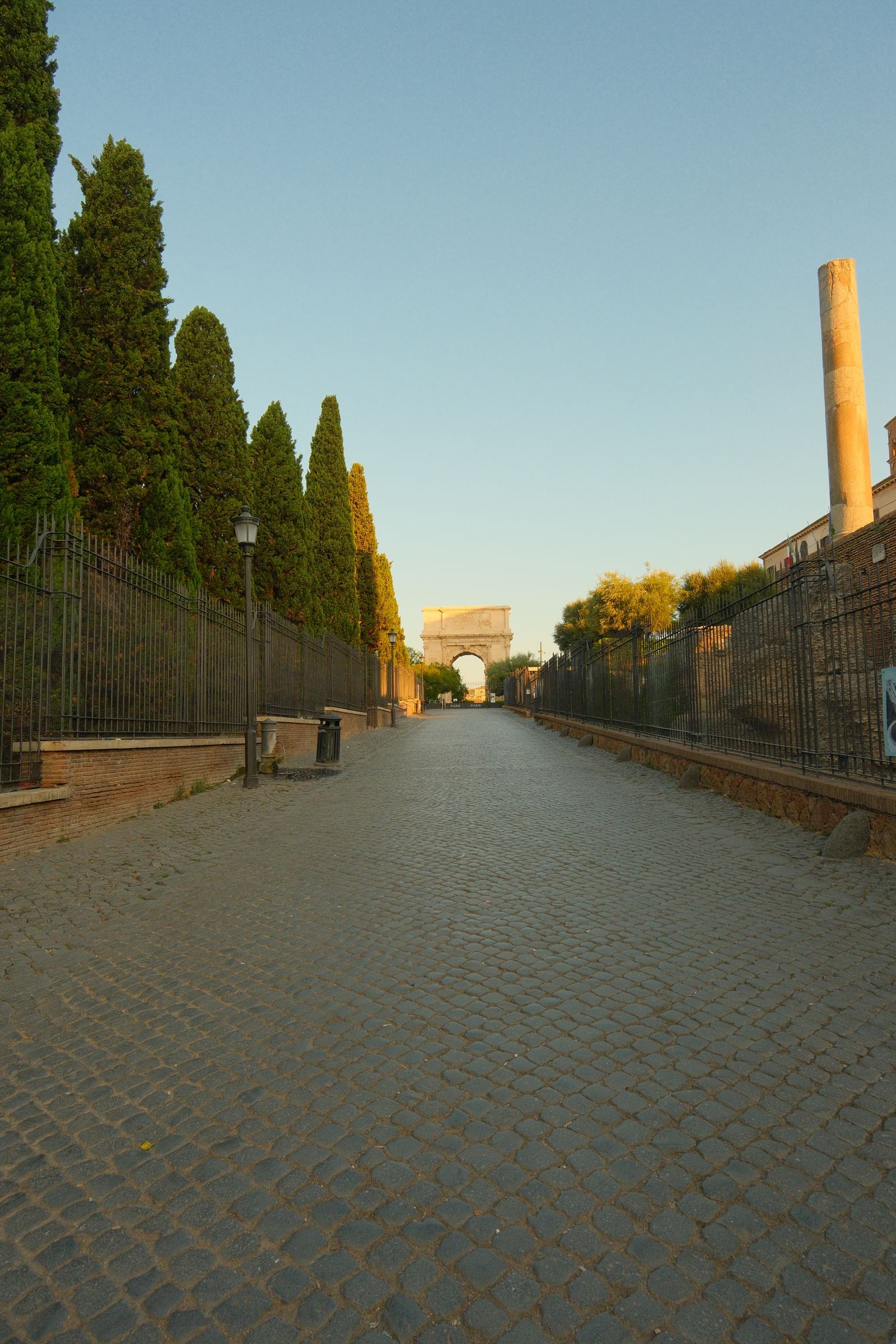
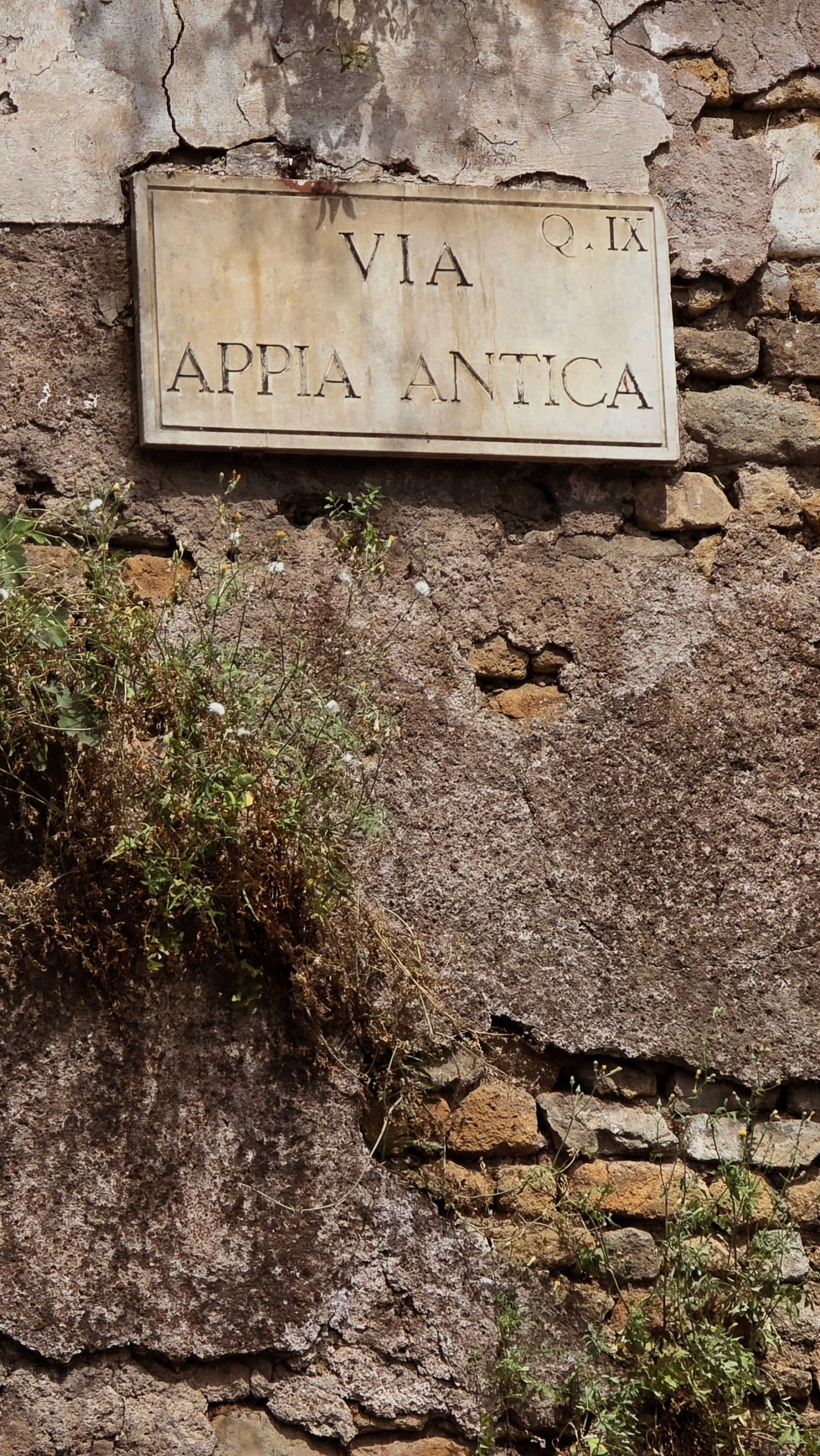
Step through the ancient gate of San Sebastiano and Rome changes character almost instantly. The traffic falls away, the road narrows to great polygonal paving stones worn smooth by two thousand years of wheels, and umbrella pines and cypresses line a road flanked by Roman tombs. Beneath your feet run kilometres of catacombs where early Christians buried their dead. Further on, the arches of ancient aqueducts stride across open fields where sheep still graze within sight of the city.
The Appian Way is one of the most atmospheric places in Rome and one of the least visited. This guide explains what to see, how to explore it by e-bike, golf cart or on foot, which catacombs to visit, and how to combine it all into a perfect half or full day.
Quick answer
The most enjoyable way to explore is by guided e-bike tour; for comfort and a touch of luxury, book a private golf cart with driver. Visit one catacomb, either St Callixtus, San Sebastiano or Domitilla, and finish at the Park of the Aqueducts at sunset.
The queen of roads
The Via Appia was begun in 312 BC by the censor Appius Claudius Caecus to move Roman legions south towards Capua, and was later extended all the way to Brindisi on the Adriatic. The Romans called it the regina viarum, the queen of roads. Because Roman law forbade burials inside the city walls, the road’s first miles became lined with tombs and monuments of wealthy families, each competing for the attention of passing travellers. The Christian catacombs were dug into the soft volcanic rock beneath and beside it.
Today the first stretch is protected as the Appia Antica Regional Park, which also includes the green valley of the Caffarella and the Park of the Aqueducts. Parts of the old road are closed to cars on Sundays and public holidays, making them ideal for walking and cycling.
What to see along the way
- Porta San Sebastiano. The largest and best-preserved gate in the Aurelian Walls, with a small museum inside and a walk along the ramparts.
- Domine Quo Vadis. The little church marking the spot where, according to legend, St Peter, fleeing Rome, met Christ and turned back to face martyrdom.
- The catacombs. St Callixtus, San Sebastiano and Domitilla all lie within a short distance (see below).
- The Villa of Maxentius. The ruins of an imperial palace with its own chariot-racing circus, one of the best preserved in the Roman world.
- The Tomb of Caecilia Metella. A massive cylindrical mausoleum from the first century BC, later turned into a medieval fortress, and the road’s most famous landmark.
- The open road. Beyond the tomb, the most beautiful stretch of original paving runs between pines, cypresses and ruined monuments into the countryside.
The catacombs: which one to visit
The catacombs are underground cemeteries of narrow galleries cut into the tufa on several levels, lined with burial niches and decorated in places with early Christian paintings. They are managed by religious institutions and visited only with a guide. Each closes on one day a week and for a few weeks a year, so check before going. Photography is usually not allowed.
St Callixtus is the most famous, with the Crypt of the Popes, where several third-century bishops of Rome were buried, and the crypt of St Cecilia. It is the classic choice for a first visit: St Callixtus guided tour.
San Sebastiano lies beneath a basilica of the same name and was a centre of devotion to Peter and Paul. Its galleries include beautifully preserved pagan tombs from before the Christian era: San Sebastiano tickets.
Domitilla is among the largest and least crowded, with an underground basilica dedicated to the martyrs Nereus and Achilleus and some of the oldest Christian frescoes in Rome: Domitilla tickets.
If you want transport included, the catacombs express small-group tour with transfer or the catacombs guided tour with transfer take care of everything.
How to explore: e-bike, golf cart or on foot
The Appian Way is long, the cobbles are uneven and shade is limited, so how you travel shapes the day.
- E-bike: the best balance of freedom and ease. A guided e-bike tour takes you past the highlights with commentary, the e-bike and Roman underground adventure adds subterranean sites, and adventurous riders can try an off-road electric mountain bike tour with catacombs and food. Independent cyclists can rent a bike on the Appia Antica.
- Golf cart: comfortable, unhurried and surprisingly elegant. Choose a shared golf cart tour or charter your own private golf cart with driver, perfect for couples, families and anyone who prefers not to pedal.
- On foot: the classic approach for the first few kilometres. Wear sturdy shoes; the ancient stones are hard on ankles.
- By coach: the sightseeing tour of the catacombs, Appian Way and Roman countryside covers more ground with less effort.
The Park of the Aqueducts
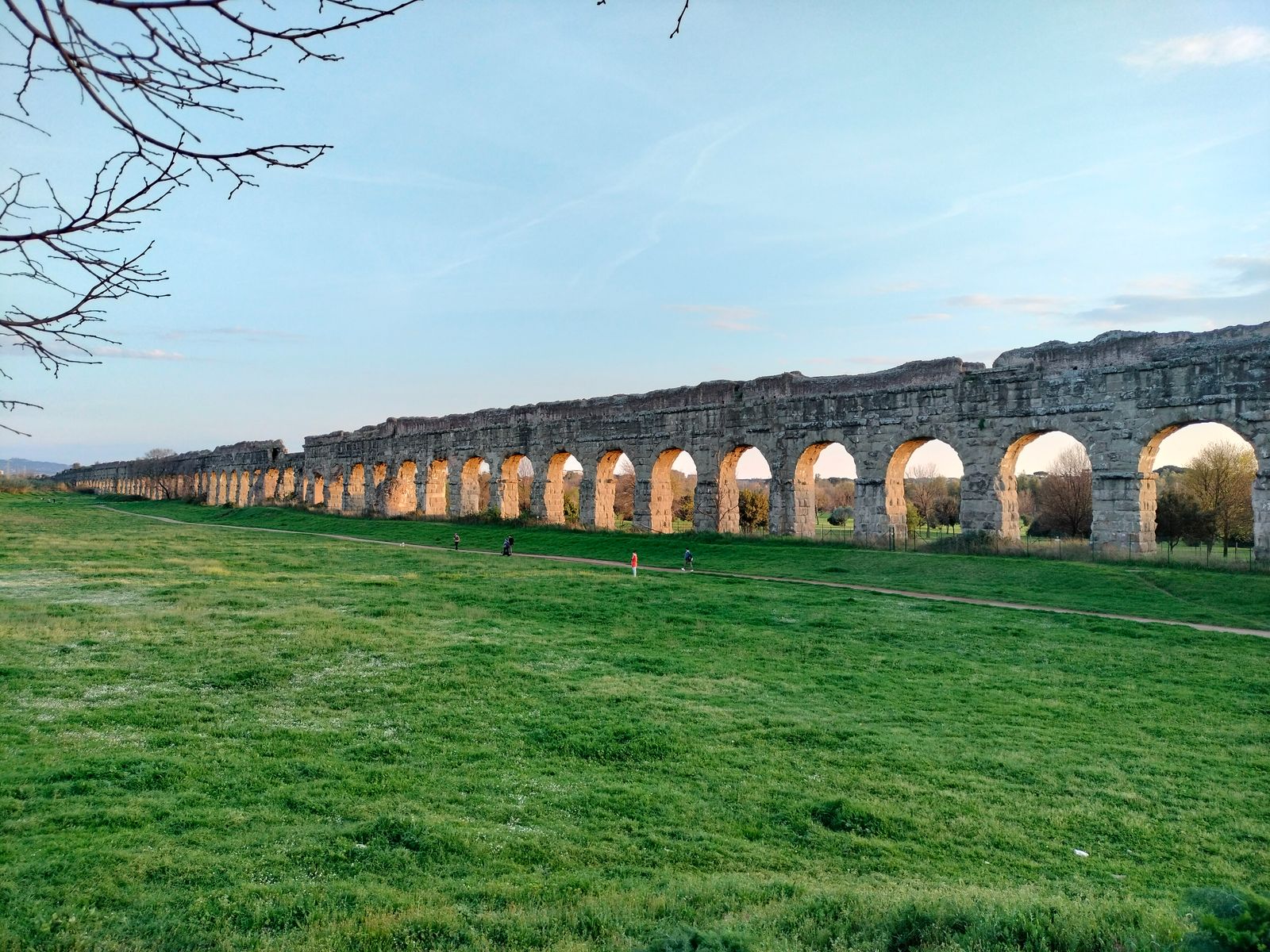
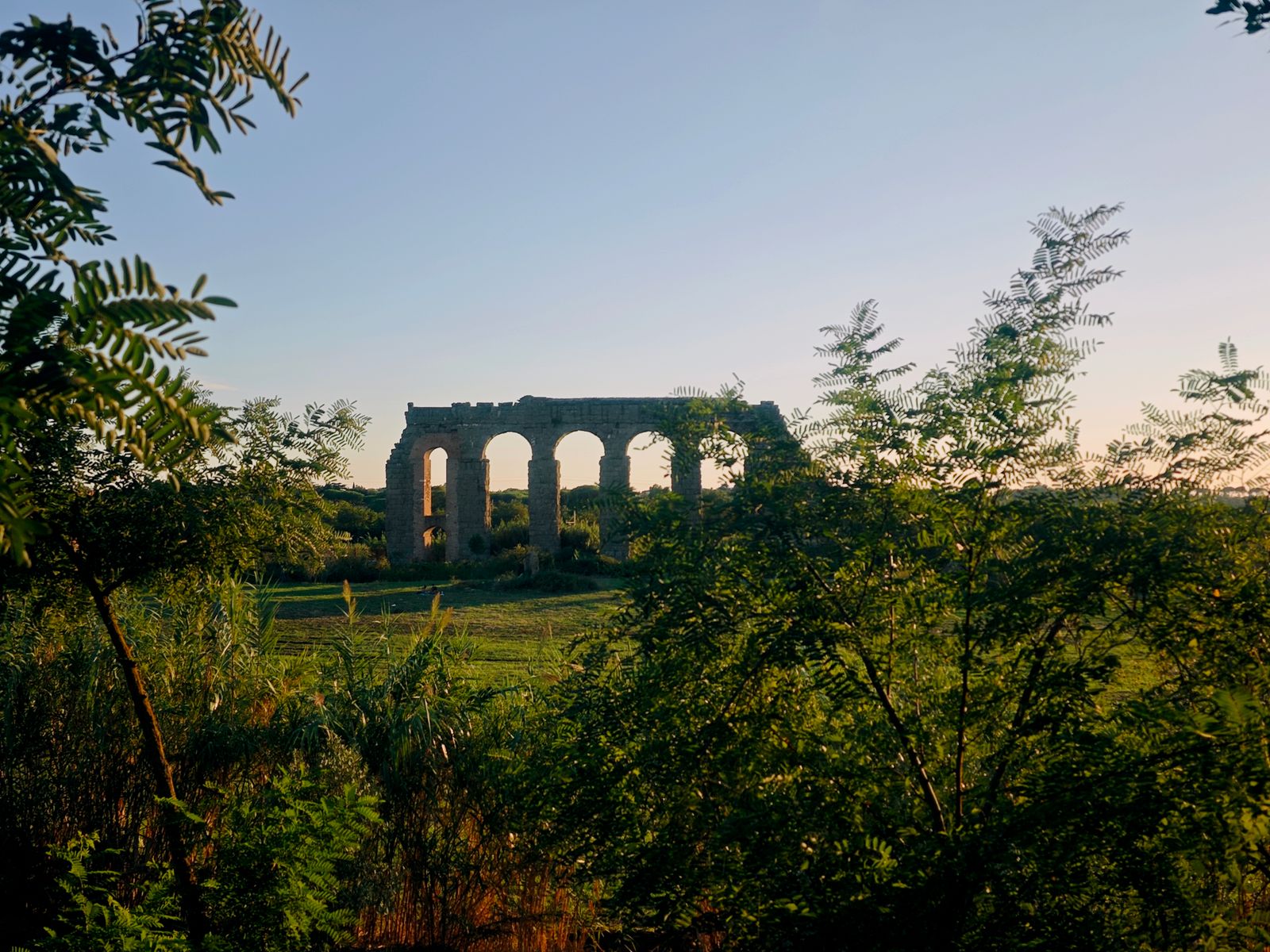
A short distance east of the Appian Way, the Parco degli Acquedotti preserves long stretches of the arches that carried water to ancient Rome, standing in open meadows that feel far from the city. It is one of the most cinematic landscapes in Italy, and it appears in the opening scene of Fellini’s La Dolce Vita. At sunset, when the arches glow orange, it is unforgettable. The Appian Way and aqueducts tour combines both areas in one outing.
On the way back: the Baths of Caracalla
Closer to the centre, the colossal ruins of the Baths of Caracalla, opened in the early third century AD, give an idea of the scale of Roman public life, with halls, pools and gymnasiums that could serve thousands of bathers a day. In summer the Rome Opera stages open-air performances among the ruins, one of the most magical evenings in the city. The Caracalla Baths and Circus Maximus guided tour pairs them with the great chariot-racing stadium nearby.

Lunch along the Appian Way
Romans have been escaping to the Appia Antica for long lunches for generations. Several historic restaurants occupy old farmhouses and Roman ruins along the first stretch of the road, with shaded gardens where you can linger over carbonara, roast lamb and a carafe of white wine from the nearby Castelli Romani. Near the Tomb of Caecilia Metella, simple cafés serve sandwiches and coffee for cyclists. In spring and early summer, a picnic among the pines is the most Roman thing you can do, and many bike-rental points can arrange one. Whatever you choose, plan lunch around the middle of your visit: there are long stretches of road with nothing at all, which is precisely the charm.
If you are staying several days, an evening visit is worth considering too. As the sun drops, the tombs and pines turn golden, the road empties, and you can understand why Grand Tour travellers found this the most romantic place in Rome.
The Appian Way at a glance
| Experience | Best for | Time | Book |
|---|---|---|---|
| Guided e-bike tour | Active travellers | 3 to 4 hours | E-bike tour |
| Private golf cart | Couples, families, comfort | 2 to 4 hours | Golf cart charter |
| Shared golf cart | Relaxed sightseeing | About 3 hours | Shared tour |
| Catacombs of St Callixtus | First visit, papal crypt | About 45 min | Guided tour |
| Catacombs of Domitilla | Fewer crowds, underground basilica | About 45 min | Tickets |
| Catacombs with transfer | No logistics | Half day | Express tour |
| Aqueducts tour | Landscapes, photography | Half day | Aqueducts tour |
| Baths of Caracalla | Monumental ruins | 2 hours | Guided tour |
Practical tips
- Go on a Sunday when parts of the road are closed to traffic, or on a weekday morning for peace.
- Bring water and sun protection. There are few cafés and little shade beyond the first stretch.
- Check catacomb closing days. Each site closes on a different day of the week.
- Dress for underground. The catacombs are cool all year; bring a light layer and cover shoulders and knees.
- Getting there. Buses run from the centre to the Appian Way, but a taxi or tour transfer saves time.
For the rest of ancient Rome, see our guides to Colosseum tickets and Rome beyond the Vatican. Further afield, the best day trips from Rome covers Tivoli, Ostia Antica and the Castelli Romani. Arriving at Fiumicino, a private transfer with Welcome Pickups gets you to your hotel, and our Italy travel planner covers the rest.
Charlotte’s pick
If I could recommend only one thing here, it would be the private golf cart along the Appian Way. It is the most elegant way to see the ancient road: unhurried, comfortable and perfect for couples. Add one catacomb and finish at the Park of the Aqueducts at sunset.
Where to Stay: compare hotels and current prices in Rome on Trip.com.
FAQ
Is the Appian Way worth visiting?
Absolutely. It offers ancient monuments, catacombs and countryside without the crowds of the historic centre.
Which catacomb is best?
St Callixtus for the history, Domitilla for fewer crowds and its underground basilica, San Sebastiano for the pagan tombs.
Can I walk the Appian Way?
Yes, but distances are long and the paving uneven. An e-bike or golf cart lets you see much more.
Are children allowed in the catacombs?
Yes, and they usually find them fascinating, though very young children may feel uneasy in the narrow tunnels.
How long should I plan?
A half day covers the highlights and one catacomb; a full day lets you add the aqueducts and a relaxed lunch.
Hungry in Rome? See our guide to what to eat in Rome.