Rome has a dozen great museums, and several are still lived in by the families who built them. The trick for a short stay is choosing well and booking in the right order: the Vatican and the Borghese sell out, the princely galleries of the Doria Pamphilj and Colonna families keep odd hours, and even the Pantheon now needs a ticket. This guide covers the nine sights I would build a culture trip around in 2026, with current hours, prices and the special access worth paying for.
This article contains affiliate links. If you book through them, we may earn a small commission at no extra cost to you. Read our affiliate disclosure.
Quick answer: Rome’s top museums by type
- Unmissable: Vatican Museums and the Sistine Chapel, ideally on an early-entry visit.
- Finest single collection: Galleria Borghese, for Bernini’s marbles and six Caravaggios.
- Private palaces: Galleria Doria Pamphilj (most days) and Palazzo Colonna (Saturday mornings).
- Ancient Rome indoors: Palazzo Massimo and the Capitoline Museums.
- Quick and spectacular: the Pantheon, now ticketed, best in the first hour.
Check prices and availability
Staying central turns an 8am museum slot into a short walk. Compare hotels near the Spanish Steps, Via del Corso and the Vatican.
The nine sights worth your time
Prices and hours below were checked against official and recent sources in autumn 2026. Check each official site the week before you travel.
1. Vatican Museums and the Sistine Chapel
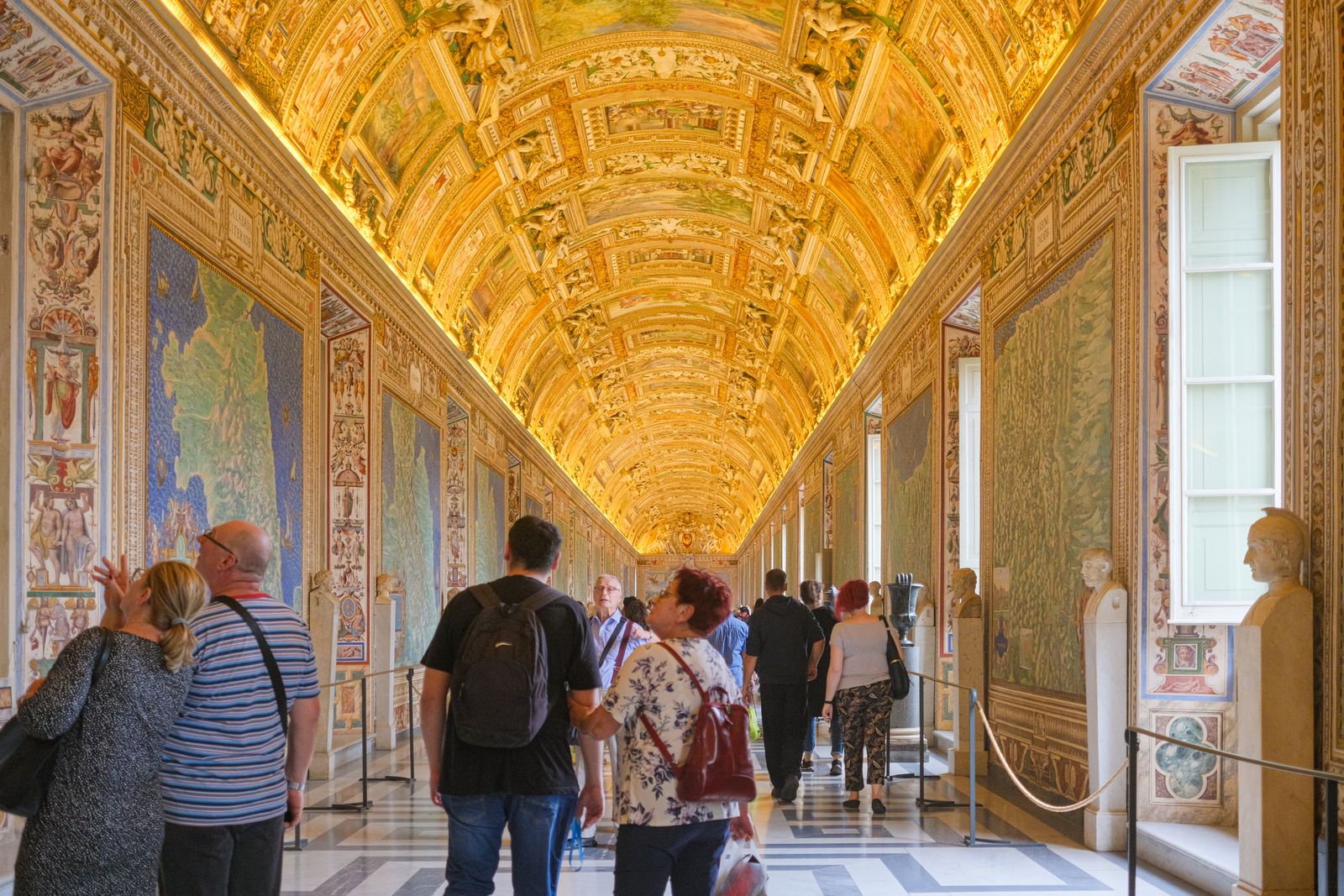
Seven kilometres of galleries, but the essentials are clear: Michelangelo’s ceiling and Last Judgement in the Sistine Chapel, the Raphael Rooms (the School of Athens), the Gallery of Maps, the Laocoön in the Octagonal Court and the Pinacoteca, home to Raphael’s Transfiguration.
- Hours: Monday to Saturday 8am to 8pm, last entry 6pm. Closed Sundays except the last Sunday of the month (free, 9am to 2pm, long queues) and on Catholic holidays.
- Ticket: €20 at the desk, €25 online including the €5 booking fee. Book on the Vatican Museums’ official ticket site, which opens about 60 days ahead.
- Lead time: four to six weeks for a spring or summer morning slot.
- Time needed: three to four hours.
- Special access: licensed operators run early-entry visits and the “Key Master” tour, which meets before 6am and watches the keeper unlock the galleries, with the Sistine Chapel near empty. Small-group and private guided visits are also sold; the museums’ own site lists its official guided options.
2. St Peter’s Basilica and the dome
Michelangelo’s Pietà sits just inside the right aisle, Bernini’s bronze baldacchino rises over the papal altar, and the dome gives the best view over the Vatican Gardens and Rome.
- Hours: 7am to 7pm April to September, 7am to 6.30pm October to March. Dome 8am to 6pm in summer, 8am to 5pm in winter. Expect restrictions on Wednesday mornings during the papal audience.
- Ticket: basilica entry is free. On the basilica’s official site, a timed entry with audio guide costs €7 and online dome tickets cost €17 by stairs (551 steps) or €22 with the lift, which still leaves 320 steps. At the door, the dome is €10 or €15.
- Time needed: one hour, two with the dome.
- Special access: the Vatican Necropolis beneath the basilica, where tradition places St Peter’s tomb, is visited only on small guided groups booked through the Excavations Office (Ufficio Scavi). Apply months ahead; check the official site for price and age limits.
3. Galleria Borghese
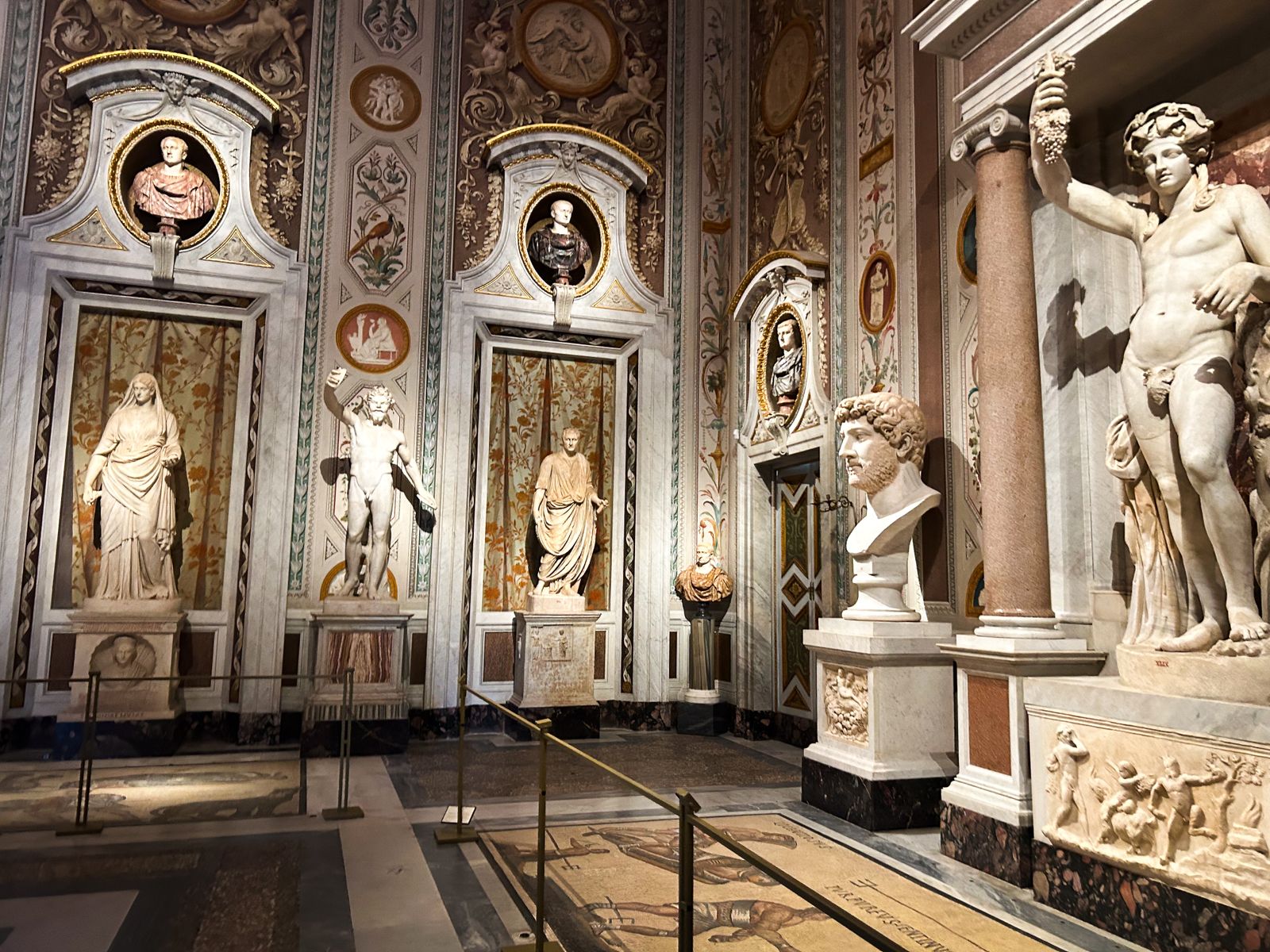
Cardinal Scipione Borghese’s villa is small enough to see properly in two hours and dense enough to justify the trip on its own: Bernini’s Apollo and Daphne, the Rape of Proserpina and David, Canova’s reclining Pauline Bonaparte, Caravaggio’s Boy with a Basket of Fruit and David with the Head of Goliath, and Titian’s Sacred and Profane Love upstairs.
- Hours: Tuesday to Sunday 9am to 7pm in fixed two-hour slots starting on the hour. Closed Mondays, 25 December and 1 January.
- Ticket: €16 plus a €2 reservation fee. Booking is compulsory, including on free first Sundays, through the gallery’s official site or phone line.
- Lead time: our research turned up contradictory information here. Some recent guides say the official shop sells about six weeks ahead, others say slots open around ten days before. It was not clear to us which applies, so check the official site as soon as your dates are fixed.
- Best time: the 9am slot, or the last slot, which some sources list at a reduced price.
4. Galleria Doria Pamphilj
Still owned by the Doria Pamphilj family, this palace on Via del Corso holds the collection’s star, Velázquez’s portrait of Pope Innocent X, beside Bernini’s bust of the same pope. Also look for Caravaggio’s Rest on the Flight into Egypt and Penitent Magdalene, Titian’s Salome and the gilded Hall of Mirrors.
- Hours: Monday to Thursday 9am to 7pm (last entry 6pm), Friday to Sunday 10am to 8pm (last entry 7pm). Our research was unclear on whether it closes on Wednesdays, so check the gallery’s official site. Closed 1 January, Easter and 25 December.
- Ticket: about €16 at the door or €17 online with audio guide, according to recent listings; check the gallery’s official site.
- Lead time: booking is recommended, not required. A few days ahead is usually enough.
- Time needed: 90 minutes. The audio guide is narrated by a member of the family.
5. Palazzo Colonna
The Great Hall of the Galleria Colonna is a breathtaking baroque room. Do not miss Annibale Carracci’s Bean Eater, the ceiling frescoes celebrating the victory at Lepanto and, on the higher ticket, Princess Isabelle’s Apartment with Vanvitelli’s views of Rome.
- Hours: Saturday 9.30am to 1.15pm only for independent visits. Friday is reserved for guided tours by appointment, and private visits on other days can be arranged with the palace.
- Ticket: €15 for the gallery, Pio apartments and gardens, or €25 adding Princess Isabelle’s Apartment, per the palace’s official ticketing; audio guides cost €5 extra.
- Lead time: two to four weeks for spring and autumn Saturdays, via the palace’s official site.
- Time needed: two hours.
6. Capitoline Museums
The world’s oldest public museum sits on Michelangelo’s Piazza del Campidoglio. The must-sees: the original bronze Marcus Aurelius, the Capitoline Wolf, the colossal head of Constantine in the courtyard, the Dying Gaul, and Caravaggio’s Fortune Teller in the picture gallery. The Tabularium corridor overlooks the Forum.
- Hours: daily 9.30am to 7.30pm, last entry 6.30pm.
- Ticket: recent listings give about €15 for non-residents, more when an exhibition is included. Residents of Rome have entered free since February 2026. Check the official site for the current visitor price.
- Lead time: walk-in is usually fine; book online in peak weeks.
- Time needed: two to three hours.
7. Palazzo Massimo (National Roman Museum)
Often far quieter than the big names. Head straight for the bronze Boxer at Rest, the Discobolus, and the top floor, where the painted garden room from the Villa of Livia and the frescoes from the Villa della Farnesina are displayed.
- Hours: Tuesday to Sunday, roughly 9am to 7.45pm according to the latest listing we found; closed Mondays. Check the official site, as hours have shifted in recent years.
- Ticket: about €12, or a combined ticket covering the National Roman Museum sites. Check the official site.
- Lead time: none needed; walk in.
- Time needed: two hours. Five minutes from Termini.
8. The Pantheon
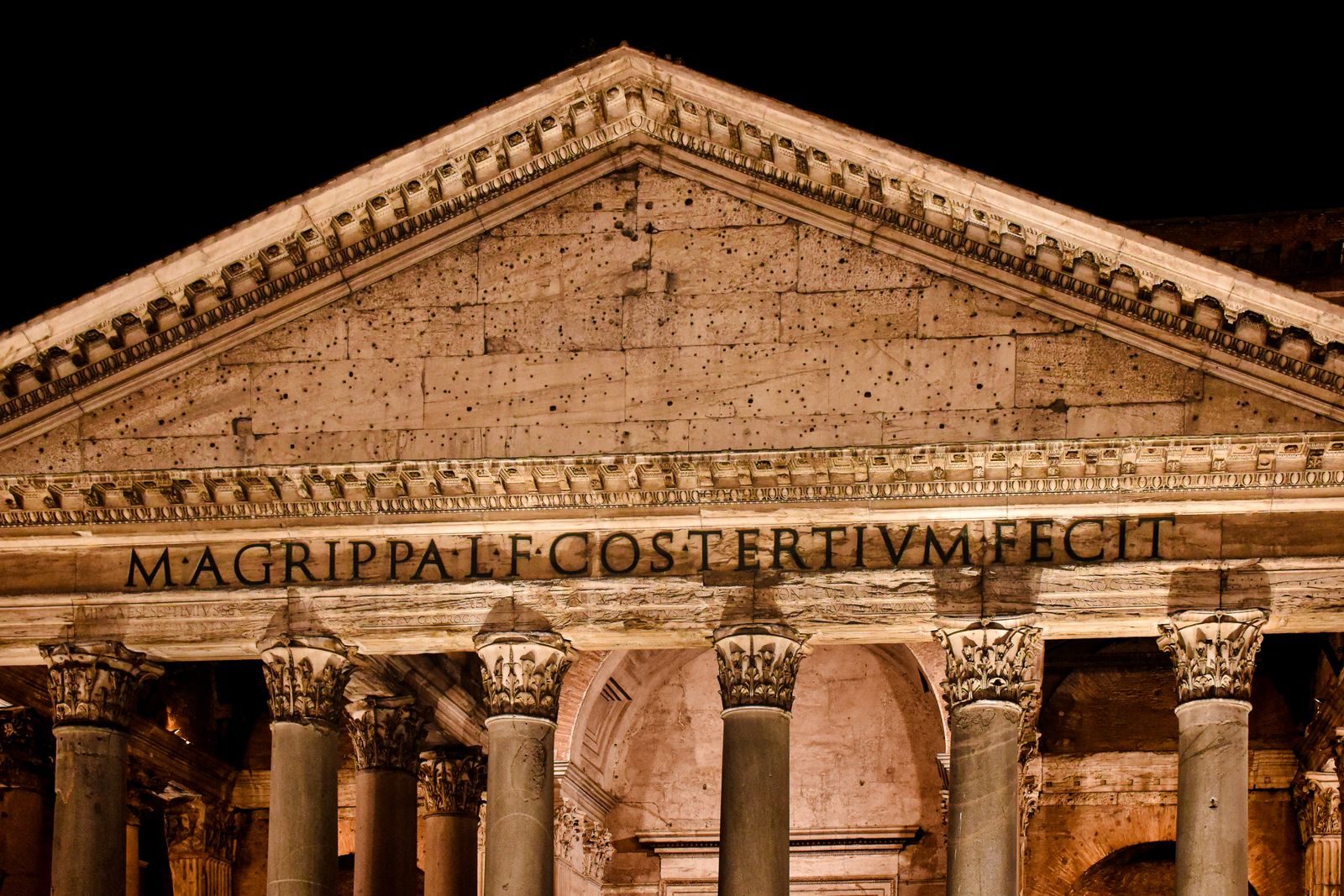
Nearly 1,900 years old and still a church. The coffered dome and its open oculus are the reason to come; inside, see Raphael’s tomb and the tombs of Italy’s first kings.
- Hours: daily 9am to 7pm, last entry 6.30pm. Closed 1 January and 25 December; ticket sales pause before Saturday and Sunday Mass.
- Ticket: €7 since 1 July 2026 (it was €5). Online booking on the state museums’ official ticket site is required on paid days. First Sundays are free but walk-in only, with long queues.
- Time needed: 30 to 45 minutes.
9. Palazzo Barberini (National Gallery of Ancient Art)
A palace designed by Maderno, Bernini and Borromini. See Pietro da Cortona’s vast ceiling, the Triumph of Divine Providence, Raphael’s La Fornarina, Caravaggio’s Judith Beheading Holofernes and Holbein’s Henry VIII, then walk down Borromini’s oval spiral staircase.
- Hours: Tuesday to Sunday 10am to 7pm, last entry 6pm. Closed Mondays, 25 December and 1 January.
- Ticket: €15, also valid for Galleria Corsini in Trastevere within 20 days.
- Lead time: walk-in is generally fine.
- Time needed: two hours.
At a glance: comparison table
| Sight | Area | Time needed | Booking lead time | Best for |
|---|---|---|---|---|
| Vatican Museums | Vatican | 3 to 4 hours | 4 to 6 weeks | Michelangelo, Raphael |
| St Peter’s and dome | Vatican | 1 to 2 hours | Days; months for the Necropolis | Views, Pietà |
| Galleria Borghese | Villa Borghese | 2 hours (fixed) | As early as possible | Bernini, Caravaggio |
| Doria Pamphilj | Via del Corso | 90 minutes | A few days | Private palace, Velázquez |
| Palazzo Colonna | Piazza Santi Apostoli | 2 hours | 2 to 4 weeks | Baroque splendour |
| Capitoline Museums | Capitoline Hill | 2 to 3 hours | Walk-in | Ancient sculpture, Forum view |
| Palazzo Massimo | Termini | 2 hours | Walk-in | Roman frescoes, bronzes |
| Pantheon | Centro Storico | 30 to 45 minutes | 1 to 7 days | Architecture |
| Palazzo Barberini | Quirinale | 2 hours | Walk-in | Old Masters, staircases |
A three-day culture itinerary
Plan Day 3 for a Saturday so Palazzo Colonna is open, and avoid putting the Borghese on a Monday.
- Day 1, the Vatican: early entry at the Vatican Museums, then St Peter’s straight after and the dome before lunch. Add the Colosseum, Forum and Palatine on a fourth morning.
- Day 2, the Borghese and Barberini: the 9am Borghese slot, lunch in the park, then Palazzo Barberini in the afternoon.
- Day 3, the palaces: Palazzo Colonna at 9.30am, the Doria Pamphilj after lunch, the Pantheon in the last hour. Swap in the Capitoline or Palazzo Massimo if you cannot travel on a Saturday.
With an extra day, take a train out of the city: our guide to the best day trips from Rome covers Tivoli, Ostia Antica and more.
How to beat the queues
- Book timed entry on official sites only. The Vatican, Borghese and Pantheon all sell their own tickets; resold tickets often cost more.
- Take the first or last slot. The first hour at the Vatican and the Borghese is the calmest; the Pantheon thins out after 5pm.
- Avoid free days. First Sundays at state museums and last Sundays at the Vatican bring the longest queues of the month.
- Passes: the Roma Pass covers civic and some state sites but not the Vatican, and for this list it rarely saves time. Check its official site for what is included.
Dress codes for churches
St Peter’s, the Sistine Chapel and the Pantheon all enforce covered shoulders and knees. Avoid shorts, short skirts, sleeveless tops and low necklines. A light scarf over the shoulders and linen trousers solve it.
Charlotte’s tip: build the trip around the hardest booking
Fix the Borghese slot first, then the Vatican, then the Colonna Saturday, and only then book flights or move nights around. And at the Doria Pamphilj, keep the audio guide on: hearing the family’s own stories about the rooms makes it feel like a private visit.
Check prices and availability
Museum days start early. A hotel within walking distance of your first booking makes the whole trip calmer.
Where to stay for culture lovers
Hotel de Russie
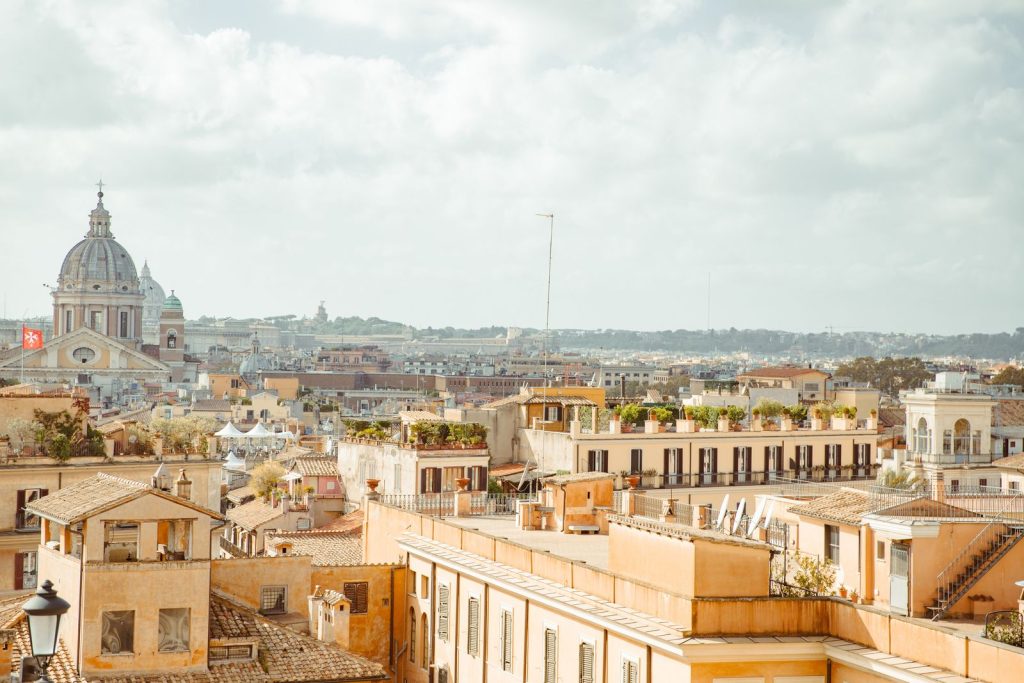
Rocco Forte’s hotel on Via del Babuino sits between Piazza del Popolo and the Spanish Steps, with a terraced Secret Garden climbing towards the Pincio. Walk up through the Pincio and Villa Borghese and you reach the Galleria Borghese in roughly 20 to 25 minutes, which makes the 9am slot easy.
Best for: Borghese mornings and a garden to come back to.
Check rates at Hotel de Russie
Hotel Hassler Roma
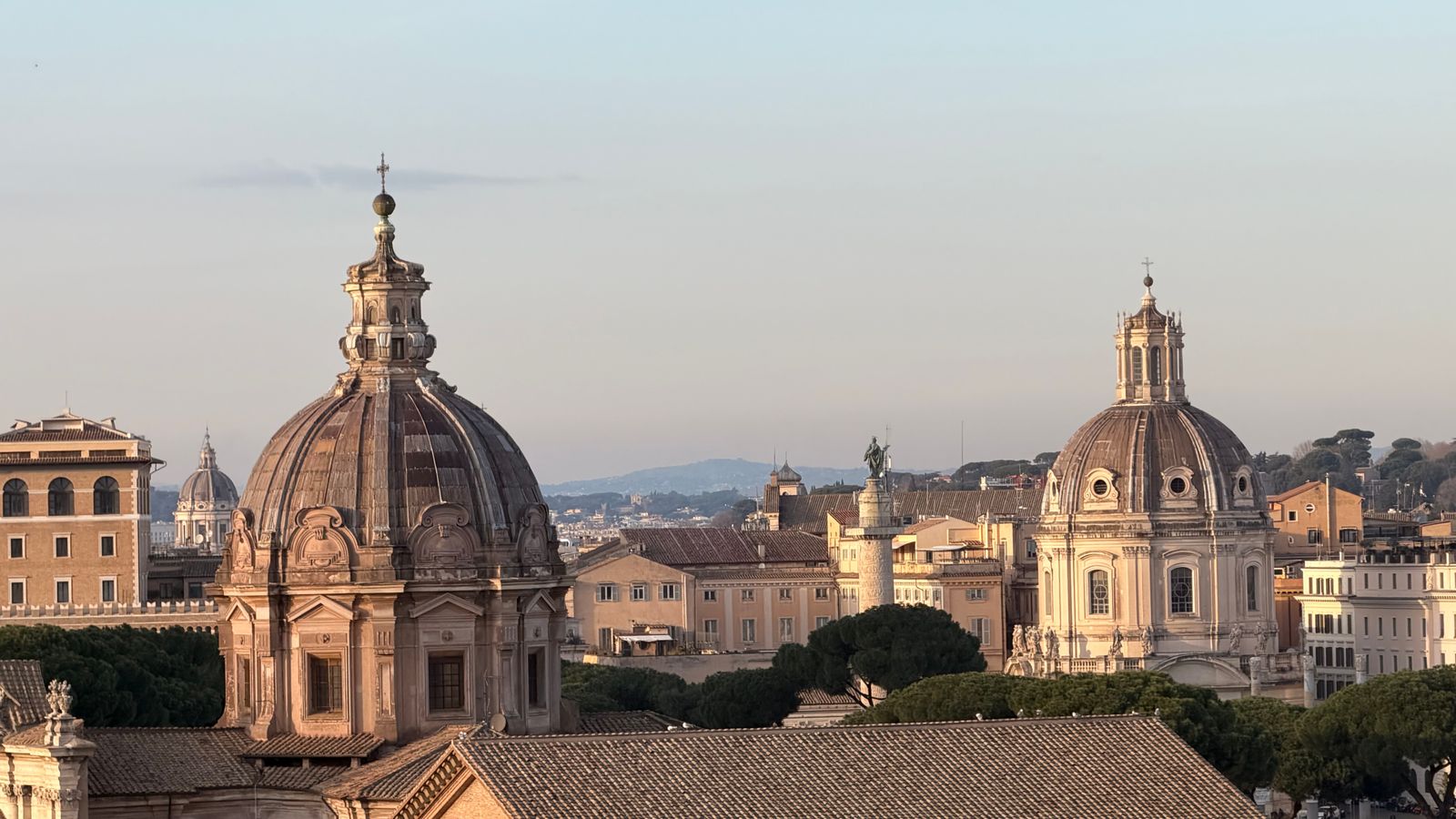
At the top of the Spanish Steps, still run by the Wirth family. Palazzo Barberini is around ten minutes on foot, the Borghese about 20 minutes through the park, and the rooftop restaurant Imàgo looks across the domes towards St Peter’s.
Best for: classic Roman grandeur and views.
Check rates at Hotel Hassler Roma
Hotel Eden
The Dorchester Collection’s hotel on Via Ludovisi stands between the Spanish Steps and the Villa Borghese park. The Borghese is about 15 to 20 minutes on foot, Palazzo Barberini around ten. The rooftop terrace restaurant is a lovely spot for a sunset drink.
Best for: quiet luxury close to the Borghese.
Six Senses Rome
Opened in 2023 in a palazzo on Piazza di San Marcello, just off Via del Corso. The Doria Pamphilj is a few minutes’ walk, Palazzo Colonna around five, and the Pantheon about ten. The spa draws on the Roman bathing tradition, a fitting end to a museum day.
Best for: the palace galleries and the Pantheon on foot.
Check rates at Six Senses Rome
Rome Cavalieri
On Monte Mario, about 15 minutes by car from the centre and a short taxi ride to the Vatican, which suits an early Sistine Chapel entry. The hotel has its own art collection, pools in a large park and La Pergola, which holds three Michelin stars in the 2026 guide. Read our full Rome Cavalieri review, or see the tennis hotels in Rome if you want courts as well as culture.
Best for: the Vatican side, families and a summer pool.
Frequently Asked Questions
How far ahead should I book the Vatican Museums?
Tickets open about 60 days ahead on the official site. For spring to autumn mornings, book four to six weeks out; early-entry tours sell out sooner.
Can I see the Borghese without a booking?
No. Every visit, including free first Sundays, needs a timed reservation, and walk-ins are not admitted.
Is the Pantheon still free?
No. It has charged since 2023 and costs €7 from 1 July 2026. Entry stays free on the first Sunday of the month and for Mass.
Which private palace should I choose if I only have time for one?
The Doria Pamphilj, as it opens most days and holds the Velázquez. If you are in Rome on a Saturday morning, the Colonna’s Great Hall is the more spectacular room.