
Tag: Wine
-
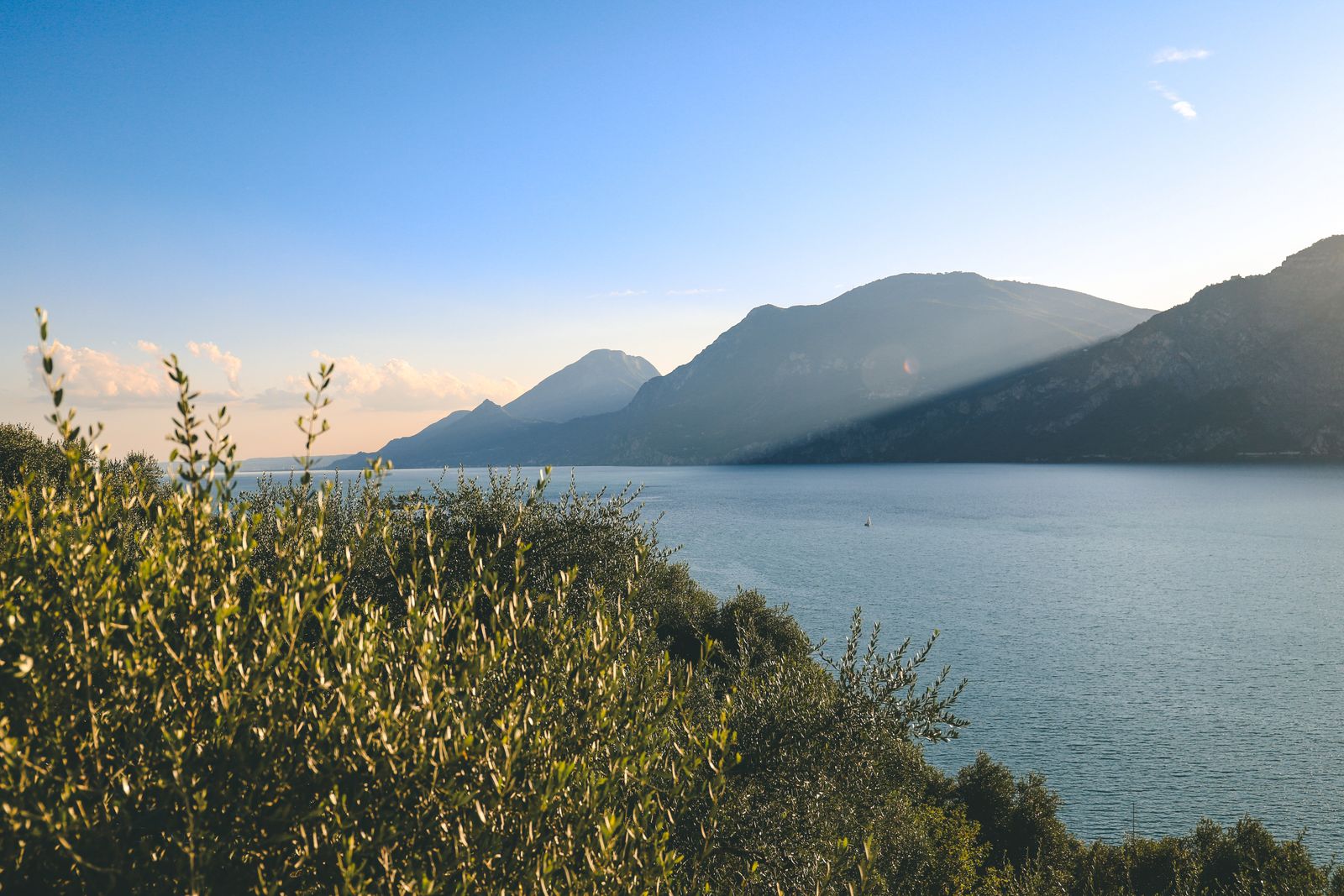
A guide to Lake Garda: Sirmione and its castle, the wine towns of Bardolino and Lazise, Malcesine and Monte Baldo, Limone’s lemon houses, boat trips, gardens, spas and how to choose where to stay.
-
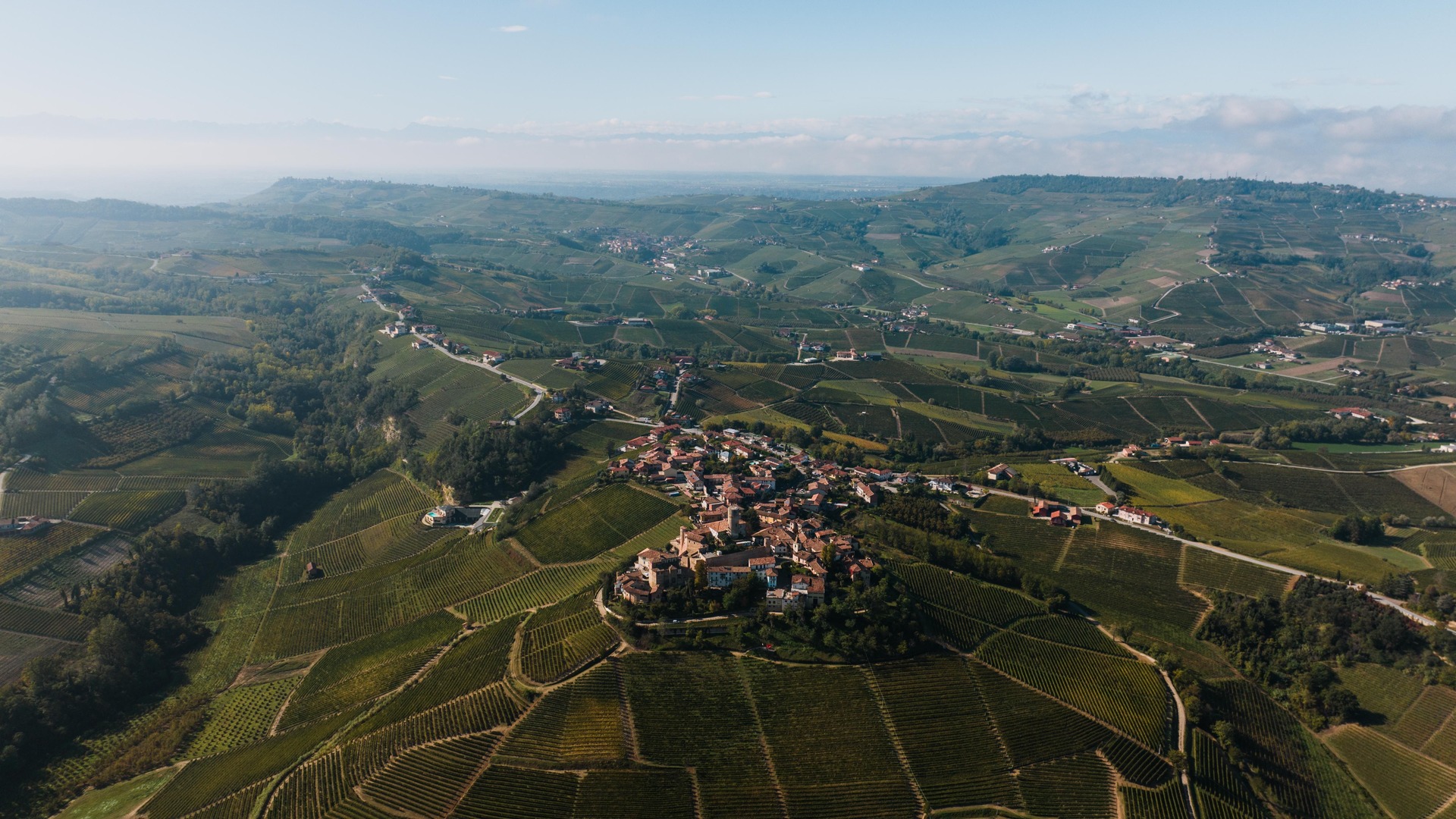
Piedmont rarely gets the first-time-visitor attention that Tuscany or the Amalfi Coast commands, and locals here seem largely content to keep it that way.
-
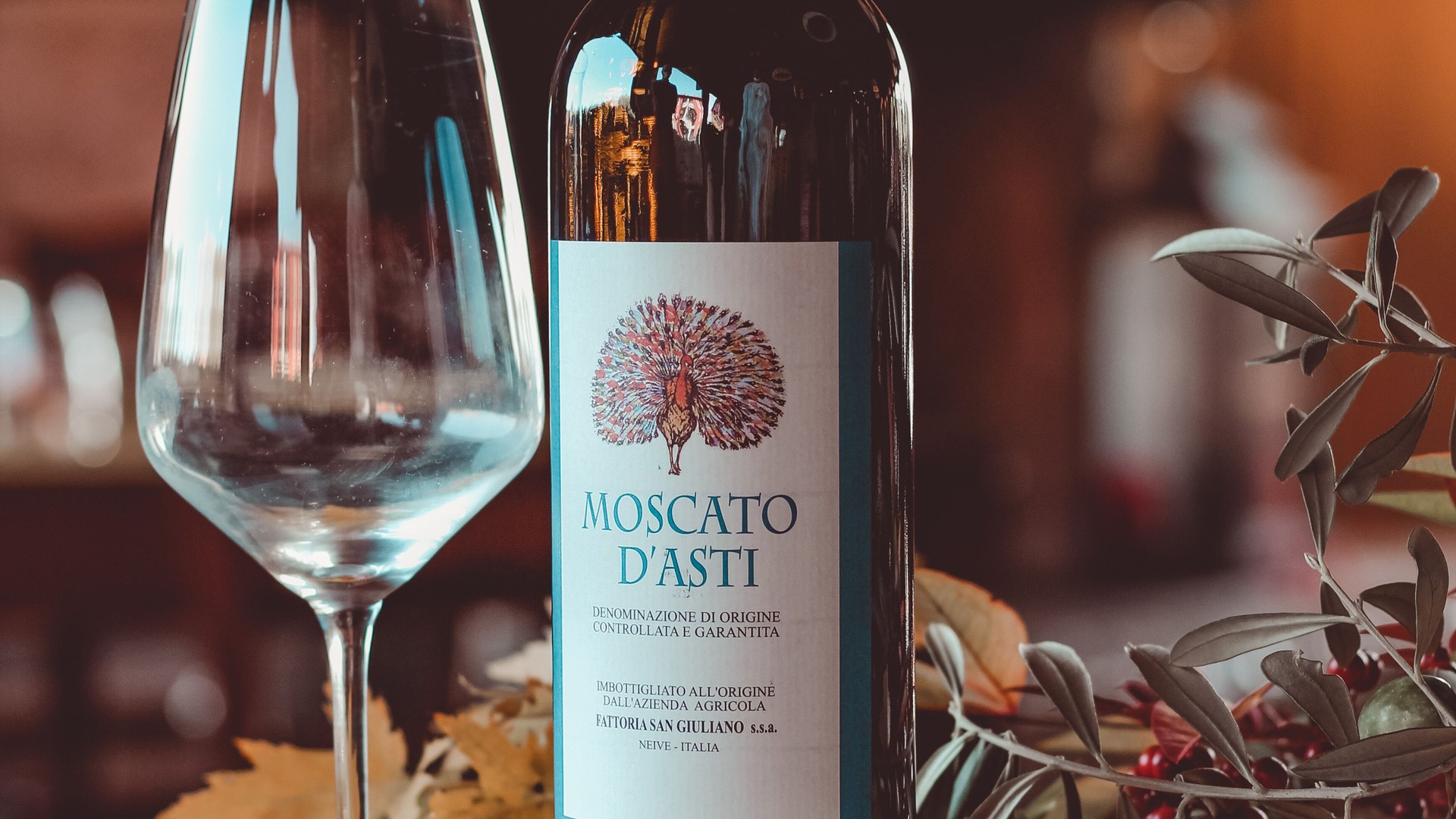
Moscato d’Asti occupies an unusual position in the Italian wine world: it’s simultaneously one of the country’s most exported and best-loved wines internationally and one of the most misunderstood by…
-
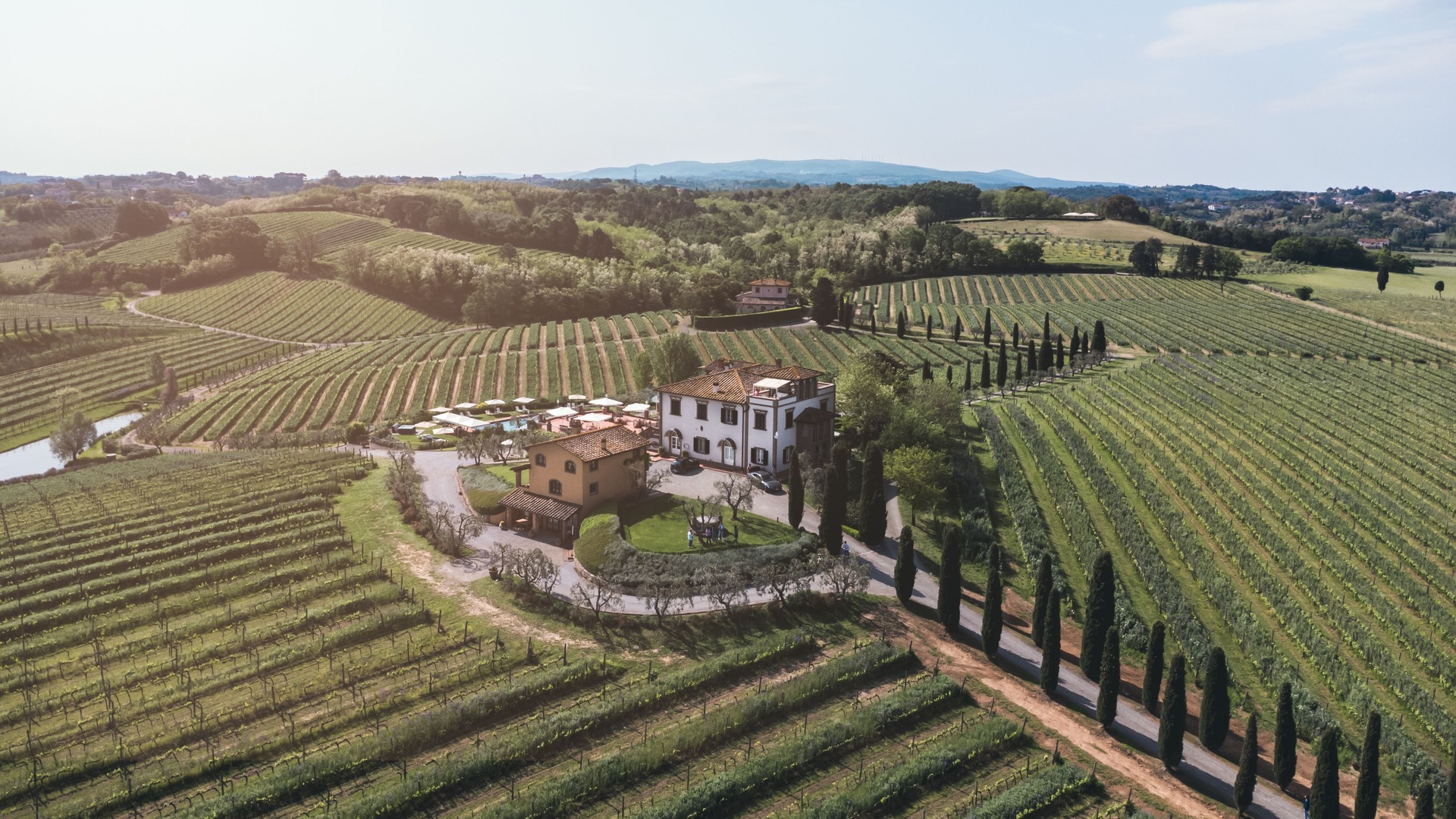
Cross from Emilia into Romagna, roughly the stretch of territory east of Bologna running toward Ravenna and Rimini, and the region’s wine story shifts noticeably away from Lambrusco’s sparkling…
-
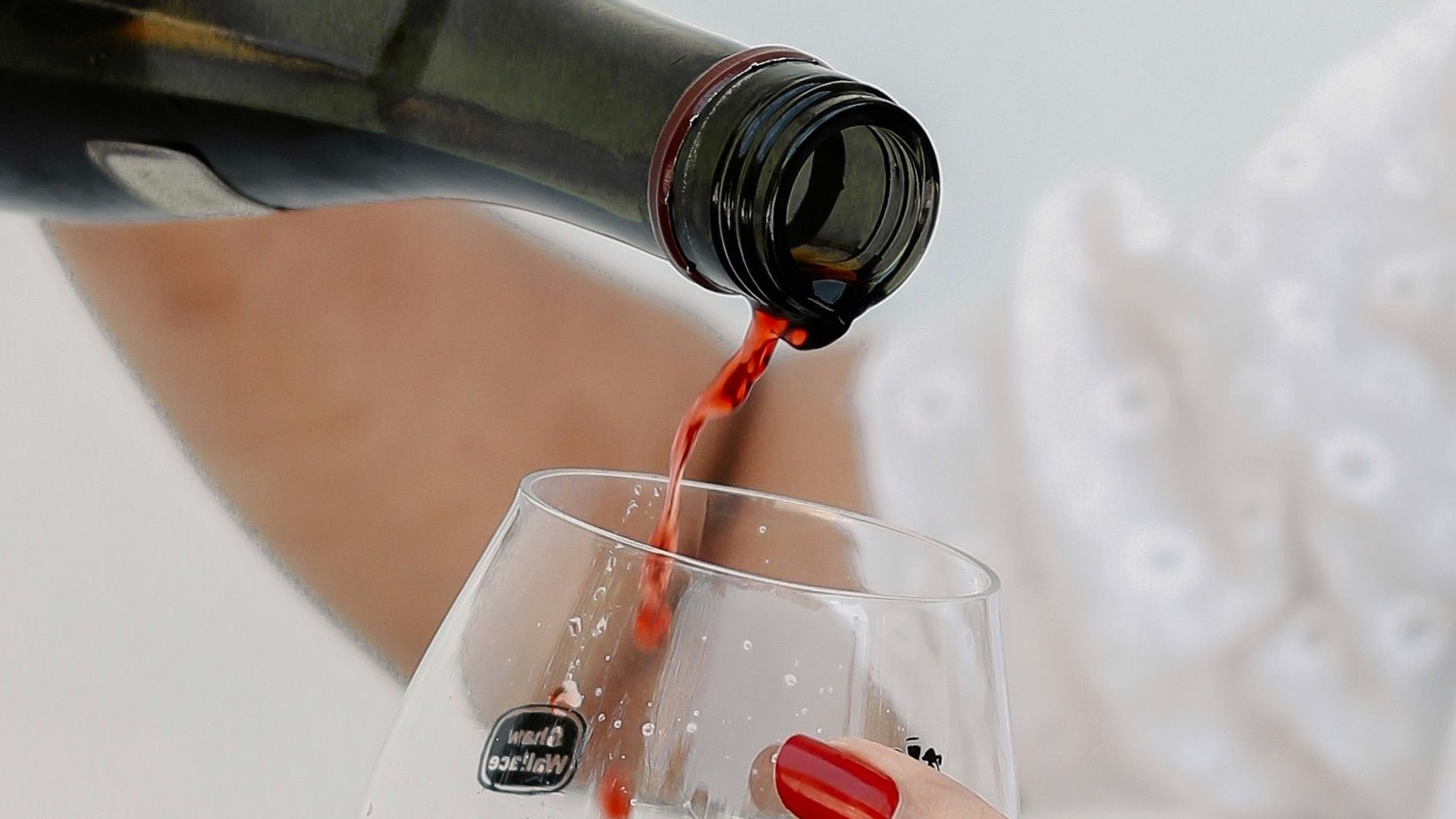
Ask most wine drinkers outside Italy to name a wine from Emilia-Romagna and, if they can name one at all, it’s usually Lambrusco, and usually the wrong version of it.
-
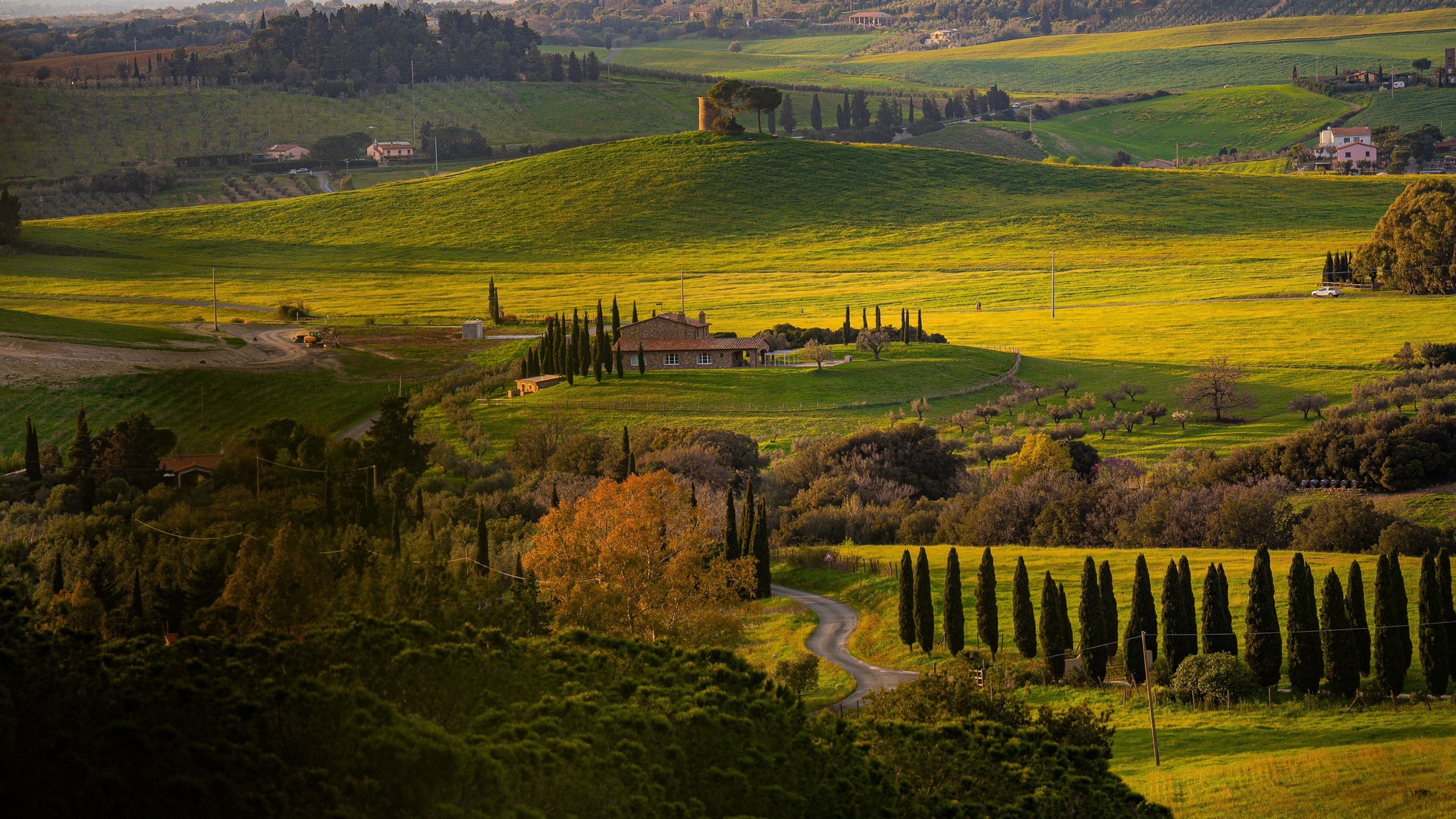
Most people planning a trip to Tuscany start with a single image in mind: a cypress-lined road, a glass of red wine, a stone farmhouse on a hill somewhere between Florence and Siena. That image isn’t wrong, but it’s incomplete.
-
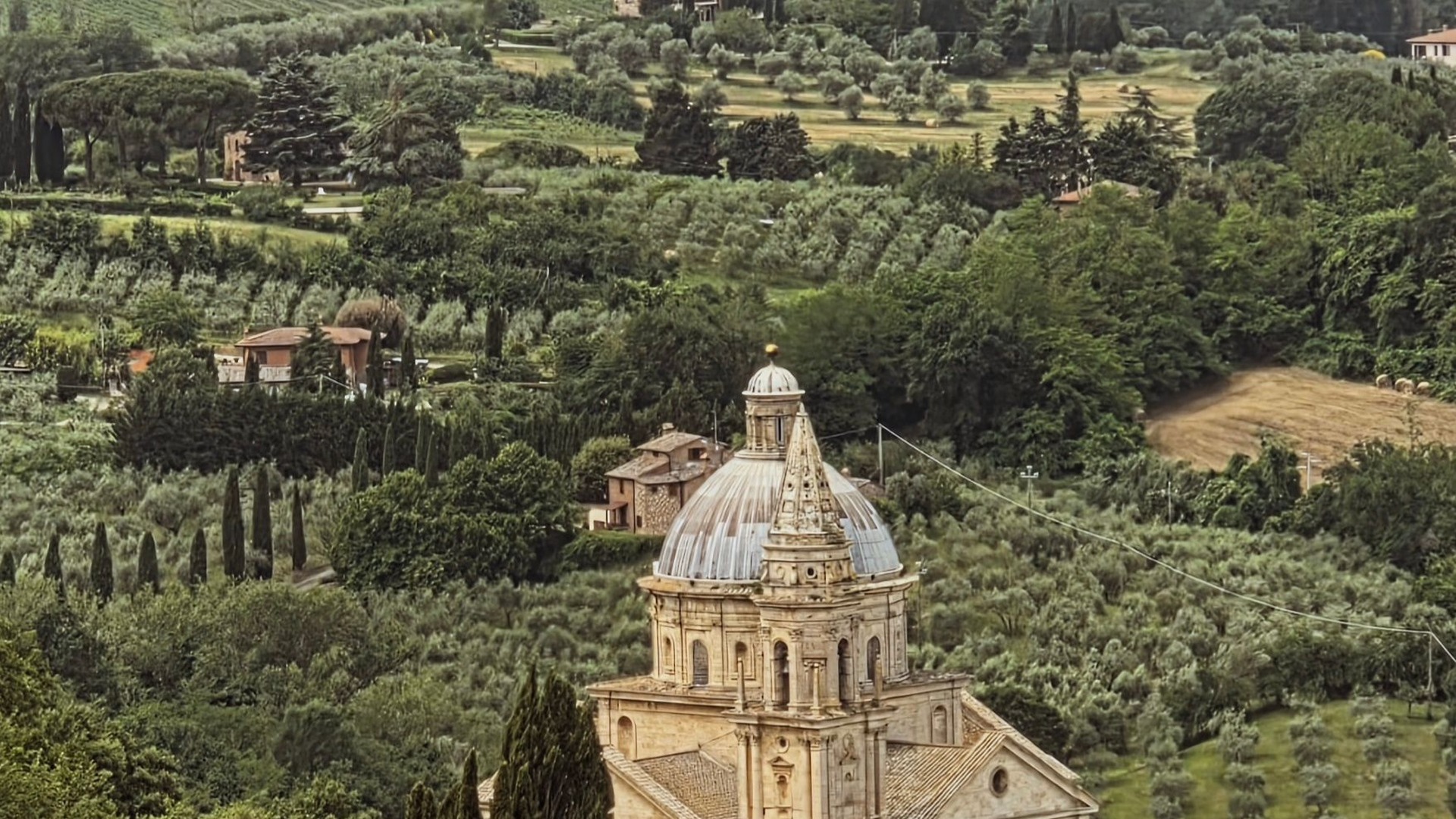
Every wine-focused corner of Tuscany seems to get slotted into a hierarchy sooner or later, and Montepulciano has spent decades sitting just below Montalcino in that pecking order — “the other big red town,” the one people visit second, after Brunello.
-
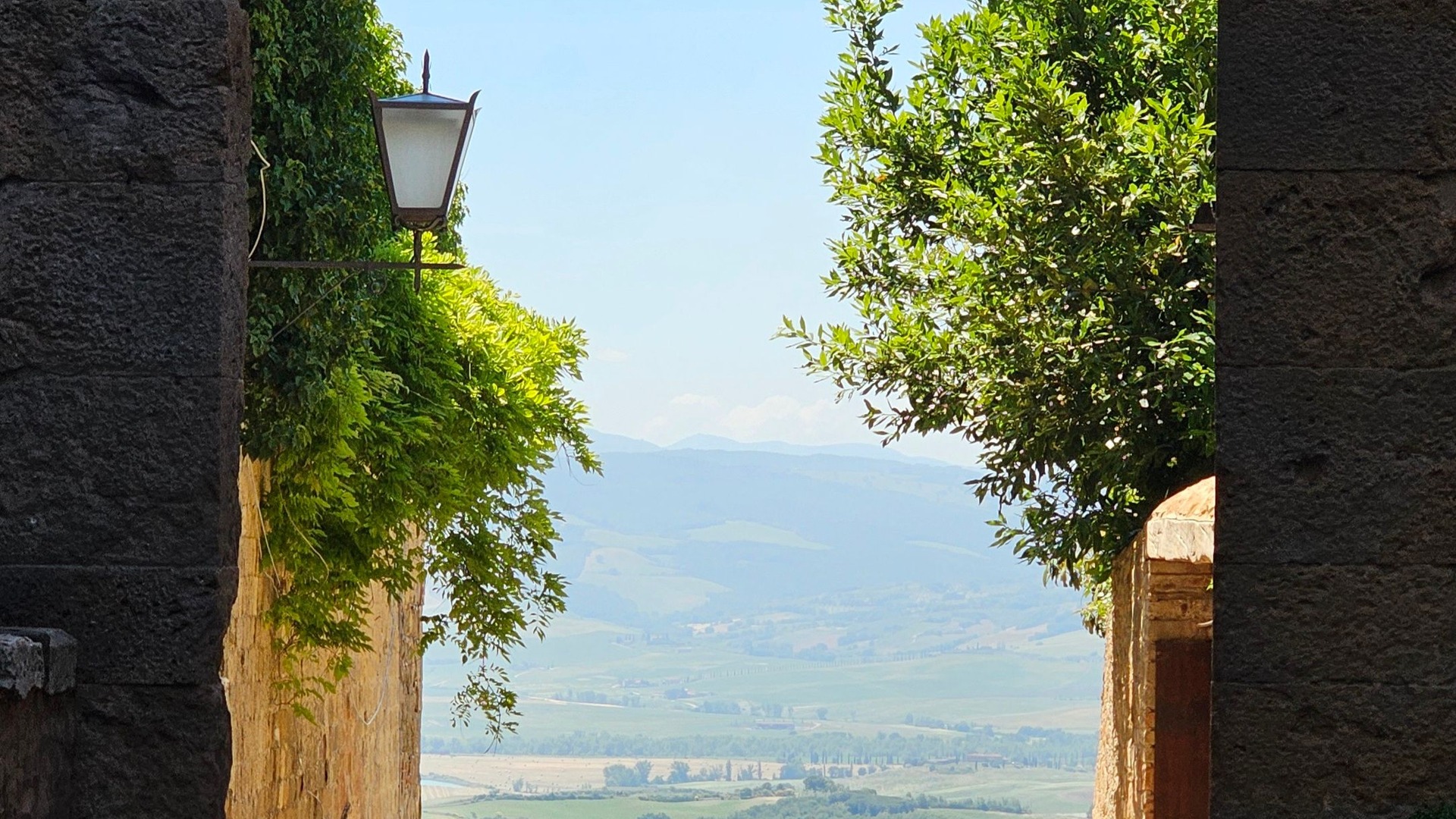
Of all the hill towns scattered across Tuscany’s wine country, Montalcino occupies a category of its own.
-
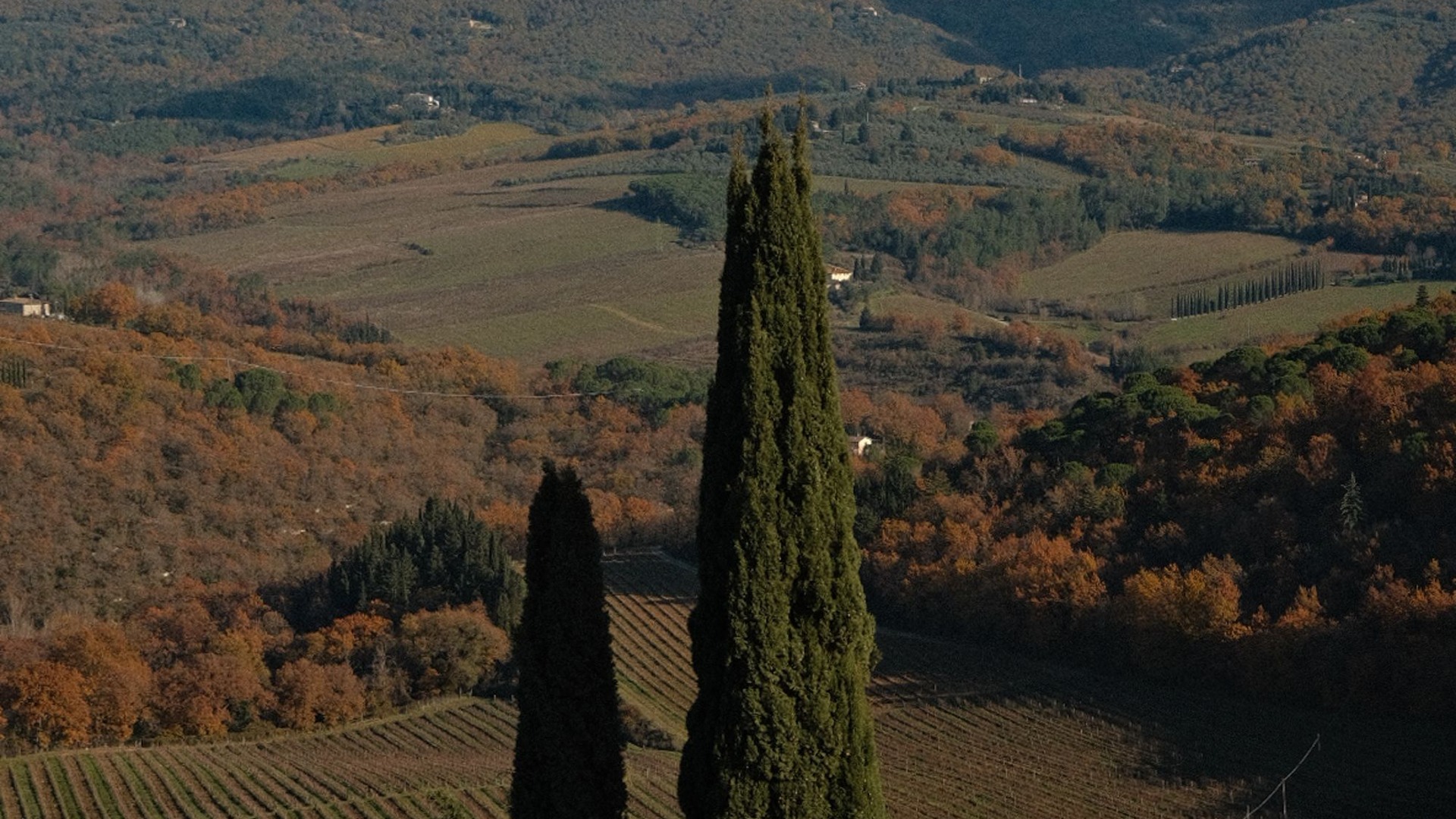
Ask a wine-focused traveler about Chianti and nine times out of ten they mean Chianti Classico, the famous black-rooster zone stretching between Florence and Siena. Fair enough — it earns the attention.
-
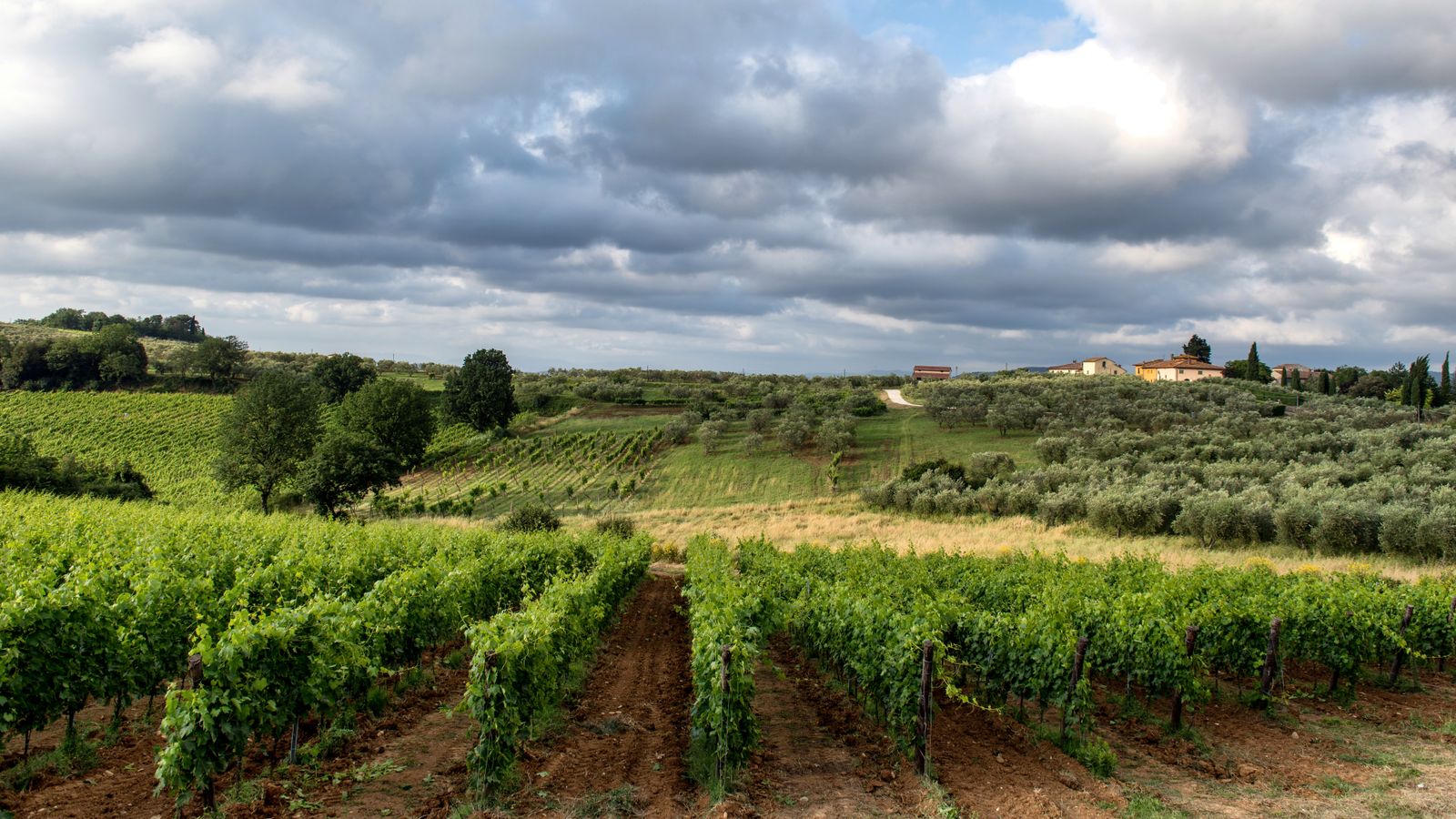
Say the word “Chianti” to most travelers and you’ll get a vague image: a straw-wrapped bottle on a red-checkered tablecloth, maybe a rooster logo they half-remember from a wine list.