
Tag: Italy
-
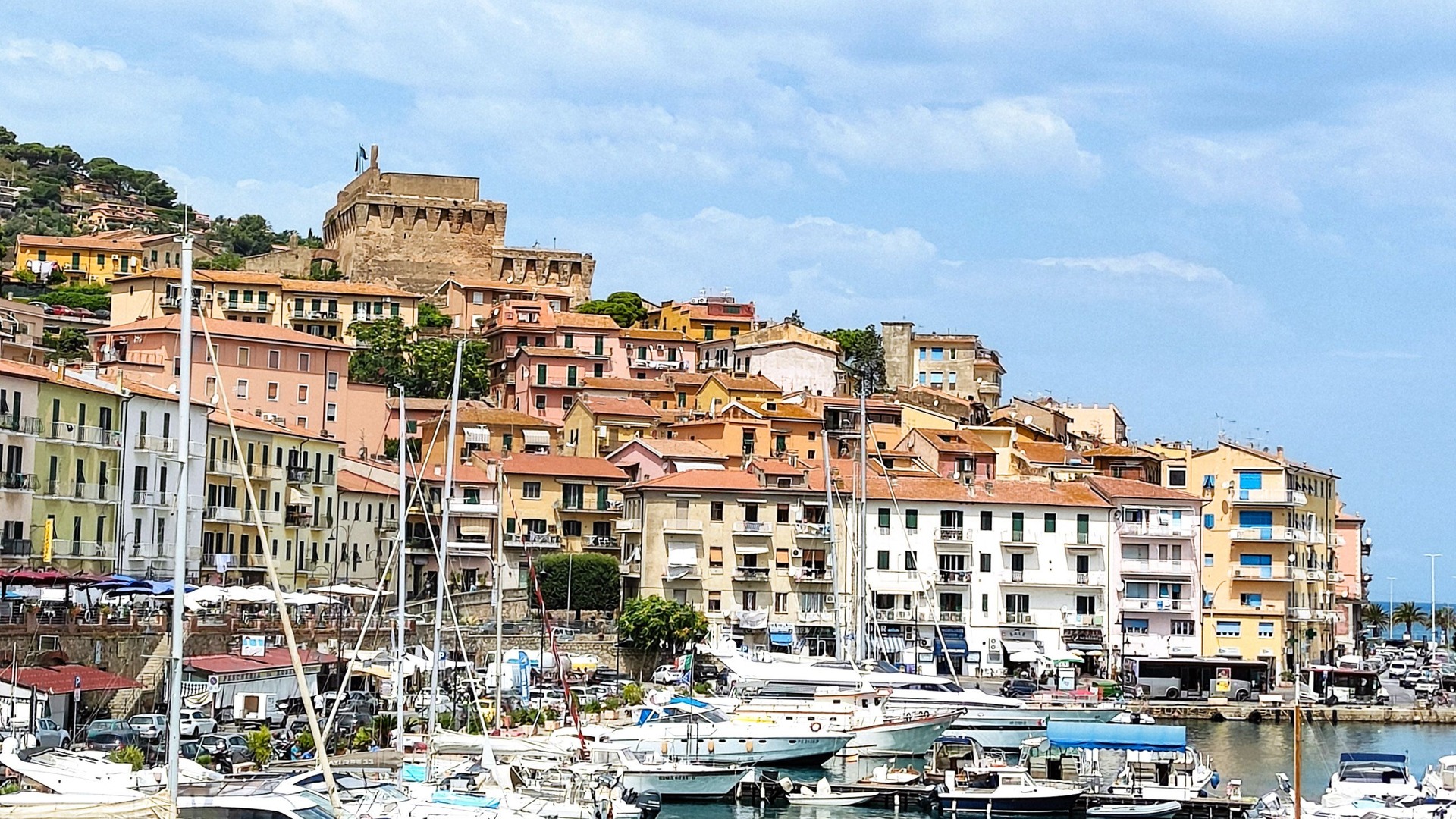
Porto Santo Stefano is the livelier of the two harbor towns on Monte Argentario, the rugged, once-island promontory that anchors the southern end of the Tuscan coast, and it wears that reputation well.
-
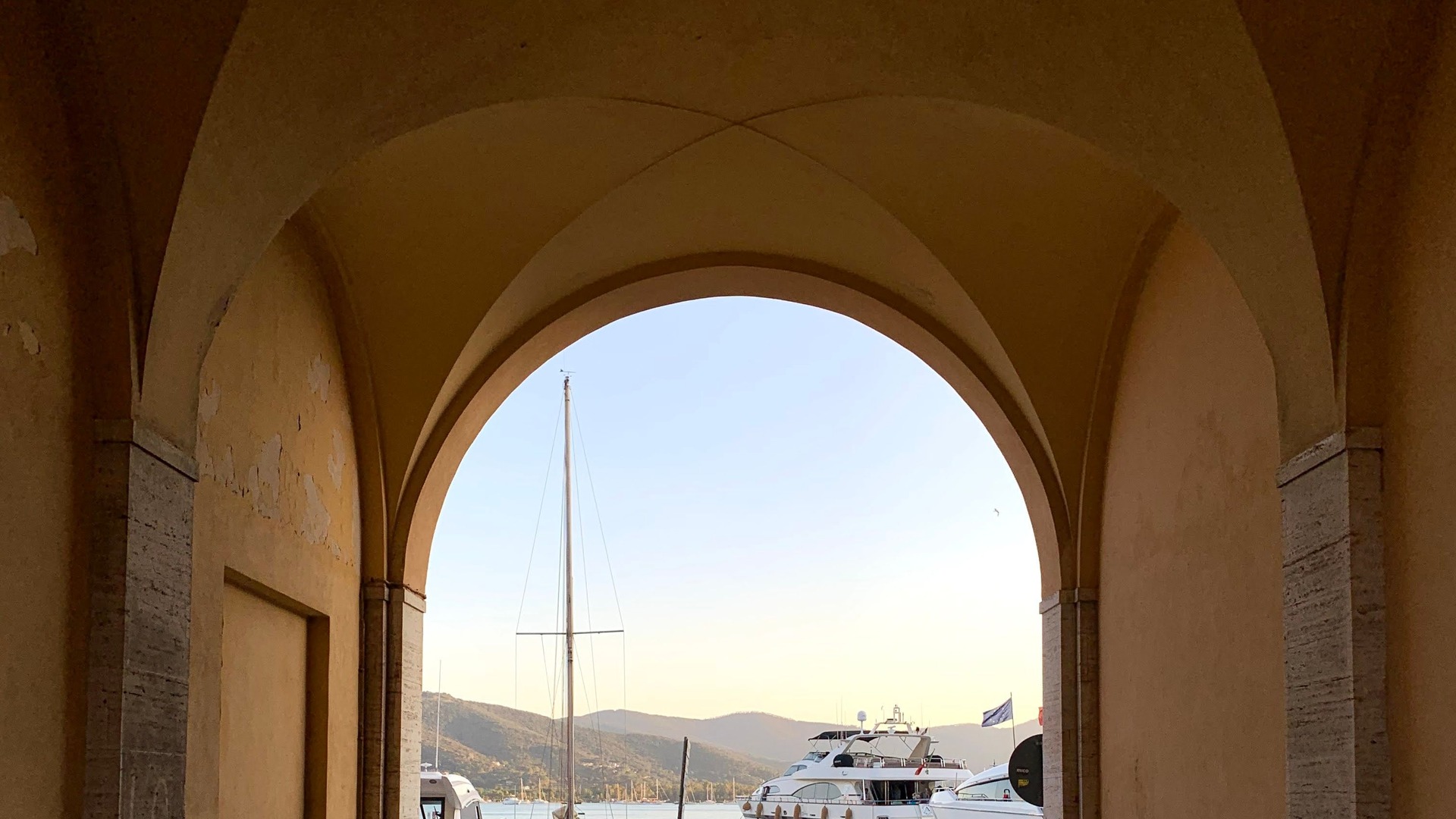
For most visitors arriving from the mainland, whether by ferry from Piombino or by boat from a marina like Scarlino, Portoferraio is the first proper look at Elba, and it makes a strong first impression.
-
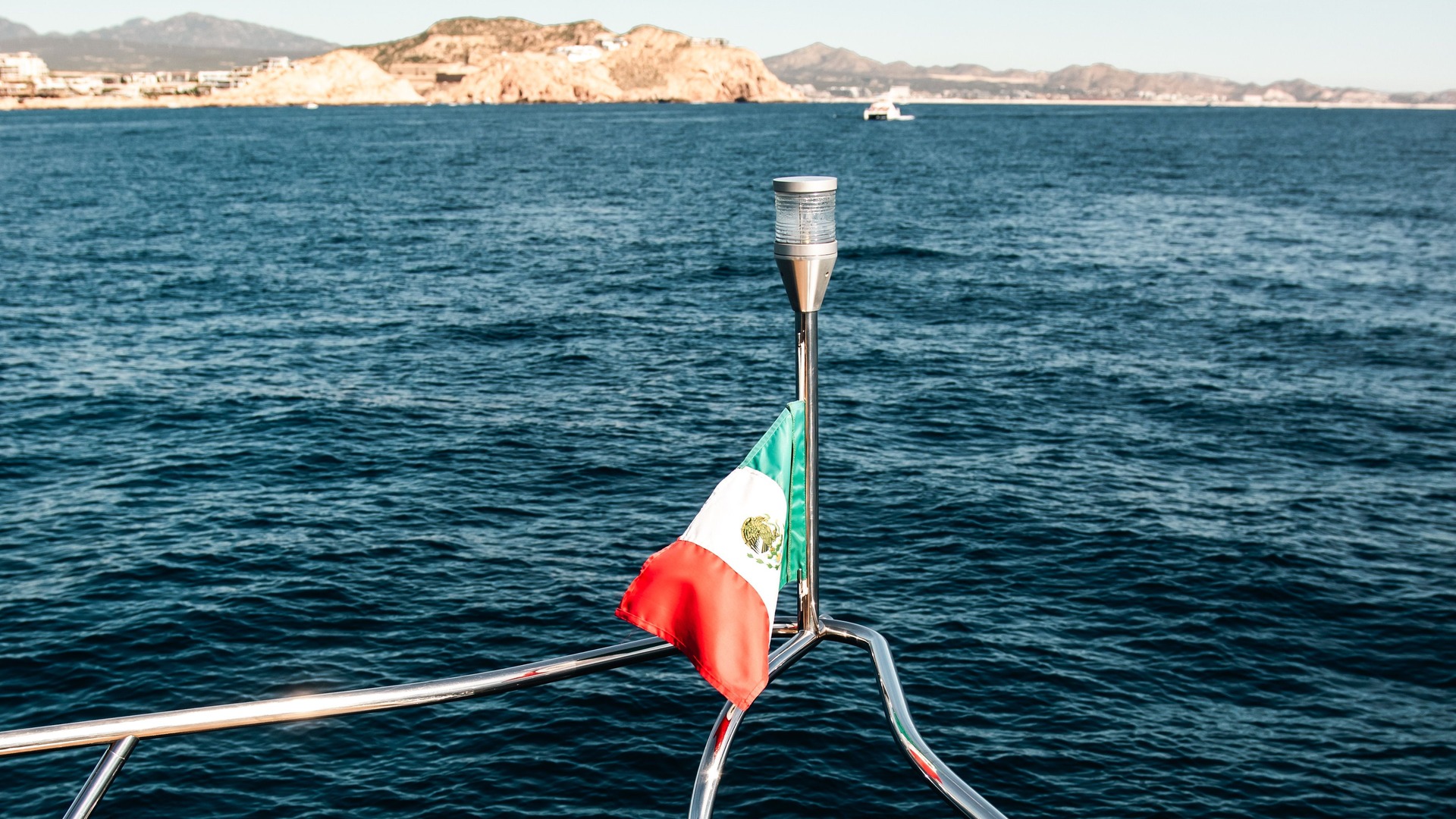
Most visitors build a Tuscany itinerary entirely inland, moving between Florence, the Chianti hills, and a handful of walled medieval towns without ever glancing toward the coast.
-
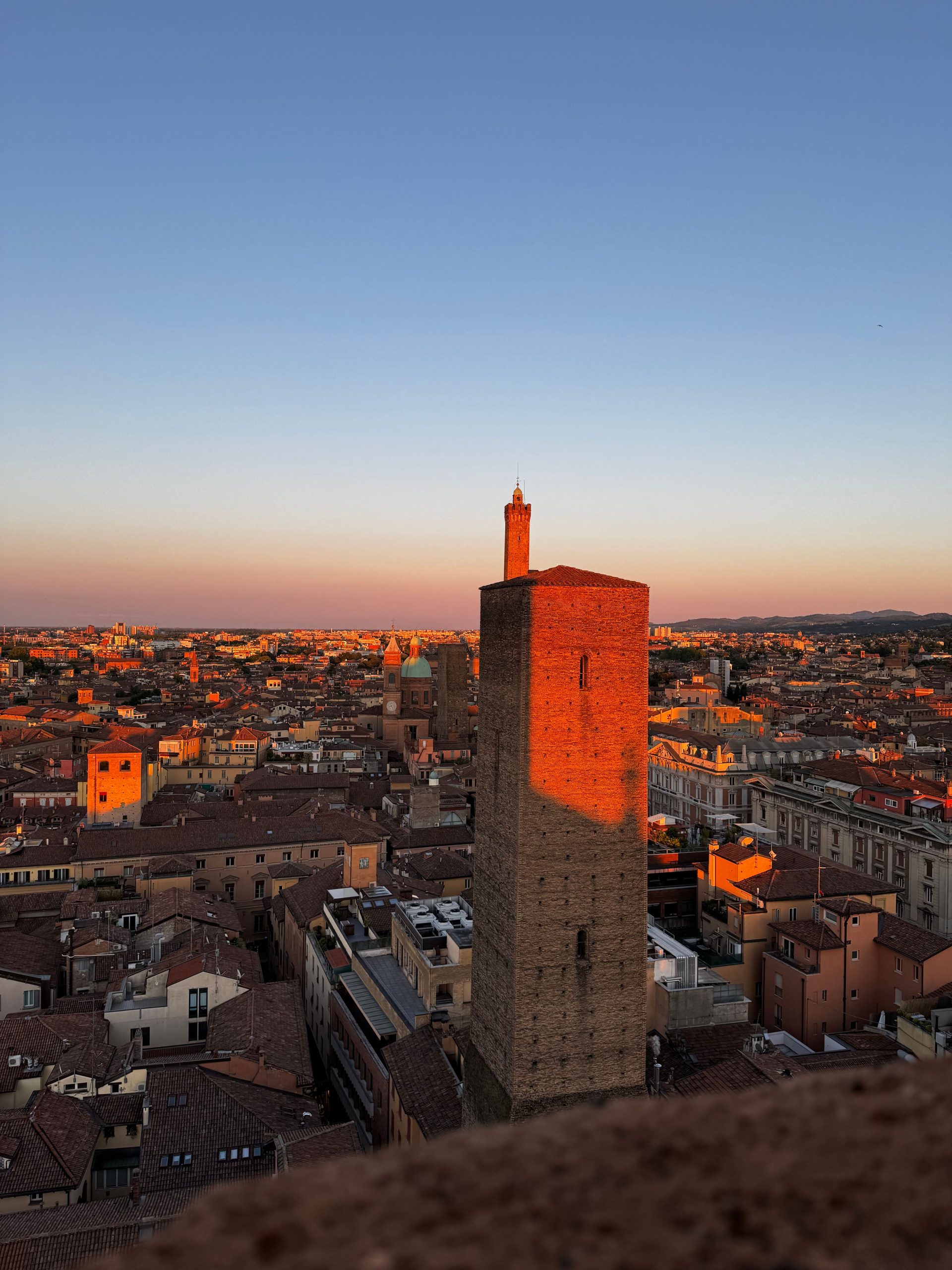
Ask most travelers to name Italy’s food capital and they’ll usually reach for Tuscany or Campania, picturing a plate of pasta somewhere with a view.
-

If Florence is Tuscany’s Renaissance showcase, Siena is its medieval one, and the two cities have spent the better part of eight centuries defining themselves in opposition to each other.
-
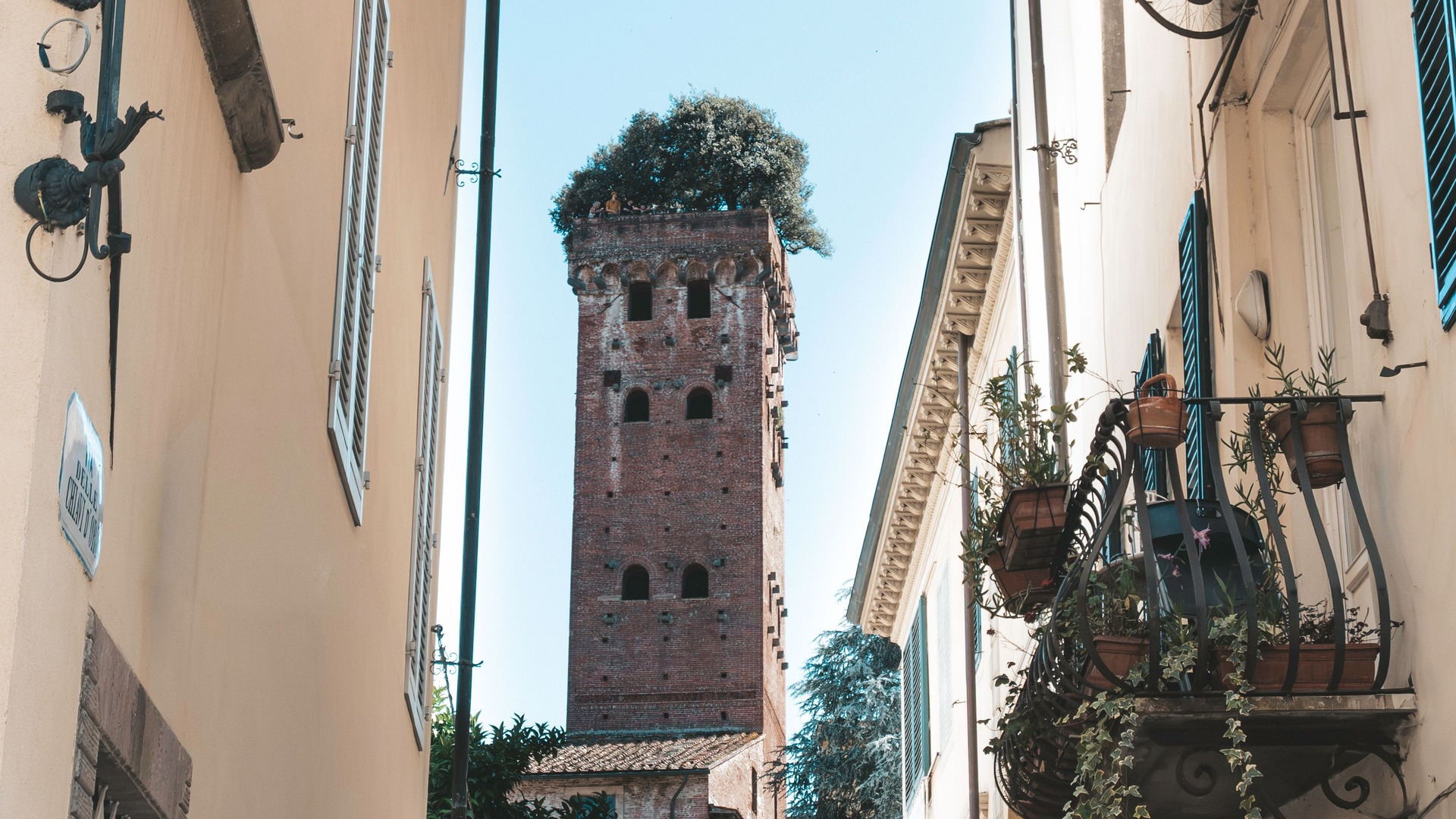
Of all the towns that get lumped together under the broad label of “day trip from Florence,” Lucca is the one that most deserves an overnight instead.
-
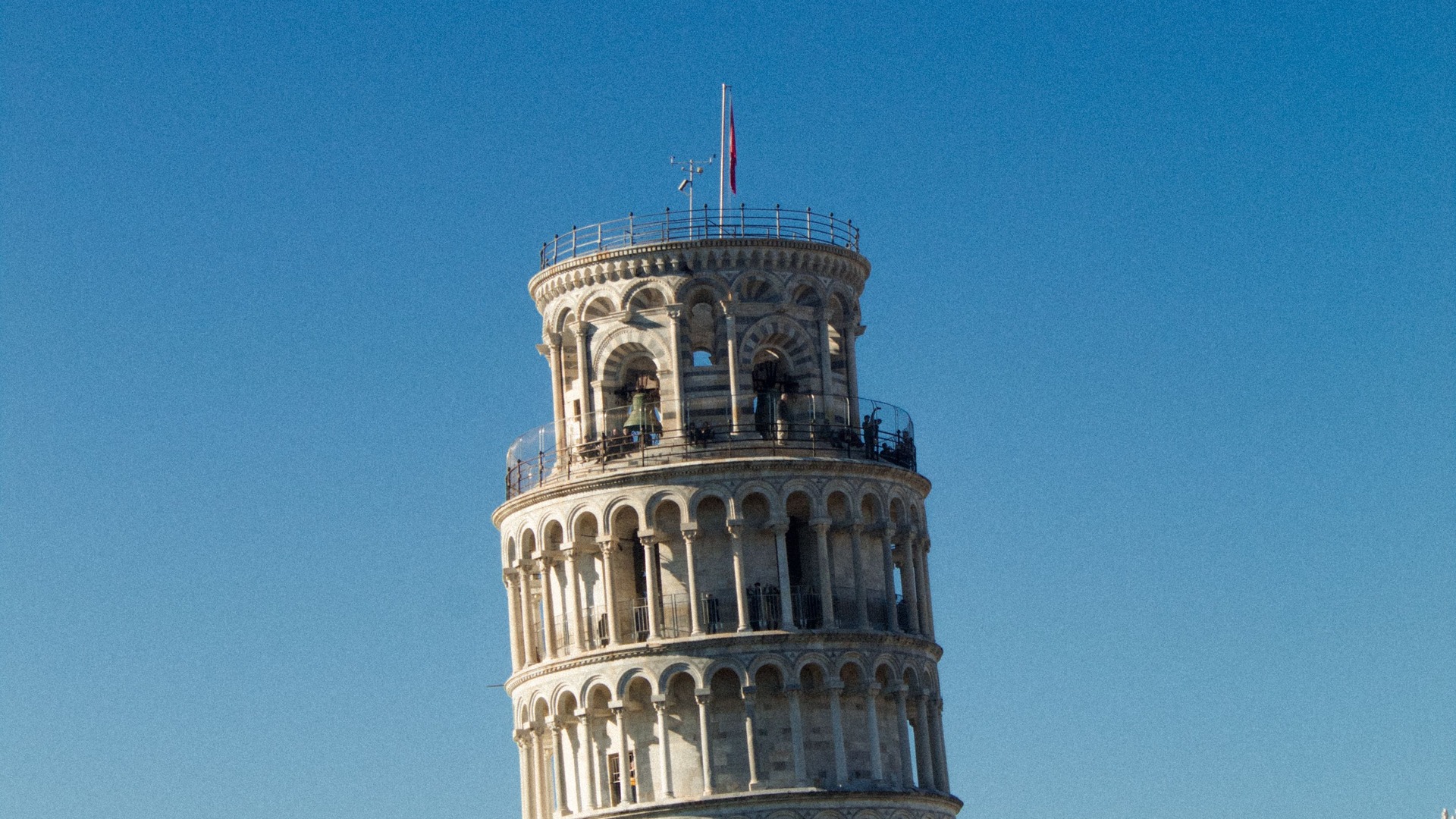
Ask most travelers what they know about Pisa and you’ll get the same answer, almost word for word: it’s the place with the leaning tower, the one everyone photographs pretending…
-
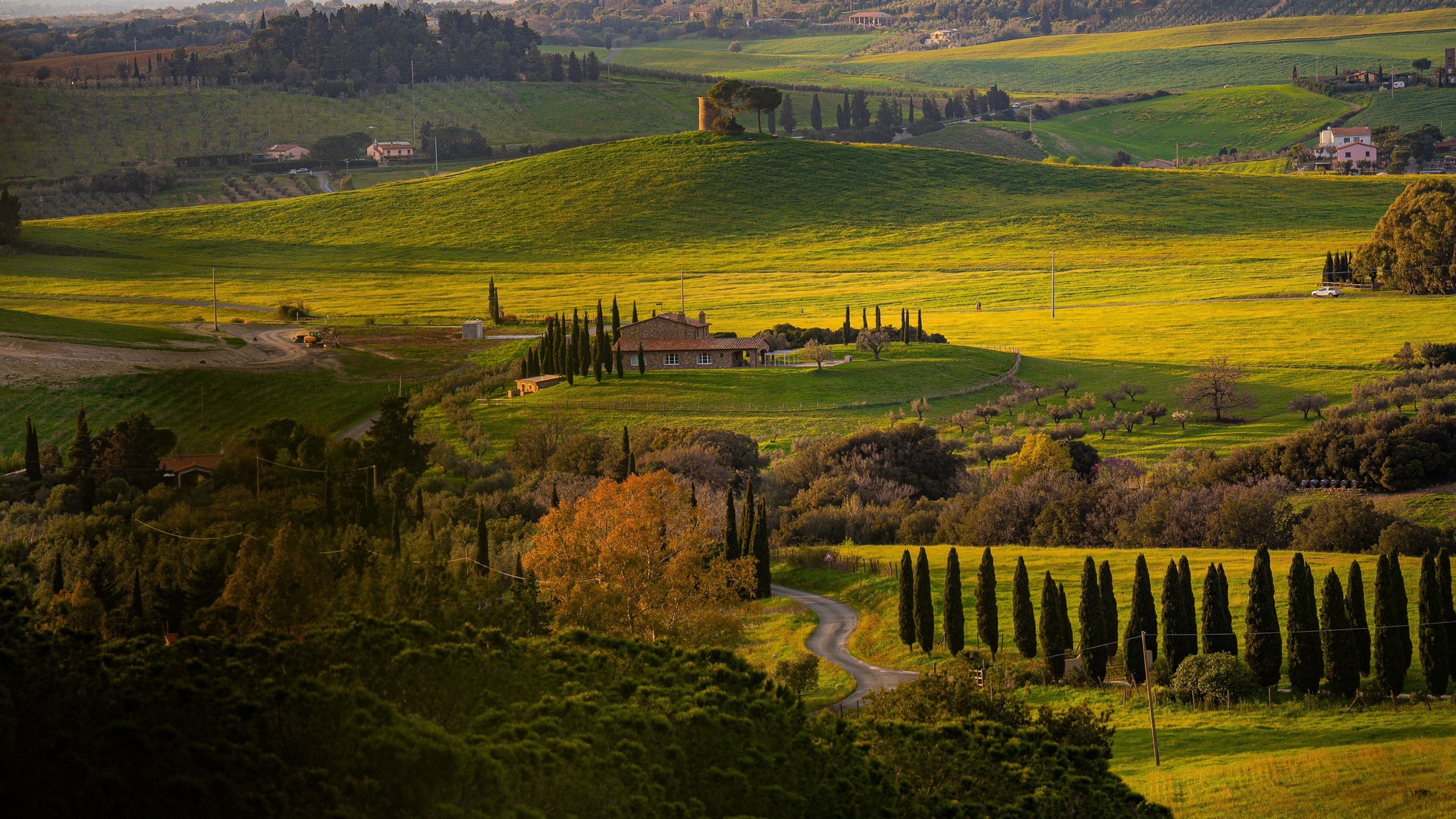
Most people planning a trip to Tuscany start with a single image in mind: a cypress-lined road, a glass of red wine, a stone farmhouse on a hill somewhere between Florence and Siena. That image isn’t wrong, but it’s incomplete.
-
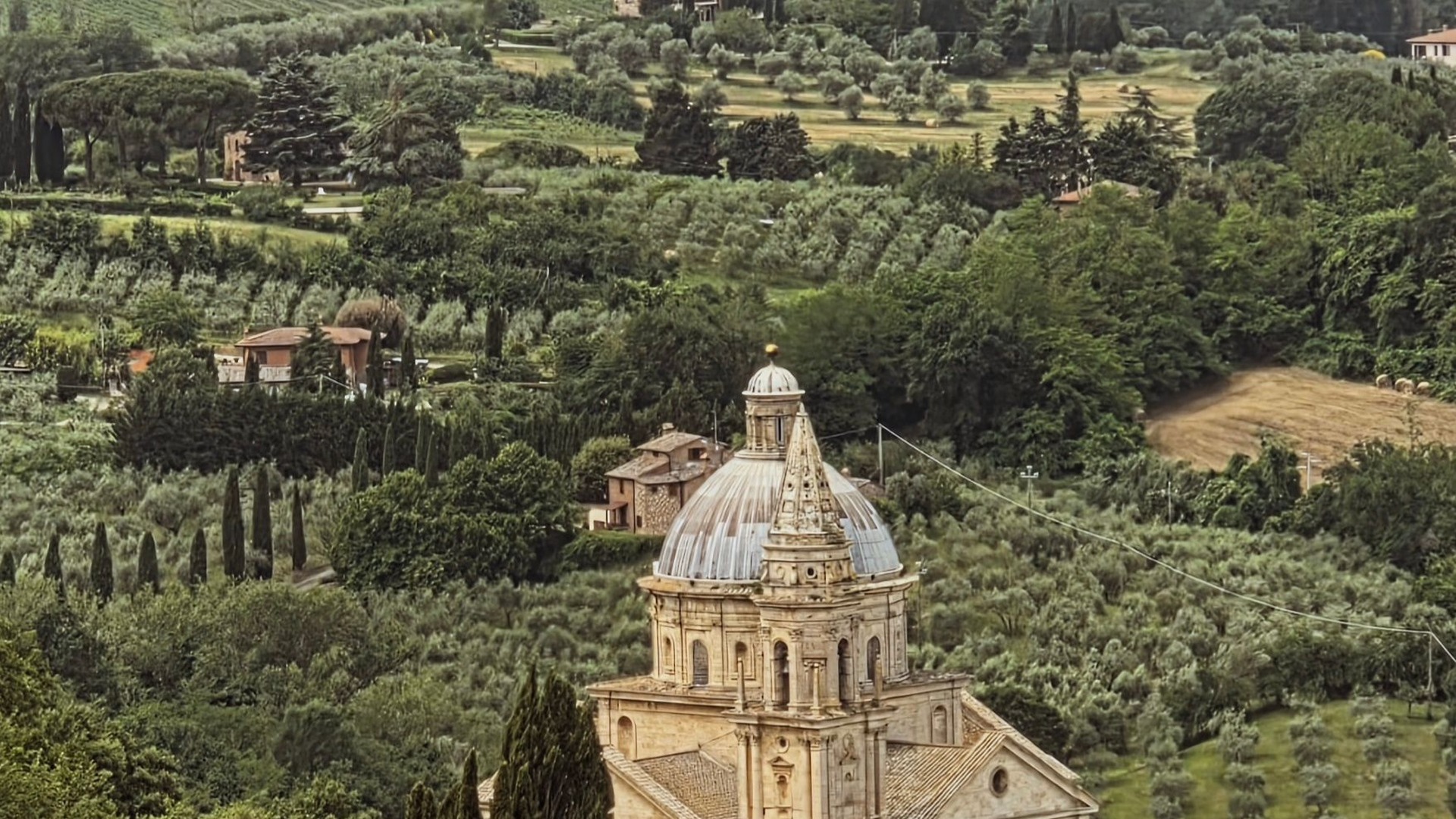
Every wine-focused corner of Tuscany seems to get slotted into a hierarchy sooner or later, and Montepulciano has spent decades sitting just below Montalcino in that pecking order — “the other big red town,” the one people visit second, after Brunello.
-
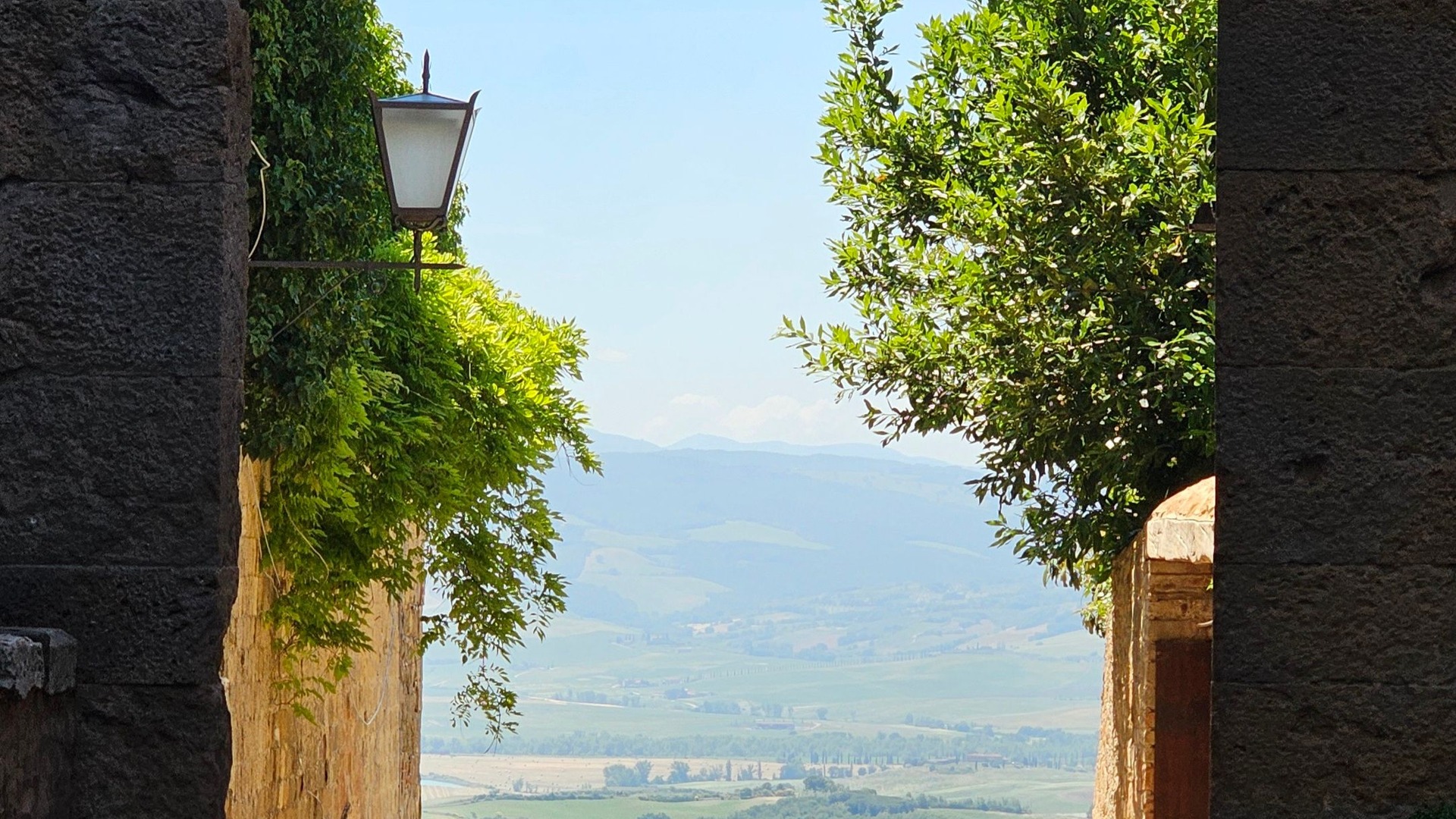
Of all the hill towns scattered across Tuscany’s wine country, Montalcino occupies a category of its own.