This post contains affiliate links. If you book through them, we may earn a small commission at no extra cost to you. Learn more.
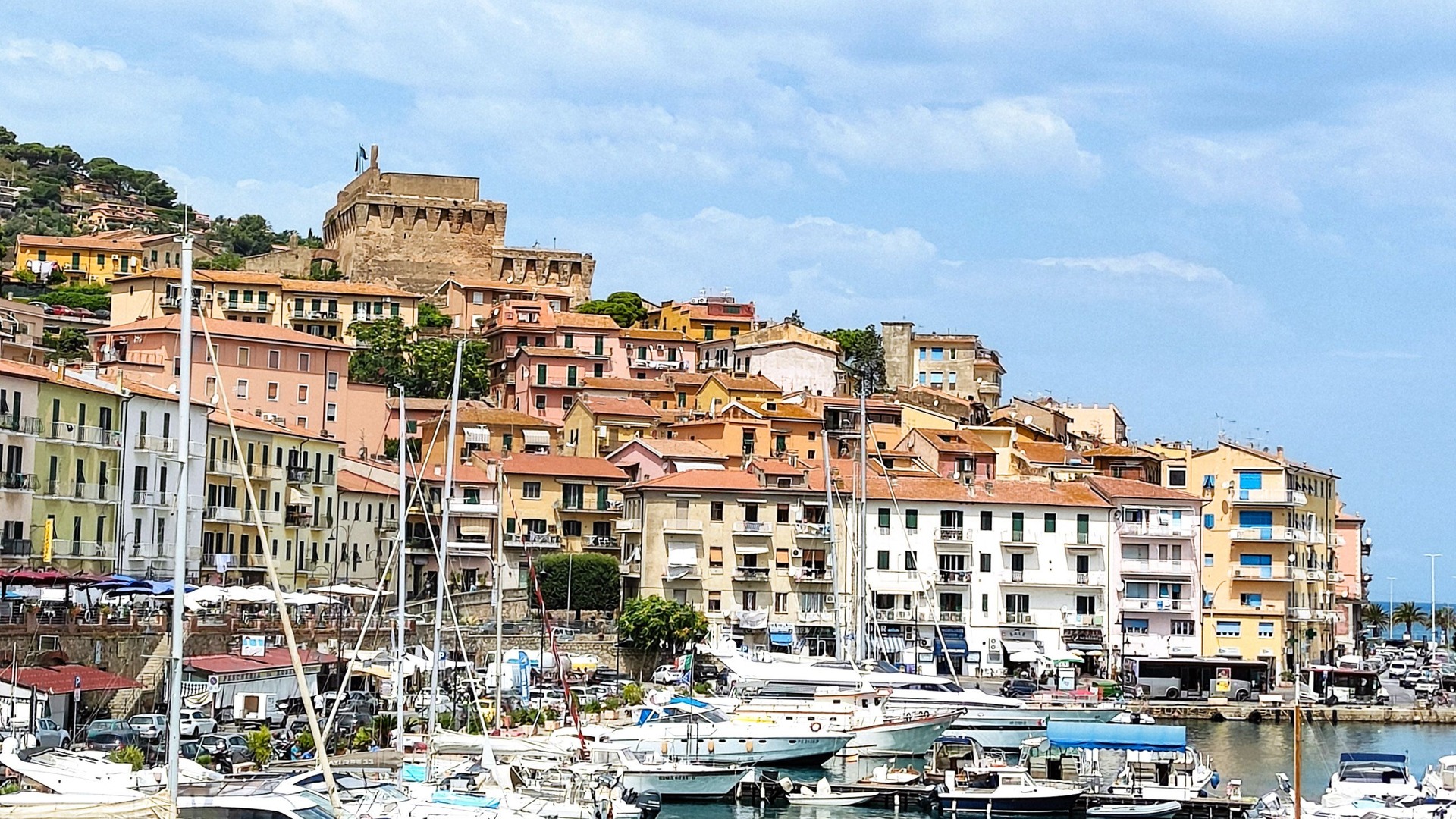
For most visitors arriving from the mainland, whether by ferry from Piombino or by boat from a marina like Scarlino, Portoferraio is the first proper look at Elba, and it makes a strong first impression. Ringed by Medici-era fortifications and stacked in tiers up a rocky promontory around one of the best natural harbors on the entire Tyrrhenian coast, the town has spent over two thousand years being fought over, fortified, and occasionally handed to exiled emperors. Here’s the history behind that fortified skyline, the landmarks worth building a day around, and what to eat while you’re at it.
Plan Your Trip
- Leaning Tower of Pisa tickets, timed entry, book ahead in summer
- Private transfer from Florence Airport, fixed price, booked in advance
- eSIM for Italy, set up before you fly
A Harbor Worth Fighting Over
Portoferraio’s name gives away its oldest economic role: it translates roughly to “iron-bearing port,” a reference to the ore mined on Elba and shipped out from here since antiquity. The Etruscans and later the Romans both worked the island’s iron deposits, and Elba’s ore is thought to have fed metalworking operations along the nearby Tuscan mainland coast for centuries, part of the same trade network that enriched Etruscan settlements like Vetulonia and Populonia across the water. The harbor’s naturally deep, well-protected bay, tucked behind a narrow promontory, made it a prized anchorage for as long as ships have sailed this stretch of the Tyrrhenian, and that same natural advantage is exactly why it eventually attracted the fortifications that still define the town today.
Control of Elba passed through a long list of hands over the centuries, Pisan, then various local lordships, then periods of Genoese and Spanish influence, the island’s strategic position making it a target for pirates and rival powers alike throughout the medieval and early modern periods. That vulnerability is precisely what prompted the transformation that gave Portoferraio its current shape.
Cosimo I and the Birth of a Fortress Town
In 1548, Cosimo I de’ Medici, Grand Duke of Tuscany, decided the existing settlement wasn’t defensible enough and essentially rebuilt the town from the ground up as a fortified stronghold, renaming it Cosmopoli in his own honor, a name that didn’t survive much beyond his lifetime but whose ambition still shows in the town’s layout. Cosimo’s military engineers designed a star-shaped fortification system anchored by two major forts, Forte Falcone and Forte Stella, positioned on high ground above the harbor to cover it from multiple angles, connected by a network of walls that still encircle the old town almost completely. The design was considered cutting-edge for its era, incorporating the angled bastion style that was replacing older medieval fortification methods across Europe at the time, and it proved effective enough that Portoferraio was never successfully taken by a hostile naval assault during the centuries that followed.
Forte Stella, the more accessible of the two forts today, offers sweeping views back over the old town’s tiered rooftops and the harbor beyond, while Forte Falcone, higher and slightly further from the town center, rewards the climb with an even broader panorama stretching along Elba’s northern coast. Both forts, along with the connecting walls, are easily explored on foot and remain the single best way to understand how deliberately, and how completely, Cosimo’s engineers reshaped this stretch of coastline.
Napoleon’s Very Small Empire
Portoferraio’s most famous chapter arrived in 1814, when Napoleon Bonaparte, defeated and forced to abdicate, was exiled to Elba by the victorious European powers, granted nominal sovereignty over the island as a face-saving consolation prize. He arrived in Portoferraio in May 1814 and spent just under ten months here before his dramatic escape and return to France for the Hundred Days that ended at Waterloo. Brief as it was, his stay left a genuine mark: Napoleon threw himself into administering the island with the same restless energy he’d applied to running an empire, overseeing road construction, agricultural reforms, and improvements to the island’s iron mining operations, evidently unwilling to treat exile as a reason to stop working.
His main residence, the Villa dei Mulini, sits within the old town’s fortified walls, built across two former windmills and offering a surprisingly personal look at Napoleon’s brief island life, including furniture, books, and personal items from his stay. A second residence, the Villa San Martino, a short distance outside town, served as his summer retreat and country estate, later expanded with an elaborate Napoleonic museum wing added by a subsequent owner. Together, the two villas make Elba one of the more unusual places in Europe to trace the life of a figure more commonly associated with Paris, Moscow, and the battlefields of the Napoleonic Wars than with a small Tyrrhenian island.
Portoferraio’s Landmarks at a Glance
| Landmark | Origin | Known For |
|---|---|---|
| Forte Falcone | 1548 onward, under Cosimo I | Highest point of the fortifications, panoramic coastal views |
| Forte Stella | 1548 onward, under Cosimo I | Star-shaped bastion overlooking the harbor and old town |
| Villa dei Mulini | Converted 1814, for Napoleon’s exile | Napoleon’s in-town residence, period furnishings |
| Villa San Martino | 1814, expanded later in the 19th century | Napoleon’s country retreat, Napoleonic museum wing |
| Old Town Harbor | Medici-era, built around a natural bay | Tiered pastel houses, waterfront dining, the modern marina |
What to Do Around Portoferraio
| Category | What to Do | Known For |
|---|---|---|
| History & Fortresses | Walk the walls, climb Forte Falcone and Forte Stella | Cosimo I’s 16th-century star-fort engineering |
| Napoleonic Sites | Villa dei Mulini and Villa San Martino | Napoleon’s ten months of exile in 1814–1815 |
| Old Town | Wander the stepped streets, harborfront dining | Pastel houses stacked above a Medici-era harbor |
| Beaches | Le Ghiaie, Capo Bianco, the coast toward Procchio | Pebble coves close to town, quieter sandy stretches further out |
| Food & Wine | Old town trattorias and bakeries | Gurguglione stew, schiaccia briaca cake, Aleatico dell’Elba wine |
| Industrial Heritage | Rio nell’Elba’s old mining sites | Centuries of Etruscan-to-modern iron mining |
| Day Trips | Marciana Marina, Marciana, the Monte Capanne cable car | Elba’s highest peak and views to Corsica |
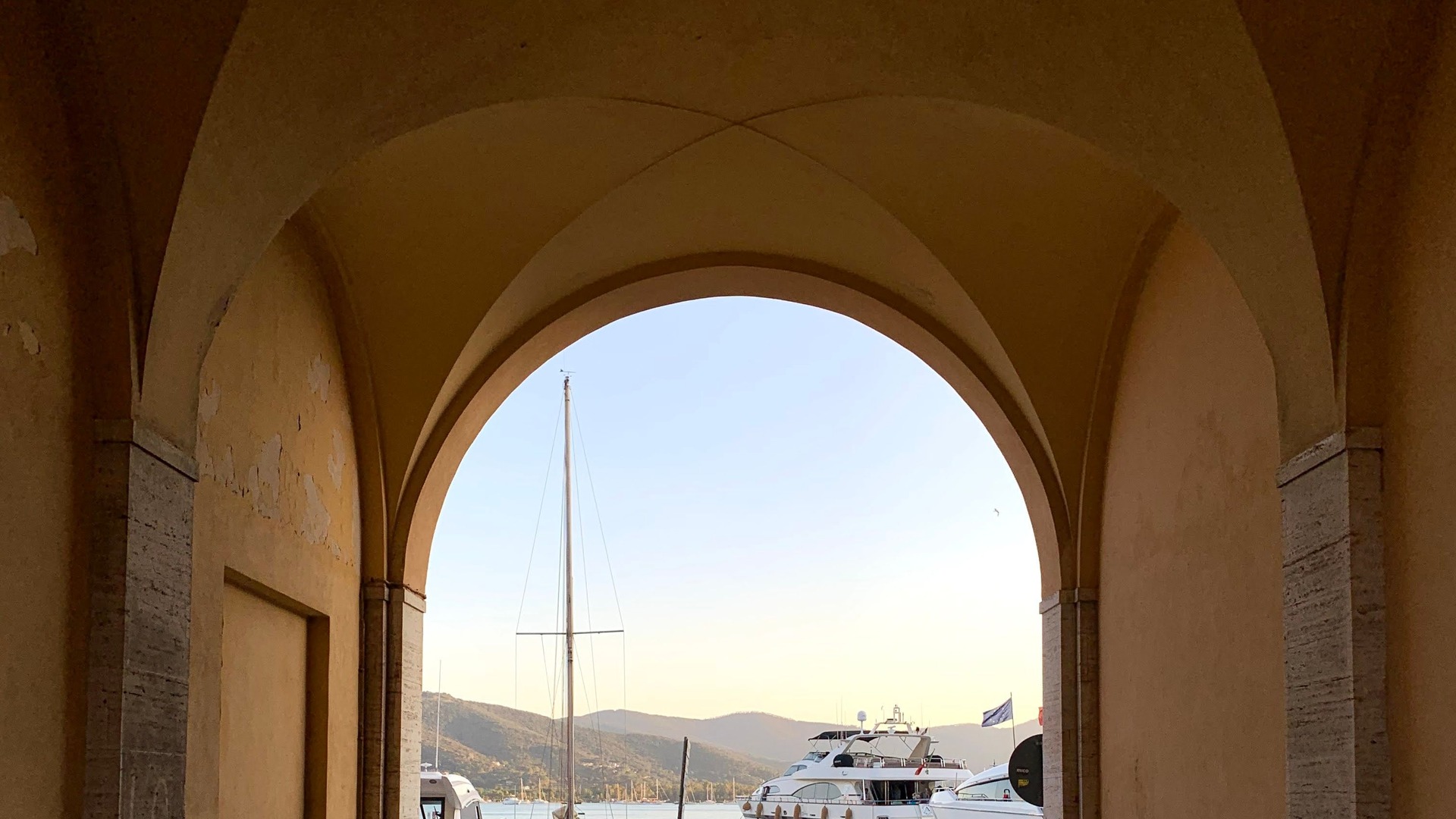
| Boating | Arrive by yacht, tender out to nearby coves | A short, well-sheltered crossing from Marina di Scarlino |
Walking the Old Town
Below the forts, Portoferraio’s old town is a tight stack of narrow stepped streets and pastel-colored houses rising directly from the harborfront, small enough to explore thoroughly in a few unhurried hours. The Chiesa della Misericordia, holding a bronze death mask of Napoleon among its collection, and the small Pinacoteca Foresiana art gallery both offer worthwhile stops for anyone spending a full day here rather than just passing through, while the harborfront itself, lined with restaurants and cafés looking out over the boats in the marina, is simply one of the more pleasant places on the island to end an evening regardless of what else the day included.
Just outside the old walls, the newer part of town spreads out along the wider bay, considerably less picturesque but home to most of the practical infrastructure, supermarkets, car rental offices, and the ferry terminal, that visitors arriving without their own boat will need to make use of at some point during a stay.
Beyond the Villas: Napoleon’s Wider Footprint on Elba
Napoleon’s ten months on Elba left marks well beyond his two residences in and around Portoferraio. He reorganized the island’s modest administrative structure, pushed through improvements to roads connecting Portoferraio to the island’s interior, and took a personal interest in modernizing the iron mining operations that had defined the island’s economy since Etruscan times, reportedly inspecting the mines himself on more than one occasion. He also assembled a small private navy and a token garrison of loyal troops who had followed him into exile, an oddly earnest military buildup for an island of Elba’s modest size, and one that ultimately provided just enough cover for his escape back to the French mainland in February 1815. Traces of this brief but intensive administrative burst still surface around the island in the form of place names, a handful of surviving infrastructure projects, and the general local pride Elba still takes in having briefly hosted, and been genuinely improved by, one of the 19th century’s most consequential figures.
Day Trips From Portoferraio
Portoferraio’s central position on Elba’s northern coast makes it a workable base for exploring considerably more of the island than the old town and its immediate beaches. Rio nell’Elba and the abandoned mining areas to the east offer a look at the more industrial side of the island’s iron-mining history, with old shafts and processing sites now partly open to visitors as an informal industrial heritage trail. To the west, the fishing village of Marciana Marina and the hilltop town of Marciana itself, backed by Monte Capanne, Elba’s highest peak, offer a quieter, greener contrast to Portoferraio’s fortress-town character, with a cable car near Marciana carrying visitors up toward the summit for a view that takes in most of the island and, on a clear day, the Tuscan mainland and Corsica both at once.
What to Eat in Portoferraio
Elban cuisine draws on both its mining and fishing heritage, and Portoferraio’s restaurants generally offer the widest selection on the island of both traditions side by side. Gurguglione, a rustic vegetable stew built from peppers, eggplant, zucchini, and tomatoes, traces back to the island’s mining communities, who needed filling, inexpensive dishes that could be made from whatever the summer garden produced. Seafood, unsurprisingly, dominates elsewhere on the menu, with local catch showing up in simply grilled preparations or folded into pasta dishes built around whatever came in that morning.
On the sweeter side, schiaccia briaca, a dense, dark cake studded with dried fruit, nuts, and a generous dose of the local Aleatico wine that gives it its name, meaning roughly “drunken flatbread,” is Elba’s signature dessert and worth seeking out at a bakery in the old town rather than a tourist-facing restaurant. That same Aleatico dell’Elba, a sweet, aromatic red wine made from a grape variety grown on the island for centuries, holds its own DOCG designation and pairs naturally with the cake it flavors, one of the more distinctive small-production wines anywhere on the Tuscan coast or its islands.
Beaches Around Portoferraio
While Portoferraio itself is more historic town than beach resort, several well-regarded beaches sit within easy reach along the surrounding coastline. Le Ghiaie, a short walk from the old town, offers a convenient, if often crowded, stretch of pale pebble beach directly beneath the fortifications, while Capo Bianco and the coastline stretching west toward Procchio offer a quieter, more classically Mediterranean stretch of coves and clear water for anyone willing to drive a little further out of town.
Best Time to Visit
Late spring through June and again in September offer the most comfortable balance of warm weather and manageable crowds, avoiding both the packed ferries and fully booked accommodation of peak Italian holiday season in July and August. Given how central Portoferraio’s ferry terminal is to reaching the rest of the island, visiting during the shoulder season also means considerably shorter waits for both foot passengers and vehicles making the crossing from Piombino.
Getting Here and Combining With the Rest of the Coast
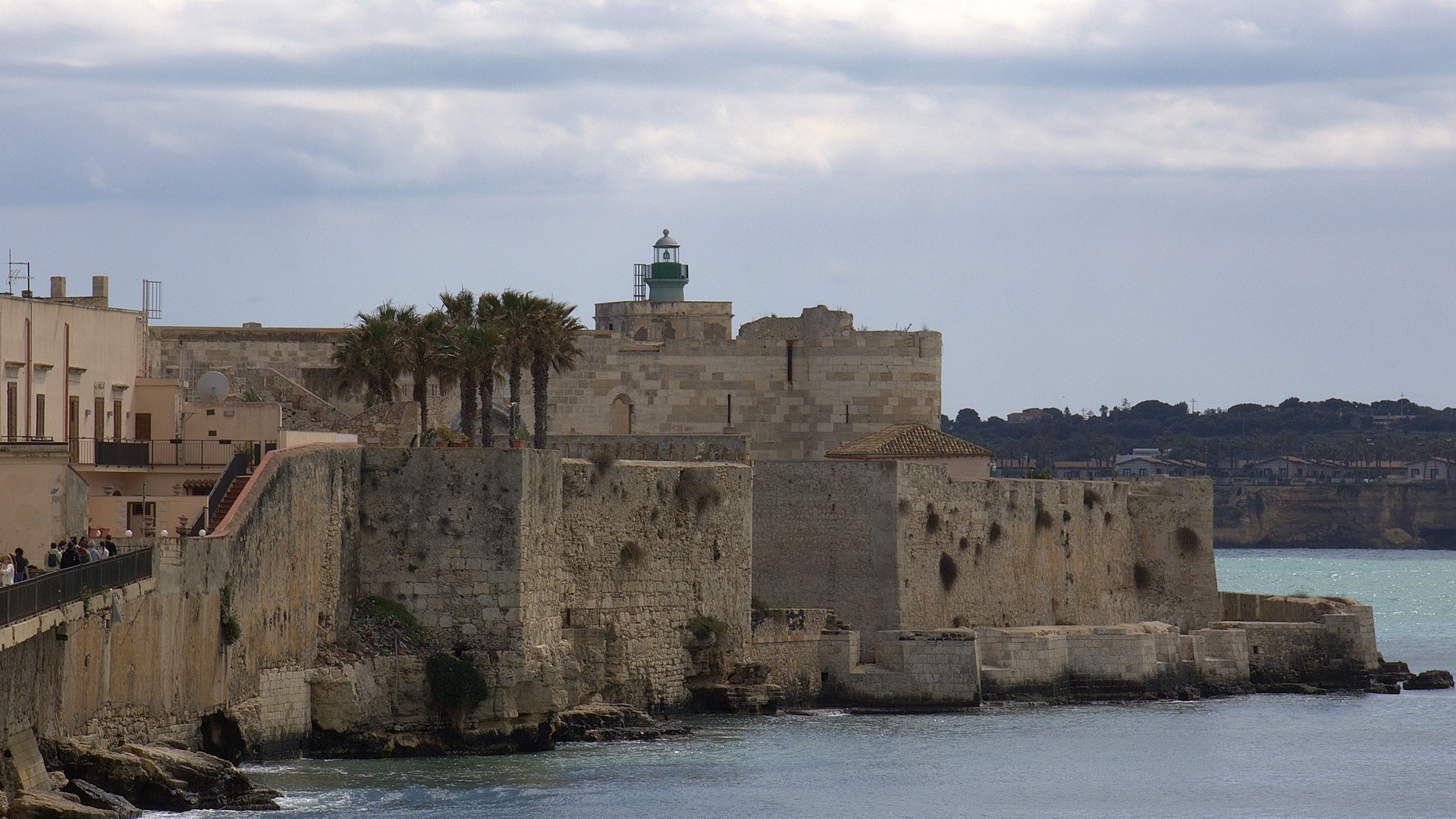
Most visitors reach Portoferraio either by ferry from Piombino, a crossing of roughly an hour, or by boat directly from the Tuscan mainland, with Marina di Scarlino standing out as one of the most convenient departure points on the entire coast given its short run across to the island. For anyone building a longer trip around Mediterranean anchorages more broadly, it’s worth noting that Elba’s rugged, cove-studded coastline shares a certain family resemblance with some of the best swimming and boating spots covered in our guide to Sicily’s best bays and coves, albeit considerably closer to the Tuscan mainland for anyone whose itinerary doesn’t stretch as far south as Sicily itself.
Where to Stay: compare hotels and current prices in Portoferraio on Trip.com.
The Takeaway
Portoferraio packs an unusual amount of history into a genuinely small footprint: Etruscan iron trade, one of Cosimo I’s most ambitious fortress-building projects, and a few unlikely months as the seat of Napoleon’s very reduced empire, all layered into a town that’s still, at heart, a working harbor with a good bakery and a better view. Give it a full day at minimum, ideally an overnight, and it becomes clear why so many visitors arriving for a quick ferry stopover end up staying considerably longer than they planned.