Category: Wine & Fine Dining
-
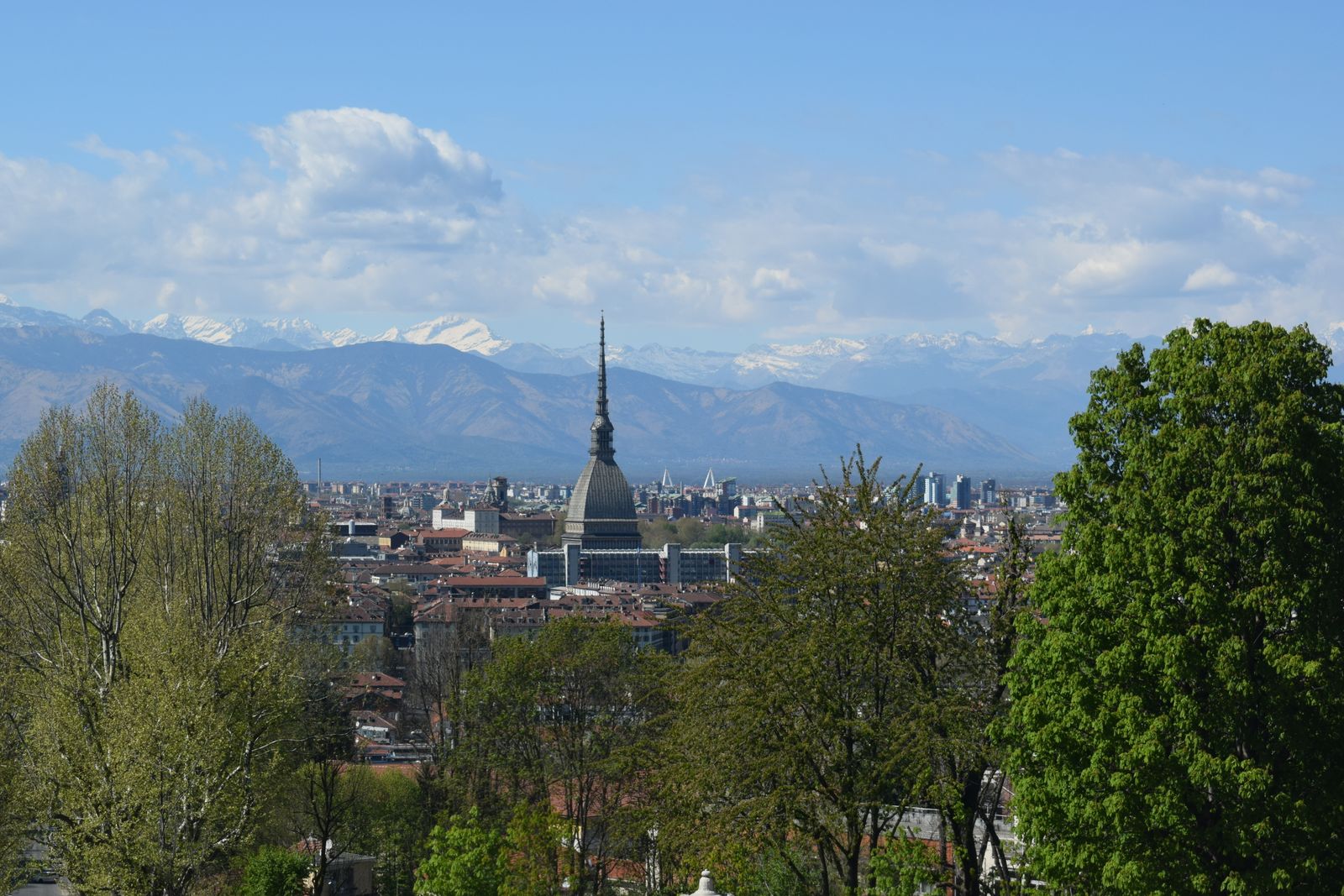
A food lover’s guide to Turin: vermouth and aperitivo, bicerin and gianduja chocolate, historic cafés, Porta Palazzo market, food tours and a day in Barolo country.
-
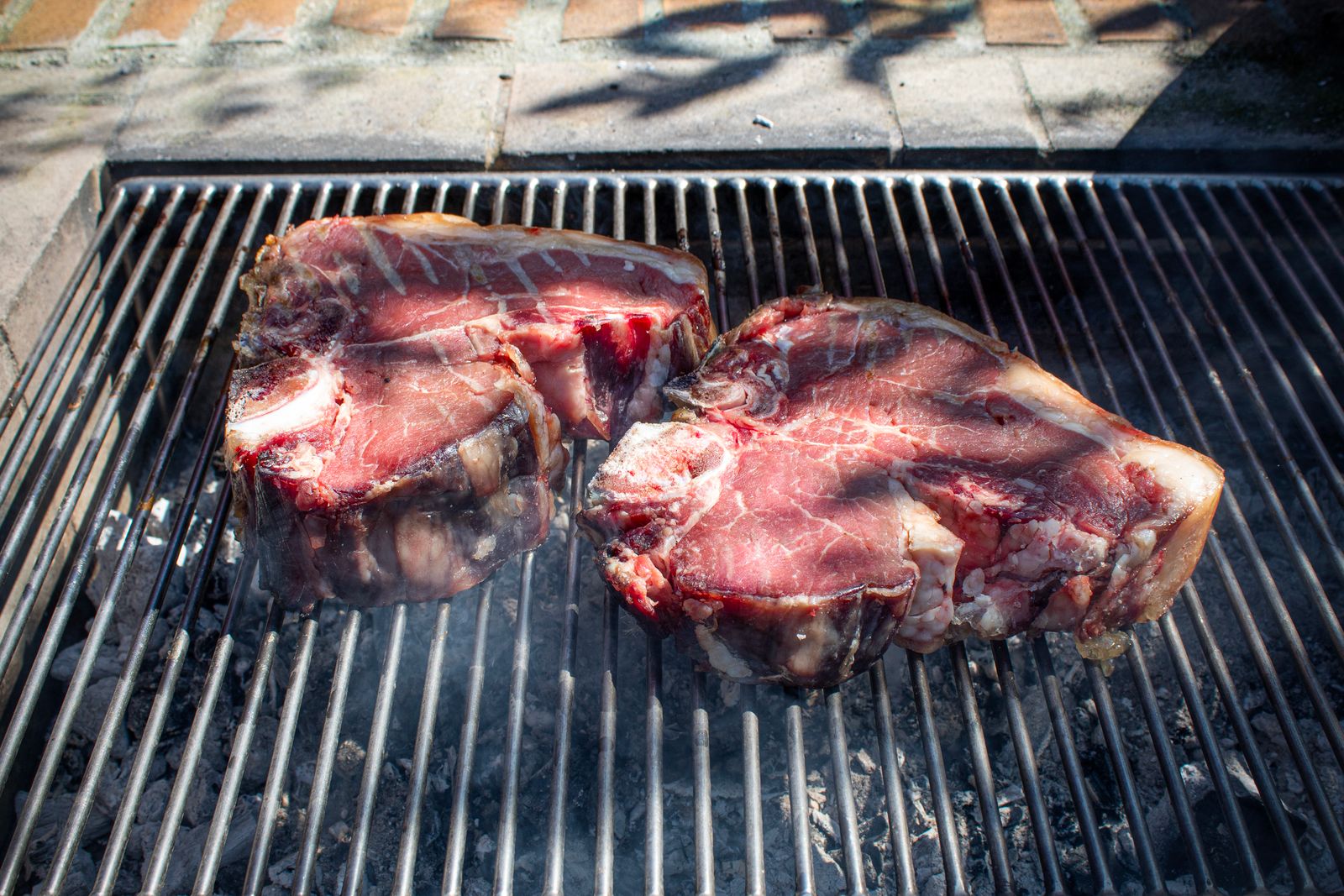
A food lover’s guide to Florence: bistecca alla fiorentina, lampredotto, ribollita, the markets, gelato, wine windows, fine dining and the best cooking classes.
-

Marsala wine, the salt pans of the Stagnone lagoon, the Phoenician island of Mozia, Erice and Segesta: a wine lover’s guide to the far west of Sicily.
-
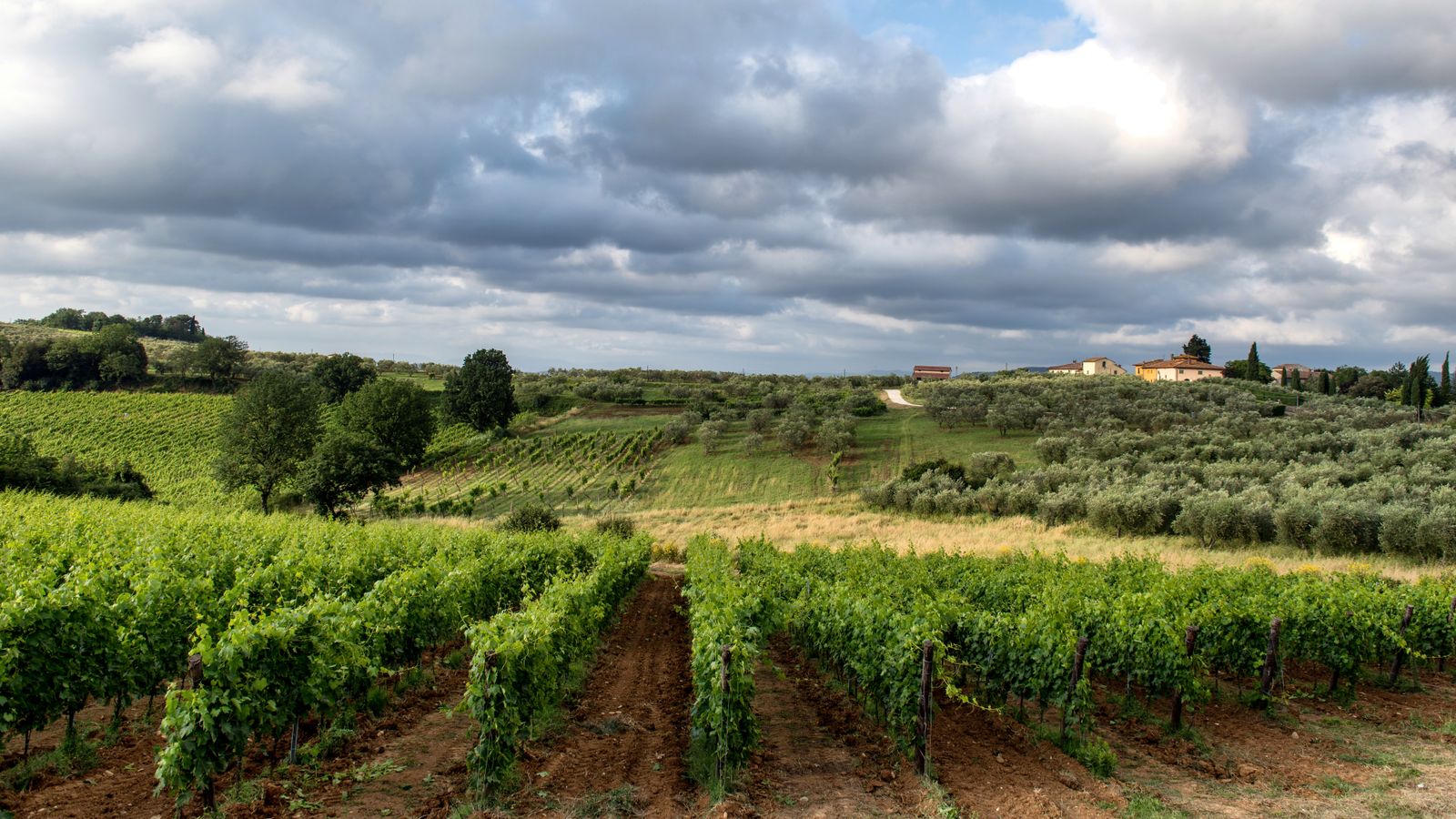
Four wine tours from Florence compared: two afternoon tours in Chianti, a full day in Montalcino, Pienza and Montepulciano with Brunello and Vino Nobile tastings, and a day trip to Siena, San Gimignano and Pisa with lunch at a winery.
-

How to visit Mount Etna for wine: what makes Etna Rosso and Etna Bianco different, which slope to taste on, and how to choose between a combined volcano and winery tour, a tour from Taormina or visiting wineries on your own.
-
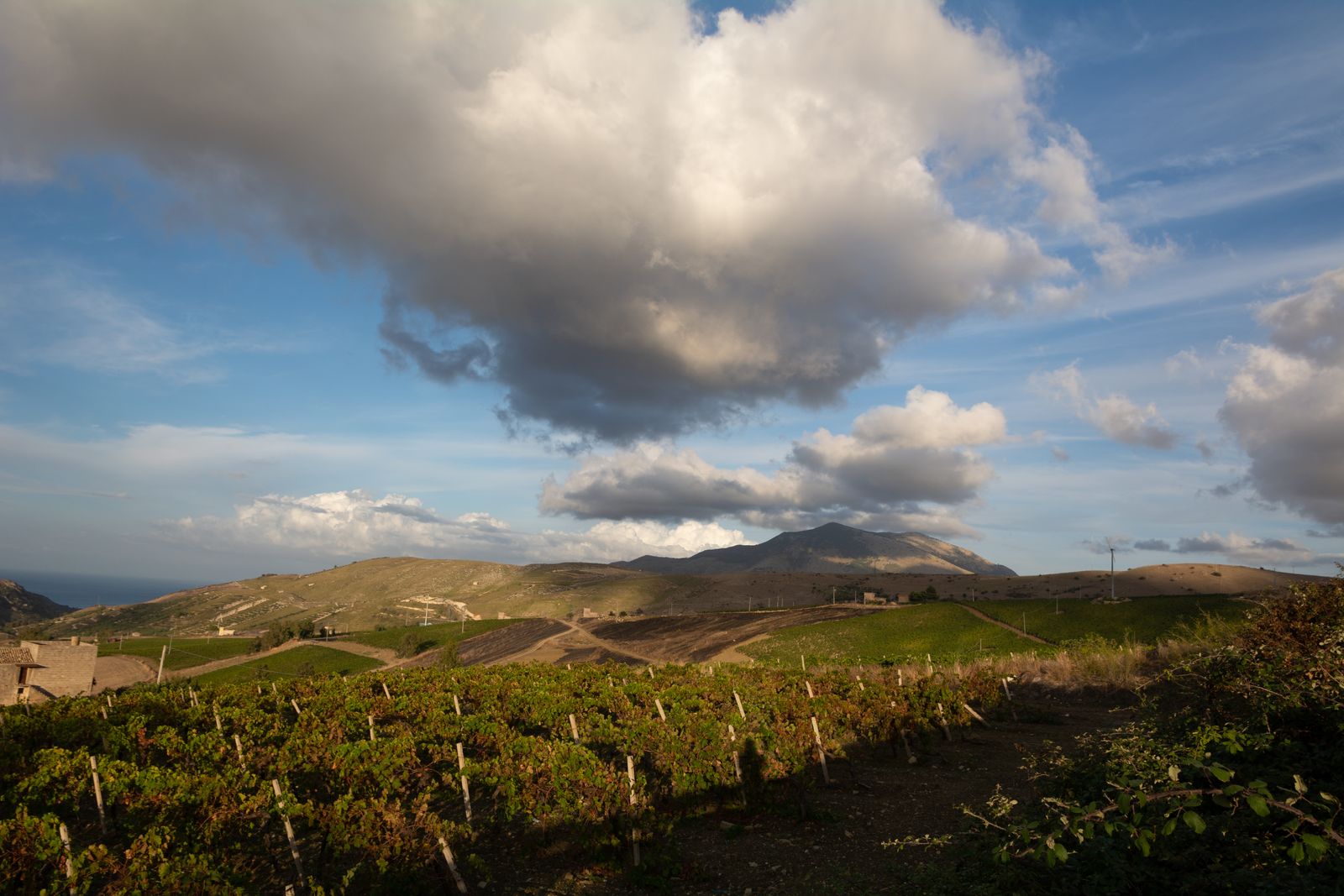
A guide to Sicilian wine: Etna’s volcanic reds and whites, Nero d’Avola and Cerasuolo di Vittoria, the revival of Marsala, Passito di Pantelleria and Malvasia, plus how to visit wineries and book tastings.
-
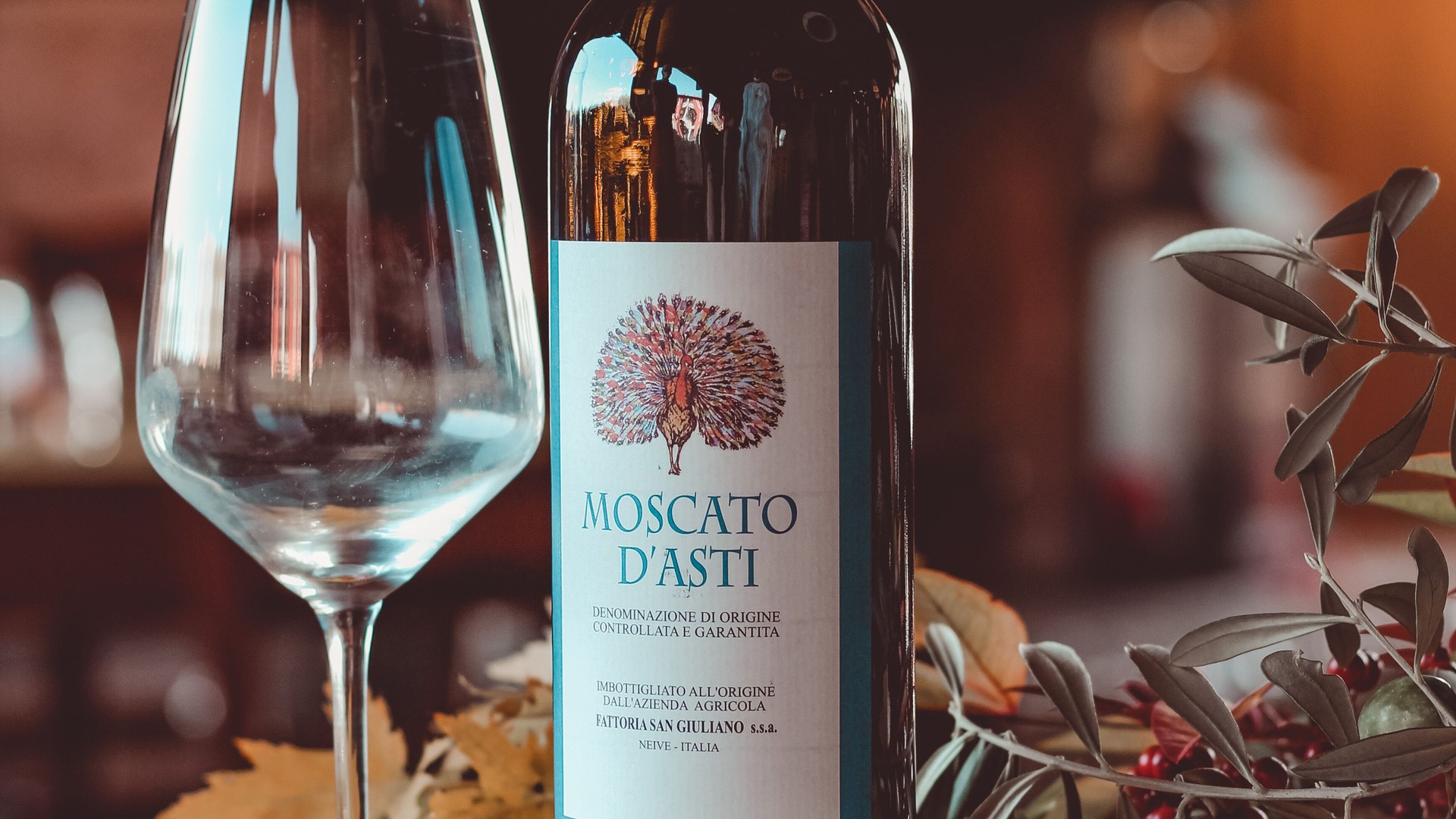
Moscato d’Asti occupies an unusual position in the Italian wine world: it’s simultaneously one of the country’s most exported and best-loved wines internationally and one of the most misunderstood by…
-
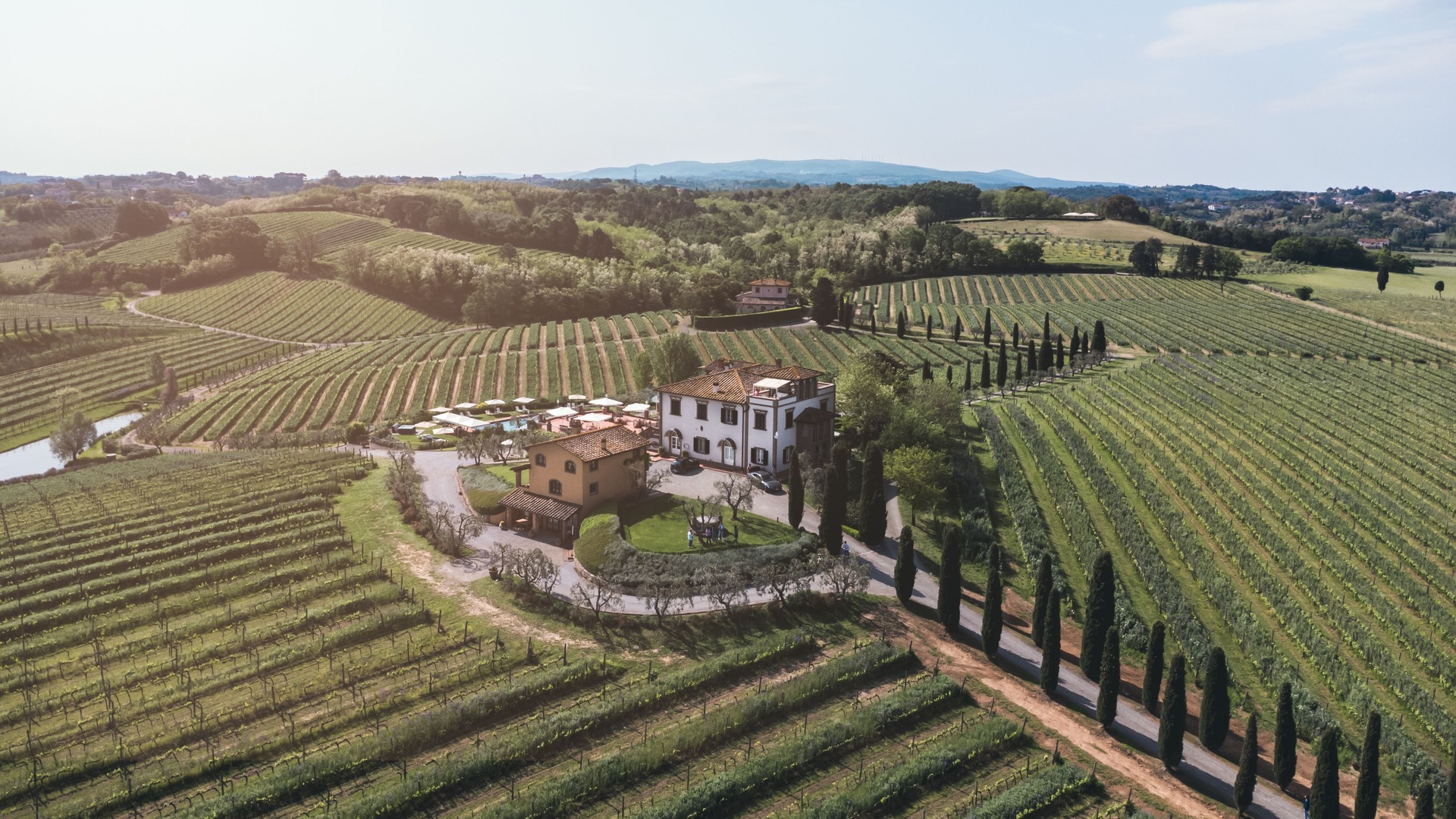
Cross from Emilia into Romagna, roughly the stretch of territory east of Bologna running toward Ravenna and Rimini, and the region’s wine story shifts noticeably away from Lambrusco’s sparkling…
-
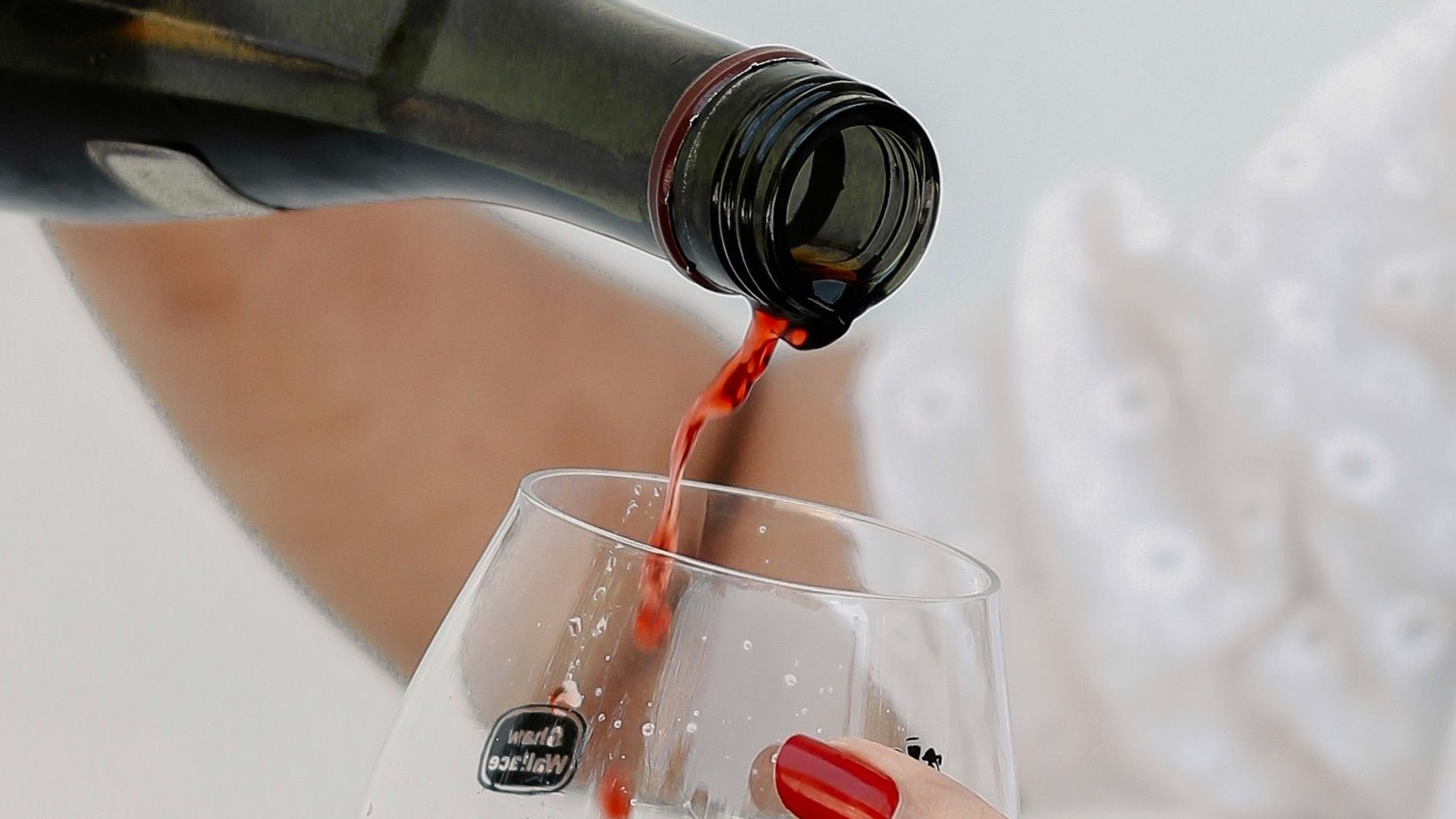
Ask most wine drinkers outside Italy to name a wine from Emilia-Romagna and, if they can name one at all, it’s usually Lambrusco, and usually the wrong version of it.
-
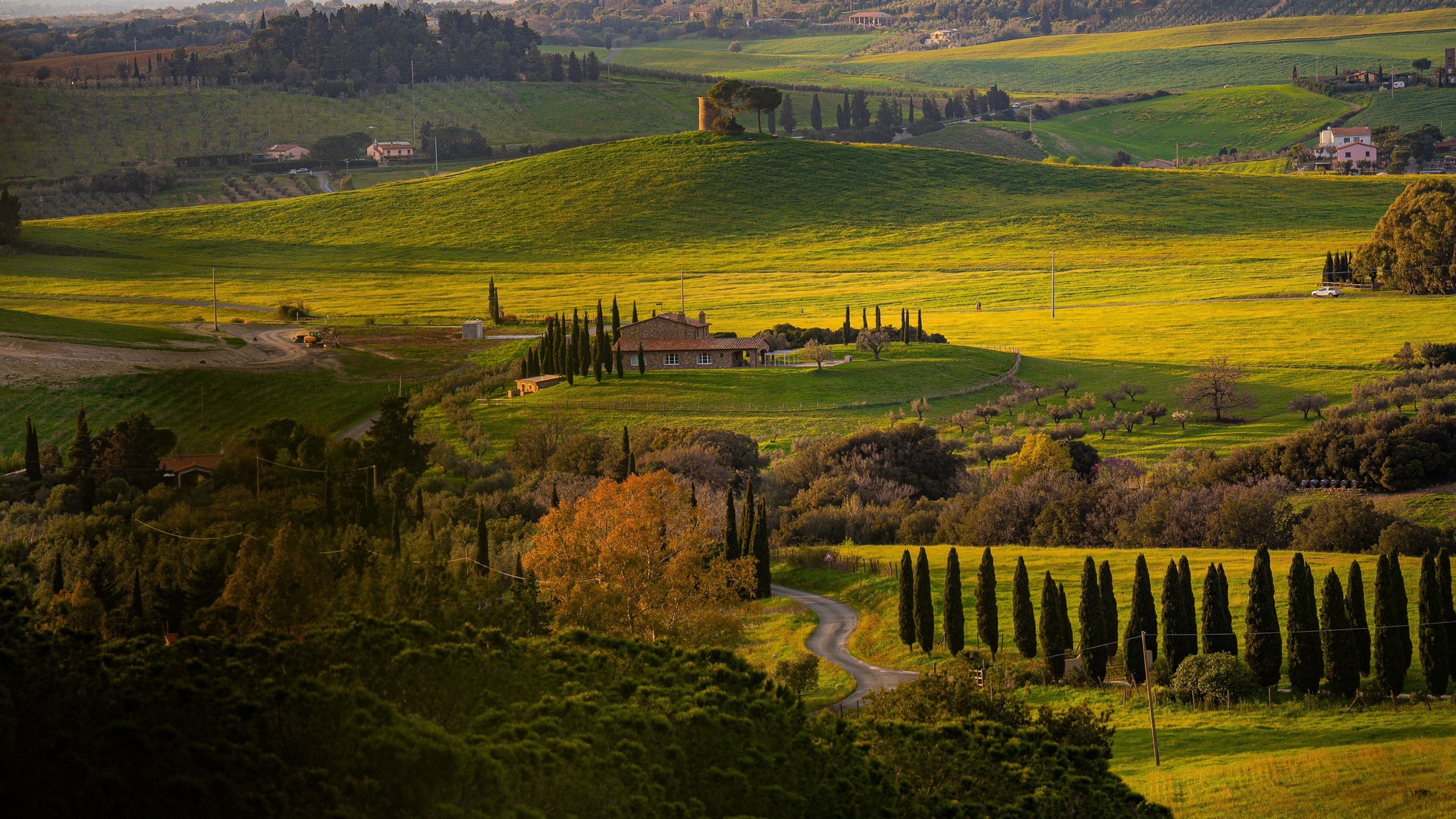
Most people planning a trip to Tuscany start with a single image in mind: a cypress-lined road, a glass of red wine, a stone farmhouse on a hill somewhere between Florence and Siena. That image isn’t wrong, but it’s incomplete.