
Category: Wine & Fine Dining
-
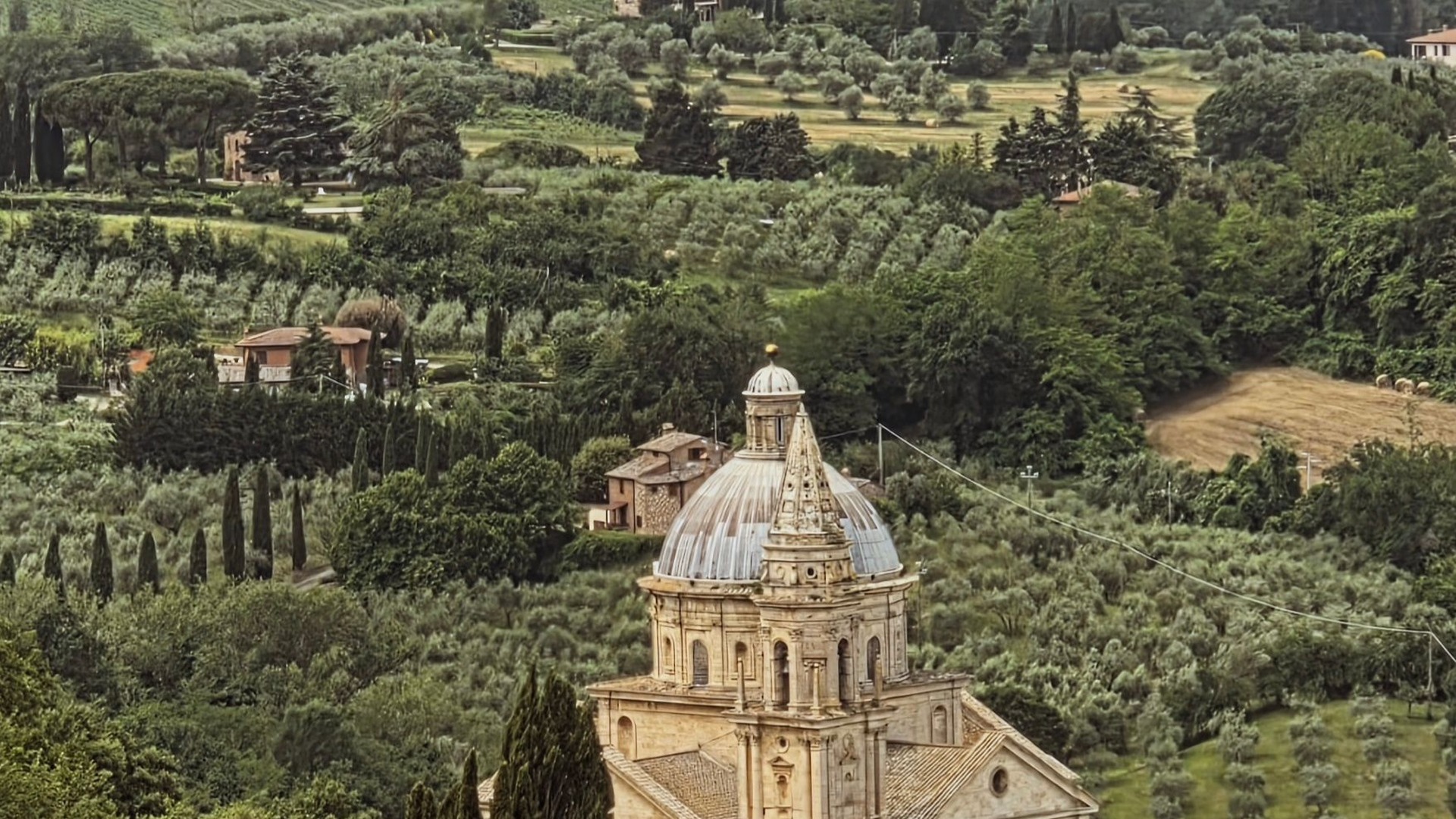
Every wine-focused corner of Tuscany seems to get slotted into a hierarchy sooner or later, and Montepulciano has spent decades sitting just below Montalcino in that pecking order — “the other big red town,” the one people visit second, after Brunello.
-
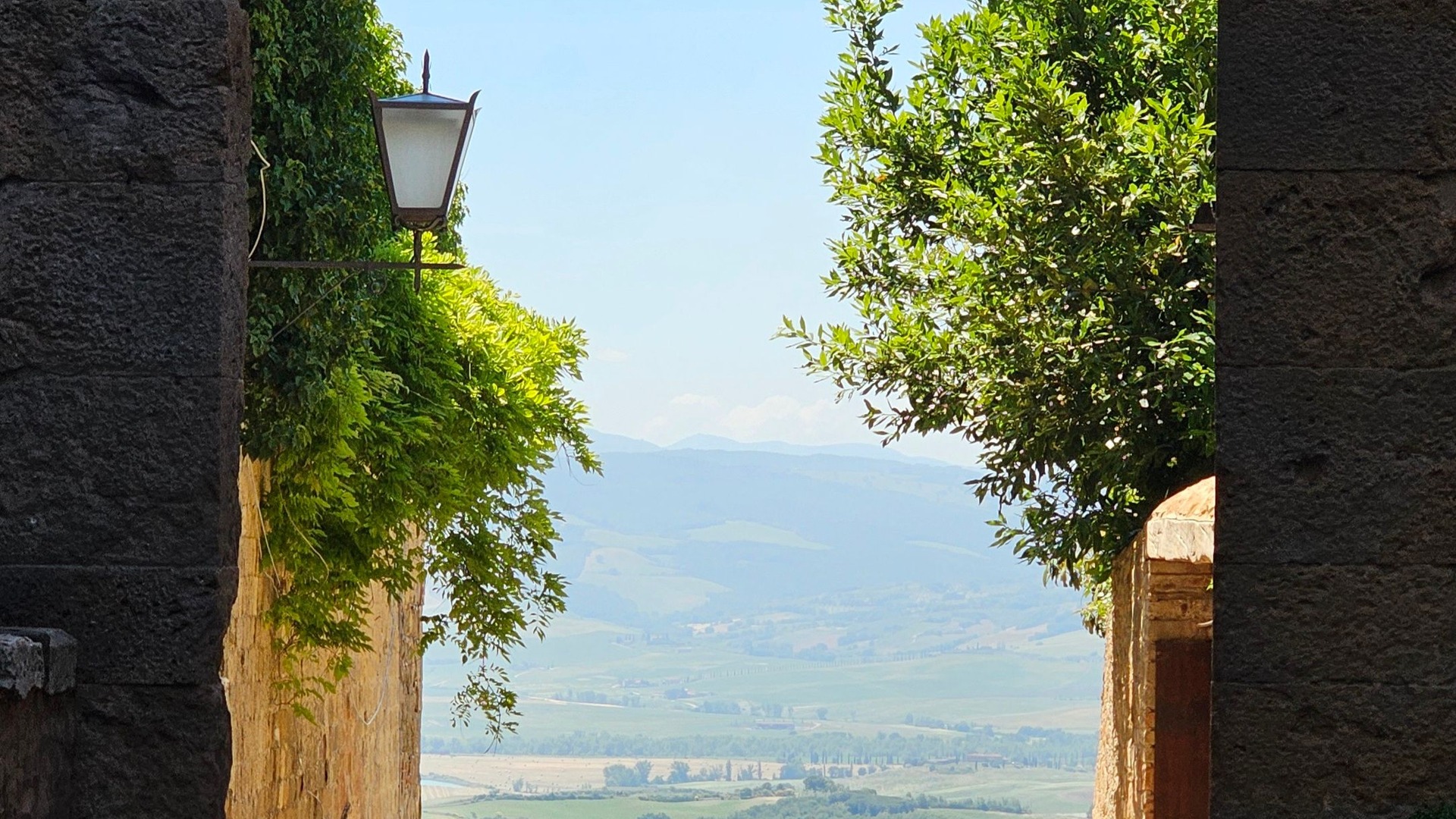
Of all the hill towns scattered across Tuscany’s wine country, Montalcino occupies a category of its own.
-
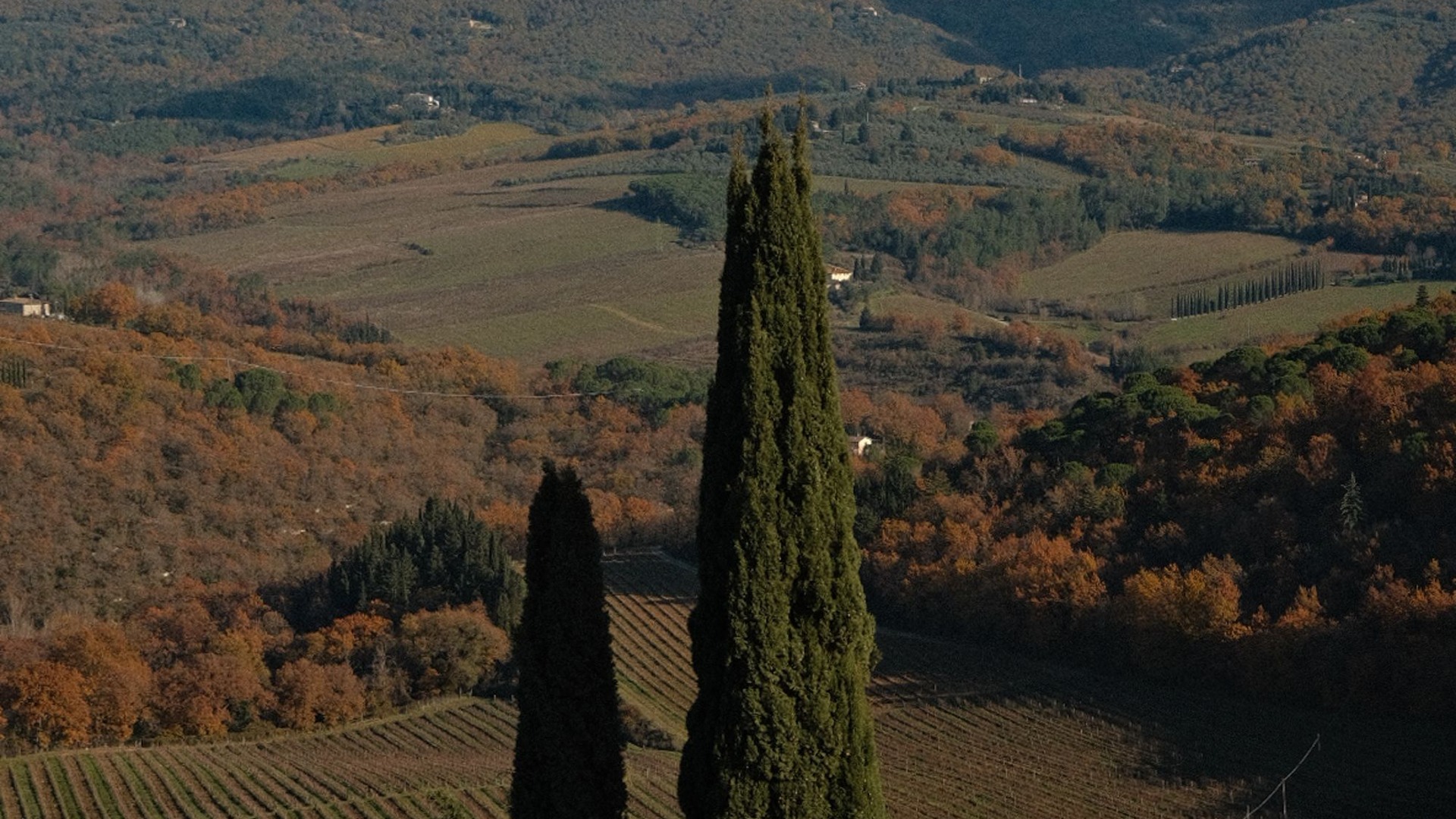
Ask a wine-focused traveler about Chianti and nine times out of ten they mean Chianti Classico, the famous black-rooster zone stretching between Florence and Siena. Fair enough — it earns the attention.
-
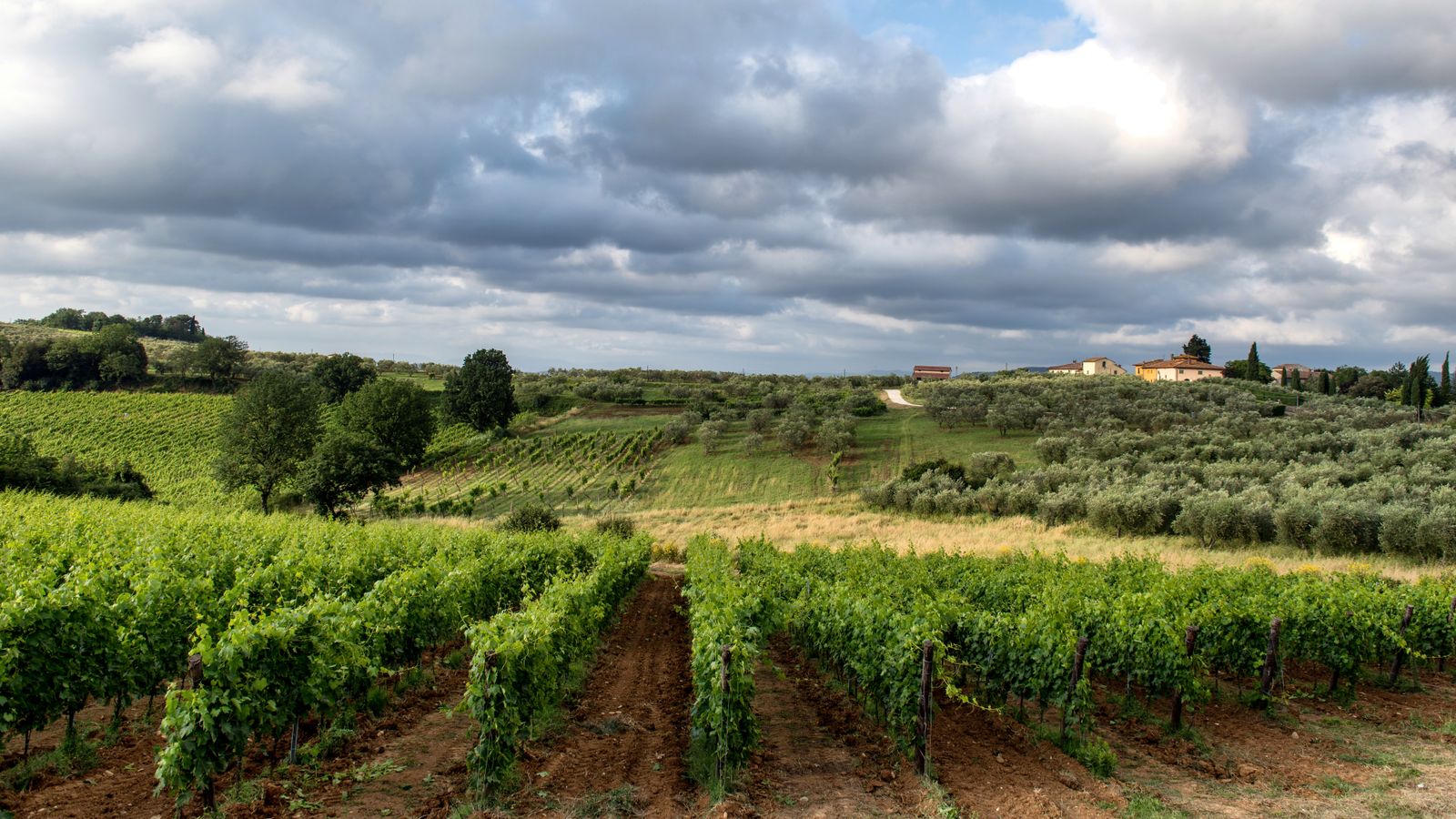
Say the word “Chianti” to most travelers and you’ll get a vague image: a straw-wrapped bottle on a red-checkered tablecloth, maybe a rooster logo they half-remember from a wine list.
-
Florence does not produce wine. It does something more interesting — it collects the finest bottles from the hills, valleys, and coastline that surround it, and offers them to anyone who knows where to look.
-
Italy is the most complex wine country on earth. It has 20 administrative regions, 341 DOC designations and 79 DOCG wines as of 2026 (the highest quality tier) and over 500 indigenous grape varieties found nowhere else in the world.
-

Lake Como from the water is one thing. Lake Como from above is another entirely. The mountains, the villas, the villages arranged along the shoreline, the deep blue-green of the…
-

Lake Como has a reputation problem when it comes to food. Travelers arrive expecting mediocre tourist menus and overpriced pasta with a view — and in the most crowded spots on the most crowded days, that is exactly what they find.
-

Most visitors to Lake Como come for the villas, the hotels, and the views. The serious traveler comes also for the wine.