
Tag: Florence
-
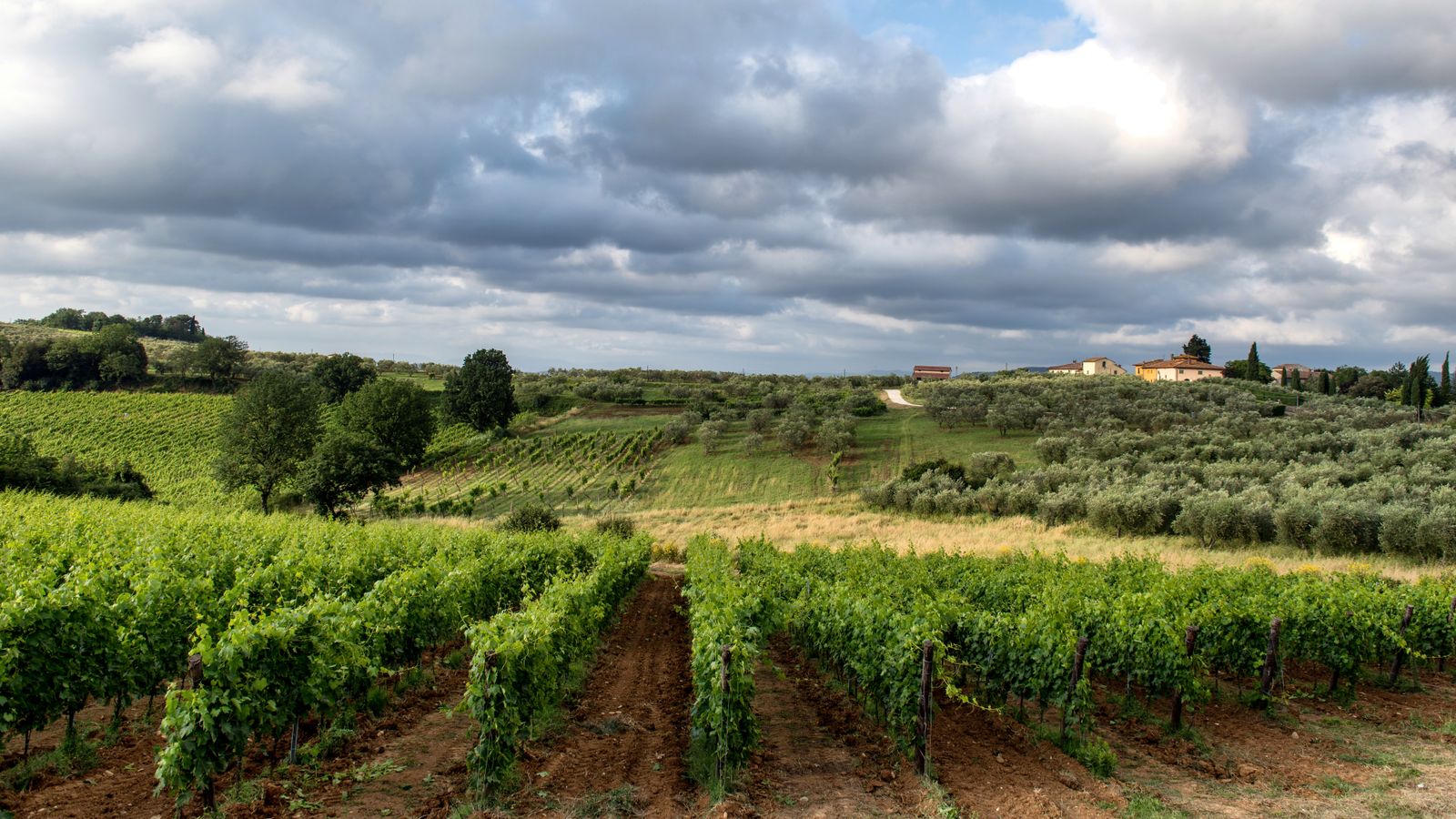
Say the word “Chianti” to most travelers and you’ll get a vague image: a straw-wrapped bottle on a red-checkered tablecloth, maybe a rooster logo they half-remember from a wine list.
-
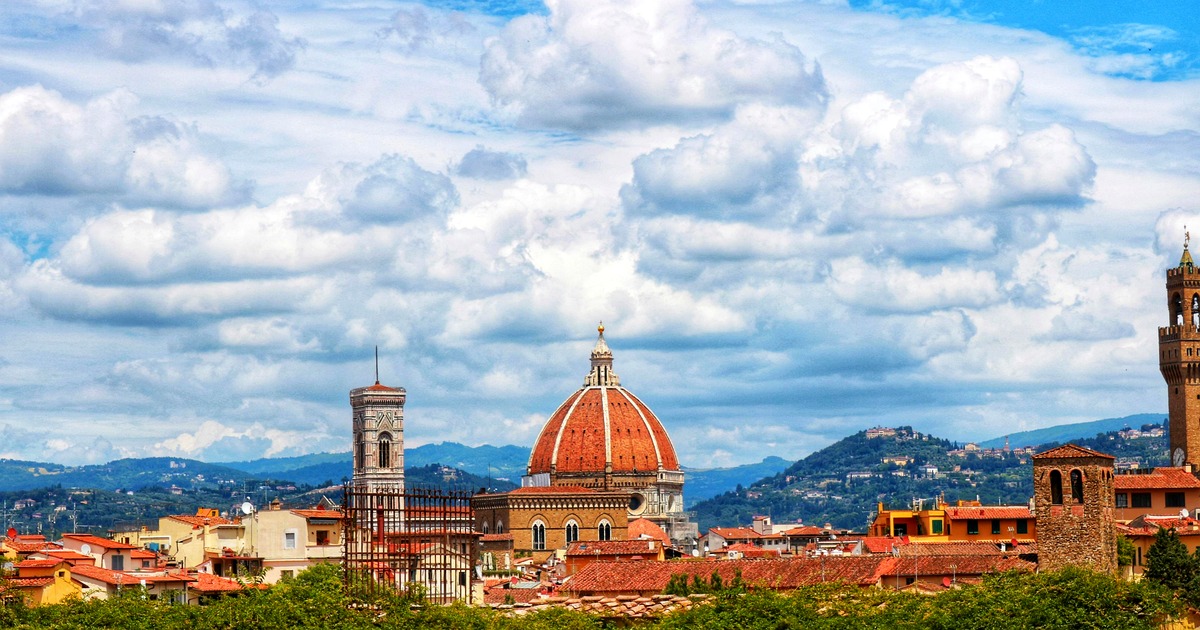
Florence does not reward rushing. It rewards the traveller who understands that this city operates on its own temporal logic — one measured not in tourist checklists, but in the…
-
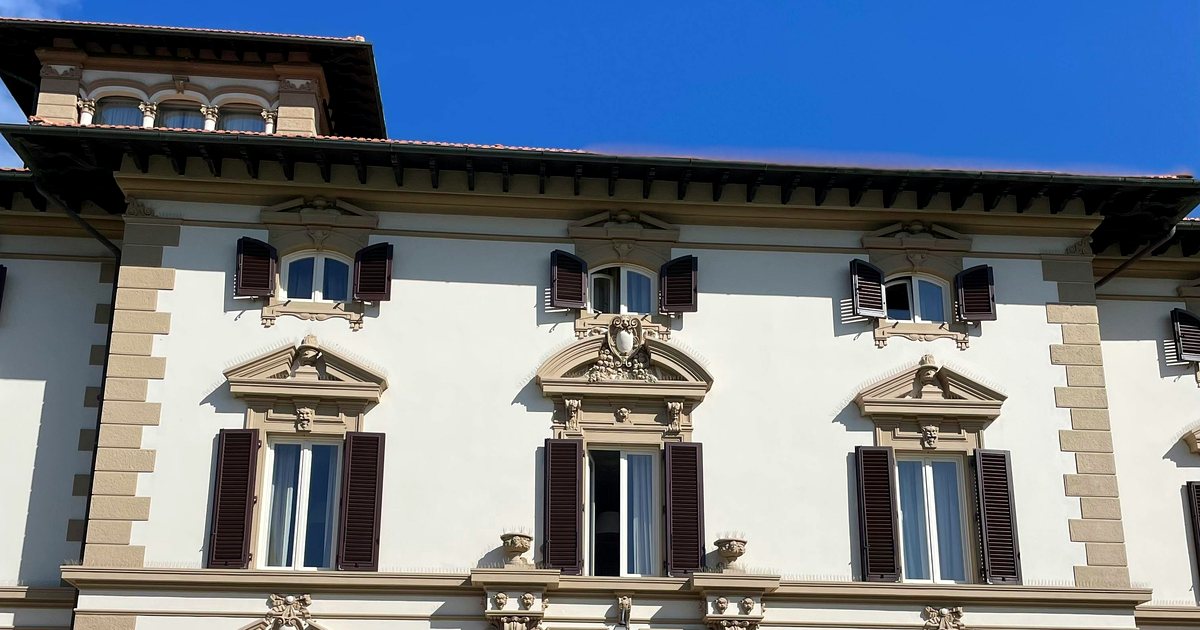
There is a moment, arriving at Villa Cora, when Florence does something unexpected: it disappears. The noise of the city, the crowds at the Pitti Palace three minutes away, the scooters on the lungarno — all of it gone.
-
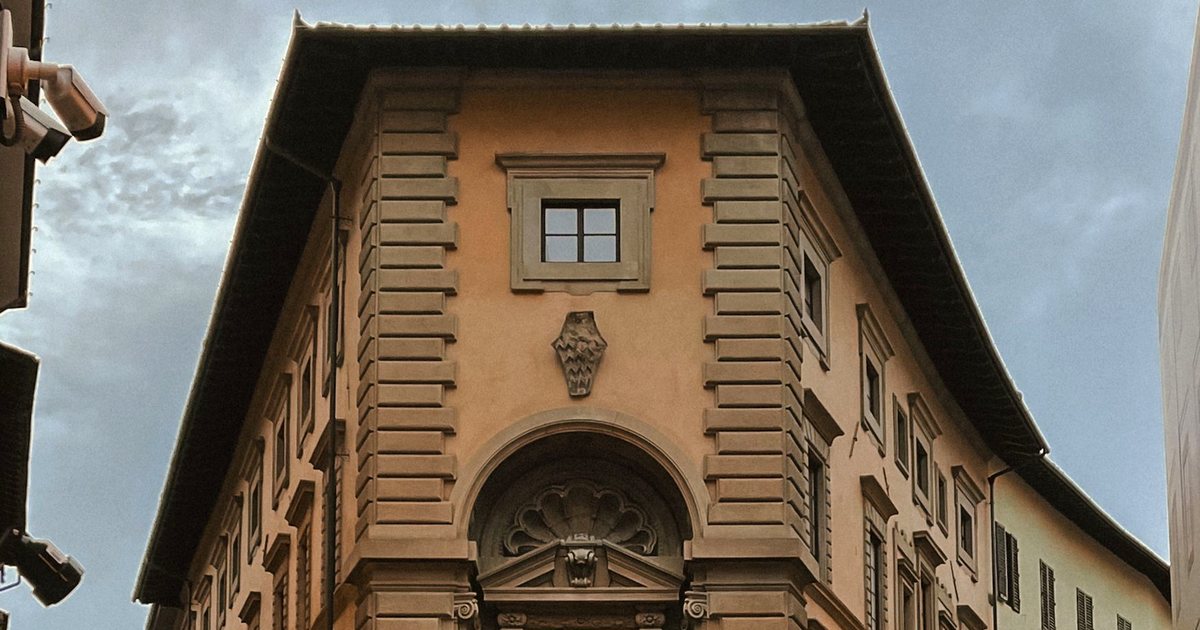
Florence has never been a city that does luxury loudly. Its finest hotels occupy Renaissance palazzi and 19th-century villas, their facades indistinguishable from the buildings on either side — which is, of course, precisely the point.
-
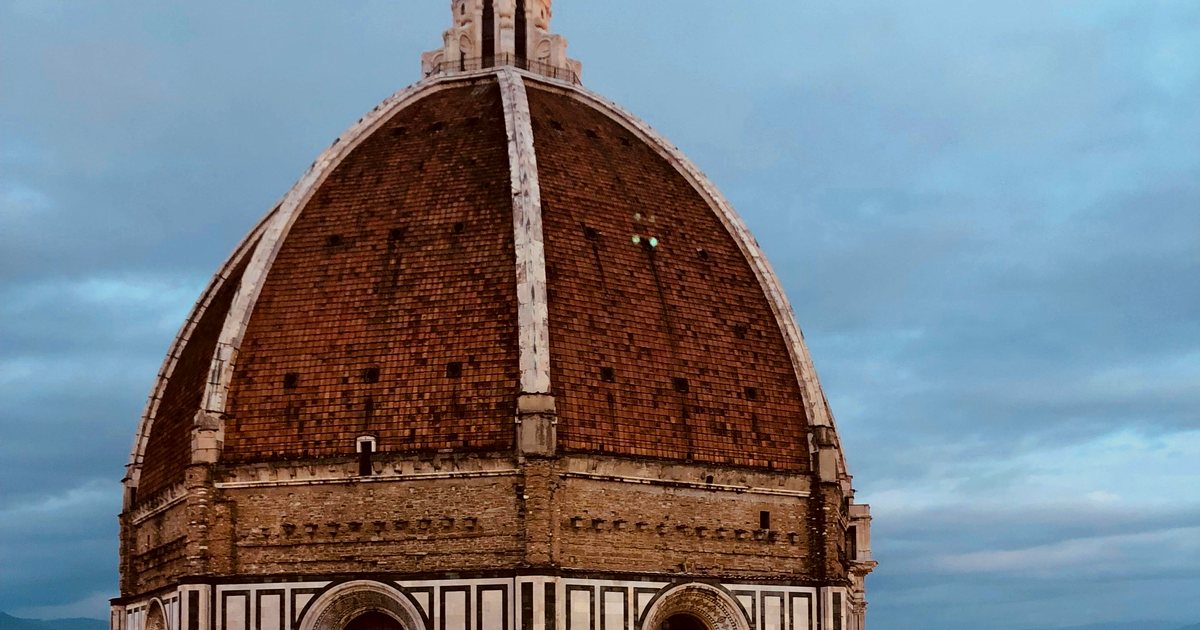
There are buildings that impress. And then there is the Florence Cathedral — the Cattedrale di Santa Maria del Fiore — which does something rarer: it astonishes, repeatedly, across centuries,…
-

Florence does not produce wine. It does something more interesting — it collects the finest bottles from the hills, valleys, and coastline that surround it, and offers them to anyone who knows where to look.
-
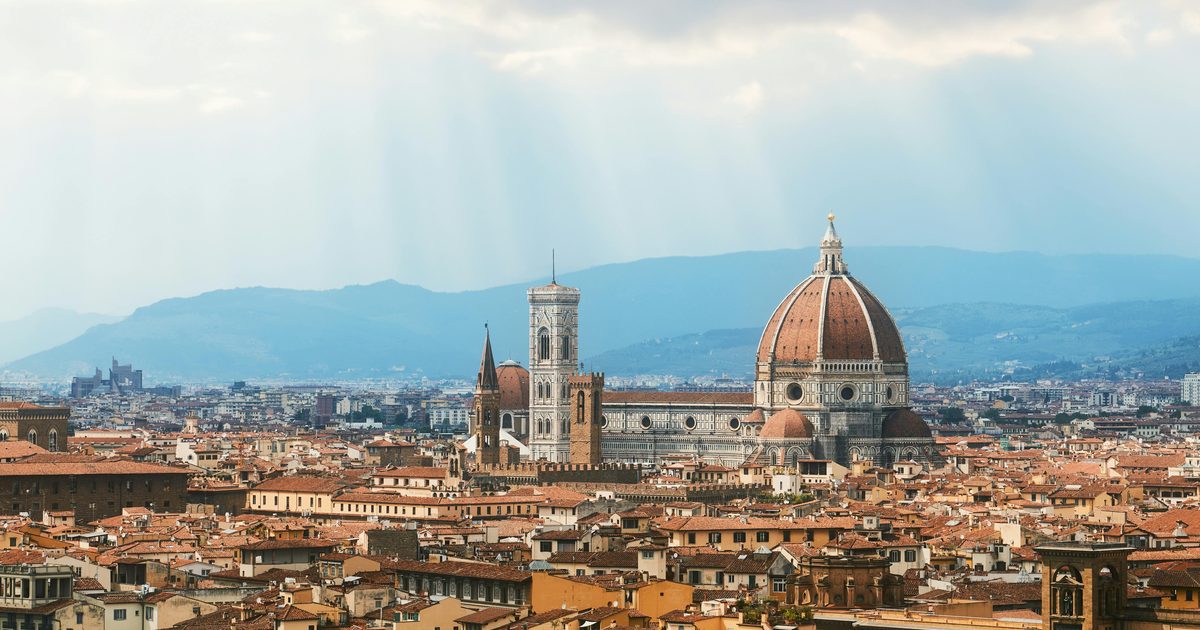
Florence does not compete with other cities. It occupies a category of its own — a small, dense, walkable capital of human civilisation that has produced more art, architecture, and intellectual fire per square kilometre than almost anywhere on earth.