
Category: Lifestyle
-
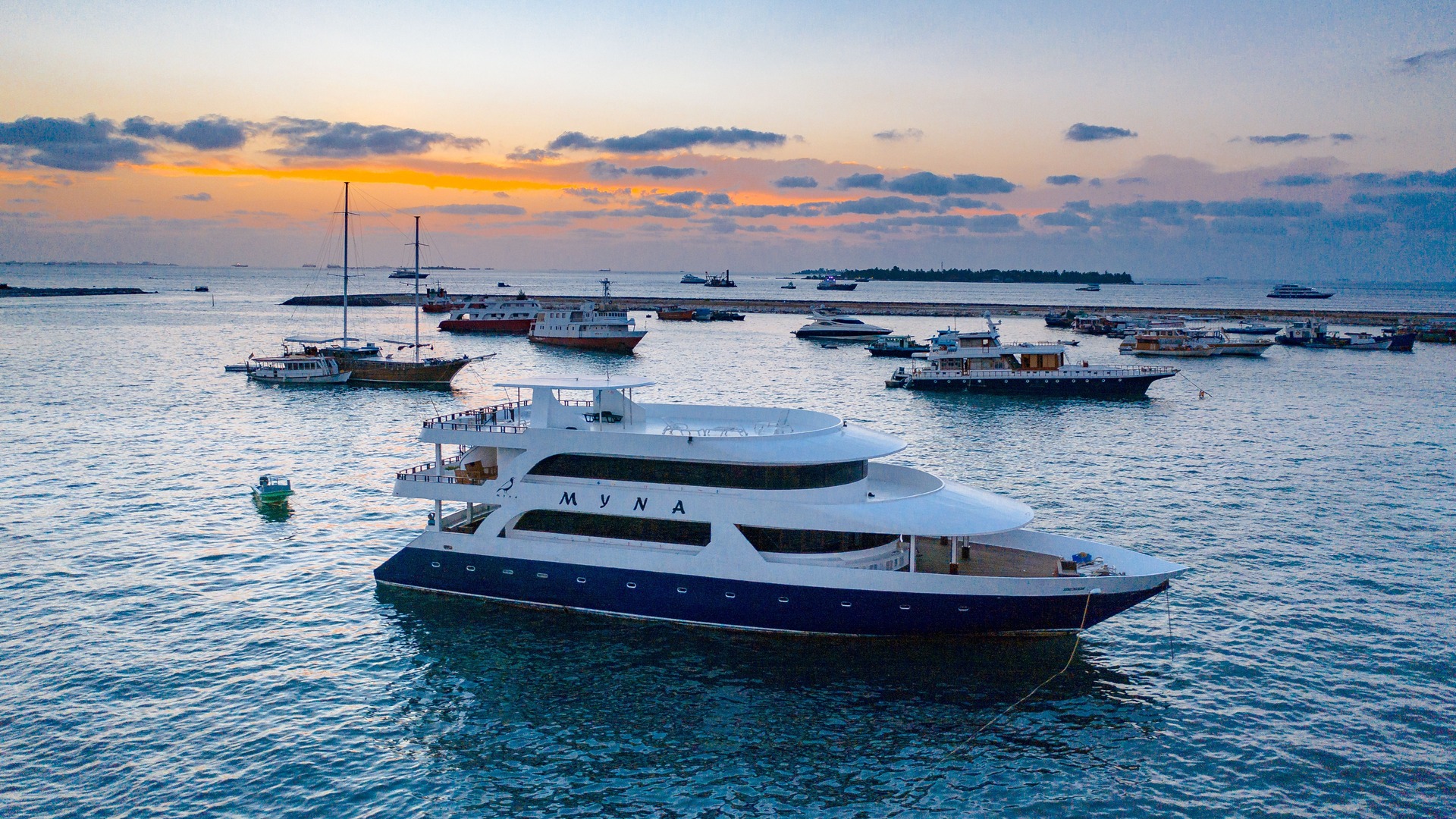
Of all the marinas strung along the Tuscan coast, Marina di Scarlino tends to get mentioned as a practical waypoint rather than a destination in its own right, a useful stop on the way to somewhere else. That reputation undersells it.
-
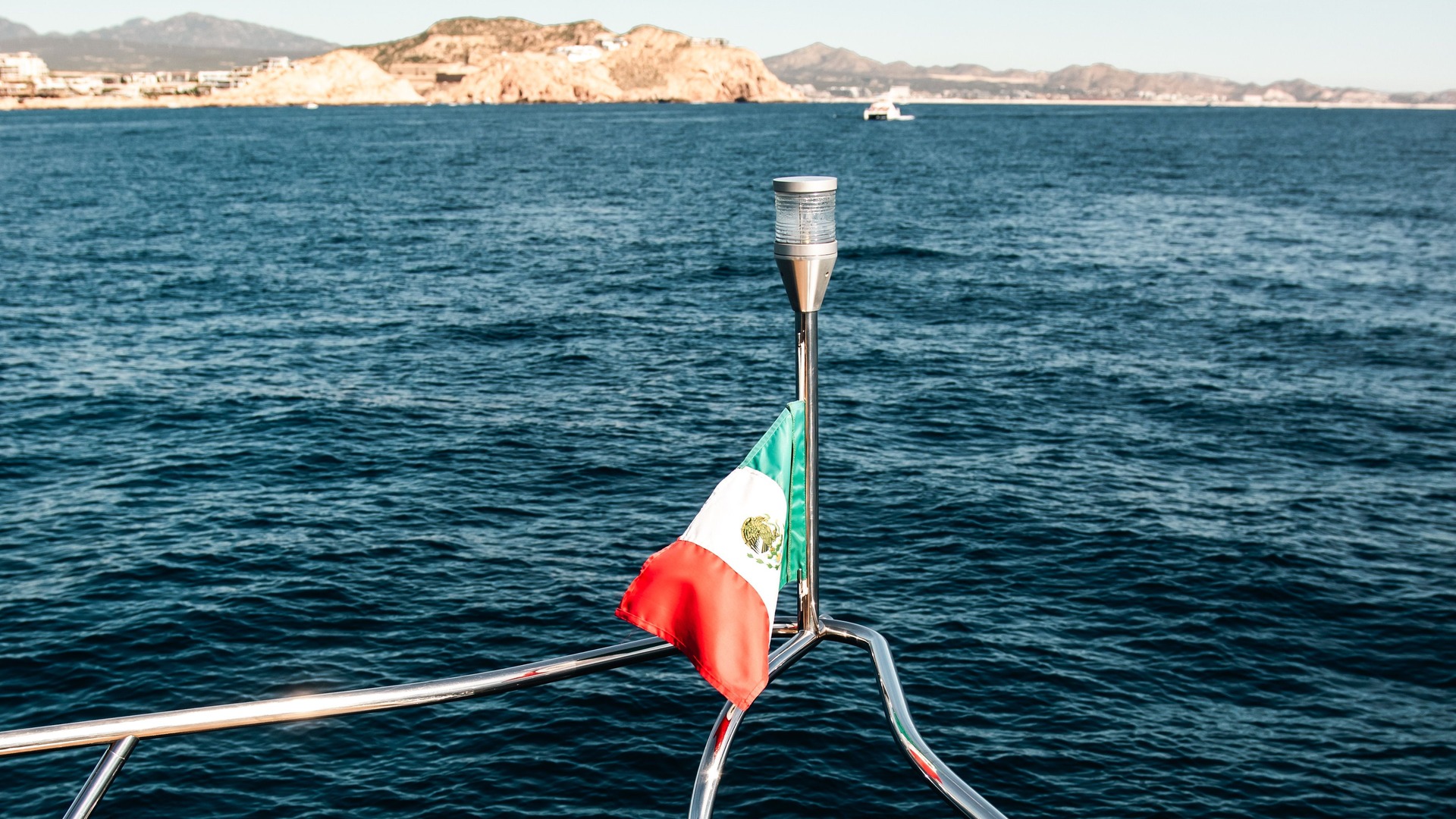
Most visitors build a Tuscany itinerary entirely inland, moving between Florence, the Chianti hills, and a handful of walled medieval towns without ever glancing toward the coast.
-
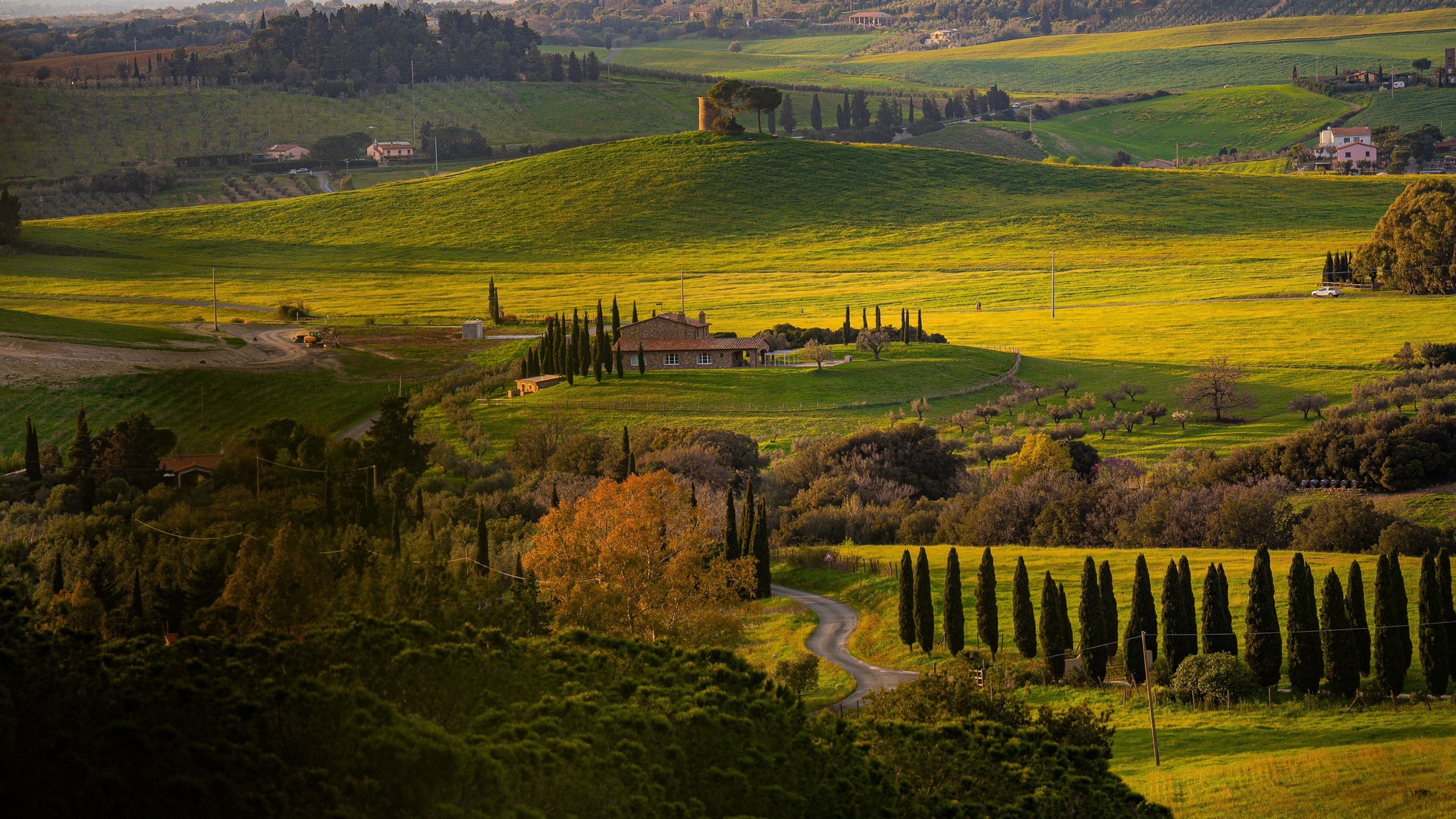
Most people planning a trip to Tuscany start with a single image in mind: a cypress-lined road, a glass of red wine, a stone farmhouse on a hill somewhere between Florence and Siena. That image isn’t wrong, but it’s incomplete.
-
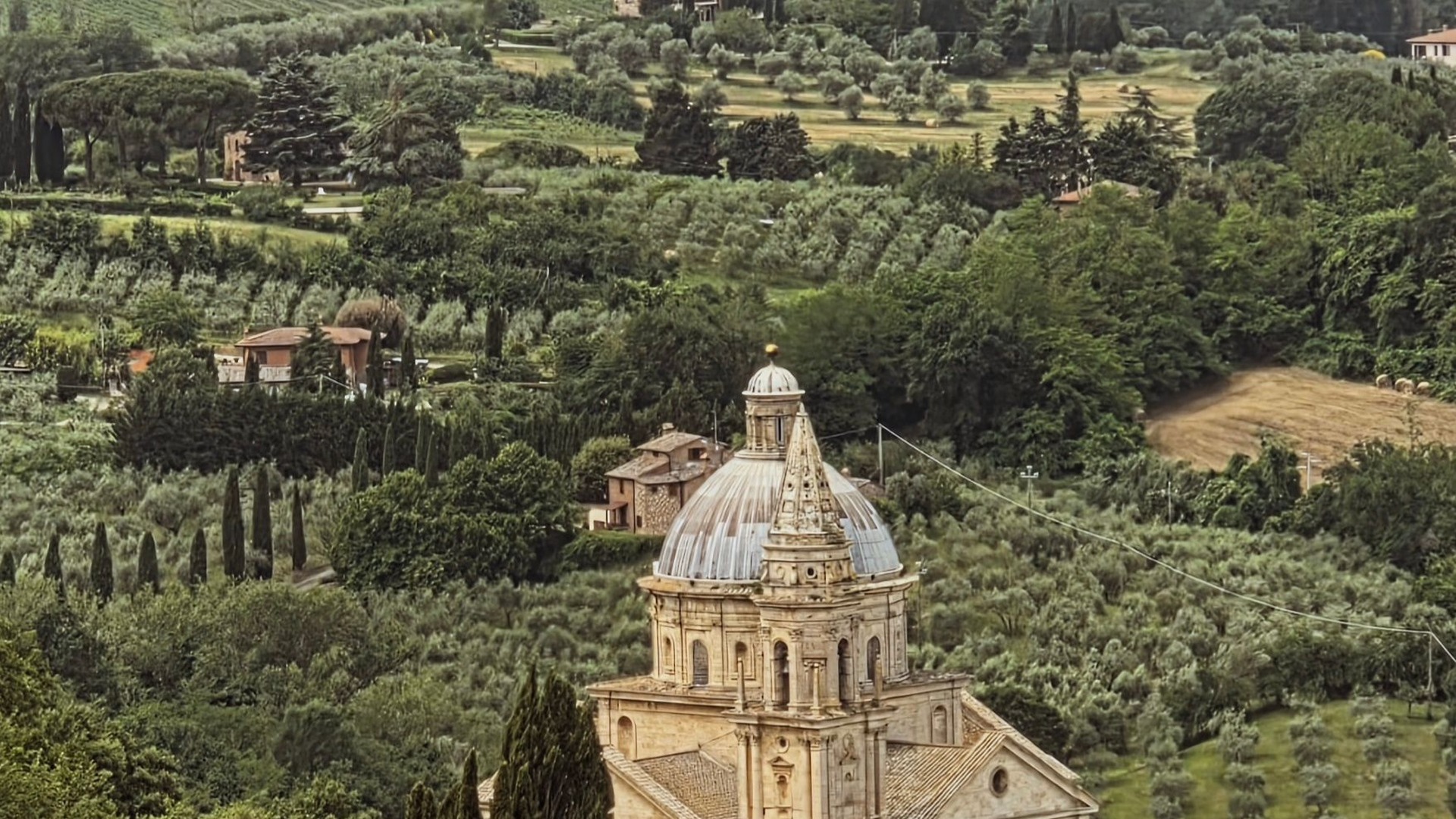
Every wine-focused corner of Tuscany seems to get slotted into a hierarchy sooner or later, and Montepulciano has spent decades sitting just below Montalcino in that pecking order — “the other big red town,” the one people visit second, after Brunello.
-
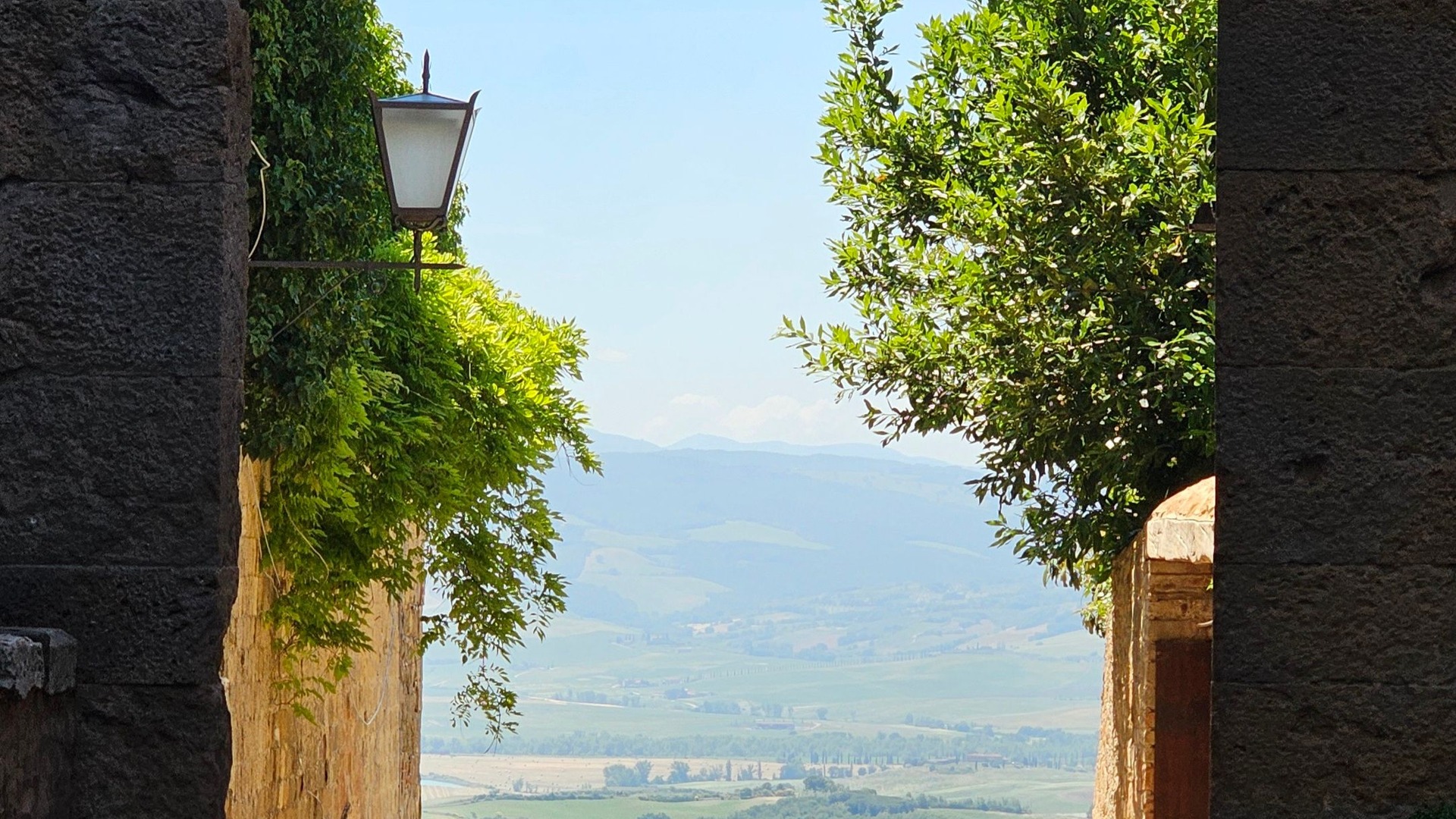
Of all the hill towns scattered across Tuscany’s wine country, Montalcino occupies a category of its own.
-
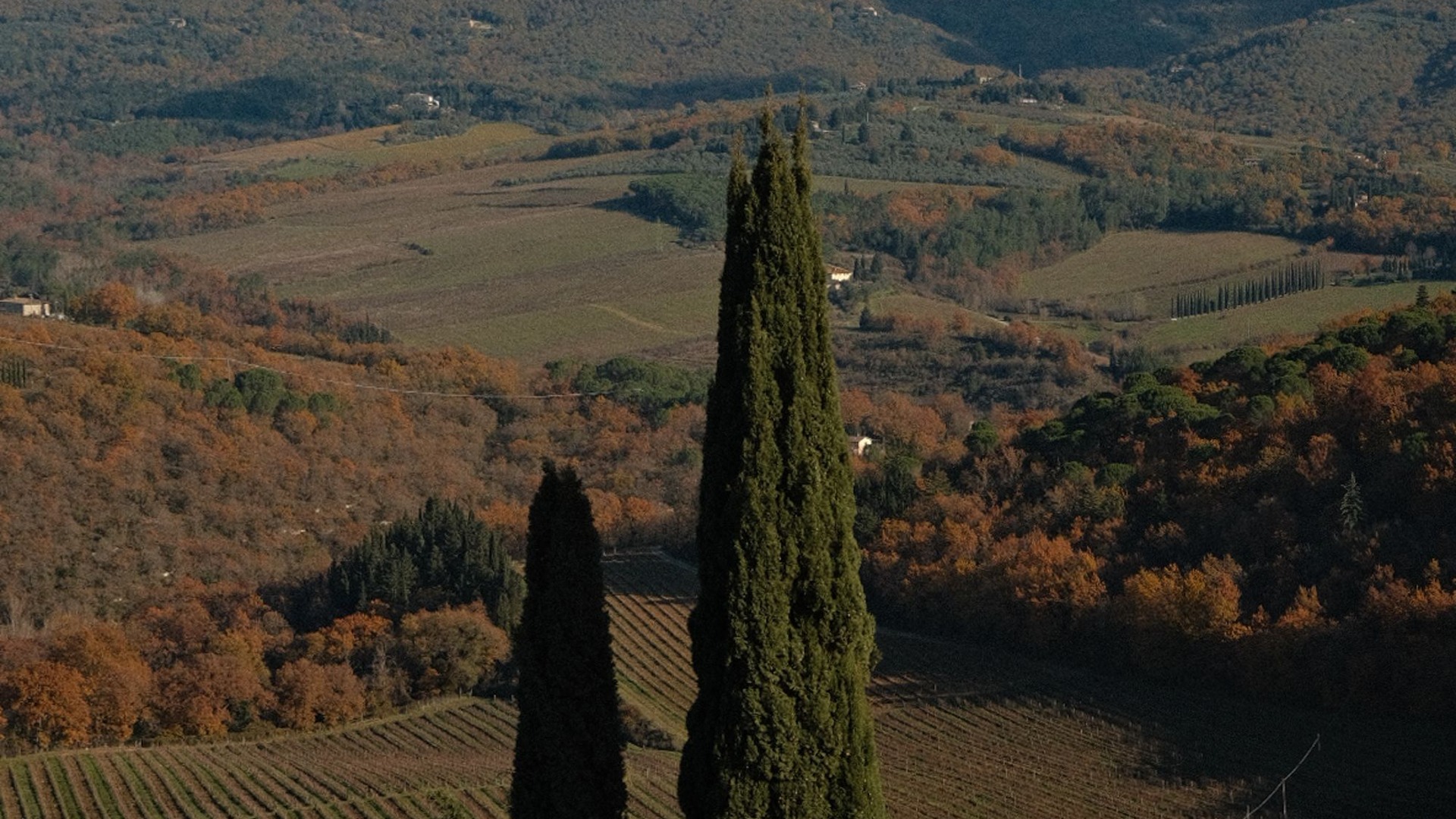
Ask a wine-focused traveler about Chianti and nine times out of ten they mean Chianti Classico, the famous black-rooster zone stretching between Florence and Siena. Fair enough — it earns the attention.
-
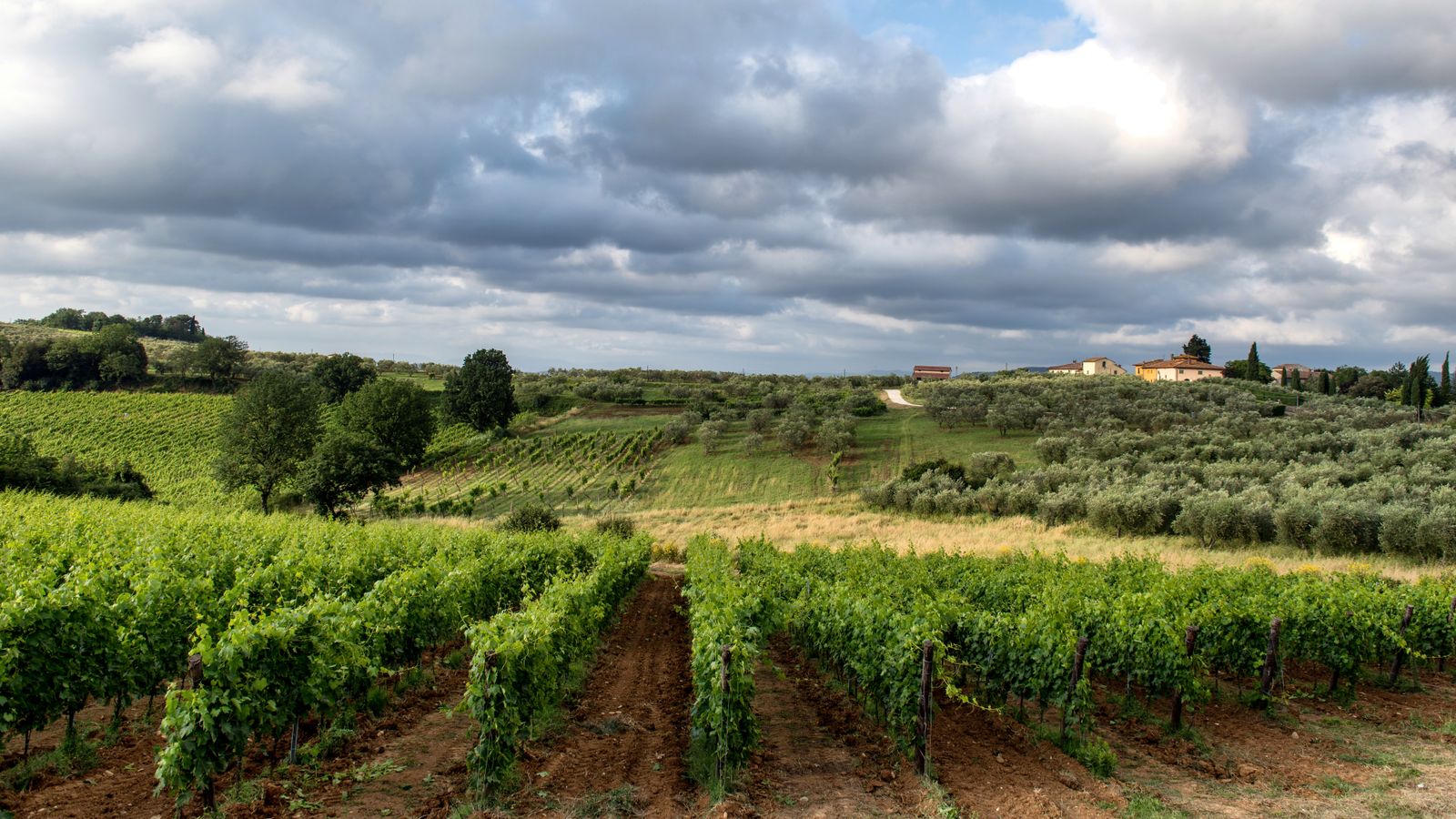
Say the word “Chianti” to most travelers and you’ll get a vague image: a straw-wrapped bottle on a red-checkered tablecloth, maybe a rooster logo they half-remember from a wine list.
-

Long before wellness retreats and fitness influencers made “movement” a lifestyle buzzword, Lake Como’s elite were already living it.
-
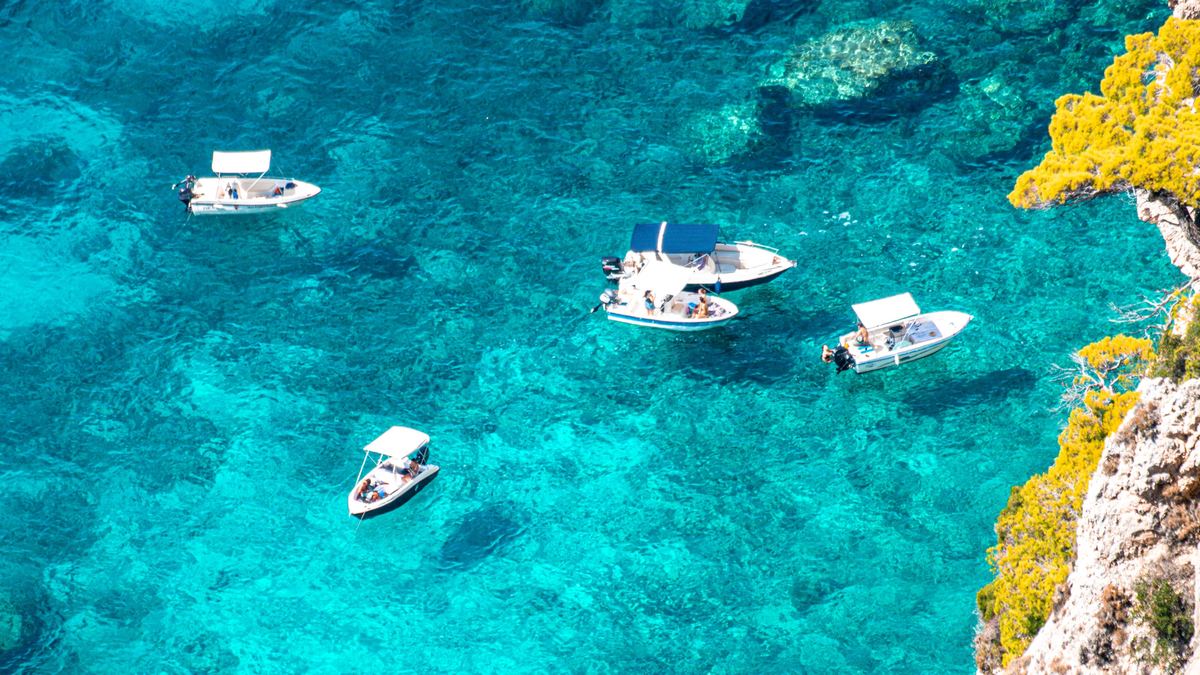
Staying Connected Abroad: The Ultimate eSIM Guide for the Modern Luxury Traveler There is a particular kind of frustration reserved for the traveler who has just landed somewhere extraordinary, whether…
-
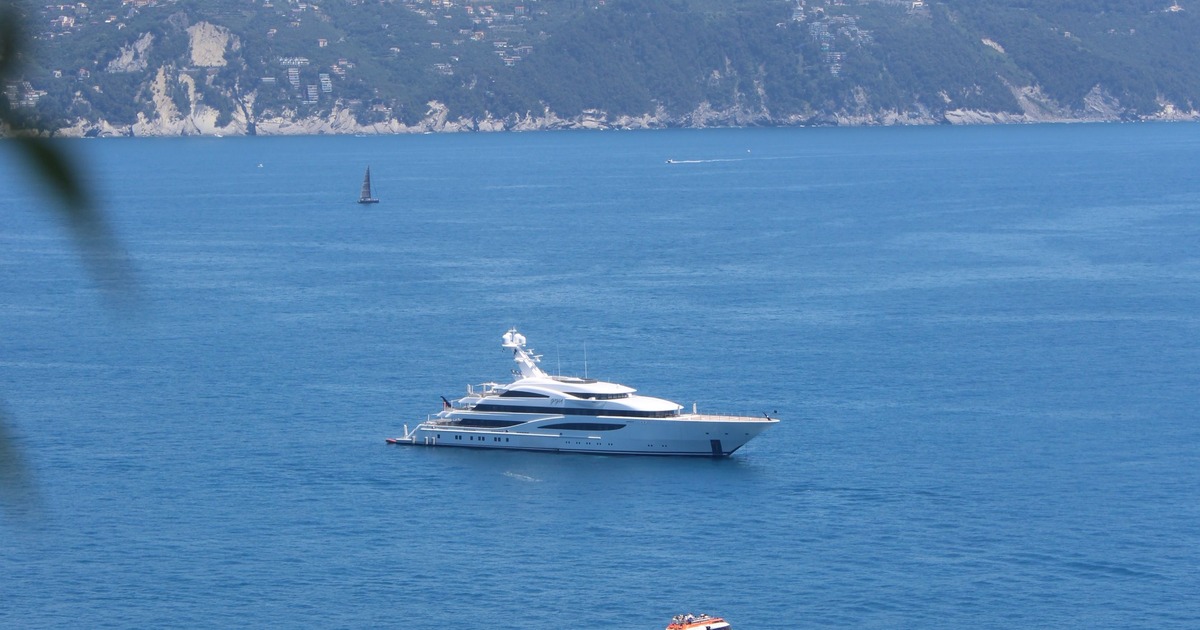
Sicily’s coastline runs for over 1,000 kilometres, and almost none of it looks the same twice.