
Category: Destinations
-
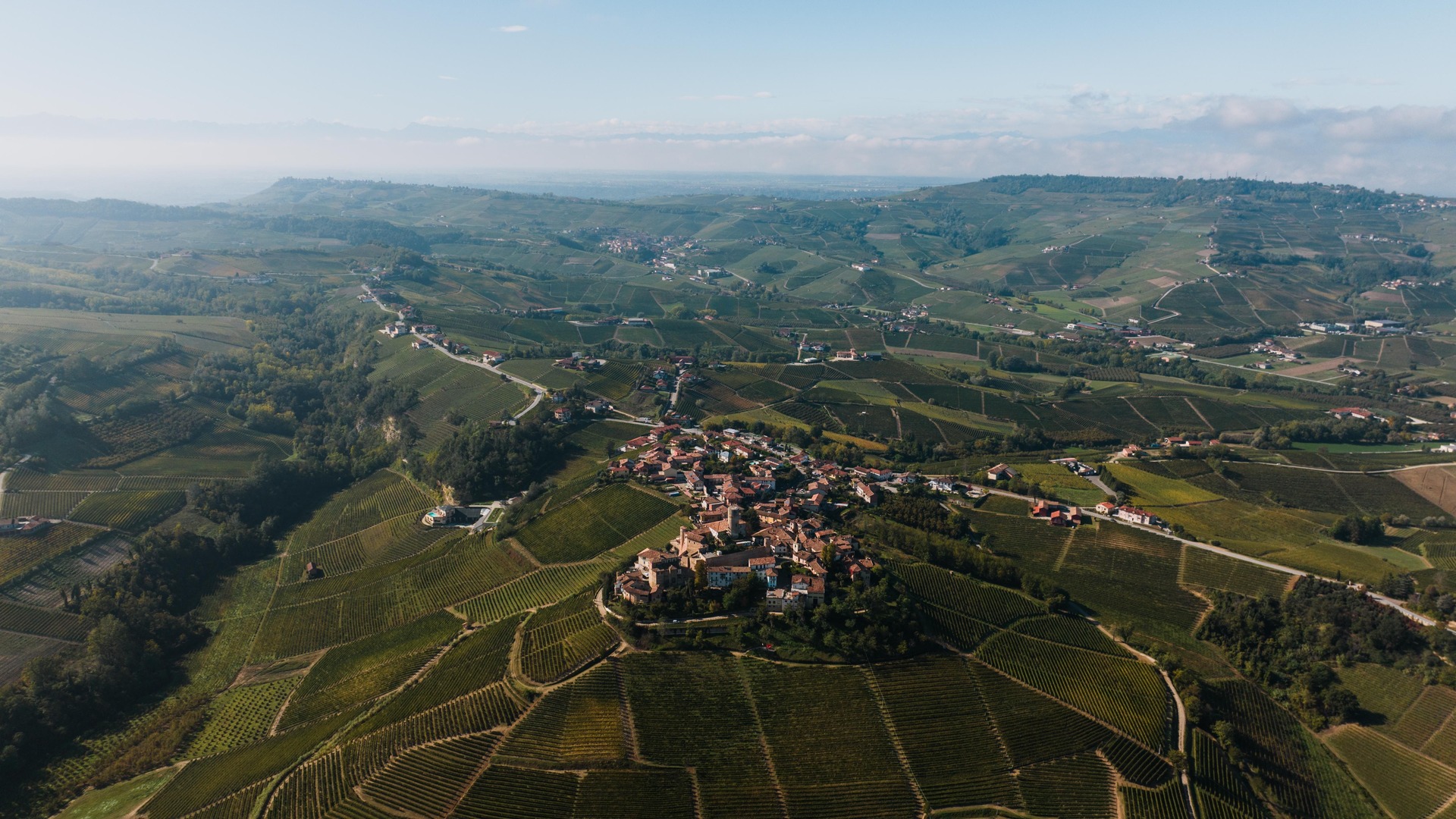
Piedmont rarely gets the first-time-visitor attention that Tuscany or the Amalfi Coast commands, and locals here seem largely content to keep it that way.
-

Modena’s reputation rests heavily on engines and vinegar, but the city’s most emotionally resonant attraction has nothing to do with either.
-
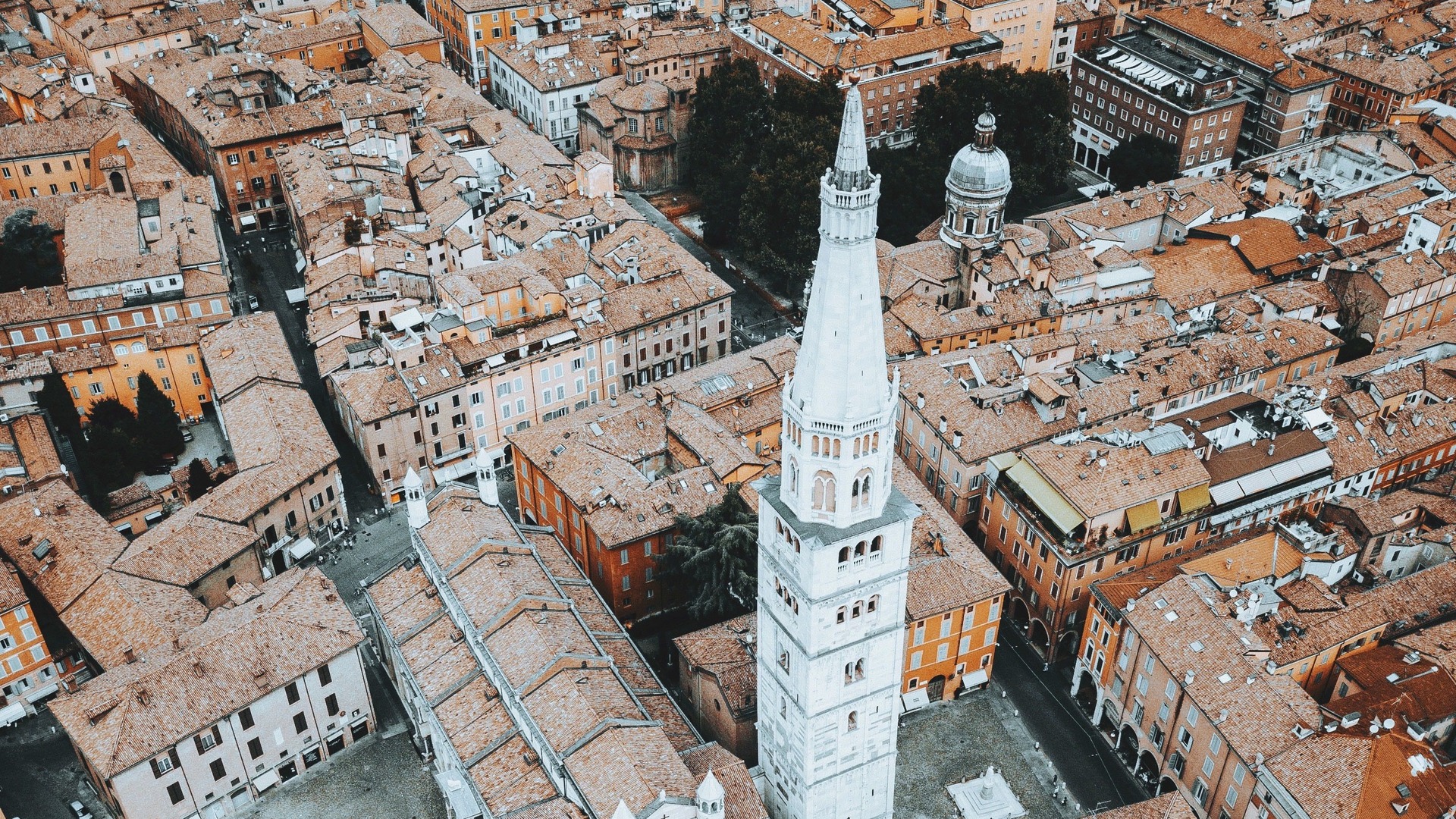
Long before Modena had Ferrari or a drop of traditional balsamic vinegar to its name, it had this: a Romanesque cathedral so complete, so carefully preserved, and so architecturally influential…
-
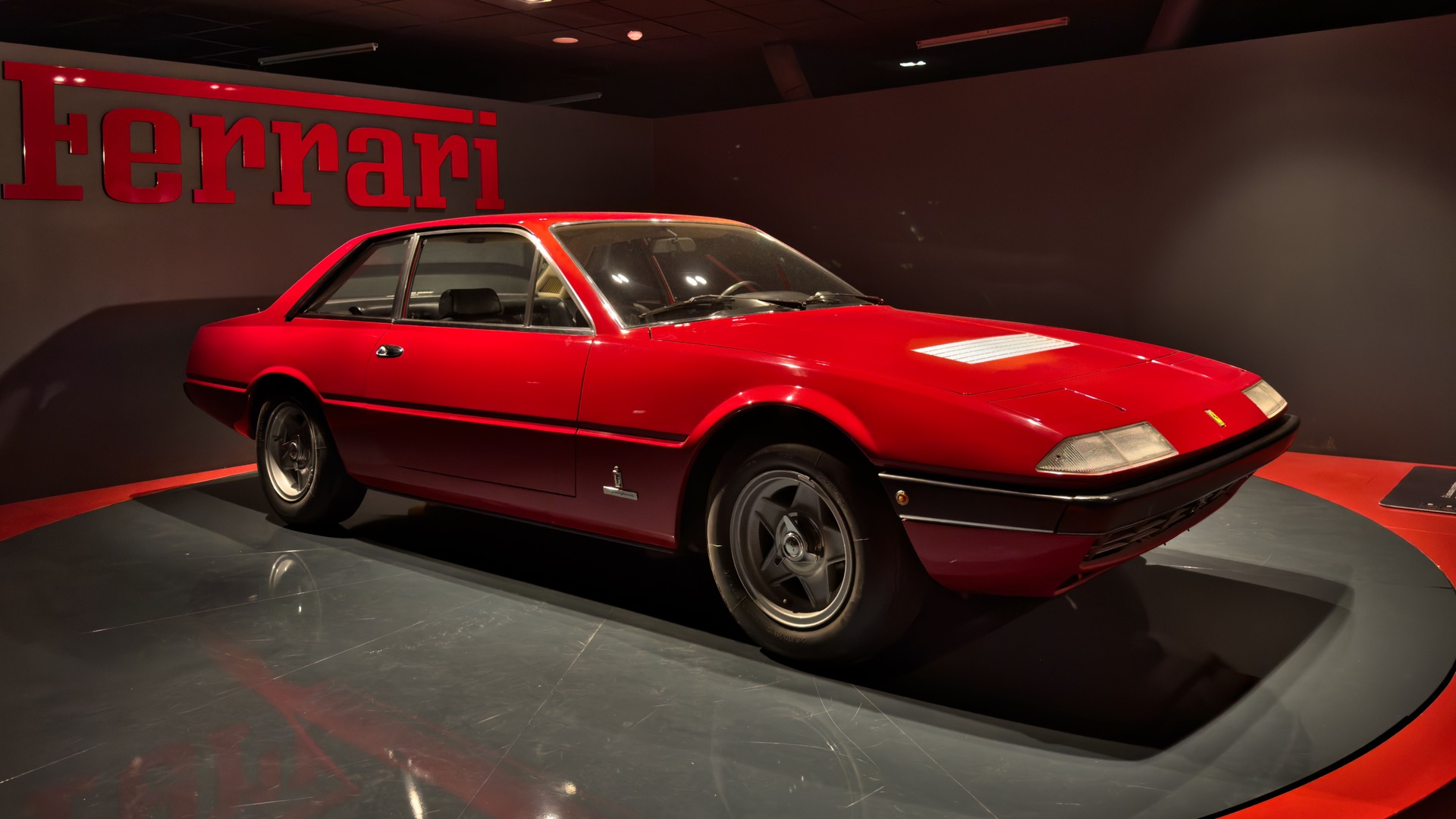
No detour from Modena is more essential for car enthusiasts than the short run down to Maranello, the small town where Enzo Ferrari built his company and where it remains headquartered to this day.
-
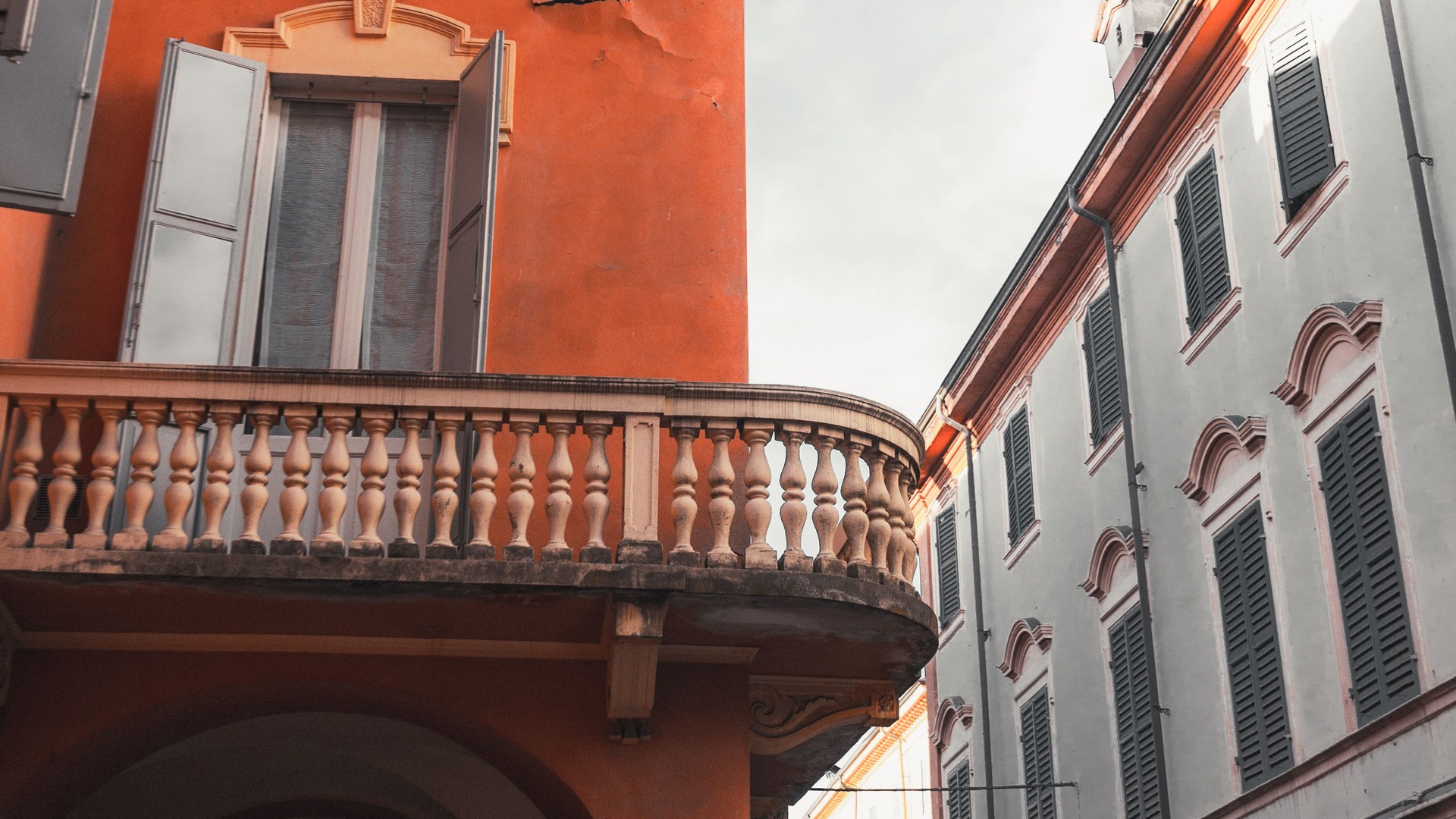
Modena rarely appears on a first-time visitor’s Italy itinerary, and that’s precisely what makes it such a rewarding detour for anyone who actually makes the trip.
-
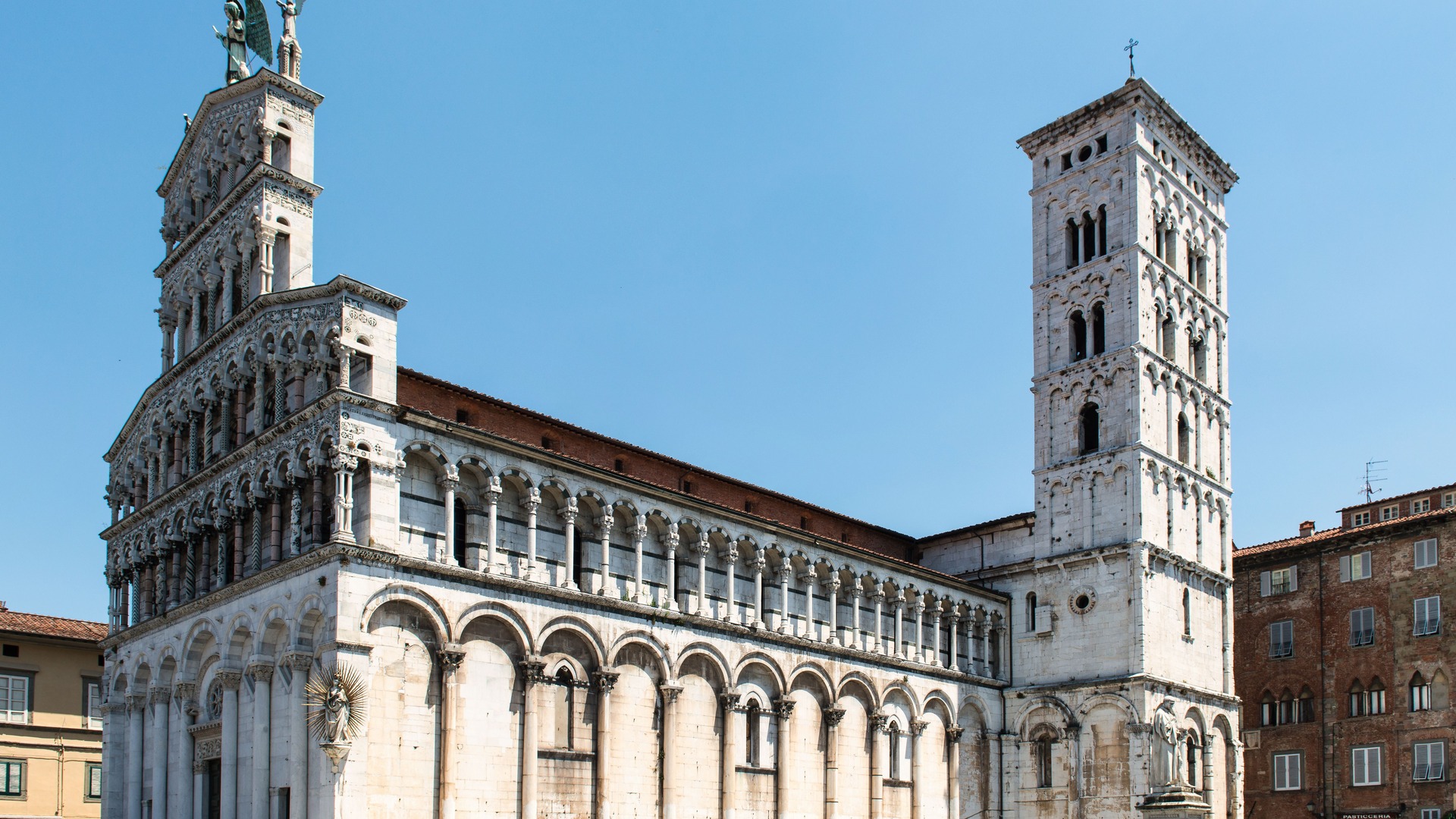
Lucca rewards a longer stay, as our full guide to Lucca’s history and landmarks makes clear, but a single well-planned day is enough to leave with a genuine feel for…
-
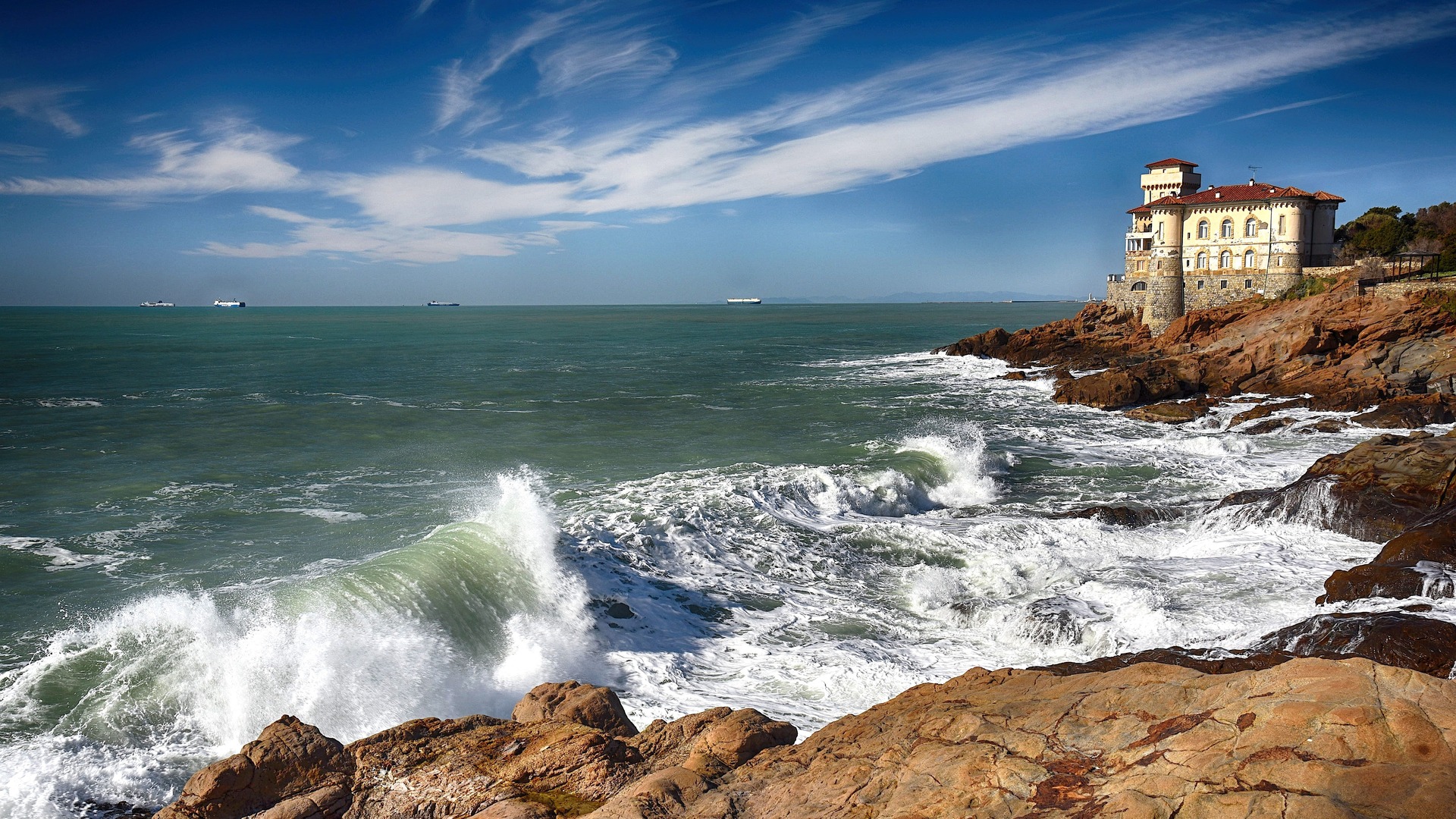
Livorno rarely gets the postcard treatment other Tuscan coastal towns receive, and that’s mostly because it never tried to be one.
-

Viareggio sits at the northern end of the Tuscan coast, and it plays a genuinely different role than the harbor towns further south.
-
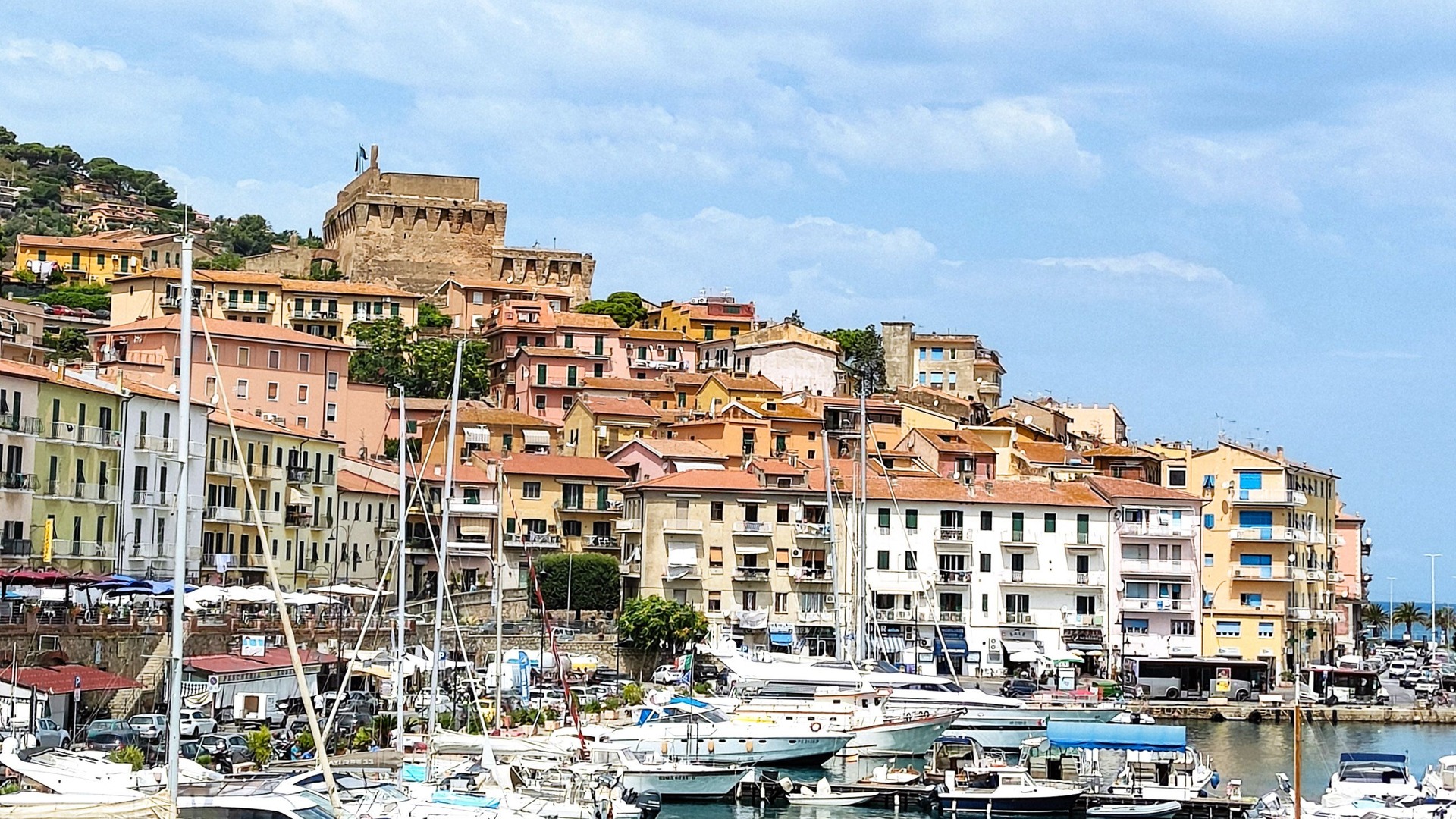
Porto Santo Stefano is the livelier of the two harbor towns on Monte Argentario, the rugged, once-island promontory that anchors the southern end of the Tuscan coast, and it wears that reputation well.
-
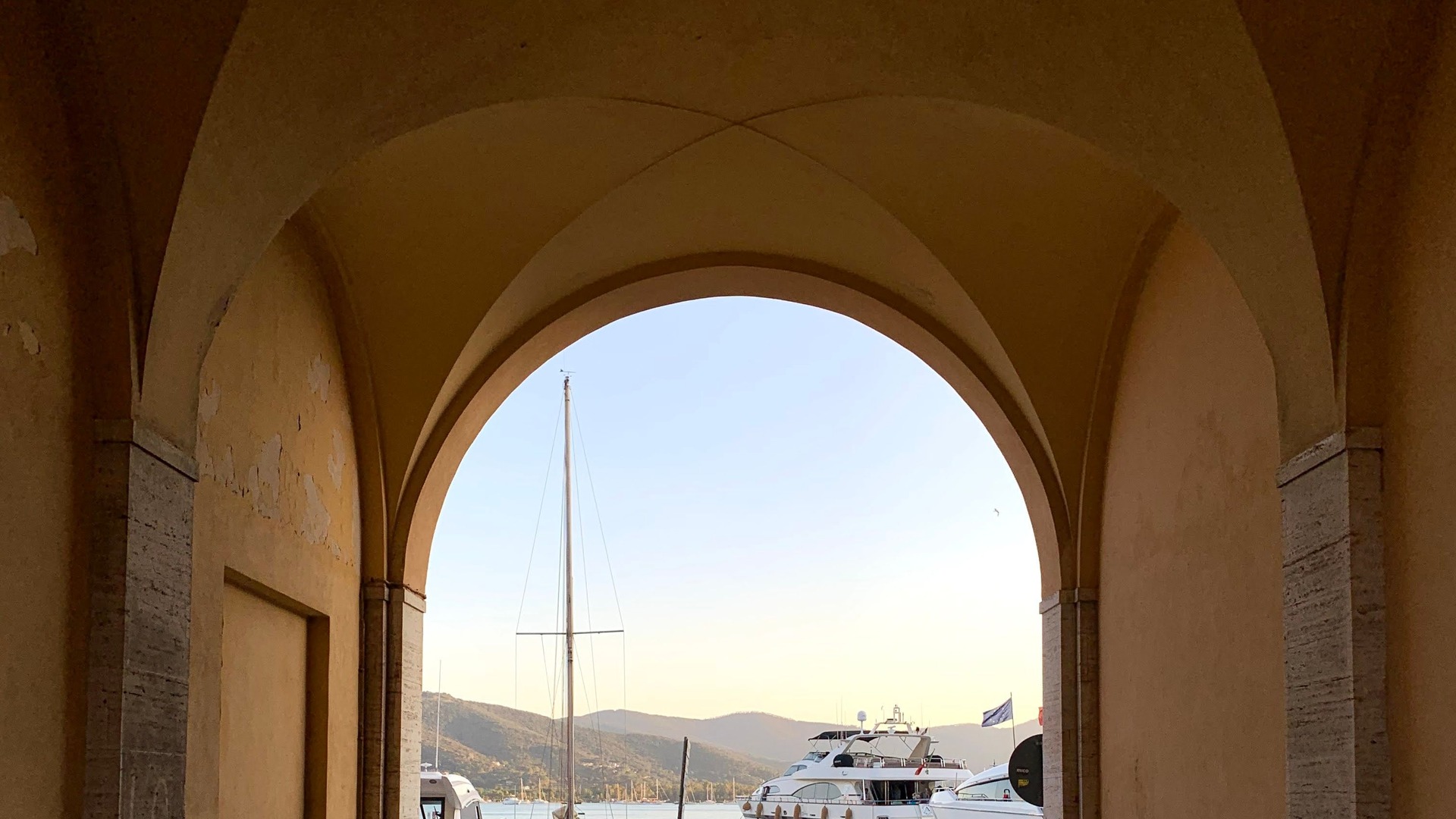
For most visitors arriving from the mainland, whether by ferry from Piombino or by boat from a marina like Scarlino, Portoferraio is the first proper look at Elba, and it makes a strong first impression.