This post contains affiliate links. If you book through them, we may earn a small commission at no extra cost to you. Learn more.
Livorno rarely gets the postcard treatment other Tuscan coastal towns receive, and that’s mostly because it never tried to be one. This is Tuscany’s principal working port, a city built on trade rather than tourism, and that practical identity turns out to be exactly what makes it worth a stop: a genuinely serious yachting and cruise hub, a dish of fish stew that every other version on this coast is essentially a variation of, and a Medici-era history considerably stranger and more cosmopolitan than its industrial skyline suggests.
Plan Your Trip
- Leaning Tower of Pisa tickets, timed entry, book ahead in summer
- Private transfer from Florence Airport, fixed price, booked in advance
- eSIM for Italy, set up before you fly
A Free Port Built on Deliberate Tolerance
Livorno’s transformation from a minor fishing settlement into one of the Mediterranean’s busiest ports traces back to a specific policy decision. In 1591 and 1593, Grand Duke Ferdinando I de’ Medici issued what became known as the Livorno Laws, declaring the town a free port and explicitly inviting merchants of any nationality or religion, including Jewish, Muslim, and Protestant traders barred from operating freely in many other European cities at the time, to settle and do business without the restrictions imposed elsewhere. The policy worked spectacularly well. Within a few decades, Livorno had one of the largest and most influential Sephardic Jewish communities in Europe, alongside significant English, Dutch, Armenian, and Greek merchant populations, each leaving their own mark on the city’s architecture, cuisine, and street names. That deliberately cosmopolitan foundation is a large part of why Livorno still feels culturally distinct from the more homogeneous hill towns further inland.
The 20th century was considerably harder on the city. Heavy Allied bombing during the Second World War, targeting the port’s strategic importance, destroyed much of Livorno’s historic center, and the postwar rebuilding, practical and largely unsentimental, is why the city’s skyline today reads as more functional than picturesque compared to Pisa or Lucca. What survived, and what was carefully restored, tends to reward those who look for it rather than announcing itself from a distance.
Yachting: A Working Port With Serious Marina Facilities
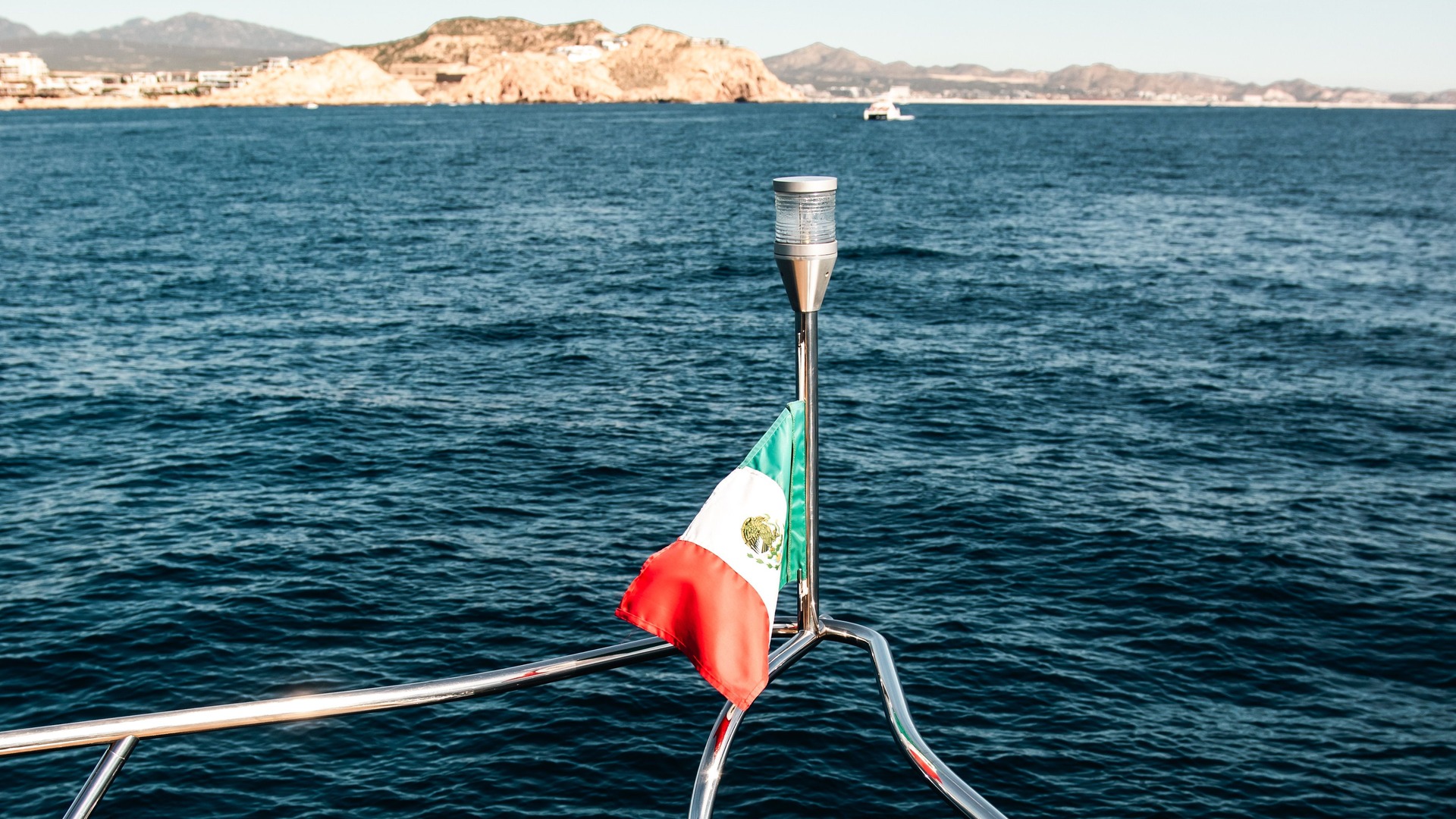
Livorno’s identity as Tuscany’s principal commercial and cruise port means most visitors experience it first as a place to arrive rather than to linger, but the city’s marina infrastructure is considerably more capable than that first impression suggests. Alongside the container terminals and cruise berths, Livorno maintains well-equipped yachting facilities that make it a practical, if less glamorous, alternative to the more purpose-built marinas further down the coast, with the advantage of genuinely serious provisioning, repair, and logistics support that comes from being a major working harbor rather than a resort development.
For anyone chartering along this coast, Livorno functions best as a practical stop bookending a longer itinerary, close enough to Pisa International for an easy crew or guest changeover, and within a comfortable run of both Viareggio to the north and Marina di Scarlino further south, making it a sensible waypoint rather than a final destination on most coastal routes.
Fine Dining: The Original Cacciucco
If one dish defines Livorno’s food identity, it’s cacciucco alla livornese, the rich, tomato-based fish stew traditionally made with at least five different types of seafood, one for each “c” in the word cacciucco according to local lore, served ladled over slices of garlic-rubbed bread. Nearly every version of fish stew found up and down the Tuscan coast, in Viareggio, around Scarlino, further south toward Argentario, ultimately traces its lineage back to this Livornese original, and eating it here, in the city where the dish was codified, is a genuinely different experience from the variations served elsewhere.
Beyond cacciucco, Livorno’s cosmopolitan trading history left a lasting mark on its food more broadly. Bombolotti alla livornese, a short pasta in a spicy tomato and seafood sauce, and the city’s distinctive take on tripe and other offal dishes, reflect a working port town’s practical, no-waste approach to cooking, considerably heartier and less refined than the cuisine of Florence or Siena further inland. The city’s Mercato Centrale, one of the largest covered markets in Europe when it was built, remains an excellent place to see the full range of local ingredients that end up on Livornese tables, and a good stop for provisioning if you’re arriving by boat.
Sightseeing: Fortresses, Canals, and a Checkerboard Promenade
Livorno’s most distinctive sightseeing is its network of canals, known locally as Venezia Nuova, or New Venice, built in the 17th century as part of the city’s original port expansion and still navigable today, lined with warehouses and residential buildings that give this corner of the city a genuinely different atmosphere from anywhere else on the Tuscan coast. A boat tour through the canals remains one of the more distinctive things to do in the city, offering a waterline view of a district most visitors driving straight through Livorno never see at all.
The Fortezza Vecchia, an imposing Medici-era fortress guarding the harbor entrance, and the smaller Fortezza Nuova, sitting at the heart of the Venezia Nuova district, both survive as tangible links to the city’s defensive history, while the Monumento dei Quattro Mori, a striking bronze and marble monument depicting four chained Moorish figures beneath a statue of Ferdinando I, remains one of Livorno’s most photographed, and most historically loaded, landmarks. For a more relaxed afternoon, the Terrazza Mascagni, a vast seafront promenade laid out in a striking black-and-white checkerboard pattern, offers one of the most recognizable views on the entire Tuscan coast, particularly at sunset when the pattern catches the low light across its full length.
What to Do in Livorno at a Glance
| Category | What to Do | Known For |
|---|---|---|
| Yachting | Marina berthing, provisioning, crew and guest changeovers | Tuscany’s principal working port and cruise hub |
| Fine Dining | Cacciucco at a harborside trattoria, the Mercato Centrale | The original version of Tuscany’s classic fish stew |
| Sightseeing | Canal boat tours through Venezia Nuova | 17th-century canals lined with old port warehouses |
| History | Fortezza Vecchia, Fortezza Nuova, the Four Moors monument | Medici free-port policy and a cosmopolitan merchant history |
| Seafront | Terrazza Mascagni promenade at sunset | Its striking black-and-white checkerboard paving |
| Inland Access | Short hop to Pisa, under two hours to Florence | A practical gateway between the coast and inland Tuscany |
A Native Son: Modigliani
Livorno’s cosmopolitan, working-port character produced at least one figure of major international significance: painter and sculptor Amedeo Modigliani, born here in 1884 into one of the city’s Sephardic Jewish families before moving to Paris, where he developed the elongated, distinctive portrait style that made him one of the early 20th century’s most recognizable artists. The city marks the connection modestly rather than extensively, a small plaque and a piazza named in his honor, but it’s a detail worth knowing for anyone assuming Livorno’s cultural contributions begin and end with fish stew and shipping manifests.
The Jewish Community’s Lasting Mark
The Sephardic Jewish community that grew out of the Livorno Laws left a mark on the city considerably deeper than a single famous painter. At its height, Livorno’s Jewish population was among the largest and most influential in Europe, running its own courts, trading houses, and religious institutions with a degree of autonomy rare for the period, and the community’s merchants helped cement the city’s trading links across the Mediterranean and beyond. The original Great Synagogue, once among the largest and most architecturally significant in Europe, was destroyed in the wartime bombing that devastated much of the historic center, though a smaller postwar synagogue continues to serve the city’s much-reduced but still active Jewish community today, a quieter but continuous thread running from the free port’s founding principles straight through to the present.
Best Time to Visit
Late spring through June and again in September offer the most comfortable weather without the peak crowding of midsummer, when cruise ship arrivals and Italian holiday traffic both reach their highest points simultaneously. Given Livorno’s role as a working port rather than a resort town, it’s also considerably more pleasant to visit outside the hottest, most humid stretches of July and August, when the city’s more functional architecture offers less relief from the heat than the shaded hill towns further inland.
Combining Livorno With the Rest of the Coast
Livorno’s central position on the Tuscan coast, and its excellent transport connections, make it one of the easiest towns on this stretch to combine with a longer itinerary. Florence is under two hours away, Pisa considerably closer, and both Viareggio to the north and Marina di Scarlino to the south sit within easy reach for anyone stringing together a coastal trip by boat or by car. It’s rarely the star of a Tuscan itinerary, but it’s often the town that makes the logistics of the rest of the trip actually work.
Where to Stay: compare hotels and current prices in Livorno on Trip.com.
The Takeaway
Livorno was never built to charm visitors, and that’s precisely why it rewards the ones who stop anyway. Behind the working docks and the postwar rebuilding sits a city with a genuinely unusual history of deliberate religious and commercial tolerance, a fish stew that the rest of the Tuscan coast has spent centuries imitating, and a scattering of Medici fortresses and Venetian-style canals that most visitors racing between Pisa and Florence never see at all. Give it an afternoon, and Livorno makes a strong case for being more than just the port you pass through.