This post contains affiliate links. If you book through them, we may earn a small commission at no extra cost to you. Learn more.
Lucca rewards a longer stay, as our full guide to Lucca’s history and landmarks makes clear, but a single well-planned day is enough to leave with a genuine feel for the place: the intact Renaissance walls, the oval Roman amphitheater turned piazza, a climb up a tower with trees growing out of its roof, and a proper Tuscan dinner to close things out. Here’s how to make the most of one day inside Lucca’s walls.
Plan Your Trip
- Leaning Tower of Pisa tickets, timed entry, book ahead in summer
- Private transfer from Florence Airport, fixed price, booked in advance
- eSIM for Italy, set up before you fly
Morning: Walls, Bicycles, and the Amphitheater
Start early, before the day-trip crowds arrive from Florence and Pisa. Rent a bicycle near one of the old town’s gates and take a slow loop of Lucca’s city walls, the nearly 4-kilometer ring of Renaissance ramparts that still encircles the historic center almost completely, now planted with plane and horse chestnut trees and used daily by locals rather than roped off as a museum piece. An easy loop takes about an hour, and the elevated path offers a genuinely different perspective on the city than anything at street level, looking down over the terracotta rooftops on one side and out toward the surrounding countryside on the other. Early morning light along the ramparts, with joggers and commuting cyclists rather than tour groups for company, is genuinely one of the best hours the city has to offer.
Return the bike and head into the historic center toward Piazza dell’Anfiteatro, an oval piazza that occupies the exact footprint of Lucca’s 2nd-century Roman amphitheater, its medieval houses built directly into the old stone arches. Arrive before the cafés fill their outdoor seating for the day, and the oval shape and quiet morning light make it easy to see exactly how the Roman structure dictated the piazza’s unusual form. Duck through one of the four narrow medieval archways leading into the piazza rather than walking straight in from the main street, since the sudden shift from tight alley to open oval is part of what makes the space feel so unexpected the first time. A coffee and pastry at one of the cafés lining the piazza is the natural next stop before moving on.
Midday: San Michele in Foro and Lunch
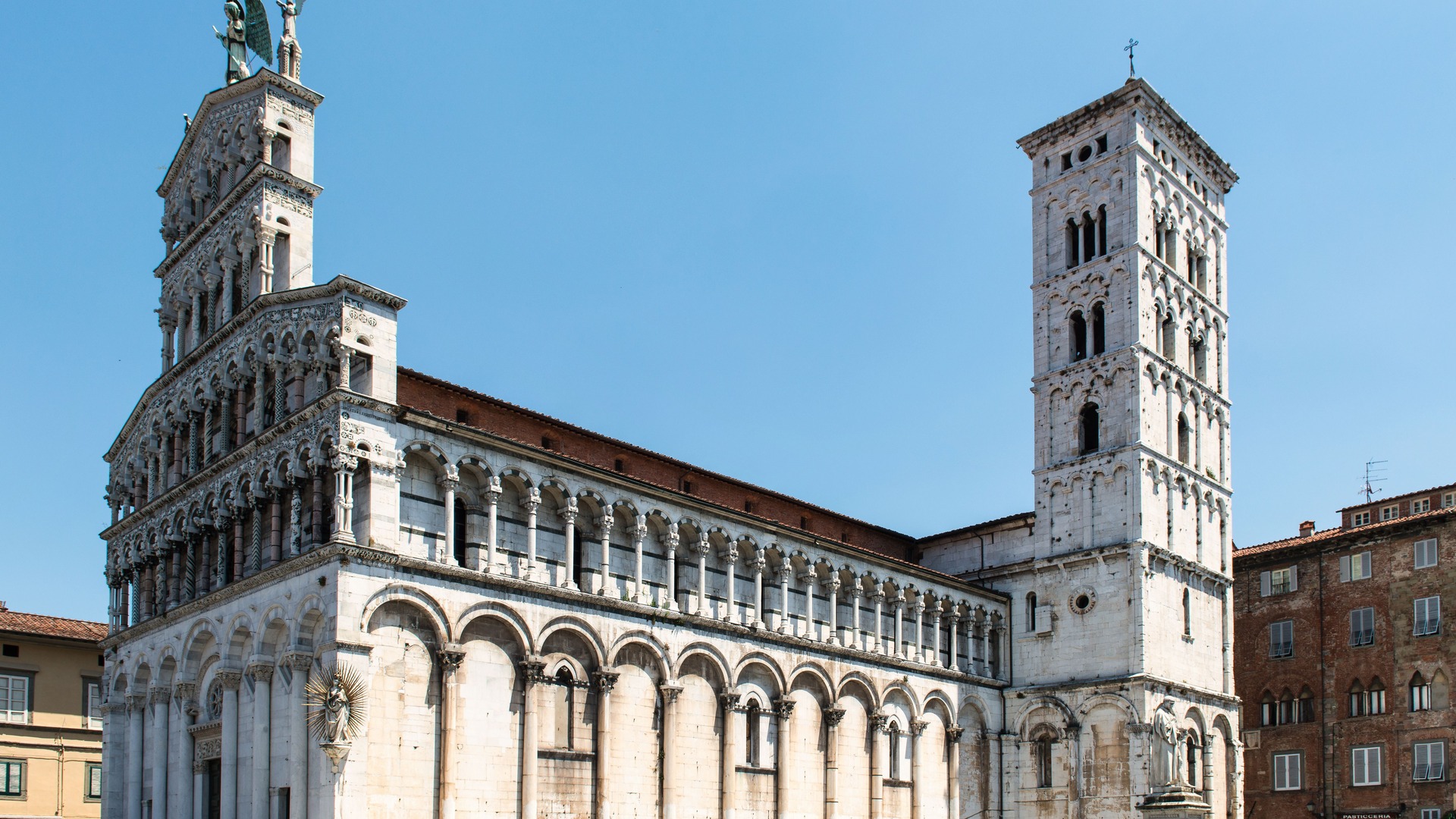
From the amphitheater, it’s a short walk to Chiesa di San Michele in Foro, built directly on the site of Lucca’s old Roman forum and topped with an elaborate marble facade and a large statue of the Archangel Michael visible from streets away. The building’s stacked rows of ornate, mismatched columns make it one of the more photogenic stops in the city, and it costs nothing to duck inside for a few minutes between the piazza and lunch. The surrounding streets, considerably quieter than the amphitheater, are worth a slow wander too, lined with small shops selling olive oil pressed in the hills just outside the city, one of the better souvenirs to bring home from a stop in Lucca specifically.
For lunch, seek out tordelli lucchesi, the city’s own stuffed pasta filled with meat and served with a rich ragù, at a trattoria in the streets around the church rather than directly on the more tourist-facing Piazza Napoleone. It’s the dish locals point to as genuinely their own, distinct from tortelli found elsewhere in Tuscany, and worth prioritizing over a more generic pasta option on a menu with only one day to make the most of. If the weather is warm, a simpler alternative is a plate of local farro salad and a glass of the region’s olive oil drizzled generously over bread, a lighter option that leaves more room for the day’s later stops without an early-afternoon food coma setting in.
Afternoon: The Cathedral, the Tower, and Puccini
After lunch, head to the Cattedrale di San Martino, Lucca’s 11th-century cathedral, home to the Volto Santo, a long-venerated wooden crucifix, and the tomb of Ilaria del Carretto, a marble funerary monument by Jacopo della Quercia widely considered one of the finest works of Italian Renaissance sculpture. Even a brief visit is worth the detour for the tomb alone. The cathedral’s small adjoining museum, easy to overlook, holds a handful of additional treasures and rarely has more than a few visitors inside at any given time, a good option if the main nave feels crowded.
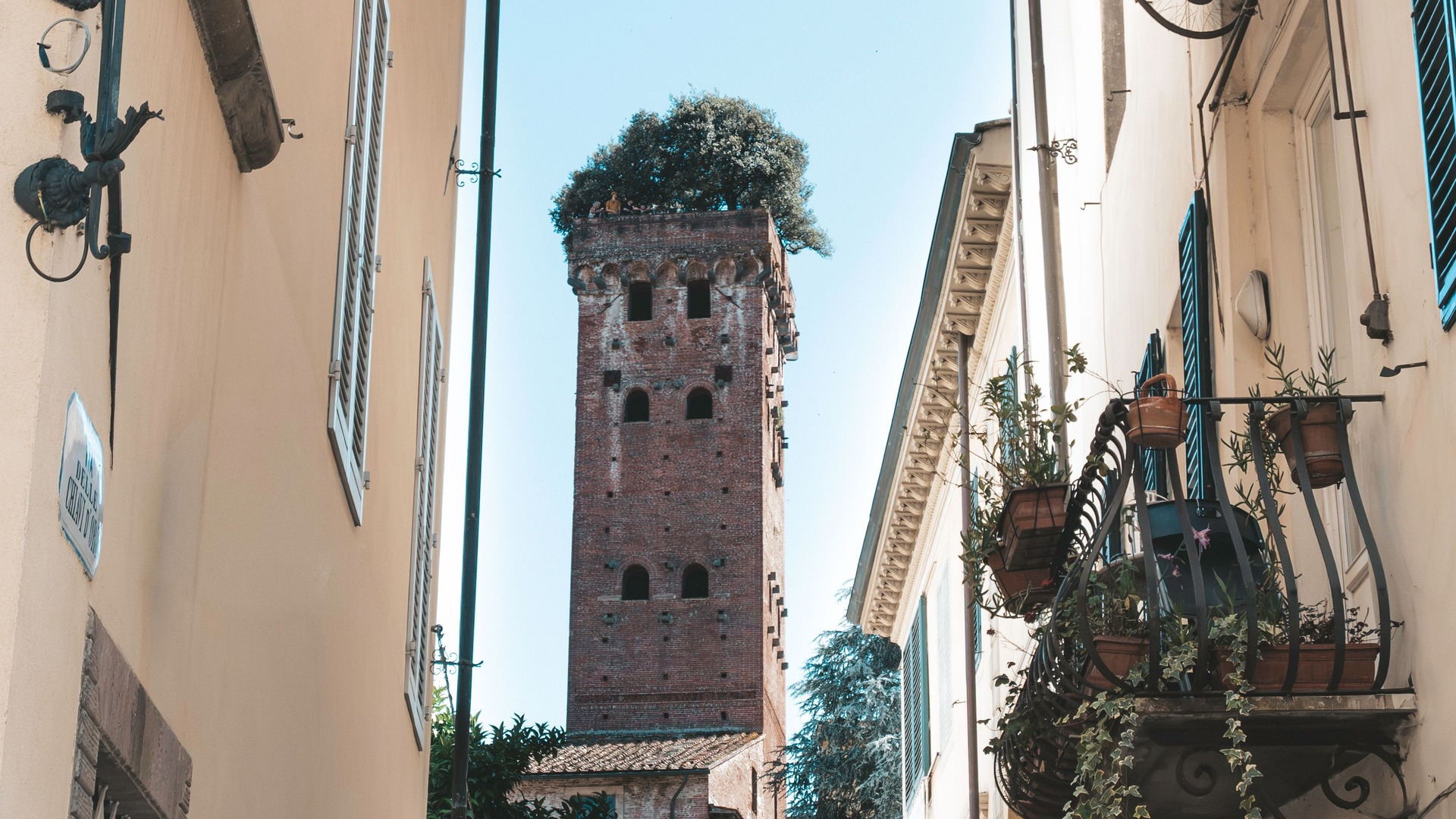
From the cathedral, make your way to Torre Guinigi, the 14th-century tower topped with a small rooftop garden of holm oak trees, planted centuries ago and still growing today, visible from streets away. The climb rewards with a sweeping view over the city’s terracotta rooftops and the walls beyond, and it’s one of the more distinctive things to see anywhere in Tuscany, a detail found on no other tower in Italy. Go later in the afternoon rather than at midday if possible, both for softer light over the rooftops and for a shorter queue at the ticket booth. If time allows and the composer’s work interests you, Puccini’s childhood home, a small museum just off Piazza San Michele holding manuscripts, instruments, and the piano on which he composed his final opera, makes a worthwhile late-afternoon stop before the museums close for the evening.
A Sample Day in Lucca
| Time | Activity |
|---|---|
| 8:30 AM | Rent a bicycle and ride the loop of the city walls |
| 10:00 AM | Coffee and pastry at Piazza dell’Anfiteatro |
| 10:45 AM | Visit Chiesa di San Michele in Foro |
| 12:30 PM | Lunch: tordelli lucchesi at a local trattoria |
| 2:00 PM | Cattedrale di San Martino and Ilaria del Carretto’s tomb |
| 3:30 PM | Climb Torre Guinigi for the rooftop garden view |
| 4:30 PM | Puccini’s house museum, if time allows |
| 6:00 PM | Aperitivo on Piazza Napoleone or a quiet side street |
| 8:00 PM | Dinner: buccellato for dessert, farro soup to start |
Getting to Lucca for the Day
Lucca is an easy day base whether you’re staying in Florence, Pisa, or along the coast. Trains from Florence take roughly ninety minutes, and Pisa is a short twenty-five-minute hop, close enough that combining both cities in a single longer day is realistic for anyone with an early start. Arriving by car means parking outside the walls, since much of the historic center is pedestrianized, a short walk in from any of the marked lots ringing the ramparts.
Practical Tips for the Day
Bike rental shops cluster near the main gates and open early, so there’s rarely a need to book ahead outside of peak summer weekends. Torre Guinigi and the cathedral both charge a small entry fee, and a combined ticket covering several of the city’s towers and churches is worth asking about if you plan to see more than one. Comfortable shoes matter more here than in most Tuscan towns, given how much of the day involves cobblestones, and the wall’s flat, tree-shaded path is a genuinely pleasant place to cool off between the more crowded stops below.
Evening: Aperitivo and Dinner
As the day-trippers head back to Florence or Pisa, Lucca’s evening rhythm settles into something considerably more local. Take an aperitivo on or around Piazza Napoleone as the light softens, then find a dinner spot away from the main tourist routes for a proper sit-down meal. Start with a farro soup, made from the ancient grain long grown in the nearby Garfagnana valley, and save room for buccellato, Lucca’s sweet, anise-and-raisin-studded ring bread, sold in bakeries across the historic center and the closest thing the city has to a signature dessert. If your visit happens to fall in early autumn, look for it specifically tied to the feast of the Volto Santo in September, when bakeries produce it in larger batches and the whole city takes the tradition a little more seriously than on an ordinary evening.
A Rainy-Day Alternative
Lucca handles bad weather better than most Tuscan hill towns, largely because so much of what makes it worthwhile sits indoors or under cover regardless of conditions. If rain sets in, swap the wall ride for an unhurried visit to the cathedral museum and Puccini’s house, both easily filled with an hour or more of genuine content, then take shelter over a long lunch rather than rushing between outdoor stops. The amphitheater’s surrounding arcades offer enough cover for a quick look at the piazza’s shape even without lingering outside, and many of the olive oil and specialty food shops around San Michele are perfectly happy to have a browsing customer escaping a downpour.
What to Eat, Dish by Dish
| Dish | When to Have It | Where to Look |
|---|---|---|
| Coffee and a pastry | Mid-morning | A café on Piazza dell’Anfiteatro |
| Tordelli lucchesi | Lunch | A trattoria near San Michele in Foro |
| Local olive oil, tasted or bought | Early afternoon | A specialty shop around San Michele |
| Aperitivo | Early evening | Piazza Napoleone or a quiet side street |
| Farro soup | Dinner, to start | Any trattoria away from the main tourist routes |
| Buccellato | Dinner, for dessert | A bakery in the historic center |
A Quick Checklist Before You Set Off
- Comfortable, broken-in shoes for cobblestones and the wall’s uneven older sections
- A refillable water bottle, since summer heat on the open walls can be considerable by midday
- Cash in small denominations for smaller bakeries and family-run trattorias that don’t always take cards
- A light layer for the evening, since the breeze along the walls picks up noticeably after sunset
- A camera or phone charged for both Torre Guinigi’s rooftop garden and the amphitheater’s morning light
- An eSIM or other data plan set up before arrival, covered below, so nothing needs booking blind
Where to Stay If You Extend the Trip
Anyone won over by a single day here often ends up wishing they’d booked a room rather than a return train. Staying inside the walls puts every stop on this itinerary within a short walk and means experiencing the amphitheater and the ramparts in the quiet hours before and after the day-trip crowds pass through. For a longer stay with more space, a countryside villa just outside the walls, set among the olive groves that supply the oil sold in the shops around San Michele, is a genuinely pleasant alternative with easier parking and a short drive back into the center each evening.
If You Have a Little Extra Time
If your day allows for a slightly later finish, an evening walk back up onto the walls is worth the small detour, considerably quieter after dark and, in July, occasionally timed alongside outdoor concerts from the Lucca Summer Festival held right on the ramparts. For anyone extending the trip beyond a single day, Lucca sits close enough to Florence and Tuscany’s wine country that a second day spent heading inland toward the vineyards is an easy, natural next step.
Where to Stay: compare hotels and current prices in Lucca on Trip.com.
The Takeaway
One day in Lucca is enough to ride the walls, stand inside a Roman amphitheater’s footprint, climb a tower with trees on its roof, and eat a proper Tuscan dinner without ever feeling rushed, provided the day starts early and stays focused. It’s also, almost inevitably, enough to make you wish you’d planned for two.
Planning a trip? See our guides to Leaning Tower of Pisa tickets and the best day trips from Florence.