
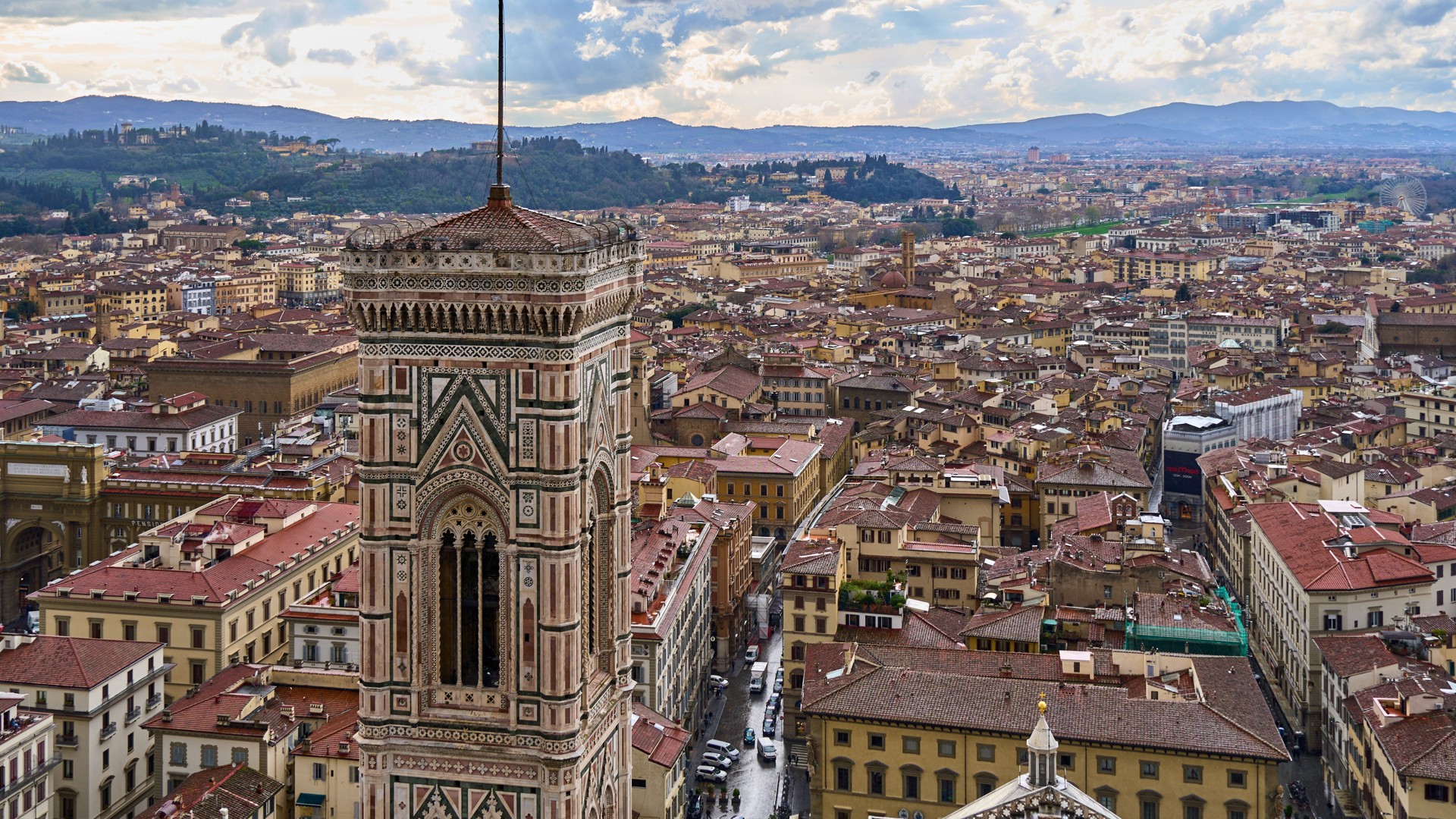
Ask most people where to drink wine in Italy and you will hear a dozen different answers: Piedmont for Barolo, Veneto for Prosecco, Sicily for something sun-drenched and volcanic. All fair. But if you only have one region to build a trip around, Tuscany, with Florence as its beating heart, makes the strongest case of any of them. This is a place where wine is not a side activity slotted between museum visits. It is woven into the landscape itself, into the rolling hills you drive through, the menus you order from, and the quiet cellars tucked beneath buildings that have been standing since the Renaissance.
Florence sits at the center of this world almost by accident of geography. Chianti Classico begins just south of the city and stretches toward Siena. The Chianti Rùfina zone lies to the northeast. Further out, Montalcino and Montepulciano produce two of Italy’s most serious reds, Brunello and Vino Nobile, both within a comfortable day trip. Few cities in the world put this much world-class wine within an hour’s drive of their historic center, and Florence’s own restaurants and enotecas make sure you never have to leave town to taste the best of it either.
Tasting Your Way Through Florence Itself
Before you even think about a countryside excursion, Florence’s old town is packed with ways to drink seriously well without a car or a tour guide. The city has a long tradition of small wine windows, called „buchette del vino,“ tiny openings cut into the stone facades of old palazzos where wine was once passed out directly to the street, originally to sell surplus wine from noble estates and later, famously, to hand out a small glass during the pandemic years when it briefly became a viral curiosity again. A number of these have been restored and reopened, and finding a handful of them scattered across the historic center is a genuinely fun way to spend an afternoon.
Beyond the novelty of the wine windows, Florence’s enotecas are where the real depth of the region shows up. Many of these wine bars pour flights that walk you through the differences between a young Chianti Classico, an aged Chianti Classico Riserva, and a Gran Selezione, the top tier of the appellation, side by side. Others focus on introducing visitors to Super Tuscans, the blends that broke from traditional rules in the 1970s and 1980s by mixing Sangiovese with international grapes like Cabernet Sauvignon and Merlot, producing some of the most sought-after and expensive bottles in the country. Pair any of this with a plate of pecorino, cured meats, and the region’s dense, saltless bread, and you have one of the simplest, most satisfying evenings a wine lover can have anywhere in Italy.
A Few Ways to Taste Wine in Florence
- Wine windows (buchette del vino): a quick glass through a centuries-old stone opening, more novelty than serious tasting but genuinely charming
- Enoteca tastings: guided flights comparing Chianti Classico, Riserva, and Gran Selezione levels
- Super Tuscan focused bars: introductions to the international-style blends that put modern Tuscan wine on the world map
- Market halls: casual by-the-glass pours paired with local cheese and cured meats, ideal for a lighter afternoon
- Rooftop and terrace bars: wine with a view over the Duomo or the Arno, better for atmosphere than for deep tasting notes
Leaving the City: Chianti and Beyond
As good as Florence itself is for tasting, the real reason wine lovers come to this part of Italy is the countryside. Chianti Classico, marked by its black rooster symbol, sits directly between Florence and Siena and is easily explored as a day trip, whether you rent a car, hire a driver, or join a small group tour. The region rewards slow travel: narrow roads wind between cypress-lined hills, medieval villages like Greve, Panzano, and Radda appear every few kilometers, and family-run estates are often happy to host a tasting with little more than a phone call ahead.
Further south, Montalcino produces Brunello di Montalcino, one of Italy’s most age-worthy reds, made entirely from a specific clone of Sangiovese and required by law to age for years before release. Montepulciano, nearby, makes Vino Nobile, historically considered Brunello’s slightly more approachable sibling. Both towns are worth a full day each if you can manage it, combining cellar visits with lunch in a hilltop restaurant looking out over the vineyards you just tasted from.
For something different in pace, the Chianti Rùfina zone northeast of Florence is smaller, quieter, and far less visited than Chianti Classico, which makes it an appealing option if you want a countryside wine day without the crowds. It is also simply a beautiful stretch of Tuscany in its own right, with a cooler, more continental climate that produces wines with a slightly different character than their more famous neighbors to the south.
Wine Regions Near Florence at a Glance
| Region | Distance from Florence | Known For | Best For |
|---|---|---|---|
| Chianti Classico | 30–60 minutes | Sangiovese-based reds, black rooster seal | An easy, classic day trip |
| Chianti Rùfina | 30–40 minutes | Cooler-climate Sangiovese, fewer crowds | A quieter countryside alternative |
| Montalcino | Roughly 1.5 hours | Brunello di Montalcino | Serious, age-worthy reds and a full-day outing |
| Montepulciano | Roughly 1.5 hours | Vino Nobile di Montepulciano | Hilltop scenery paired with excellent food |
If you want a deeper breakdown of specific bars, cellars, and where the best pours in the city actually are, our guide to Florence and wine: the best wine in Florence, Italy goes street by street through the city’s tasting scene, which is a good starting point before you plan any countryside excursions.
What to Eat Alongside It: Florentine Food Pairings
Wine in Tuscany rarely stands alone, and Florence’s food culture is built specifically to sit next to a glass of Sangiovese. The city’s signature dish, bistecca alla fiorentina, a thick-cut T-bone steak grilled rare and served simply with olive oil, lemon, and salt, is practically designed for a structured, tannic Chianti Classico or a young Brunello, both of which have the acidity and grip to cut through the richness of the meat. It is a pairing locals will tell you about unprompted, and for good reason: the combination is genuinely one of the more satisfying food-and-wine moments in Italian cooking.
Beyond the steak, Tuscan cuisine leans heavily on simple, rustic dishes that make room for the wine to do the talking. Ribollita, a thick bread-and-vegetable soup, pairs comfortably with an easier-drinking Chianti. Pappardelle with wild boar ragù, a regional classic, stands up well to a Super Tuscan blend with a bit more weight from Cabernet or Merlot. Even something as simple as a plate of pecorino from the hills around Siena, drizzled with local honey, becomes a small event next to an aged Chianti Classico Riserva. None of this requires much planning; asking almost any Florentine restaurant for a pairing recommendation will get you pointed in the right direction, since the food and the wine here were essentially designed together over centuries, not matched after the fact.
Timing Your Visit
Florence and its surrounding wine country reward some thought about when you go. Late spring, particularly May and early June, brings warm days without the peak-summer crowds or heat, and the countryside is at its greenest. September and early October are arguably even better for a wine-focused trip, since harvest season means many estates are at their most active and welcoming, and the late-afternoon light over the vineyards is hard to beat. Summer, especially July and August, brings intense heat that makes long countryside drives and outdoor tastings considerably less comfortable, though it is still workable if you build in shaded midday breaks and save the more active parts of your day, tennis included, for the cooler morning hours.
Winter has its own quiet appeal for travelers who prioritize tastings over sunshine. Many estates slow down but remain open by appointment, restaurants are far less crowded, and a rich glass of Brunello feels entirely appropriate next to a wood-fired meal on a cold evening in the hills. Whatever season you choose, booking ahead matters more than most visitors expect, particularly for smaller family-run estates that only host a limited number of visitors per day.
Italy Rewards More Than Just Your Palate
Here is the thing about building a trip entirely around wine: Italy is far too good at everything else for that to be the whole story. The same slow, sun-soaked pace that makes an afternoon of tasting so appealing also makes this country one of the best places in the world to fold in a bit of physical activity, and it rarely feels like a compromise between „relaxing“ and „active“ the way it might elsewhere.
Take tennis, for instance. It sounds like an odd pairing with wine country until you actually try it. A short match in the cool of the morning, before the Tuscan sun gets serious, followed by a slow lunch and an afternoon tasting, is one of the more satisfying rhythms you can build into an Italian trip. The tradition runs deep here too. Up in Lake Como, tennis has been part of the travel culture since the early 1900s, when grand hotels along the shore began building courts to match the golf clubs and yacht clubs that were already drawing Europe’s elite to the lake. If a lake-and-mountains detour is part of your Italy itinerary alongside Florence, our piece on why tennis belongs on your Lake Como itinerary covers where to play, what makes the sport such a genuinely healthy addition to a vacation, and how to pair a match with an afternoon on the water.
The point generalizes well beyond tennis and Como, though. Italy is full of these pairings: a bike ride through Chianti’s vineyards before lunch, a morning swim in the Tyrrhenian Sea before an evening at a Florentine trattoria, a round of golf near one of the northern lakes before a wine dinner. The country simply does not force you to choose between moving your body and enjoying yourself at a table. Both fit into the same day without friction, which is a big part of why an Italian trip tends to feel more restorative than a typical city-and-museum vacation elsewhere.
A Few Ways to Balance Wine with Activity
- Morning: a tennis match, a bike ride through the hills, or a swim, done before the heat sets in
- Midday: a leisurely lunch, ideally somewhere with a view, paired with a glass or two from the region
- Afternoon: a proper tasting, whether at a Florence enoteca or a countryside estate
- Evening: dinner built around the day’s wine, with an early night if tomorrow starts with another activity
The One Practical Thing You Actually Need to Sort Out First
None of this works particularly smoothly if you are fumbling with connectivity the whole trip. Booking a table at a small enoteca, reserving a tasting slot at a countryside estate, confirming a tennis court, or simply pulling up directions to a village whose name you cannot quite pronounce all depend on having reliable data the moment you land, not three hours later once you have tracked down a local SIM shop or fought with a hotel’s spotty WiFi.
This is where sorting out an eSIM before you travel makes a genuinely outsized difference for very little effort. It takes a few minutes to set up before you leave home, activates the moment you land, and means you are never stuck trying to book a last-minute cellar visit or find your way to a hilltop restaurant with no signal. Our full breakdown of staying connected with an eSIM walks through exactly how to set one up and which providers are worth using, and it is genuinely one of those small pieces of trip planning that pays for itself many times over once you are actually in Tuscany trying to book a table on short notice.
Putting It All Together
A trip built around Florence and its wine does not have to mean seven days of tastings back to back, however tempting that sounds. The best version of this trip mixes real, serious tasting time, whether that is working through Chianti Classico’s tiers at a Florence enoteca or spending a full day in Montalcino, with mornings spent doing something physical, whether that is a match on a court somewhere or simply a long walk through the hills before the heat arrives. Sort out your connectivity before you land so that none of the logistics get in the way, and you end up with a trip that moves at exactly the pace Tuscany was built for: slow enough to actually taste what you are drinking, active enough that you have earned it.
Florence, in other words, is not just a stop on an Italian wine trip. It is the natural base for one, close enough to some of the country’s most important wine regions that you can be tasting Brunello by lunchtime and back at a rooftop bar over the Duomo by dinner, with plenty of room in between for everything else that makes a trip to Italy feel like more than a checklist of vineyards.
0 Kommentare zu „Why Florence Is Where Italy’s Wine Story Really Begins“