Sicily is the largest island in the Mediterranean, and distances here are bigger than most first-time visitors expect. Palermo to Taormina is roughly a three hour drive, Syracuse to Trapani closer to four. How you get around shapes the whole trip: which towns you can combine, where you should base yourself and how much of your holiday you spend in transit. This guide covers every option, from rental cars and private drivers to trains, buses and the ferries to the islands.
This article contains affiliate links. If you book through them, we may earn a small commission at no extra cost to you.
The short answer
- Best overall: a rental car, picked up and returned at the airport
- Best for comfort: a private driver for transfers and day trips
- Best without a car: buses along the east coast (Catania, Taormina, Syracuse) and trains on the coastal lines
- For the islands: hydrofoils from Milazzo to the Aeolian Islands and from Trapani to the Egadi Islands
- Avoid: driving into the historic centres. Most have restricted traffic zones (ZTL) with automatic fines
Getting to Sicily
Most visitors fly. Catania Fontanarossa (CTA) is the busiest airport and the natural gateway to Taormina, Etna, Syracuse and the baroque southeast. Palermo Falcone Borsellino (PMO) serves the capital, Cefalù and the west. Smaller airports at Trapani Birgi and Comiso have a handful of seasonal routes. For a round trip across the island, an open jaw ticket (arrive in Palermo, leave from Catania or the other way round) saves you a full day of driving back.
You can also arrive overland. Trains and cars cross the Strait of Messina on ferries from Villa San Giovanni in Calabria, a short crossing of around 20 to 30 minutes. Overnight ferries connect Palermo and Catania with Naples, Genoa, Civitavecchia and Livorno, which is a relaxed option if you are driving down from the mainland in your own car.
Options at a glance
| Option | Best for | Watch out for |
|---|---|---|
| Rental car | Road trips, the baroque towns, wineries, beaches and agriturismi | ZTL zones, parking in the old towns, narrow village streets |
| Private driver | Airport transfers, Etna and wine days, travelling in comfort | Higher cost, needs booking ahead in summer |
| Train | Messina, Taormina, Catania, Syracuse and Palermo to Cefalù | Few lines inland, slow connections between east and west |
| Bus | Catania airport to Taormina and Syracuse, Palermo to Agrigento and Trapani | Reduced timetables on Sundays and holidays |
| Hydrofoil and ferry | Aeolian Islands, Egadi Islands, Pantelleria | Cancellations in strong wind, book ahead in August |
Renting a Car in Sicily
For most travellers a car is the best way to see Sicily. The places that make the island special, the baroque towns of Noto, Modica and Ragusa, the vineyards on Etna, the hilltop villages and the quiet beaches of the south, are hard or impossible to reach by public transport in a sensible amount of time. With a car you can follow a 7 day Sicily itinerary without watching timetables, and stay in countryside hotels and masserie that simply have no bus stop.
Pick up at the airport. Collecting the car at Catania or Palermo airport means you never have to drive through a city centre. If you start with a few days in Palermo or Ortigia, pick the car up only when you leave town.
Choose a small car. Village streets in places like Savoca, Erice or Ragusa Ibla are narrow, and parking spaces are tight. A compact car with full insurance cover is the most relaxed choice, even on a luxury trip.
Licence. EU licences are valid as they are. Drivers with a licence from outside the EU should carry an International Driving Permit together with their national licence.
Compare rental cars in Sicily
Prices for cars with automatic transmission rise quickly in summer, and automatics are limited. Compare the rental companies at Catania and Palermo airport and book early.
Roads and motorways
The main motorways link the big cities. The A18 runs along the east coast from Messina via Taormina to Catania (with tolls), the A19 crosses the island between Palermo and Catania, the A20 follows the north coast from Palermo to Messina (with tolls), and the A29 connects Palermo with Trapani, Marsala and Mazara del Vallo. Away from the motorways, roads are slower than the map suggests, with curves, villages and the occasional tractor. Plan for an average speed well below what navigation apps show, and avoid driving long stretches after dark in the interior.
ZTL zones and parking
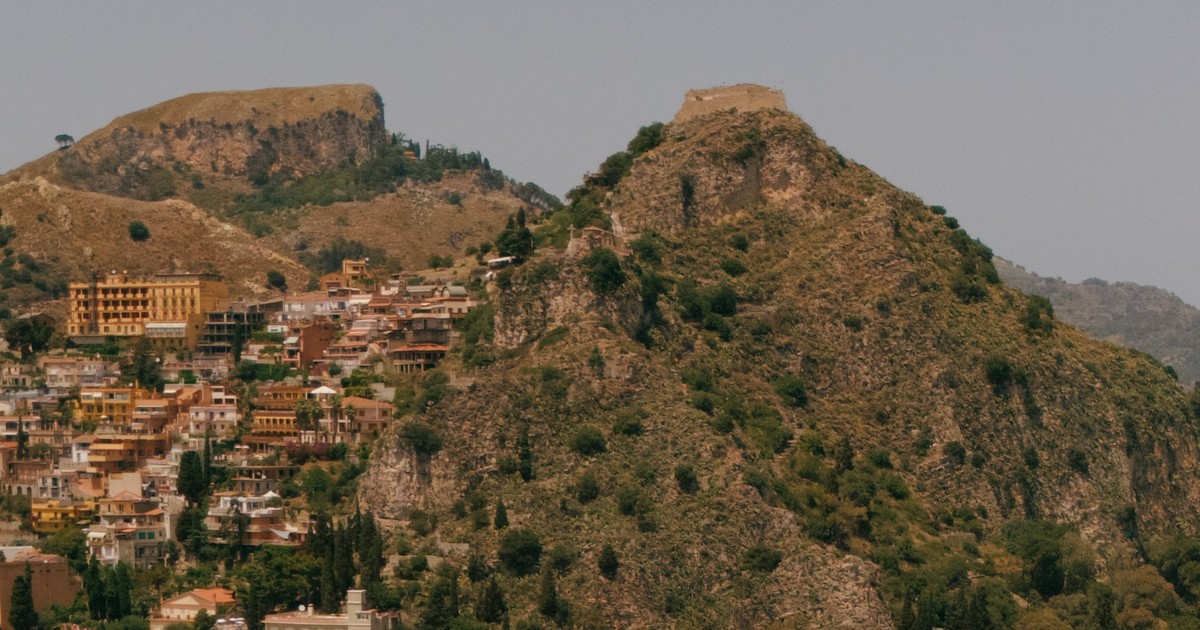
Almost every historic centre in Sicily has a ZTL (zona a traffico limitato), a restricted traffic zone monitored by cameras. This includes Palermo, Catania, Taormina, Ortigia in Syracuse and Noto. Entering without a permit leads to a fine that usually reaches you weeks later through the rental company, with an admin fee on top. If your hotel is inside a ZTL, ask before arrival whether they can register your number plate. Otherwise use the paid car parks at the edge of town. In Taormina, the Lumbi and Porta Catania car parks are the easiest option, with a shuttle or a short walk into the centre.
Charlotte’s tip: photograph the car
Before you leave the rental car park, take a video walking around the car, including the wheels and the windscreen, and do the same when you return it. It takes two minutes and saves long discussions about scratches that were already there.
Private Drivers and Transfers
If you would rather not drive at all, a private driver is the most comfortable way to travel in Sicily. Drivers with an NCC licence (noleggio con conducente) offer fixed prices for airport transfers and can be booked for full days, for example a day on Etna with lunch at a winery, a trip to the Godfather villages or a tour of the baroque towns. Many luxury hotels in Taormina and Ortigia arrange transfers for their guests. For the most common routes from the airport, see our guide to the Catania airport transfer to Taormina and Syracuse.
A good combination for travellers who want to avoid driving in the cities: transfer to Taormina or Ortigia, explore on foot, and book a driver or a guided tour for the best day trips from Taormina and Mount Etna.
Trains in Sicily
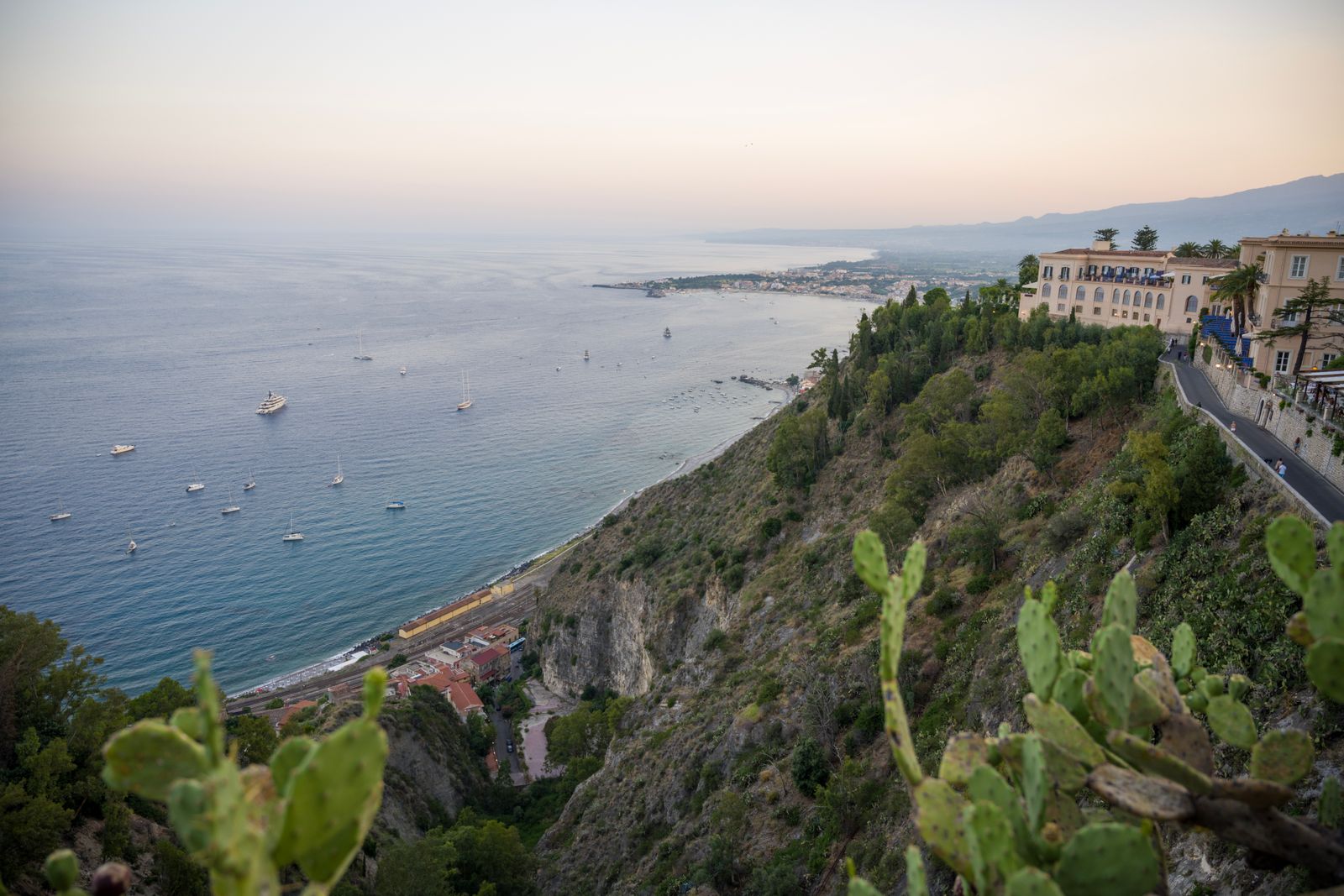
Trains work well on the coast and less well inland. The most useful line for visitors runs along the east coast from Messina via Taormina-Giardini to Catania and Syracuse. The station of Taormina-Giardini sits below the town at sea level, so you need a bus, a taxi or a steep walk up to the centre. On the north coast, regional trains connect Palermo with Cefalù in about an hour, an easy day trip. Trains between Palermo and Catania exist, but the journey through the interior takes longer than the bus.
A special case is the Circumetnea, a narrow gauge railway that circles Mount Etna from Catania to Riposto through lava fields, pistachio groves and wine villages such as Randazzo. It is slow and runs only a limited timetable, but it is a lovely experience for train lovers. Tickets for regional trains are sold by Trenitalia online, in the app and at the stations.
Buses in Sicily
Regional buses are often faster and more frequent than trains. Several private companies cover different routes, for example Interbus and Etna Trasporti on the east coast (Catania airport to Taormina and Syracuse), SAIS between Palermo, Catania and the airports, AST on many regional routes, and Segesta and Cuffaro from Palermo to Trapani and Agrigento. Buses usually leave from the main bus stations or directly from the airport, and timetables are reduced on Sundays and public holidays. For the baroque towns and smaller villages, buses do exist but rarely fit a holiday schedule.
Ferries and Hydrofoils to the Islands
The small islands around Sicily are some of its highlights. Hydrofoils and ferries run from Milazzo to the Aeolian Islands (Vulcano, Lipari, Salina, Panarea and Stromboli), and from Trapani to the Egadi Islands (Favignana, Levanzo and Marettimo). The main operators are Liberty Lines for the hydrofoils and Siremar for the ferries. In July and August, book your tickets in advance, and in spring and autumn keep a buffer day in your plans, as sailings are cancelled when the wind is strong.
For the most beautiful way to see the islands, take to the water privately. Our guides to the Aeolian Islands by boat and the Egadi Islands cover boat tours and private charters.
Which Option Suits Your Trip
One base on the east coast: if you stay in Taormina, Catania or Ortigia, you can manage well without a car. Use transfers, buses and guided day trips. Our guide to where to stay in Catania helps with the choice of base.
A road trip across the island: rent a car. This is the only way to combine Palermo, the temples of Agrigento, the baroque southeast and Etna in 10 to 14 days without losing time.
Luxury and slow travel: a mix works best. A car for the countryside and the boutique hotels and masserie, a driver for wine days on Etna, and a boat for the islands.
Find your base in Catania
Catania is the most practical base for travelling by car or public transport, with the airport, the motorways and the bus station all close by. Compare current hotel rates.
FAQ
Do you need a car in Sicily?
Not if you stay in one place on the east coast, such as Taormina or Ortigia, and use transfers and tours. For a trip around the island, the baroque towns, wineries or countryside hotels, a car is strongly recommended.
Is driving in Sicily difficult?
Motorways and main roads are easy to drive. City traffic in Palermo and Catania is hectic, and village streets are narrow. Avoid the city centres, watch out for ZTL zones and choose a small car, and driving in Sicily is relaxed.
Can you get around Sicily by train?
Partly. The coastal lines from Messina to Syracuse and from Palermo to Cefalù are useful. Inland, trains are slow and infrequent, and buses are usually the better choice.
How long does it take to drive across Sicily?
Palermo to Catania takes around two and a half to three hours on the A19, Palermo to Taormina around three hours and Catania to Syracuse about an hour. Allow extra time in summer and on secondary roads.