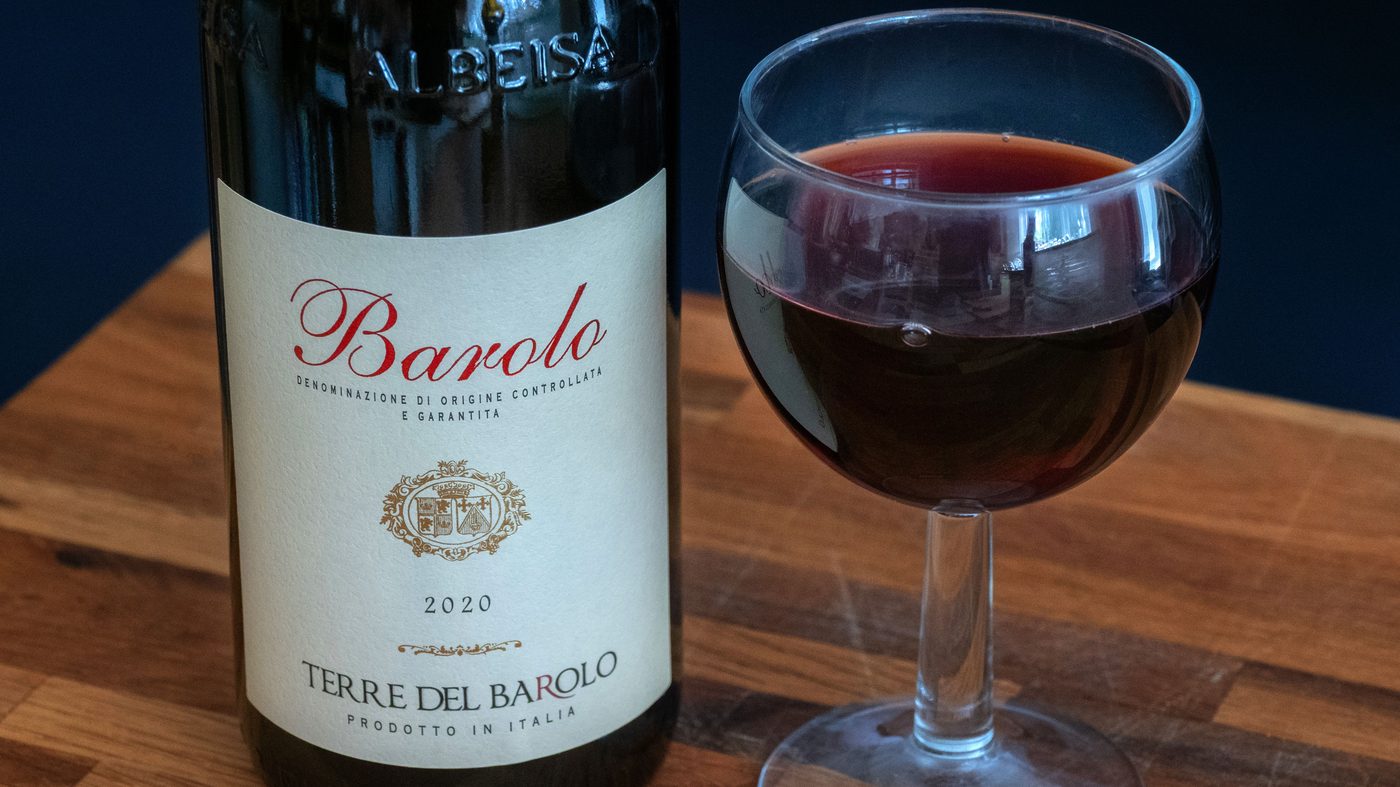
Barolo zone property is, by any measure, the most expensive vineyard land in Italy. According to Knight Frank’s 2026 Wealth Report, Piedmont’s Barolo is the world’s costliest wine region per hectare – more expensive than Burgundy’s Côte d’Or, more expensive than Napa Valley. Peak crus like Cannubi command up to €4 million per hectare. That is not a typo. It is the price the market has set for the world’s finest Nebbiolo.
However, the Barolo zone is also one of the most diverse real estate markets in Italy. Entry-level vineyard plots start at around €300,000 per hectare. Residential property in the surrounding Langhe hills begins well under €500,000. And the UNESCO World Heritage designation of the Langhe-Roero-Monferrato landscape – granted in 2014 – has driven sustained international interest from buyers who want more than a wine investment: they want to live inside it. For context on the wines that underpin this market, our Italian wine regions guide covers Barolo, Barbaresco and the Nebbiolo grape in full detail.
Why the Barolo Zone Commands These Prices
Nebbiolo is one of the world’s great red grapes, and the Langhe hills of southern Piedmont are the only place on earth it reaches its full potential. Barolo DOCG – the wine of kings – requires a minimum of five years ageing for Riserva and is capable of lasting decades. Barbaresco DOCG, from the hills northeast of Alba, offers a slightly more accessible expression of the same grape from the same soils.
The Menzione Geografica Aggiuntiva (MGA) system – Piedmont’s equivalent of single-vineyard classification – means that land values fluctuate by over €500,000 per hectare depending on which specific cru a plot belongs to. Therefore, knowing the map matters enormously. Cannubi, Brunate, Cerequio and Rocche dell’Annunziata in Barolo; Asili, Rabajà and Martinenga in Barbaresco – these names carry premiums that are fully reflected in land prices.
2018 Boasso Barolo Serralunga d'Alba. A powerhouse Nebbiolo that absolutely commands respect. Intoxicating classic notes of crushed roses, tar, and dark cherry. Muscular but refined. Gripping tannins and intense dark fruit are balanced by bright acidity..$32. pic.twitter.com/2d0p4f2cnz
— Quick & Dirty Wine Reviews (@WineDirty) April 7, 2026
Barolo Zone Property Prices – Zone by Zone
The cards below show current price ranges across the Barolo zone and wider Langhe-Piedmont market. However, within the Barolo DOCG itself, prices vary enormously by MGA – the gap between an entry plot and a top cru can be larger than the entire price range of other Italian regions.
Barolo DOCG – top crus
Cannubi, Brunate, Cerequio
€2.3M–€4M /ha
- Peak values late 2025
- Often price on request only
- Rarely available publicly
Barolo DOCG – entry
Secondary MGA positions
€300k–€1.5M /ha
- Entry to one of Italy’s greatest appellations
- Significant variation by village
- Serralunga d’Alba, Verduno, Diano d’Alba
Barbaresco DOCG
Planted Nebbiolo vineyard
~€600k /ha
- Asili, Rabajà top sites
- More accessible than Barolo
- Same grape, different expression
Alba / Langhe
Residential / rural estate
~€1,500 /m²
- UNESCO World Heritage zone
- White truffle capital of Italy
- 20+ Michelin-starred restaurants nearby
Monferrato hills
Vineyard / farmhouse
From €150k–€400k
- UNESCO zone, lower prices
- Barbera d’Asti, Moscato
- Recommended by specialist agents
Langhe villages
Village house / renovation
Under €100,000
- Cortemilia, Dogliani
- Vineyard views at low cost
- Renovation investment required
Barolo vs. Barbaresco vs. Monferrato – A Direct Comparison
Buyers considering Nebbiolo country face a meaningful choice between three distinct market positions. The comparison below shows the key differences. For buyers who want Italy’s most prestigious address, Barolo is unmatched – but the price reflects it. Barbaresco offers the same grape and similar landscape at a significant discount. Monferrato offers the UNESCO landscape and excellent wine without the Nebbiolo premium. For comparison with other Italian wine regions, see our guides to Tuscany, Sicily’s Etna zone and Umbria.
What the Barolo Zone Offers Beyond Wine
The Langhe is not only about Nebbiolo. The entire area around Alba is one of the most celebrated food destinations in Italy. White truffles from Alba are among the most valuable food products on earth. Additionally, the Langhe hosts more Michelin-starred restaurants per capita than almost any other area of Italy – over 20 in the immediate region. Slow Food was born here. Ferran Adrià has called it one of the world’s great gastronomic landscapes.
For buyers whose lifestyle priorities go beyond wine, the Langhe offers a quality of life that is difficult to match. Turin – one of Italy’s most underrated cities, with a world-class Egyptian museum and a thriving contemporary art scene – is approximately one hour by car. Milan is 90 minutes. Furthermore, the Langhe hills themselves are beautiful in every season: spring blossom, summer harvest, autumn fog and truffle season, winter snow on the vine rows.
What Buyers Need to Know
The Barolo market is notably opaque. Top vineyard transactions rarely appear on public listings – up to 40% of deals happen off-market, with properties sold privately through consultant networks. Therefore, serious buyers engage specialist agents with established local relationships from the outset. Richard Edwards of Langhe Property, one of the region’s longest-established English-speaking agents, has noted that the minimum transaction size for serious vineyard work is approximately €500,000.
The MGA classification system means that due diligence on which specific vineyard a plot belongs to is essential. A €500,000 difference per hectare can turn on a boundary line. Land registry verification (Catasto), DOC/DOCG status confirmation and vine age documentation are all non-negotiable steps before any purchase commitment.
Foreign buyers from most countries can purchase on the same terms as Italian buyers, subject to the principle of reciprocity. Additionally, buyers who qualify as Professional Agricultural Entrepreneurs (IAP) within 24 months of purchase can reduce registration tax from 15% to a fixed fee of €200 plus 1% cadastral tax – a significant saving on high-value Barolo land.
Realistic Budget Ranges for the Barolo Zone
For buyers weighing Piedmont against other Italian wine regions, our guides to Tuscany, Sicily’s Etna zone and Umbria cover each market in comparable detail. Our broader Italian wine regions guide provides the full context on Barolo, Barbaresco and what makes Nebbiolo the king of Italian grapes.
0 Kommentare zu „Investing in Nebbiolo Country – Property in the Barolo Zone“